
These 10 non-hybrid SUVs and crossovers prove you don’t need electrification to spend less at the pump.
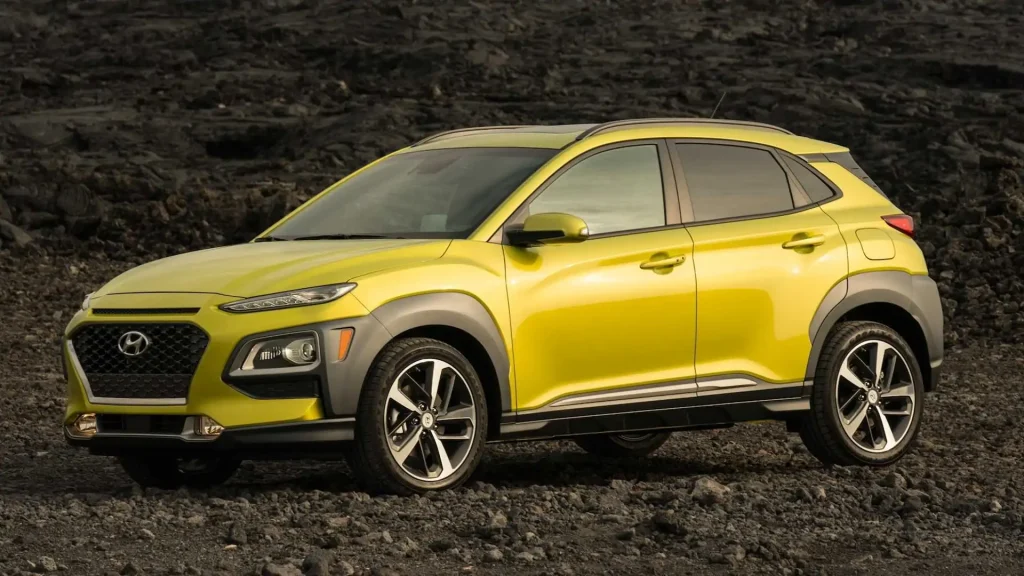
With gasoline prices climbing again, fuel economy is likely to become an important consideration for new-vehicle shoppers. Higher fuel costs once might have driven more buyers toward small cars, but the market has shifted significantly. SUVs, particularly car-based crossovers, have become the preferred choice for an ever-growing number of U.S. drivers. Passenger cars now account for just 30 percent of all vehicle sales, down from roughly half the market as recently as 2013.
The most fuel-efficient SUVs are largely electrified models, whether they’re hybrids, plug-in hybrids, or fully electric vehicles. The Hyundai Kona Electric leads the way, delivering an EPA-equivalent 132 mpg in the city and 108 mpg on the highway. Among hybrid SUVs, the new-for-2019 Lexus UX 250h is also remarkably efficient, returning 43 mpg city, 41 highway, and 42 combined.
Unfortunately, the higher fuel efficiency of most EVs and hybrids comes with a higher purchase price. The Hyundai Kona Electric, for example, costs $15,150 more than its gasoline-powered counterpart. Even after factoring in the $7,500 federal tax credit available to eligible EV buyers, that’s still a $7,650 premium. The Lexus UX 250h is easier to justify, with a $2,000 premium over the conventional model. But with estimated fuel savings of only about $200 per year compared with the already-efficient gas-powered UX, which returns 29 mpg city and 37 highway, it would take nearly seven years to make up the difference.
That raises another question: Which 2019 SUVs deliver the best fuel economy while relying exclusively on gasoline? As you’d expect, the leaders are mostly among the smallest car-based crossovers available. Large SUVs such as the Chevrolet Tahoe and Ford Expedition don’t make the cut. According to the Environmental Protection Agency, however, the most efficient models can save their owners an estimated $1,500 in fuel over five years compared with the average new vehicle, assuming 15,000 miles of annual driving. We’ve highlighted the 10 most fuel-efficient gas-powered SUVs in the slideshow above, with fuel economy listed as EPA-rated city/highway mpg.
Table of Contents
2019 Nissan Kicks
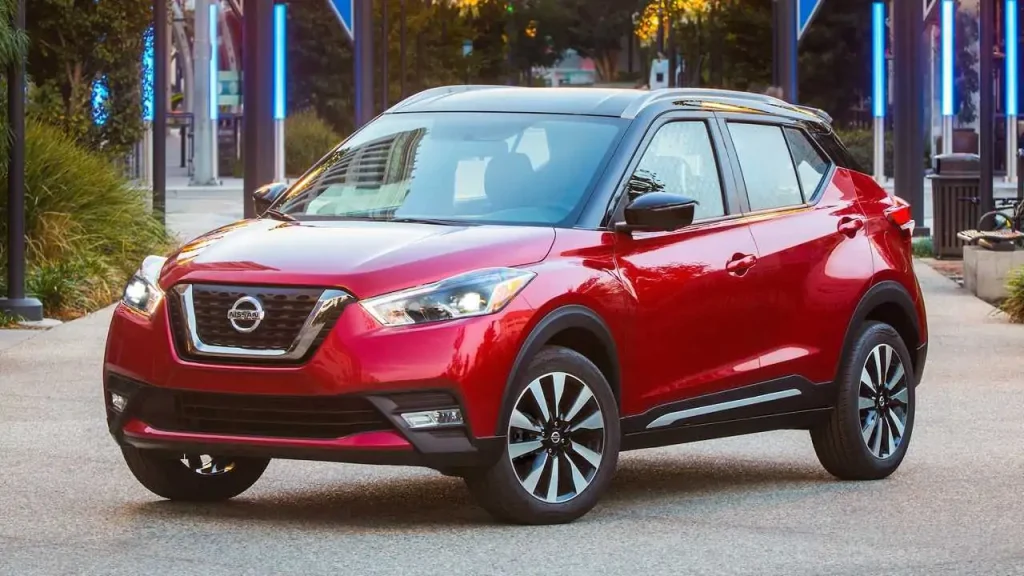
The Nissan Kicks showed that an SUV didn’t need hybrid power to deliver impressive fuel economy. Its small footprint and efficient four-cylinder engine helped it achieve 33 mpg combined, putting it among the most economical SUVs available in 2019. Despite its compact size, the Kicks made good use of its cabin with useful passenger space, modern technology, and an affordable price. For city dwellers looking for crossover styling without the expense of frequent fill-ups, the Kicks made a strong case for itself.
2019 Lexus UX 200
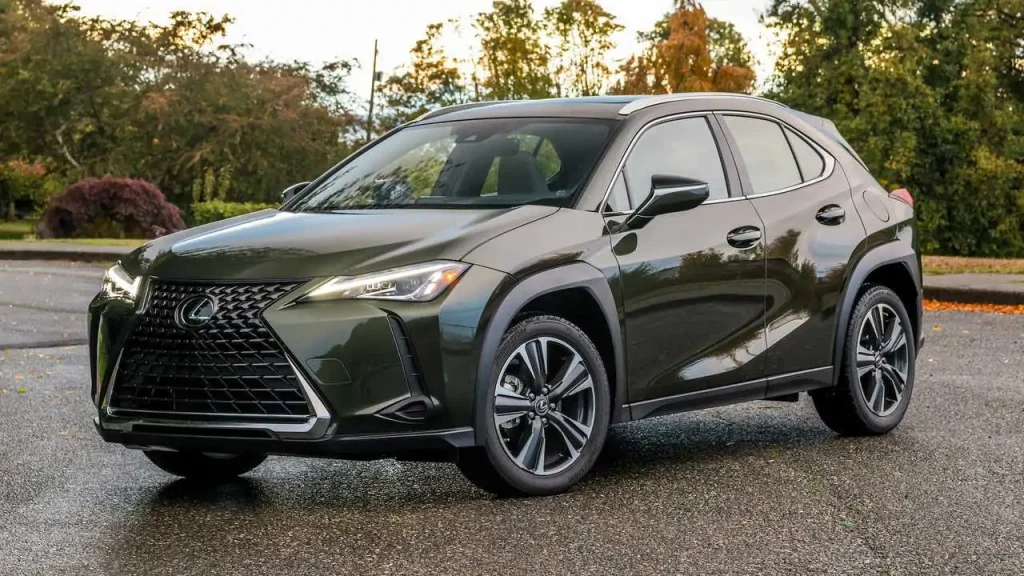
The Lexus UX 200 brought a more upscale feel to the small crossover segment without requiring hybrid power. Its 2.0-liter four-cylinder engine delivered respectable performance while returning 33 mpg combined, putting the UX 200 among the most efficient gasoline-powered SUVs of 2019. It also offered the refined cabin, comfortable ride, and premium features buyers would expect from Lexus, making it an appealing choice for those who wanted luxury without a major fuel-economy penalty.
2019 Kia Soul
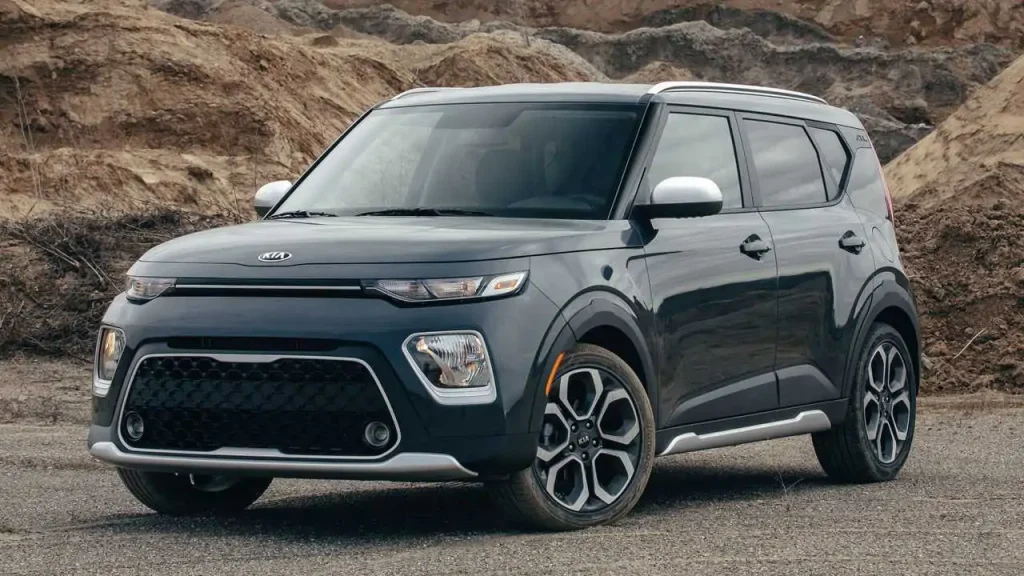
The Kia Soul combined its distinctive boxy styling with impressive fuel economy, making it one of the more practical choices among small crossovers. With its most efficient powertrain, the Soul returned 31 mpg combined, while its upright shape created a surprisingly roomy cabin and useful cargo area. An affordable starting price and straightforward interior made it an appealing option for buyers who wanted something efficient and practical without blending into the crowd.
2019 Nissan Rogue
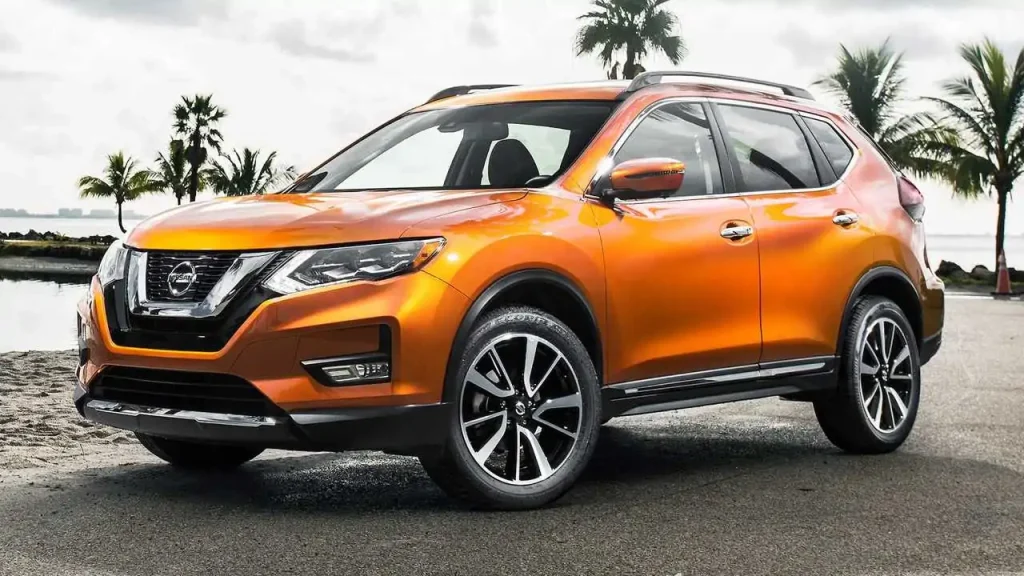
The Nissan Rogue stepped up in size and practicality while matching the Kicks with 33 mpg combined in its most efficient configuration. That efficiency, combined with a roomy cabin and useful cargo area, made the Rogue an appealing option for families. Buyers could also add all-wheel drive without giving up the crossover’s everyday versatility.
2019 Toyota RAV4
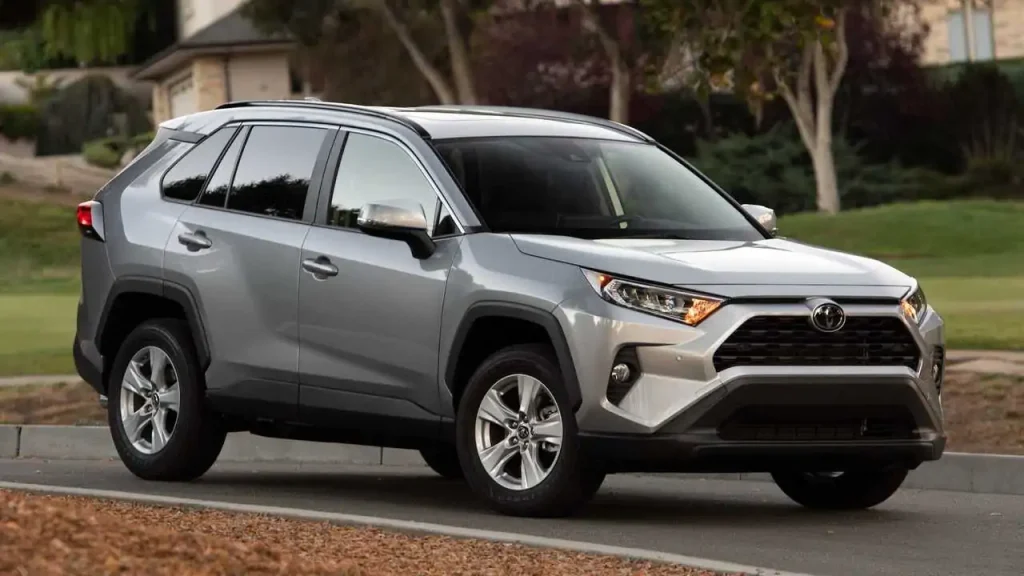
The redesigned 2019 Toyota RAV4 brought more power and a fresh look to one of the industry’s most competitive segments. Its 2.5-liter four-cylinder produced 203 horsepower while the most efficient gas-powered versions managed 30 mpg combined. The RAV4 also performed well in real-world testing. During a Cars.com comparison of all-wheel-drive compact SUVs, it averaged 29.0 mpg over more than 200 miles of highway and suburban driving, leading that particular group.
2019 Honda HR-V
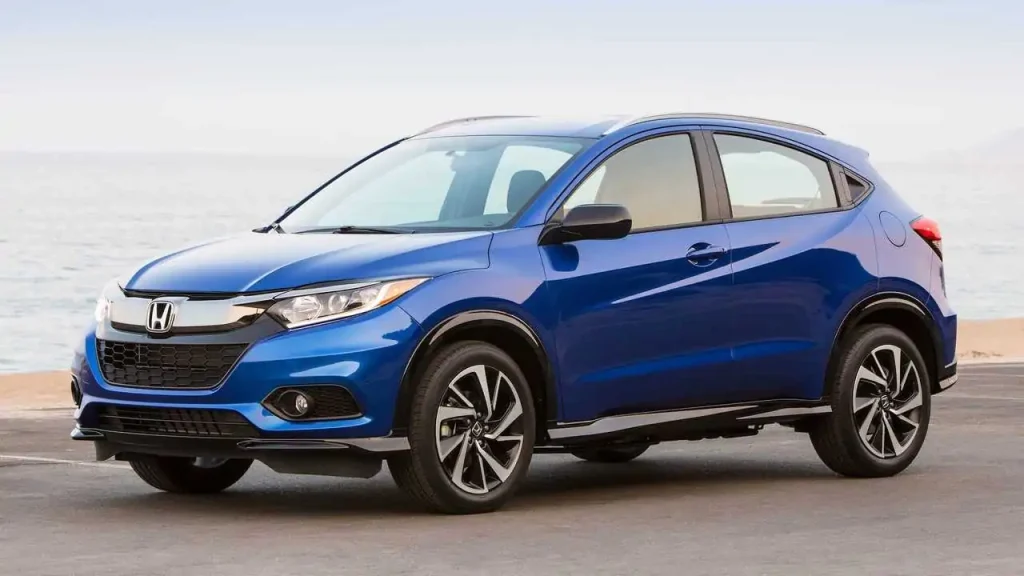
The Honda HR-V combined compact dimensions with a remarkably flexible interior and strong fuel economy. In its most efficient configuration, the 2019 model returned 30 mpg combined. Its versatile cabin was another major advantage, offering more useful cargo capacity than its exterior dimensions would suggest. That made the HR-V an appealing choice for buyers who wanted an economical commuter without giving up the practicality of a crossover.
2019 Hyundai Kona
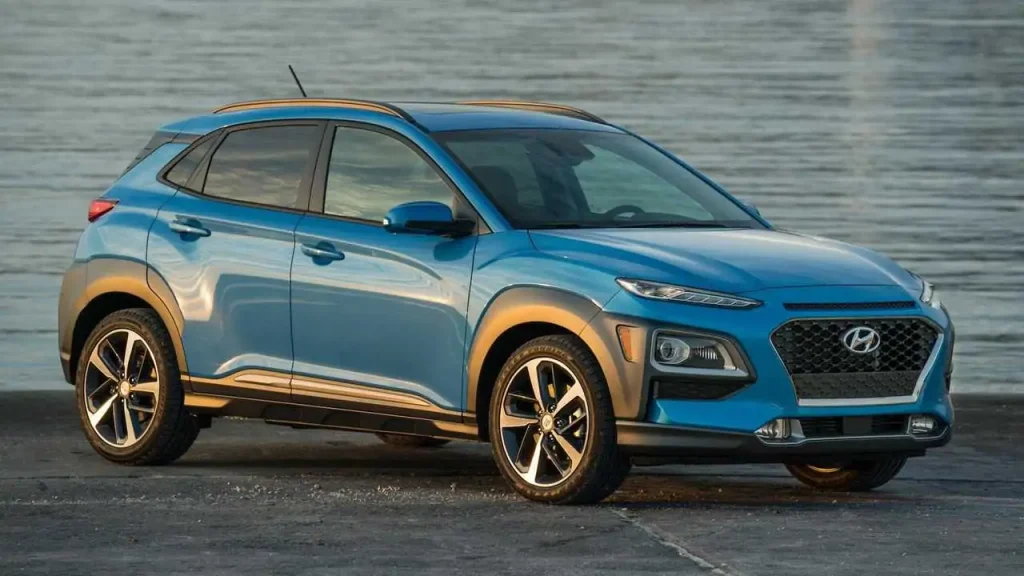
With distinctive styling and plenty of available technology, the Hyundai Kona quickly established itself as an interesting player in the subcompact crossover market. Its most efficient configuration achieved 30 mpg combined, giving it competitive fuel economy without relying on hybrid power. The Kona also offered a turbocharged engine for shoppers who valued performance, although buyers focused strictly on efficiency would want the less powerful setup.
2019 Honda CR-V
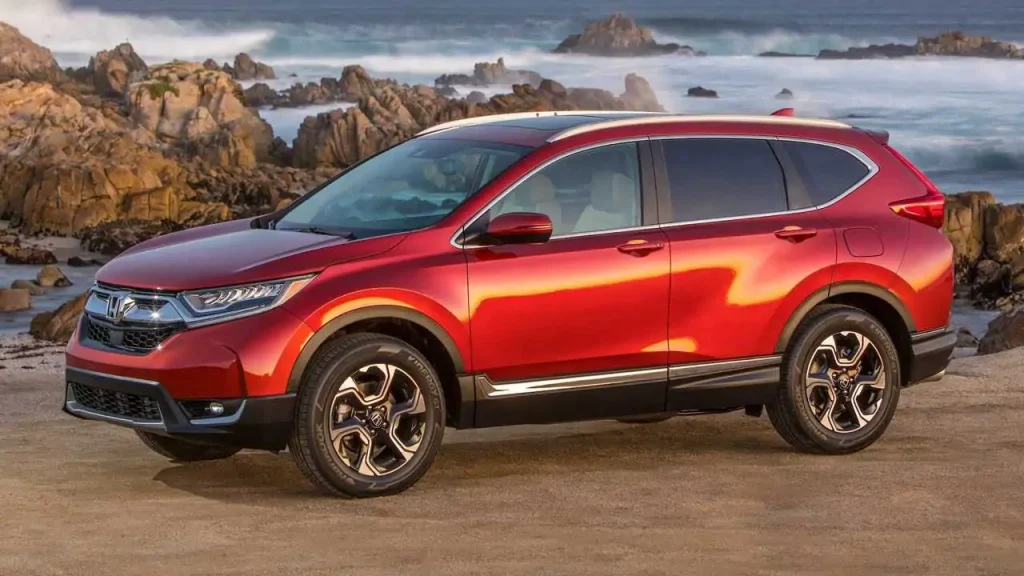
The Honda CR-V continued to be one of the most well-rounded compact SUVs for 2019, combining a practical cabin with a fuel-efficient turbocharged engine. Its most efficient versions earned 29 mpg combined, while real-world testing showed the potential to come close to that figure. Cars.com recorded 28.5 mpg during its evaluation, just shy of the CR-V’s 29-mpg EPA combined rating.
2019 Subaru Forester
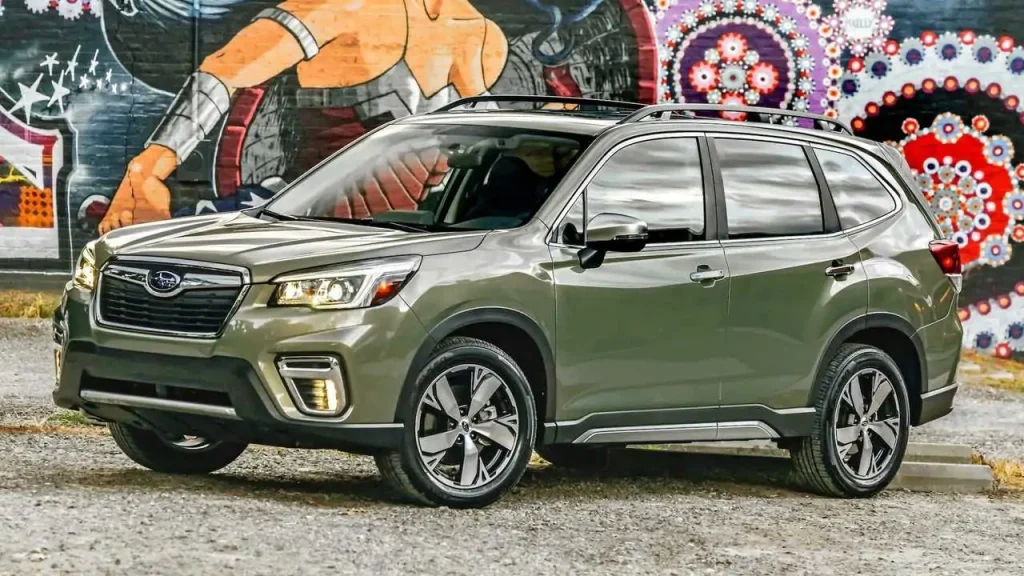
The Subaru Forester stood out by offering standard all-wheel drive without completely sacrificing fuel economy. The 2019 model achieved 29 mpg combined in its most efficient configuration, giving buyers a practical alternative to larger, thirstier SUVs. Its standard AWD system also made the Forester particularly appealing to drivers who regularly deal with snow, rain, or rougher road conditions.
2019 Toyota C-HR
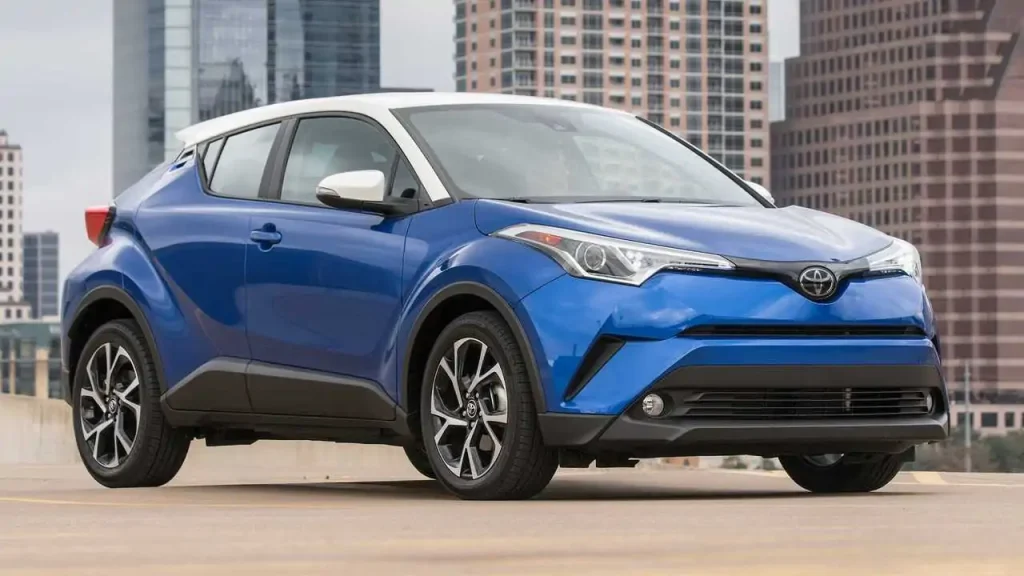
The Toyota C-HR brought some of the boldest styling in the subcompact crossover class, with an angular design that helped it stand apart from more conventional rivals. Its efficient four-cylinder engine also kept fuel consumption in check, placing the C-HR among the more economical gasoline-powered crossovers of the 2019 model year. Depending on configuration, its fuel economy landed in the upper-20s to low-30s range, helping it earn a place among the year’s most efficient SUVs.
Efficient Without Going Hybrid
The 2019 model year proved that shoppers didn’t necessarily need a hybrid to get respectable SUV fuel economy. The Nissan Kicks, Rogue, Toyota RAV4, Honda HR-V, Hyundai Kona, Honda CR-V, Subaru Forester, and Toyota C-HR all showed how efficient conventional gasoline-powered crossovers had become.
For buyers who wanted to spend less at the gas station while retaining the elevated driving position and cargo flexibility of an SUV, these models represented some of the smartest choices of the 2019 model year.