
Think Your Smart Has a German Engine? Think Again.
Developing a new engine is one of the most expensive undertakings in the automotive industry. It can take years of research, billions of dollars in investment, and countless hours of testing before a powerplant is ready for production. That’s why many automakers—even some of the world’s most prestigious brands—have turned to other manufacturers for their engines.
Sometimes the arrangement is the result of a corporate alliance, while in other cases it’s simply the fastest and most cost-effective way to get a world-class engine under the hood. The outcome has often been a win-win: one company supplies a proven engine, while the other focuses on chassis tuning, styling, or performance.
From everyday hatchbacks to exotic supercars, here are 10 cars that became better thanks to engines borrowed from another automaker.
Table of Contents
Alfa Romeo Giulia Quadrifoglio
Engine supplier: Ferrari-influenced development
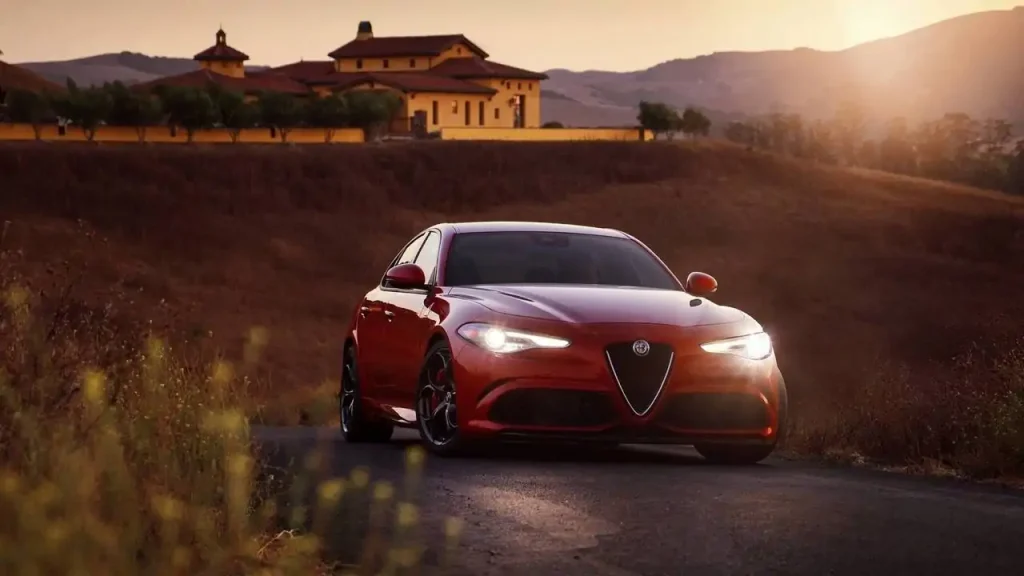
The Alfa Romeo Giulia Quadrifoglio is powered by a 2.9-liter twin-turbocharged V6 developed with significant Ferrari engineering input.
The engine produces 505 horsepower in U.S.-specification models, giving the Giulia Quadrifoglio the performance to challenge some of Europe’s best sports sedans. While Alfa Romeo developed the engine for its own application, Ferrari’s influence can be seen in its architecture and performance characteristics.
The connection between Alfa Romeo and Ferrari makes this one of the more intriguing examples of shared engineering expertise in a modern performance car.
Notable engine: 2.9-liter twin-turbo V6
BMW 1 Series Hatchback
Engine supplier: BMW-PSA
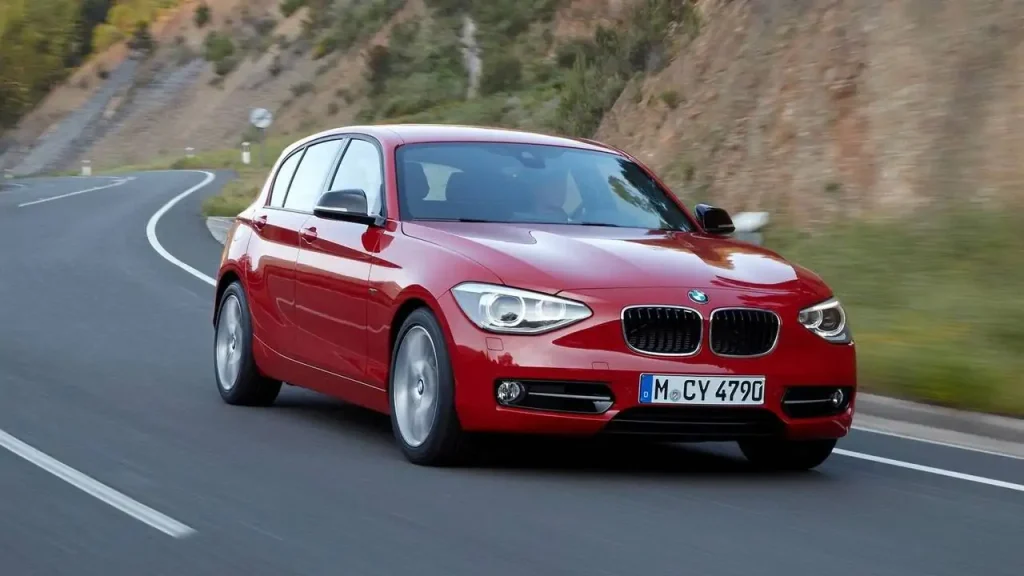
Certain BMW 1 Series hatchbacks used the Prince family of four-cylinder engines developed jointly by BMW and PSA Peugeot Citroën.
The 1.6-liter turbocharged version appeared in several BMW and MINI applications, while related versions powered vehicles from Peugeot and Citroën. BMW’s involvement brought its engineering expertise to the project, while PSA contributed its experience with compact engines.
It is an interesting example of how two manufacturers with very different brand identities came together to create a common powerplant.
Notable engine: 1.6-liter turbocharged four-cylinder
Pagani Huayra BC
Engine supplier: Mercedes-AMG
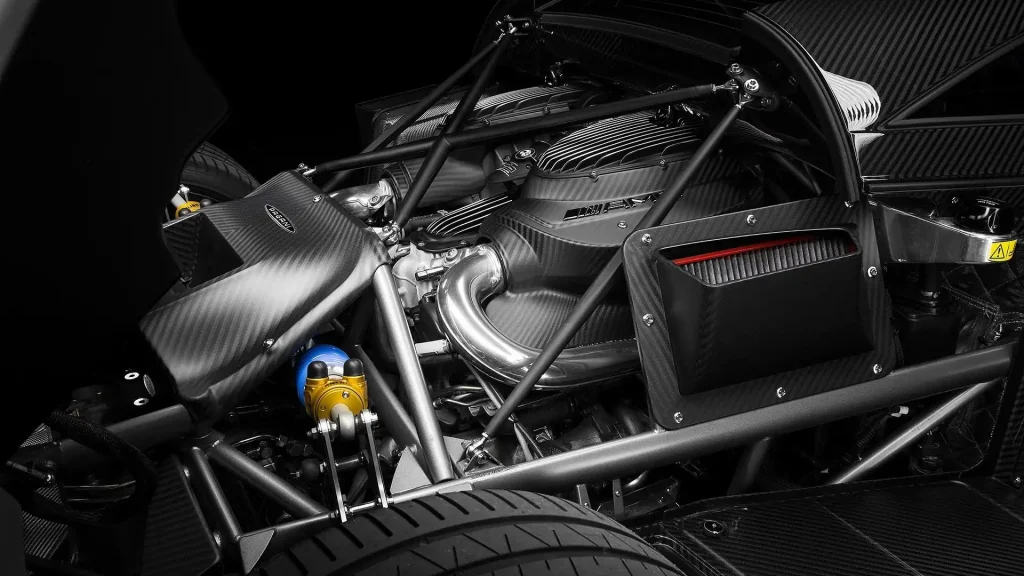
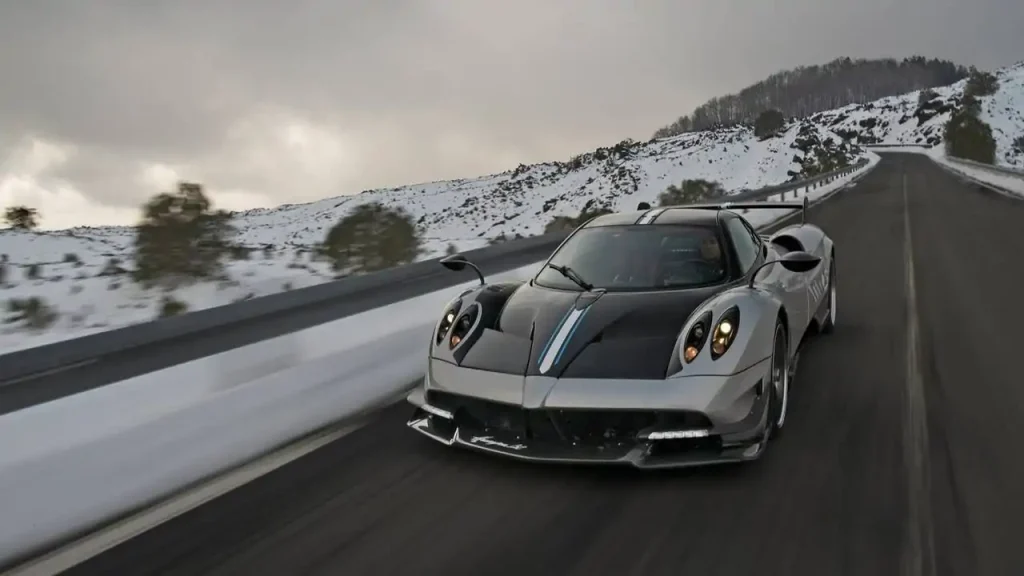
Every Pagani Huayra is powered by a hand-built Mercedes-AMG V12.
AMG developed the twin-turbocharged 6.0-liter engine specifically for Pagani, tailoring its performance characteristics to complement the Huayra’s lightweight carbon-fiber construction. In the Huayra BC, the engine produces around 745 horsepower, while later Huayra variants pushed output even higher.
The partnership has become one of the most celebrated collaborations in the supercar world. Pagani concentrates on the chassis, aerodynamics, materials, and craftsmanship while AMG provides the extraordinary V12.
Notable engine: Mercedes-AMG 6.0-liter twin-turbo V12
Aston Martin Vantage
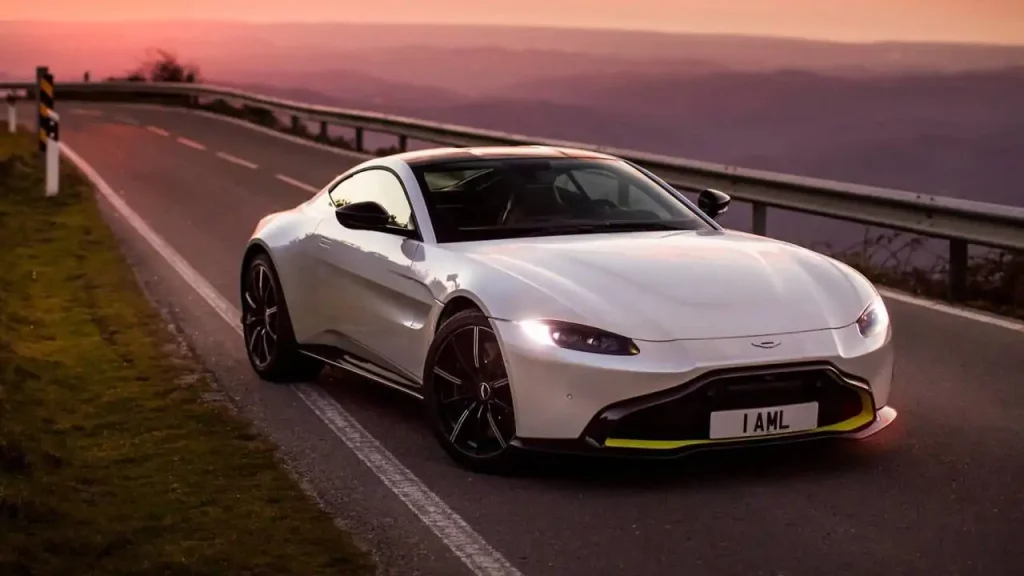
Engine supplier: Mercedes-AMG
The modern Aston Martin Vantage uses a Mercedes-AMG 4.0-liter twin-turbocharged V8.
Aston Martin receives the engine from AMG and then calibrates and installs it specifically for its own vehicles. The powerplant gives the Vantage strong performance while allowing Aston Martin to avoid developing an entirely new V8 from scratch.
The collaboration is particularly interesting because Aston Martin and Mercedes-AMG maintain very different approaches to vehicle design, yet their partnership combines AMG’s powertrain technology with Aston Martin’s sports-car engineering.
Notable engine: Mercedes-AMG 4.0-liter twin-turbo V8
Lamborghini Huracán Performante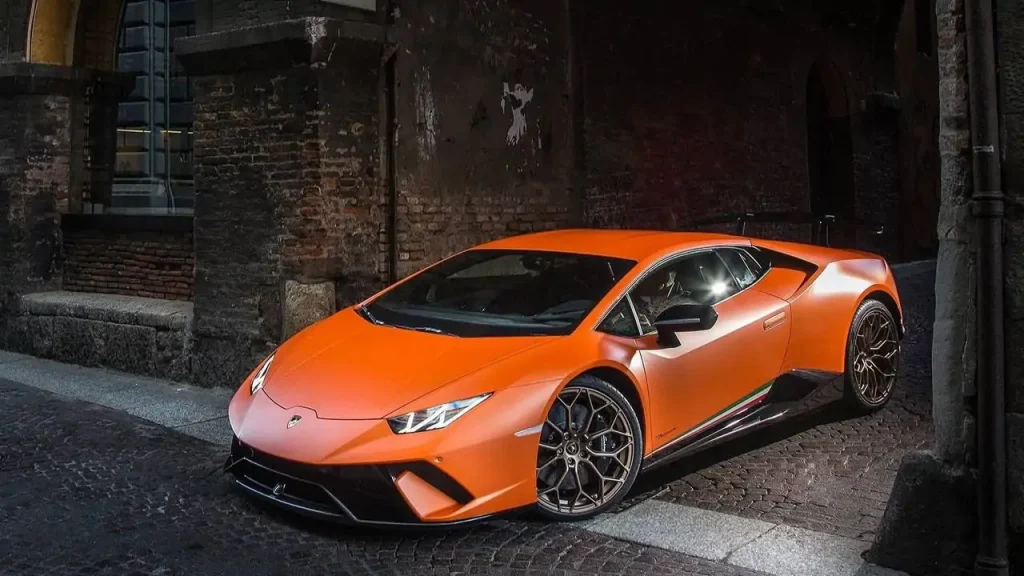
Engine supplier: Volkswagen Group / Audi-Lamborghini
The Lamborghini Huracán Performante uses a naturally aspirated 5.2-liter V10 closely related to the engine used in the Audi R8.
Because Lamborghini and Audi are both part of the Volkswagen Group, the relationship is technically one of corporate engine sharing rather than an outside manufacturer supplying an engine to Lamborghini. Lamborghini nevertheless gives the V10 its own calibration and character.
In the Huracán Performante, the engine produces 631 horsepower and delivers the high-revving soundtrack that became one of the car’s defining characteristics.
Notable engine: 5.2-liter naturally aspirated V10
Donkervoort D8 GTO-RS
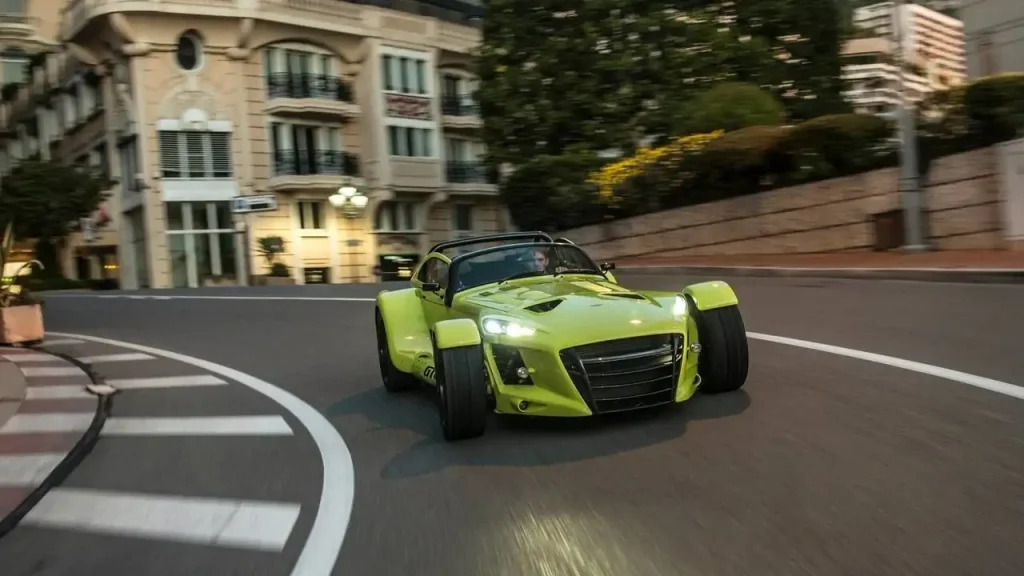
Engine supplier: Audi
The Donkervoort D8 GTO-RS uses a 2.5-liter five-cylinder turbocharged engine sourced from Audi.
Donkervoort extensively adapted the powerplant for its lightweight sports car, extracting approximately 750 horsepower in its most powerful configuration. The enormous output is paired with a remarkably light chassis, creating an extreme power-to-weight ratio.
The Audi connection also gives the D8 GTO-RS an engine related to the five-cylinder powerplants that have become synonymous with Audi performance cars.
Notable engine: Audi 2.5-liter turbocharged five-cylinder
Lotus Evora 400
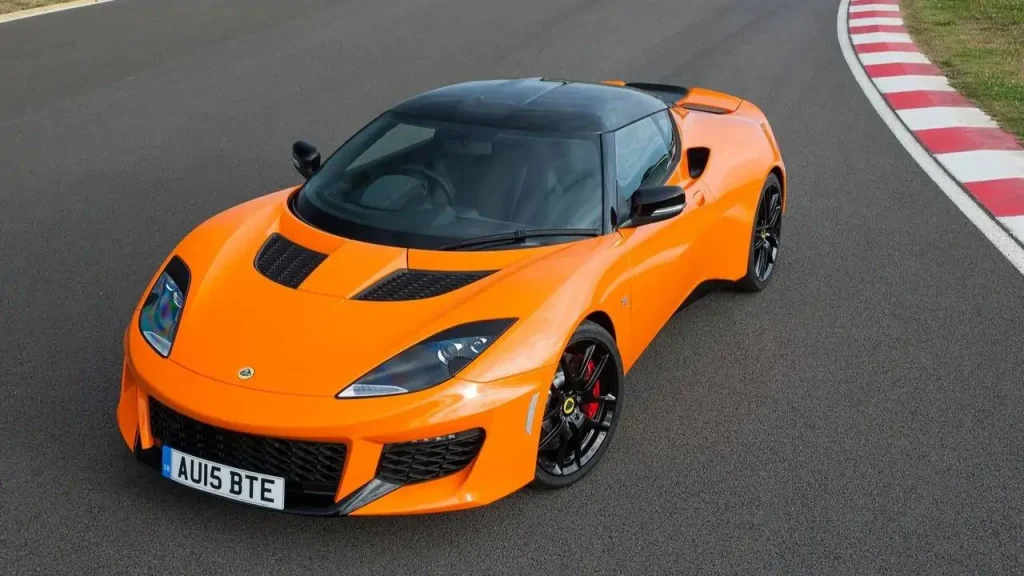
Engine supplier: Toyota
The Lotus Evora 400 is powered by a Toyota-derived 3.5-liter V6.
Lotus fitted the engine with a supercharger and developed its own calibration and installation to suit the Evora’s lightweight construction. The result was 400 horsepower, a significant increase over earlier versions of the sports car.
Using a Toyota-based engine allowed Lotus to rely on a proven powerplant while concentrating its engineering resources on the lightweight chassis, suspension, steering, and handling characteristics that define the Evora.
Notable engine: Toyota-derived 3.5-liter supercharged V6
Toyota GR86
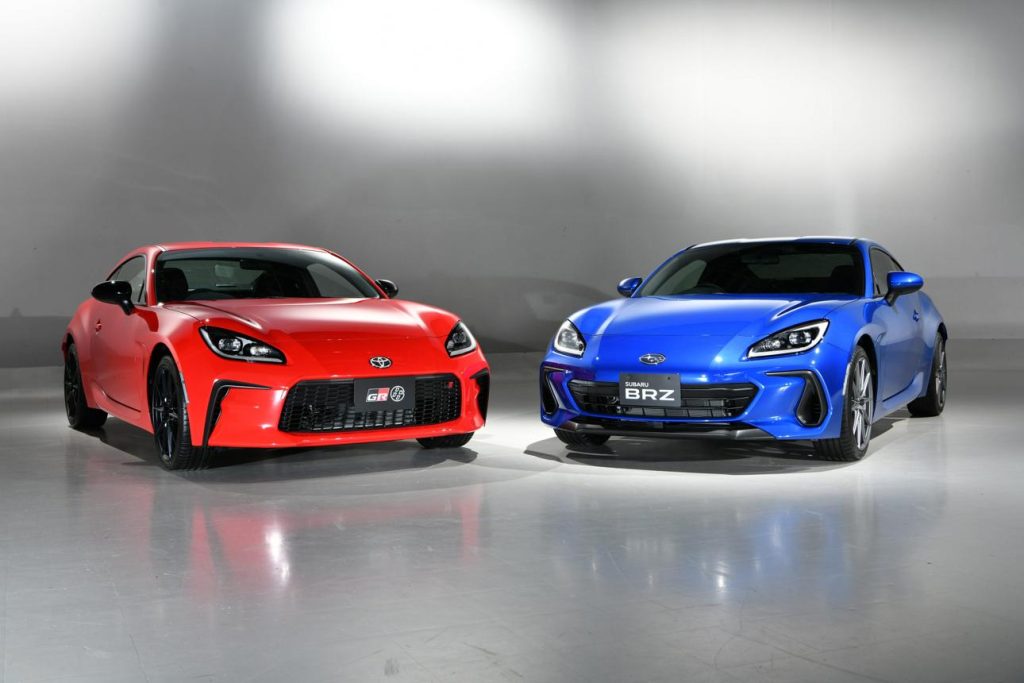
Engine supplier: Subaru
The Toyota GR86 is the product of a close collaboration between Toyota and Subaru, with Subaru supplying the fundamental boxer-engine architecture.
The second-generation GR86 uses a 2.4-liter naturally aspirated flat-four producing 228 horsepower. Toyota and Subaru worked together on the vehicle’s development, with Toyota contributing its own performance engineering and tuning expertise.
The boxer engine’s low center of gravity is an important part of the GR86’s lightweight sports-car formula.
Notable engine: Subaru 2.4-liter naturally aspirated flat-four
Noble M600
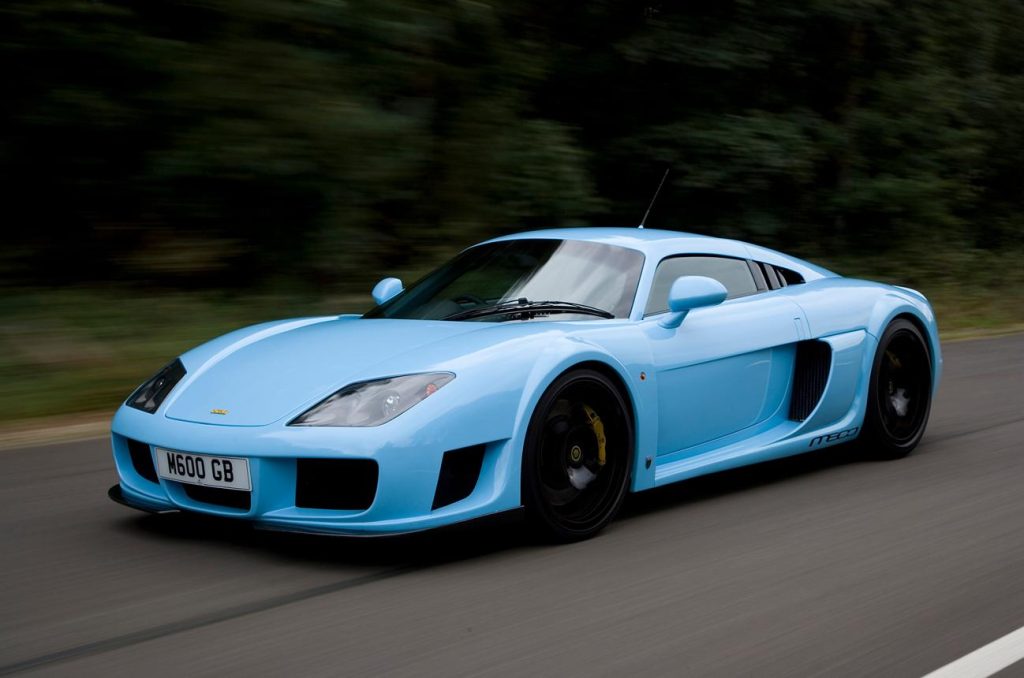
Engine supplier: Volvo/Yamaha
The Noble M600 uses a 4.4-liter twin-turbocharged V8 derived from the Volvo B8444S engine developed with Yamaha.
Noble modified the powerplant for the M600, offering different power levels with the most powerful version producing around 650 horsepower. The engine is paired with a lightweight carbon-fiber structure, giving the M600 serious performance despite Noble’s relatively small production operation.
The unusual Volvo/Yamaha connection makes the M600’s engine one of the more unexpected powerplants on this list.
Notable engine: 4.4-liter twin-turbo V8
McLaren F1
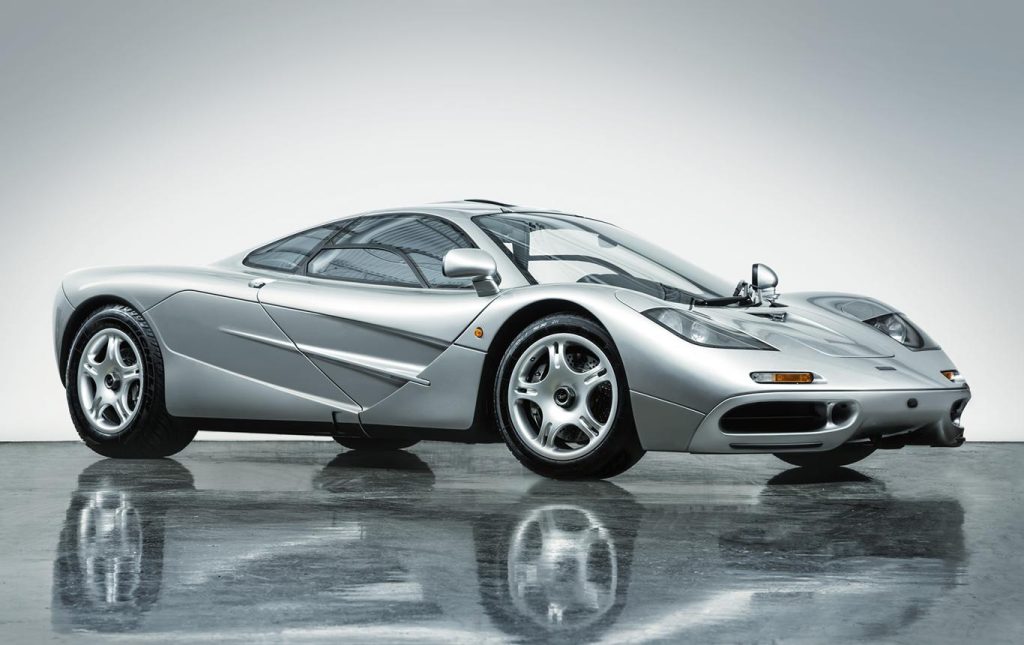
Engine supplier: BMW Motorsport
The legendary McLaren F1 did not use an in-house McLaren engine. Instead, McLaren turned to BMW Motorsport for its powerplant.
BMW developed a bespoke 6.1-liter naturally aspirated V12 for the F1. It produced 618 horsepower in road-going specification and was designed with an emphasis on power, responsiveness, reliability, and relatively low weight.
The BMW connection became an important part of the F1’s history, with the German-engineered V12 providing the extraordinary performance that helped make McLaren’s three-seat supercar a benchmark for its era.
Notable engine: BMW Motorsport 6.1-liter naturally aspirated V12
Rather than diminishing these vehicles, the borrowed engines often became one of their biggest strengths, delivering the reliability, performance, or character that helped them stand out in their respective segments. In many cases, these collaborations prove that the best engine for the job isn’t always the one built in-house.