
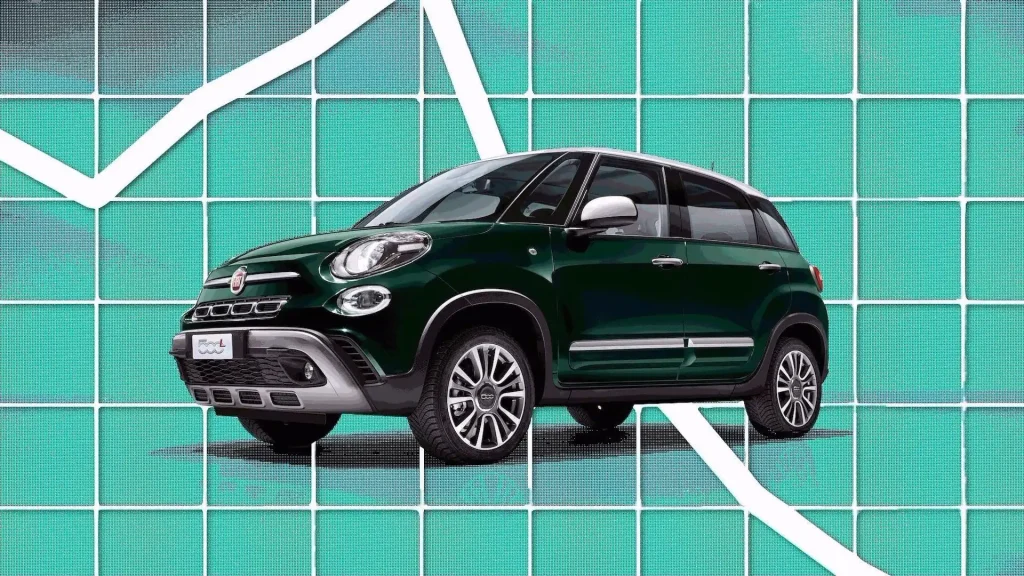
These vehicles suffer the steepest depreciation after just 12 months of ownership, with the Fiat 500L losing nearly one-third of its original value.
Buying a brand-new vehicle comes with an unavoidable financial reality: depreciation. The moment a new car leaves the dealership, it begins losing value, making depreciation one of the largest ownership costs most drivers will face. While fuel, insurance, and maintenance gradually add to the cost of ownership, depreciation can erase thousands of dollars in value in a remarkably short period.
Historically, used-car prices have remained lower than new-car prices, with the brief exception of unusual market conditions such as the supply shortages that followed the Great Recession and, later, the pandemic-era inventory crunch. Under normal circumstances, however, a new vehicle will lose a significant portion of its value during its first year, with the average model depreciating by roughly 20 to 21 percent.
Some vehicles fare much worse.
According to an analysis by automotive marketplace iSeeCars, which examined more than 14 million new and used vehicle transactions over a one-year period, the worst-performing models lose nearly a third—or even more—of their original sticker price after only 12 months on the road. That translates into thousands of dollars disappearing from an owner’s investment before the first anniversary of purchase.
Leading the rankings is the Fiat 500L, which posts a staggering 34.6 percent drop in value after just one year. For buyers of the base Pop trim, that’s an average loss of approximately $7,600 in resale value. Although the quirky Italian hatchback offers a roomy interior, excellent outward visibility, and practical cargo space, weak demand, mediocre performance, and below-average reliability have kept resale values firmly in the basement.
The rest of the list includes several surprising entries. Luxury brands such as Mercedes-Benz, Volvo, and Jaguar appear multiple times—not necessarily because they’re poor vehicles, but because premium models often experience heavier depreciation. Higher original prices create more room for values to fall, and factors such as slow sales, outgoing model generations, generous dealer incentives, or intense competition within their segments can accelerate depreciation even further.
It’s also worth noting that poor resale value isn’t always bad news. While first owners absorb the biggest financial hit, second-hand buyers can often pick up lightly used examples at substantial discounts, making these vehicles attractive bargains on the pre-owned market.
The following 10 vehicles recorded the steepest one-year depreciation rates in iSeeCars’ study, losing the highest percentage of their original value during their first year on the road. For new-car shoppers concerned about long-term ownership costs, these are the models most likely to take the biggest hit when it’s time to sell or trade them in.
Table of Contents
Fiat 500L
One-year depreciation: 34.6 percent
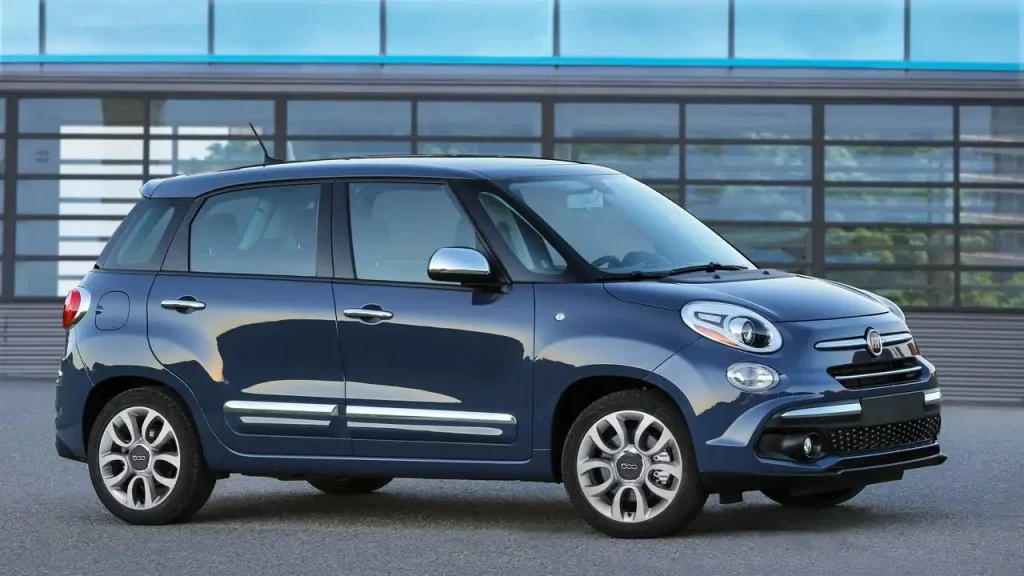
The Fiat 500L takes the unwanted top spot, losing 34.6 percent of its value after just one year. Based on the study’s figures, that represented roughly $7,608 in lost value for a base model.
The 500L had some practical advantages over the smaller Fiat 500, including a relatively spacious cabin and excellent outward visibility. But its limited popularity worked against it in the used-car market. It was also criticized for performance and reliability, making it harder for the model to command strong resale prices.
For shoppers willing to skip the new-car experience, however, that steep depreciation created an opportunity to get a lightly used 500L for considerably less money.
Volvo S60
One-year depreciation: 34.4 percent
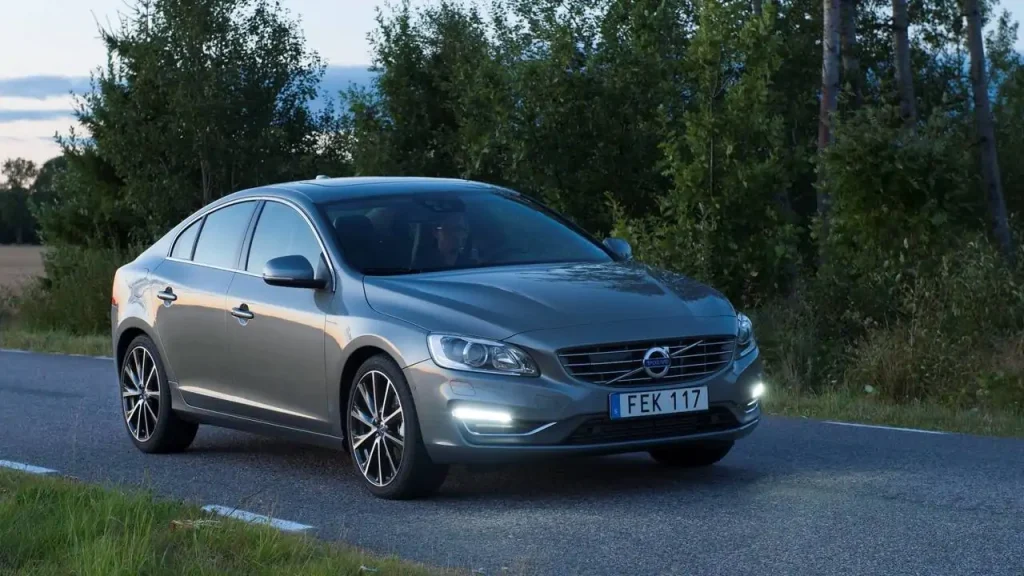
The Volvo S60 was the second-biggest depreciation loser in the study, surrendering 34.4 percent of its original value in its first year.
The S60 offered the premium interior, safety technology, and understated styling expected from Volvo, but buyers of new luxury cars often face steeper depreciation than shoppers in mainstream segments. A lightly used S60 could therefore offer much of the same luxury experience for substantially less than its original sticker price.
Kia Cadenza
One-year depreciation: 34.3 percent
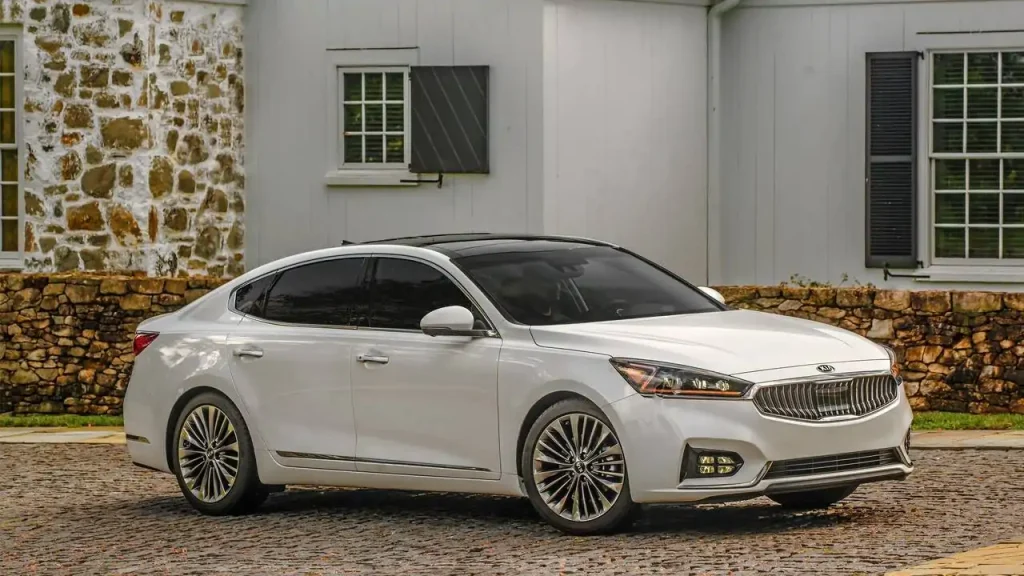
The Kia Cadenza lost 34.3 percent of its value during its first year. The large sedan offered plenty of equipment and a comfortable cabin, but it competed in a shrinking segment where buyers often gravitated toward SUVs instead.
That combination of a less-popular vehicle category and relatively limited demand made the Cadenza a particularly expensive car to own if it was sold after only 12 months.
Nissan Maxima
One-year depreciation: 34.0 percent
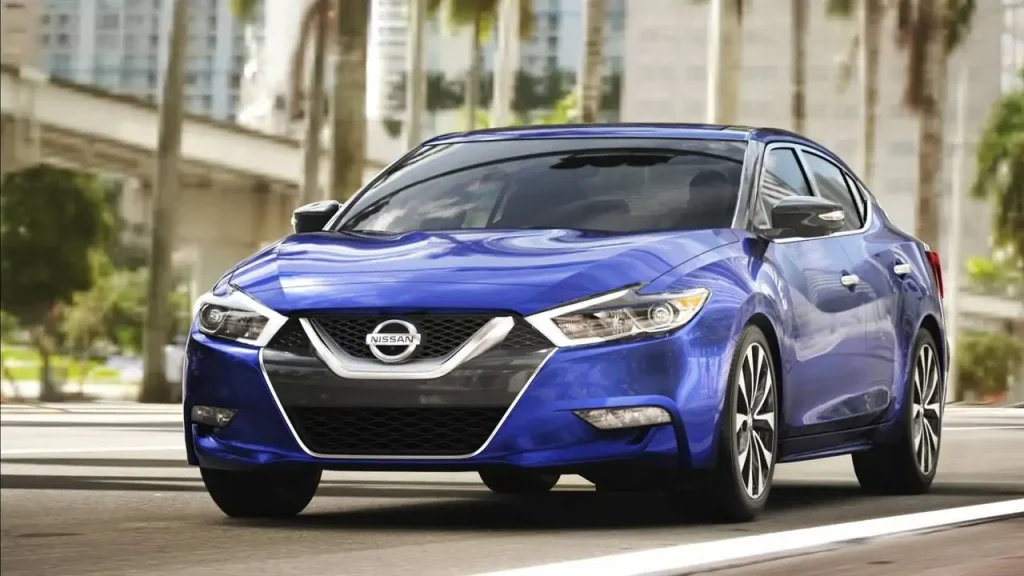
The Nissan Maxima was another mainstream model that suffered luxury-car-like depreciation. Its value dropped 34.0 percent during the first year.
The Maxima had plenty going for it, including a powerful V6, sporty styling, and a more upscale interior than many traditional family sedans. Nevertheless, buyers in this price range had plenty of alternatives, and the growing popularity of crossovers put additional pressure on large sedans.
For a used-car shopper, that depreciation could make the Maxima an attractive proposition. For the original owner, it meant a sizable financial loss when trading in early.
Lincoln MKZ / MKZ Hybrid
One-year depreciation: 33.8 percent
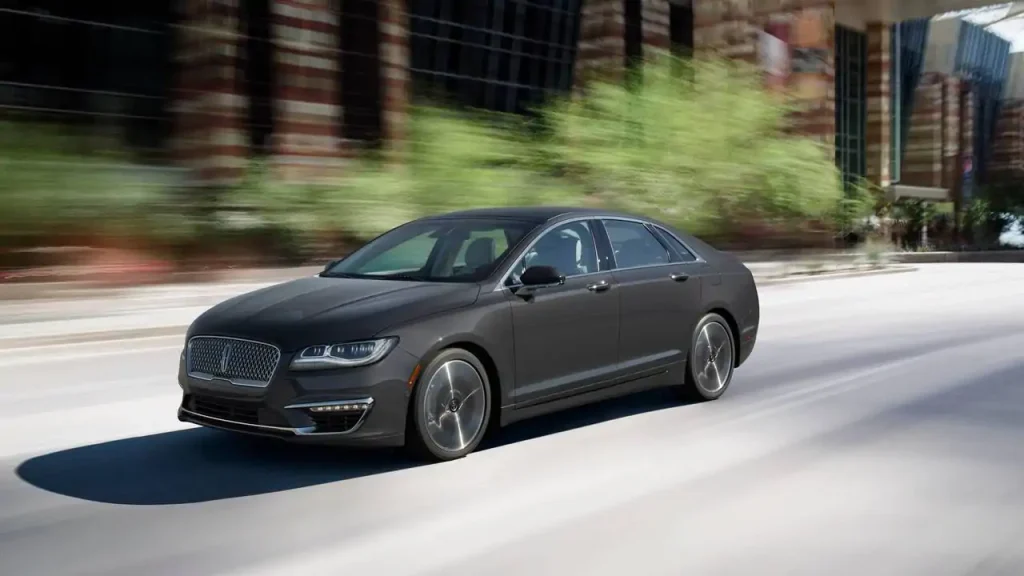
Lincoln’s MKZ and MKZ Hybrid lost 33.8 percent of their value after a single year. As a premium sedan, the MKZ faced the same basic depreciation challenge affecting several other luxury models on this list.
The MKZ offered a comfortable cabin, distinctive styling, and a hybrid option, but it lacked the badge recognition enjoyed by Germany’s biggest luxury brands. That can make a significant difference when shoppers move into the used market.
A buyer who purchased one nearly new could therefore benefit from depreciation that had already been absorbed by the original owner.
Jaguar XF
One-year depreciation: 32.3 percent
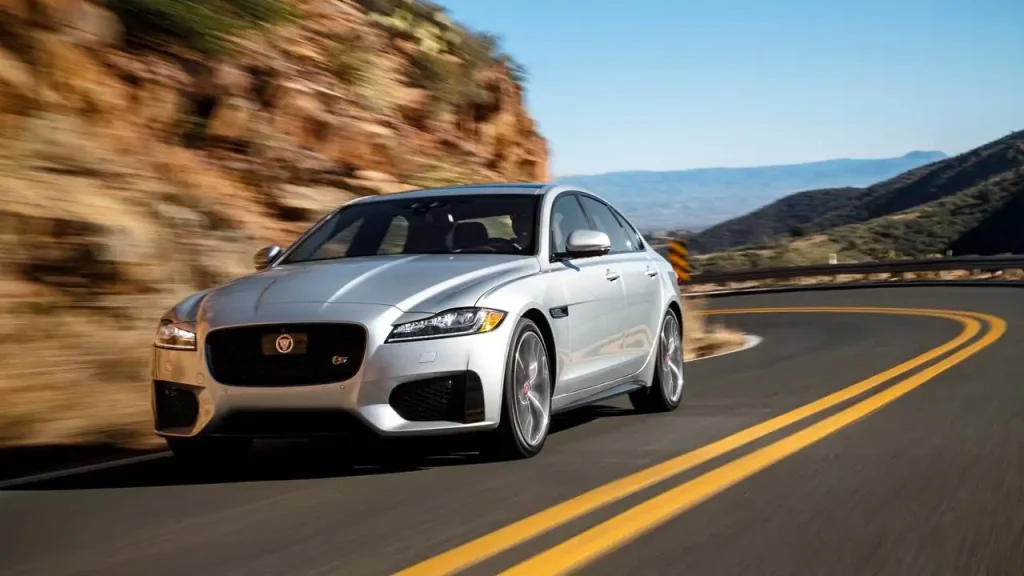
The Jaguar XF lost 32.3 percent of its original value in its first year. The midsize luxury sedan delivered elegant styling and a more distinctive alternative to the usual German luxury sedans, but exclusivity does not necessarily translate into strong resale value.
Jaguar’s relatively small sales volume and the competitive nature of the luxury-sedan market contributed to the XF’s steep decline. As with several cars on this list, the depreciation was bad news for a new buyer but potentially good news for someone shopping for a one-year-old example.
Fiat 500
One-year depreciation: 31.9 percent
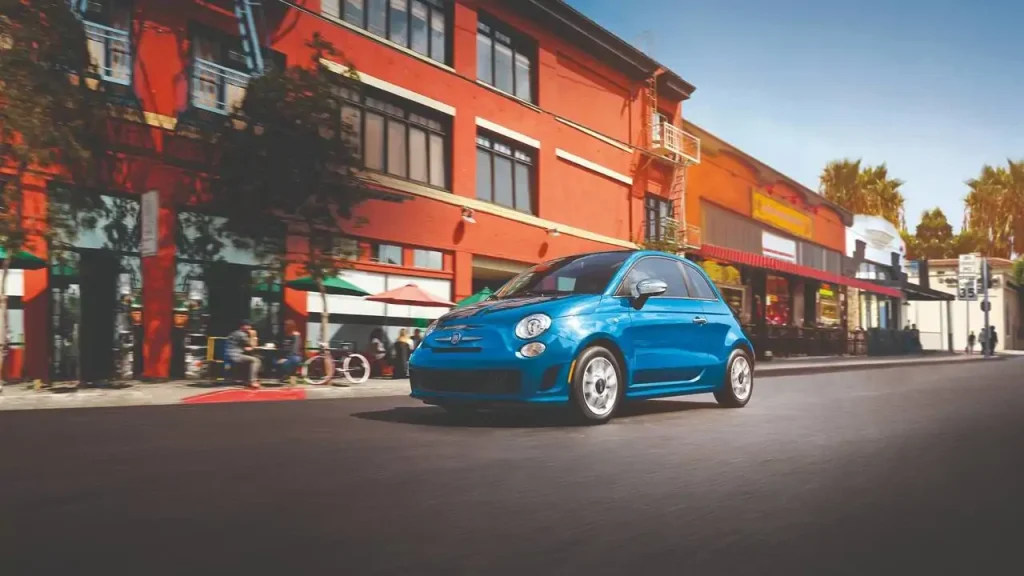 The smaller Fiat 500 performed only slightly better than its larger 500L sibling, losing 31.9 percent of its value during its first year.
The retro-styled city car had plenty of personality and stood apart from conventional small cars, but its niche appeal limited demand. When a model attracts fewer buyers on the new-car market, finding strong demand for used examples can be difficult as well.
That made the 500 one of the least favorable vehicles on the list for owners concerned about short-term resale value.
Cadillac ATS
One-year depreciation: 31.8 percent
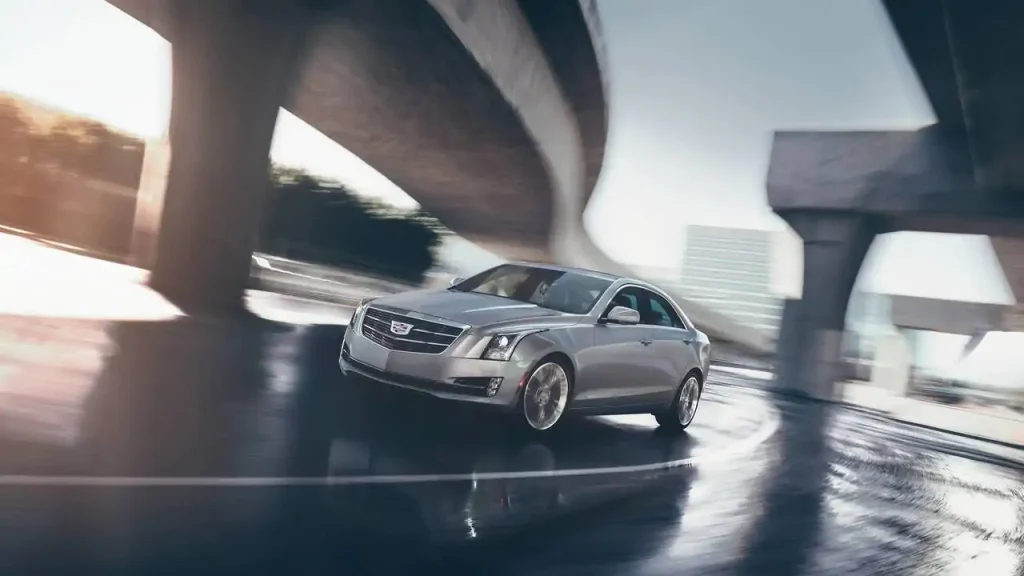
Cadillac’s compact ATS lost 31.8 percent of its value after one year. The sporty sedan was designed to challenge established European rivals with rear-wheel-drive dynamics, strong engines, and Cadillac’s distinctive styling.
Its depreciation nevertheless remained high. Like many entry-level luxury cars, the ATS faced competition from heavily discounted new models and a crowded used market, both of which could push prices down.
For buyers shopping used, that meant an ATS could deliver premium-car performance without requiring a premium price.
Chrysler 300
One-year depreciation: 31.7 percent
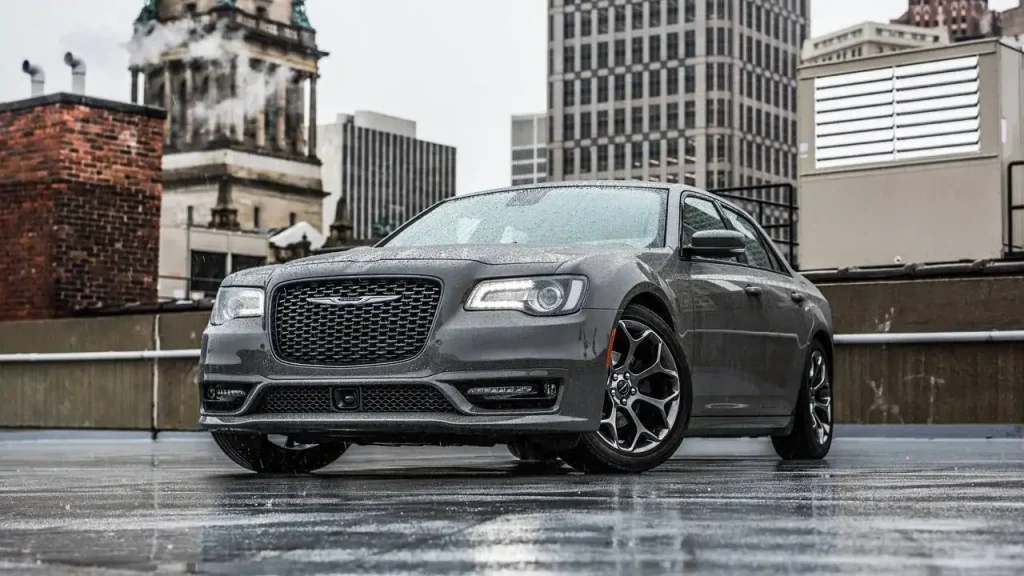
The Chrysler 300 rounded out the group of cars losing more than 31 percent of their value. Its first-year depreciation rate was 31.7 percent.
The 300 remained distinctive thanks to its large, upright design, spacious interior, and available V8 power. But large sedans were increasingly struggling to compete with SUVs and crossovers for buyers’ attention.
That declining demand translated into weaker resale values, giving used buyers another opportunity to pick up a relatively new full-size sedan at a significant discount.
Buick Regal
One-year depreciation: 31.2 percent
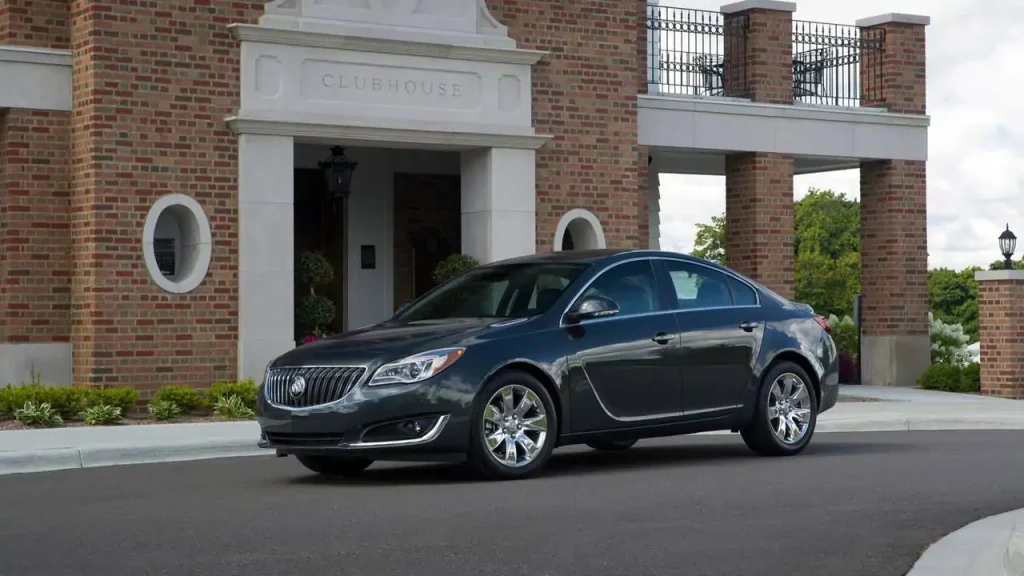
The Buick Regal had the lowest depreciation rate among the 10 cars on this list, but losing 31.2 percent of its value in only 12 months was still considerably worse than the roughly 21 percent average for new vehicles in the study.
The Regal offered a comfortable and relatively upscale alternative to mainstream sedans, but its position in a crowded market made maintaining its original value difficult.
For someone planning to own a car for many years, depreciation may be less important than purchase price, reliability, and operating costs. But for anyone who changes vehicles frequently, losing nearly a third of a car’s value in the first year can make a major difference.
What This Means For Buyers
Depreciation isn’t necessarily a sign that a car is bad. Several vehicles on this list offered desirable combinations of performance, comfort, luxury, and practicality. The problem is that the used market did not value them as highly as their original buyers did.
The iSeeCars analysis found that the vehicles with the largest first-year price drops tended to include less-popular models and luxury vehicles. Luxury cars can be especially vulnerable because their higher original prices leave more dollars available to lose.
That creates an interesting situation for used-car shoppers. Someone buying a one-year-old Fiat 500L, Volvo S60, Kia Cadenza, or Jaguar XF could potentially avoid a large portion of the depreciation that the first owner absorbed.
For new-car buyers, however, the lesson is straightforward: resale value should be part of the purchase decision. A vehicle that costs slightly more upfront but retains its value well can ultimately be cheaper to own than a less expensive car that loses a third of its value almost immediately.