
Whether you’re shopping for a new vehicle or a bargain used car, this list offers two perspectives: these models are among the worst choices if you want strong resale value, but they can become excellent buys once depreciation has done its work.
In the automotive world, some vehicles hold their value remarkably well, while others shed their worth almost as quickly as they leave the dealership. We previously highlighted the cars and trucks expected to retain the most value in 2018. Now, we’re looking at the other end of the spectrum: 10 models projected to suffer the steepest depreciation, based on five-year ownership data compiled by Kelley Blue Book.
The average new vehicle was expected to retain about 35.1 percent of its original value after five years. By comparison, the 10 models on this list were projected to lose roughly 73 to 78 percent of their original sticker prices during the same period. A $30,000 vehicle retaining the average 35.1 percent would still be worth about $10,500 after five years. A model retaining just 22 percent, however, would be worth only around $6,600 when it was time to trade it in.
Residual value is particularly important for shoppers who lease. Monthly lease payments are largely determined by the gap between a vehicle’s transaction price and its expected value at the end of the lease, meaning cars with weaker residuals can be more expensive to lease even when their purchase prices look reasonable.
But poor resale value doesn’t necessarily mean a vehicle is a poor car. Residual-value forecasts are based on expected future supply and demand, which can vary significantly by region. Analysts also consider factors such as brand and model perception, market conditions, and whether a vehicle needs large discounts, rebates, or other incentives to attract buyers.
The market’s growing preference for trucks and SUVs also helps explain the makeup of this list. In 2018, nine of the 10 models with the largest projected losses in retained value were passenger cars, many of them expensive luxury vehicles. As buyers increasingly shifted toward crossovers, SUVs, and pickups, traditional sedans faced additional pressure in the used-car market.
There is, however, a silver lining for used-car shoppers. Heavy depreciation can create some remarkably attractive bargains once these vehicles reach the pre-owned market. One of the models featured here was expected to lose more than $67,000 over five years, and that figure applied to the base model. For the original owner, that represents a substantial financial hit. For the second owner, it could translate into an opportunity to get a lot of car for considerably less money.
Table of Contents
Volkswagen CC
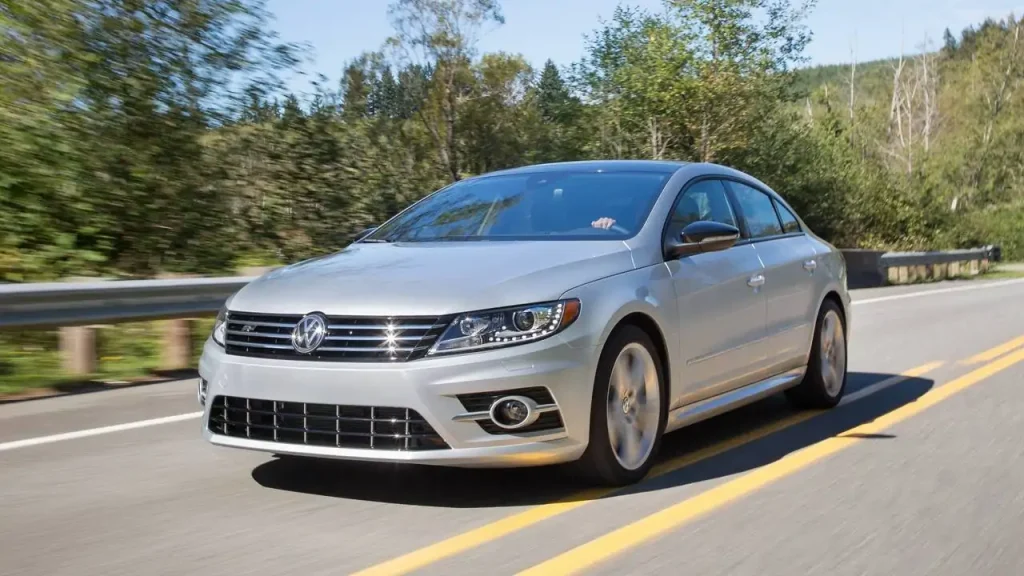
The Volkswagen CC combined sleek styling with a more upscale interior than the typical midsize sedan. Despite its attractive design and available powerful engines, demand for the CC remained limited, contributing to steep depreciation.
Mercedes-Benz S-Class
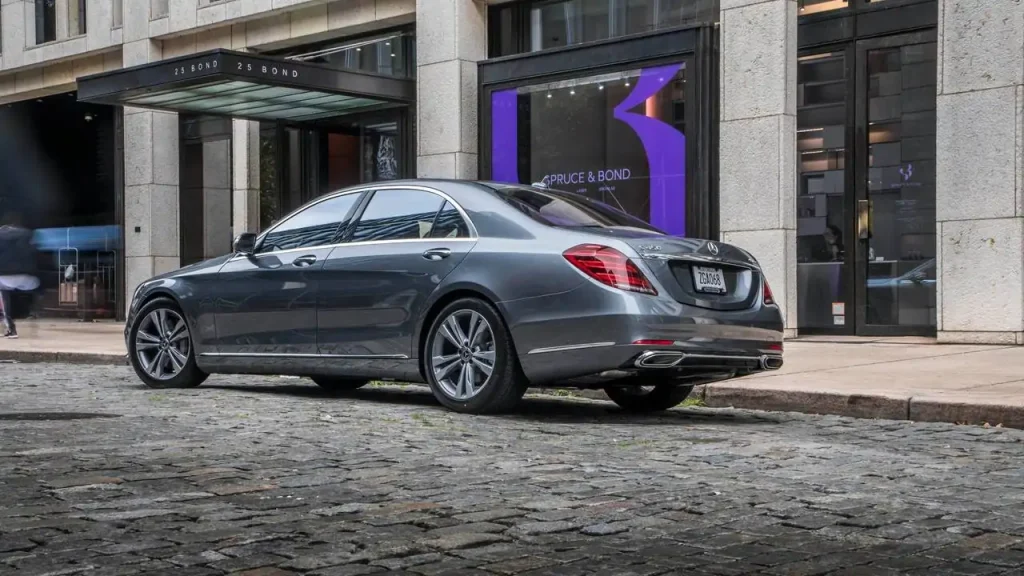
The Mercedes-Benz S-Class was packed with luxury, technology, and performance, but flagship sedans are notoriously expensive to own as they age. That helped push the S-Class’s resale value down sharply after just a few years.
Kia Sedona
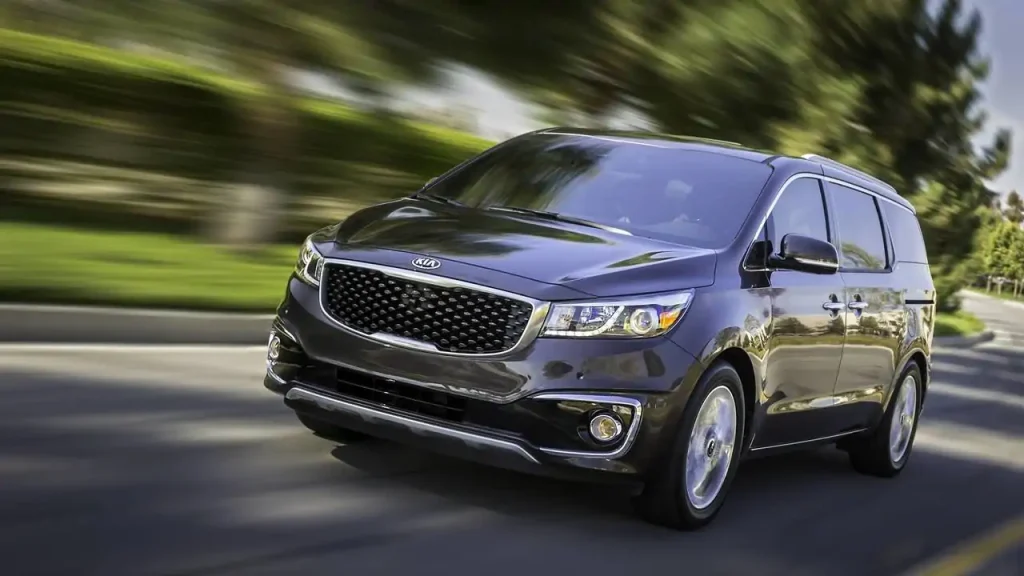
The Kia Sedona offered three rows of seating, plenty of passenger space, and strong family practicality. However, the growing popularity of SUVs and crossovers hurt demand for traditional minivans, resulting in weak resale values.
Cadillac CTS
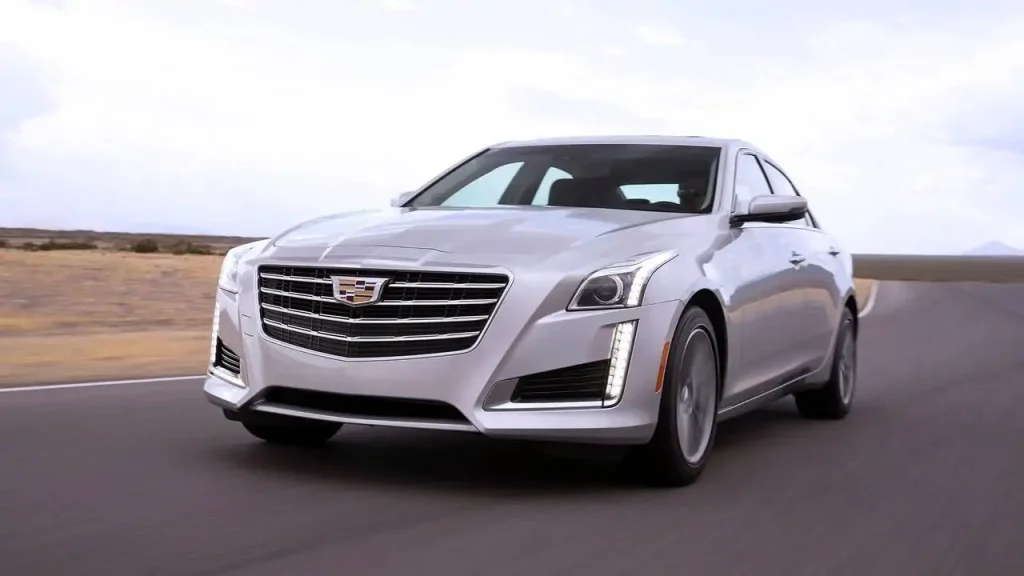
The Cadillac CTS offered sporty handling, attractive styling, and a range of powerful engines. Still, competition in the luxury sedan segment and shifting consumer preferences contributed to significant depreciation.
Fiat 500L
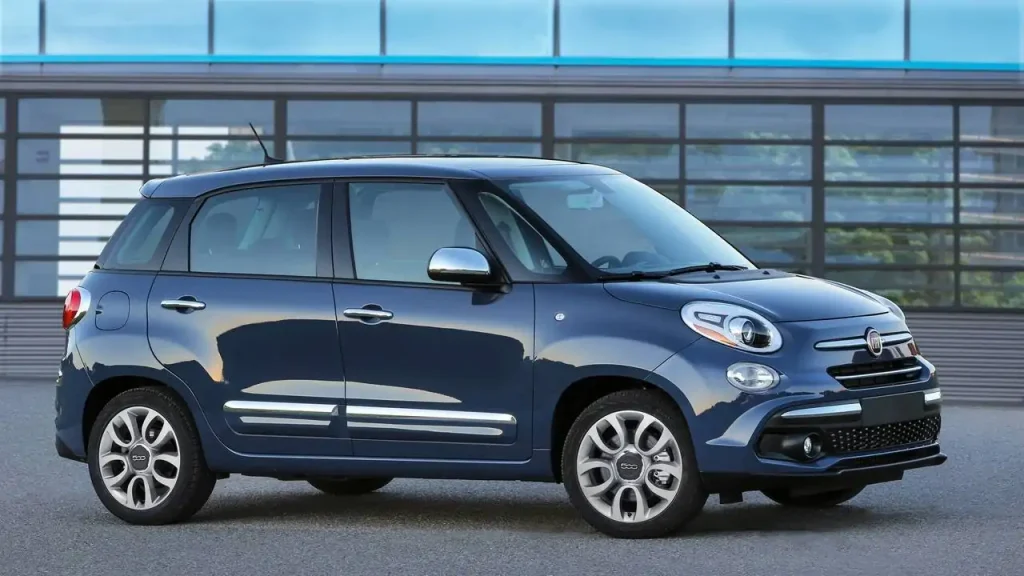
The Fiat 500L added useful space and practicality to the retro-inspired 500 formula. Its unusual styling and limited market appeal, however, made it difficult to maintain its value compared with more popular small SUVs.
BMW 7 Series
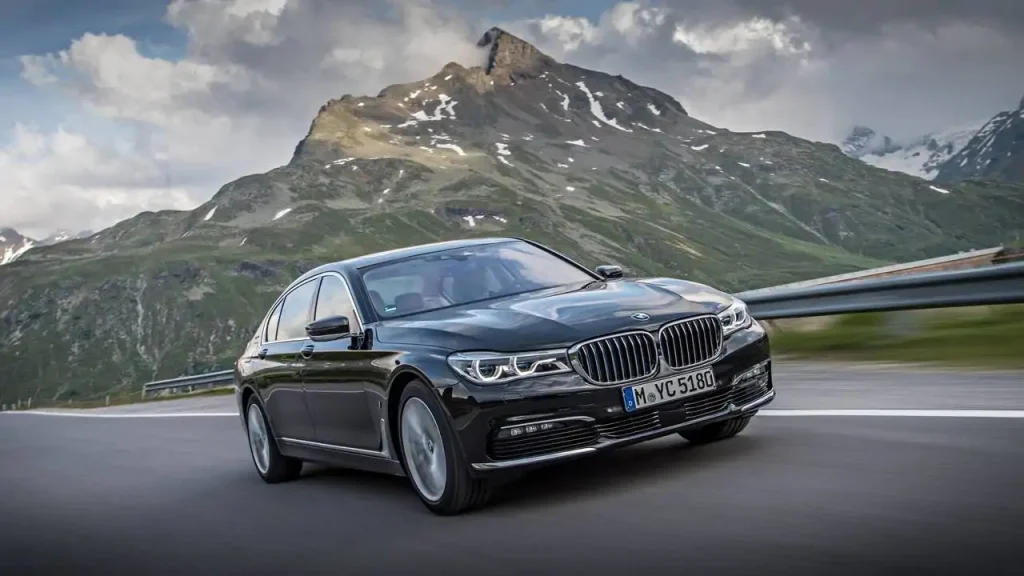
The BMW 7 Series delivered flagship-level luxury, technology, and performance. But its high original price and potentially expensive long-term ownership costs contributed to substantial depreciation.
Lincoln MKZ
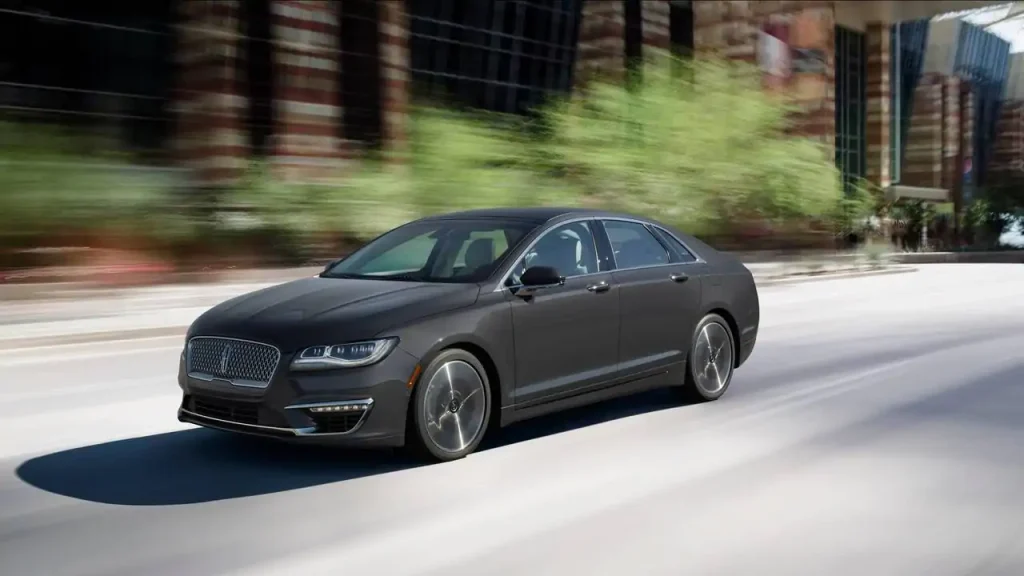
The Lincoln MKZ offered a comfortable cabin, distinctive styling, and plenty of luxury features at a relatively accessible price. Unfortunately, weak demand for sedans and strong competition from SUVs contributed to poor resale performance.
Cadillac ATS
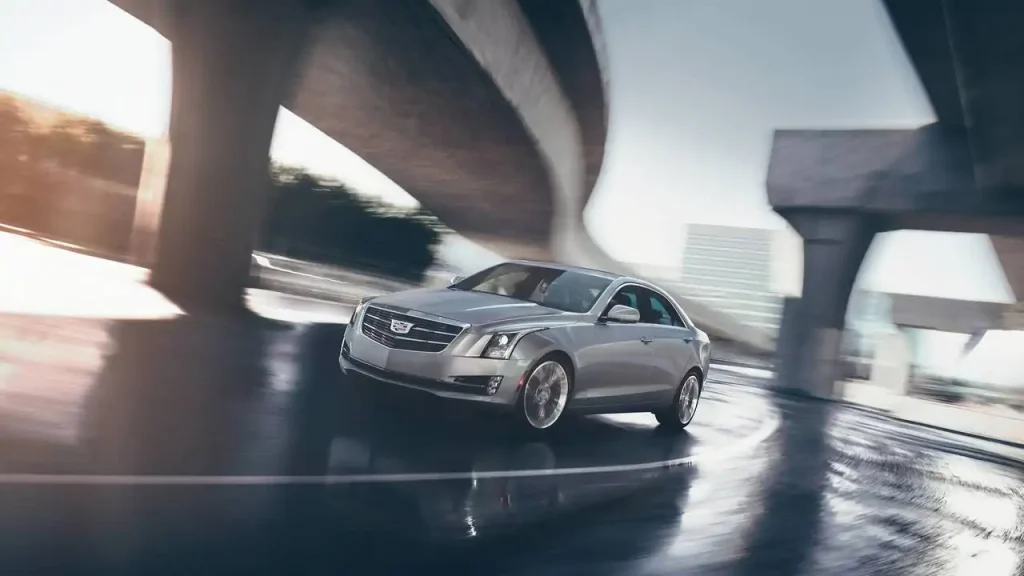
The Cadillac ATS was designed to compete with compact luxury sedans such as the BMW 3 Series. It delivered sharp handling and strong performance, but its resale value suffered amid intense competition and changing buyer preferences.
Fiat 500
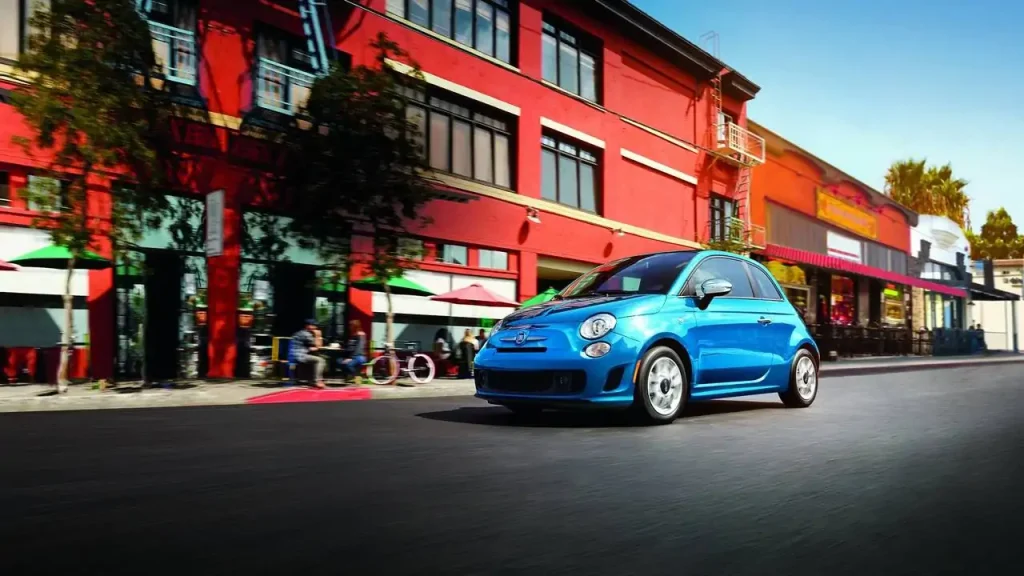
The Fiat 500 stood out with its retro styling and tiny dimensions, making it particularly well suited to city driving. Its limited practicality and niche appeal, however, resulted in considerable depreciation.
Nissan Leaf
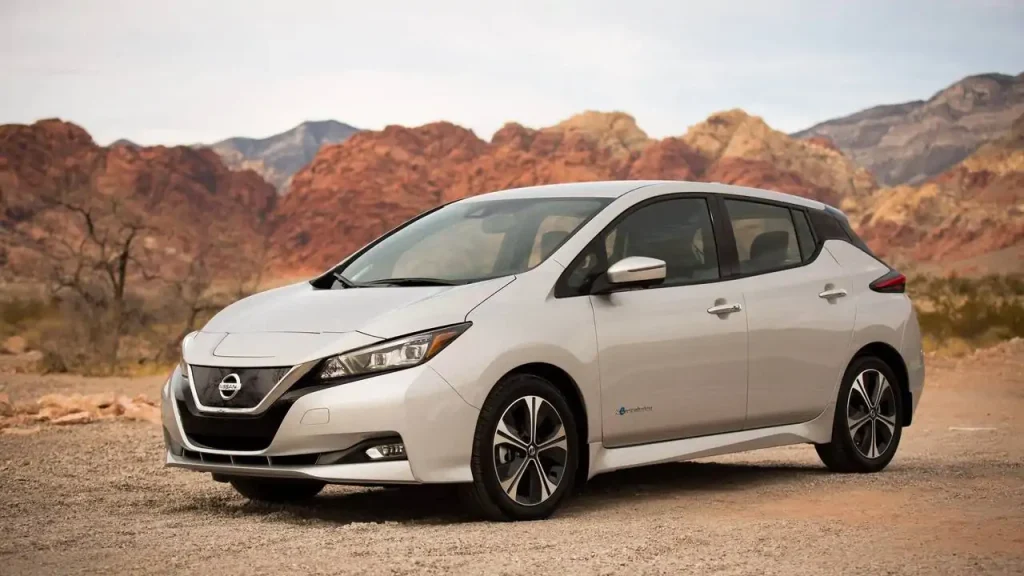
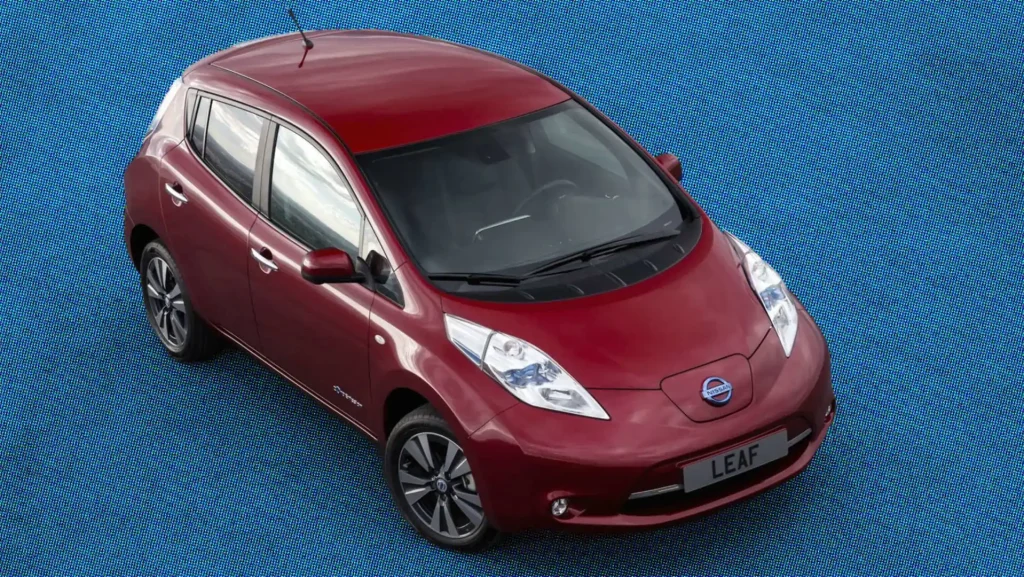
The Nissan Leaf was an early mainstream electric vehicle, offering quiet, emissions-free transportation at a relatively accessible price. Rapid advances in EV technology and concerns surrounding range and battery longevity contributed to its steep depreciation.