
We put legroom, headroom, and driving position under the microscope to find the drop-tops that fit drivers who don’t fit the average mold.
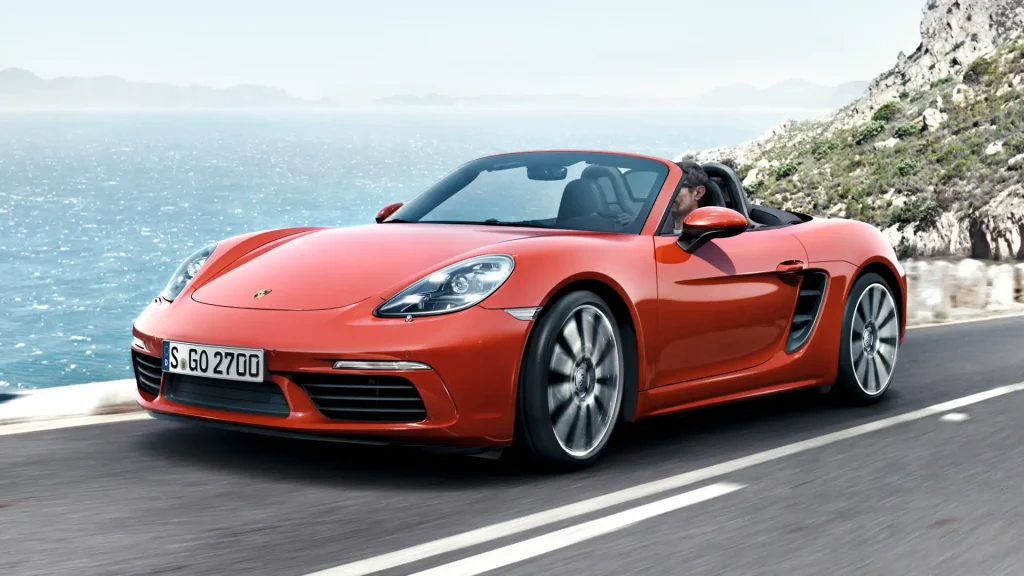
I’ve always had a soft spot for convertibles. In the perennial Porsche Boxster versus Cayman debate, I’m firmly on Team Boxster. You can adjust my standing in your personal hierarchy accordingly.
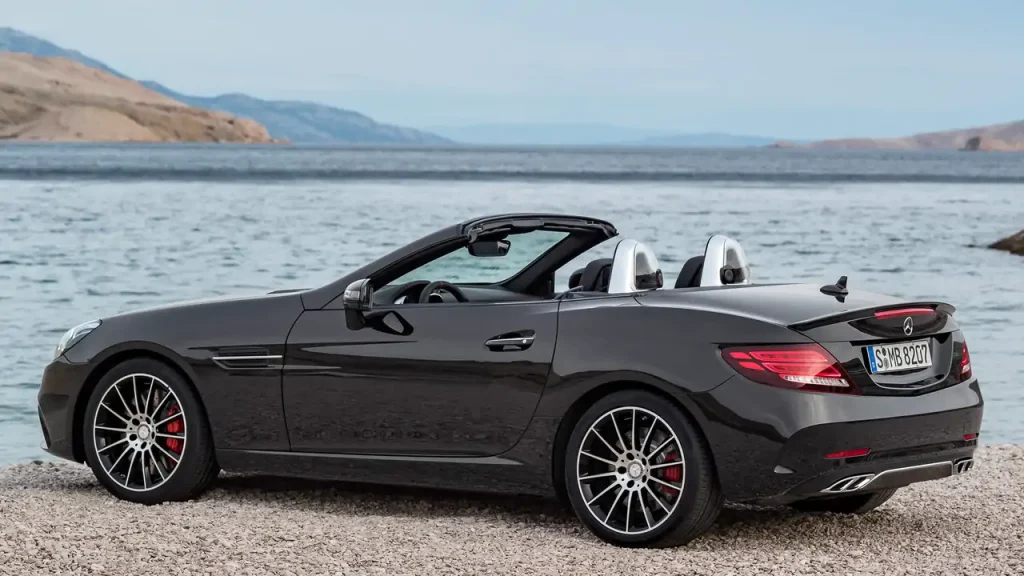
There’s an aesthetic reason for that preference, but there’s a practical one, too. I love the sense of openness a convertible provides, putting you directly in touch with your surroundings while making the driving experience feel more immersive. I’m also very tall—6 feet, 5 inches (196 centimeters)—so headroom can be a challenge, particularly in sporty coupes. A convertible largely solves that problem, weather permitting. We had a Mercedes-AMG SLC43 in the office recently, and driving it home reminded me that even with unlimited headroom, convertibles can still be tight for tall or broad-shouldered drivers. That got me thinking about the most recent convertibles I’d driven and how much room they actually offered behind the wheel.
So why not measure it? Three interior dimensions are particularly useful when figuring out how comfortable a larger driver will be in a convertible: legroom, hip room, and shoulder room. A simple formula based on those measurements seemed like a good starting point for ranking which convertibles offer the most space for bigger drivers.
Legroom is the obvious priority for tall drivers. More space accommodates longer legs, but it can also allow for a greater range of seat adjustment and recline, making it easier to sit lower behind the windshield. Those of you who are 5-foot-7 have no idea how good you have it. Hip and shoulder room, meanwhile, provide a better sense of how much width a driver has to work with, which can make a big difference for anyone with a larger frame. As I dug through the specifications, though, I found that shoulder room was commonly listed while hip room was often missing. Since the two measurements overlap to some degree, I decided to move forward using shoulder room instead.
That left me with three criteria for the final list: the convertibles had to be on sale in the U.S. for the 2016 or 2017 model years, have published legroom and shoulder-room figures, and be represented by the least expensive version available when multiple variants existed. That last condition wasn’t exactly scientific—it was mostly driven by curiosity. I wanted to see whether filtering for affordability would have any meaningful effect on the rankings.
The Roomiest Drop-Tops
Based strictly on the interior-space formula, these were the 10 most accommodating convertibles in the group:
- Chevrolet Camaro
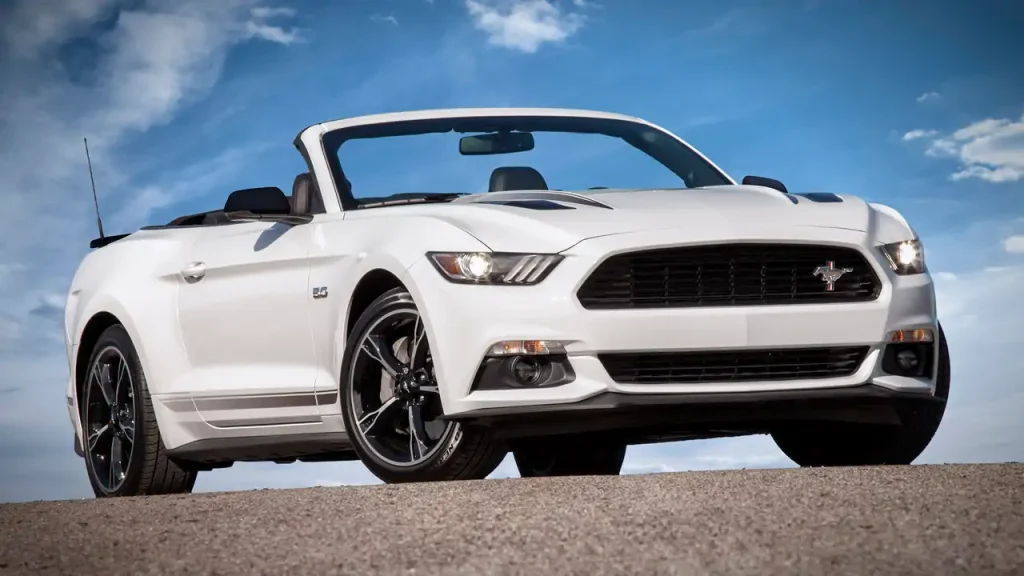
- Ford Mustang
- Jaguar F-Type
- Mercedes-Benz SL-Class
- Chevrolet Corvette
- BMW 6 Series
- McLaren 650S Spider
- Nissan 370Z Roadster
- Aston Martin Vanquish Volante
- BMW 4 Series Convertible
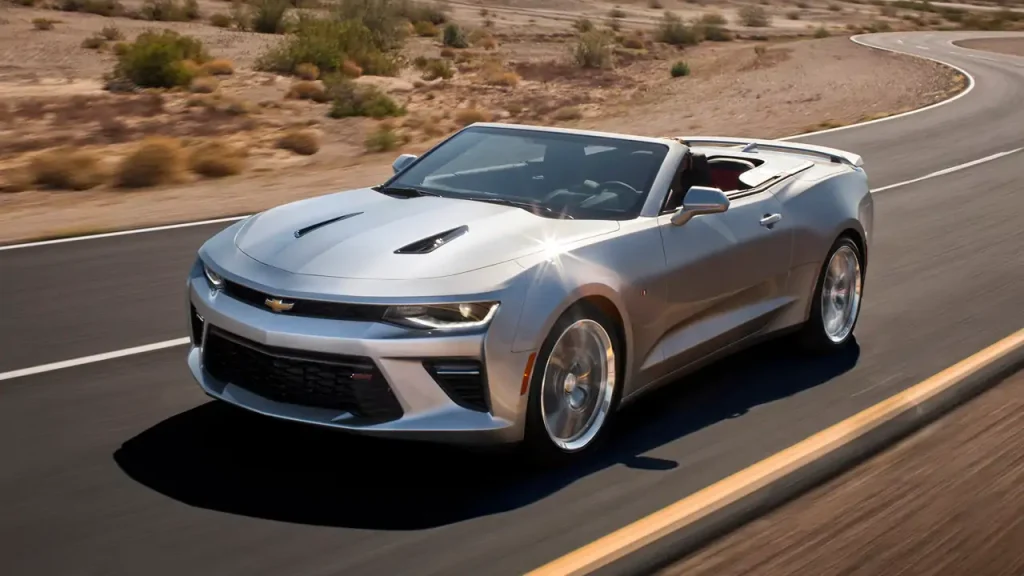
The first two results don’t surprise me much. I’ve spent plenty of time complaining about the Camaro coupe’s visibility, but it has never felt short on space when it comes to finding a comfortable driving position or accommodating my long limbs. The same goes for the upscale SL and 6 Series, both of which have always felt generously sized inside.
The 370Z and Corvette, however, are harder to explain. I double-checked the figures, and the numbers are pretty clear. Across my 28-car list, average shoulder room is 53.8 inches and average legroom is 42.3 inches. The 370Z beats both at 54.4 and 42.9 inches, while the Corvette goes even further with 55.2 inches of shoulder room and 43.0 inches of legroom. Maybe I’ll have to eat a lighter lunch before driving either one next time and see if my impressions change.
It’s also worth noting that this 28-model list isn’t comprehensive. The Mercedes S-Class Convertible, for example, has more shoulder room than anything I measured—more than 60 inches—but without a published legroom figure, I couldn’t fairly include it. Other obvious candidates, including the Porsche 911, were left out for the same reason: the necessary data simply wasn’t available.
The Tightest Five
At the other end of the spectrum, these five ended up at the bottom of the 28-car ranking:
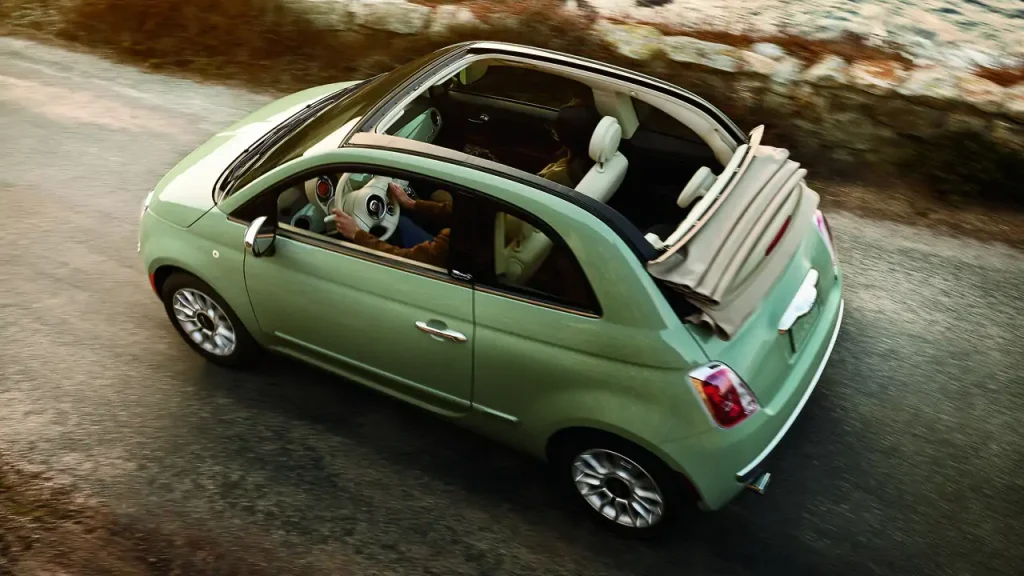
There aren’t many surprises here. I might have expected the Alfa Romeo 4C Spider to rank below the Audi A5 Cabriolet, especially since the 4C has less usable cabin space. But this list is based on rankings rather than simply sorting the raw measurements, which puts the A5 one spot lower. Either way, the takeaway is pretty clear: both cars have relatively tight cabins for someone of my size.
each, remember—coming in at nearly $68,000. But the two cars that dominated the space rankings are also among the most affordable options here, so the results aren’t exactly a shock:
- Ford Mustang
- Chevrolet Camaro
- Jaguar F-Type
- Chevrolet Corvette
- Nissan 370Z Roadster
This version of the ranking arguably tells the more useful story. The Mustang and Camaro combine generous dimensions with relatively attainable prices, while the Miata and Wrangler demonstrate that you don’t need a huge luxury convertible to get plenty of open-air driving enjoyment.
In other words, the cars that score well here aren’t necessarily the biggest or most expensive. They’re the ones that manage to balance cabin space, accessibility, and the simple appeal of dropping the roof.