
The SUV market was booming, but these 10 models couldn’t keep up with changing trends and rising competition.
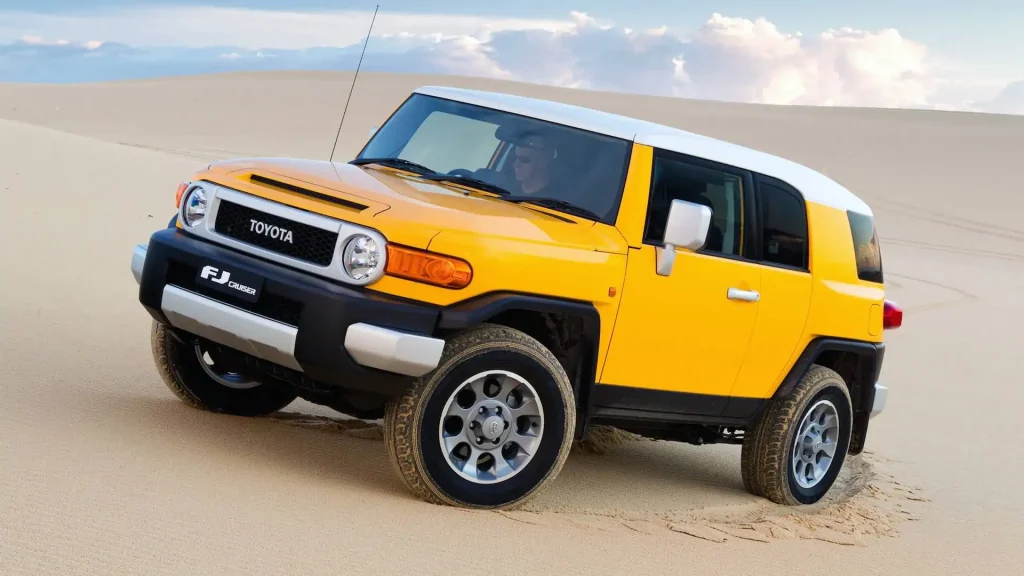
We are living in the golden age of the SUV. Sport utility vehicles have become the dominant force in the automotive industry, with nearly every major automaker offering at least one SUV or crossover in its lineup. From ultra-luxury models like the Bentley Bentayga to practical everyday choices like the Honda CR-V, buyers today have more SUV options than ever before.
But the SUV landscape was once far more diverse, with automakers experimenting with unique designs, unusual features, and niche models in an attempt to stand out. Brands such as Chrysler, Cadillac, Nissan, and others introduced SUVs that offered something different from the competition, but not every model was able to find lasting success.
Some were discontinued because they were replaced by newer, more advanced vehicles, while others struggled with changing consumer preferences, weak sales, or simply arrived at the wrong time. As the market shifted toward more efficient, practical, and technology-focused SUVs, these models eventually disappeared.
Here are 10 SUVs and crossovers that automakers discontinued over the past decade — vehicles that, for better or worse, couldn’t survive in one of the most competitive segments in the automotive world.
Table of Contents
Jeep Patriot
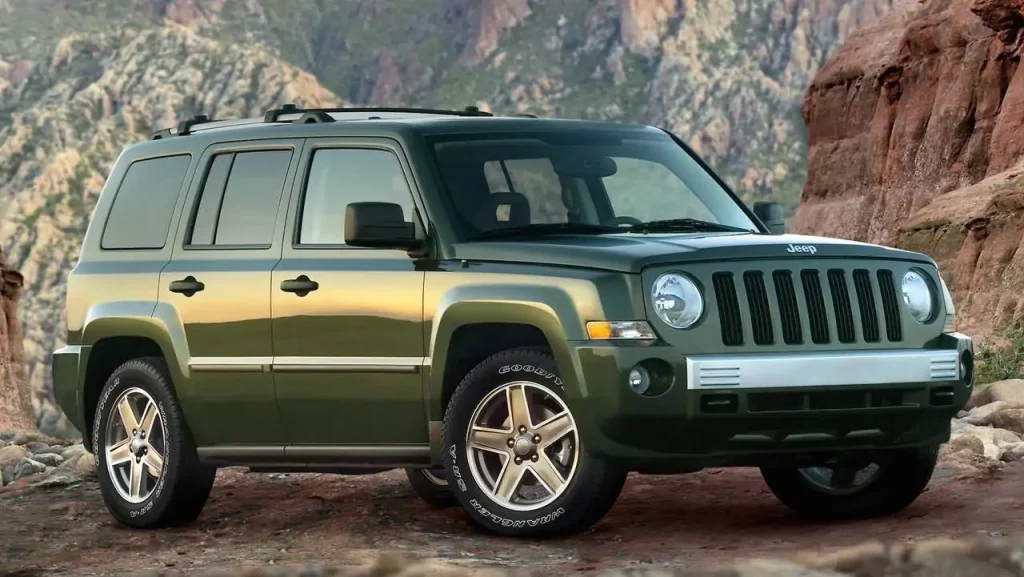
The Jeep Patriot was designed to be an affordable gateway into the Jeep brand. It offered classic Jeep styling, available four-wheel drive, and a low starting price that attracted buyers looking for a budget-friendly SUV.
However, the Patriot struggled against newer competitors because of its outdated interior, slow performance, and aging technology. While it carried Jeep’s reputation for off-road capability, many buyers preferred more refined compact crossovers.
Jeep eventually discontinued the Patriot in 2017 and replaced it with the more modern Jeep Compass, which combined better styling, improved technology, and stronger everyday driving manners.
Cadillac SRX
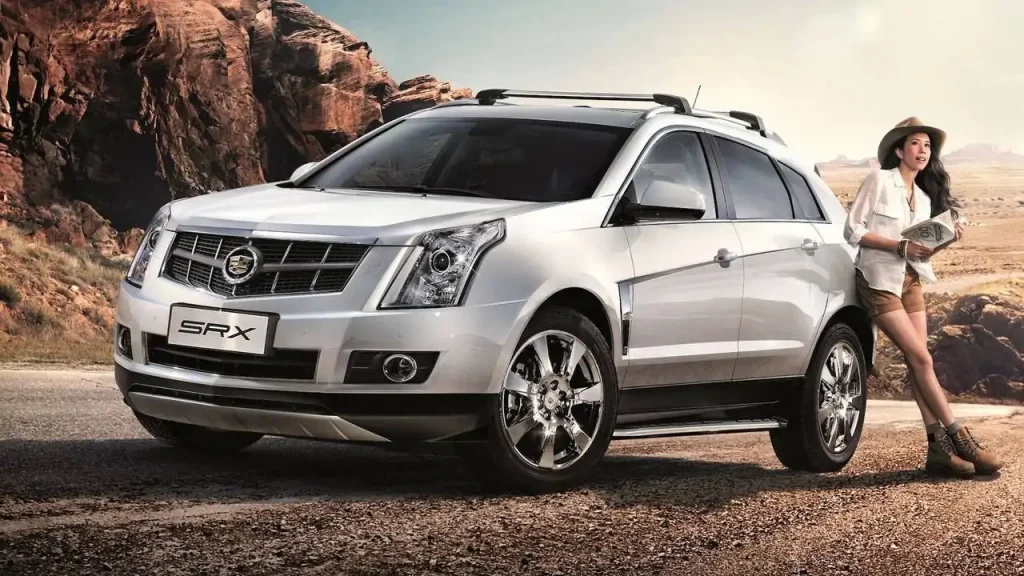
The Cadillac SRX was one of Cadillac’s most important crossover models. It helped move the brand into the growing luxury SUV market and became one of Cadillac’s best-selling vehicles.
The second-generation SRX offered premium styling, a comfortable interior, available all-wheel drive, and strong V6 power. However, Cadillac decided to replace it with a more modern naming strategy and a refreshed SUV lineup.
Production ended in 2016, with the Cadillac XT5 taking its place as Cadillac’s midsize luxury crossover.
Lincoln Aviator
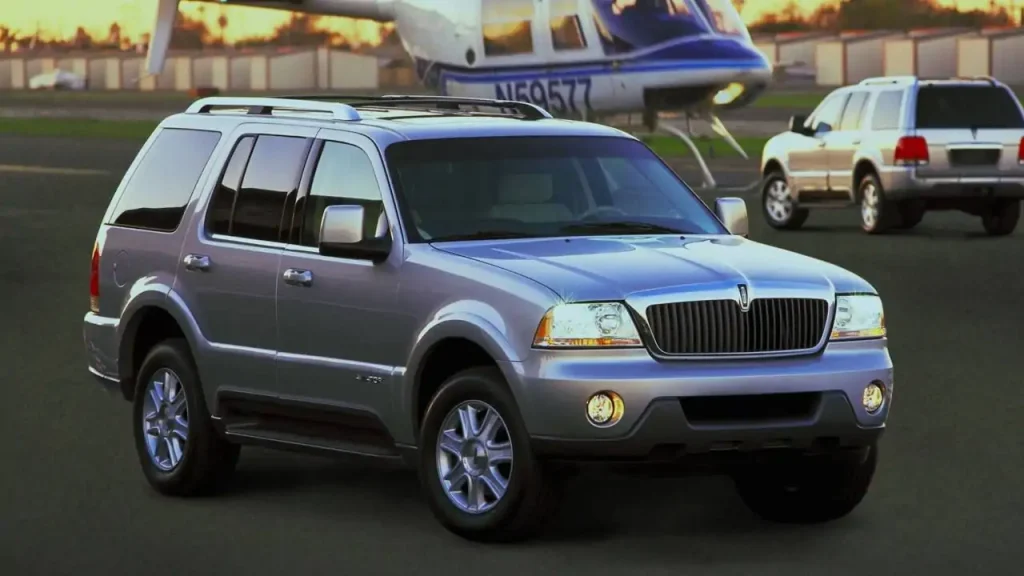
The first-generation Lincoln Aviator was introduced as a luxury SUV based heavily on the Ford Explorer platform. It featured upscale styling, a powerful V8 engine, and a premium interior designed to compete with vehicles like the Acura MDX and Lexus RX.
Unfortunately, the Aviator arrived during a highly competitive period and struggled to separate itself from the Ford Explorer. Its short production run ended after just a few years.
Lincoln later revived the Aviator name in 2020 with a completely redesigned luxury three-row SUV.
Subaru Tribeca
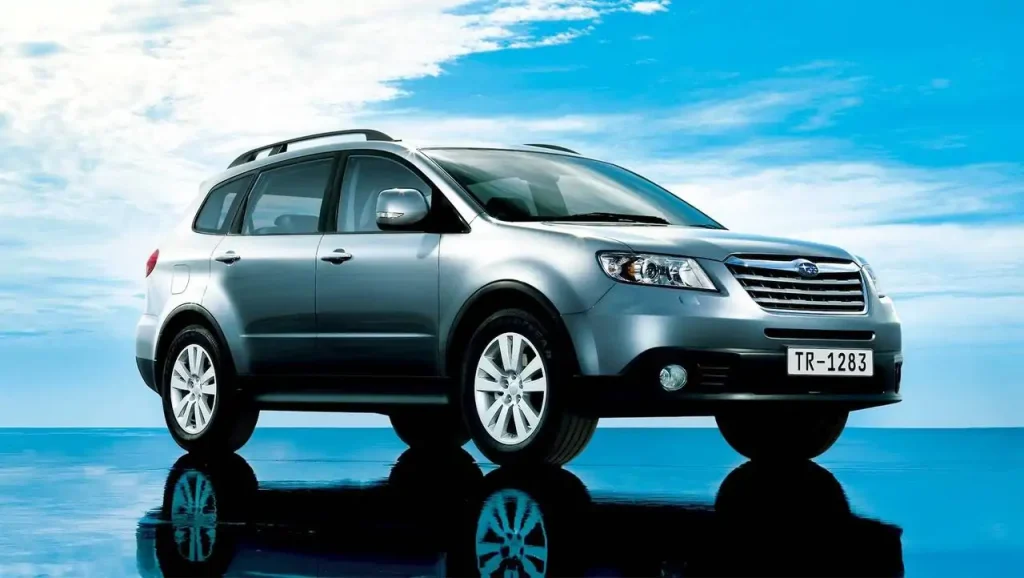
The Subaru Tribeca was Subaru’s first attempt at entering the midsize three-row SUV market. It offered standard all-wheel drive, a comfortable cabin, and Subaru’s reputation for reliability.
However, its controversial front-end styling on early models hurt its popularity. Even after a redesign improved its appearance, the Tribeca struggled against more established competitors.
Subaru discontinued the Tribeca in 2014 and eventually replaced it with the larger and more successful Subaru Ascent.
Chrysler Pacifica SUV
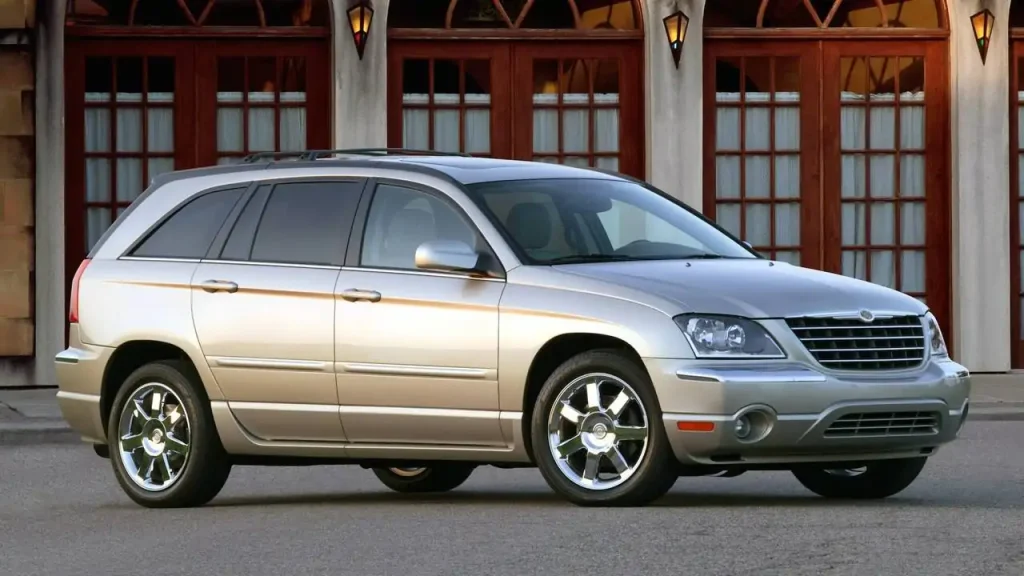
Before becoming a popular minivan, the Chrysler Pacifica was originally introduced as a luxury crossover SUV. It blended elements of a wagon, SUV, and minivan, offering three-row seating and premium features.
The Pacifica was innovative for its time, but its high price, limited engine choices, and unclear market position made it difficult to sell. Buyers were not quite ready for the crossover concept, and Chrysler ended production after 2008.
The Pacifica name later returned on Chrysler’s successful minivan model.
Cadillac Escalade Hybrid
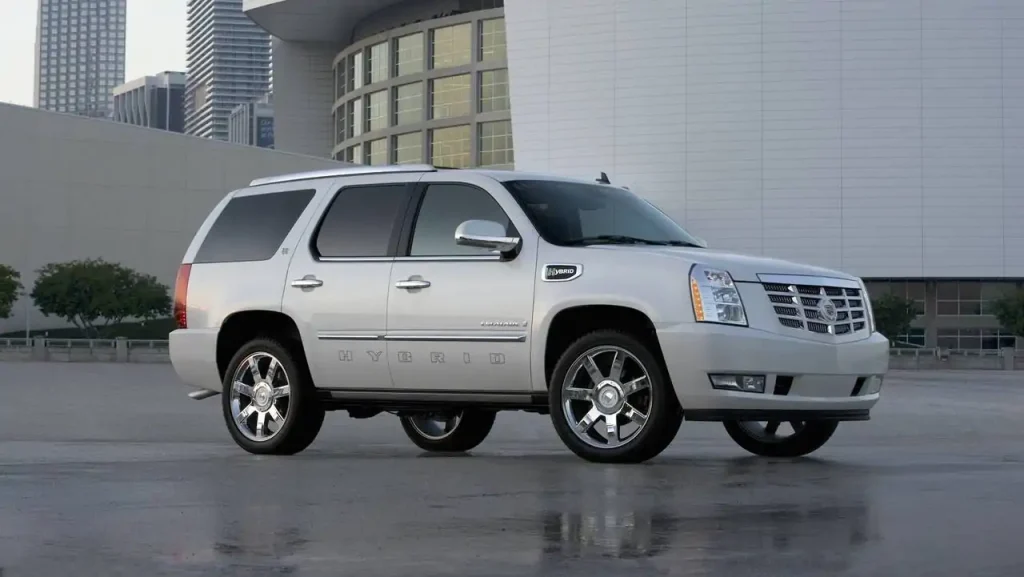
The Cadillac Escalade Hybrid attempted to bring fuel-saving technology to the full-size luxury SUV segment. It combined Cadillac’s premium design and V8 power with hybrid technology to improve efficiency.
However, the hybrid system added significant cost without delivering dramatic fuel savings. Buyers interested in luxury SUVs were often more focused on performance and capability than fuel economy.
Cadillac eventually discontinued the Escalade Hybrid as demand remained limited.
Nissan Xterra
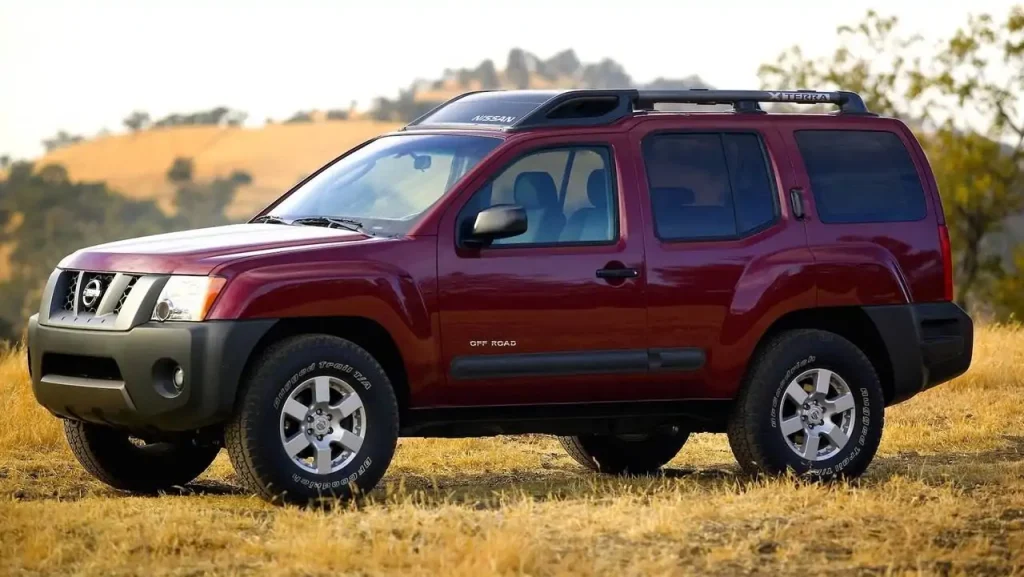
The Nissan Xterra developed a loyal following thanks to its rugged design, body-on-frame construction, and genuine off-road capability. It was a favorite among outdoor enthusiasts who wanted a practical SUV for camping, trails, and adventure.
However, as buyers shifted toward softer, more fuel-efficient crossovers, demand for traditional rugged SUVs declined. Aging technology and declining sales eventually led Nissan to discontinue the Xterra in 2015.
Despite its departure, the Xterra remains popular among off-road enthusiasts and used SUV buyers.
Honda Element
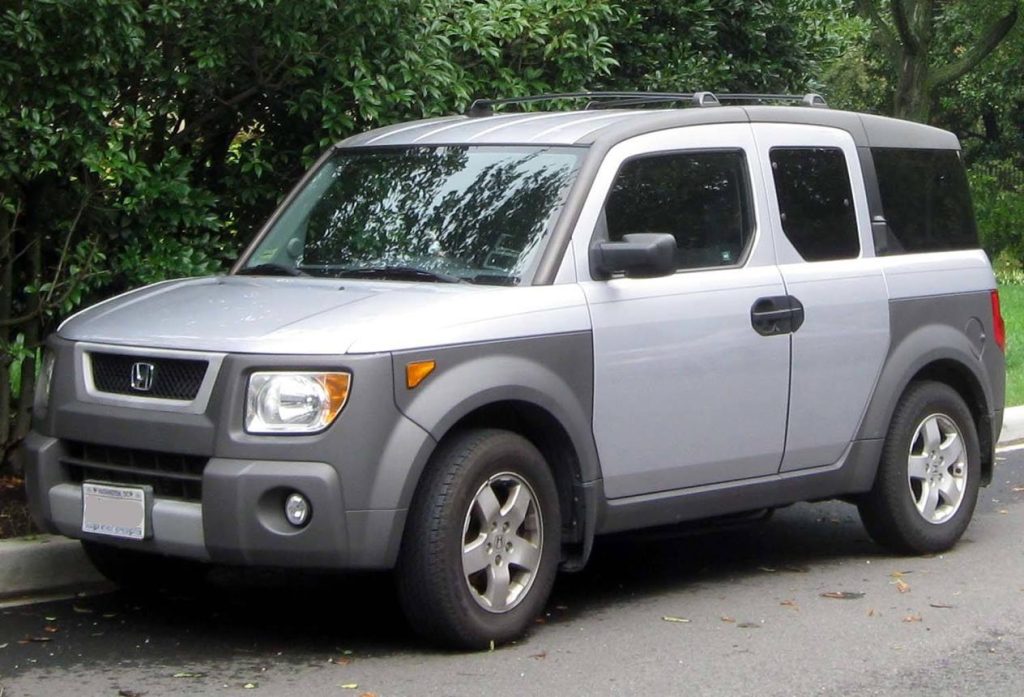
The Honda Element stood out with its boxy design, versatile interior, and wide-opening rear doors.
Its washable interior and flexible cargo area made it especially useful for active lifestyles and outdoor activities.
Honda ended production in 2011 as sales declined, but the unusual SUV has retained a dedicated following among used-car enthusiasts.
Ford Flex
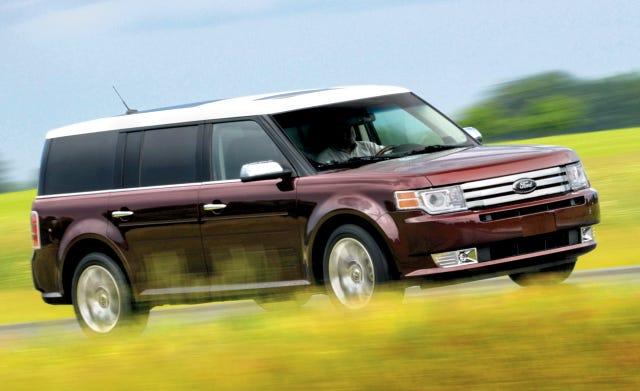
The Ford Flex was one of the most distinctive SUVs of its era. Its boxy styling, spacious interior, and available turbocharged EcoBoost V6 gave it a unique personality.
Despite its strengths, the Flex struggled because many buyers preferred more traditional SUV designs. As the market moved toward crossovers with higher seating positions and more rugged styling, sales declined.
Ford ended production in 2019 as it focused on newer SUV models.
Infiniti QX70
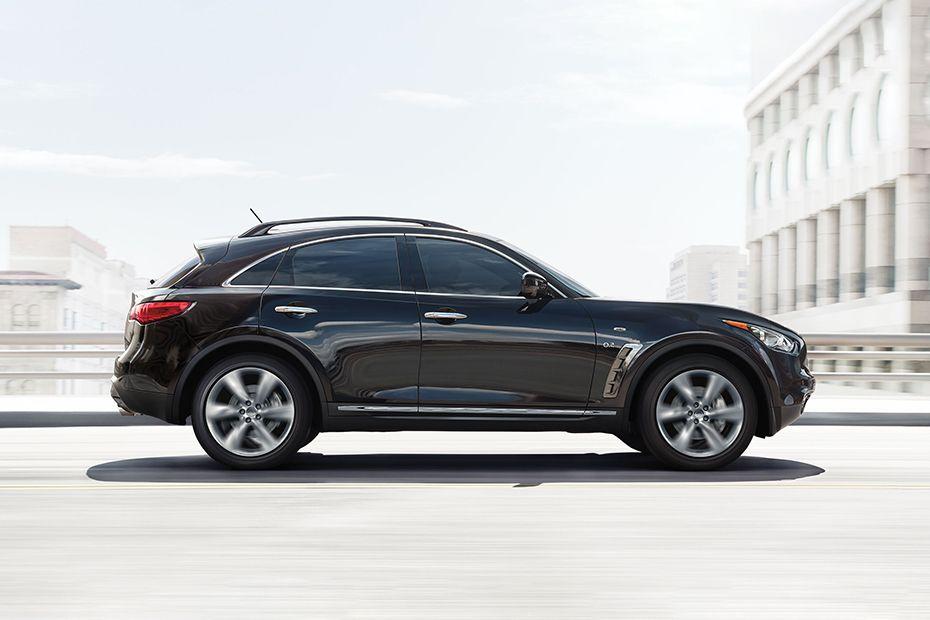
The Infiniti QX70, originally known as the FX, was one of the sportiest luxury SUVs available. Its aggressive styling, sharp handling, and powerful engines gave it a personality unlike most competitors.
However, changing buyer preferences toward more practical luxury crossovers reduced demand. Infiniti discontinued the QX70 in 2017 as the brand shifted focus toward newer SUV offerings.