
These vehicles have earned a reputation for frequent problems and are worth avoiding if dependable ownership is your top priority.
In previous rankings, we looked at the cars, trucks, SUVs, and minivans that earned the highest marks for powertrain dependability in the latest J.D. Power U.S. Vehicle Dependability Study. The study is based on feedback from more than 35,000 original owners of three-year-old vehicles, measuring problems reported across areas including engines, transmissions, and other major mechanical components. Those results also closely aligned with reliability data from Consumer Reports, giving shoppers a clearer picture of which vehicles are likely to deliver trouble-free ownership.
Now, we’re looking at the other side of the reliability spectrum—the vehicles that struggled the most. The following list highlights 10 cars that received some of the lowest powertrain durability scores from J.D. Power, earning just two out of five Power Circles for dependability.
Because reliability rankings can vary between organizations, we compared J.D. Power’s findings with Consumer Reports’ predicted reliability ratings, narrowing the list to models that also performed below average in CR’s owner surveys. The result is a group of vehicles that consistently raised concerns about long-term durability, repair costs, or recurring mechanical issues.
One trend stands out: six of the 10 least reliable models come from Fiat Chrysler Automobiles (FCA), although several of those vehicles have since been discontinued or redesigned. For used-car shoppers, that serves as an important reminder to research a vehicle’s history carefully before buying—especially when considering older models that may have a reputation for expensive repairs.
Reliability is one of the most important factors in long-term vehicle ownership, and these models represent some of the choices buyers should approach with extra caution.
Table of Contents
Cadillac ATS
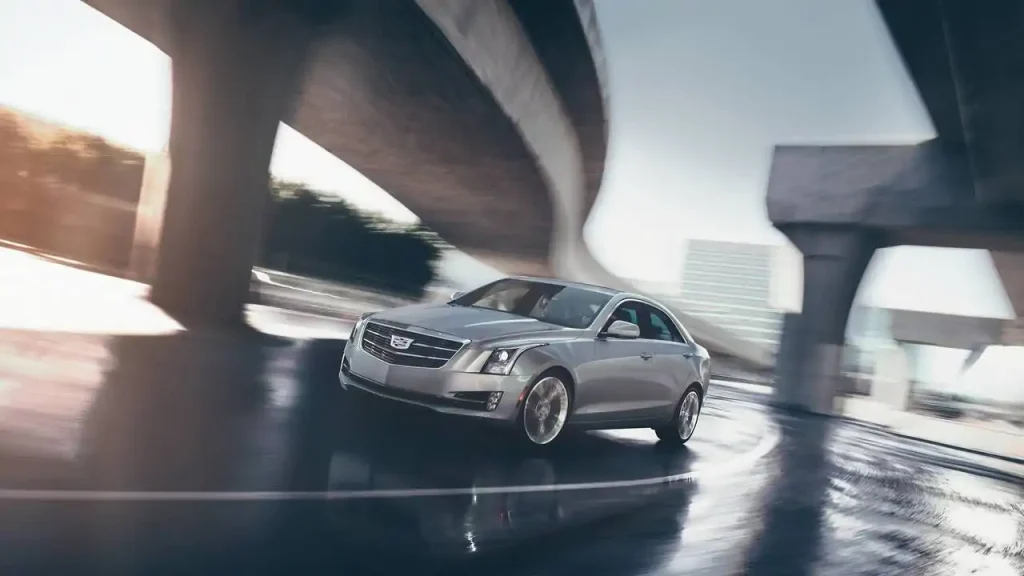
The Cadillac ATS was designed to take on established German compact luxury sedans such as the BMW 3 Series and Mercedes-Benz C-Class. It delivered sharp handling, rear-wheel drive, available all-wheel drive, and a choice of turbocharged four-cylinder and V6 engines. On paper, it had the ingredients of a serious driver’s car.
Reliability was a different story. The ATS received a low powertrain reliability rating in the J.D. Power data, while Consumer Reports also gave it a poor predicted reliability assessment. That combination put the Cadillac among the cars buyers concerned about long-term ownership should approach carefully.
The ATS remains an appealing used car because its chassis and performance can make it relatively inexpensive fun, but buyers need to pay close attention to maintenance history and the condition of the powertrain and electronics.
Chrysler 200
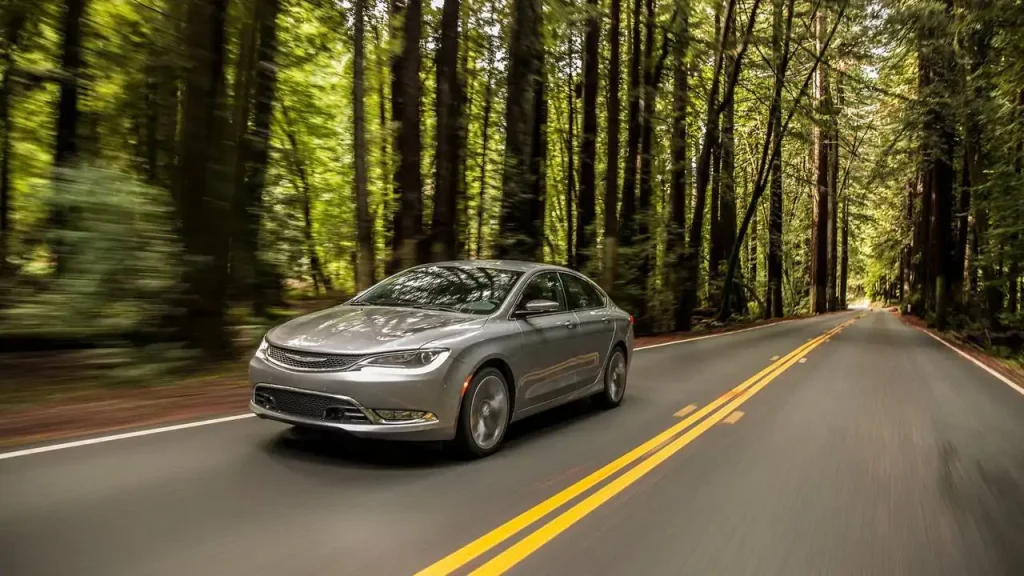
The Chrysler 200 was supposed to give the brand a competitive entry in the midsize sedan market. Its 2015 redesign brought more sophisticated styling, a modern interior, and available all-wheel drive, while the V6 offered respectable performance.
Unfortunately, the 200 struggled to establish a reputation for durability. J.D. Power rated its powertrain reliability poorly, while Consumer Reports gave the car one of its lowest predicted reliability ratings. Transmission behavior was one of the concerns associated with the model, adding to the ownership risks for used-car buyers. Contemporary reliability coverage also highlighted transmission and drivetrain problems.
The Chrysler 200 was discontinued after the 2017 model year, making this primarily a used-car consideration today. Its attractive styling and low used prices can make it tempting, but prospective buyers should be particularly careful about service records and transmission condition.
Dodge Avenger
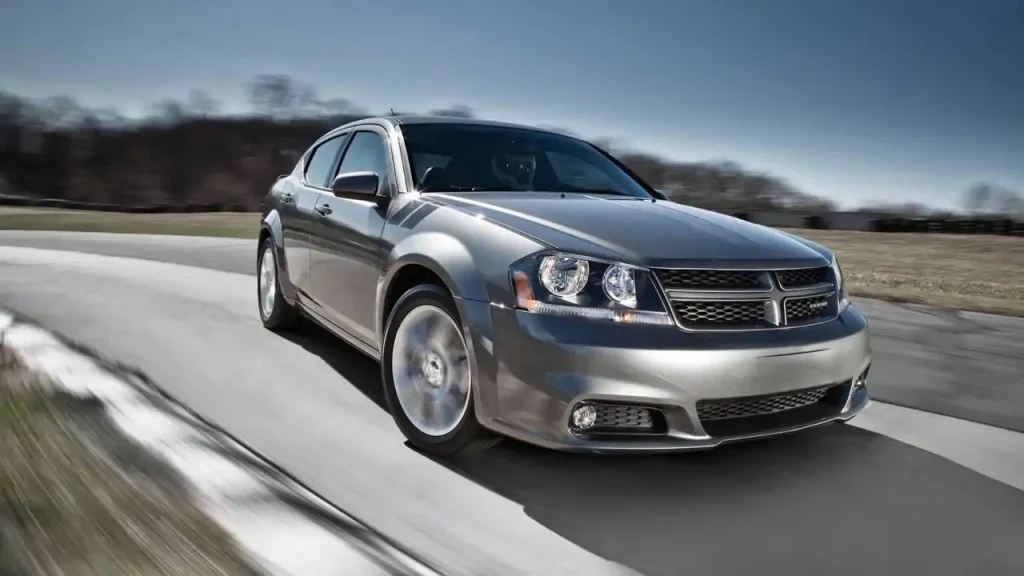
The Dodge Avenger was another midsize sedan that struggled to distinguish itself from the competition. Its aggressive styling and available V6 gave it some personality, but the underlying package wasn’t enough to overcome its shortcomings.
The Avenger’s reliability record was another weakness. Like the Chrysler 200, it received poor marks for dependability, and its mechanical relationship with other Chrysler products of the period didn’t help its reputation. The Avenger disappeared from Dodge’s lineup after 2014, so virtually every example encountered today is already a used vehicle.
For buyers considering one because of its low purchase price, the initial savings need to be weighed against the possibility of age-related repairs and powertrain issues. A well-maintained example can still provide inexpensive transportation, but this isn’t a model to purchase without a thorough inspection.
Dodge Challenger

The Dodge Challenger is an interesting inclusion because its reputation today is much more strongly associated with performance than reliability. The retro-styled coupe became a favorite among enthusiasts thanks to its available V8 engines, rear-wheel-drive layout, and increasingly powerful SRT variants.
But the Challenger’s performance credentials don’t automatically translate into excellent long-term dependability. In the data used for this ranking, the model received a low powertrain reliability assessment despite being one of Dodge’s most desirable cars.
That doesn’t make every Challenger a bad used car. Engine choice, maintenance, driving habits, and previous modifications can all have a significant effect on the condition of an individual example. A heavily modified or aggressively driven Challenger deserves especially careful inspection before purchase.
Dodge Charger
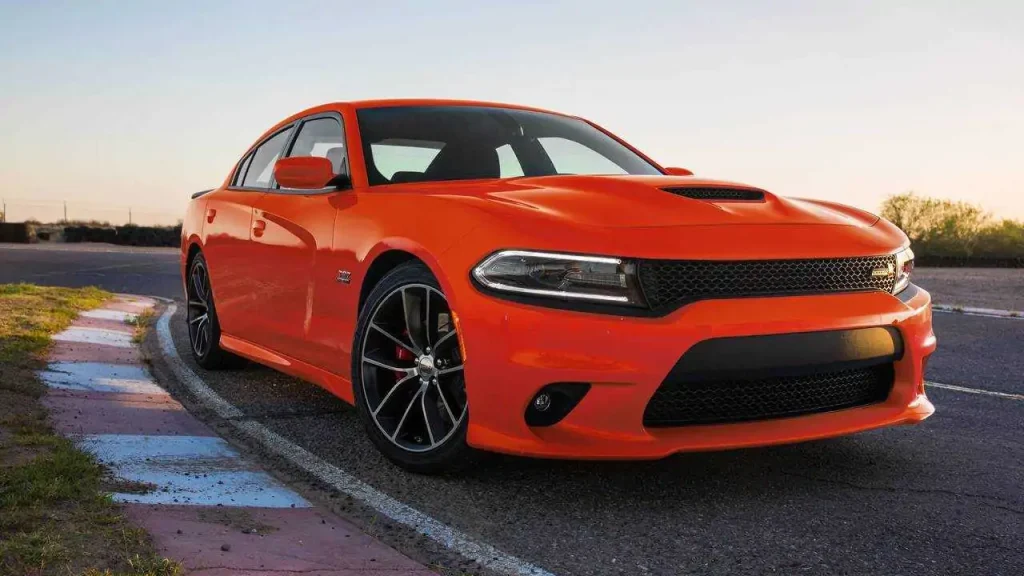
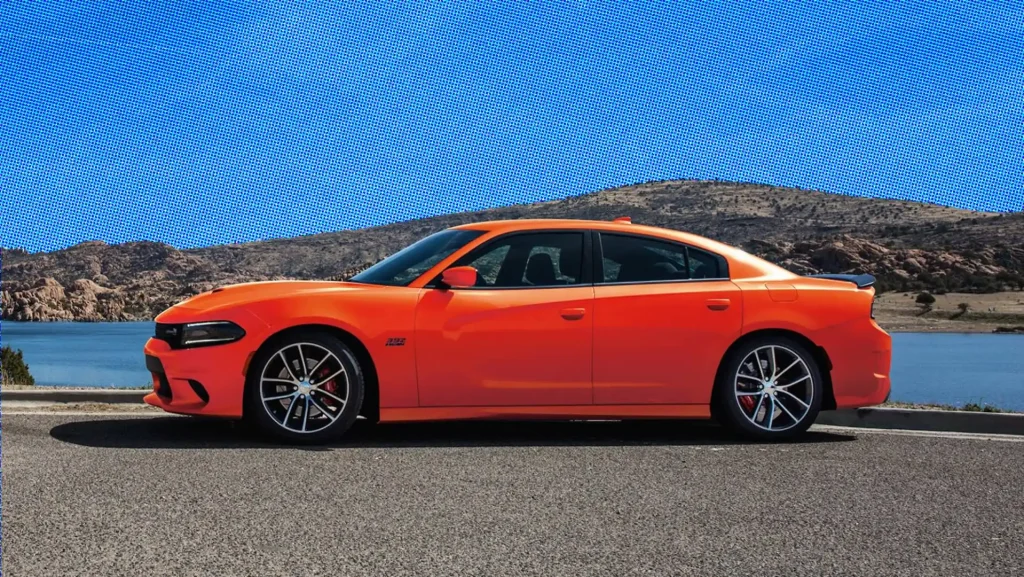
The Dodge Charger shares much of its mechanical DNA with the Challenger but adds four doors and considerably more practicality. That combination has made it one of the most recognizable performance sedans on the market.
Its inclusion here, however, shows that the Charger wasn’t immune to the reliability concerns affecting other vehicles in the FCA lineup at the time. The powertrain rating used for this ranking was among the lowest, putting the Charger on the wrong side of the dependability spectrum.
As with the Challenger, engine and trim matter when shopping for a used Charger. V8-powered versions can be particularly attractive to enthusiasts, but higher-performance models may also have experienced harder use. A complete service history is therefore essential.
Dodge Dart
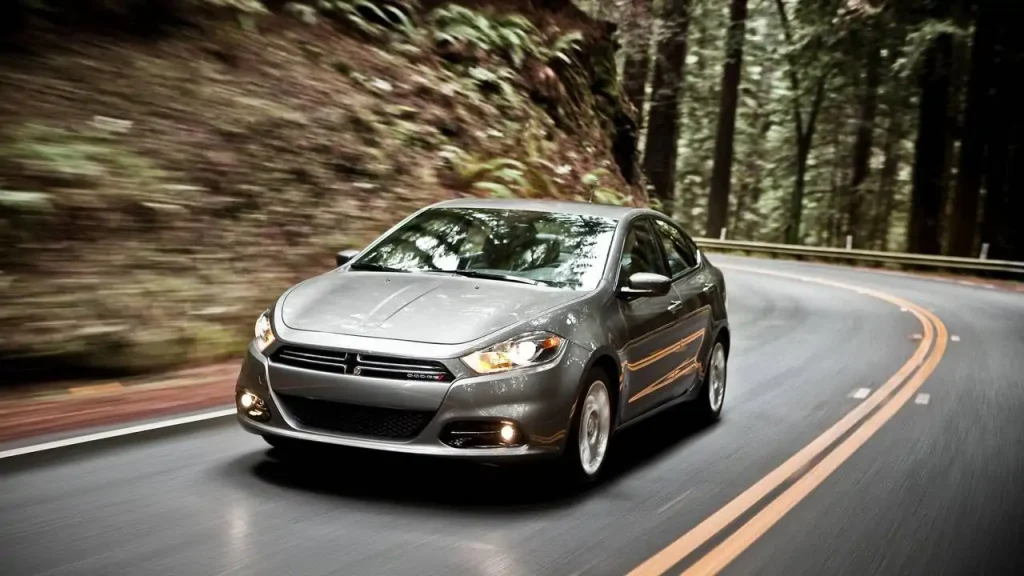
The Dodge Dart was supposed to bring a fresh face to Dodge’s compact-car lineup. It was based on an Alfa Romeo-derived platform and offered several four-cylinder engines, giving Dodge a more modern competitor for cars such as the Honda Civic and Ford Focus.
The Dart’s ambitious engineering didn’t translate into a strong reliability reputation. Its powertrain earned poor marks, while Consumer Reports also identified the model as a below-average performer for predicted reliability. Contemporary reliability data pointed to issues including rough shifting, transmission-control problems, oxygen sensors, and stalling or hesitation.
The Dart was discontinued after 2016, making it another model primarily relevant to used-car shoppers. Its low resale value can make it look attractive on a budget, but buyers should be cautious about purchasing one solely because it is inexpensive.
Fiat 500L
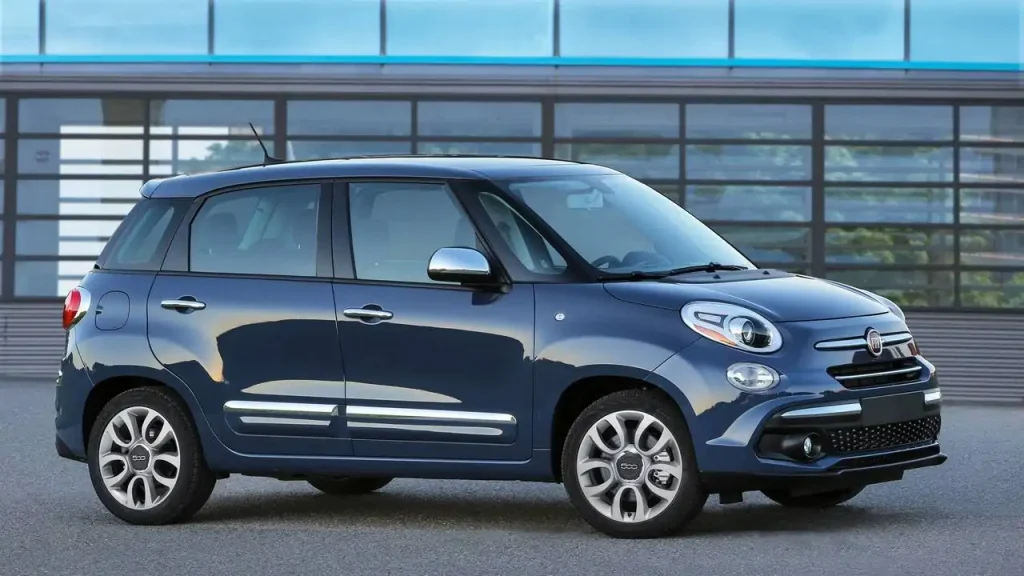
The Fiat 500L attempted to take the quirky character of the Fiat 500 and stretch it into a more practical small family vehicle. Its tall body created additional passenger and cargo space, while the distinctive styling helped it stand apart from conventional compact cars.
Unfortunately, reliability became one of the 500L’s biggest weaknesses. Problems reported by owners included drivetrain and transmission concerns, power equipment, and in-car electronics. Contemporary Consumer Reports data also placed the 500L among the least reliable vehicles, with rough-shifting transmission and electronic issues among the reported trouble spots.
The 500L is therefore an especially important example of why a low purchase price shouldn’t be the only consideration when shopping for a used vehicle. A cheap car that requires frequent repairs can quickly become more expensive than a better-built alternative.
Ford Fiesta
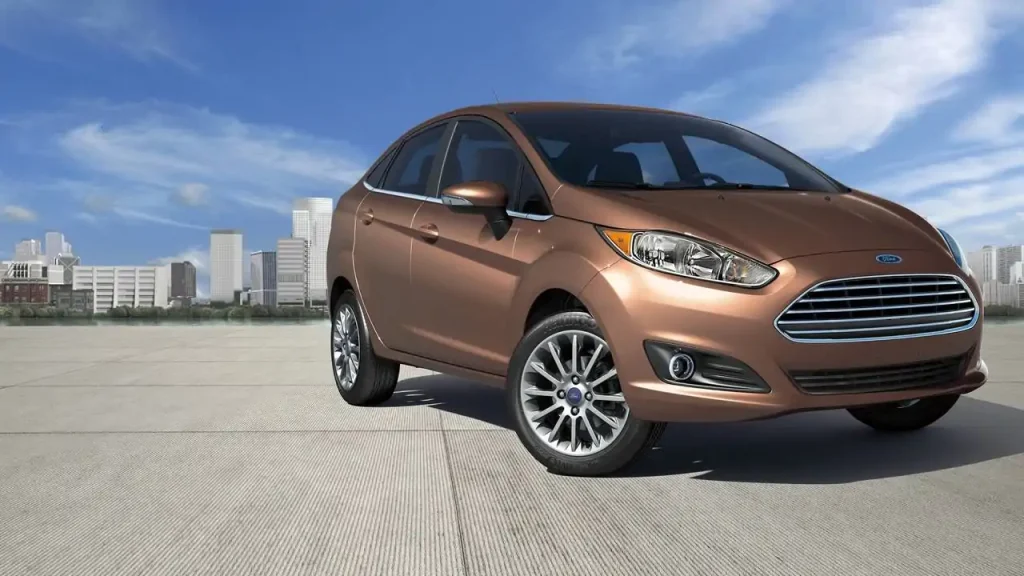
The Ford Fiesta was one of the smallest cars in Ford’s lineup and was generally praised for its nimble handling and entertaining driving character. Its compact dimensions also made it an easy fit for urban environments.
Unfortunately, certain Fiesta models developed a particularly troublesome reputation for their transmissions. Reports of rough shifting, slipping, and other transmission-related problems contributed heavily to the car’s poor reliability reputation. Consumer Reports also identified transmission and climate-system issues among Fiesta owner complaints.
The Fiesta’s driving dynamics can still make it appealing as an inexpensive used car, but buyers should be extremely careful about the transmission. A pre-purchase inspection and a detailed service history are especially important before committing to one.
Ford Focus
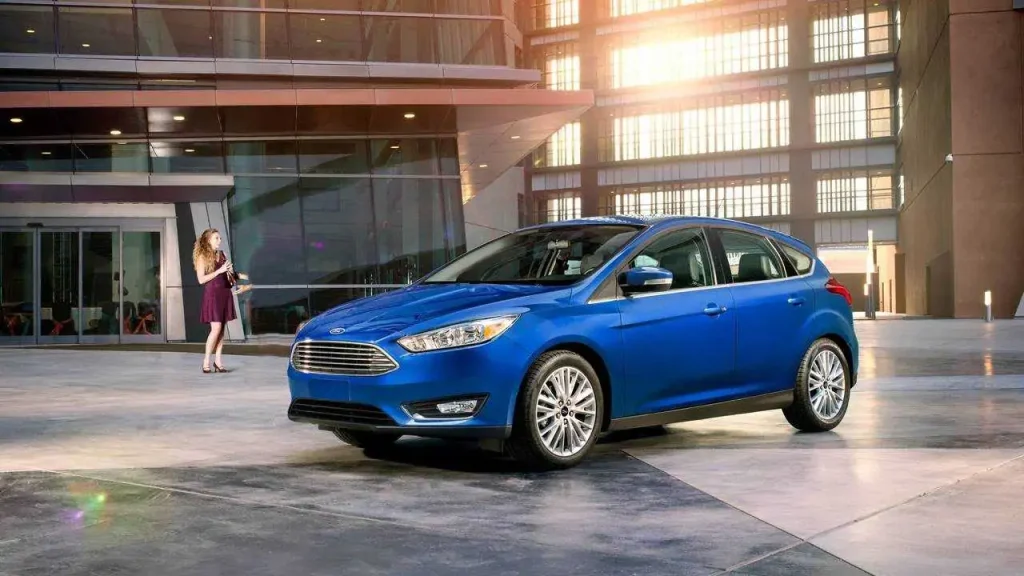
Like the Fiesta, the Ford Focus was designed to compete in a fiercely competitive compact-car market. It offered sharp styling, good fuel economy, and handling that was more engaging than many competitors.
The problem was the powertrain, particularly transmission-related issues on certain versions. Contemporary reliability surveys identified the Focus as having problems with its drive system and transmission, while Consumer Reports also placed the model among its least reliable vehicles.
That doesn’t erase the Focus’s strengths. It’s still a practical compact with good road manners, and later examples can be significantly different from the vehicles covered by older reliability studies. But for the model years represented in this ranking, transmission condition should be one of the first things a used-car buyer investigates.
Mercedes-Benz CLA
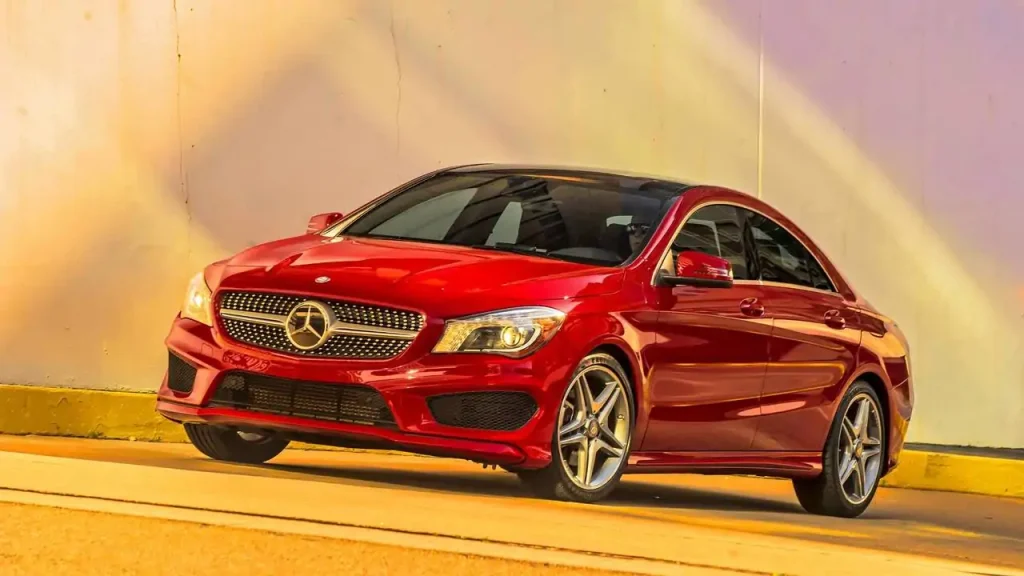
The Mercedes-Benz CLA brought the three-pointed star to a younger and more affordable audience. Its sleek profile, upscale cabin, and relatively accessible price made it an attractive entry point into Mercedes-Benz ownership.
But lower pricing didn’t necessarily mean lower ownership complexity. The CLA’s technology, electronics, and mechanical systems gave it more opportunities for potential problems than a simple economy car. Reliability data from the period placed the CLA among the weaker performers, with owner reports pointing to issues including electronics and various mechanical concerns.
For used buyers, the CLA illustrates an important rule of luxury-car ownership: the purchase price may fall quickly, but repair and maintenance costs don’t necessarily follow it. A well-maintained example with comprehensive service records can still be appealing, but bargain pricing shouldn’t be mistaken for bargain ownership.