
The sticker price is only part of the equation—these cars deliver impressive value when you factor in the total cost of ownership.
SUVs and pickup trucks may dominate today’s market, but traditional passenger cars still accounted for roughly 30 percent of new-vehicle sales in 2019. For shoppers willing to look beyond the SUV craze, choosing a sedan or conventional car could offer a meaningful financial advantage. Passenger cars are typically less expensive to purchase, and in many cases, they can also be cheaper to operate and maintain over the long term.
Kelley Blue Book’s 2019 Five-Year Cost-to-Own analysis highlighted just how large that difference could be. The compact car with the lowest projected five-year ownership costs was expected to save its owner $2,269 compared with the most affordable compact SUV. The gap was even larger in the midsize category, where the sedan with the lowest projected ownership costs was nearly $5,000 cheaper to own over five years than the least expensive midsize SUV.
The sticker price, however, tells only part of the story. Smart shoppers need to look at the expenses that continue accumulating after the vehicle leaves the dealership. Depreciation, fuel, insurance, scheduled maintenance, and unexpected repairs can all significantly affect the total cost of ownership. Over several years, even relatively small differences in these categories can add up to thousands of dollars.
Depreciation is particularly important because it represents one of the largest ownership expenses for many vehicles. Cars that are expected to retain a greater percentage of their original value can reduce the financial impact of depreciation. Historical resale data and market trends can provide useful clues about how different models may perform against their competitors. Residual value is also important for lease shoppers because a vehicle’s projected value at the end of the lease can have a direct effect on monthly payments.
Fuel economy is another major piece of the equation. A vehicle that consumes less fuel can save hundreds or even thousands of dollars over several years, depending on how much it is driven and the prevailing price of gasoline. For commuters and high-mileage drivers in particular, a few extra miles per gallon can make a noticeable difference in overall ownership expenses.
Insurance should also be considered before buying. Premiums depend on numerous factors, including the driver’s age, location, driving history, and selected coverage, but the vehicle itself can have a substantial impact on the final rate. Luxury models and high-performance cars can be more expensive to insure because of their higher repair costs, replacement values, specialized components, and claims histories.
Then there are maintenance and repair costs, which can vary considerably from one model to another. Some vehicles require more frequent servicing, while others use parts and components that are significantly more expensive to replace. A car with an attractive purchase price isn’t necessarily a bargain if its maintenance requirements and out-of-warranty repair bills are consistently high.
Ultimately, determining the true cost of a vehicle requires looking well beyond the number displayed on the window sticker. Depreciation, fuel consumption, insurance, maintenance, and repairs can have just as much impact on a vehicle’s finances as its initial purchase price. By considering all of these expenses together, shoppers can get a better idea of what their next car will actually cost over the years.
Table of Contents
Volkswagen Jetta
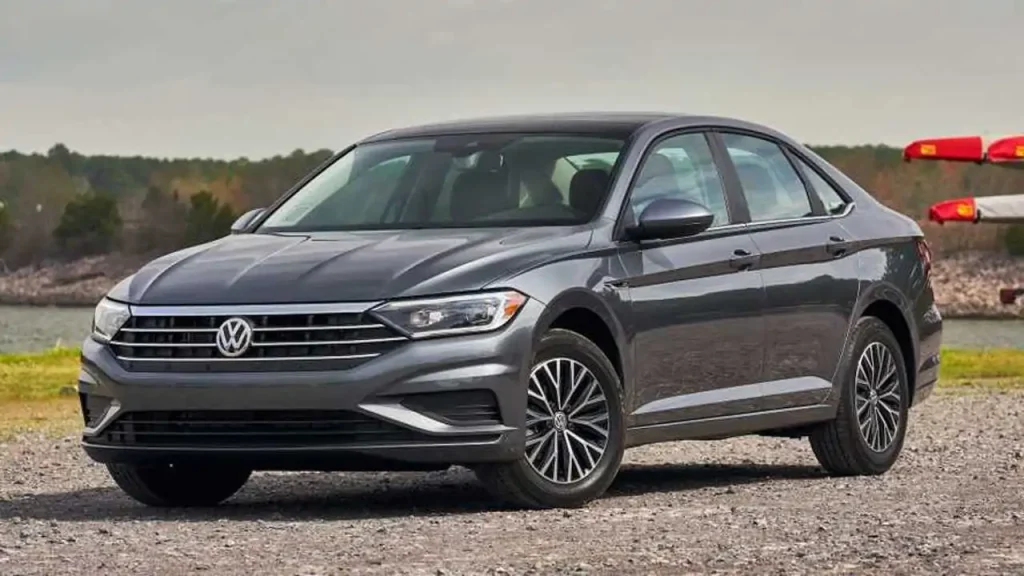
The Volkswagen Jetta offered an appealing combination of affordable pricing, good fuel economy, and a comfortable interior, making it an attractive alternative to more basic compact cars. For 2019, the redesigned Jetta moved to a newer platform and gained a stronger selection of standard technology while maintaining its practical character. Its efficient four-cylinder engine helped control fuel expenses, while the competitive price gave buyers an opportunity to get a more refined compact sedan without taking on the cost of a larger vehicle.
Toyota Prius Prime
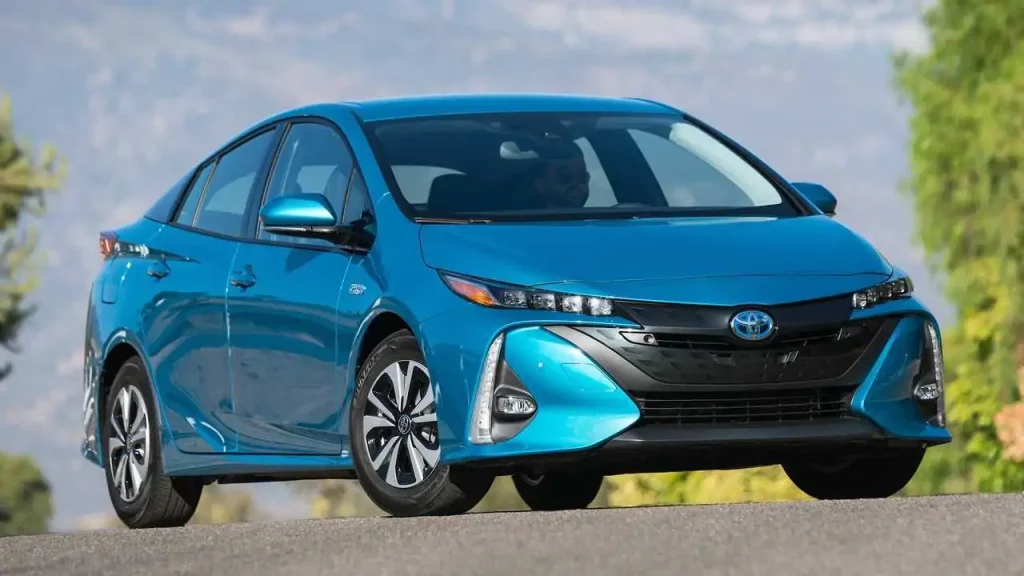
The Toyota Prius Prime builds on the familiar Prius formula with plug-in capability, allowing owners to handle many everyday trips using electric power before the gasoline engine takes over. Drivers who regularly charge the battery can significantly reduce their gasoline consumption, particularly during short commutes and errands. Combined with Toyota’s established hybrid technology and reputation for durability, the Prius Prime can be an appealing option for shoppers focused on minimizing fuel and long-term operating expenses.
Honda Clarity Plug-In Hybrid
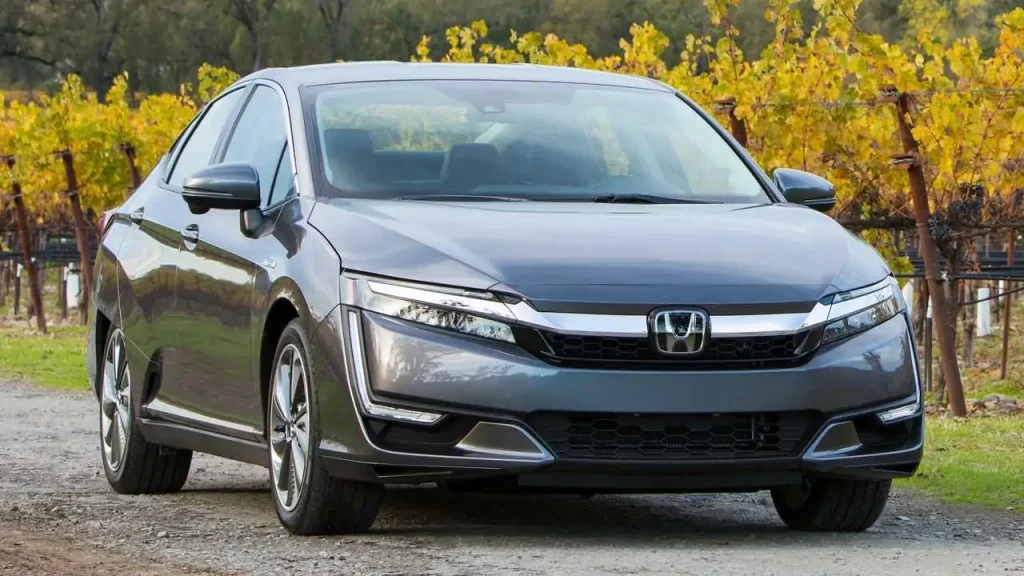
The Honda Clarity Plug-In Hybrid provides a middle ground between a traditional gasoline car and a fully electric vehicle. Its plug-in hybrid system offers enough electric range for many daily commutes, while the gasoline engine provides additional flexibility for longer journeys. Owners who have convenient access to charging at home or work can rely heavily on electric power for everyday driving, potentially reducing fuel expenses without giving up the convenience of a gasoline engine when traveling farther from home.
Hyundai Ioniq Electric
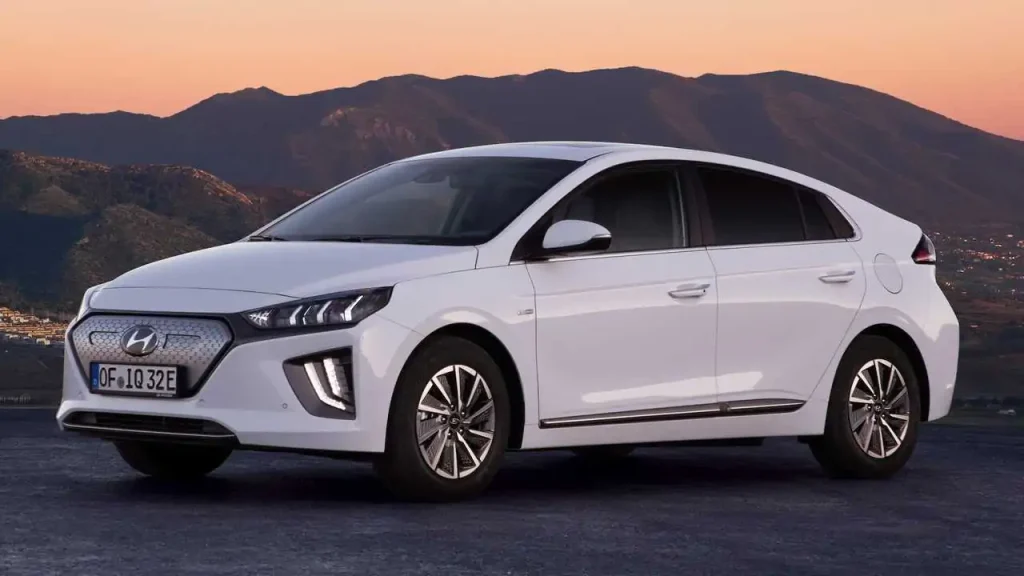
The Hyundai Ioniq Electric demonstrates how switching to an electric drivetrain can reduce certain ownership expenses by eliminating gasoline consumption and many routine maintenance requirements associated with internal-combustion engines. Owners still have costs such as tires, brakes, insurance, and eventual battery-related expenses to consider, but the Ioniq’s relatively simple electric powertrain can help keep day-to-day running costs down. For drivers with predictable routes and dependable access to charging, it can be an economical alternative to a conventional compact car.
Mazda MX-5 Miata Sport
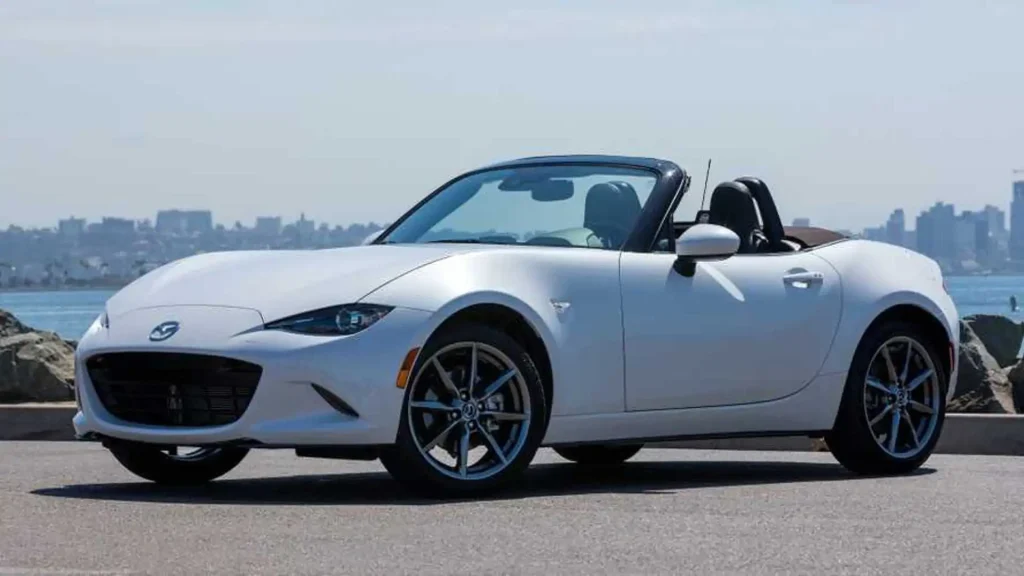
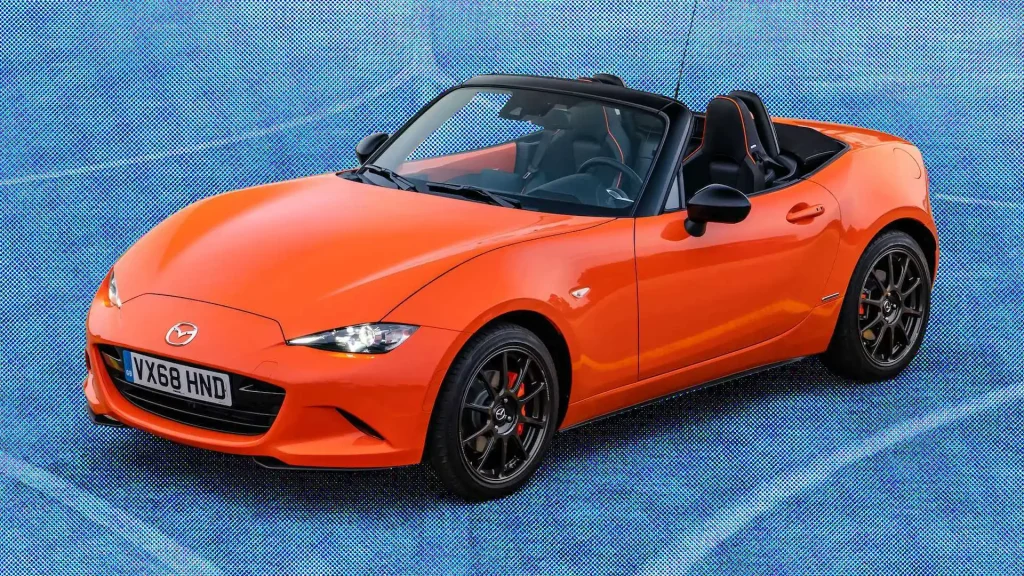
The Mazda MX-5 Miata Sport may seem like an unlikely candidate for a low-cost ownership list, but its lightweight construction and relatively simple mechanical package give it an advantage over many larger and more powerful sports cars. The Miata doesn’t need a massive engine to deliver an entertaining driving experience, and its low weight helps keep fuel consumption, tire wear, and other consumable costs under control. It offers a useful reminder that choosing an economical vehicle doesn’t necessarily mean giving up driving enjoyment.
Acura ILX
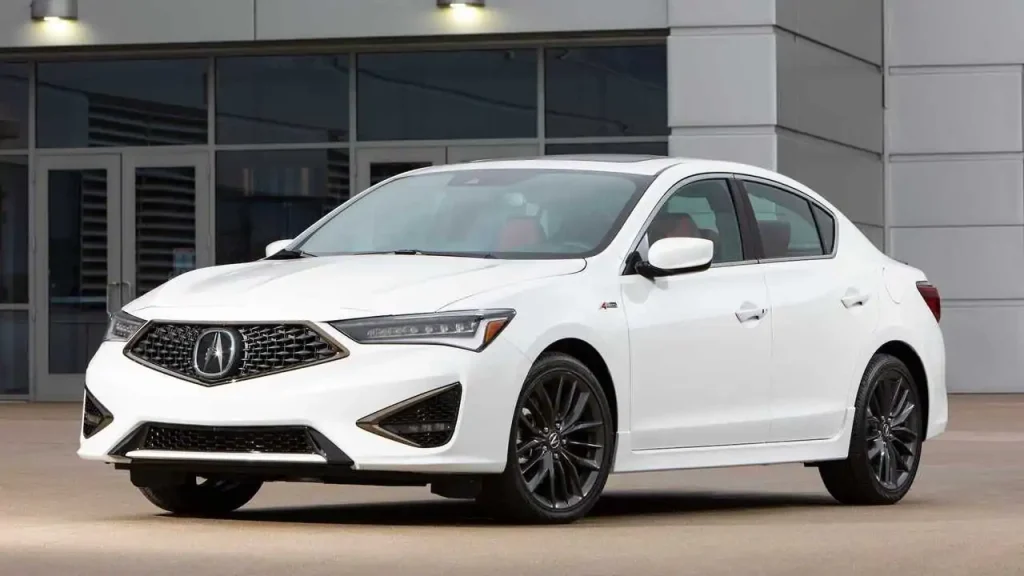
The Acura ILX gives buyers an entry point into luxury-car ownership while retaining the relatively simple mechanical layout of a compact sedan. Its four-cylinder engine provides adequate performance, and its compact dimensions make it easy to live with in urban driving while keeping fuel consumption reasonable. The ILX also benefits from Acura’s relationship with Honda, giving owners access to familiar engineering and a broad parts and service network. It may not deliver the same level of power or refinement as larger luxury sedans, but its combination of premium styling, manageable running costs, and everyday practicality makes it an appealing choice for buyers who want a luxury badge without luxury-sized ownership expenses.
Honda Odyssey LX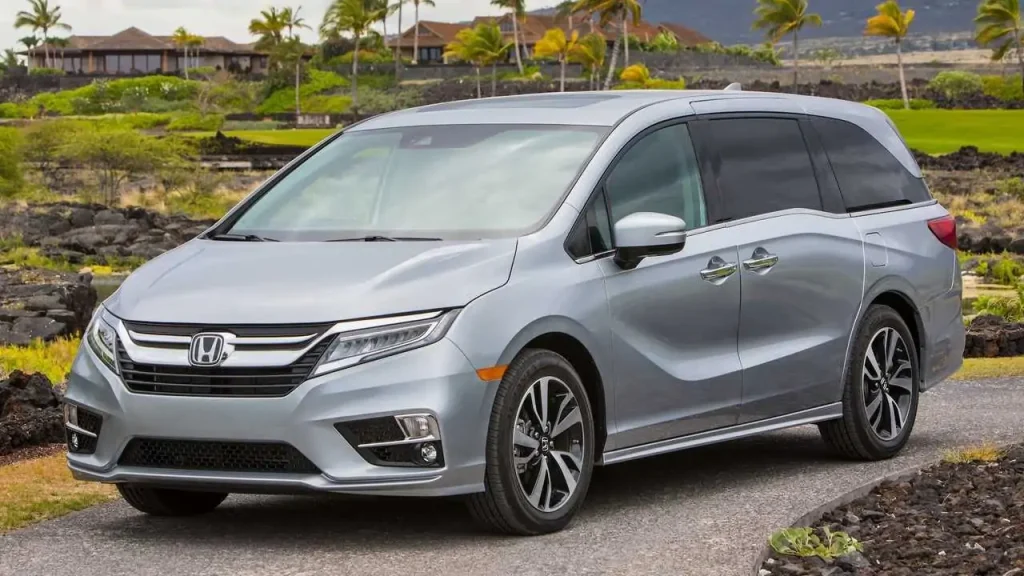
The Honda Odyssey LX is a practical minivan built around family-friendly utility rather than expensive extras. Its efficient V6 provides enough power for hauling passengers and cargo, while the roomy cabin, flexible seating, and large cargo area make it exceptionally useful for everyday family duties. Honda’s reputation for reliability also contributes to relatively predictable maintenance costs, and the Odyssey’s strong practicality can help offset its higher fuel consumption compared with smaller cars. As a result, the Odyssey LX offers a straightforward way to get three-row versatility without stepping into the potentially higher ownership costs of a luxury SUV.
Toyota Avalon Hybrid XLE
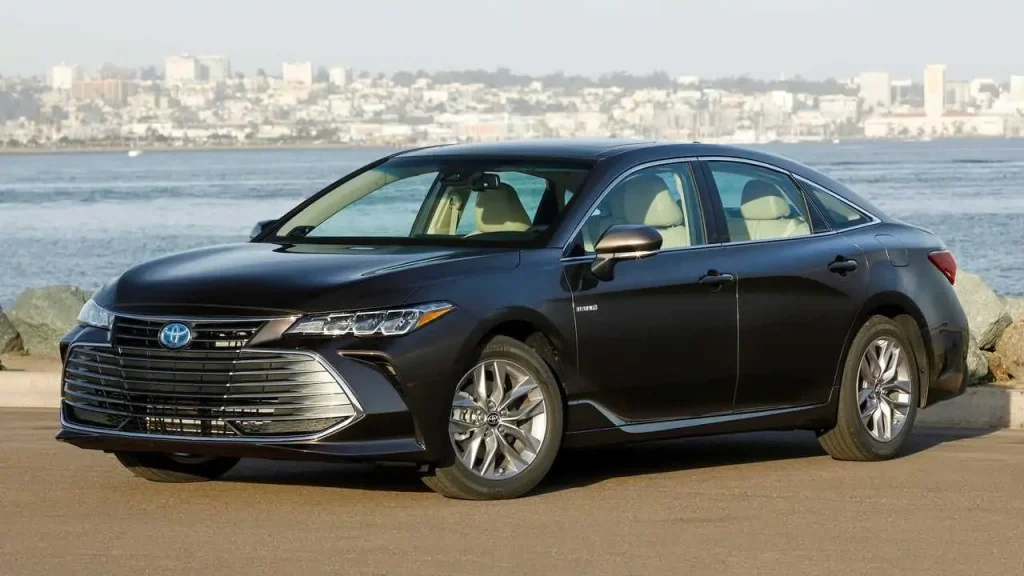
The Toyota Avalon Hybrid XLE brings full-size-sedan space and comfort together with Toyota’s proven hybrid system. Its gasoline-electric powertrain is designed to deliver excellent fuel economy without requiring the owner to plug the car in, making it particularly appealing for drivers who cover a lot of miles. The spacious interior, generous trunk, and smooth ride give the Avalon a more upscale feel than its running costs might suggest, while Toyota’s reputation for durability can help keep long-term maintenance and repair expenses under control. For buyers looking for a large sedan without the fuel consumption normally associated with a full-size car, the Avalon Hybrid makes a compelling ownership proposition.
BMW 530e iPerformance
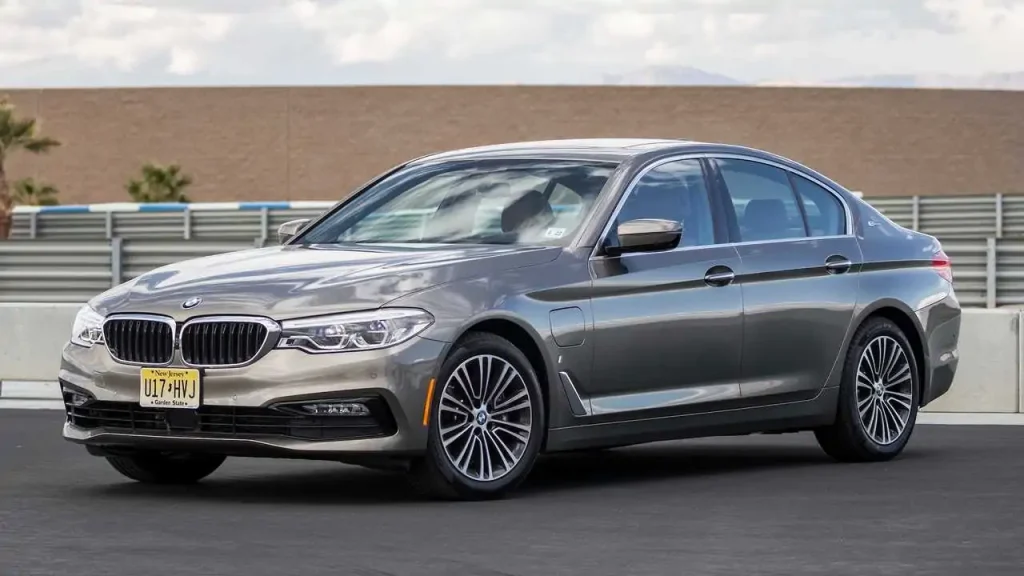
The BMW 530e iPerformance adds plug-in hybrid technology to the 5 Series without giving up the refined driving experience expected from a BMW. Its combination of a turbocharged four-cylinder engine and electric motor delivers strong performance while allowing short trips to be completed on electric power alone. That can help reduce fuel costs for drivers who regularly charge the battery, while the 5 Series’ comfortable cabin and premium features make it a practical choice for everyday commuting. Although maintenance and insurance can cost more than they do for mainstream sedans, its plug-in hybrid powertrain and relatively efficient operation help keep overall ownership expenses more manageable than its luxury badge might suggest.
Honda Fit
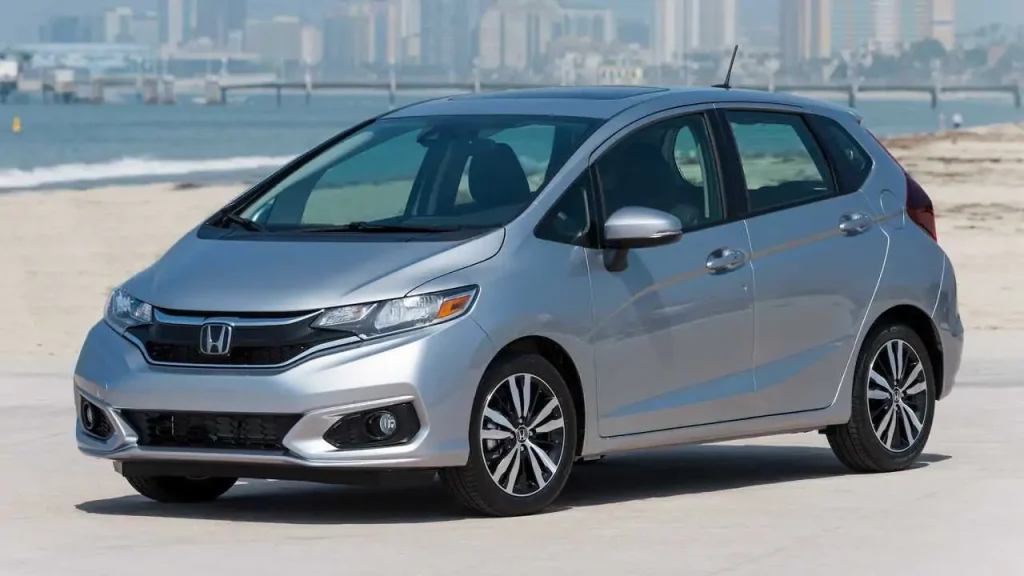
The Honda Fit shows how much practicality can be packed into a small footprint. Its clever interior design provides impressive passenger and cargo flexibility for such a compact car, making it particularly useful for urban drivers who need versatility without moving into a larger vehicle. Its lightweight construction and small engine also help keep fuel consumption down, while its modest tires, brakes, and other components can contribute to reasonable routine operating costs.
The cheapest car to own isn’t necessarily the one with the lowest sticker price. Depreciation, fuel consumption, insurance, maintenance, and repairs can have a much greater impact on your wallet over several years.