
These 10 fuel-sipping cars deliver impressive mileage without relying on hybrid or electric power.
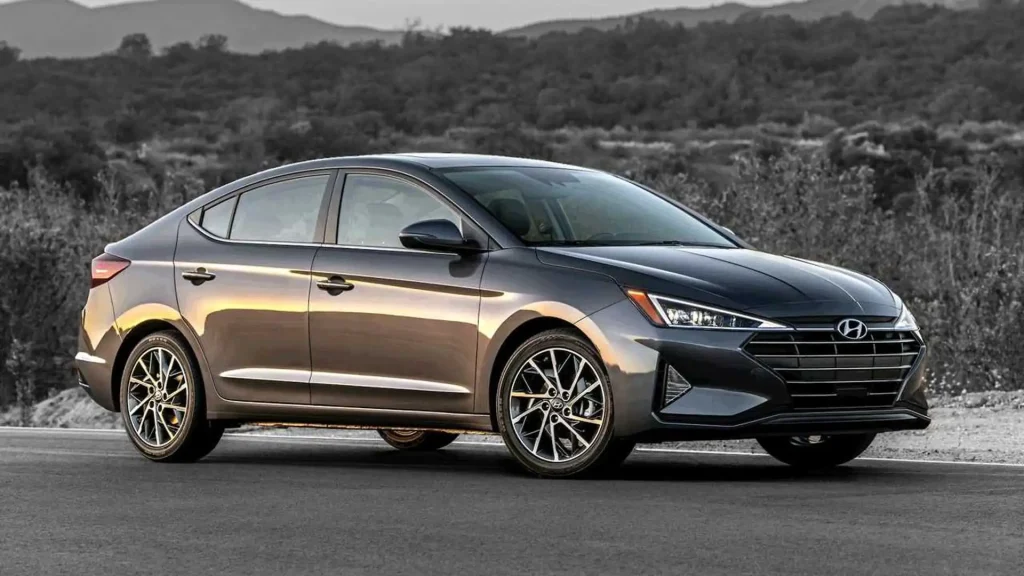
Fuel economy was a major consideration for new-car shoppers in 2019, and buyers had more efficient choices than ever. Hybrid and electric vehicles attracted plenty of attention, but impressive mileage wasn’t limited to cars with batteries and electric motors. Advances in engine design, transmissions, aerodynamics, and lightweight construction allowed conventional gasoline and diesel cars to deliver remarkable efficiency.
Even without electrification, several 2019 models could break the 40-mpg barrier on the highway. Affordable cars such as the Mitsubishi Mirage demonstrated just how economical a traditional gas-powered vehicle could be, while diesel-powered models pushed highway mileage even higher.
Using EPA fuel-economy ratings, we’ve rounded up 10 of the most fuel-efficient non-hybrid and non-electric cars available for the 2019 model year, along with their manufacturer’s suggested starting prices. Every vehicle on the list manages more than 40 mpg on the highway, while the Chevrolet Cruze Diesel leads the group with an impressive 48 mpg highway rating.
Not every model is equally efficient in city driving. The Kia Forte FE and Jaguar XF Diesel, for example, give up some mileage around town, but they still deliver strong overall economy. Even the tenth-ranked vehicle manages approximately 35 mpg combined, showing how far conventional powertrains had progressed.
For shoppers determined to save money at the pump without making the switch to a hybrid or EV, these 10 cars represented some of the most fuel-efficient conventional choices of 2019.
Table of Contents
Chevrolet Cruze Diesel
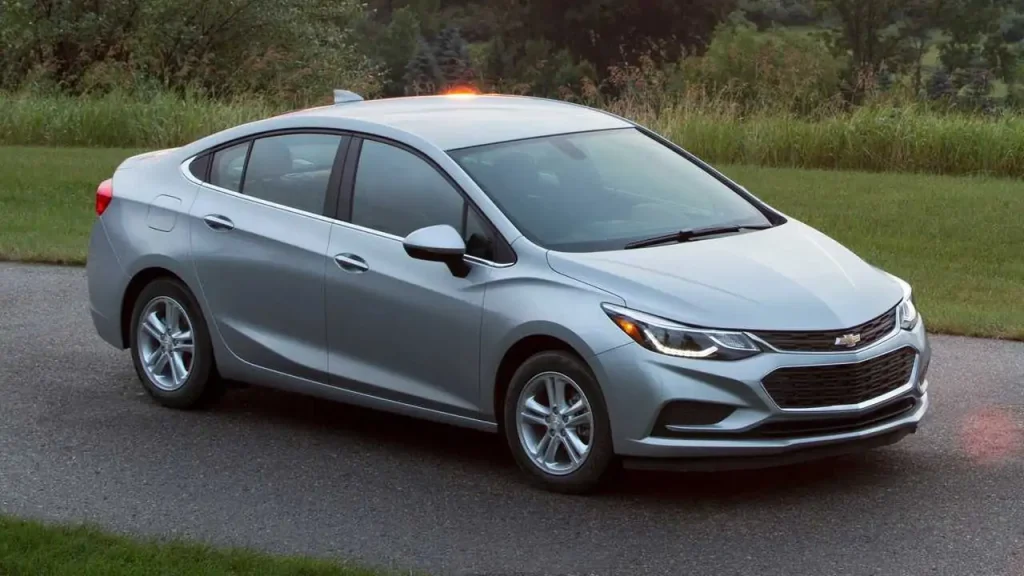
The Chevrolet Cruze Diesel was an unconventional choice in the compact-car segment, but its diesel powertrain gave it a major advantage when it came to highway efficiency. Its 1.6-liter turbocharged four-cylinder diesel could deliver as much as 48 mpg highway in the right configuration, while the engine’s strong low-end torque made the Cruze an easygoing companion for long road trips. Beyond its impressive mileage, the Cruze offered a comfortable cabin, useful trunk space, and enough performance for everyday driving, making it particularly appealing to drivers who regularly covered long highway distances.
Kia Forte FE
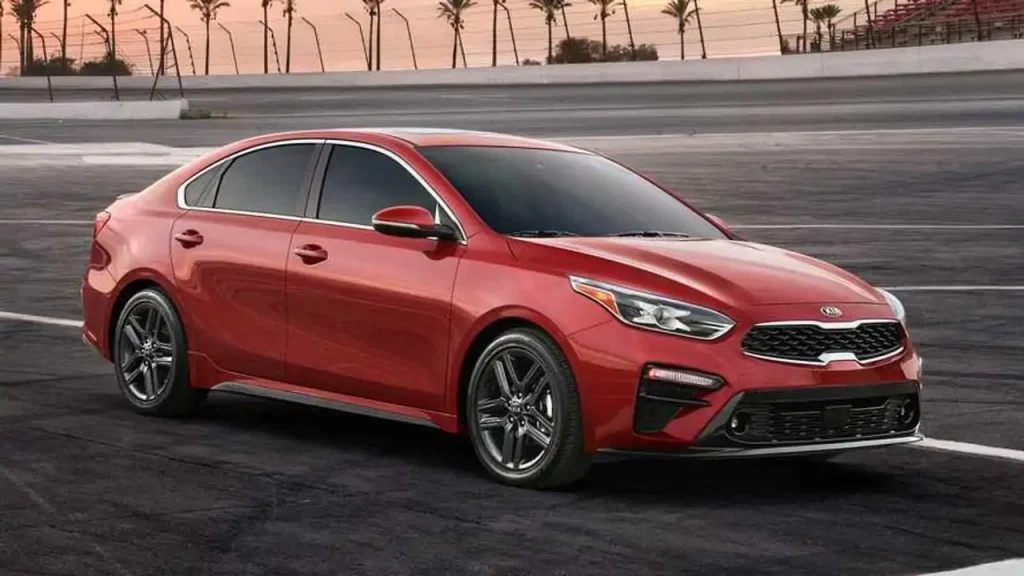
The Kia Forte FE showed just how efficient a conventional compact sedan could be without relying on hybrid technology. Its 2.0-liter four-cylinder engine and six-speed manual transmission helped it achieve approximately 31 mpg city and 41 mpg highway, or more than 35 mpg combined. The Forte’s affordability made those numbers even more appealing, since buyers could improve fuel economy without paying a premium for complex electrified hardware. Its straightforward powertrain and relatively light construction made the FE a practical choice for anyone looking to keep fuel costs down.
Honda Fit
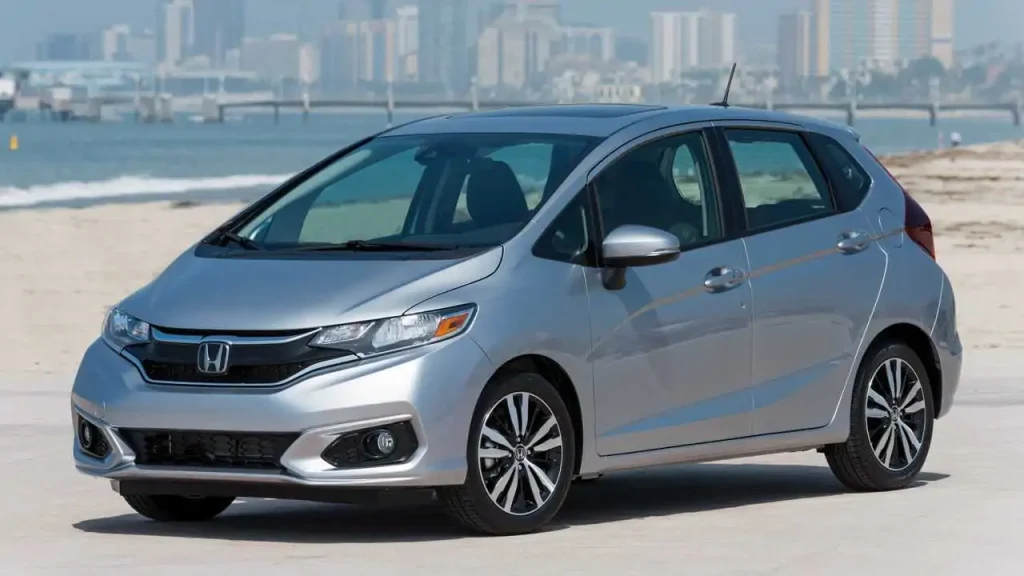
The Honda Fit had always been a master of packaging, and its fuel economy added another reason to consider the tiny hatchback. Depending on the transmission and configuration, the 2019 Fit could return around 29 mpg city and 36 mpg highway. While it couldn’t match some of the highway numbers elsewhere on this list, the Fit delivered an excellent balance of efficiency and everyday usability. Its clever folding rear seats were particularly useful, allowing the little Honda to accommodate surprisingly large and awkward cargo.
Mitsubishi Mirage
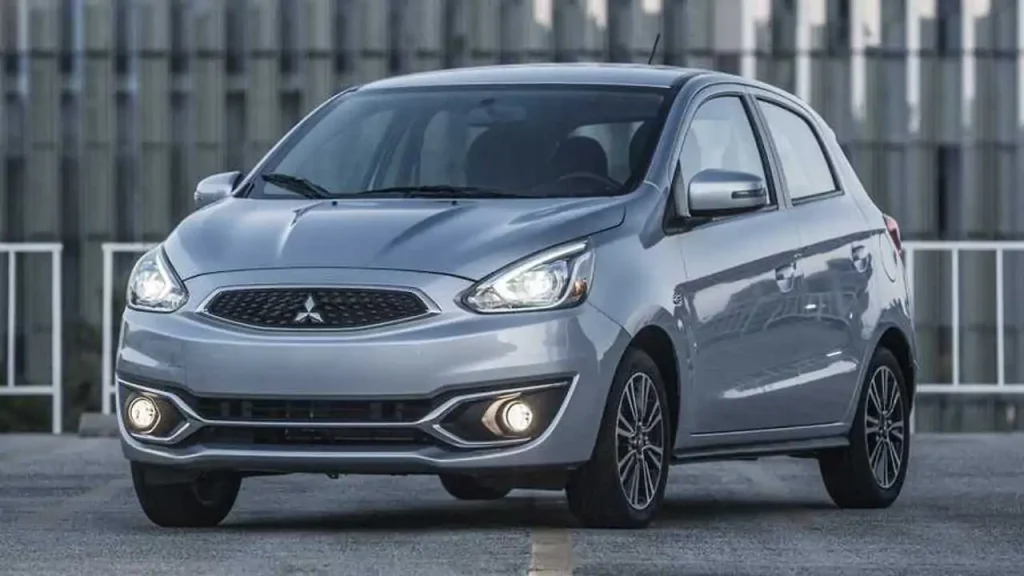
The Mitsubishi Mirage kept things simple, and that approach helped it achieve some impressive fuel-economy numbers. Its 1.2-liter three-cylinder engine was tuned primarily for efficiency, allowing the Mirage to return approximately 36 mpg city and 43 mpg highway in the most efficient configuration. Performance and luxury weren’t its priorities, but neither was a high fuel bill. For buyers focused on affordable transportation and minimizing fuel consumption, the Mirage offered a straightforward solution.
Toyota Yaris
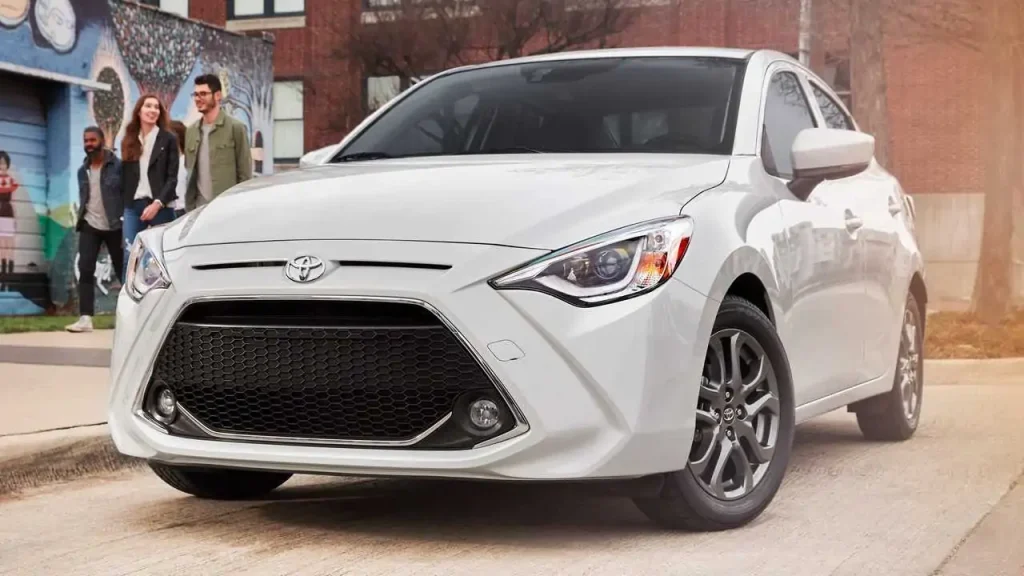
The Toyota Yaris relied on compact dimensions and low weight rather than hybrid technology to keep fuel consumption down. Depending on the body style and configuration, the 2019 Yaris could achieve roughly 32 mpg city and 40 mpg highway. It wasn’t especially powerful or spacious, but its simple formula made it an economical daily driver. Toyota’s reputation for durability and reasonable ownership costs only strengthened the Yaris’ appeal for buyers looking for inexpensive long-term transportation.
Honda Civic
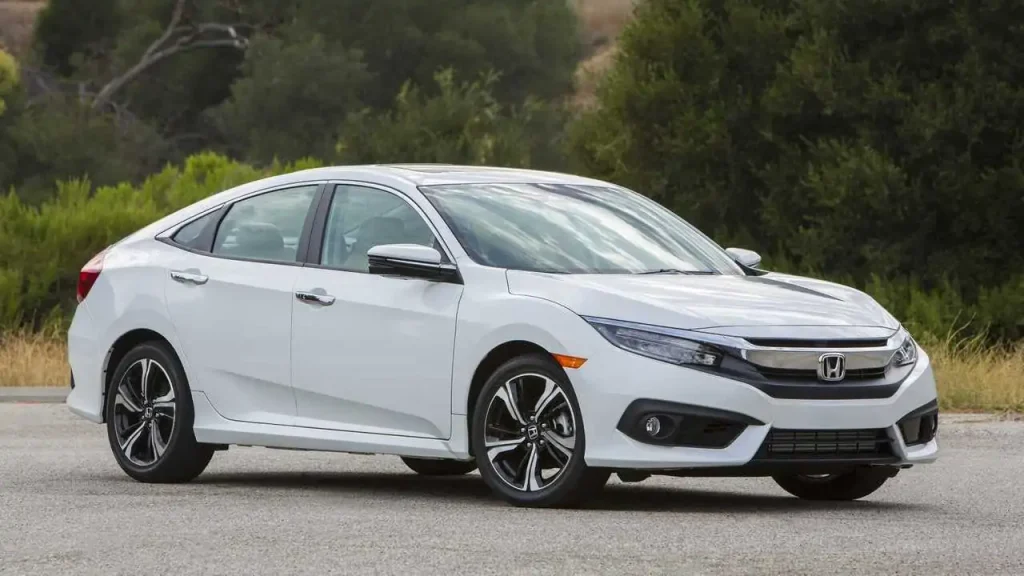
The Honda Civic remained one of America’s most popular compact cars, partly because its broad lineup gave buyers plenty of ways to balance performance and efficiency. The most economical versions could return approximately 32 mpg city and 42 mpg highway, depending on the engine and transmission. Unlike some economy-focused cars, the Civic also delivered a more substantial driving experience, with sedan, coupe, and hatchback body styles and available turbocharged engines. That combination of efficiency, practicality, and variety helped keep the Civic near the top of the compact-car class.
2019 Toyota Corolla Hatchback
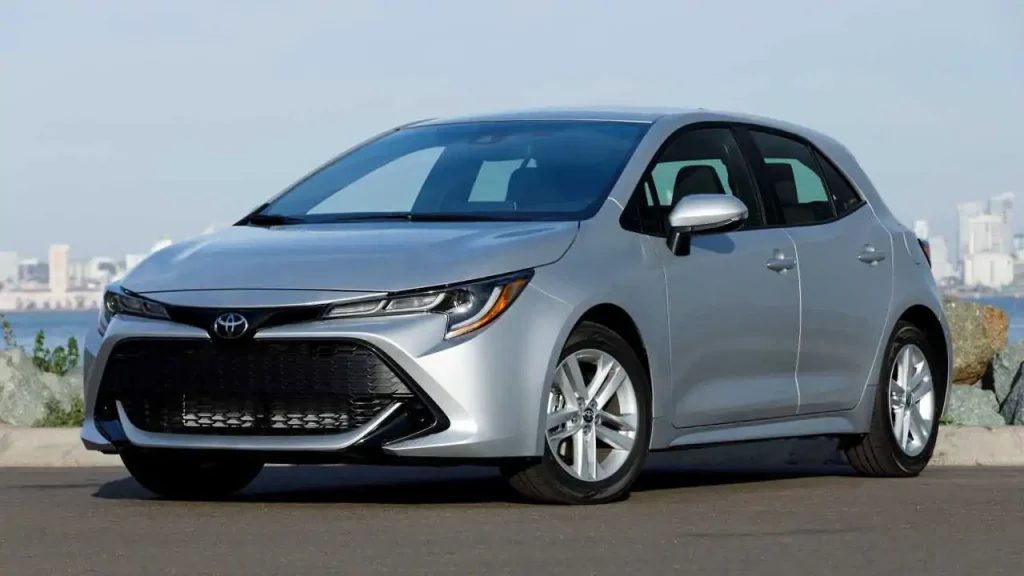
The Toyota Corolla Hatchback brought a sportier shape and more engaging driving experience to one of the industry’s most familiar nameplates. Its efficient four-cylinder engine delivered strong fuel economy while the hatchback body added useful versatility. With a practical cabin, comfortable ride, and Toyota’s reputation for reliability, the Corolla Hatchback offered an appealing combination of efficiency and everyday usability without sacrificing style.
Hyundai Elantra Eco
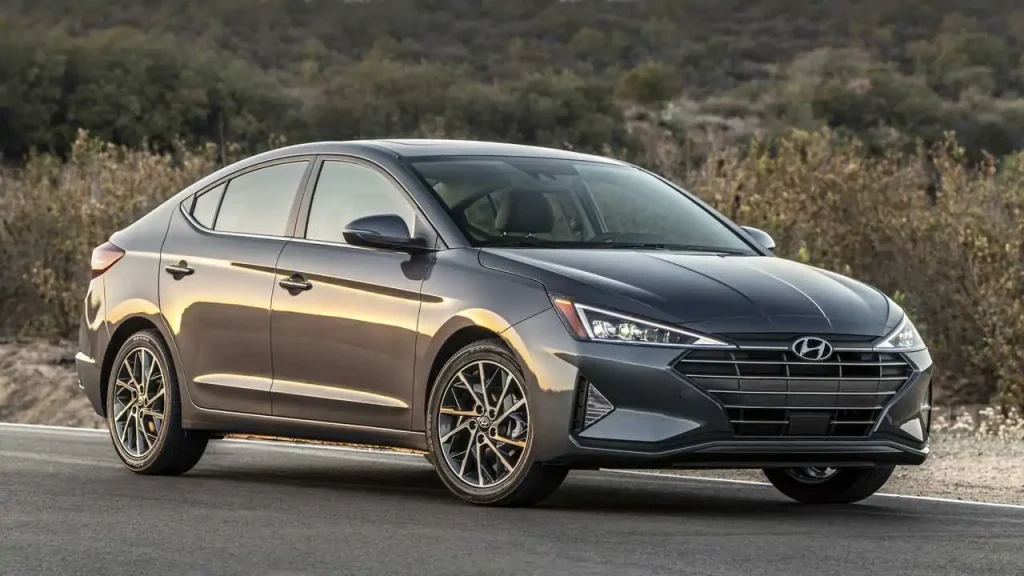
The Hyundai Elantra Eco was specifically designed for buyers who wanted better fuel economy without moving into a hybrid. Its 1.4-liter turbocharged four-cylinder worked with a seven-speed dual-clutch transmission to deliver approximately 33 mpg city and 40 mpg highway. Despite its efficiency-focused mission, the Elantra Eco wasn’t overly spartan. It offered a comfortable cabin, modern technology, and a useful amount of standard equipment, giving buyers a practical middle ground between a tiny economy car and a larger sedan.
2019 Jaguar XE Diesel
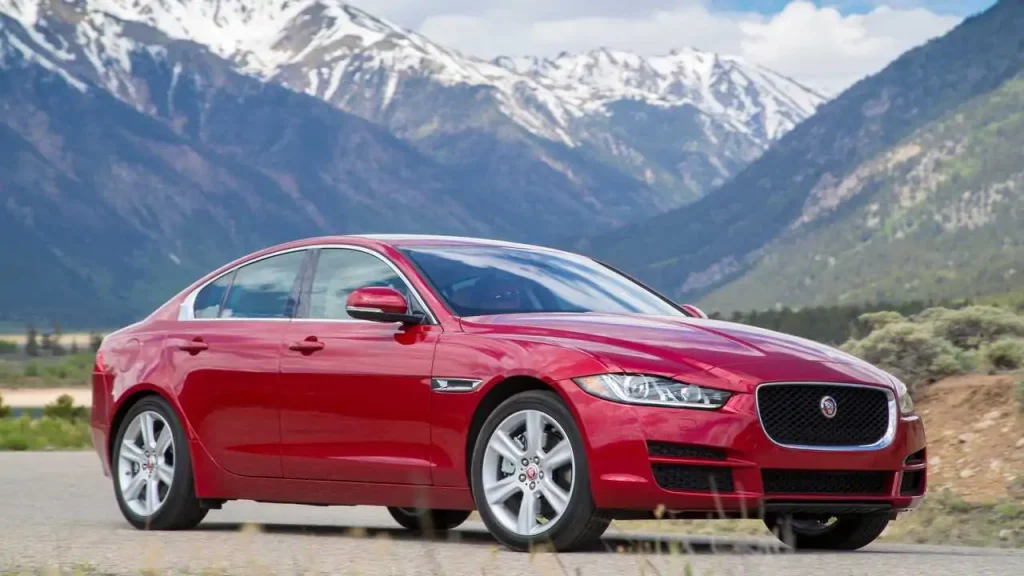
The Jaguar XE Diesel brought a surprising mix of luxury and efficiency to the compact sedan class. Its diesel powertrain delivered strong low-end torque while returning impressive fuel economy, making it a compelling option for drivers who wanted fewer trips to the pump without giving up premium features. Add the XE’s refined cabin, sharp styling, and engaging handling, and the diesel model offered a distinctive alternative to more conventional luxury sedans.
Jaguar XF Diesel
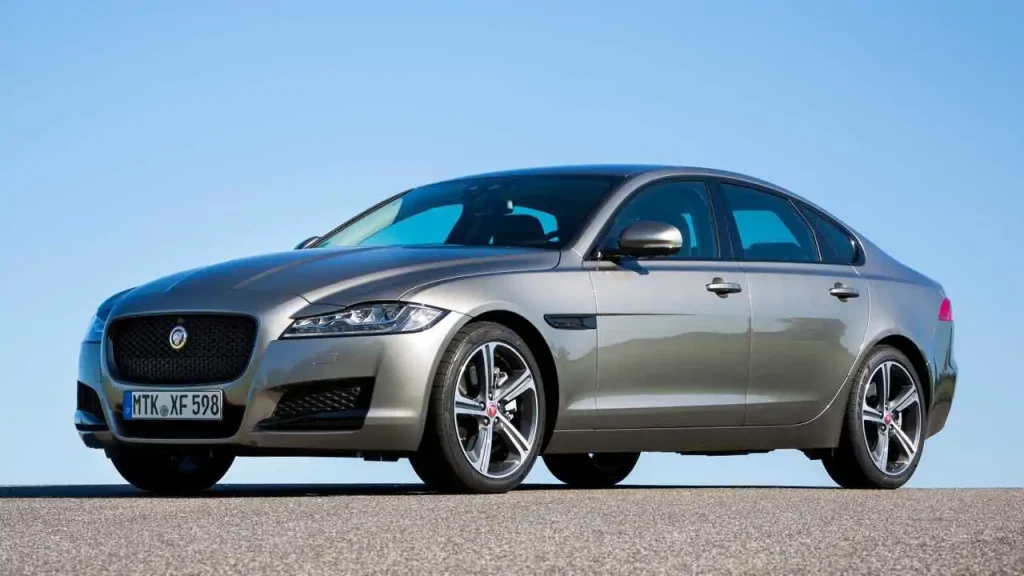
The Jaguar XF Diesel was the odd one out among these efficiency-focused cars, combining luxury-car credentials with a fuel-saving diesel powertrain. Certain configurations could achieve approximately 42 mpg highway, while the diesel engine also provided the strong low-end torque expected from this type of powertrain. Inside, the XF offered the upscale cabin, sophisticated styling, and refined driving experience associated with Jaguar. It demonstrated that impressive fuel economy wasn’t limited to inexpensive compact cars and could also be achieved in a larger luxury sedan.
The 2019 model year offered an interesting reminder that fuel economy wasn’t exclusively the domain of hybrid and electric vehicles. Conventional gasoline and diesel engines had become remarkably efficient, particularly when paired with lightweight platforms and modern transmissions.
The Chevrolet Cruze Diesel stood out for its impressive highway mileage, while the Mitsubishi Mirage, Kia Forte FE, Toyota Yaris, Honda Civic, Toyota Corolla, Hyundai Elantra Eco, and other efficient models showed that buyers had plenty of gasoline-powered alternatives.