
Some never made it past the prototype phase, while others became production cars that showcased Formula 1-inspired engineering.
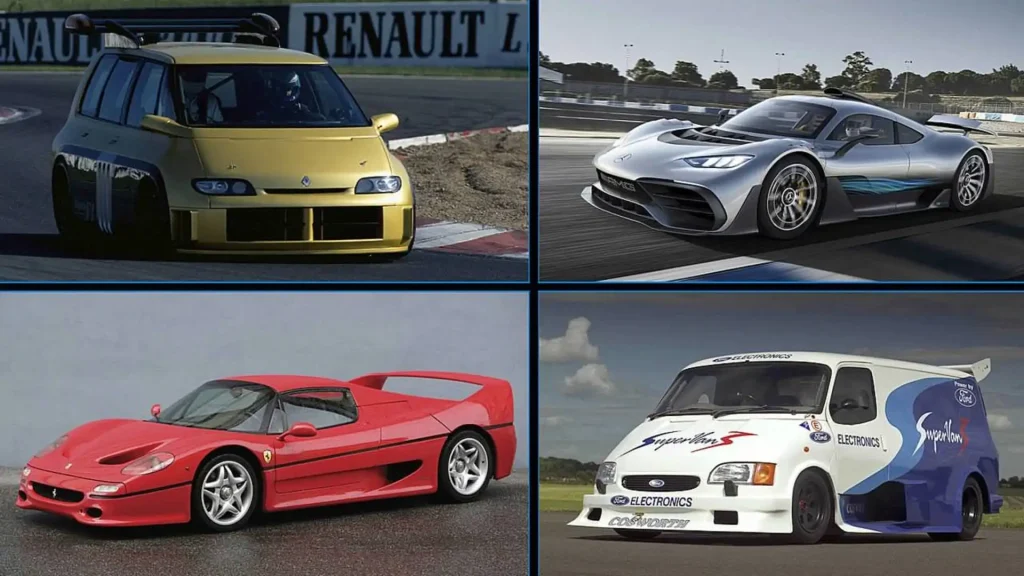
Formula 1 has long been considered one of the ultimate testing grounds for automotive innovation. Manufacturers use the world’s most demanding motorsport series to develop cutting-edge technologies, many of which eventually find their way into road cars. However, the journey from the racetrack to the street is not always straightforward, and in some cases, the result is an uncompromising machine built with performance as the top priority.
This article looks at 10 cars that share a connection with Formula 1, whether through their engines, engineering concepts, or racing technology. Some of these vehicles successfully made it into production and became legendary supercars, while others remained fascinating prototypes that showcased what was possible when engineers were given fewer limitations.
The strongest examples feature powertrains closely linked to Formula 1 competition, including one remarkable machine that uses technology from the same racing family that helped drivers like Lewis Hamilton and Nico Rosberg secure world championships.
From naturally aspirated V10s and V12s inspired by Grand Prix racing to advanced hybrid systems adapted from modern F1 cars, these vehicles demonstrate how Formula 1 continues to influence the future of automotive performance.
Table of Contents
Mercedes-AMG One
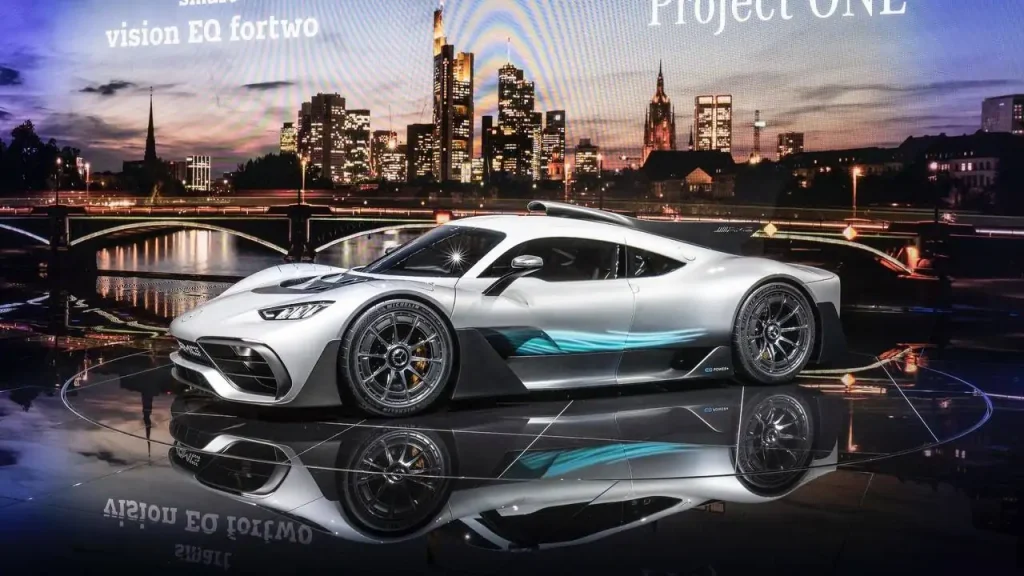
The Mercedes-AMG ONE is about as close as a road car gets to a Formula 1 machine, using a powertrain directly related to Mercedes’ championship-winning F1 technology. Originally developed as Project ONE, the hypercar features a 1.6-liter turbocharged V6 hybrid based on the Mercedes-AMG Petronas F1 power unit, combined with four electric motors to produce more than 1,000 horsepower. Adapting the engine for road use required major changes to improve durability, reduce operating temperatures, and meet emissions regulations while retaining its racing character. Capable of revving beyond 11,000 rpm, the AMG ONE demonstrates just how far Formula 1 technology can be transferred to a production road car.
Ferrari F50
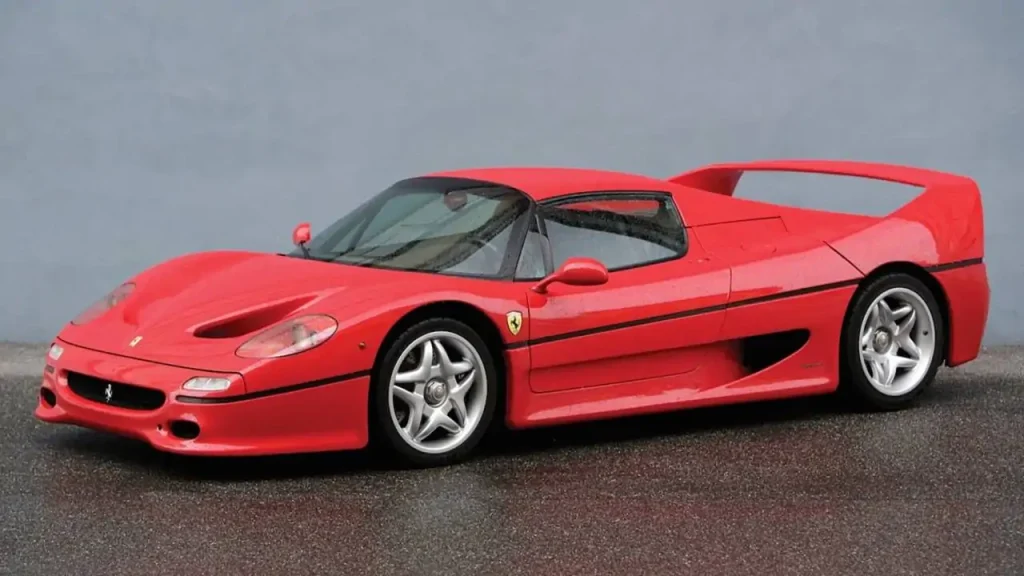
The Ferrari F50 was created as a celebration of Ferrari’s Formula 1 success and remains one of the company’s strongest examples of racing technology reaching the road. Its 4.7-liter naturally aspirated V12 was developed from Ferrari’s early-1990s Formula 1 engine architecture and retained the high-revving character of the company’s Grand Prix powerplants. The engine was mounted directly to the carbon-fiber chassis, following a construction philosophy similar to that of a race car. Producing 513 horsepower and revving close to 9,000 rpm, the F50 delivered an unusually direct driving experience for its era. While it did not use an actual F1 race engine, its connection to Ferrari’s Grand Prix technology was fundamental to its design.
Alfa Romeo 164 ProCar
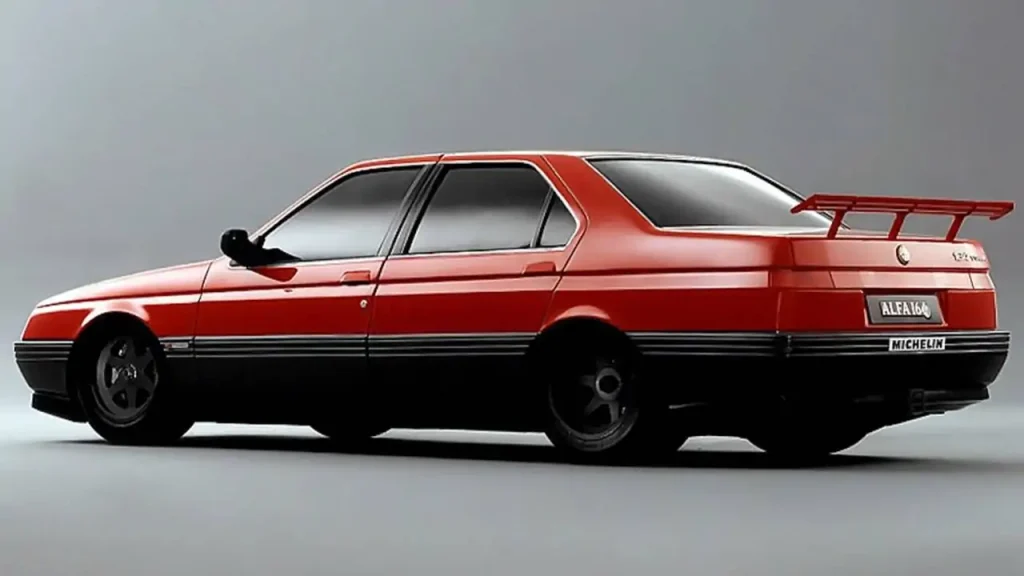
The Alfa Romeo 164 ProCar was one of the most unusual attempts to bring Formula 1 technology into a different form of racing. Built for the short-lived ProCar championship, it wore the body of an executive sedan but underneath featured a carbon-fiber racing chassis and a 3.5-liter V10 related to Alfa Romeo’s abandoned Formula 1 engine program. The engine reportedly produced around 620 horsepower, turning the otherwise ordinary-looking 164 into a serious racing prototype. The ProCar series never gained momentum, however, and the Alfa Romeo never competed. Only one example was built, making it one of the rarest F1-related cars ever produced.
BMW M5 E60
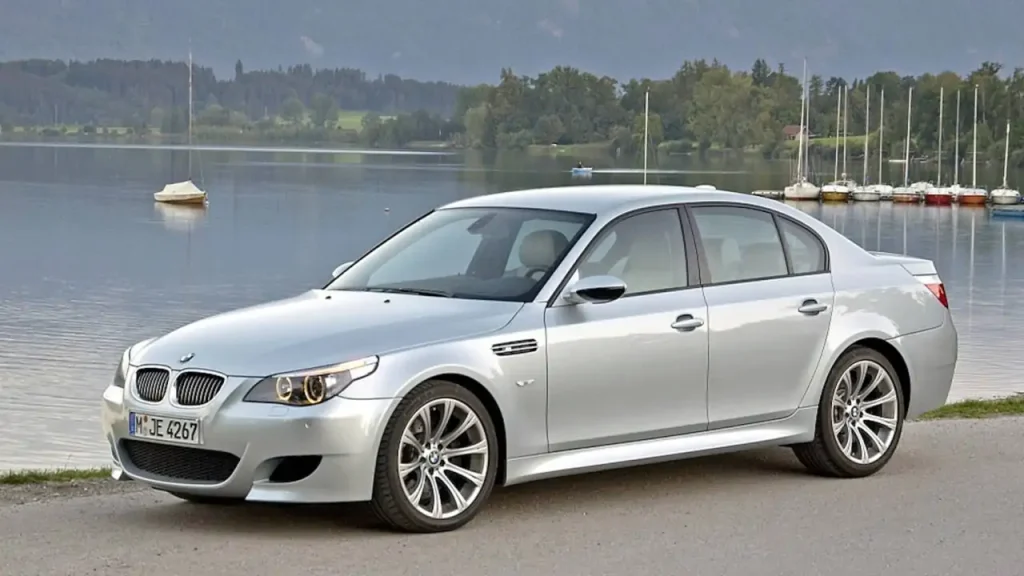
The BMW E60 M5 was not powered by a Formula 1 engine, but its 5.0-liter S85 V10 was developed during BMW’s active involvement in Grand Prix racing and reflected lessons learned from the company’s F1 program. BMW was supplying engines to the Williams Formula 1 team at the time, while the M5’s V10 adopted a high-revving design, individual throttle bodies, lightweight construction, and an emphasis on throttle response. With 500 horsepower and an 8,250-rpm redline, the S85 gave the M5 one of the most exotic engines ever installed in a four-door sedan. Its connection to F1 was therefore one of engineering influence rather than a direct engine transplant.
Ford Transit Supervan 2
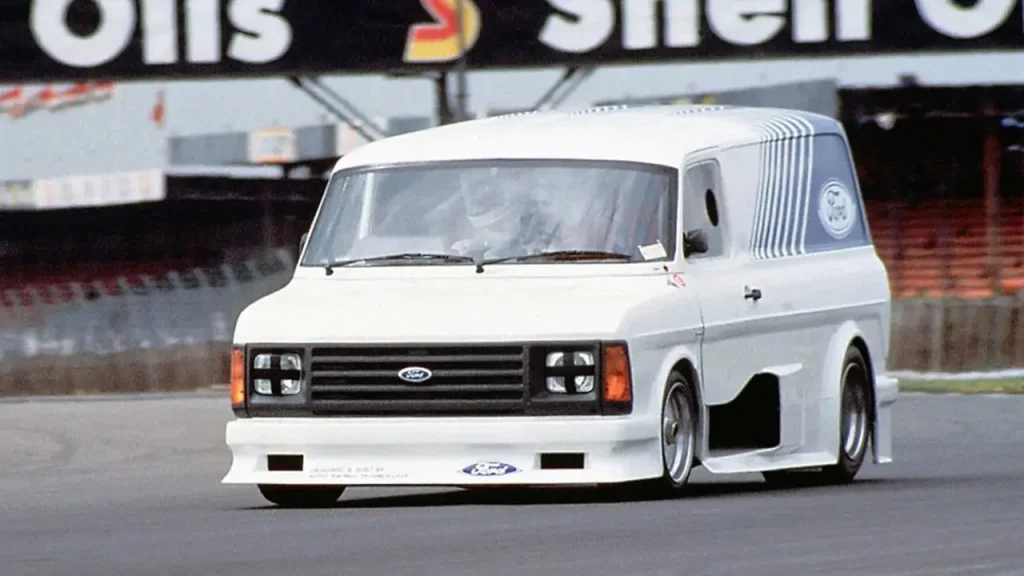
The Ford Transit Supervan 2 showed how far Formula 1 technology could be pushed when installed in an unlikely vehicle. Created as a promotional showcase, it transformed the familiar Transit into a race car with a lightweight racing chassis and a Cosworth V8 from the legendary DFV engine family. The DFV became one of the most successful Formula 1 engines in history, powering numerous championship-winning cars. Underneath its van-shaped body, the Supervan 2 featured race-car mechanicals and enormous performance, creating a bizarre but memorable combination of commercial-vehicle styling and Grand Prix-derived engineering.
Ford Transit Supervan 3
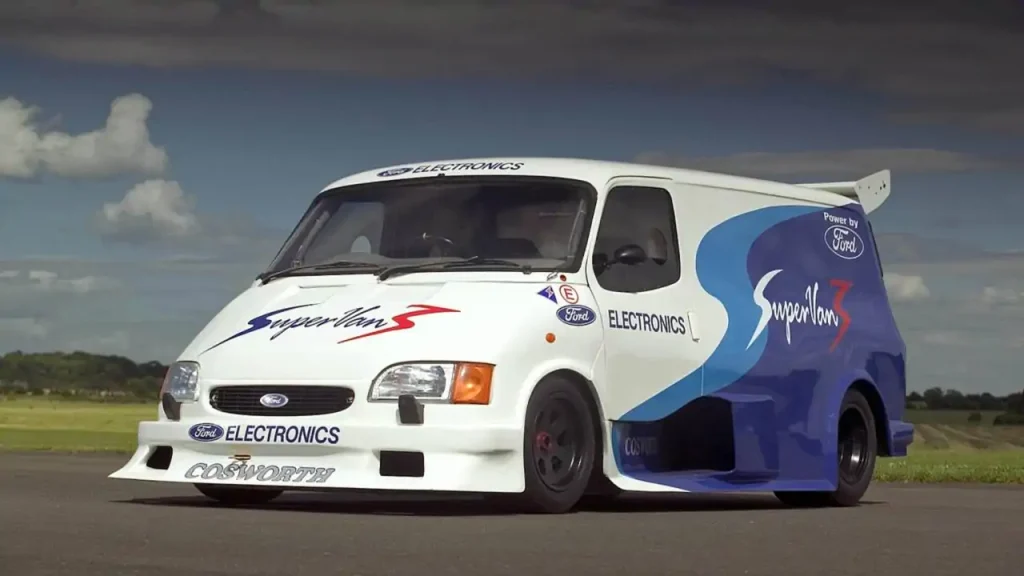
Ford took the Supervan concept even further with the Transit Supervan 3, introduced in the 1990s with a Cosworth HB V8 related to Ford’s Formula 1 involvement. The HB engine powered several Formula 1 teams during the late 1980s and early 1990s, and in Supervan 3 form it produced around 650 horsepower. With extreme performance beneath a delivery-van body, the Supervan 3 could reach speeds normally associated with sports cars rather than commercial vehicles. It was never intended for production, but its outrageous combination of Transit practicality and F1-related technology made it one of Ford’s most memorable motorsport demonstrations.
Renault Espace F1
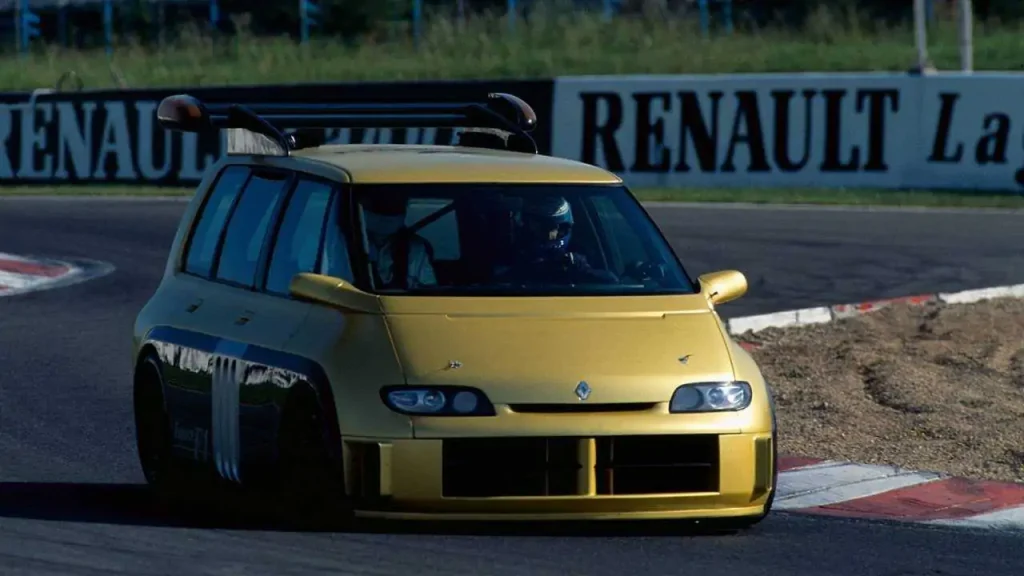
The Renault Espace F1 remains one of the wildest concept vehicles ever created, replacing the family minivan’s conventional mechanicals with racing technology to celebrate Renault’s Formula 1 success. Built around a racing chassis and powered by the 3.5-liter V10 from the Williams-Renault FW15C Formula 1 car, the Espace F1 produced approximately 800 horsepower. Carbon-fiber construction and race-car hardware transformed the practical Espace into something capable of genuine supercar-level performance. Renault never intended to put it into production, but the Espace F1 became an iconic demonstration of what happens when Grand Prix engineering is dropped into an everyday family vehicle.
Yamaha OX99-11
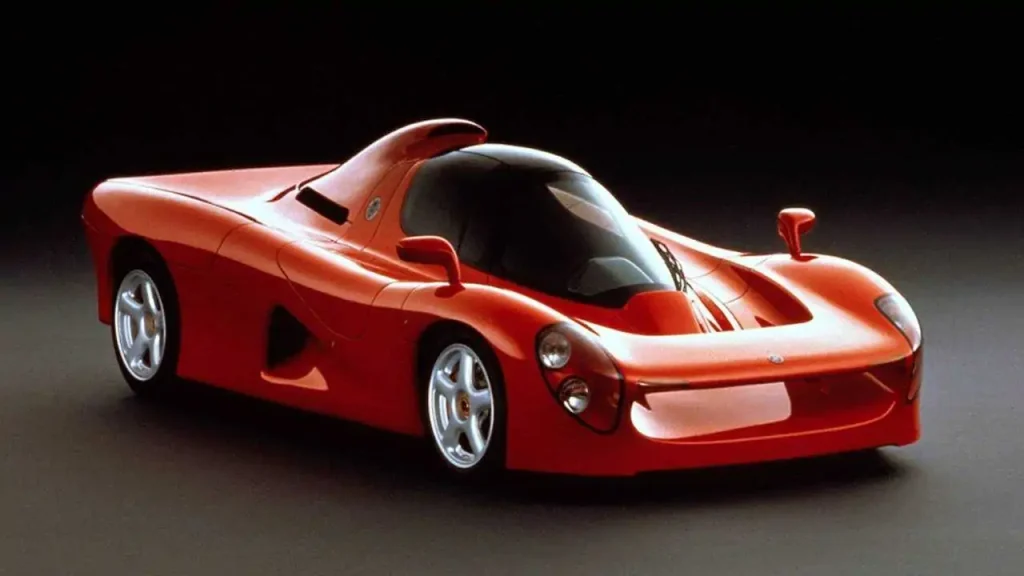
The Yamaha OX99-11 was one of Japan’s most ambitious supercar projects and had a direct connection to Yamaha’s Formula 1 engine development. Drawing on Yamaha’s experience supplying F1 teams during the early 1990s, the OX99-11 used a road-going version of the company’s OX99 racing engine. Its 3.5-liter V12 produced around 400 horsepower and could rev beyond 10,000 rpm, while the car featured a carbon-fiber body and unusual tandem seating inspired by racing machinery. High development costs and changing economic conditions ultimately killed the project, leaving only a handful of prototypes and turning the OX99-11 into one of the automotive world’s great “what if” supercars.
Porsche Carrera GT
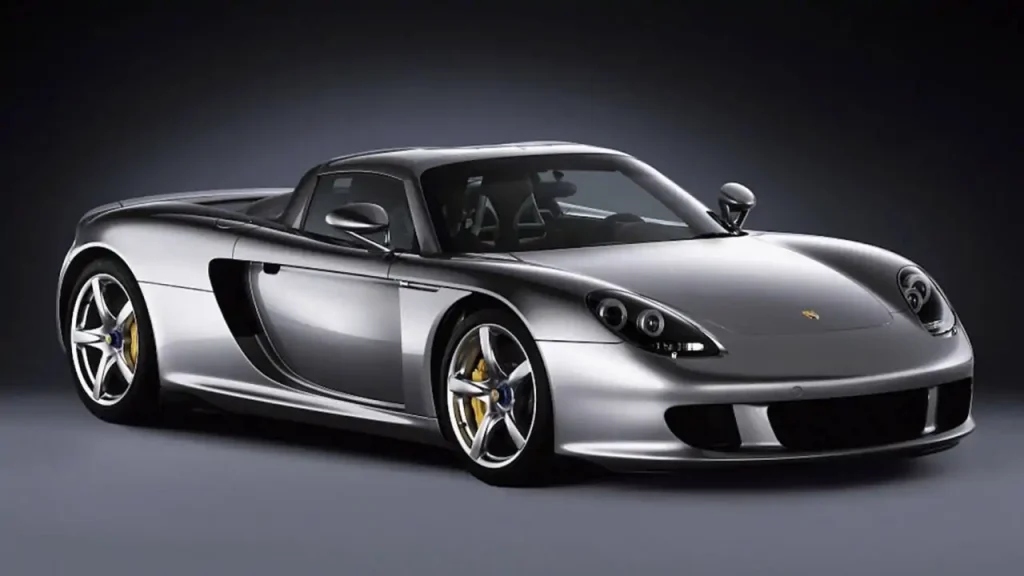
The Porsche Carrera GT was not Formula 1-derived, but it demonstrates how racing programs can shape some of the world’s most celebrated road-car engines. Its 5.7-liter V10 was originally developed for Porsche’s Le Mans prototype racing program before being adapted for road use. Lightweight construction, high-revving performance, and a focus on driver involvement gave the engine a distinctly motorsport character. Producing 603 horsepower and revving to 8,400 rpm, the Carrera GT became one of Porsche’s most revered performance cars and a powerful example of how technology developed for racing can find a second life on the road.
Ferrari Dino 206 GT
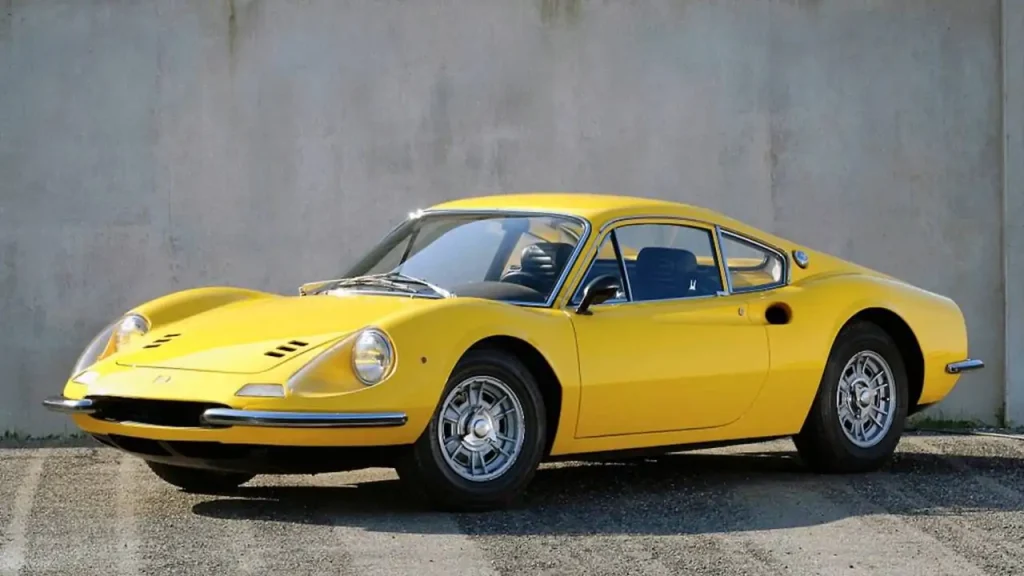
The Ferrari Dino 206 GT represents an earlier stage in Ferrari’s tradition of transferring motorsport knowledge to production cars. Its 2.0-liter V6 was developed from Ferrari’s racing programs, particularly Formula 2, rather than Formula 1. The lightweight engine helped establish Ferrari’s smaller sports-car range while demonstrating how competition-derived engineering could be adapted for road use. The Dino also laid the groundwork for future Ferrari models that would continue combining racing heritage with everyday usability, making it an important link between Ferrari’s motorsport activities and its road-car lineup.