You don’t need to own an EV to cut fuel costs—simple adjustments can help your car go farther on every tank.

Gas prices have been climbing, even as more American drivers move away from traditional sedans and into SUVs and pickup trucks that generally use more fuel. As of July 2018, gasoline prices had reached their highest level in four years, although they remained below the record levels seen in 2008, when the national average surpassed $4 per gallon.
Whether you drive a new crossover or an older vehicle that still has plenty of life left, there are several simple ways to stretch each gallon of fuel. The savings can be even more significant for vehicles with modern high-compression turbocharged engines that require premium gasoline.
So how much can better driving habits really save? The Consumer Federation of America estimated that motorists could improve their vehicles’ fuel economy by as much as 13 percent simply by changing a few inefficient habits and keeping their vehicles properly maintained. At the CFA’s reference price of $2.86 per gallon for regular gasoline, those improvements could add up to meaningful savings over time.
1. Check Your Gas Cap
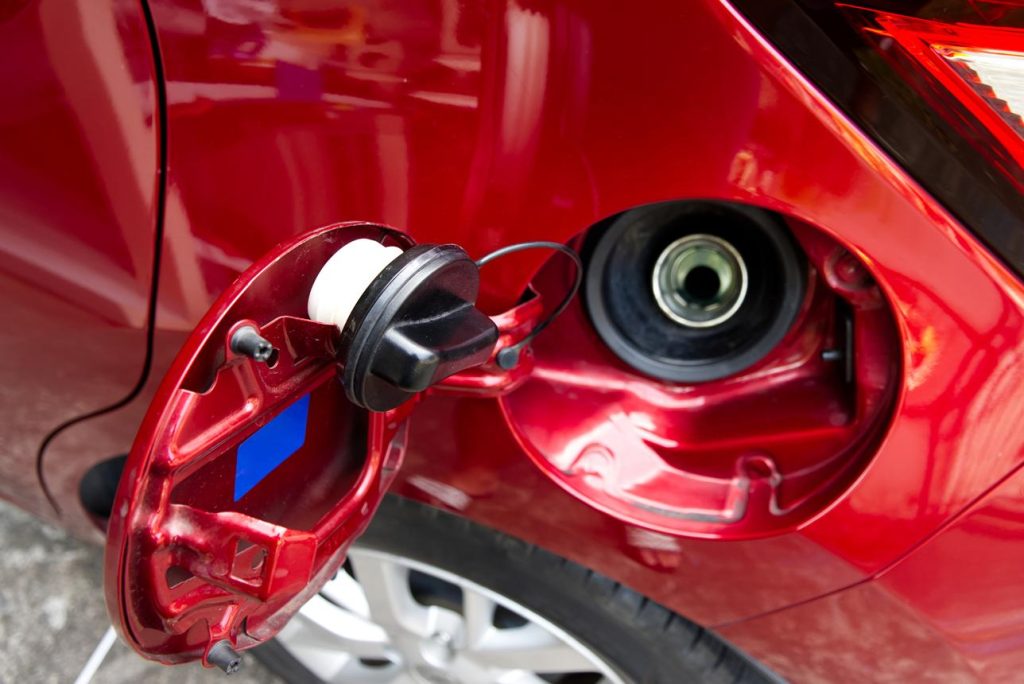
A loose or damaged gas cap may seem like a minor issue, but it can affect fuel efficiency.
Modern vehicles use sealed fuel systems that rely on the gas cap to maintain proper pressure. If the cap is loose, cracked, or missing its seal, fuel vapors can escape and cause the engine management system to compensate unnecessarily.
A faulty gas cap can also trigger the check engine light and reduce your vehicle’s overall efficiency.
After every fuel stop, make sure the cap clicks securely into place. If the seal appears worn or damaged, replacing it is an inexpensive fix.
2. Keep Your Tires Properly Inflated
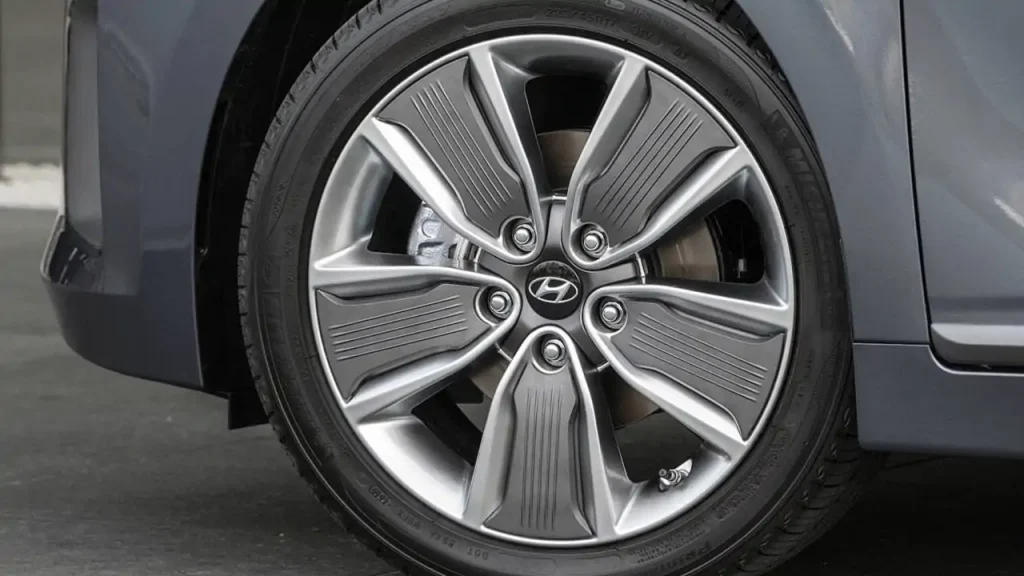
Your tires are the only parts of your vehicle touching the road, and their condition has a major impact on fuel economy.
Underinflated tires create additional rolling resistance, forcing the engine to work harder to move the vehicle. Even a small drop in tire pressure can reduce efficiency and increase fuel consumption.
Check your tire pressure regularly and follow the recommended setting listed in your owner’s manual or on the sticker inside the driver’s door.
Properly inflated tires also improve handling, braking performance, and tire lifespan.
3. Get a Front-End Alignment
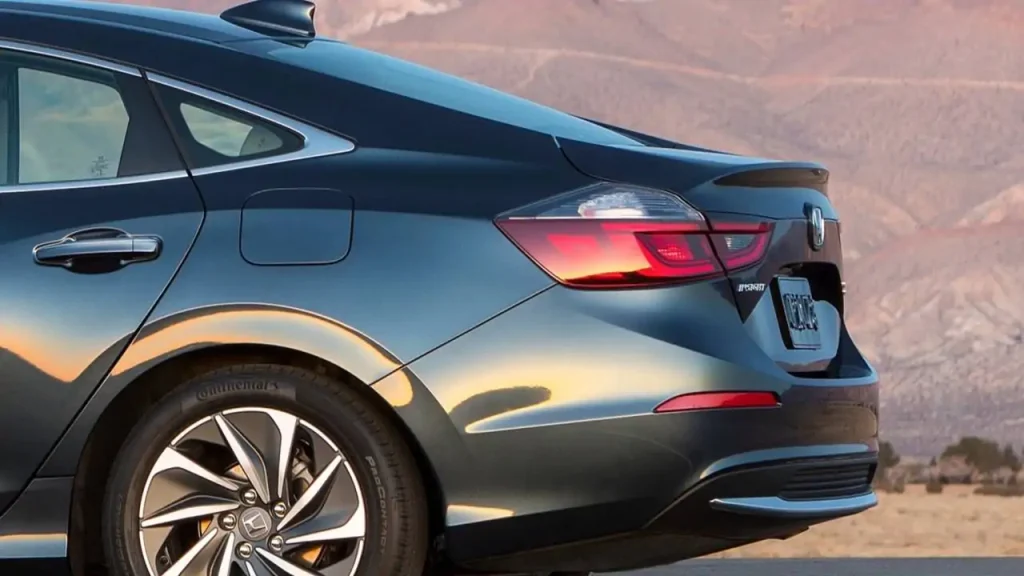
Wheel alignment is another factor many drivers overlook when trying to improve fuel economy.
When your wheels are not properly aligned, your tires may fight against each other while driving. This creates extra resistance, causing the engine to use more fuel to maintain speed.
Signs of poor alignment include uneven tire wear, a vehicle pulling to one side, or a steering wheel that is not centered when driving straight.
A proper front-end alignment helps your vehicle roll more efficiently and can also extend tire life.
4. Choose the Right Motor Oil
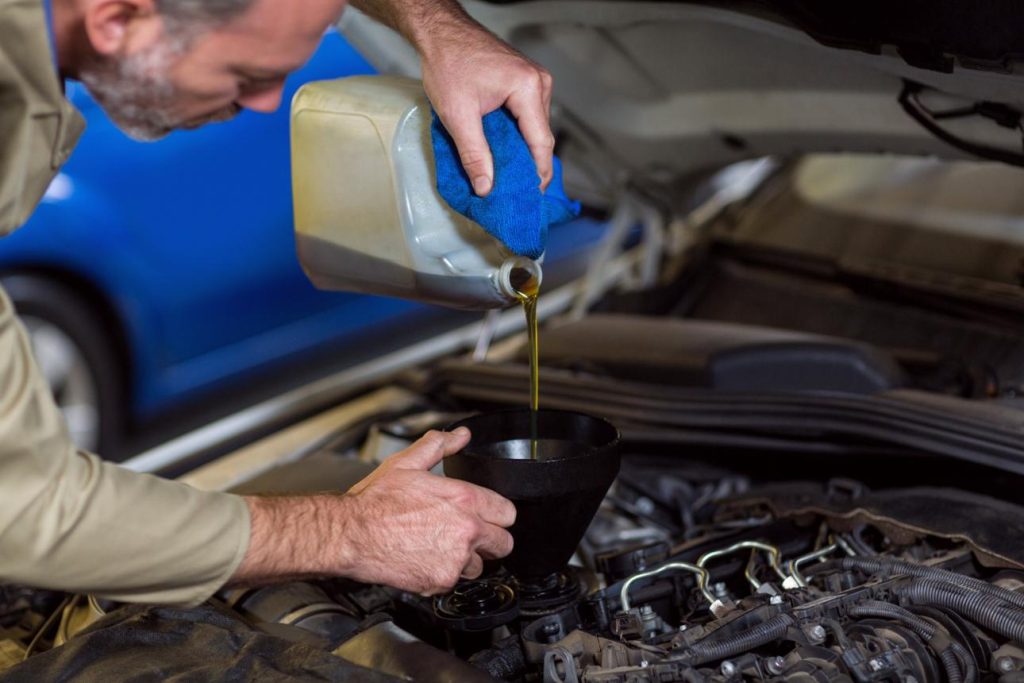
Using the correct motor oil can help your engine operate more efficiently.
Modern engines are designed to work with specific oil grades that reduce internal friction while providing proper lubrication. Using the wrong oil thickness can make the engine work harder and reduce fuel economy.
Always follow the manufacturer’s recommendation for oil type and viscosity. Some newer vehicles use specially designed low-friction oils that help maximize efficiency.
Regular oil changes also keep your engine running smoothly and prevent long-term damage.
Table of Contents
5. Take Time for a Tune-Up
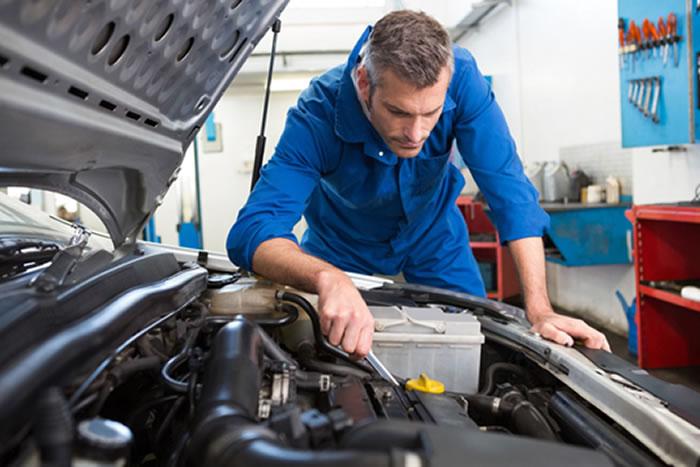
A well-maintained engine will almost always deliver better fuel economy than one that has been neglected.
A basic tune-up may include replacing worn spark plugs, checking filters, inspecting ignition components, and making sure the engine is operating correctly.
A dirty air filter, worn spark plugs, or faulty sensors can reduce performance and increase fuel consumption.
Following your vehicle’s maintenance schedule is one of the simplest ways to keep efficiency close to factory levels.
6. Clean Out Your Trunk and Remove Extra Weight
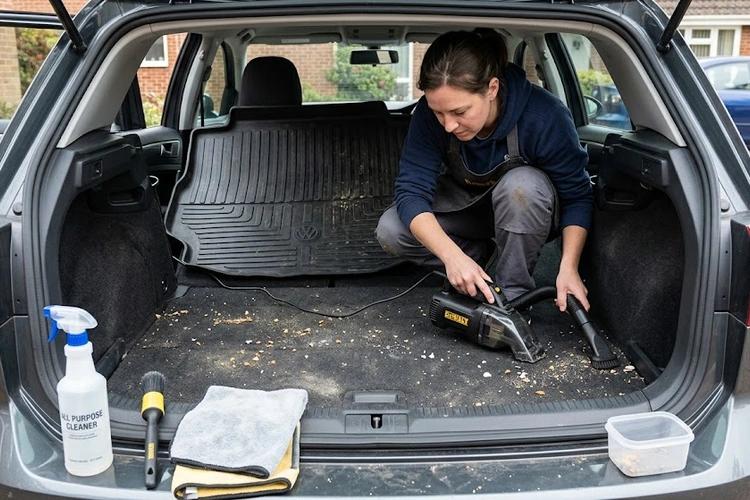
Carrying unnecessary weight forces your engine to work harder, especially during acceleration.
Many drivers unknowingly carry around heavy items they no longer need, including tools, equipment, luggage, or sports gear. While a few extra items may not seem significant, the added weight can reduce fuel economy over time.
Take a few minutes to clean out your trunk and remove anything that is not necessary.
A lighter vehicle requires less energy to move, helping you get more miles from every tank.
7. Turn Off the Engine Instead of Idling
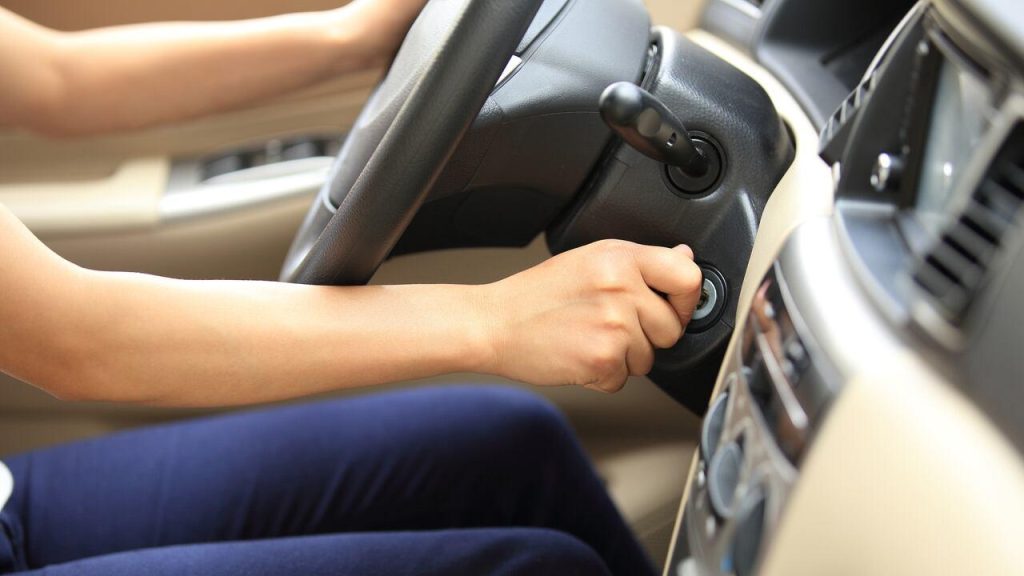
Leaving your engine running while parked wastes fuel without taking you anywhere.
Many drivers allow their vehicles to idle while waiting outside stores, picking someone up, or sitting in parking lots. Extended idling burns fuel and adds unnecessary emissions.
If you expect to be stopped for more than a short period, turning off the engine can help reduce fuel waste.
Modern engines do not require long warm-up periods, so excessive idling before driving is usually unnecessary.
8. Keep Your Left Foot Off the Brake Pedal
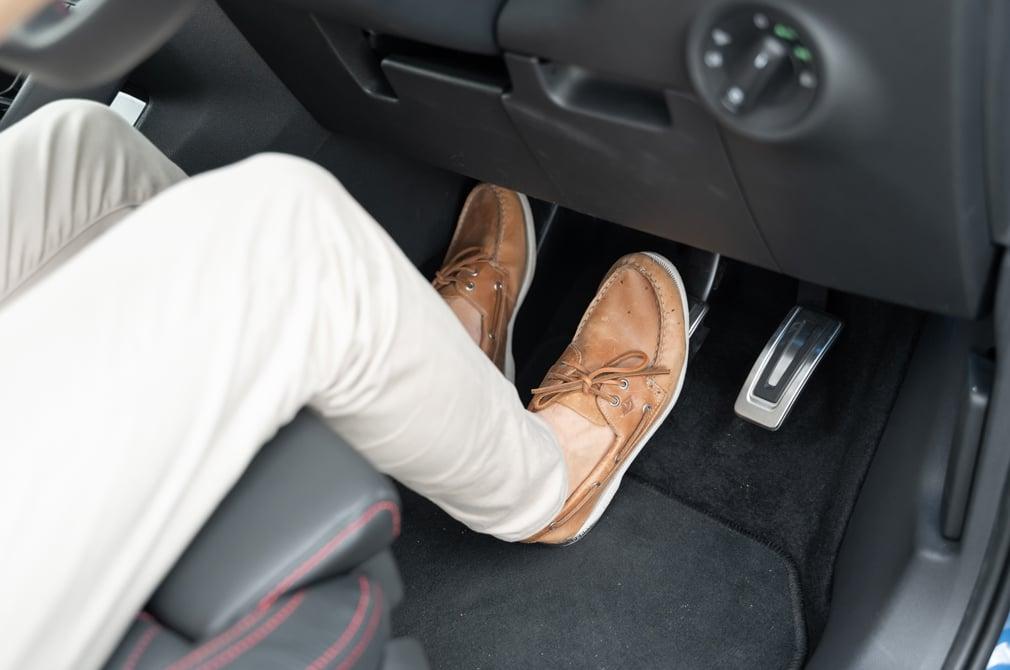
Resting your left foot on the brake pedal while driving is a habit that can quietly reduce fuel economy.
Even light pressure on the brakes creates resistance and forces the engine to work harder to maintain speed. It can also cause premature brake wear and generate unnecessary heat.
Once you are moving, keep your left foot on the footrest unless you are driving a manual transmission vehicle where it is used for the clutch.
A vehicle that rolls freely will always use less energy.
9. Drive Smoothly and Avoid Aggressive Driving
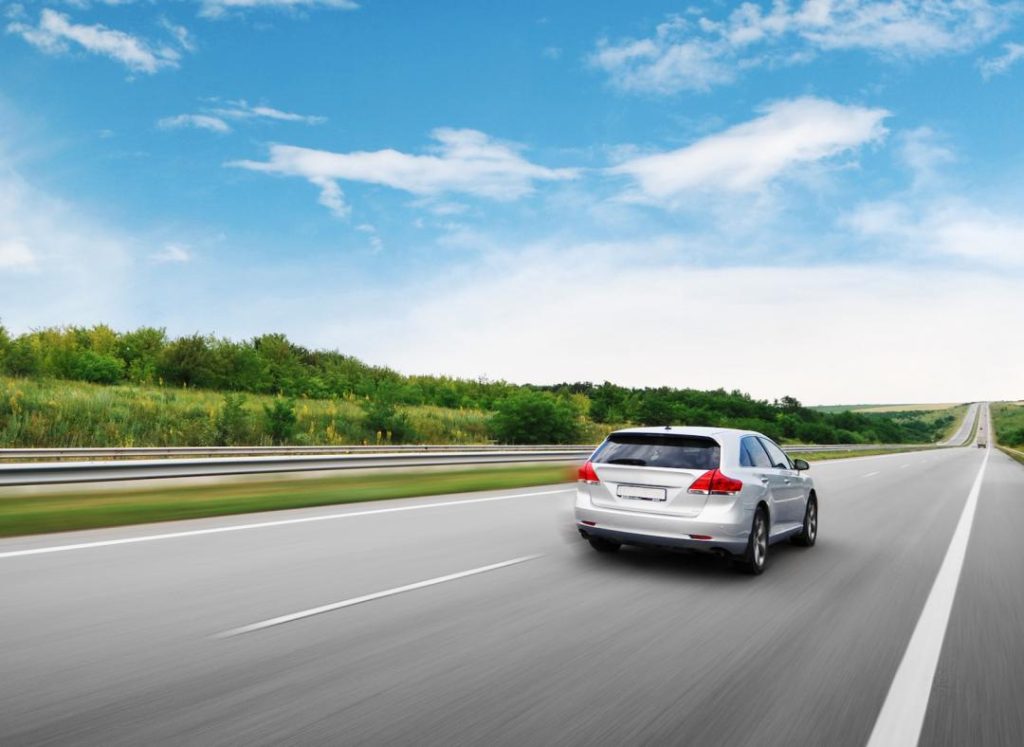
Your driving style has one of the biggest effects on fuel consumption.
Hard acceleration, sudden braking, and constantly changing speeds force the engine to use more fuel. Aggressive driving may save a few seconds on a trip, but it can significantly reduce efficiency.
Instead, accelerate gradually, maintain a steady speed, and anticipate traffic conditions ahead.
Smooth driving not only saves fuel but also reduces wear on your engine, transmission, brakes, and tires.
10. Use Highway Speeds Wisely and Plan Your Trips

Fuel economy improves when your vehicle operates at a consistent speed. Frequent stops, traffic congestion, and unnecessary short trips can increase fuel consumption.
Plan your errands so you can complete multiple tasks in one trip, avoid heavy traffic when possible, and use cruise control on highways when conditions allow.
Remember that aerodynamic drag increases significantly at higher speeds, so driving slightly slower can often improve fuel mileage.