
Some vehicles hold their value remarkably well, while others can lose nearly three-quarters of their original worth in just five years.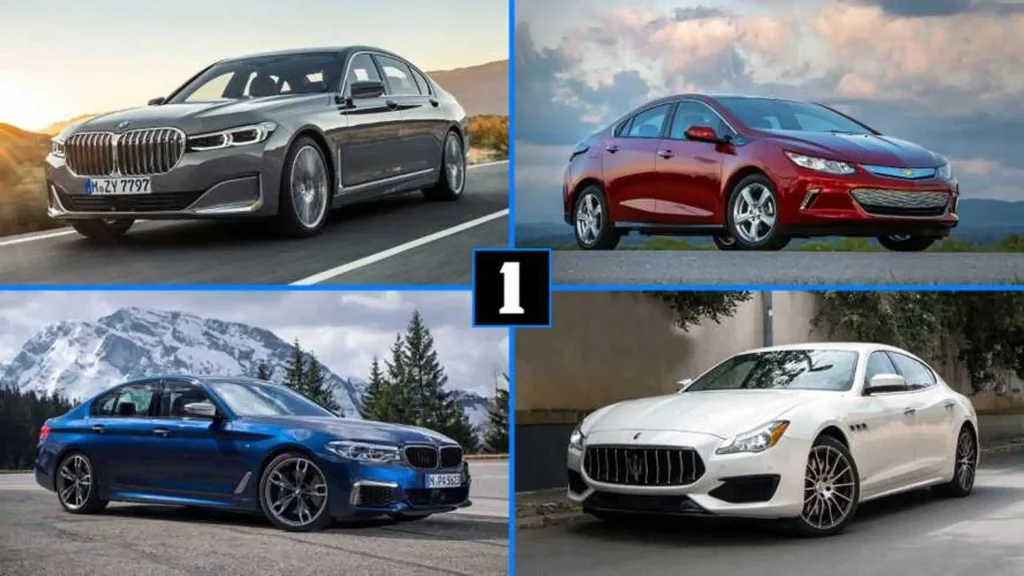
Buying a new car is exciting, but there’s one financial reality that every buyer has to face: depreciation. The moment a new vehicle leaves the dealership, it begins losing value, and some models shed their worth far faster than others.
According to a 2019 study from iSeeCars, the average vehicle lost roughly half of its value after five years. The study examined nearly 7 million new 2014 model-year vehicles sold in 2014 and more than 800,000 used examples sold between January and October 2019. The results revealed a particularly brutal group of vehicles, with the worst model losing more than 70 percent of its original value.
Luxury sedans dominate the list, but several electrified vehicles also appear. That’s not entirely surprising. High-end cars can become expensive propositions once their warranties expire, while rapid advances in battery technology and government incentives can make older electrified models less attractive on the used market.Here are the 10 vehicles that took the biggest depreciation hit over five years.
Table of Contents
Chevrolet Volt — 68.1% Depreciation
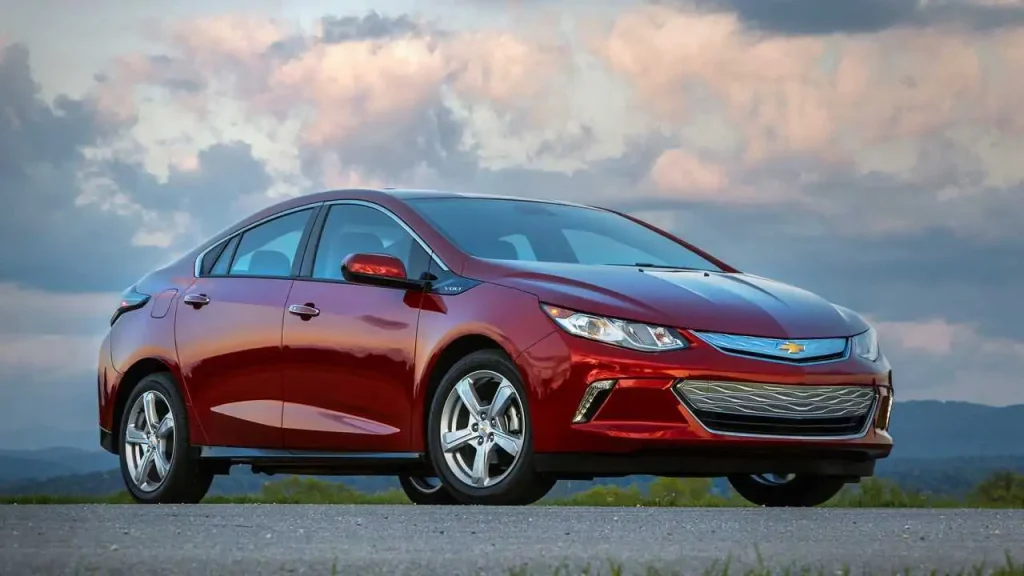
The Chevrolet Volt was an innovative plug-in hybrid that combined electric driving with a gasoline engine to eliminate range anxiety, but its advanced technology didn’t help its resale value. The Volt lost 68.1 percent of its value over five years, leaving it worth less than one-third of its original price. Rapid advances in battery and electrification technology played a role, while incentives that lowered the cost of buying a new Volt also worked against used examples. For shoppers on the secondhand market, however, that steep depreciation can make the Volt an interesting bargain.
Jaguar XJL — 68.9% Depreciation
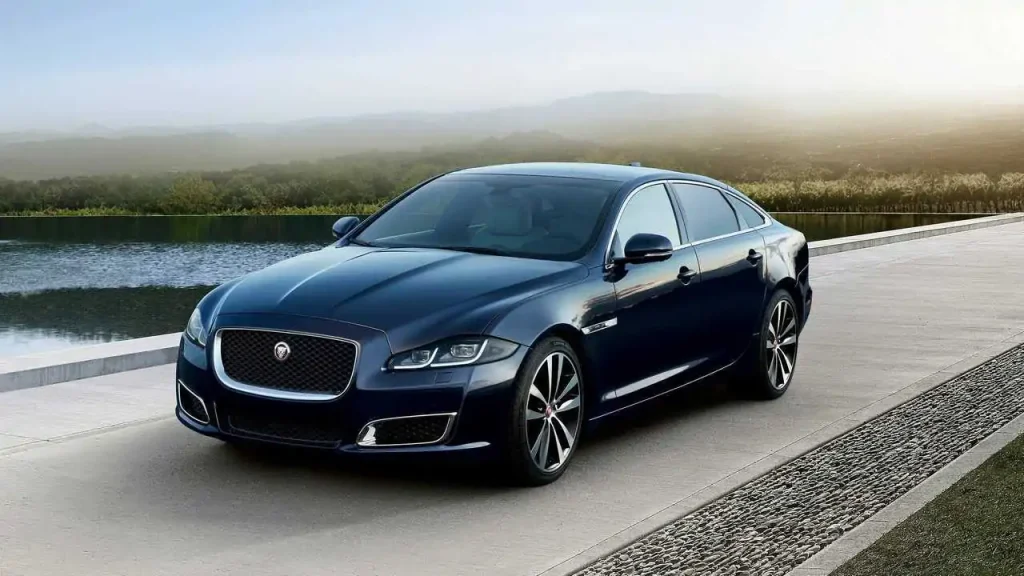
The Jaguar XJL brought traditional British luxury to the large-sedan segment with its extended body, upscale cabin, and powerful engines, but its resale value suffered like many expensive luxury cars. After five years, the XJL had lost 68.9 percent of its original value. Luxury-car buyers often prioritize the latest styling, technology, and features, which can quickly make an older flagship less desirable. Add potential concerns about maintenance and repairs, and the XJL’s value can fall particularly quickly as it ages.
BMW 6 Series — 69.0% Depreciation
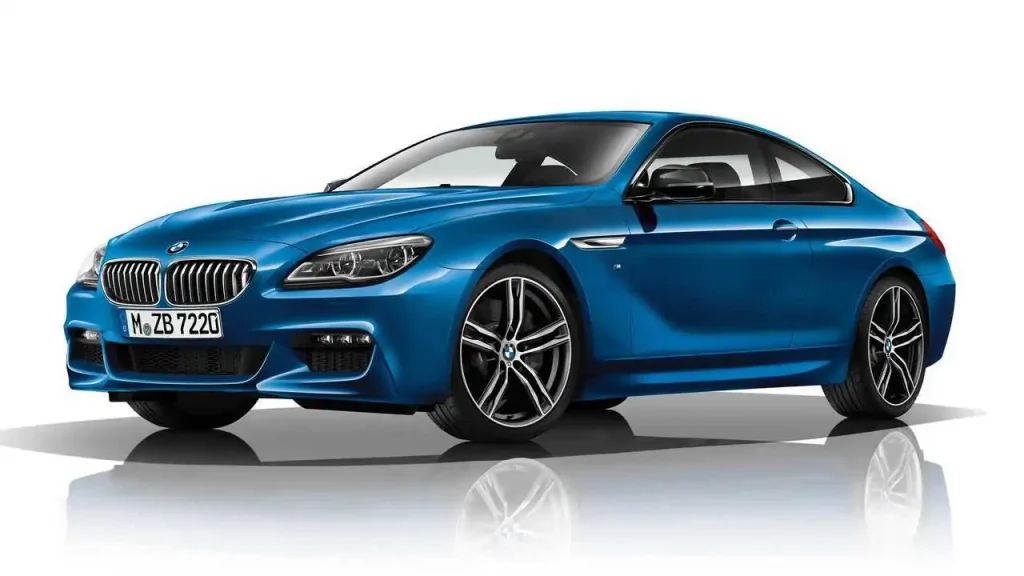
The BMW 6 Series combined performance, luxury, and distinctive styling, but its premium price when new translated into a substantial depreciation hit. Over five years, the 6 Series lost 69.0 percent of its original value. While that represents a significant loss for the first owner, it creates a very different proposition for used-car shoppers, who can potentially get a luxury coupe or convertible for a fraction of its original price. The trade-off is that maintenance and repair costs can still reflect the car’s original premium positioning.
Ford Fusion Energi — 69.1% Depreciation
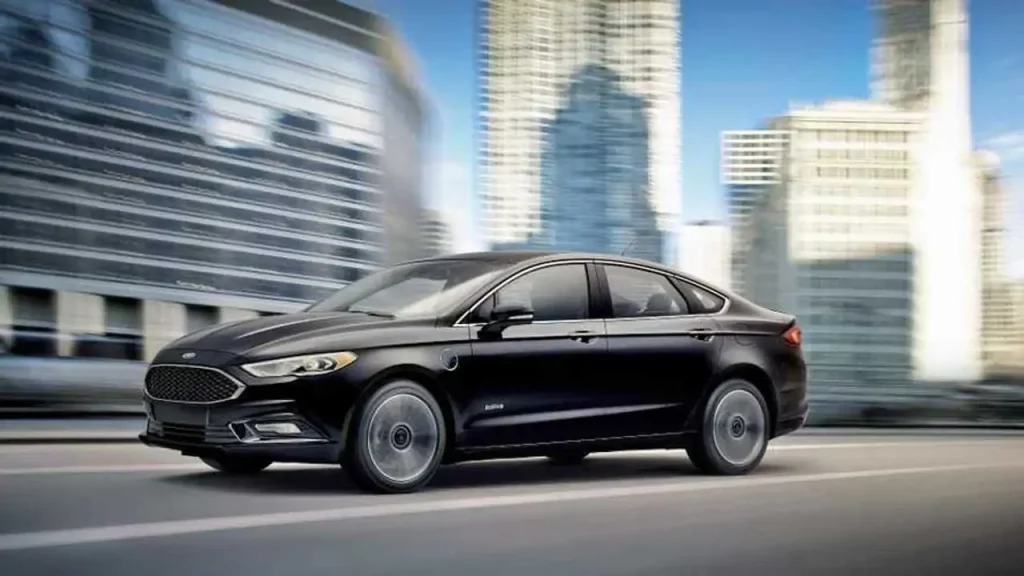
The Ford Fusion Energi offered plug-in hybrid technology that allowed owners to handle shorter trips using electric power while retaining a gasoline engine for longer journeys, but its resale value took a major hit. The Fusion Energi depreciated by 69.1 percent over five years, partly reflecting how quickly electrified vehicle technology was advancing during this period. As newer models arrived with improved battery technology, greater electric range, and more modern features, earlier plug-in hybrids became harder to justify at higher used-car prices.
Acura RLX — 69.2% Depreciation
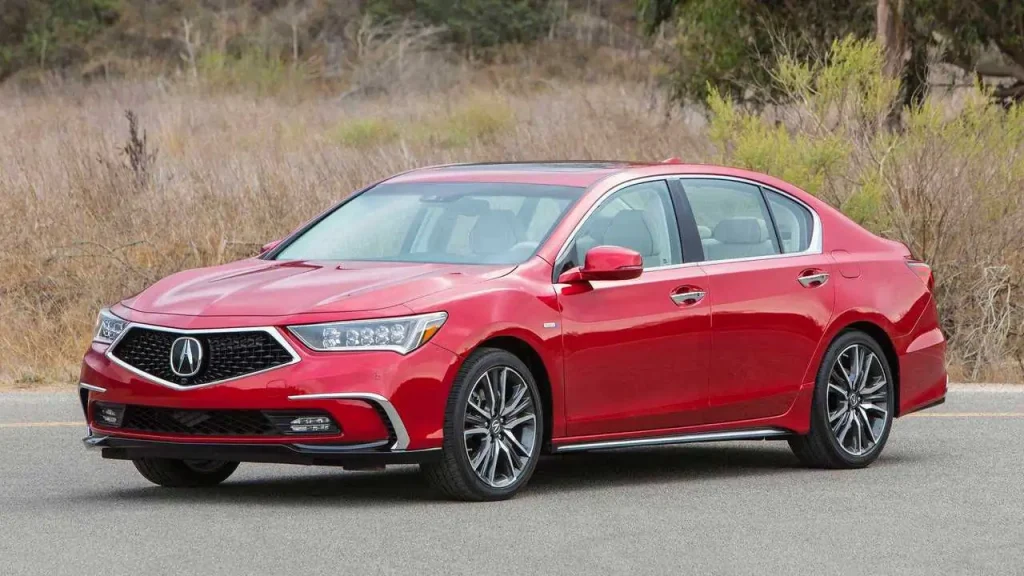
The Acura RLX was Honda’s entry into the premium sedan market, offering a spacious cabin, refined driving experience, and generous equipment, but it never achieved the same level of popularity as some of its better-known luxury rivals. That limited demand contributed to a 69.2-percent loss in value over five years, putting it alongside the BMW 5 Series on this list. Its depreciation doesn’t necessarily reflect the car’s quality, but rather how demand, brand perception, and competition can heavily influence resale values.
BMW 5 Series — 69.2% Depreciation
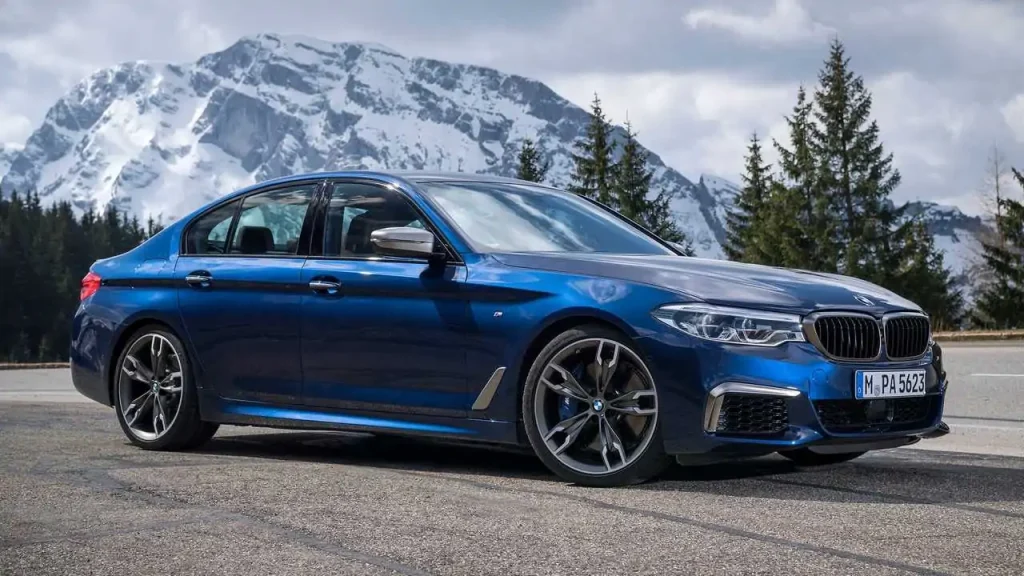
The BMW 5 Series is one of the most familiar names here, making its 69.2-percent five-year depreciation particularly notable. The executive sedan delivers performance, technology, and a premium interior, but its relatively high price when new means there is plenty of value to lose as the car ages. Used buyers may also factor in the potential cost of maintaining an older luxury vehicle, which can further pressure prices. For secondhand shoppers, though, that depreciation can make a five-year-old 5 Series considerably more affordable than it was when new.
BMW i3 — 70.9% Depreciation
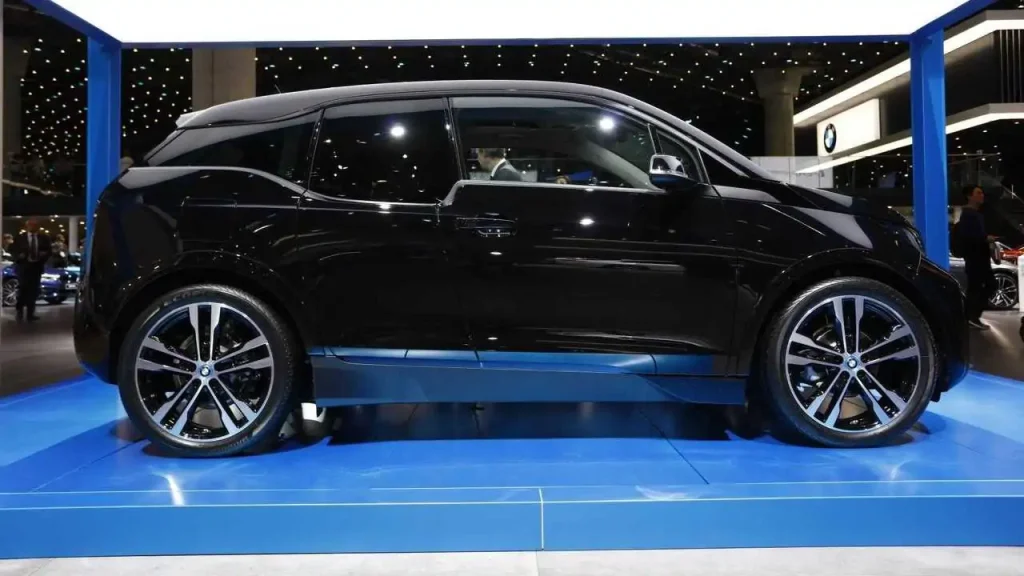
The BMW i3 stood out as one of the most unconventional electric cars of its time, combining distinctive styling, lightweight construction, compact dimensions, and a futuristic interior. Despite its uniqueness, the i3 lost 70.9 percent of its value over five years. Rapid improvements in battery technology and electric driving range made older EVs less competitive as newer models entered the market with greater capability. The i3’s steep depreciation therefore reflects not only demand for the car itself but also the unusually fast pace of development in the EV segment.
Nissan Leaf — 71.0% Depreciation
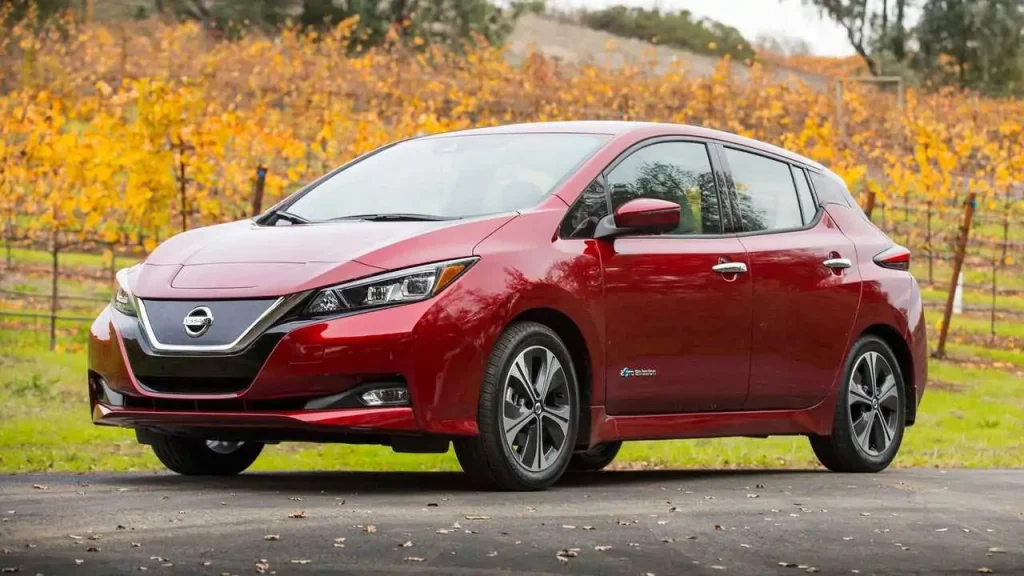
The Nissan Leaf helped bring battery-electric vehicles into the mainstream, but its status as an early mass-market EV also exposed it to rapidly changing technology. After five years, the Leaf had lost 71.0 percent of its original value. Improvements in battery range and charging technology made early versions less appealing compared with newer electric vehicles, while concerns surrounding battery degradation and limited range could also affect demand. The Leaf’s depreciation shows how quickly the value of early-generation EVs could fall as the technology evolved.
BMW 7 Series — 71.3% Depreciation
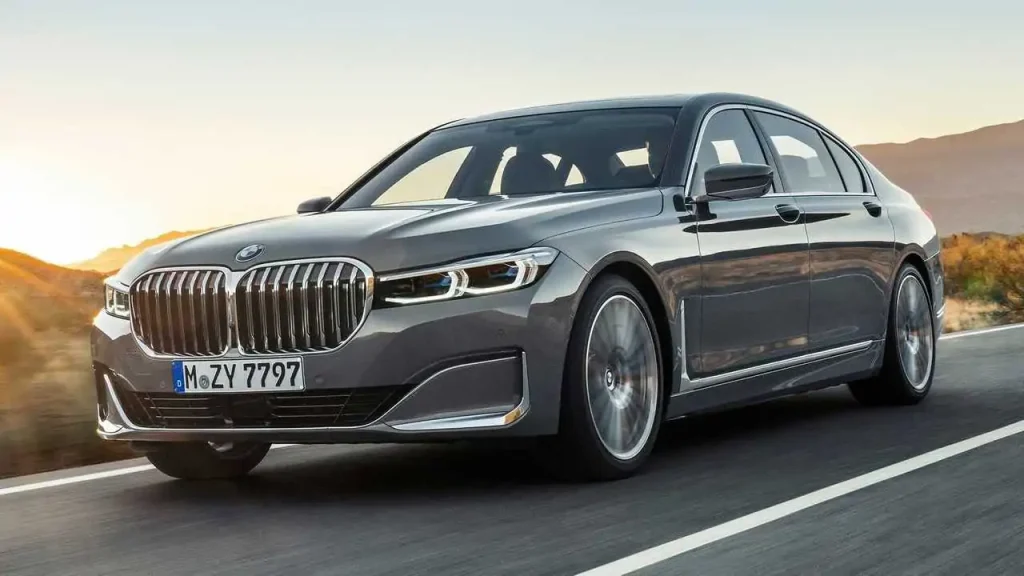
The BMW 7 Series is the flagship luxury sedan in this group, but its impressive list of technology and equipment didn’t prevent it from losing 71.3 percent of its value over five years. Luxury flagships tend to depreciate heavily because newer generations quickly make older technology and styling seem dated, while the costs associated with maintaining an aging premium sedan can discourage used buyers. That combination can create a dramatic drop in value, although it also means a used 7 Series can provide access to a high-end luxury car for a fraction of its original price.
Maserati Quattroporte — 72.2% Depreciation
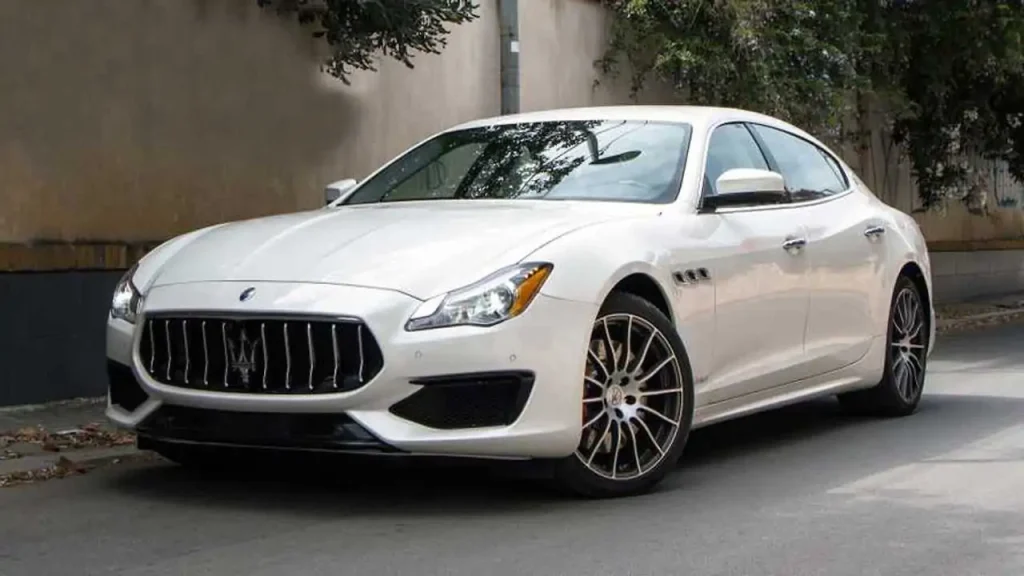
The Maserati Quattroporte takes the top spot on this list after losing a staggering 72.2 percent of its value over five years. The original study estimated that the average Quattroporte shed roughly $95,000 from its original value, with one analysis putting its average new price at approximately $134,582 and its five-year value at about $37,404. That’s a huge financial loss for the first owner, but it also demonstrates how depreciation can make an exotic-looking luxury car surprisingly attainable on the used market. The catch is that Maserati ownership costs, including maintenance and repairs, don’t necessarily fall as dramatically as the purchase price.