
Why wait until next year to see what’s coming? We’ve gathered the latest information on upcoming models, new variants, major updates, and expected release dates for dozens of vehicles set to arrive soon.
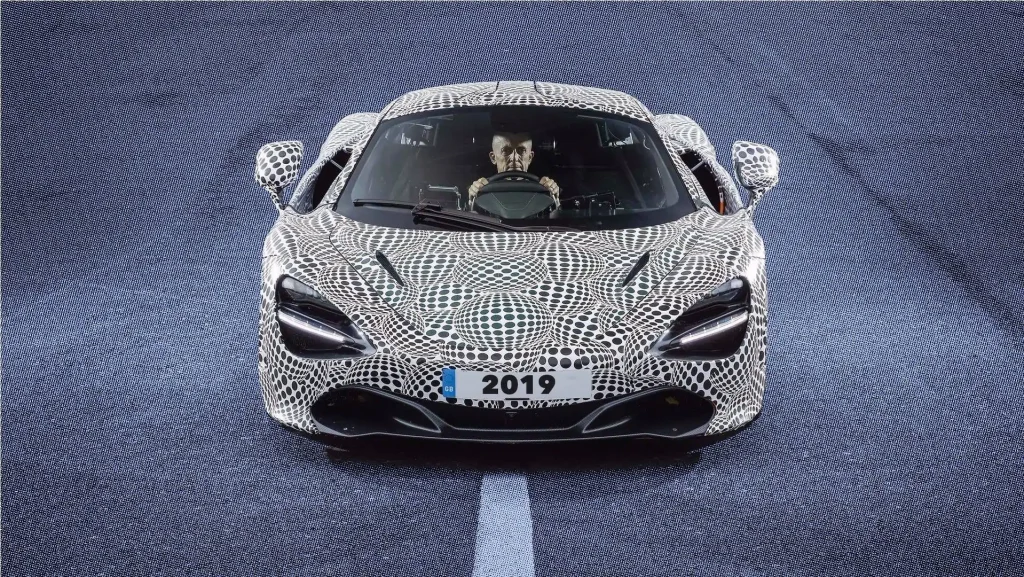
The automotive industry is constantly evolving, and the 2019 model year is shaping up to deliver an impressive lineup of new cars, trucks, and SUVs. Virtually every major automaker is preparing to launch fresh products, including complete redesigns, next-generation models, exciting performance variants, luxury flagships, family-friendly crossovers, rugged pickups, and innovative electric vehicles. Whether you’re planning your next vehicle purchase or simply keeping an eye on future releases, there is plenty to anticipate.
Although it’s still early, manufacturers have already revealed or hinted at many of the vehicles expected to arrive over the next couple of years. Drawing from official announcements, prototype sightings, industry reports, and manufacturer teasers, we’ve compiled this comprehensive guide to 39 of the most anticipated 2019 models. As more information becomes available, we’ll continue updating the list with the latest specifications, release schedules, and newly announced vehicles.
The lineup includes vehicles in every stage of development. Some are all-new nameplates entering the market for the first time, while others are major redesigns of best-selling models or new variants that expand existing lineups. Many promise improved styling, more efficient and powerful engines, cutting-edge infotainment systems, advanced driver-assistance technologies, and enhanced comfort and capability. With automakers investing heavily in electrification, connectivity, and safety, buyers can also expect more hybrid and electric options alongside increasingly sophisticated SUVs and pickup trucks.
Most of the vehicles featured here are expected to arrive during the 2019 calendar year or join the 2019 model year lineup. As with any future product, production schedules and launch dates may change before vehicles reach dealerships. Until they’re sitting on showroom floors, release timing should be considered an estimate based on the latest available information. Nevertheless, these are the models most likely to shape the automotive landscape in 2019, and we’ll continue to update this guide as new announcements, debuts, and official release details emerge.
Table of Contents
Audi Q8
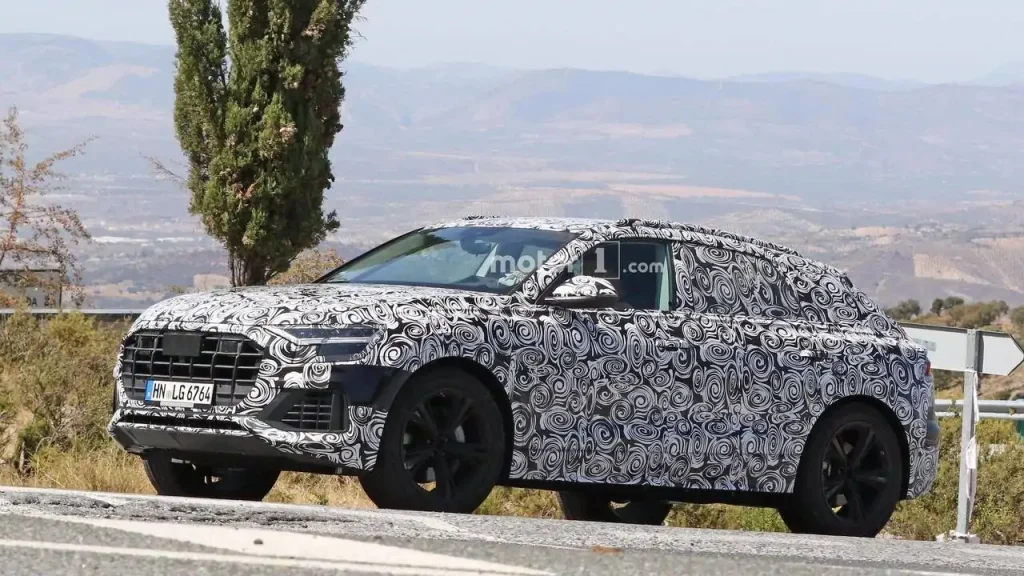
Audi was preparing to add a new flagship SUV to its lineup, and the Q8 was shaping up to be one of the brand’s biggest additions for the 2019 model year. The production vehicle would draw heavily from the Q8 Sport and other recent Audi concepts, combining the mechanical foundation of the Q7 with a lower, more aggressively styled roofline.
Expect the Q8 to use Audi’s familiar turbocharged engines and quattro all-wheel-drive system, with a more upscale cabin and the latest version of the company’s digital cockpit technology. It would give Audi a direct competitor to the BMW X6 and Mercedes-Benz GLE Coupe while offering a more practical alternative to a traditional luxury coupe.
Aston Martin DBX
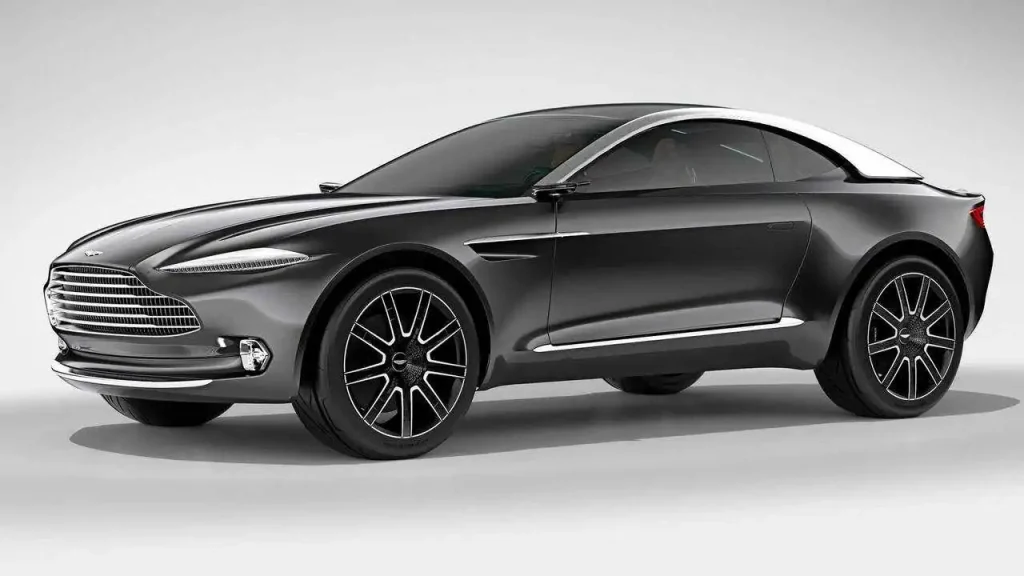
Aston Martin was getting ready to do something it had never done before: build an SUV. The DBX concept previewed a high-riding Aston Martin with the company’s familiar sports-car styling, but the production version was expected to be substantially more practical.
Aston Martin had already confirmed that the DBX would be built in Wales, with production targeted for 2019. A V8 was expected, while a V12 was also being considered. Whatever engine ultimately made it under the hood, the DBX would be aimed at the Porsche Cayenne, Bentley Bentayga, and other high-performance luxury SUVs.
Aston Martin Valkyrie
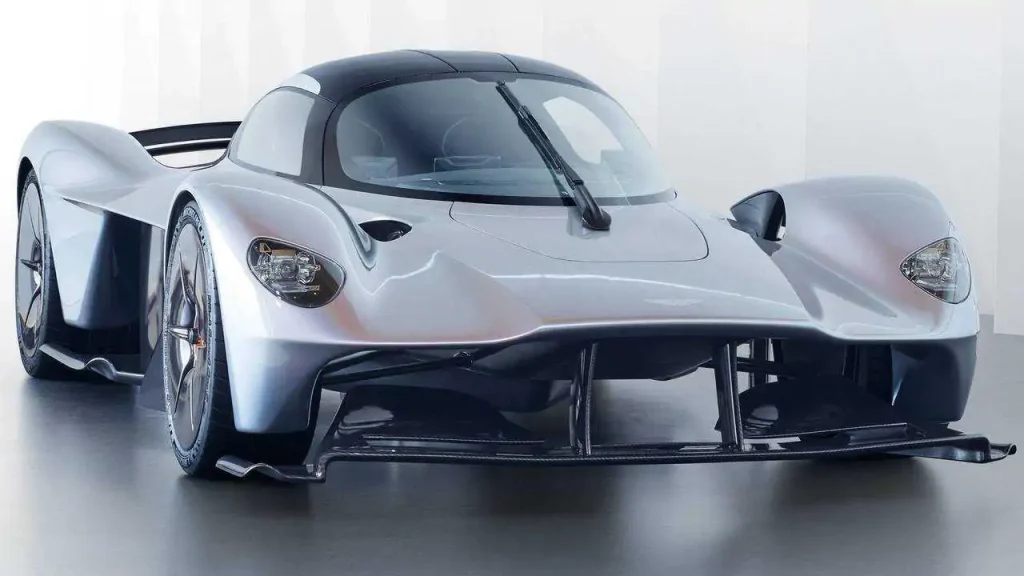
The Valkyrie was about as far removed from the DBX as possible. Developed with Red Bull Advanced Technologies, this extreme hypercar was being engineered around lightweight construction, Formula 1-inspired aerodynamics, and a high-revving naturally aspirated V12.
Aston Martin was targeting an exceptionally low curb weight, with carbon fiber used extensively throughout the car. The aerodynamic bodywork was designed to generate enormous downforce, while the V12 would provide the kind of performance expected from a machine intended to compete with the world’s most exclusive hypercars.
Audi A6 Avant
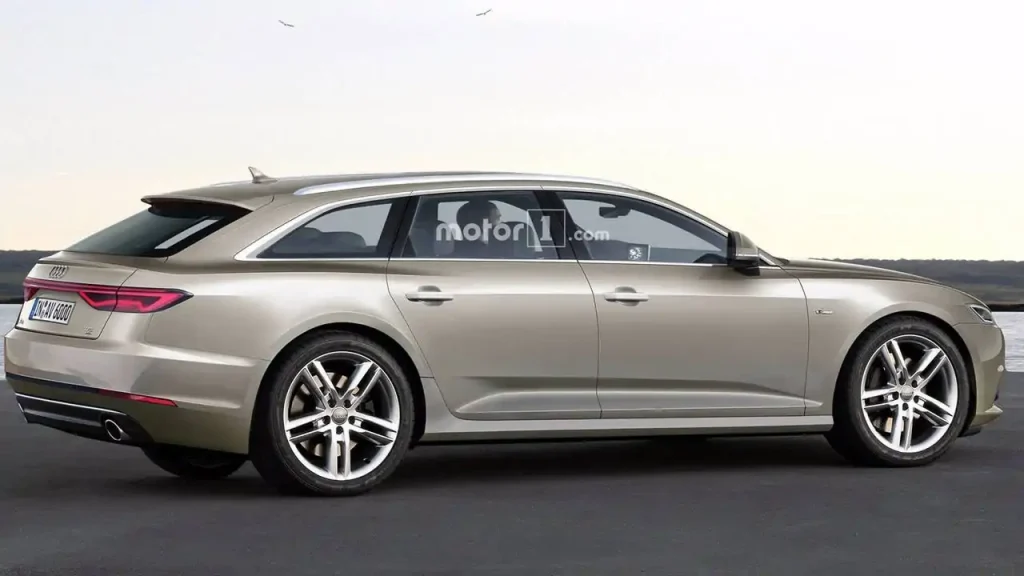
The next-generation Audi A6 was on the way, and the Avant wagon would remain an important part of the lineup. The new model was expected to combine the understated styling of the A6 sedan with the additional cargo space and practicality of a long-roof body.
Audi was also expected to bring its latest technology to the A6, including advanced driver assistance, digital instrumentation, and updated infotainment. Turbocharged engines and quattro all-wheel drive would give the Avant the performance and all-weather capability that have long made Audi wagons popular in Europe.
Audi E-Tron Quattro
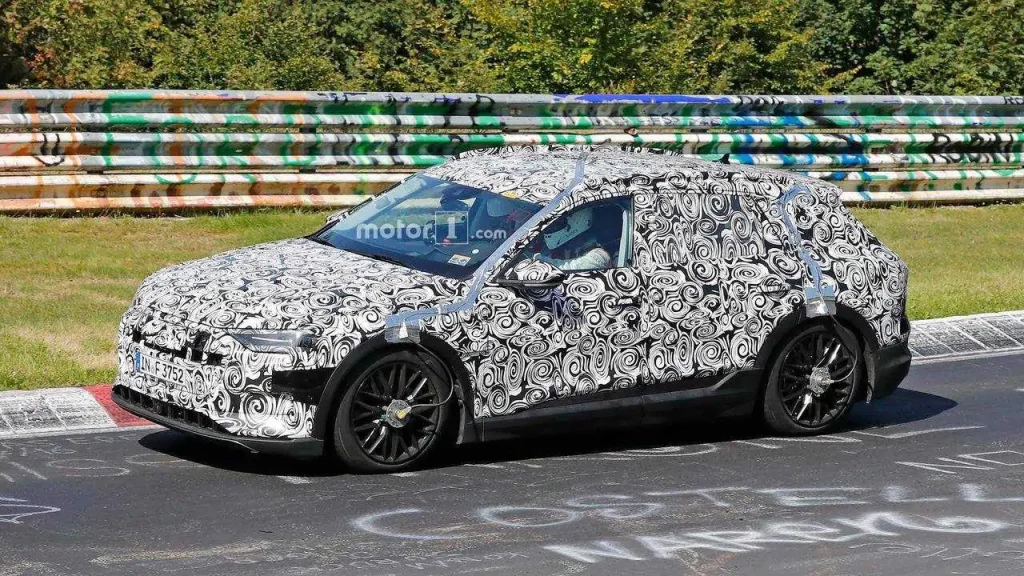
Audi’s first major electric SUV was taking shape as the E-Tron Quattro, and it was expected to become one of the company’s most important new models. Unlike an electrified version of an existing Audi SUV, the E-Tron was being developed specifically around electric propulsion.
The concept used multiple electric motors and a large battery pack, giving it all-wheel drive and strong performance. Audi was targeting substantial driving range as well, making the E-Tron a direct challenge to premium electric vehicles from Tesla and an important first step toward a much larger Audi EV lineup.
Audi Q3
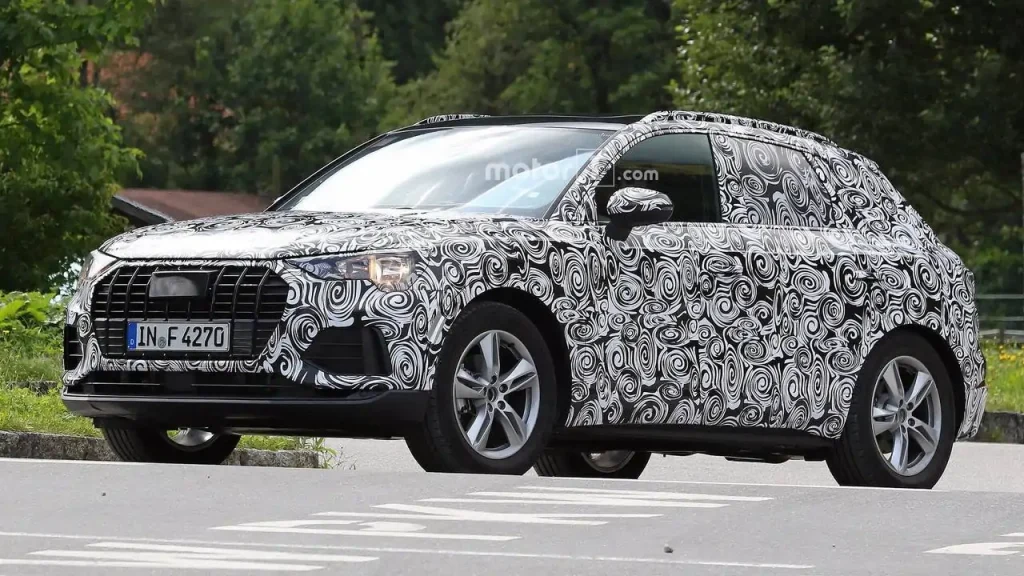
The Q3 was due for a complete redesign as Audi prepared to refresh its compact SUV lineup. The next-generation model was expected to grow slightly in size while adopting sharper styling and a more sophisticated interior.
Underneath, the Q3 would continue using Volkswagen Group architecture shared with other compact models. Turbocharged engines, optional quattro all-wheel drive, and Audi’s latest infotainment and safety technology would keep the Q3 competitive with the BMW X1, Mercedes-Benz GLA, and other small luxury crossovers.
Audi Q4
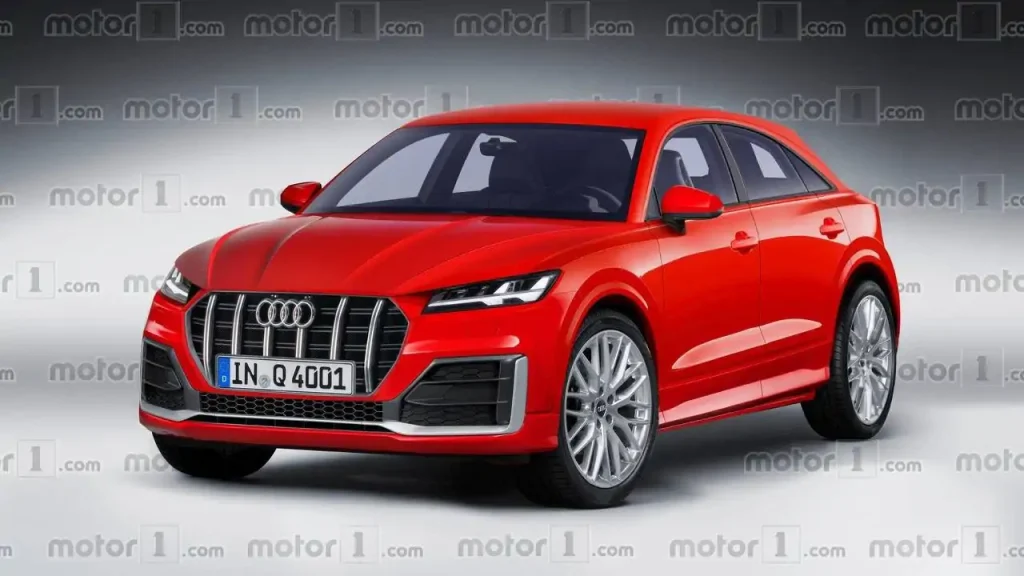 Audi wasn’t stopping with the Q3. The company was also preparing the Q4, a sportier crossover designed to slot between the Q3 and Q5 while taking aim at the growing coupe-SUV market.
The Q4 was expected to share its basic architecture with the Q3 but feature a lower roofline and more dramatic styling. Audi had reportedly targeted 2019 for its arrival, making it another important piece of the company’s rapidly expanding SUV strategy.
Bentley Continental GT
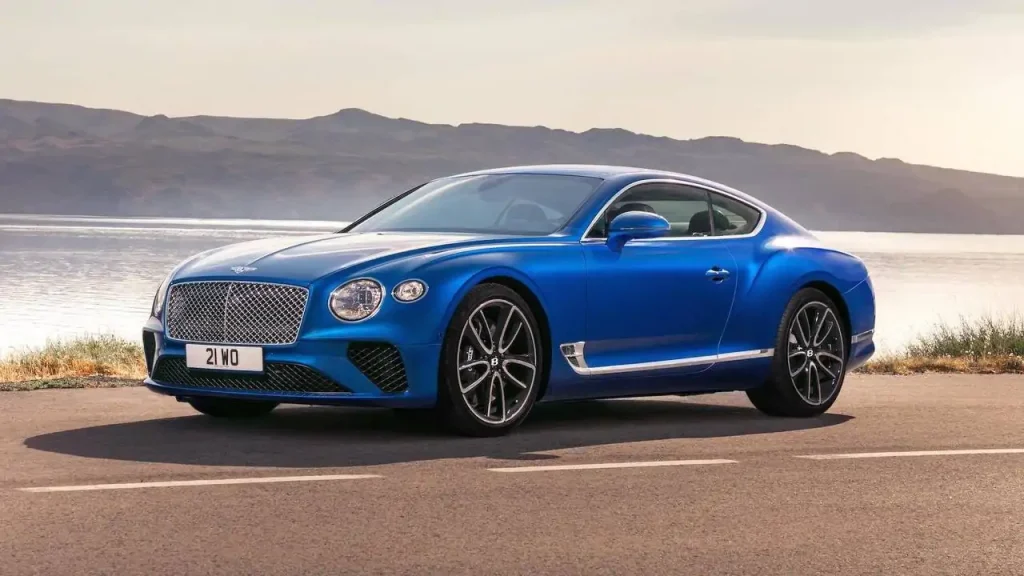
The Continental GT was approaching a new generation, but Bentley wasn’t about to abandon the formula that had made the grand tourer such a success. The next car would remain a luxurious, high-speed coupe designed to cover long distances with a level of comfort few sports cars could match.
A new platform and updated powertrains were expected to bring improvements in performance and handling. Inside, Bentley would continue emphasizing handcrafted materials and an exceptionally high level of luxury, while the exterior would receive a more modern interpretation of the Continental GT’s familiar shape.
BMW 3 Series
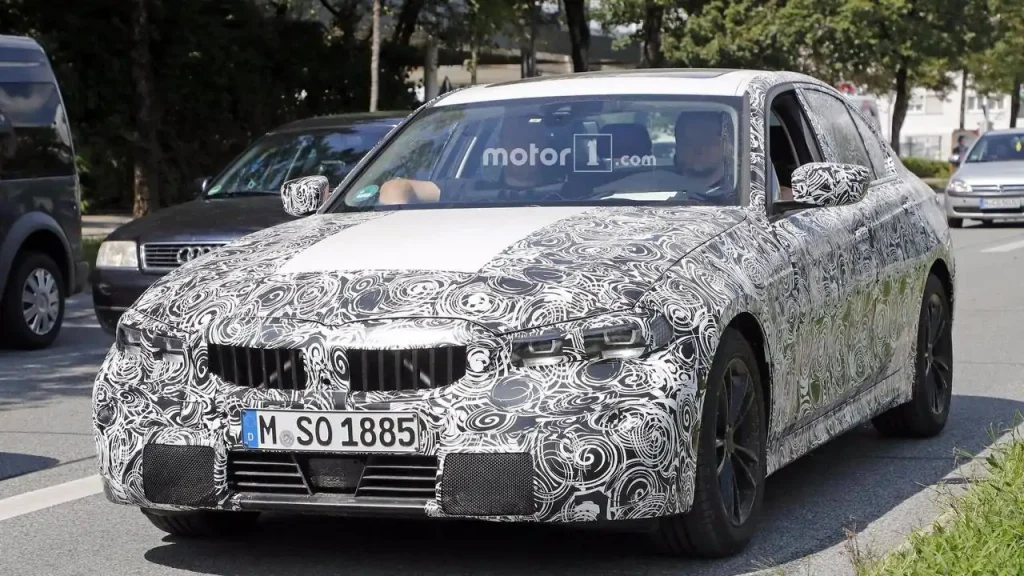
Few vehicles were more important to BMW than the next-generation 3 Series. The sedan was expected to retain rear-wheel drive while moving to a newer platform that could reduce weight and accommodate the latest engines and technology.
Turbocharged four- and six-cylinder engines would likely continue to dominate the range, with xDrive available for buyers wanting all-wheel drive. And, as always, an eventual M3 would be the version enthusiasts would be watching most closely.
BMW i Vision Dynamics
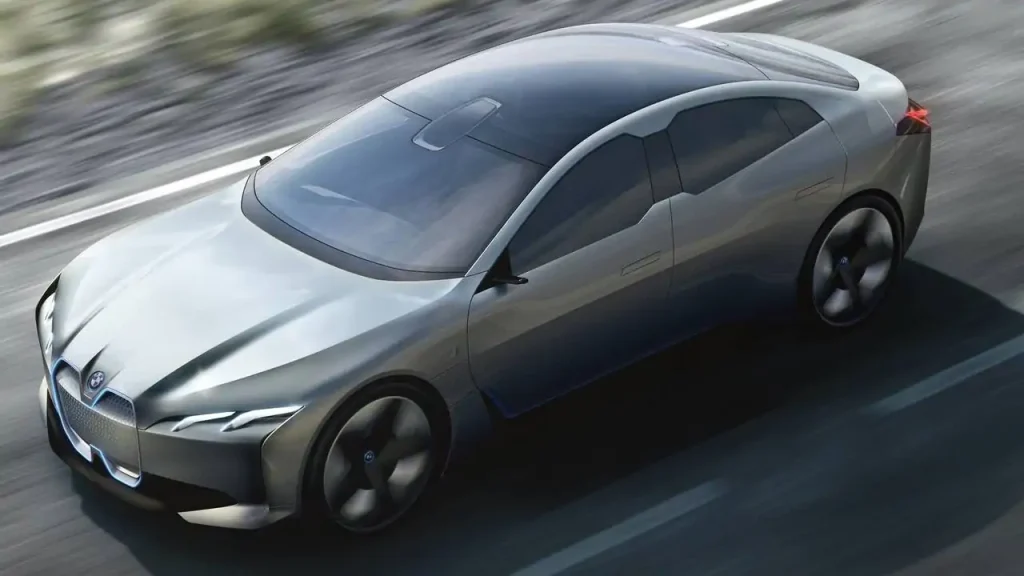
The i Vision Dynamics concept offered a glimpse at where BMW’s electric lineup could go after the i3 and i8. Instead of another small urban EV or exotic plug-in sports car, the concept previewed a sleek four-door electric vehicle with a much more conventional BMW profile.
BMW was targeting long electric range and strong performance, suggesting that future EVs from the company would not be limited to city cars. While the production version was still some way off, the concept showed that BMW was preparing to expand electrification into its core lineup.
BMW X4
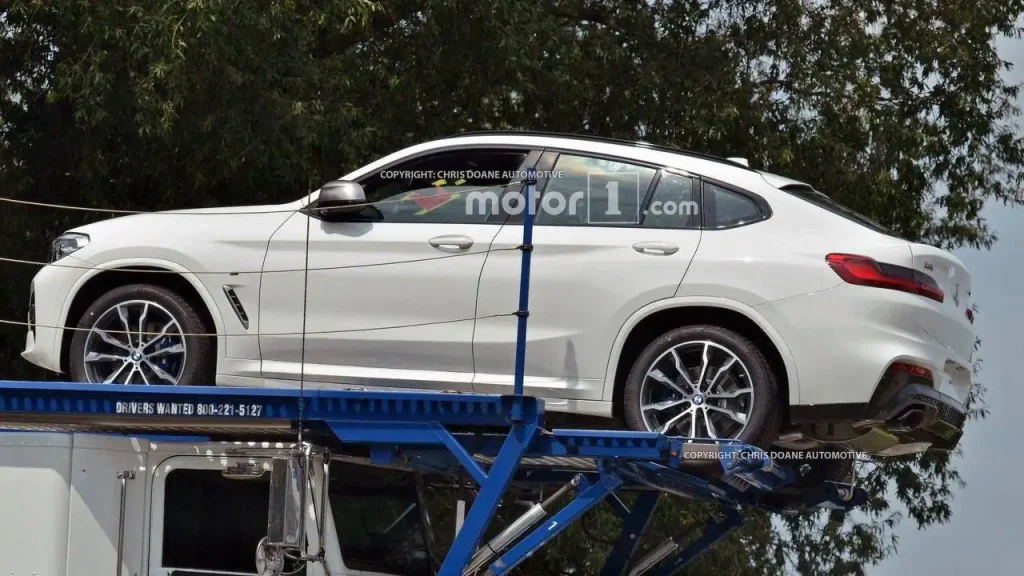
The second-generation BMW X4 was expected to follow the same basic recipe as its predecessor: take the mechanical package of the X3 and give it a lower, more aggressively styled body.
The new X4 would benefit from the latest BMW engines, chassis technology, and infotainment systems. An M Performance version was also expected, giving buyers who wanted a fast crossover an alternative to more conventional SUVs.
Chevrolet Silverado
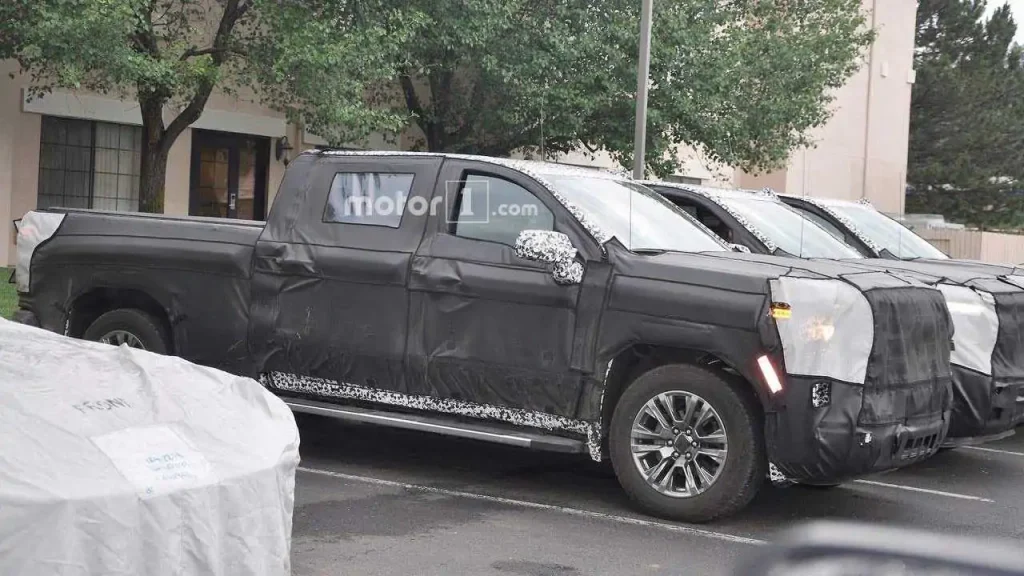
Chevrolet was preparing a major redesign of the Silverado, one of the most important vehicles in its entire lineup. The new truck was expected to make greater use of lightweight materials while retaining the capability expected from a full-size pickup.
Updated V8 engines, improved transmissions, and more technology were all expected. Chevrolet also needed to keep towing and payload performance competitive with the Ford F-150 and Ram 1500, making the new Silverado one of the most significant truck launches on the horizon.
Chrysler Portal
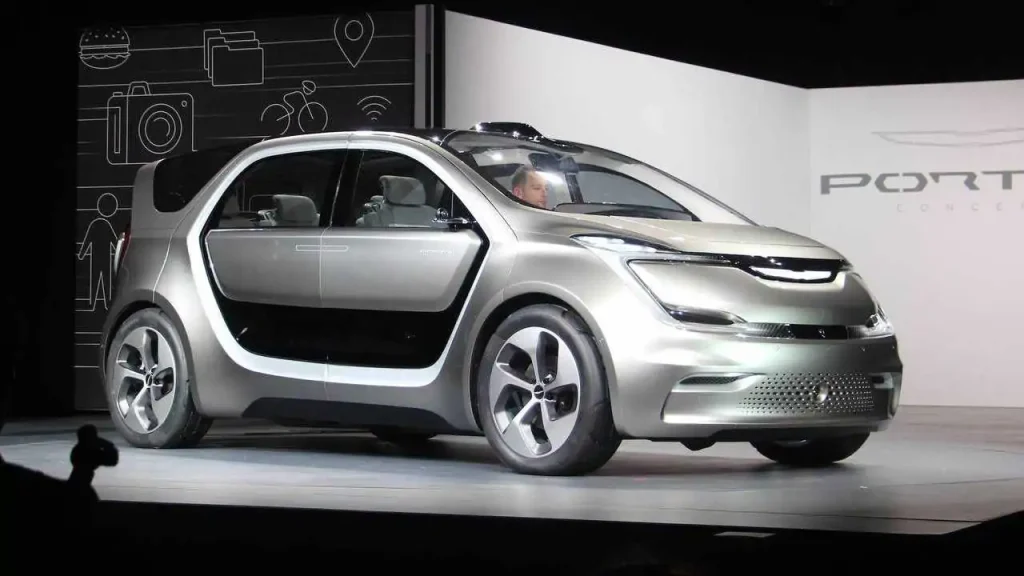
The Chrysler Portal was still a concept, but it offered an interesting look at what the brand was considering for the future. The all-electric people mover was designed around connectivity, flexible seating, and a cabin intended to function as much like a mobile living space as a conventional vehicle interior.
Its production future wasn’t certain, but the Portal showed Chrysler experimenting with electric propulsion and advanced user interfaces. If it reached production, it would represent a very different kind of vehicle for the brand.
Ford Focus
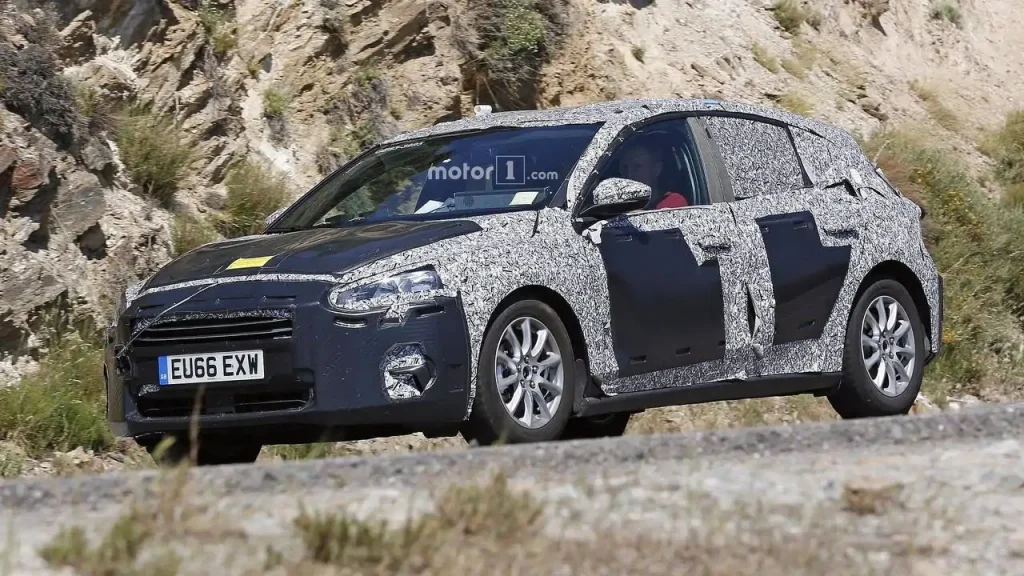
Ford was working on a new generation of the Focus, with a redesigned platform expected to improve interior space, efficiency, and driving dynamics. The compact Ford remained an important global model even as American buyers increasingly moved toward SUVs.
The new Focus was expected to continue offering a variety of body styles and engines, while performance versions would remain an important part of the lineup. The Focus ST and RS in particular gave Ford an opportunity to continue competing with Europe’s best hot hatches.
Ford Ranger
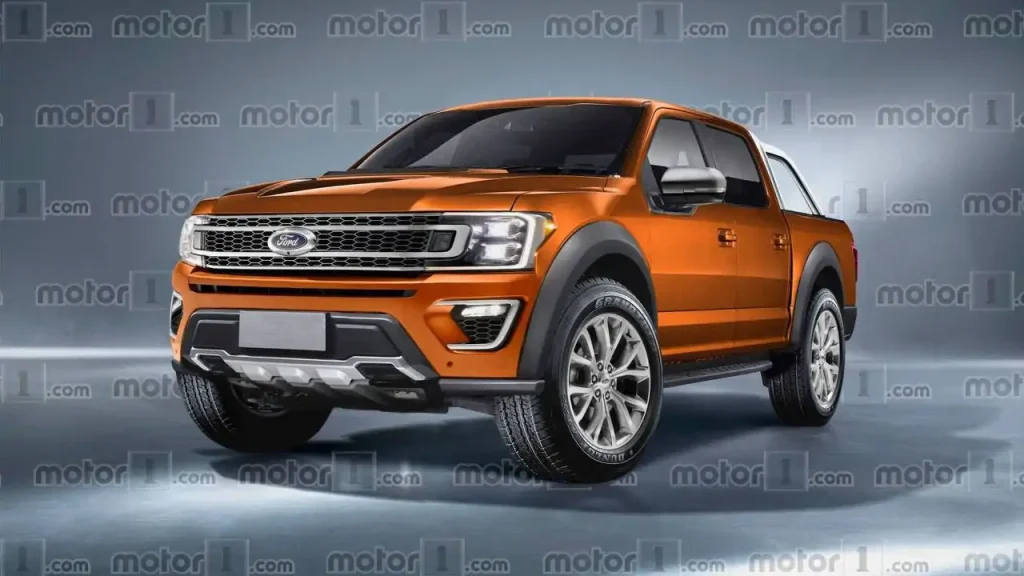
The Ranger was finally preparing to return to the U.S. market after years of absence. Ford had continued selling the midsize pickup in other markets, giving the company plenty of experience with the latest generation.
For America, the Ranger would slot beneath the F-150 and compete with the Chevrolet Colorado, GMC Canyon, Toyota Tacoma, and Nissan Frontier. Four-wheel drive and an off-road-oriented version were expected, while Ford would have to balance useful towing and payload ratings with the smaller dimensions that make midsize pickups attractive.
Genesis G70
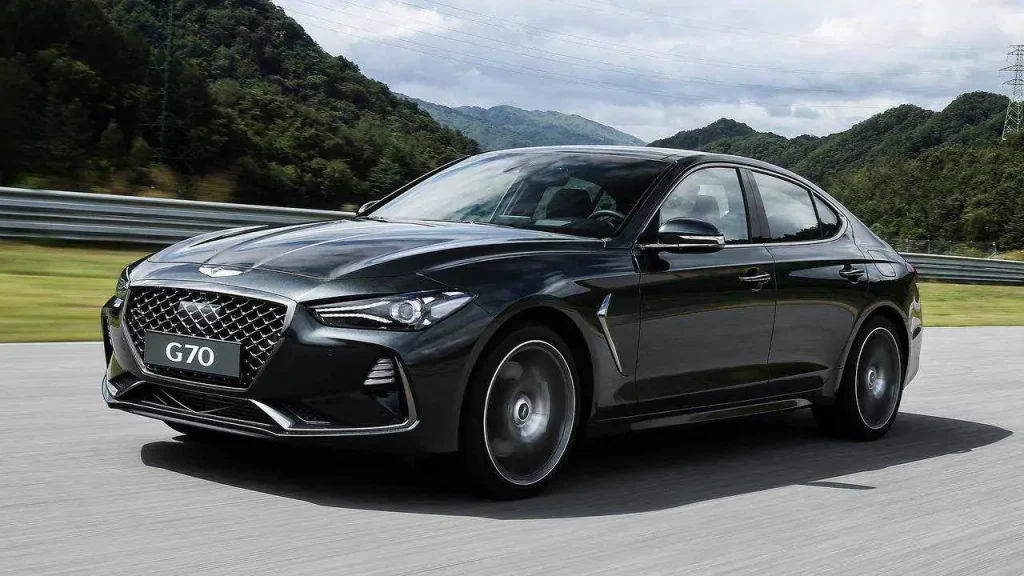
Genesis was expanding its lineup with the G70, a compact sport sedan aimed directly at the BMW 3 Series, Mercedes-Benz C-Class, and Audi A4.
Rear-wheel drive would give the G70 an enthusiast-friendly foundation, while turbocharged four-cylinder and V6 engines were expected to provide a broad range of performance. Genesis was also putting considerable effort into the suspension and steering, hoping the G70 would compete on driving dynamics rather than relying solely on luxury equipment.
Hyundai Veloster
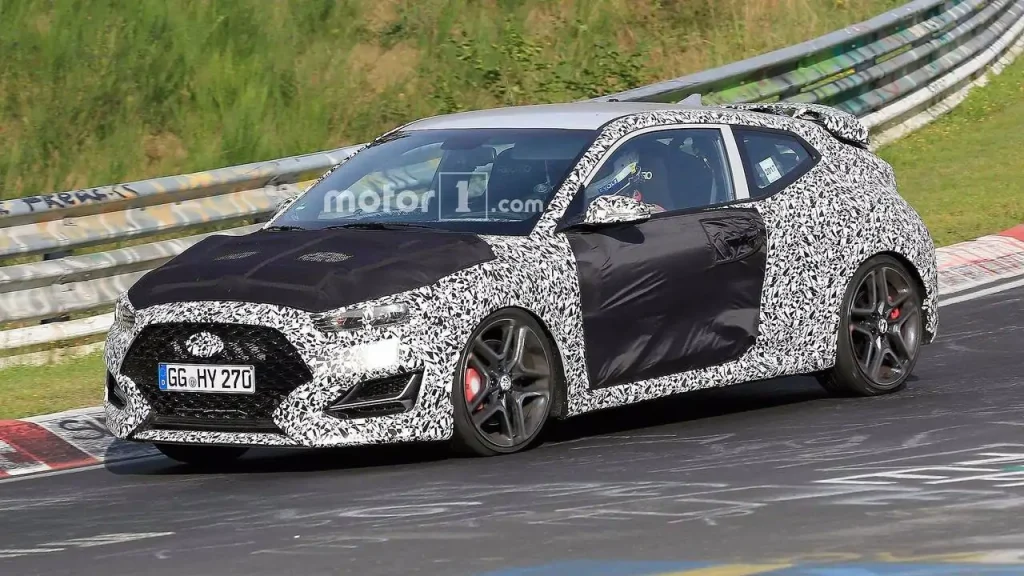
The quirky Veloster was due for a second generation, and Hyundai was expected to keep its unusual three-door configuration. The new car would receive revised styling and an updated interior while retaining the basic formula that made the original Veloster different from virtually every other compact hatchback.
More importantly, Hyundai was preparing the Veloster N. Developed by the company’s new N performance division, the hot hatch was expected to bring serious performance to the lineup and give Hyundai a direct rival to cars such as the Volkswagen GTI and Honda Civic Type R.
Jeep Wrangler
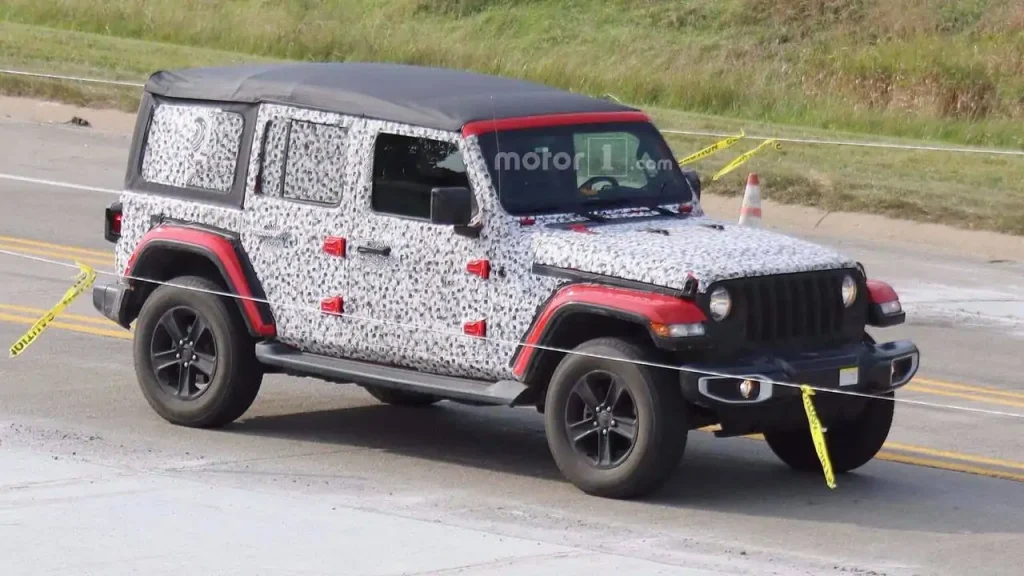
The redesigned Wrangler was arguably one of the most important vehicles on this entire list. Jeep had to modernize one of the industry’s most recognizable off-roaders without compromising the characteristics that made it a Wrangler.
The new JL-generation model was expected to retain body-on-frame construction, solid axles, removable doors, a removable roof, and a fold-down windshield. At the same time, Jeep was working on reducing weight and improving fuel economy, with a turbocharged four-cylinder expected to join the traditional V6.
Jeep Wrangler Pickup
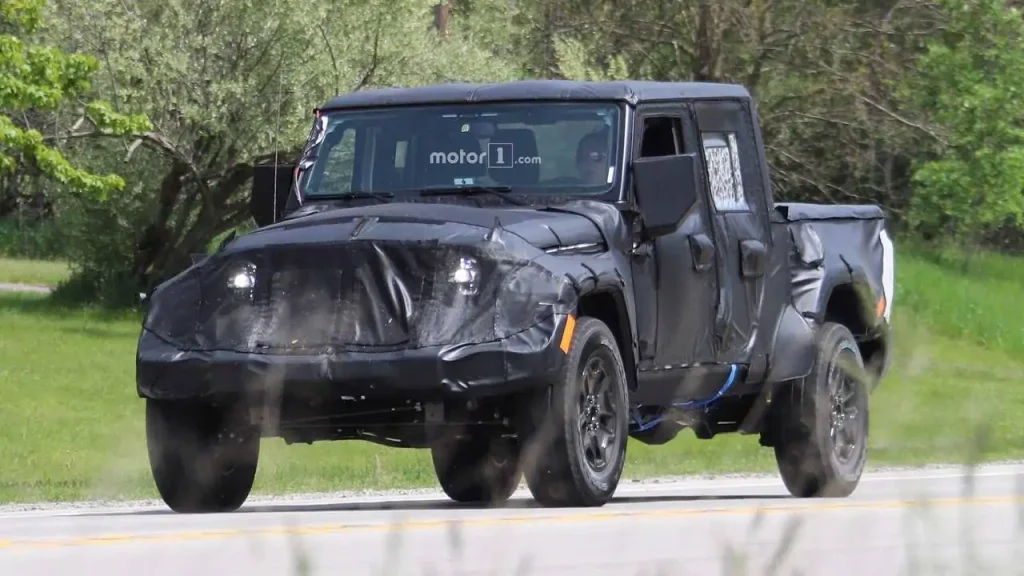
For years, Jeep fans had been asking for a Wrangler-based pickup, and by late 2017 the project appeared increasingly likely to become reality. The pickup would combine the Wrangler’s off-road hardware with a conventional cargo bed behind the passenger compartment.
That would make it fundamentally different from most midsize trucks. Buyers would get the ability to remove the doors and roof and tackle trails while retaining the practicality of a pickup. A four-door configuration was expected to make the truck more useful as a daily driver, too.
Lamborghini Urus
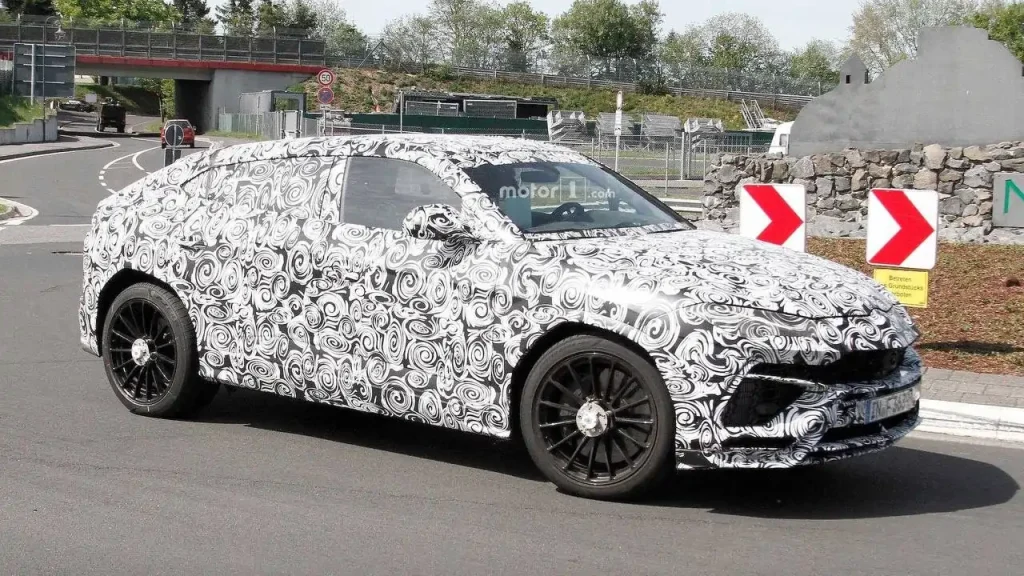
Lamborghini was about to enter the performance-SUV market with the Urus. The company’s goal was not simply to build a luxury SUV wearing a Lamborghini badge, but to create something with genuine supercar-level performance.
A twin-turbocharged V8, all-wheel drive, active suspension, and sophisticated chassis electronics were expected to give the Urus remarkable acceleration and cornering ability. It would also become a much more practical Lamborghini, with room for passengers and luggage that simply isn’t available in the brand’s two-seat sports cars.
Land Rover Defender
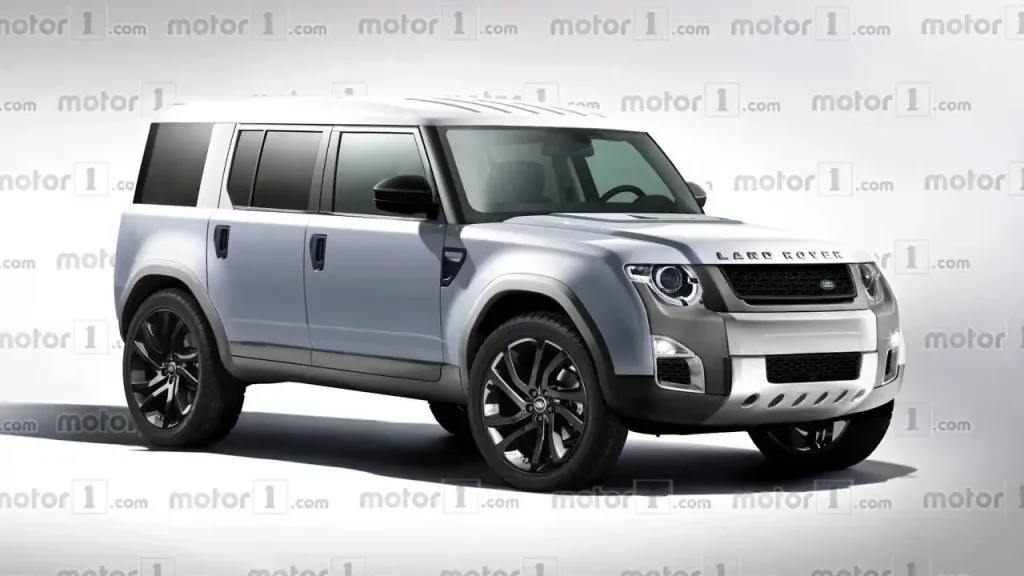
The Defender was one of the most difficult vehicles to replace. Its rugged construction and simple design had made it an off-road icon, but Land Rover needed a modern replacement that could meet contemporary safety, emissions, and comfort requirements.
The new Defender was expected to retain serious off-road hardware and multiple body configurations. Land Rover’s Terrain Response system and advanced four-wheel-drive technology would help ensure that the new model remained capable in mud, rocks, sand, and other difficult terrain.
Lexus UX
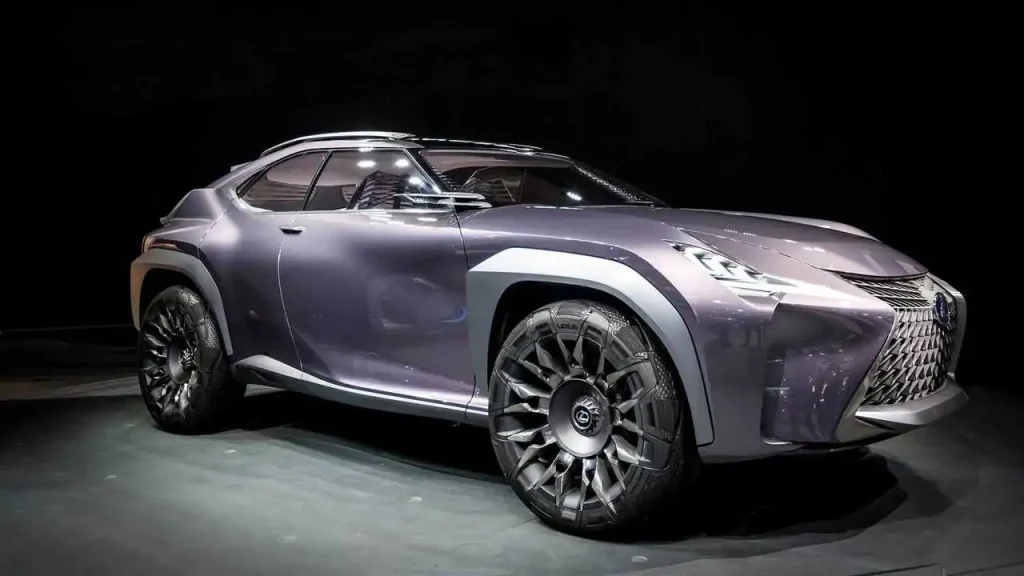
The UX would give Lexus a smaller crossover to sit beneath the NX. It was being developed for buyers who wanted the raised driving position and practicality of an SUV without moving into a larger vehicle.
Lexus was expected to offer hybrid power, continuing the brand’s emphasis on electrification. The UX would also feature the sharp exterior design and high-quality interior materials that had become increasingly important to Lexus as it targeted younger luxury buyers.
Lincoln MKX
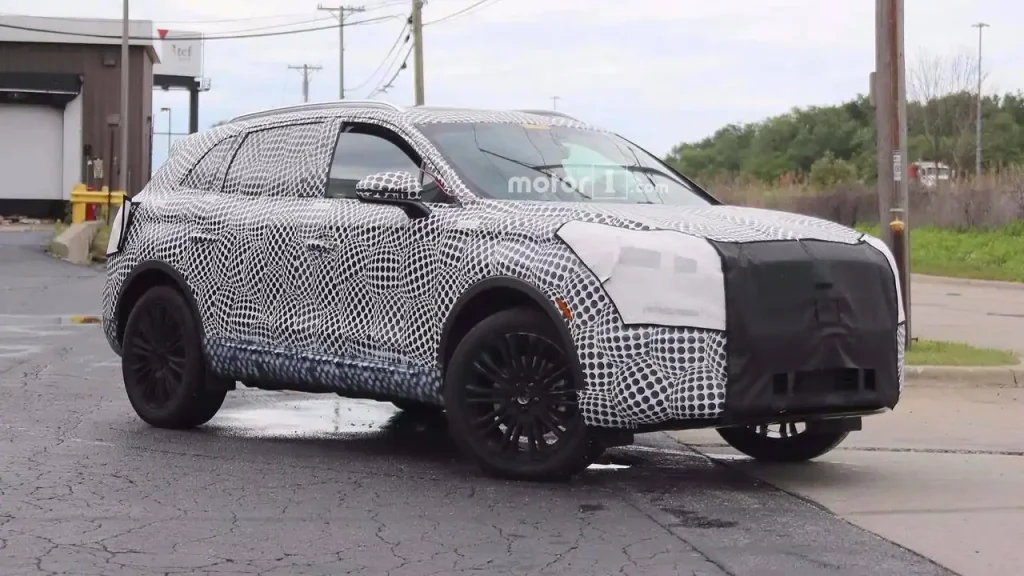
Lincoln was preparing a major update for its midsize crossover, which would eventually emerge with the Nautilus name. The refreshed model was expected to receive a more distinctive front end, revised interior materials, and additional technology.
The MKX/Nautilus was an important vehicle for Lincoln because SUVs were becoming increasingly central to the brand’s future. It would continue competing against models such as the Lexus RX, Acura MDX, and Cadillac XT5 while offering Lincoln’s more comfort-focused interpretation of the luxury crossover.
This lineup represented one of the busiest model years in recent history, with automakers introducing new technologies, lightweight platforms, advanced driver-assistance systems, hybrid and electric powertrains, and fresh styling across nearly every vehicle category. Many of these models went on to become segment leaders and set the tone for the next generation of automotive design and innovation.
Mercedes-AMG Project One
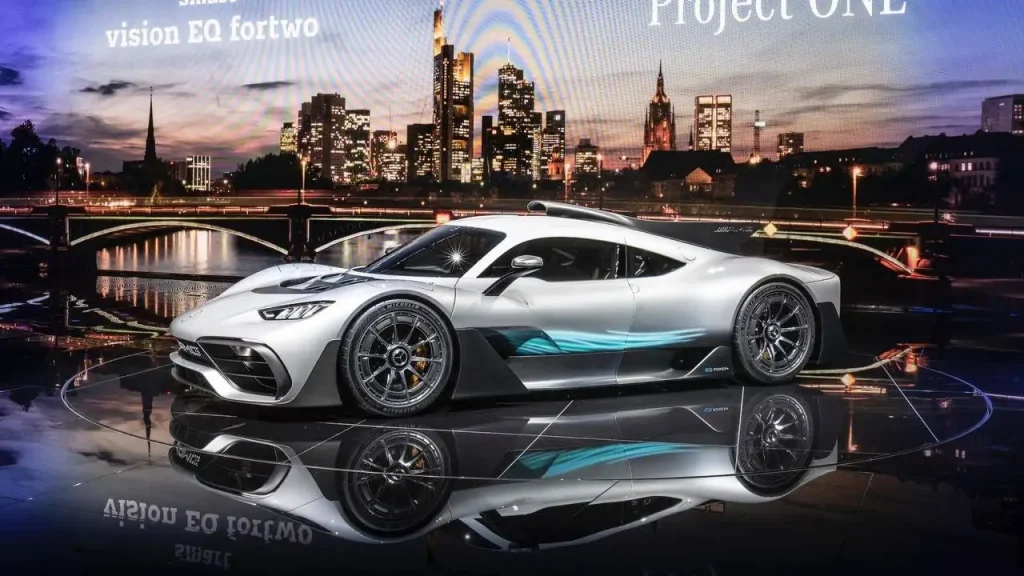
The Mercedes-AMG Project One was unlike virtually anything else on the horizon. Revealed at the 2017 Frankfurt Motor Show, the two-seat hypercar was designed to bring Formula 1 hybrid technology directly to the road.
At its center was a 1.6-liter turbocharged V6 derived from Mercedes-AMG’s Formula 1 program, supplemented by four electric motors. Combined output was expected to exceed 1,000 horsepower, with electric motors driving the front wheels and allowing the Project One to operate with all-wheel drive. Mercedes-AMG was targeting a top speed above 217 mph, making this much more than a styling exercise.
Nissan Altima
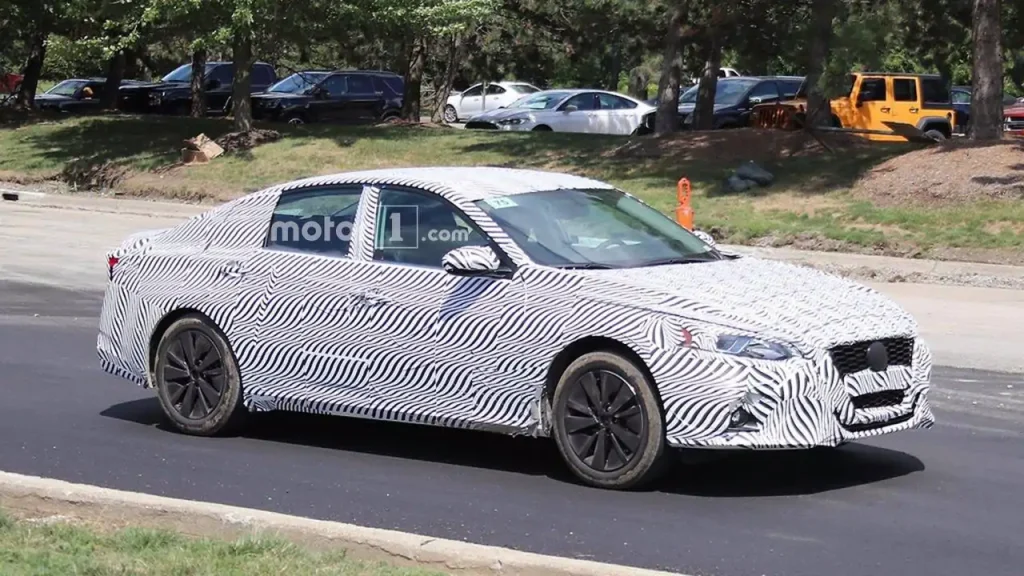
Nissan was preparing a new generation of the Altima as the midsize sedan market became increasingly competitive. The redesigned car was expected to receive sharper styling and a more modern cabin while retaining the practical, family-friendly character that had made the Altima one of Nissan’s core U.S. models.
A turbocharged four-cylinder engine was expected to become an important part of the lineup, potentially replacing the traditional naturally aspirated V6 for some versions. Nissan was also expected to expand its driver-assistance and infotainment technology as the Altima faced newer rivals from Honda, Toyota, Mazda, and Hyundai.
McLaren BP23
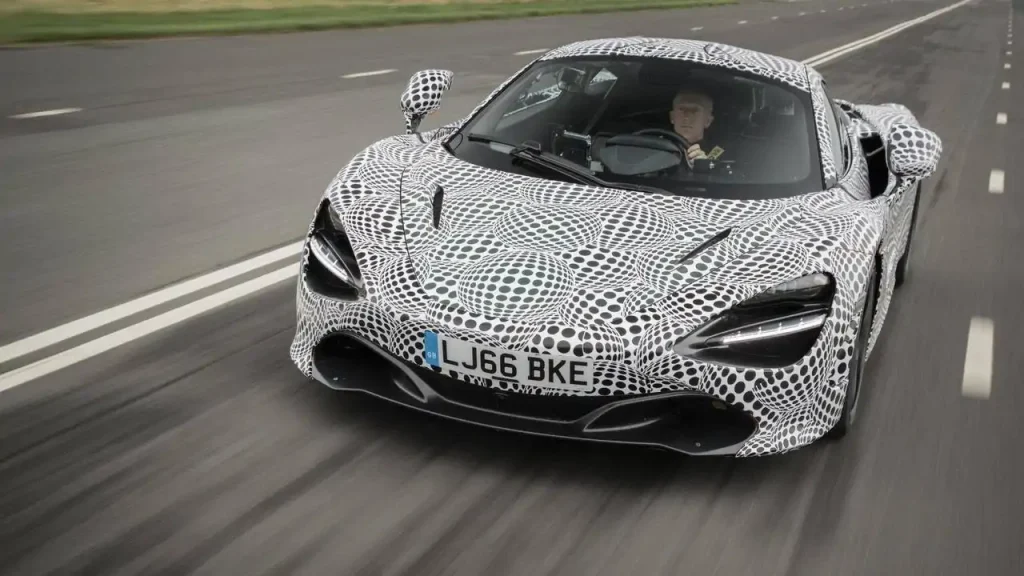
McLaren was developing something very special under the code name BP23: a three-seat hyper-GT inspired by the legendary McLaren F1. Like the F1, the driver would sit in the center of the cockpit, flanked by two passenger seats, giving the car an unusual but highly driver-focused layout.
The BP23 was expected to use a hybrid powertrain based around McLaren’s twin-turbocharged V8, with electric assistance adding both power and efficiency. McLaren was targeting a top speed of more than 240 mph, which would make the BP23 one of the fastest road cars in the world. Production was expected to be extremely limited, with each example already destined to be a highly exclusive machine.
Porsche Cayenne Turbo
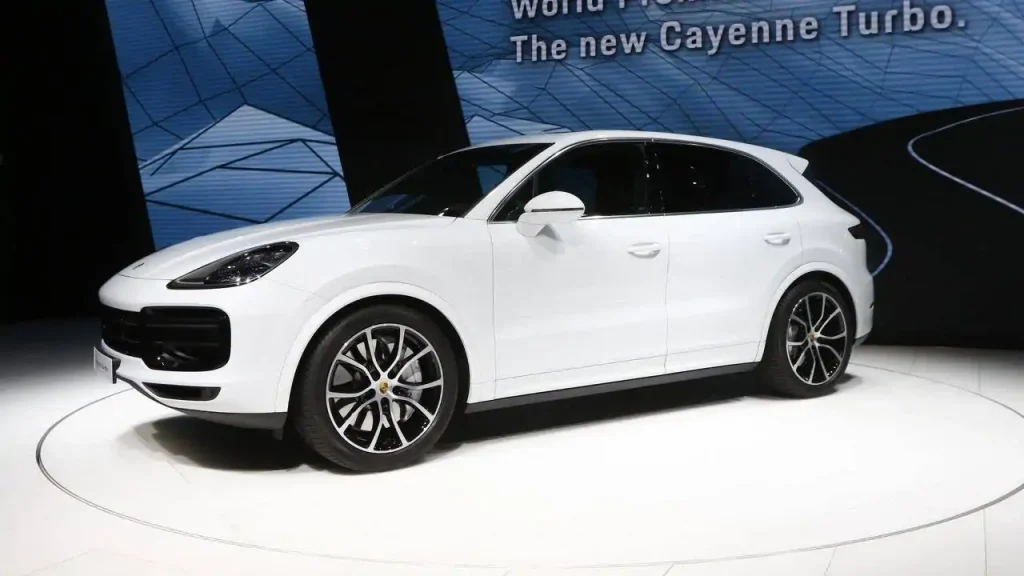
The Cayenne Turbo was expected to remain the performance benchmark within Porsche’s SUV range. While the redesigned Cayenne would emphasize lower weight and improved efficiency, the Turbo would take the opposite approach by concentrating on acceleration, handling, and outright power.
A twin-turbocharged V8 was expected to provide the muscle, backed by Porsche’s all-wheel-drive system and sophisticated active chassis technology. The combination would allow the Cayenne Turbo to compete with high-performance SUVs such as the Range Rover Sport SVR and Mercedes-AMG’s upcoming offerings while retaining enough space for everyday use.
Porsche Mission E
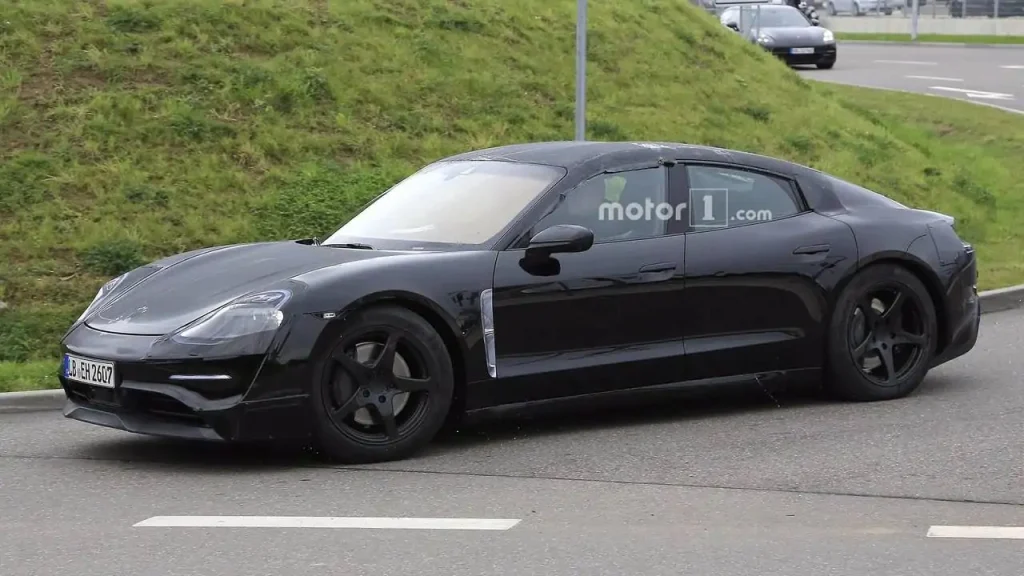
Porsche was already testing production-bodied prototypes of the Mission E on public roads, signaling that the company’s first dedicated electric car was moving well beyond the concept stage. Spy photographers had even caught the prototypes testing alongside Tesla vehicles, making Porsche’s intentions clear.
The production car was expected to retain much of the concept’s low-slung, four-door shape while using a battery-electric powertrain designed around high performance. Porsche’s goal was not simply to build a long-range EV, but an electric sports sedan capable of delivering the acceleration and handling expected from the brand.
Ram 1500
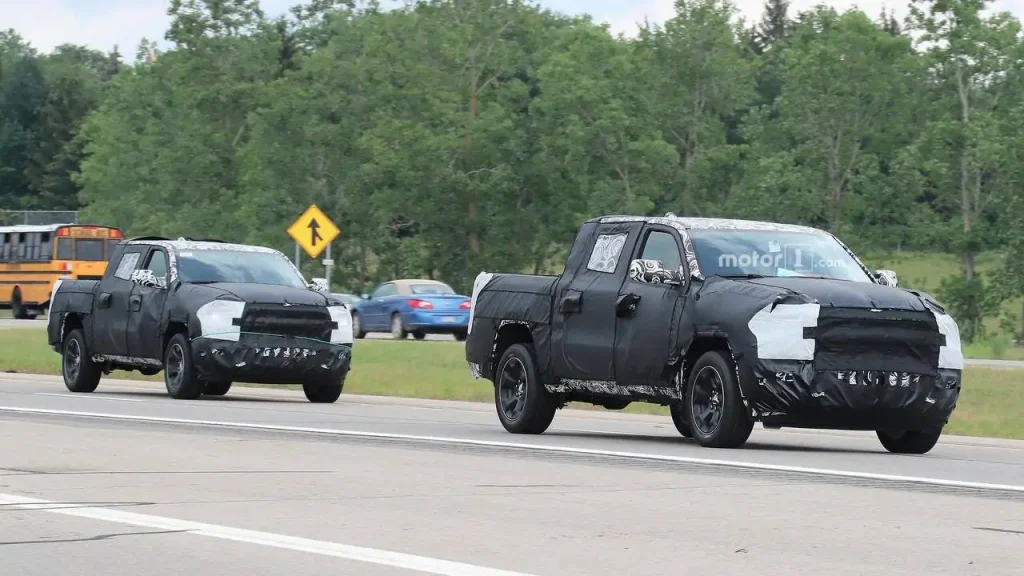
Ram was preparing a completely redesigned 1500 as competition in the full-size pickup market continued to intensify. The new truck was expected to receive a lighter and more sophisticated chassis, helping improve fuel economy without sacrificing the towing and payload capability expected from a full-size pickup.
Updated engines and transmissions were also expected, along with an improved cabin and more technology. Ram had increasingly positioned the 1500 as a truck that could serve as both a workhorse and a family vehicle, so refinement and interior quality would be just as important as its capability.
Range Rover Velar SVR
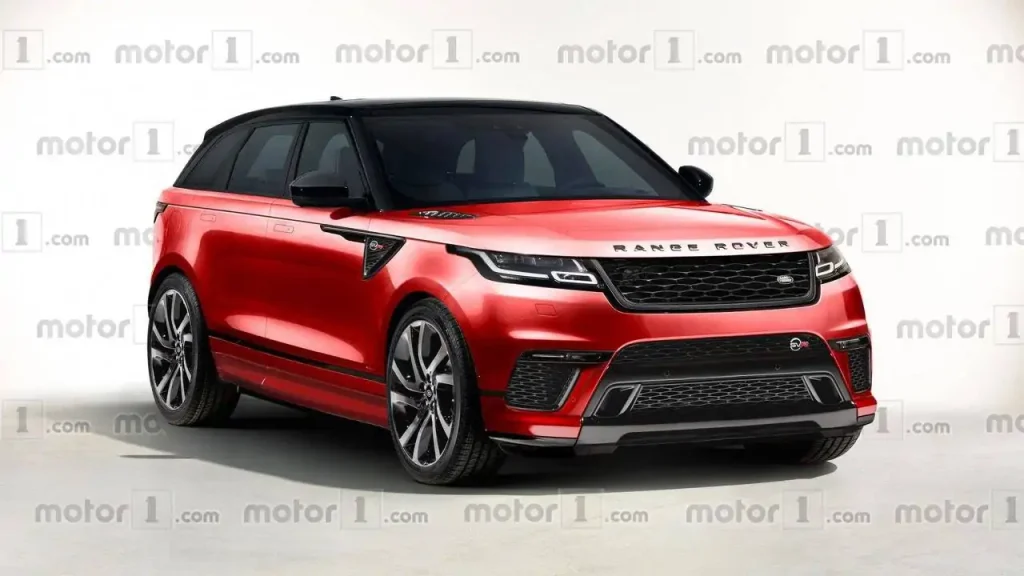
Land Rover’s Velar was already attracting attention for its sleek design, but an SVR version would take the luxury SUV into a much more performance-focused direction. The high-performance model was expected to receive a powerful supercharged V8 along with upgraded suspension, brakes, and chassis tuning.
The Velar SVR would essentially combine the Velar’s distinctive styling with the performance hardware associated with Jaguar Land Rover’s Special Vehicle Operations division. That would put it in direct competition with some of the fastest luxury crossovers on the market.
Rolls-Royce Cullinan
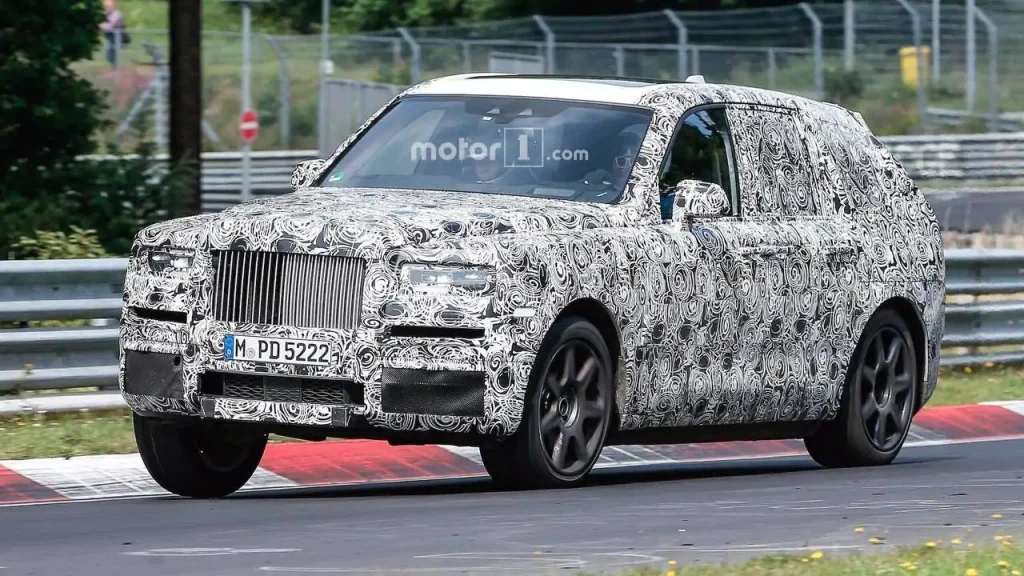
The Cullinan was expected to become Rolls-Royce’s first SUV, and the name alone made clear how important the project was. Rolls-Royce was not simply adapting an existing SUV platform; the company was developing a vehicle intended to provide the same level of luxury, refinement, and exclusivity as its Phantom and Ghost models.
The Cullinan was expected to feature a high-powered V12 and a sophisticated all-wheel-drive system. Inside, buyers could expect an exceptionally luxurious cabin with handcrafted materials and enormous attention to detail. Its arrival would also allow Rolls-Royce to compete for wealthy SUV buyers who might otherwise look to Bentley or Range Rover.
Tesla Pickup
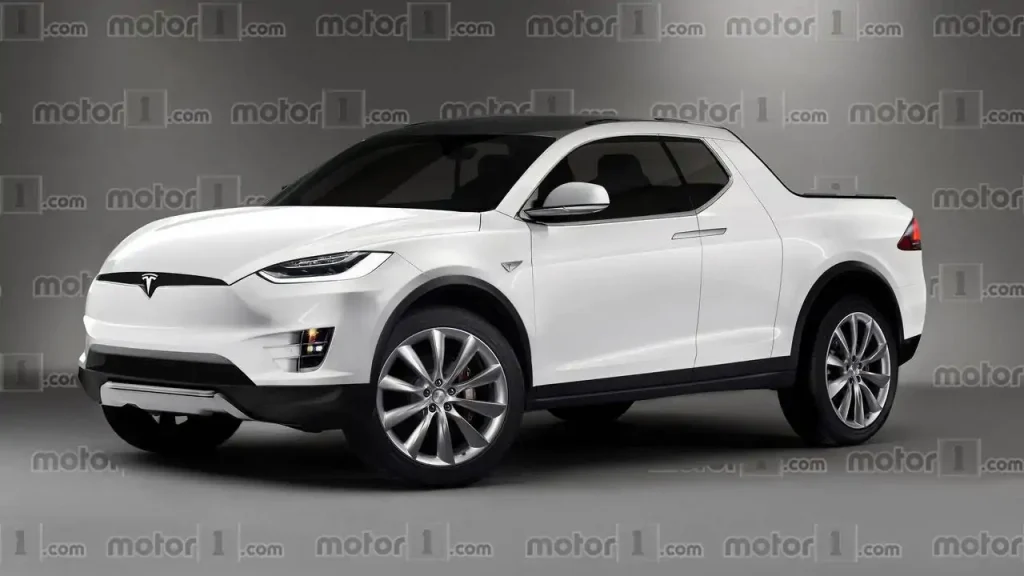
Tesla was already looking beyond the Model S, Model X, and upcoming Model 3, with Elon Musk discussing plans for an electric pickup truck. A pickup would represent a major expansion for Tesla because the American truck market is dominated by vehicles designed around towing, payload, durability, and off-road use.
Little was known about the production vehicle at this stage, but Musk had indicated that Tesla wanted a truck capable of competing with America’s established pickups. An electric powertrain could provide enormous low-speed torque, while the challenge would be delivering useful range and towing capability without making the vehicle excessively heavy.
Toyota Corolla
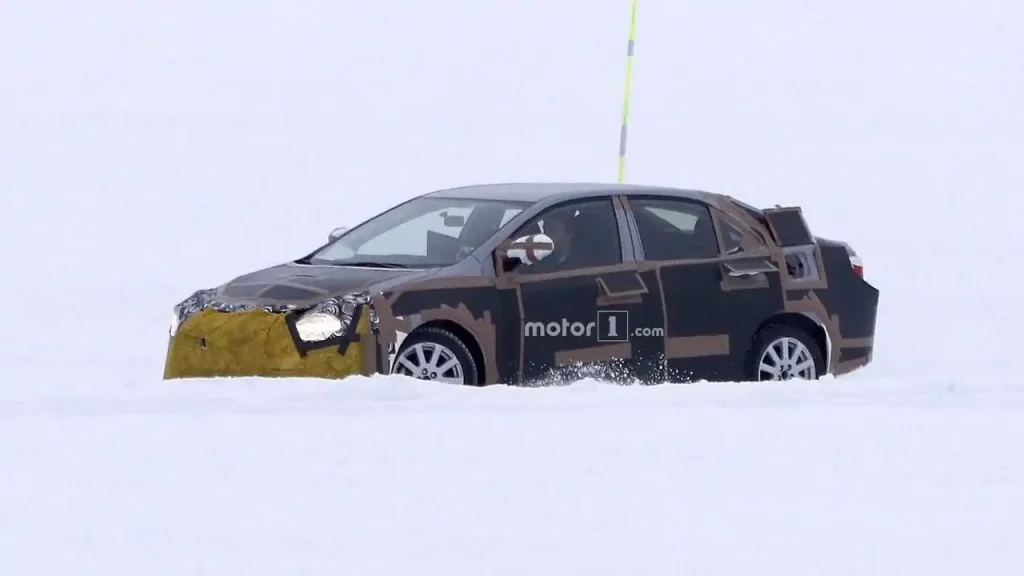
Toyota was preparing a new generation of the Corolla as the world’s best-known compact sedan continued to evolve. The next model was expected to move to the company’s newer TNGA architecture, which would allow Toyota to improve handling, packaging, and overall driving dynamics.
The Corolla would remain focused on affordability, reliability, and efficiency, but Toyota was also expected to give the sedan more expressive styling. Updated safety technology would be another major selling point as Toyota continued expanding its suite of active driver-assistance features.
Tesla Roadster
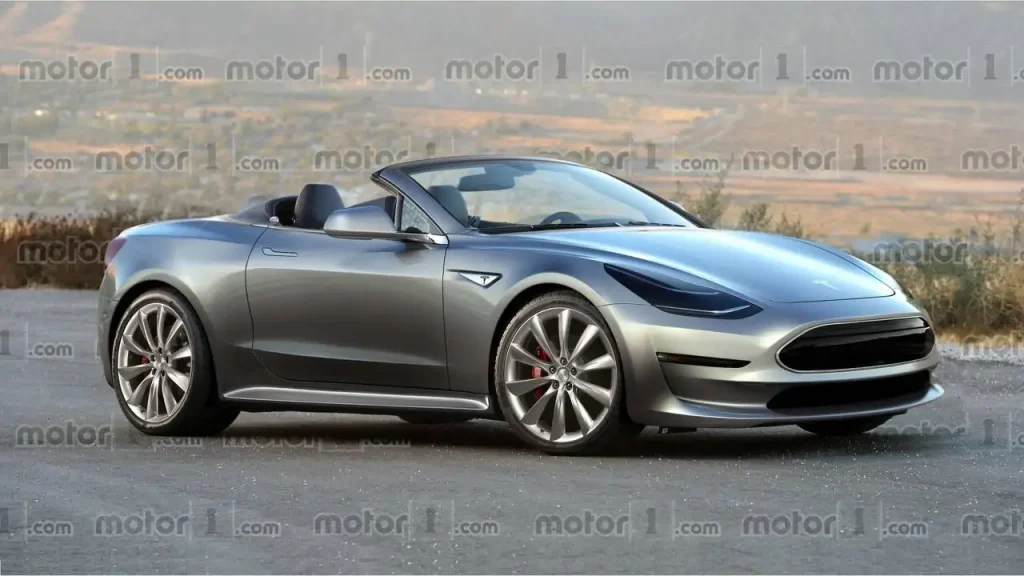
Tesla’s second-generation Roadster was one of the biggest surprises of 2017. Instead of being a simple revival of the original Lotus-based sports car, the new Roadster was presented as a high-performance electric machine designed to challenge the world’s fastest gasoline-powered cars.
Tesla claimed extraordinary acceleration and a 200-kWh battery pack with a targeted range of around 620 miles. The company also promised all-wheel drive through three electric motors and a removable roof panel. If those targets could be achieved, the Roadster would demonstrate just how far electric performance technology had advanced.
Toyota Supra
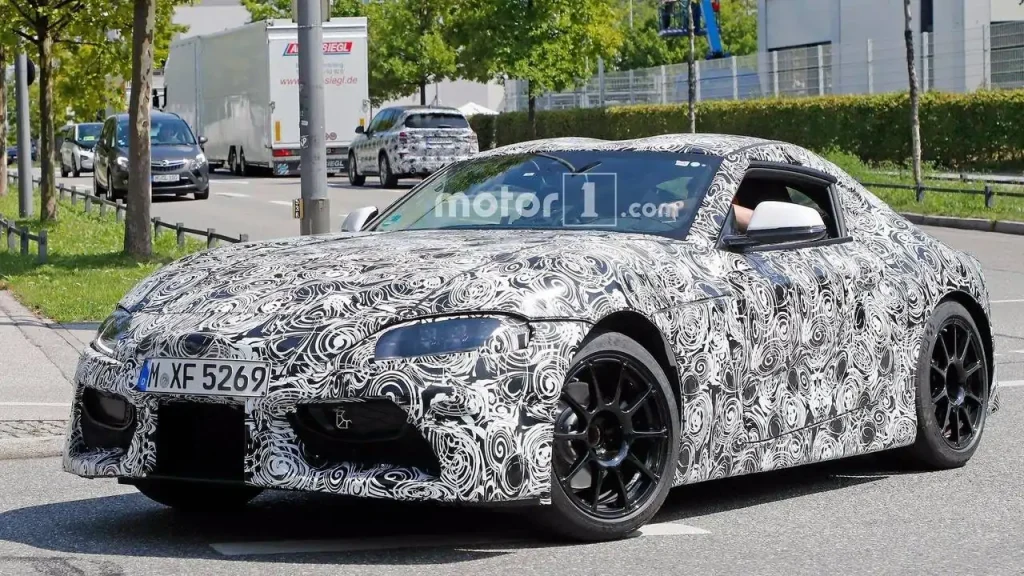
The Supra was preparing for a long-awaited return, with Toyota and BMW jointly developing a rear-wheel-drive sports-car platform. Toyota’s version was expected to revive the Supra name while remaining distinctly different from BMW’s related Z4.
A turbocharged inline-six was strongly expected, along with rear-wheel drive and a focus on handling rather than simply straight-line performance. After years without a new Supra, the project represented a major return to Toyota’s performance-car roots.
Volvo XC40
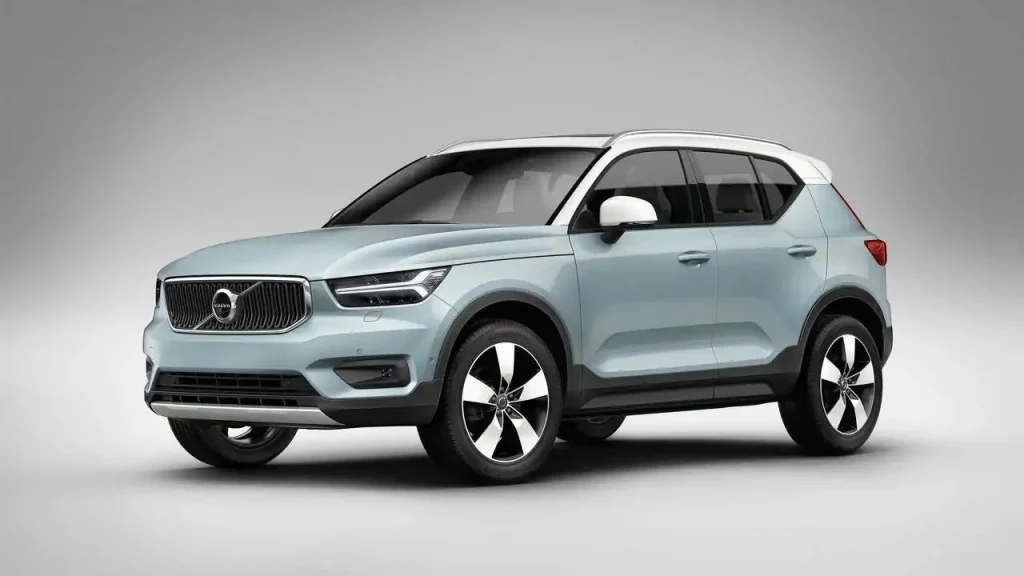
The XC40 was set to become Volvo’s smallest SUV and an important new entry in the premium compact-crossover market. It would sit below the XC60 while bringing Volvo’s distinctive Scandinavian design, safety technology, and practical interior packaging to a smaller vehicle.
The XC40 was expected to use Volvo’s four-cylinder engine family, with all-wheel drive available on appropriate versions. A hybrid or electrified variant was also a possibility as Volvo continued moving toward greater powertrain electrification. The new crossover would take on established competitors such as the BMW X1, Audi Q3, and Mercedes-Benz GLA.
Mid-Engine Chevrolet Corvette
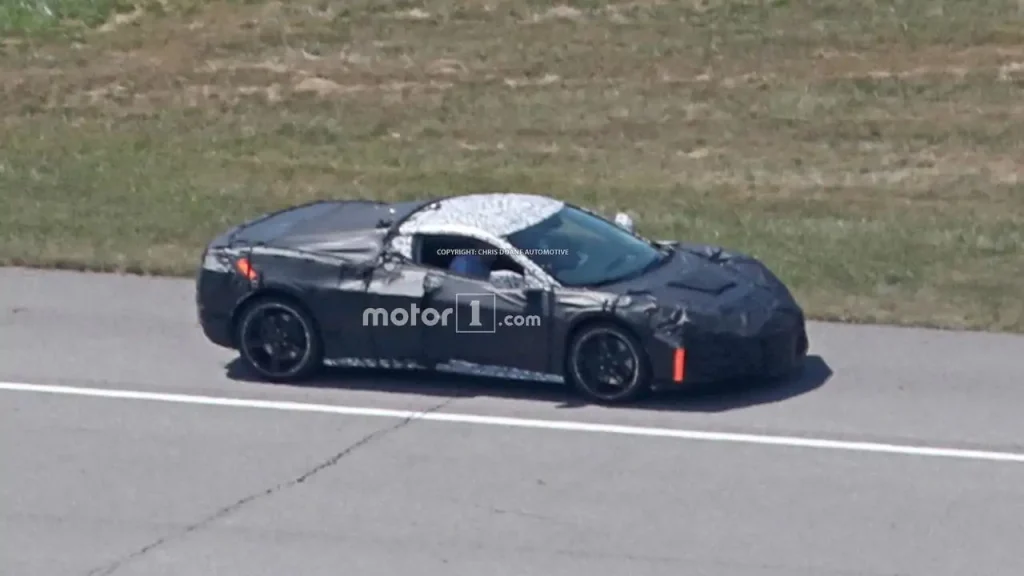
Perhaps the most intriguing American performance-car project was the long-rumored mid-engine Corvette. Spy photographs were beginning to provide stronger evidence that Chevrolet was actually developing a Corvette with its engine behind the passenger compartment.
Moving the engine behind the cabin would represent a fundamental change to the Corvette formula. The layout could improve weight distribution, traction, braking, and cornering performance, potentially allowing Chevrolet to challenge exotic European sports cars on their own turf. Details about engines and pricing remained uncertain, but the prospect alone made this one of the most closely watched future cars.