
When bold design matters more than balance, these unusual vehicles take a decidedly unconventional approach.
Automotive design is usually built around one fundamental idea: symmetry looks right. Designers spend countless hours making sure headlights line up, body panels mirror each other, and a vehicle’s proportions look balanced from every angle. Like any other form of visual art, automotive styling relies heavily on harmony to create a shape that feels natural and appealing.
But what happens when designers decide that symmetry is overrated?
While the vast majority of cars on the road follow the conventional formula, a tiny fraction deliberately break away from it. These asymmetrical vehicles challenge the notion that a car needs perfect balance to look good—or even to work well. In some cases, the unusual design serves a clear purpose, such as improving access, increasing cargo capacity, or creating additional room for passengers and equipment. In others, the designers simply wanted to create something completely different.
That’s what makes asymmetrical vehicles so fascinating. Some were built as ordinary production cars that you might actually encounter on the road, while others remained ambitious concepts created to explore ideas that were too unconventional for mass production. A few became automotive icons precisely because they refused to blend in.
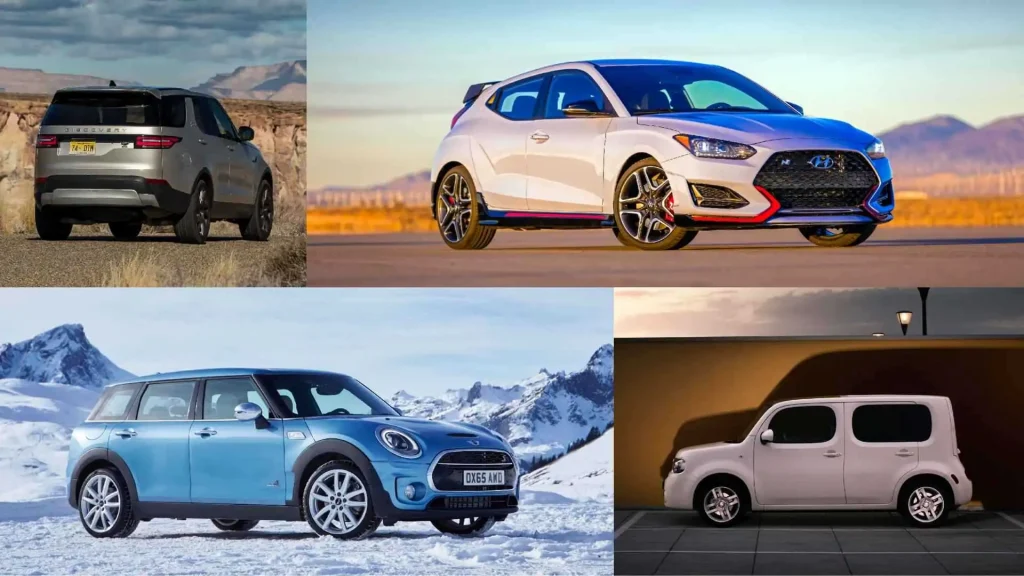
We’ve gathered 12 of our favorite examples, ranging from familiar models such as the Hyundai Veloster and Mini Clubman to obscure concepts and unusual machines that many enthusiasts may never have encountered before.
They don’t all follow the same design philosophy, and they certainly aren’t all conventionally beautiful. But they share one important characteristic: they refuse to play by the rules.
Here are 12 vehicles that prove automotive design doesn’t always have to be perfectly balanced to make a lasting impression.
Table of Contents
BMW Vision ConnectedDrive
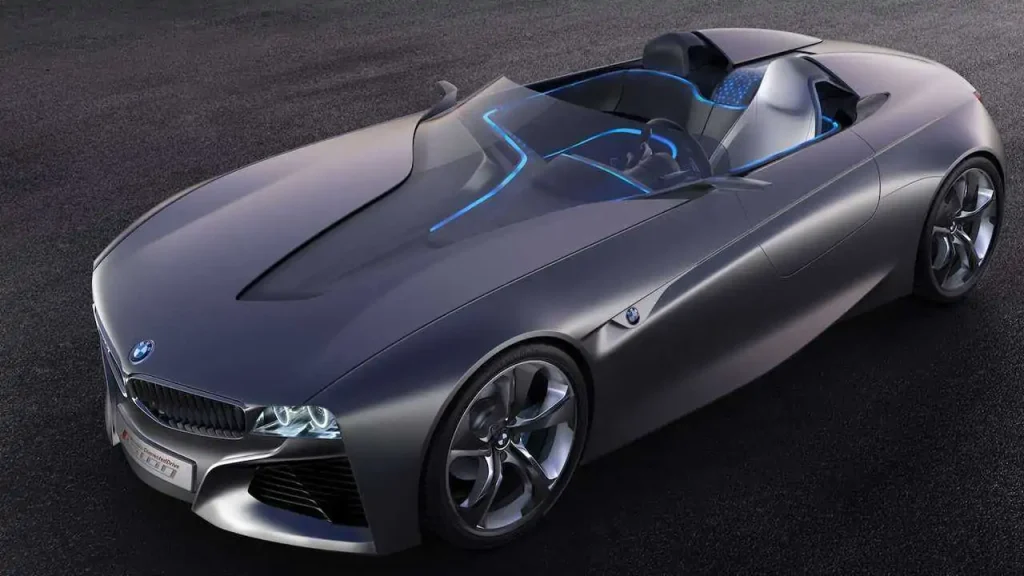
The BMW Vision ConnectedDrive was a futuristic roadster concept unveiled at the 2011 Geneva Motor Show, and its unusual appearance came from more than just dramatic styling. BMW designed the two-seat concept around the interaction between the driver, passenger, vehicle, and surrounding environment, using layered bodywork, unusual lighting, and sliding door sections that moved in opposite directions. The result was a car that looked different from almost every angle, with the exterior and interior deliberately treated as interconnected design elements. BMW never intended the Vision ConnectedDrive for production; instead, it served as a rolling demonstration of future connectivity, driver assistance, and design ideas.
Citroën 2CV Prototype
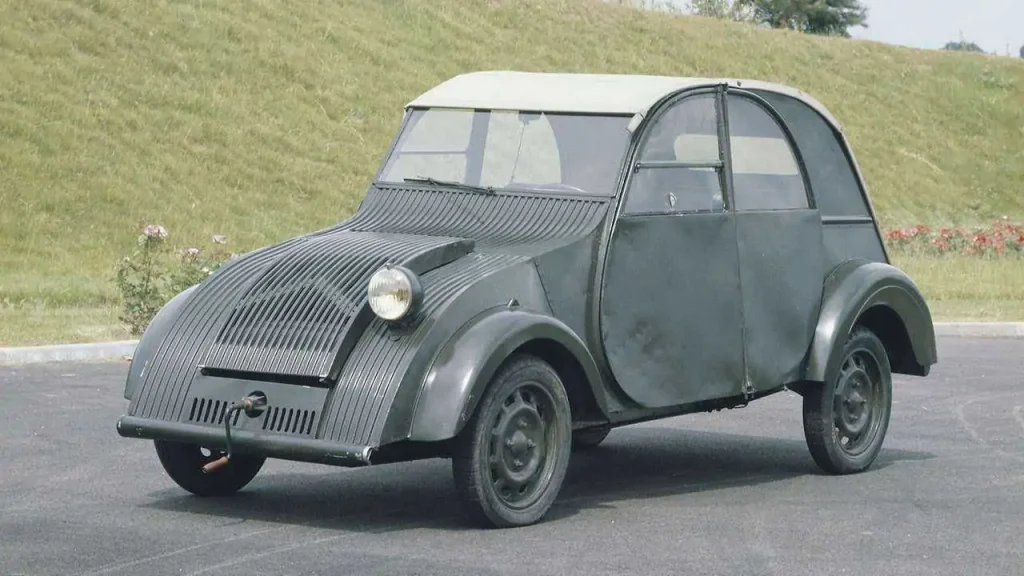
Long before the production 2CV became one of Citroën’s most recognizable cars, the company experimented with several prototypes for its lightweight people’s car. The early 2CV development vehicles reflected Citroën’s willingness to abandon conventional construction in pursuit of simplicity, affordability, and practicality. Their unusual proportions and unconventional details were driven by an engineering philosophy that prioritized function over appearance. The production 2CV eventually became famous for its simple body, extremely soft suspension, lightweight construction, and remarkable ability to carry people and cargo over rough roads. While the prototype was not as polished as the eventual production car, it showed how radically Citroën was willing to rethink the ordinary automobile.
DS X E-TENSE
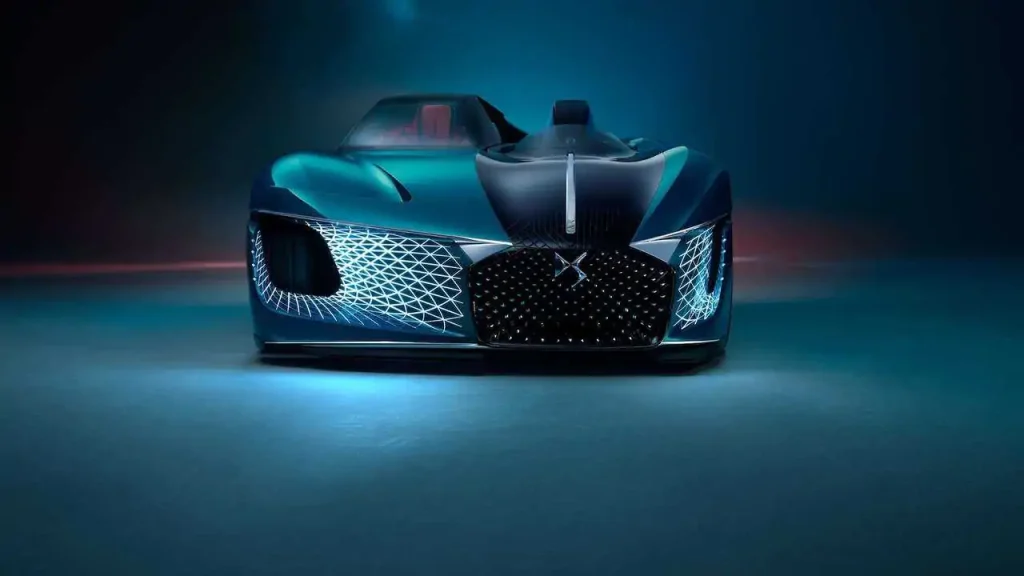
The DS X E-TENSE may be the most deliberately asymmetrical vehicle on this list. Created as a vision of what a luxury performance car could look like in 2035, the concept was intentionally designed around two different experiences within one vehicle. One side is dedicated to driving, while the other creates a luxurious passenger cocoon accessed through a butterfly-style door. The three-seat layout and radically different sides make symmetry almost irrelevant. DS even describes the vehicle itself as asymmetric, with its design intended to combine autonomous luxury travel with the excitement of driving. Its imagined electric powertrain was rated at 540 horsepower in road mode and up to 1,360 hp in a more extreme circuit configuration.
Ford Fiesta Urba
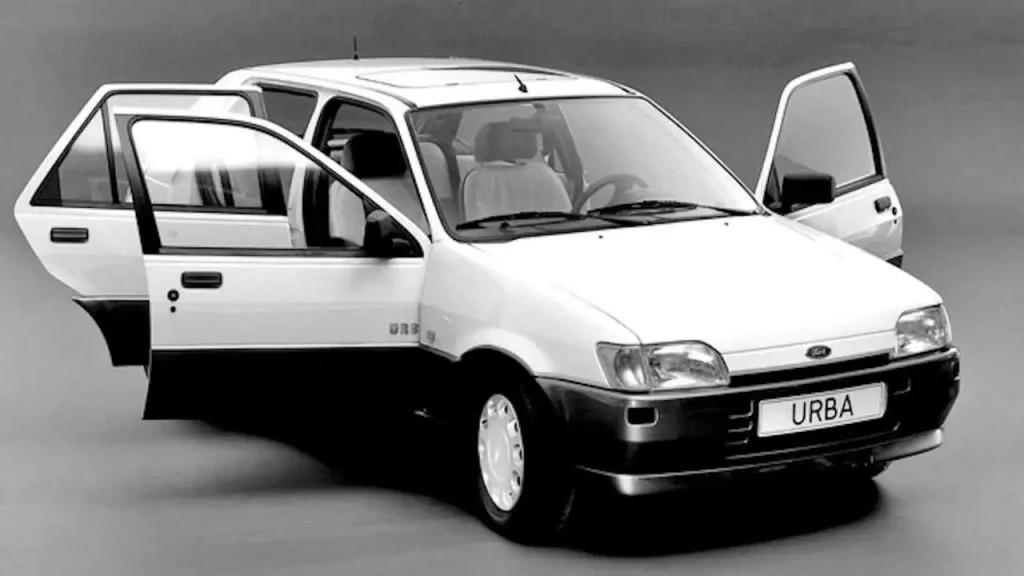
The Ford Fiesta Urba was an early experiment in the same unusual door arrangement later made famous by the Hyundai Veloster and MINI Clubman. Introduced as a concept in 1989, the Urba used one door on the driver’s side and two on the passenger side, giving rear passengers easier access from the curb. Ford also equipped the concept with several unusual urban-oriented features, including parking sensors, additional storage areas, and a small refrigerator. The Fiesta’s basic shape remained familiar, but the asymmetrical door arrangement completely changed its practicality. The Urba never reached production, but it demonstrated that Ford was exploring the idea decades before asymmetrical hatchbacks became fashionable.
Hyundai Veloster
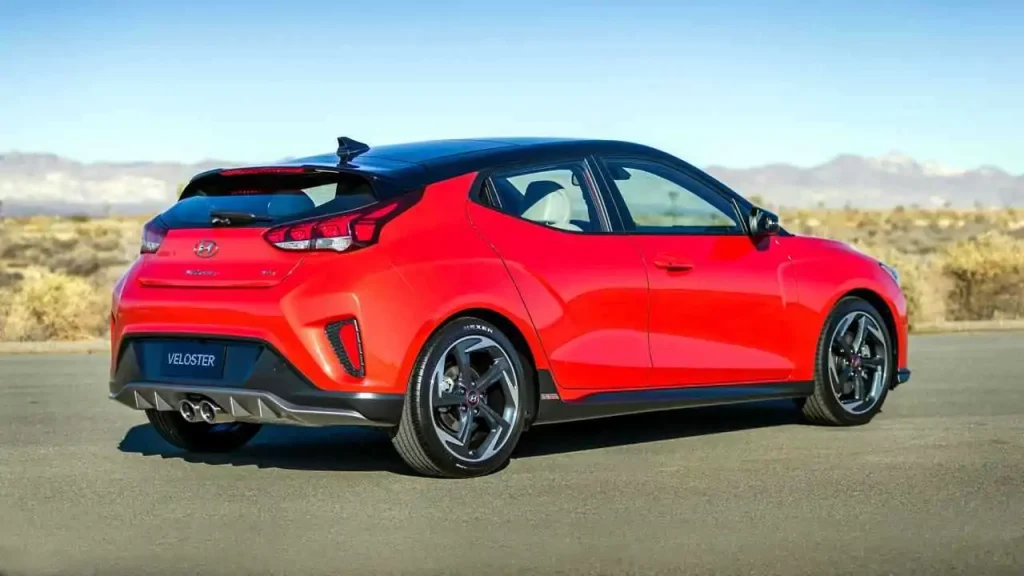
The Hyundai Veloster brought asymmetrical design into mainstream production. Instead of giving the compact hatchback two doors on each side, Hyundai fitted one large door on the driver’s side and two doors on the passenger side, with the additional rear door cleverly integrated into the car’s profile. The arrangement allowed Hyundai to maintain the sporty appearance of a coupe while making access to the back seat considerably easier. It was an unusual solution that immediately distinguished the Veloster from conventional hatchbacks. The asymmetry wasn’t simply a styling gimmick—it gave the car a practical advantage while preserving its distinctive silhouette.
Land Rover Discovery
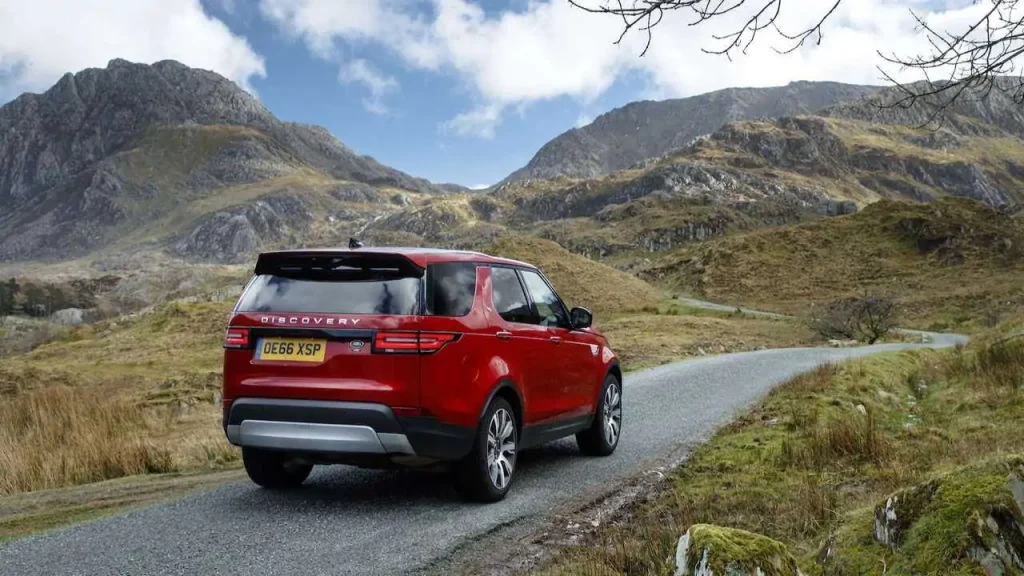
The Land Rover Discovery is a more subtle example of asymmetrical automotive design. Early versions of the iconic SUV used an offset spare wheel mounted on the rear door, creating a distinctly uneven appearance from behind. The arrangement was closely tied to the Discovery’s practical, expedition-oriented character, where carrying a full-size spare externally helped preserve interior cargo space. Combined with the model’s stepped roof and distinctive rear treatment, the offset spare became one of the visual characteristics associated with early Discoverys. It wasn’t asymmetry for the sake of being different; it was a practical solution that happened to become part of the vehicle’s identity.
MINI Clubman
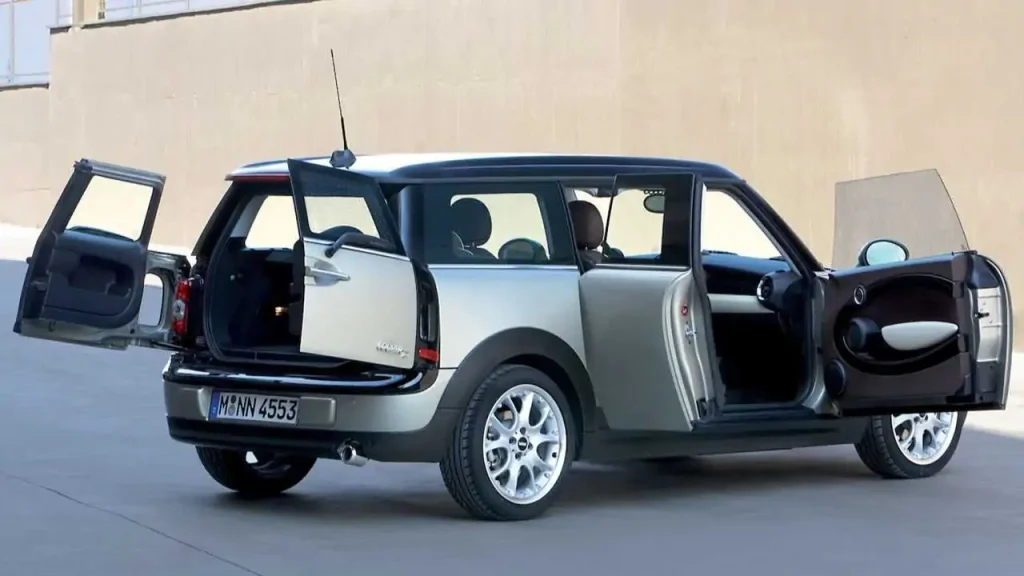
The first modern MINI Clubman took the brand’s compact hatchback formula and gave it an unusual asymmetrical door layout. Along with the conventional front doors, the car featured a small rear-hinged access door on one side, making it easier for passengers to reach the back seats. At the rear, split barn-style doors opened to reveal the cargo area. The result was a MINI that looked familiar from one side but noticeably different from the other. The unusual arrangement helped give the Clubman additional practicality without abandoning the distinctive proportions and personality of the MINI family.
Nissan Bevel
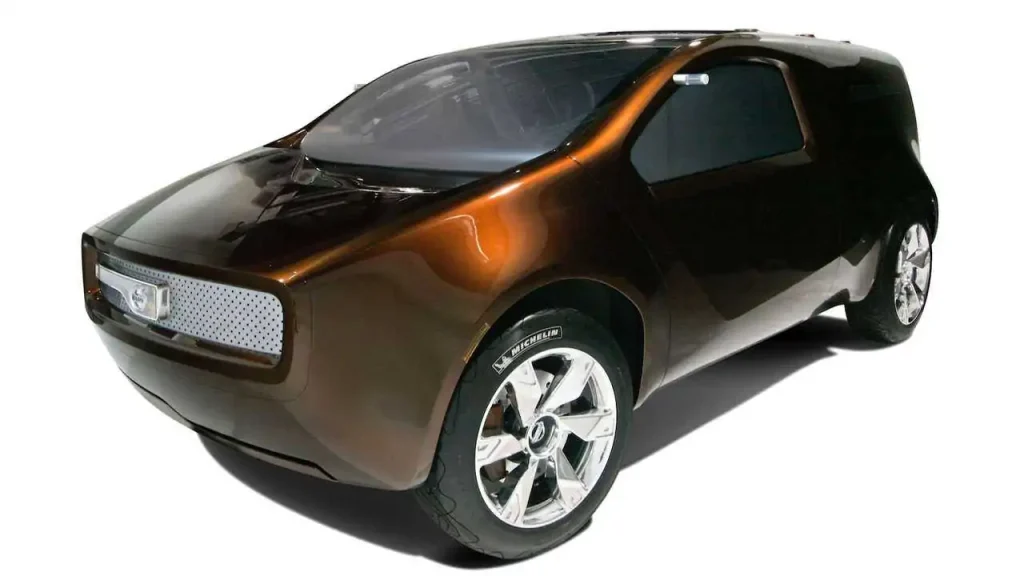
The Nissan Bevel concept was designed around the idea of a vehicle for people who needed serious utility without driving a conventional commercial van. Its asymmetrical door arrangement included a large driver’s-side door and two doors on the opposite side, creating easier access to the passenger and cargo areas. Nissan also designed the interior around equipment, tools, and everyday gear, making the Bevel more of a mobile workspace than a traditional family vehicle. The concept never entered production, but it showed how asymmetric packaging could be used to prioritize functionality rather than simply creating an unusual appearance.
Nissan Cube
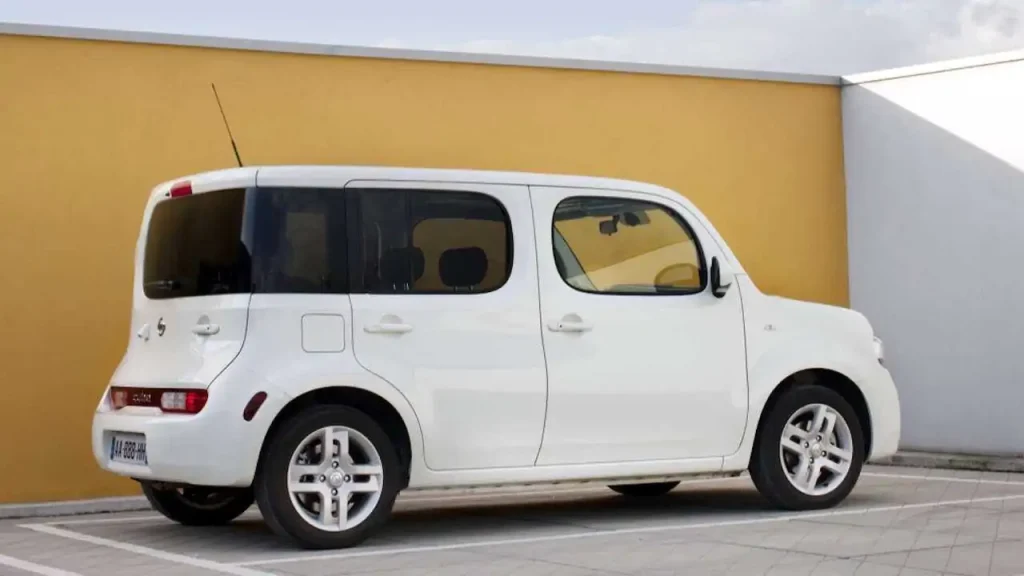
The Nissan Cube was already unconventional because of its upright, boxy shape, but its asymmetrical rear design made it even more distinctive. On third-generation models, the rear window wraps around toward one side of the vehicle rather than being mirrored perfectly, creating a deliberately uneven appearance. The unusual treatment was especially noticeable from behind, where the glass and bodywork flow differently on either side. Nissan also used a side-hinged rear door instead of a conventional liftgate. The Cube’s designers weren’t trying to make a conventional hatchback look strange—they were creating a completely different visual identity from the ground up.
Plymouth XNR
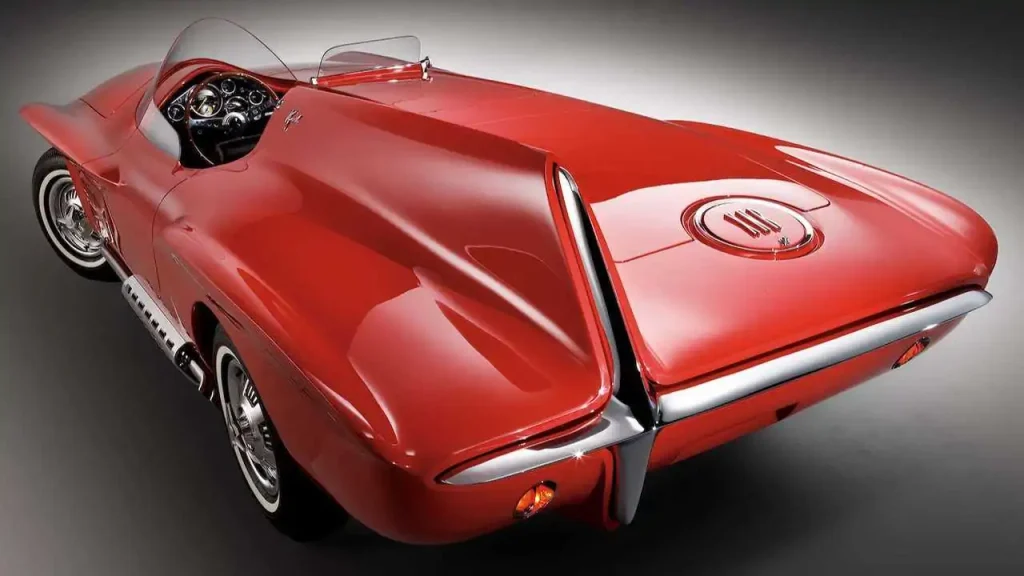
The 1960 Plymouth XNR took asymmetry to an entirely different level. Designed by Virgil Exner, the dramatic two-seat roadster concentrated much of its visual mass around the driver. A large offset hood scoop flowed rearward into a raised driver’s-side section, which continued behind the cockpit as a tall fin and headrest. The passenger sat lower and farther back, while the two sides even used different windshield arrangements. The XNR was based on a shortened Plymouth Valiant chassis and remained a one-off concept, but its radical shape was far more than a styling exercise. The entire car was conceived around the driver, giving it an unmistakably lopsided appearance.
Renault 4
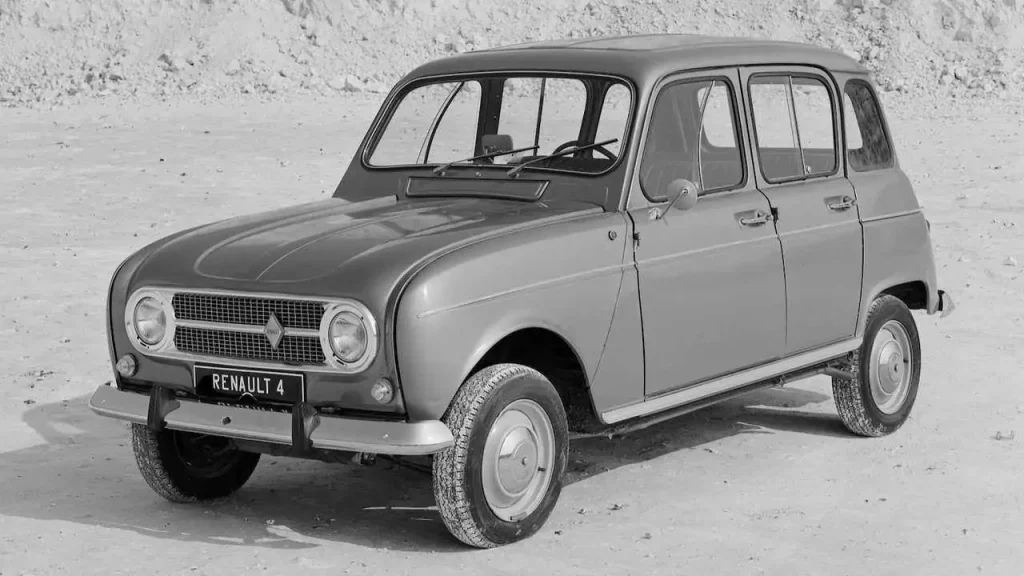
The Renault 4 was designed primarily around simplicity and practicality, and its unconventional proportions helped make it one of Europe’s most useful small cars. Its tall roof, simple bodywork, folding rear seats, and large hatch gave it exceptional versatility for its size. While it isn’t as dramatically asymmetrical as some of the concepts on this list, the Renault 4 demonstrated how functional design could take precedence over traditional styling conventions. Its upright body and unusual proportions helped establish a formula that would influence generations of practical hatchbacks and small utility vehicles.
Renault EOLAB
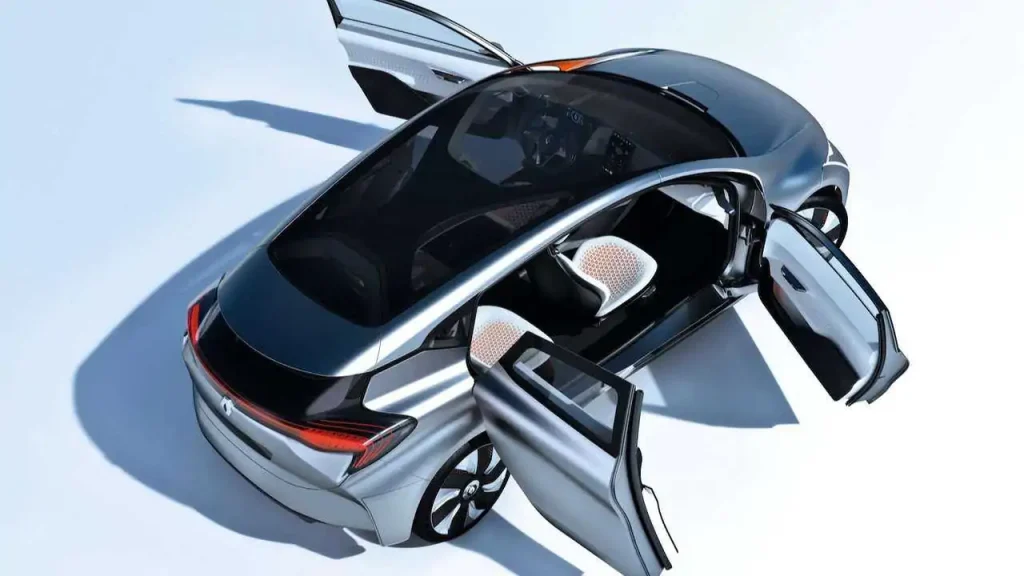
The Renault EOLAB concept brought asymmetry into a modern efficiency-focused design. Unveiled in 2014, the lightweight prototype used one door on the left side and two on the right, echoing the basic arrangement later seen on the Hyundai Veloster. Renault wasn’t simply trying to make the EOLAB look unusual, though. The concept was designed to demonstrate advanced aerodynamic and lightweight technologies, combining a three-cylinder gasoline engine with an electric motor in a plug-in hybrid system. Weighing just 955 kilograms, the EOLAB showed how unconventional packaging and advanced engineering could work together in pursuit of extreme efficiency.
Automotive design has become increasingly sophisticated, but that doesn’t mean every new car needs to follow the same visual formula.
Sometimes the most memorable designs are the ones that make people stop and ask, “What were they thinking?”
The 12 vehicles here demonstrate that asymmetry can serve many purposes. It can improve functionality, create more interior space, reduce aerodynamic drag, showcase new technology, or simply make a vehicle impossible to ignore.
Some of these designs were successful. Others were too strange for the showroom.
But all of them prove that automotive design doesn’t always need perfect harmony.
Sometimes, the most interesting cars are the ones that deliberately break the mold.