
From luxury SUVs to sports cars, these models take inspiration from some very familiar designs.
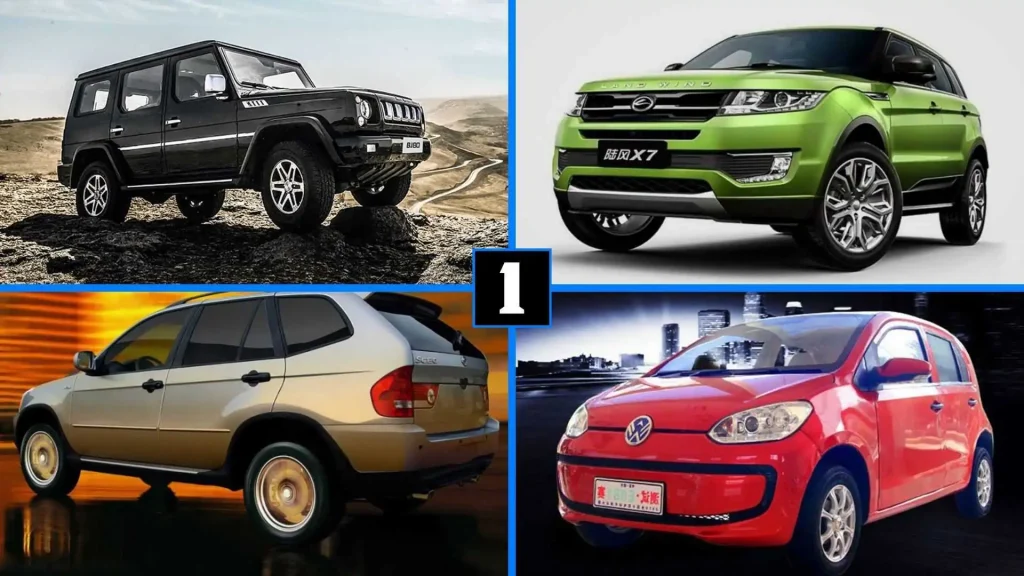
China’s automotive industry has undergone a remarkable transformation, evolving from a relatively young domestic market into a major force in the global car business. But the journey wasn’t always defined by groundbreaking designs or original ideas. In the industry’s earlier days, some Chinese automakers took heavy inspiration from successful vehicles already on sale in Europe, Japan, and the United States.
Some examples merely borrowed familiar styling cues, while others came remarkably close to replicating the cars that inspired them. The result was a strange and fascinating collection of vehicles that seemed to borrow everything from the Porsche 911 and Macan to the MINI Cooper, Mercedes-Benz G-Class, and Range Rover Evoque.
Most of these cars remained confined to China and a handful of other markets, meaning buyers in the U.S. and much of Europe never had the chance to encounter them in local showrooms. That hasn’t stopped them from becoming memorable pieces of automotive history.
Today, these unusual models provide a glimpse into an earlier chapter of China’s rapidly developing car industry. From tiny city EVs to oversized SUVs, here are 12 Chinese cars that looked remarkably familiar.
Table of Contents
BAIC BJ80
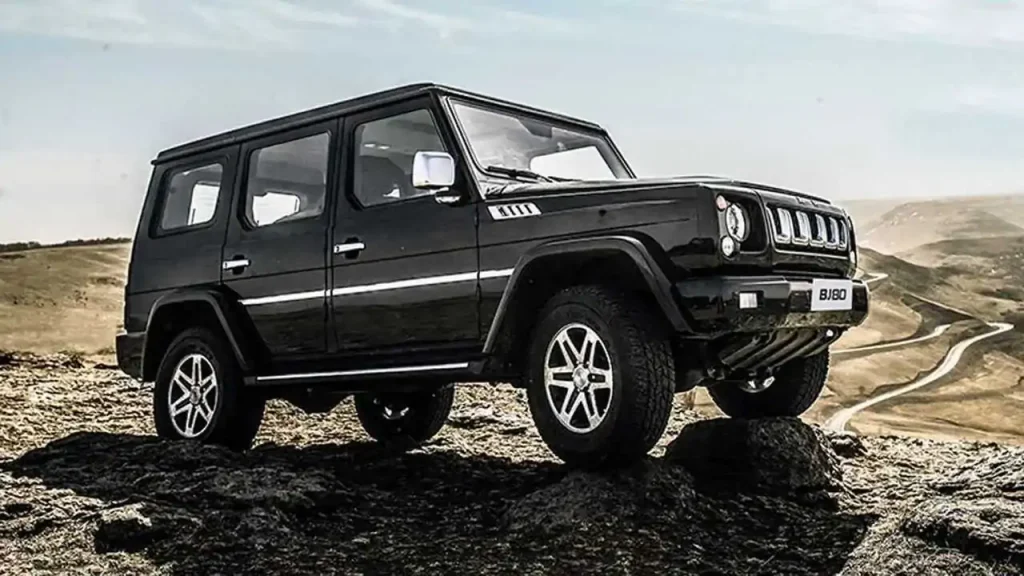
The BAIC BJ80 is another Chinese SUV that attracted attention for its resemblance to the Mercedes-Benz G-Class. Its boxy proportions, upright windshield, squared-off bodywork, prominent grille, and exposed spare tire give it an unmistakably G-Wagen-inspired appearance. Underneath the familiar styling, however, the BJ80 was developed as a more affordable off-road-oriented SUV for the Chinese market, making it considerably less expensive than the luxury Mercedes it appeared to emulate.
BAIC Huansu C60
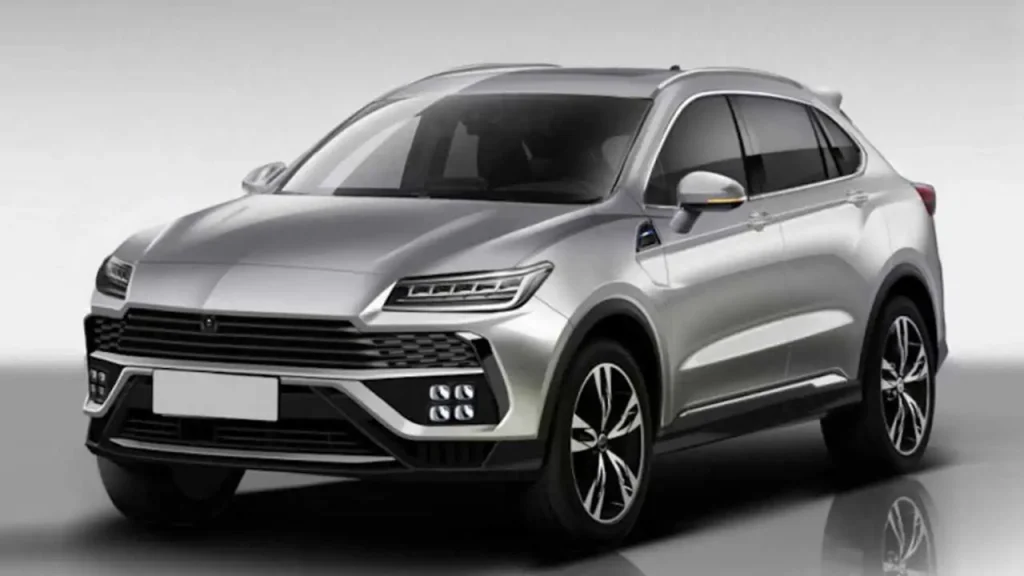
The BAIC Huansu C60 didn’t exactly hide its design influences. The SUV’s proportions, roofline, and aggressive front end drew immediate comparisons to the Lamborghini Urus, particularly when viewed from the front three-quarter angle. Its sharply styled body and sloping profile created a distinctly exotic-SUV appearance, although the C60 and Urus were aimed at completely different customers and occupied vastly different price points.
CH Auto Lithia
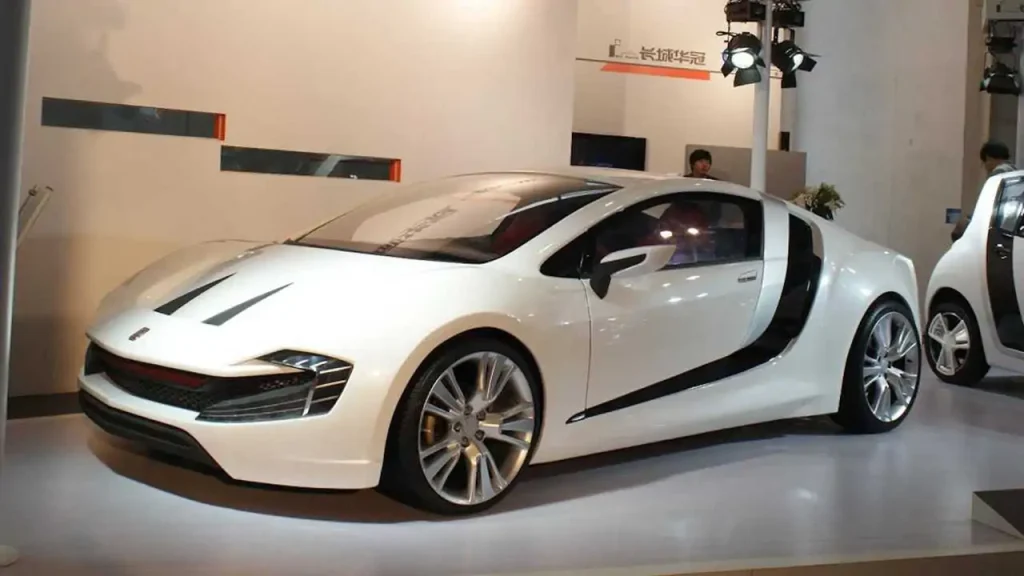
The CH Auto Lithia took a more experimental approach than many of the Chinese cars associated with design copying. This futuristic concept featured unusual proportions and an unconventional overall shape, reflecting CH Auto’s interest in pushing beyond traditional automotive design. Rather than mimicking one specific model, the Lithia incorporated several themes that were becoming popular in the international automotive world.
Eagle EG63330K
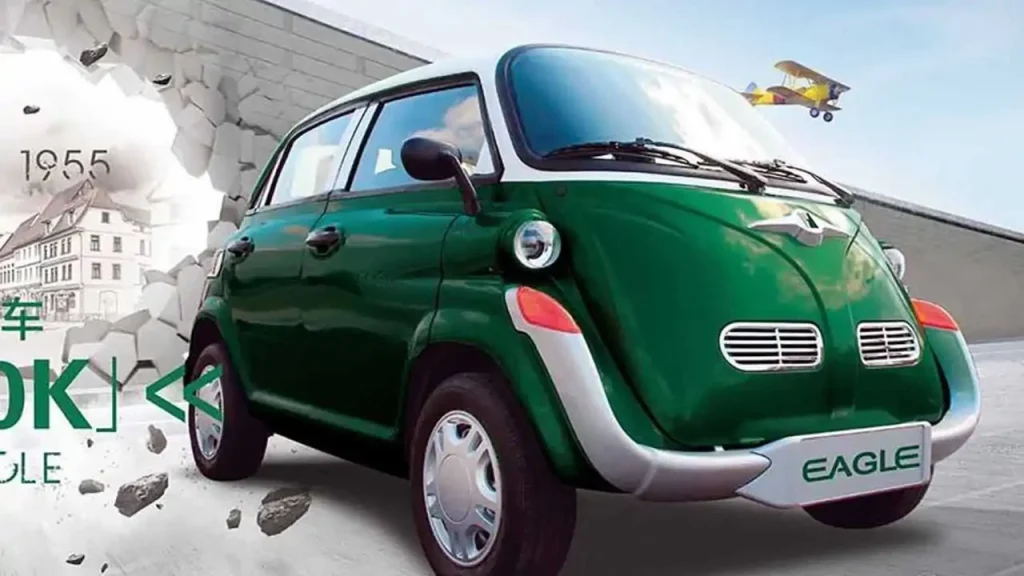
The Eagle earned plenty of attention for its unmistakable Porsche 911 influence. Its rounded headlights, low hood, fastback roofline, and rear proportions closely followed the basic visual formula of Porsche’s legendary sports car. The result was a much more affordable vehicle that borrowed heavily from one of the most recognizable performance-car silhouettes ever created.
Landwind X7
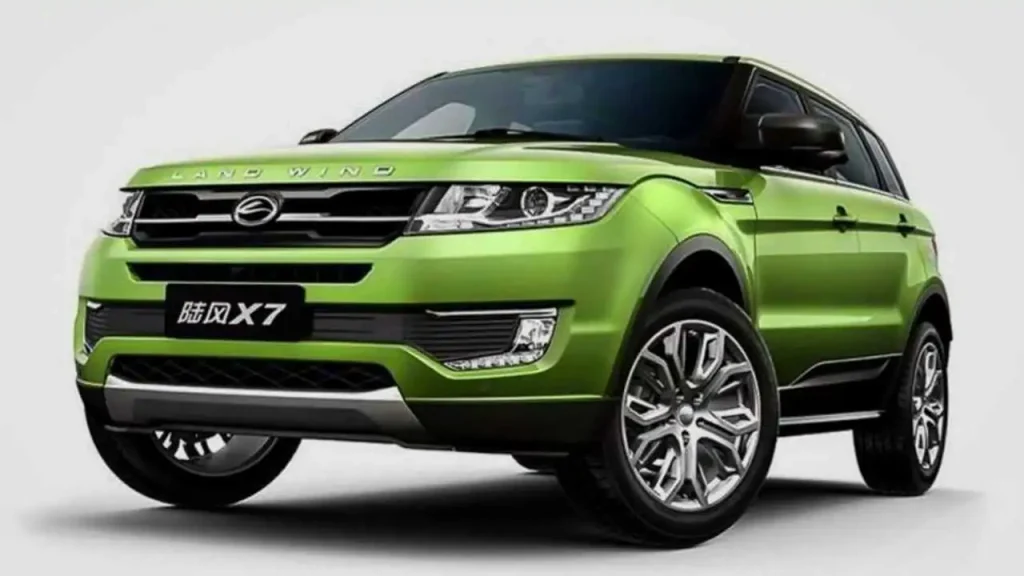
Few Chinese-market vehicles became as closely associated with automotive design-copying controversy as the Landwind X7. Its resemblance to the Range Rover Evoque was immediately apparent, with similarities extending to the roofline, windows, side profile, proportions, and front-end treatment. The design eventually prompted legal action from Jaguar Land Rover, turning the X7 into one of the best-known examples of disputed automotive styling.
Lifan 320
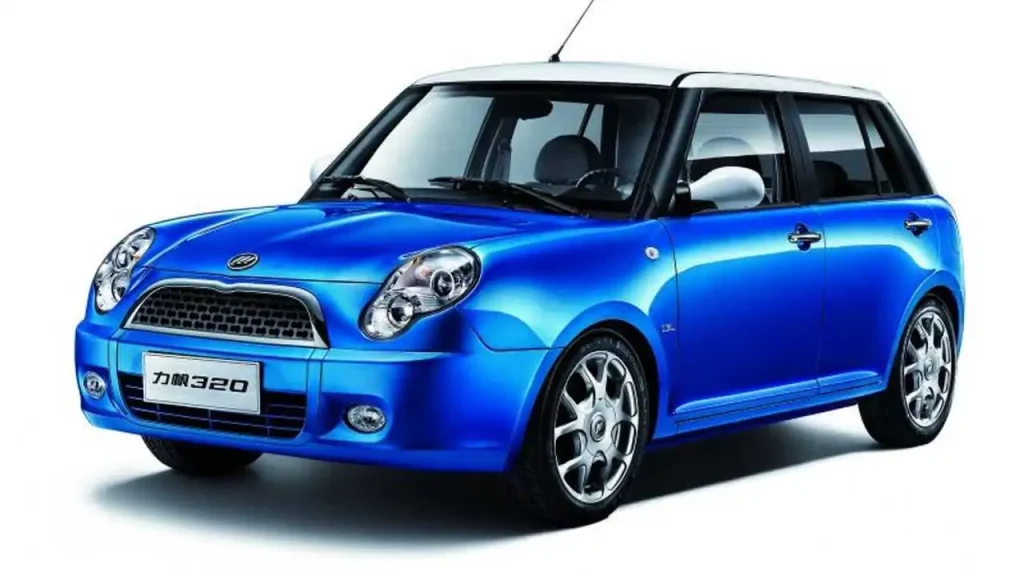
The Lifan 320 made its inspiration fairly obvious. The little hatchback closely followed the visual formula of the MINI Cooper, from its round headlights and upright windshield to its compact proportions and contrasting roof. It wasn’t nearly as expensive as the MINI, instead targeting buyers who wanted a fashionable-looking city car without the premium price tag.
Shuanghuan SCEO
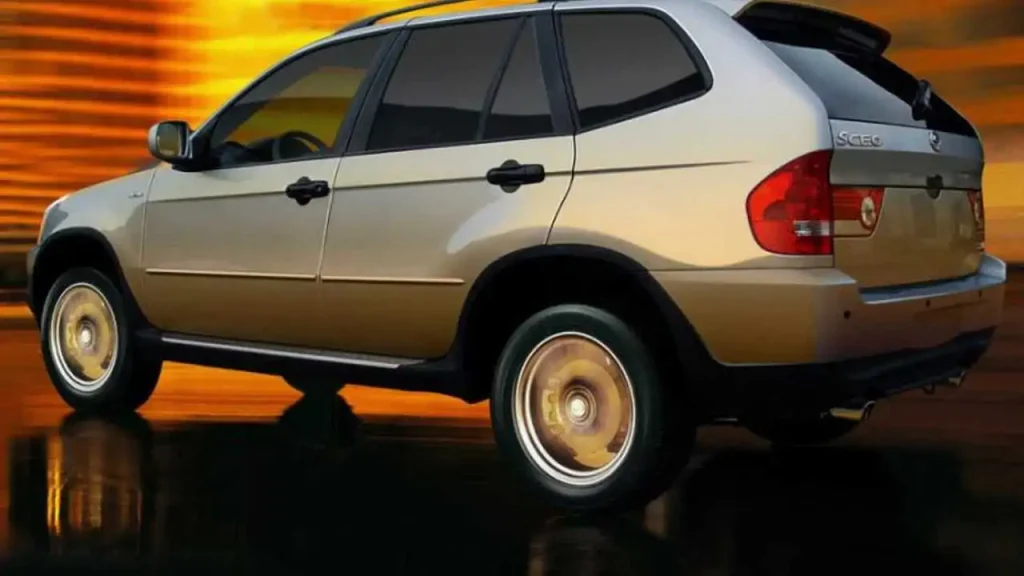
The Shuanghuan SCEO looked like someone had taken the basic proportions of a BMW X5 and reworked them into a more affordable package. Its grille, headlights, body shape, and overall stance all invited comparisons with BMW’s luxury SUV. The similarities attracted plenty of attention when the SCEO appeared at European auto shows and entered markets outside China.
Suzhou Eagle Carrie
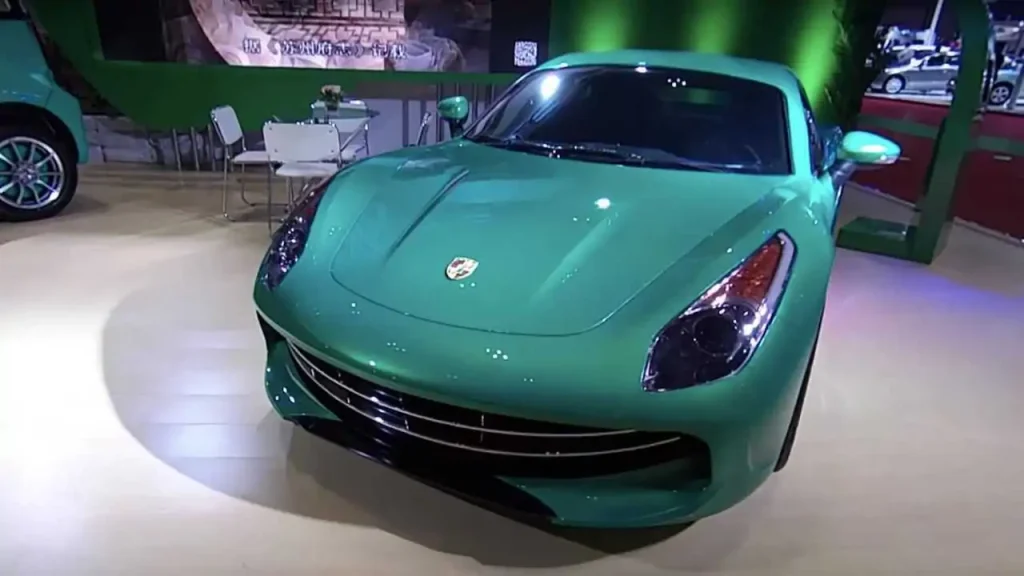
The Suzhou Eagle Carrie was an especially curious combination of small-car practicality and sports-car styling. Its design appeared to draw inspiration from the Porsche 718 Boxster, incorporating a low, roadster-like shape into an inexpensive electric vehicle. Suzhou Eagle specialized in small EVs, making the Carrie an unusual attempt to give budget-friendly electric transportation a much sportier appearance.
Weikerui V7
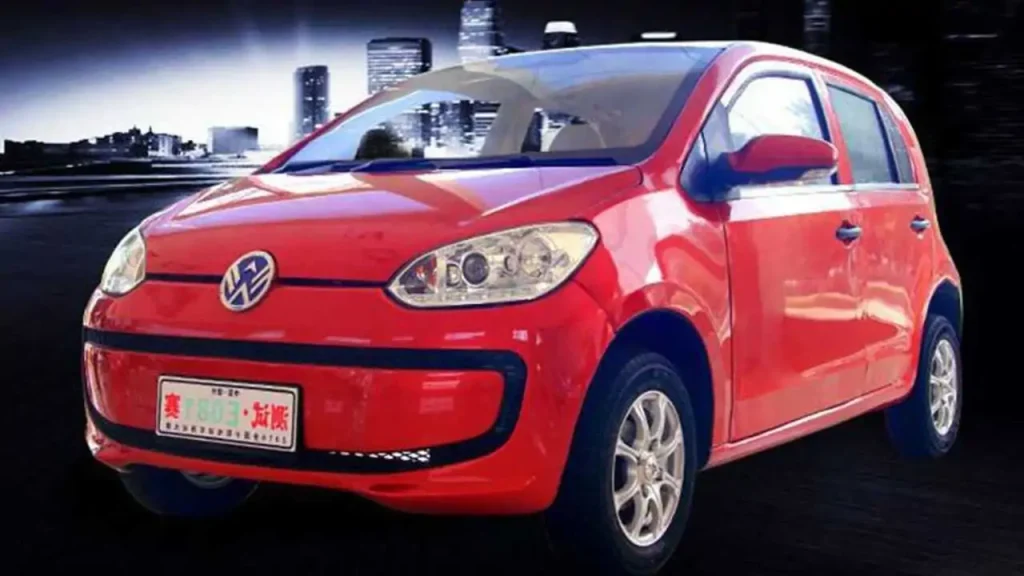
The Weikerui V7 was part of a wave of tiny Chinese electric vehicles designed primarily for short-distance urban travel. Its compact dimensions and rounded styling reflected design cues already familiar from established Western city cars. Like many vehicles in this category, the V7 prioritized affordability and practicality over performance, with its styling helping give it a more recognizable identity.
Zotye SR9
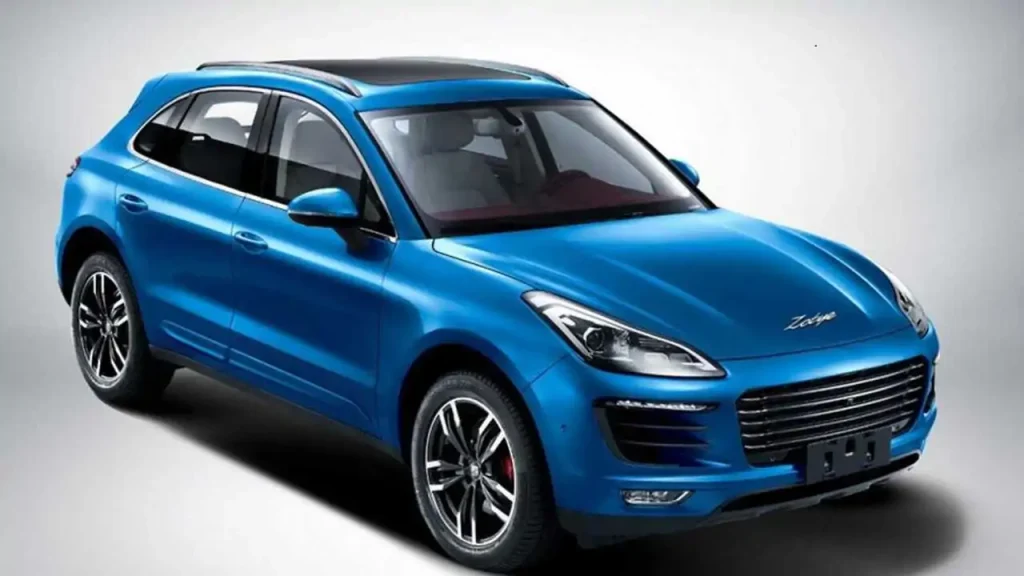
The Zotye SR9 took inspiration from the Porsche Macan to an unusually obvious degree. The similarities weren’t limited to the exterior, either, as the cabin also featured a dashboard and overall layout that recalled Porsche’s design language. The formula was simple: offer the appearance of a high-end German SUV at a fraction of the price.
Yomogo 330
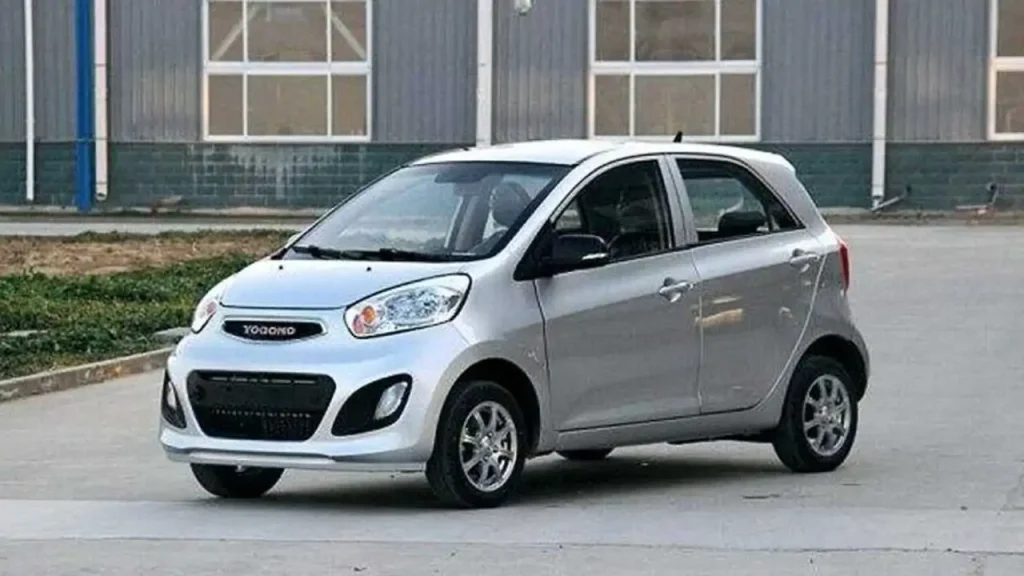
The Yomogo 330 looked like a Chinese interpretation of the Fiat 500, particularly around its rounded bodywork and front-end design. Its tiny dimensions and city-focused electric powertrain made it much more practical as inexpensive urban transportation than as a performance machine. Still, the familiar European-inspired styling gave this little EV considerably more personality than its basic mechanical package suggested.
Zotye T600
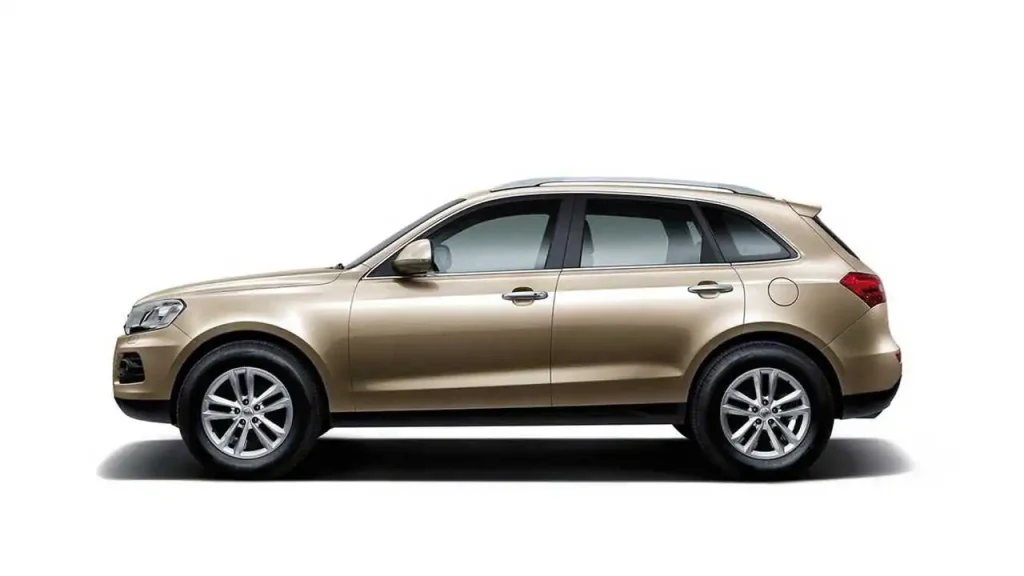
The Zotye T600 continued the company’s reputation for drawing inspiration from established international designs. Its grille, headlights, proportions, and overall SUV profile featured styling cues that brought Volkswagen’s crossover lineup to mind. Despite those premium-looking details, the T600 was positioned as an affordable family SUV, giving buyers a less expensive alternative to the larger and costlier models it appeared to emulate.