
The 25-year rule finally opened the door to the original Lotus Elise, Nissan Stagea, TVR Cerbera, and other forbidden gems.
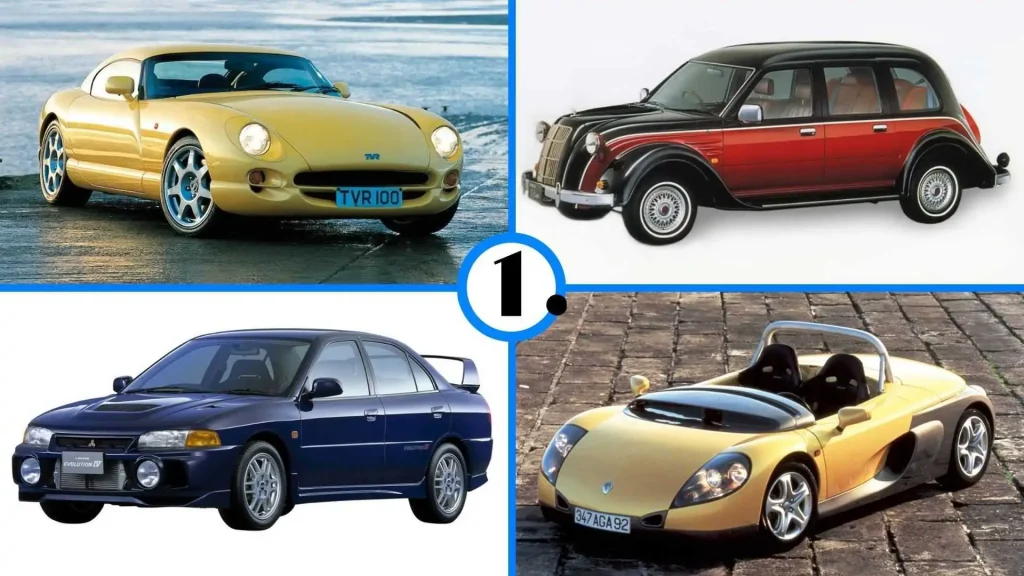
It’s time to start looking at the cars that were once off-limits to American buyers but are now eligible for import. Under the U.S. 25-year import rule, vehicles are generally exempt from federal safety and emissions requirements once they reach 25 years from their month of manufacture. That opens the door for 1996-model-year machines to finally make their way onto American roads. From rare performance cars to wonderfully strange oddballs, here are some of the most intriguing vehicles that are now fair game.
Table of Contents
Ford Ka
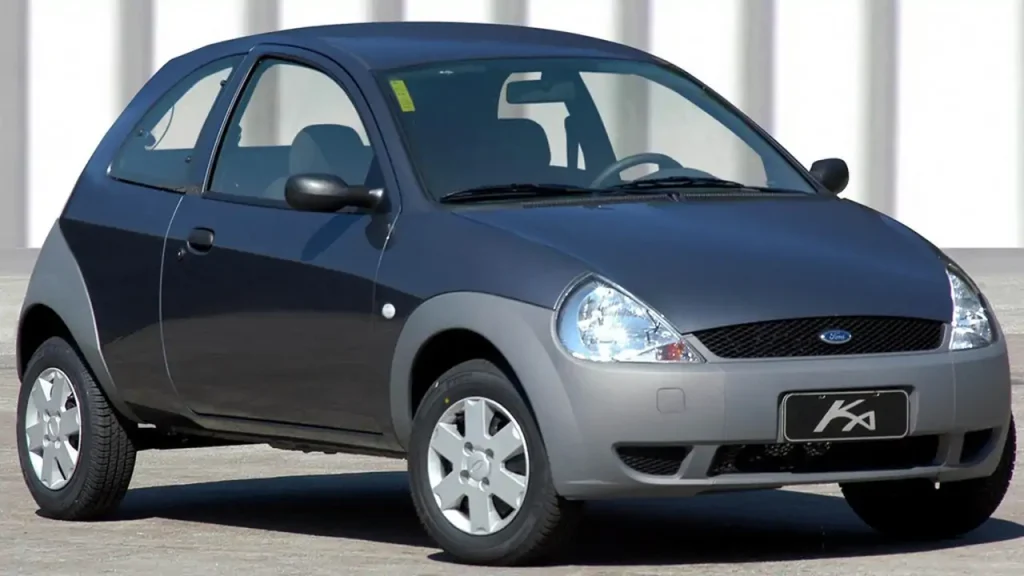
Introduced in Europe in September 1996, the Ford Ka was a tiny city car positioned below the Fiesta and distinguished by its rounded, bubble-like styling, which looked remarkably modern when it debuted. It launched with a 1.3-liter four-cylinder producing either 49 horsepower (37 kW) or 59 hp (44 kW), depending on trim. With Japanese kei cars becoming increasingly popular under the 25-year import rule, the Ka offers a different approach to small-car ownership, with the added advantage of being available in left-hand drive, making it much more familiar to American drivers.
Ford Falcon XH Ute
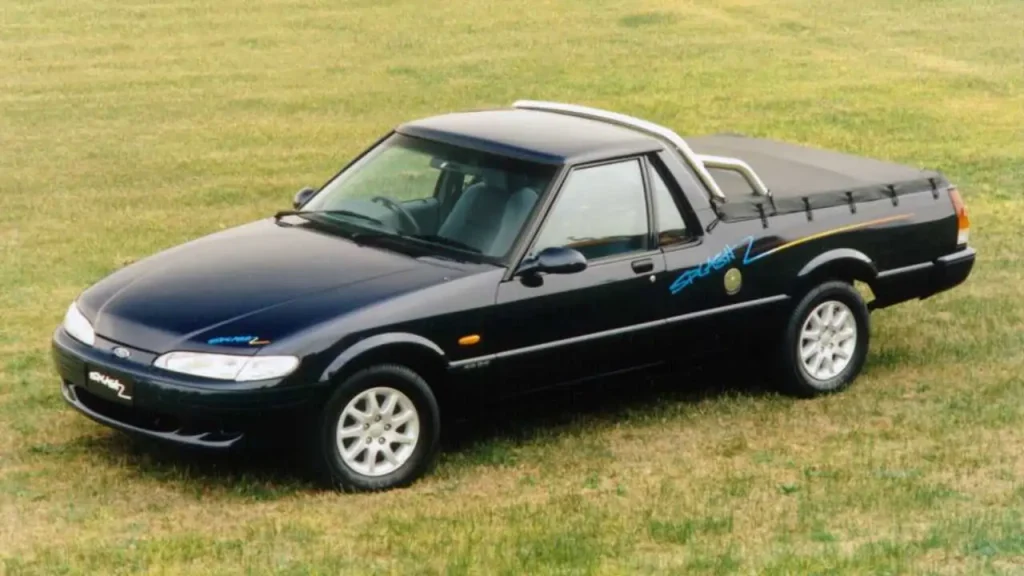
Ford is returning to the compact pickup market in the US with the Maverick, but the Ford Falcon XH ute offers a more unusual and distinctly Australian take on the formula. The 1996 model became eligible for US import in 2021 and features a smoother, more aerodynamic front end than the preceding XG. Power comes from a 4.0-liter inline-six driving the rear wheels, while those willing to wait for a 1997 model can step up to the 5.0-liter V8. There was also a panel-van version that looks like an excellent candidate for a camper conversion.
Hyundai Dynasty
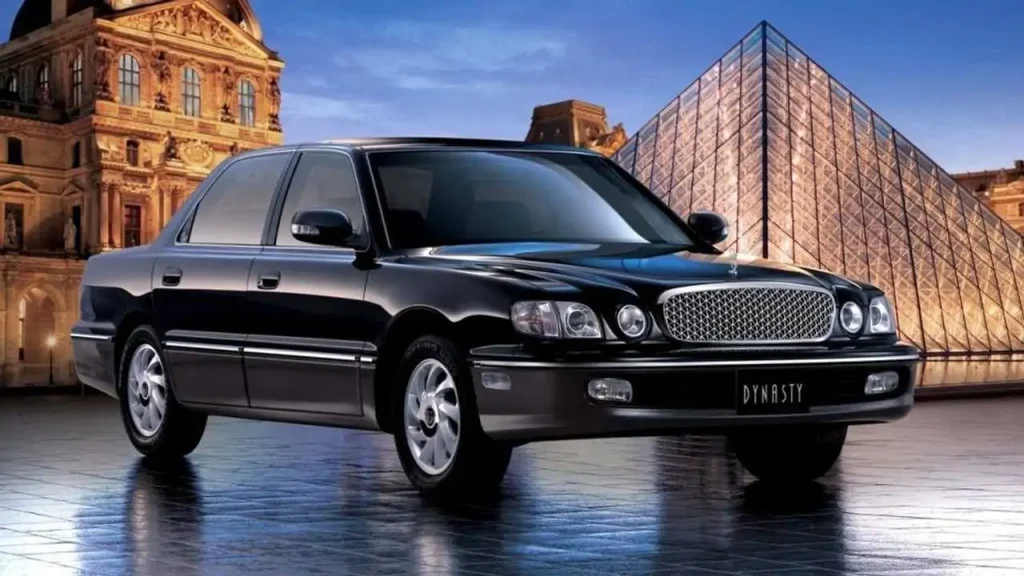
The Hyundai Dynasty was South Korea’s range-topping sedan before the Equus name took over in 1999, giving it plenty of luxury-car credentials despite its relative obscurity in the US. Its traditional three-box design features separate round headlights flanking the grille, with styling that vaguely recalls the contemporary Mercedes-Benz E-Class. A 3.0-liter V6 drives the front wheels, while the cabin features generous amounts of leather and wood trim. Its technology may not have matched German or Japanese rivals of the era, but the Dynasty still had an appropriately upscale appearance.
Indigo 3000
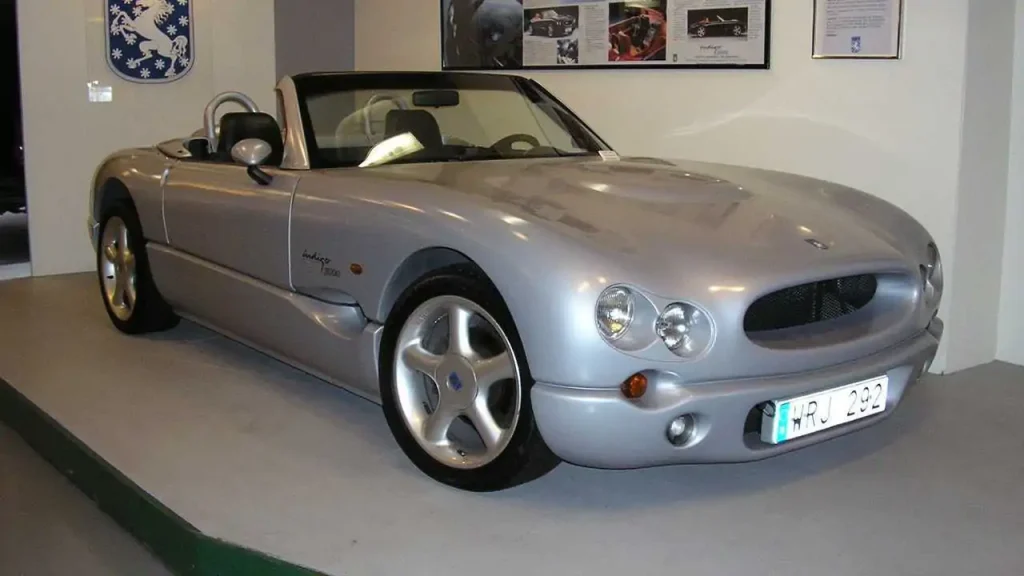
The Indigo 3000 was created by Swedish company Jösse Car as a spiritual successor to the limited-production Volvo Sport, or P1900, from the 1950s. Introduced in 1996, it combined a lightweight two-seat sports-car body with a Volvo-sourced 3.0-liter inline-six producing 201 hp (150 kW). The car was gorgeous, but Jösse Car went out of business before completing even 50 examples, making the Indigo 3000 extraordinarily rare. Its Volvo-derived mechanical and suspension components should at least make ownership somewhat easier than the car’s rarity would suggest.
Lotus Elise Series 1
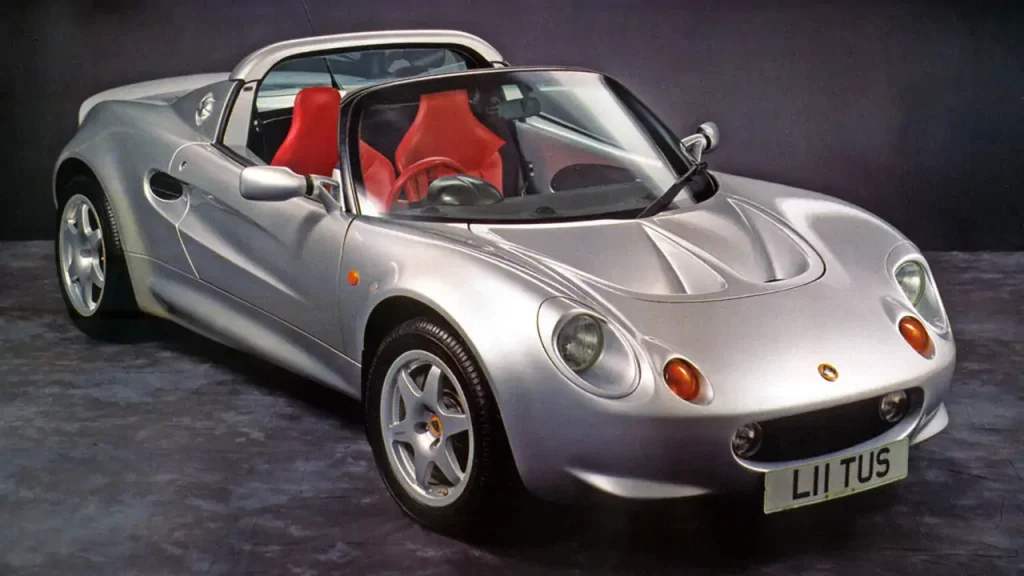
The Lotus Elise Series 1 eventually made its way to the American market in later forms, but the original version was never officially sold here. Weighing just 1,598 pounds (725 kilograms), the Series 1 uses a mid-mounted 1.8-liter four-cylinder producing 118 hp (88 kW), paired with a five-speed manual transmission. Its rounded styling and bug-eye headlights set it apart from later Elises, while the stripped-down interior features exposed metal and little to distract from the driving experience. More powerful versions would come later, but they aren’t yet eligible for import.
Mitsubishi Lancer Evo IV
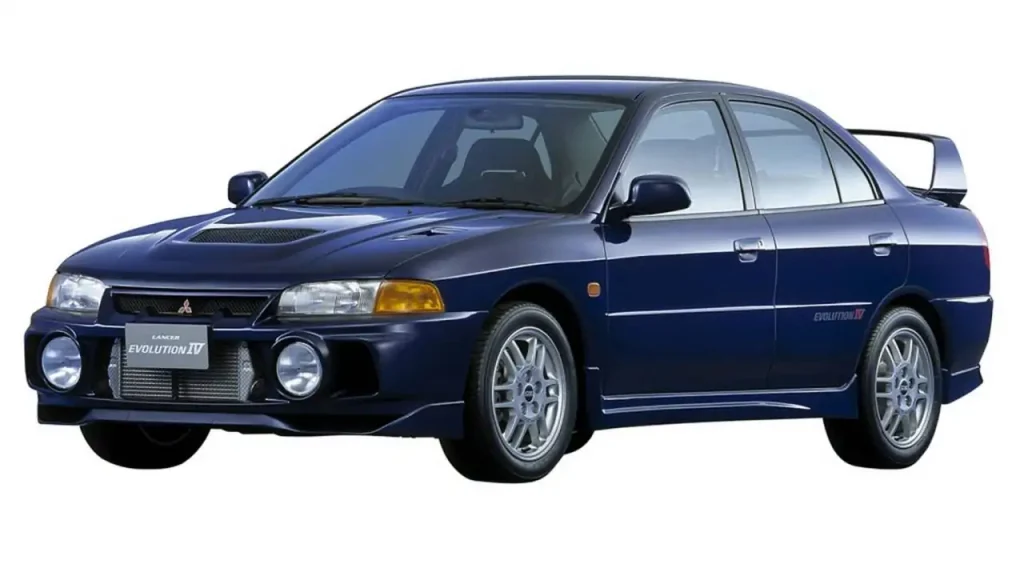
The Mitsubishi Lancer Evolution IV brought a number of major changes to the Evo formula, including a slightly longer body, smoother styling, and significant improvements underneath. The range-topping GSR received Mitsubishi’s Active Yaw Control rear differential, allowing the system to vary torque between the rear wheels for improved handling. Power came from a 2.0-liter turbocharged four-cylinder equipped with forged pistons and a twin-scroll turbocharger. Mitsubishi officially claimed 276 hp (206 kW) under Japan’s automaker power agreement, although the actual output was likely higher.
Mitsubishi Type 73 Mk2
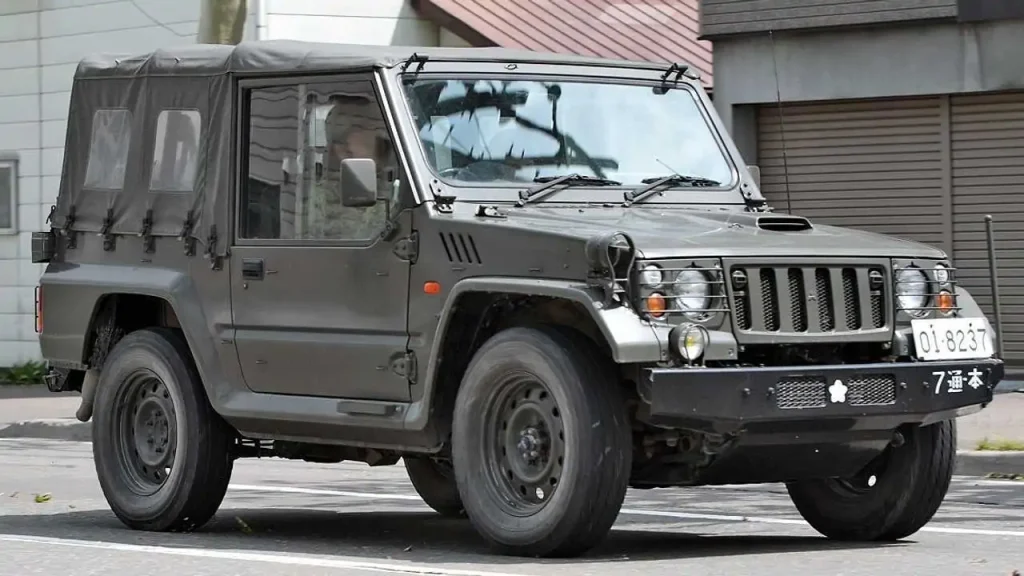
For something much more rugged, the Mitsubishi Type 73 Mk2 brings genuine Japanese military hardware to American roads. It entered service with Japan’s Self-Defense Force in 1996, replacing the original Type 73 that had been in use since 1973. Based on the short-wheelbase Mitsubishi Pajero, the Mk2 features removable panels along the sides and roof for open-air driving, while early versions use a 2.8-liter turbodiesel four-cylinder, four-speed automatic transmission, and full-time four-wheel drive. It’s an unusual import in every possible sense.
Mitsuoka Galue
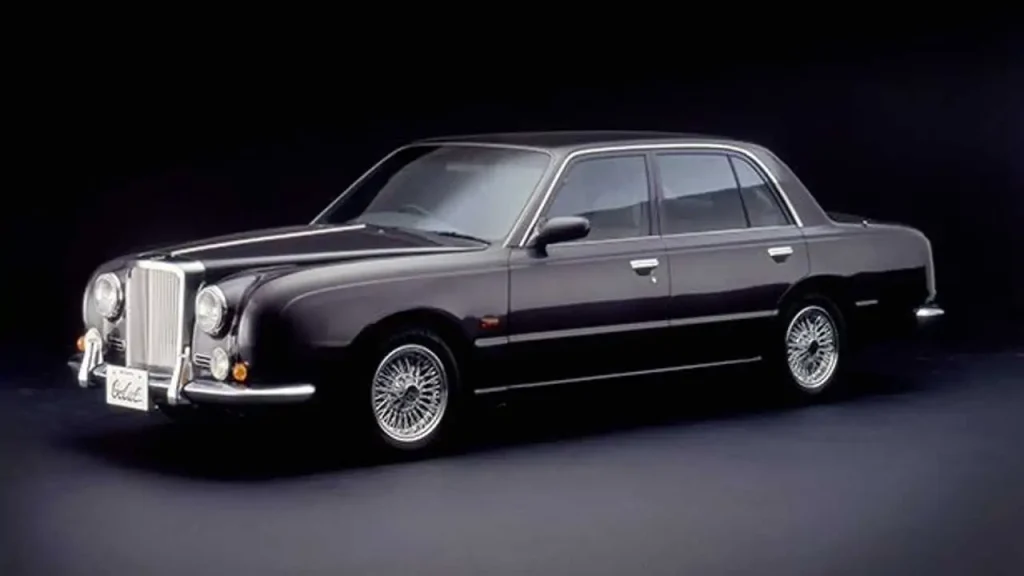
The Mitsuoka Galue is a Japanese oddball designed for buyers who want classic British luxury-car styling without necessarily dealing with the reliability concerns of an actual vintage British sedan. Mitsuoka started with the Nissan Crew, a model commonly used as a taxi in Japan, then fitted it with a rounded, Rolls-Royce-inspired front end. Underneath, a 2.0-liter inline-six sends power to the rear wheels through either a five-speed manual or four-speed automatic transmission.
Mitsuoka Ray
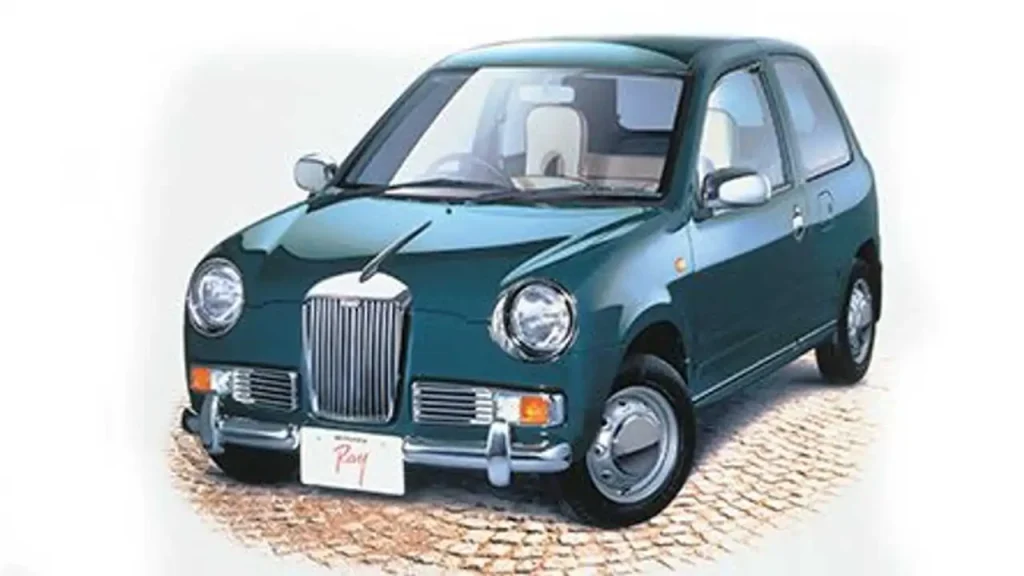
The Mitsuoka Ray takes the company’s retro-car formula and applies it to a much smaller package. Based on the Mazda Carol, the Ray receives a redesigned front end intended to evoke European cars from the 1960s. The result is a tiny city car with a surprisingly distinctive appearance, combining humble Japanese underpinnings with styling that makes it look like something from another era.
Nissan Stagea
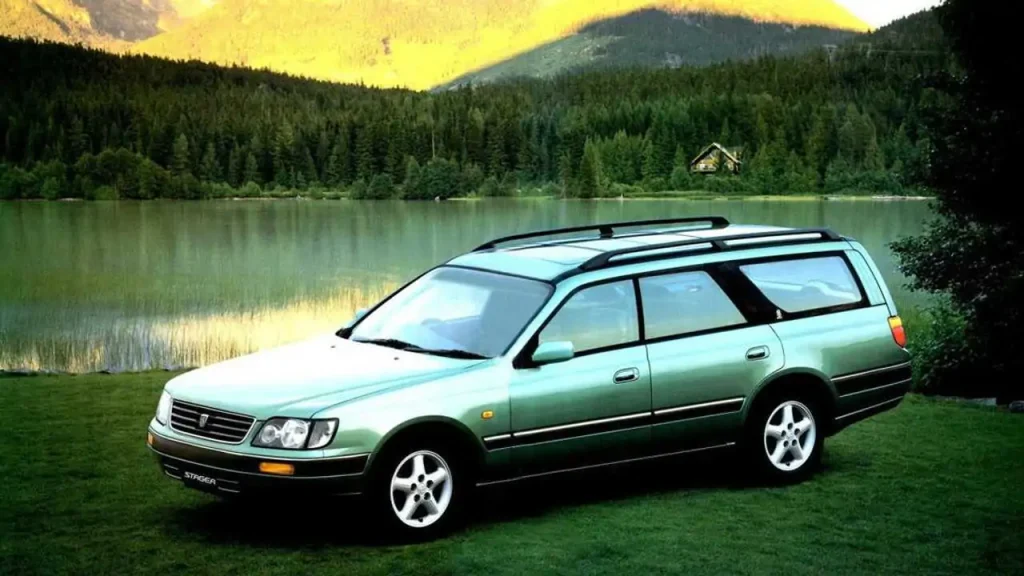
Nissan essentially turned the Skyline into a wagon when it introduced the Stagea in 1996, creating an estate car that combined practicality with serious performance potential. The range-topping version used a turbocharged 2.5-liter inline-six producing 276 hp (206 kW), and buyers could choose between rear- and all-wheel-drive versions. With its handsome proportions and Skyline-related hardware, the Stagea could be a compelling alternative for anyone who wants something more practical than the usual Skyline import.
Renault Sport Spider
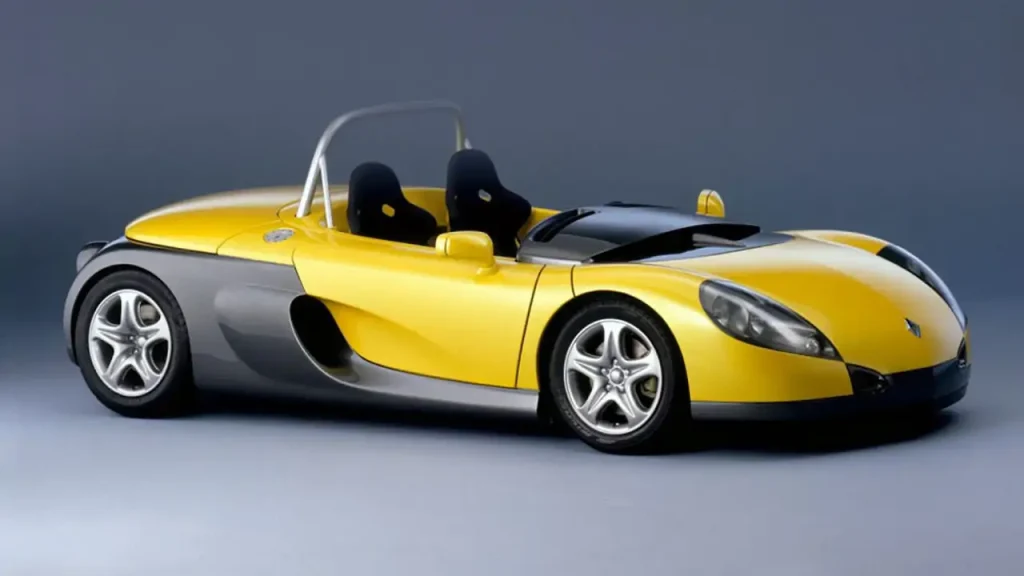
The Renault Sport Spider is an even more unusual alternative to the Lotus Elise, with only around 1,800 examples built between 1996 and 1998. Its aluminum chassis and plastic body panels keep weight down to 2,050 pounds (930 kg), while a mid-mounted 2.0-liter four-cylinder produces 148 hp (110 kW) and sends power through a five-speed manual to the rear wheels. Early examples were particularly wild, featuring only a tiny windshield and no wipers; a full-width windshield wasn’t offered until 1997.
Tatra 700
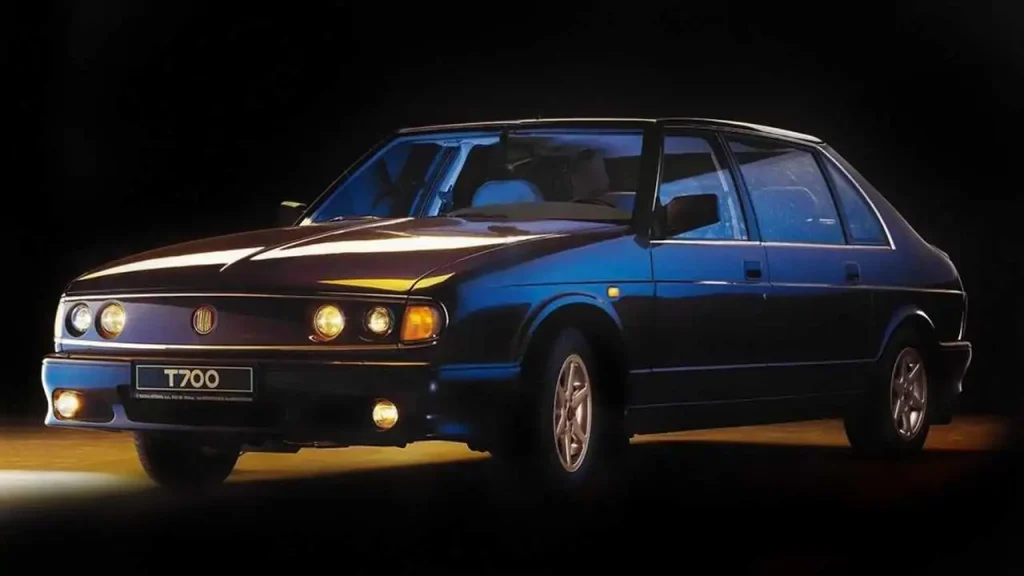
The Tatra 700 may look unusual from the front, with its enclosed grille and tiny circular headlights, but the real surprise is hiding behind the cabin. Its rear-mounted, air-cooled 3.5-liter V8 produces 197 hp (147 kW), while the cabin features plenty of leather and wood. The Czech government was one of the model’s major customers, and the 700 holds an important place in Tatra history as the company’s final passenger car. Only 75 examples were built, making an original one extremely difficult to find.
Toyota Classic
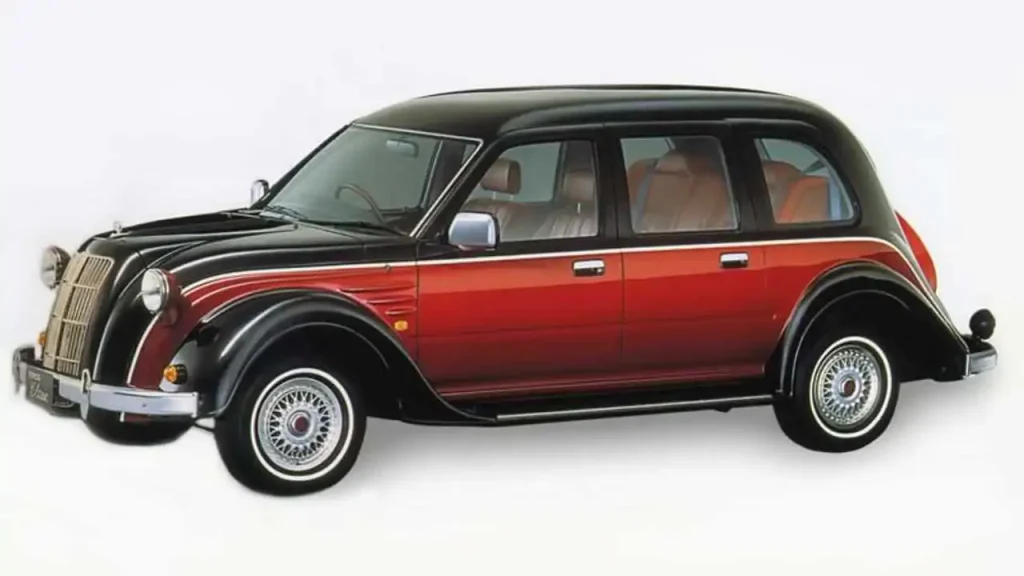
The Toyota Classic is one of the strangest and rarest cars in Toyota’s history, and it was built in 1996 to commemorate the 60th anniversary of the company’s first passenger car, the 1936 Toyota AA. Its retro bodywork evokes automobiles from the 1930s while incorporating smoother lines, and underneath is a frame derived from the Hilux pickup. A 2.0-liter four-cylinder and four-speed automatic provide the motivation. Toyota built just 100 examples, each originally priced at 8 million yen, or roughly $75,000 at the time.
TVR Cerbera
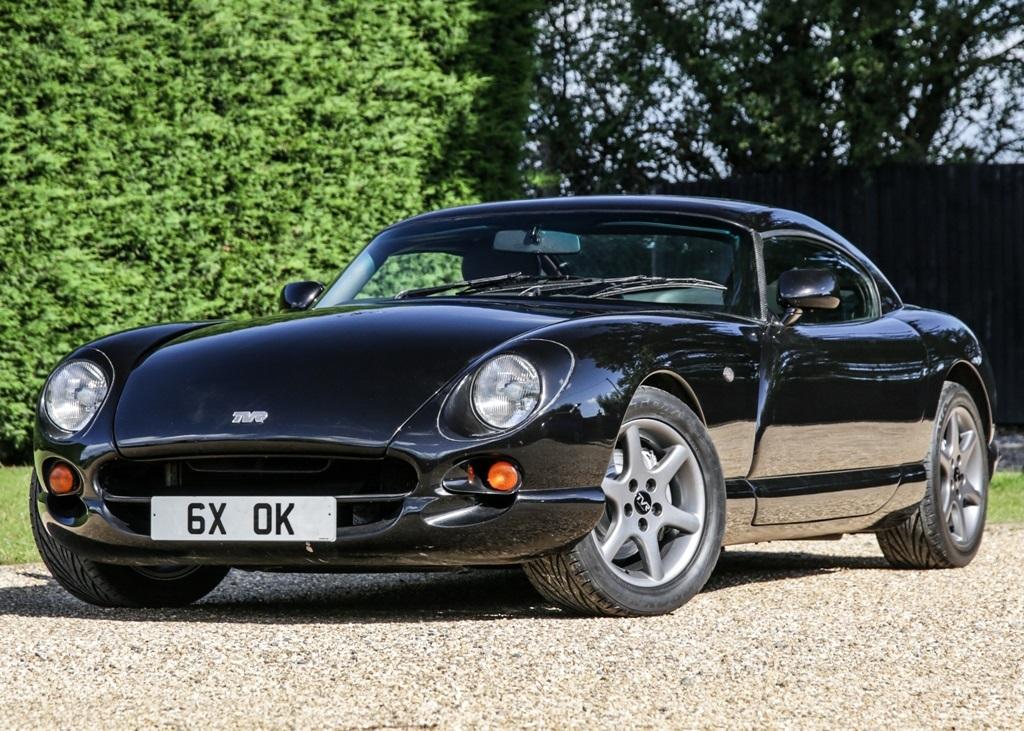
The TVR Cerbera delivers classic British sports-car drama with a little extra practicality thanks to its 2+2 seating arrangement. Under the hood sits TVR’s own 4.2-liter V8, producing 360 hp (268 kW), and all that power has just 2,425 pounds (1,100 kg) of car to move. The combination of low weight, serious power, and TVR’s famously unconventional character makes the Cerbera one of the more exciting choices among the 1996 cars now eligible for import.