
These older exotics deliver serious supercar drama without the six-figure price tag.
There was a time when supercar ownership was reserved for buyers with enormous bank accounts and an equally enormous tolerance for depreciation. Today, the used-car market tells a very different story. Some cars that once commanded six-figure prices have depreciated enough to bring exotic-car ownership within reach of enthusiasts with a budget of around $50,000.
Of course, buying a cheap supercar doesn’t make it cheap to own. Maintenance, insurance, tires, brakes, servicing, and unexpected repairs can still cost considerably more than they would on a conventional used car. That’s why condition, service history, and a thorough pre-purchase inspection are just as important as the asking price.
Even with those caveats, the appeal is hard to ignore. For roughly the price of a new luxury SUV, you could potentially park a mid-engine sports car, a V8-powered exotic, or a machine wearing a badge that once seemed completely out of reach in your garage.
The definition of a “supercar” also becomes somewhat flexible once the budget drops below $50,000. Some of these machines are technically sports cars or grand tourers rather than traditional exotics, but they all deliver the ingredients enthusiasts are looking for: serious performance, distinctive styling, impressive engineering, and plenty of road-going drama.
Naturally, prices vary depending on mileage, condition, specification, maintenance history, and location. Treat the $50,000 figure as a target rather than a guarantee, and remember that the best bargain is often the car that has been properly maintained.
With that in mind, here are 15 used performance machines worth hunting for if you want exotic-car thrills without spending six figures.
Table of Contents
Audi R8 V8
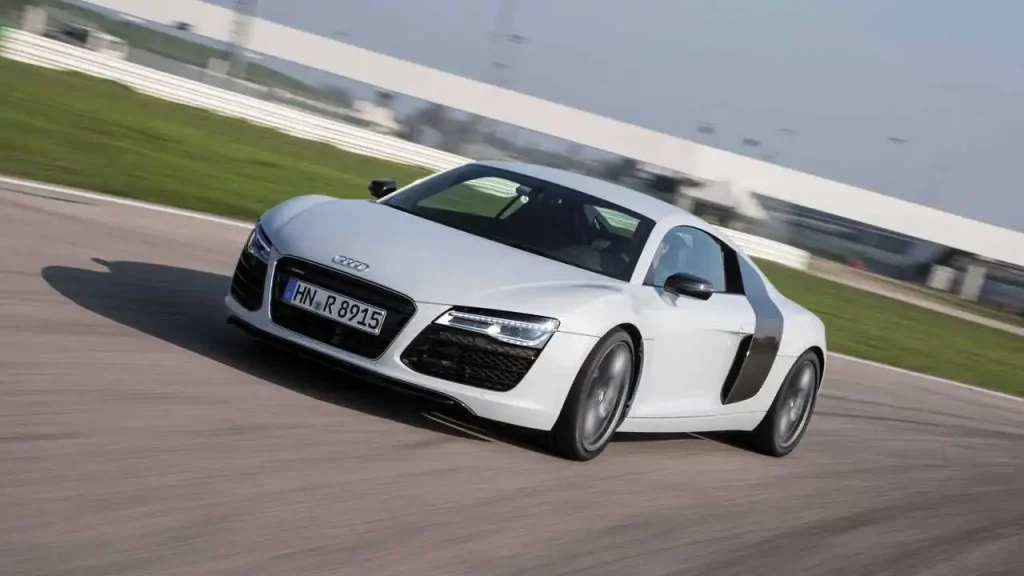
The first-generation Audi R8 V8 remains one of the most approachable ways to get genuine exotic-car hardware without spending supercar money. Its mid-engine layout, dramatic styling, available manual gearbox, and naturally aspirated 4.2-liter V8 give it the credentials enthusiasts look for, while its engineering connection to the Lamborghini Gallardo adds even more appeal. At the same time, Audi’s influence makes the R8 feel less intimidating and more usable than many of its exotic rivals. Clean V8 examples have historically approached the $50,000 range, although desirable manual cars can command a premium. Why buy it: Mid-engine balance, exotic looks, a naturally aspirated V8 soundtrack, and real supercar presence.
Bentley Continental GT Speed
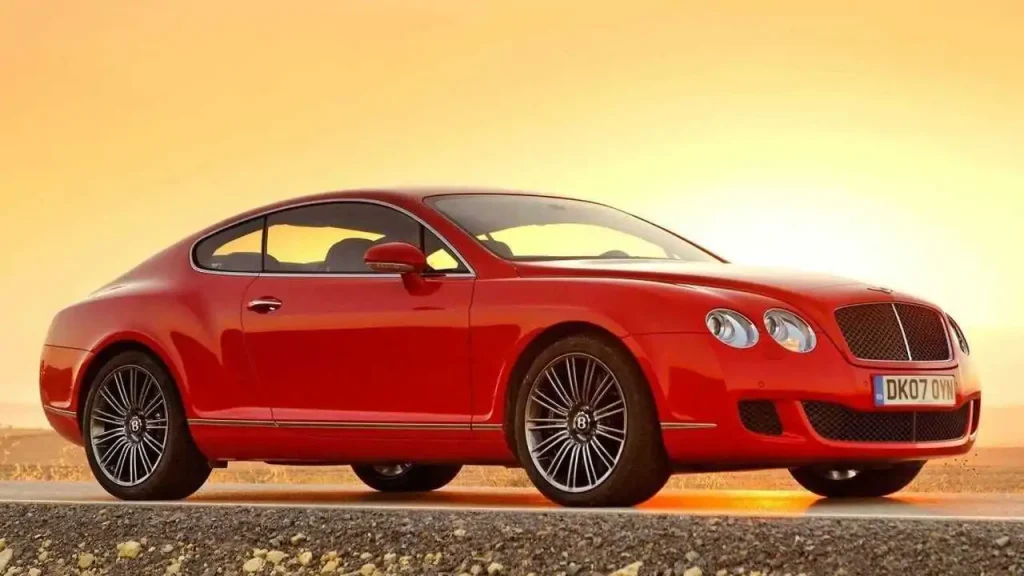
The Bentley Continental GT Speed brings genuine grand-touring luxury together with serious performance, pairing its elegant design with a powerful engine and an effortless high-speed character. It offers a far more luxurious experience than most cars in this price range while still delivering the acceleration and road presence expected from a high-end exotic. Why buy it: If you want exotic-car performance without giving up leather-lined comfort, long-distance usability, and Bentley-level refinement, the Continental GT Speed is a compelling choice.
BMW X6 M (F86)
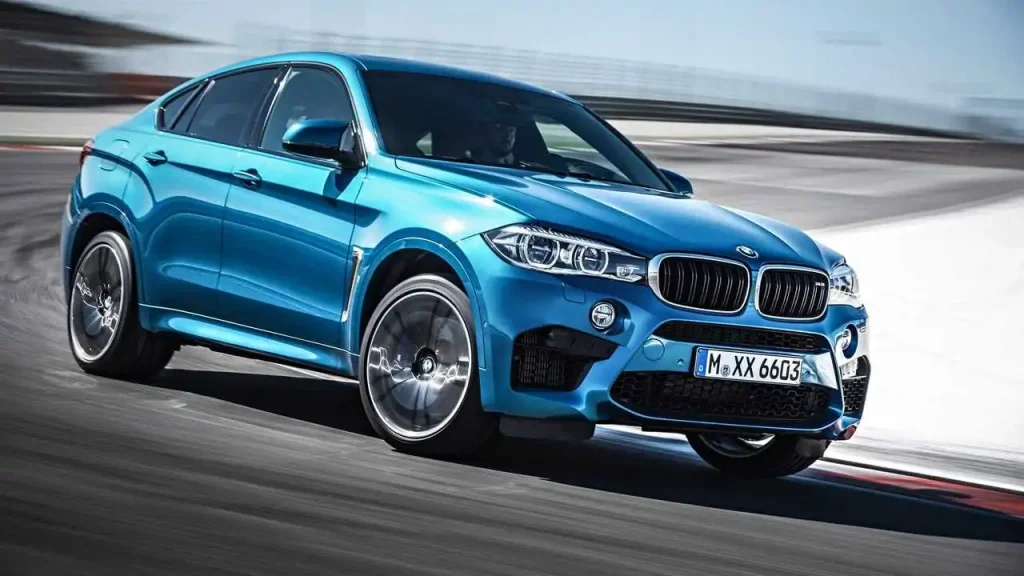
The BMW X6 M (F86) combines the aggressive styling of a coupe-like SUV with the performance of a true M car. Its twin-turbocharged 4.4-liter V8 produces 567 horsepower, giving this high-riding BMW surprisingly serious acceleration and handling for its size. Why buy it: If you want exotic-car performance with the practicality, commanding seating position, and everyday usability of an SUV, the X6 M is an intriguing choice.
Chevrolet Corvette ZR1 (C6)
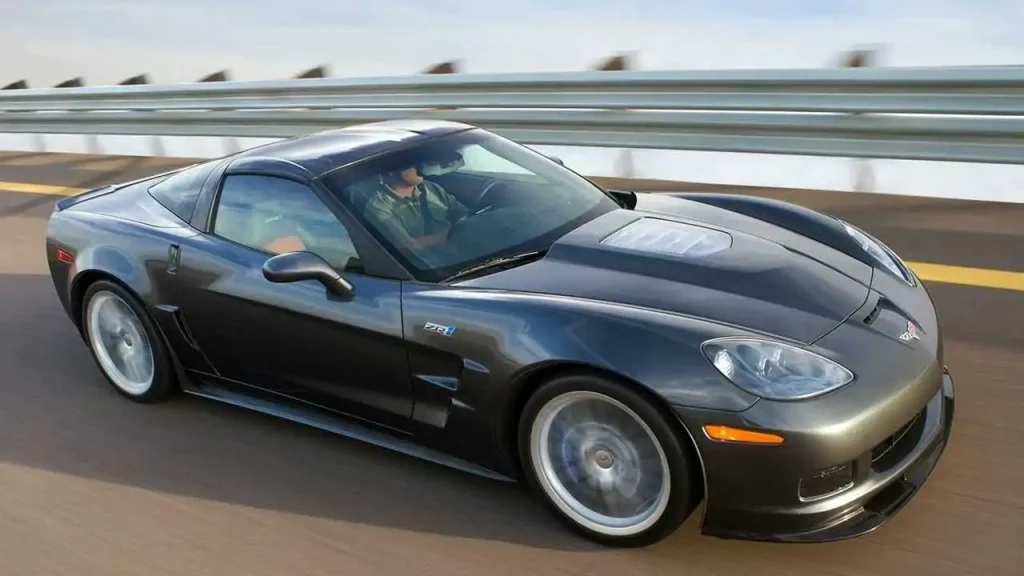
The C6-generation Chevrolet Corvette ZR1 is one of the most formidable performance bargains from its era, pairing a supercharged 6.2-liter LS9 V8 with 638 horsepower and 604 pound-feet of torque. With its lightweight construction, carbon-fiber bodywork, and track-focused hardware, the ZR1 delivers supercar-level performance without the exotic-car price tag. Why buy it: If you want serious American supercar performance, a manual transmission, and huge performance potential for relatively little money, the C6 ZR1 is hard to overlook.
Chevrolet Corvette Z06
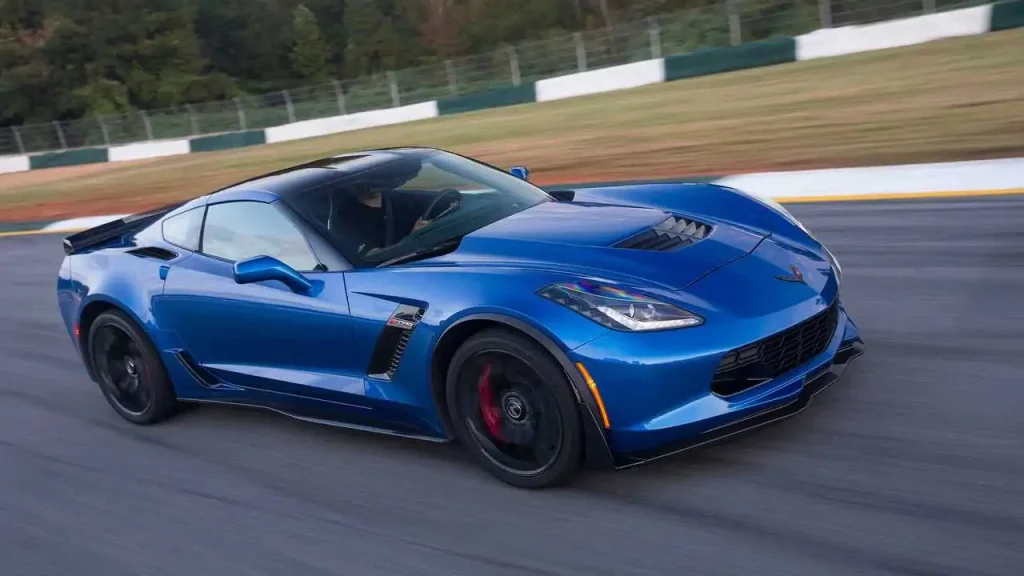
The C6 Chevrolet Corvette Z06 delivers exotic levels of performance without an exotic-car price tag. Its 7.0-liter LS7 V8 produces 505 horsepower, while the Corvette’s relatively low weight and aluminum structure help turn that power into serious performance. The Z06 also benefits from Chevrolet’s extensive parts availability and broad service network, making it considerably easier to maintain than many European exotics. For buyers chasing maximum performance without maximum ownership costs, the Z06 remains one of the strongest choices available. Why buy it: 505 horsepower, lightweight construction, rear-wheel drive, and manageable running costs.
Aston Martin V8 Vantage
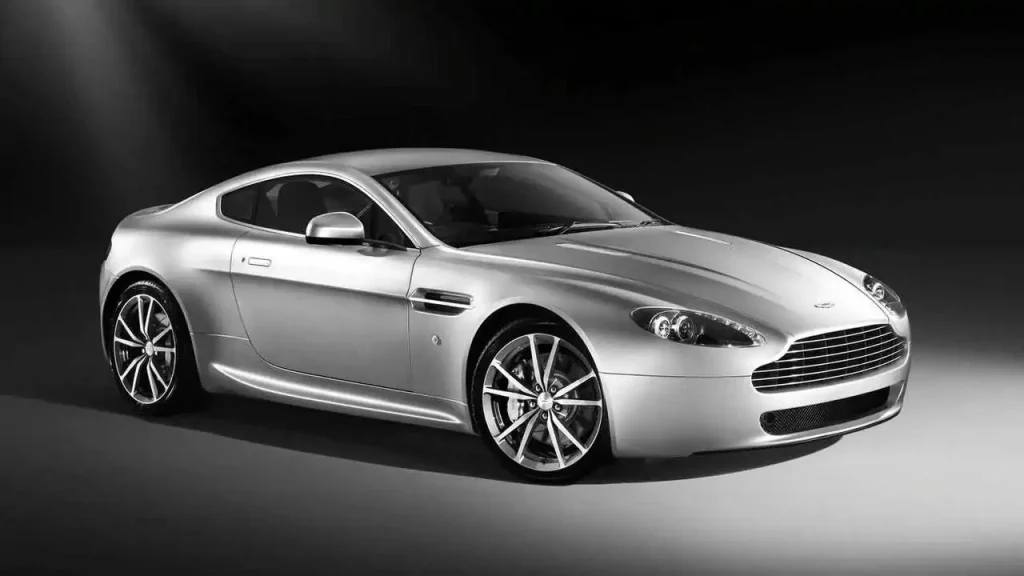
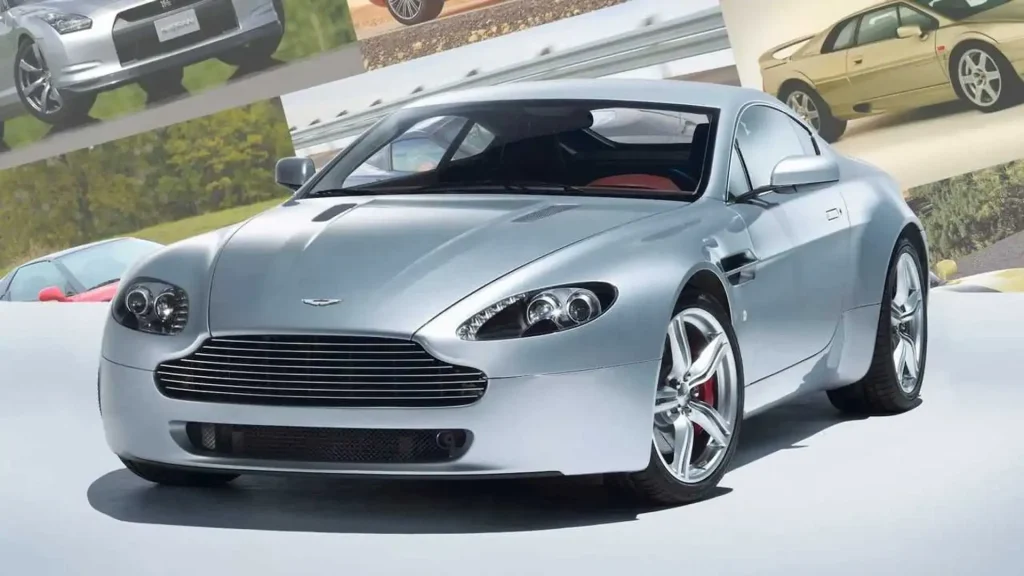
The Aston Martin V8 Vantage offers an unusually large dose of exotic-car presence for the money. Its compact proportions, long hood, muscular rear quarters, and unmistakable grille give it the appearance of a far more expensive machine, while a rear-wheel-drive layout and V8 engine provide the performance to match. Used prices can make the Vantage tempting, but buyers should remember that maintenance and repairs can still reflect its original luxury-car status. Why buy it: Beautiful British styling, V8 performance, and genuine exotic-car character.
Dodge Charger Hellcat
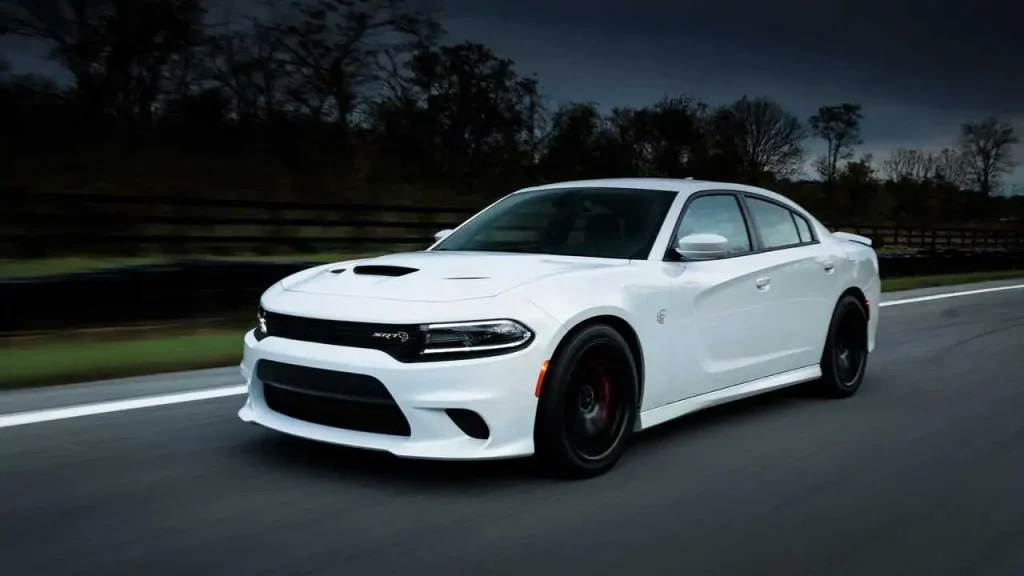
The Dodge Charger Hellcat turned the family sedan into a tire-smoking muscle car, packing a supercharged 6.2-liter HEMI V8 that produces 707 horsepower and 650 pound-feet of torque. Its four-door body makes it far more practical than most high-performance cars, while its brutal acceleration and unmistakable exhaust note give it plenty of exotic-car attitude. Why buy it: If you want outrageous straight-line performance with room for passengers and everyday usability, the Charger Hellcat delivers an almost unmatched combination of speed and practicality.
Dodge Viper RT/10 & GTS
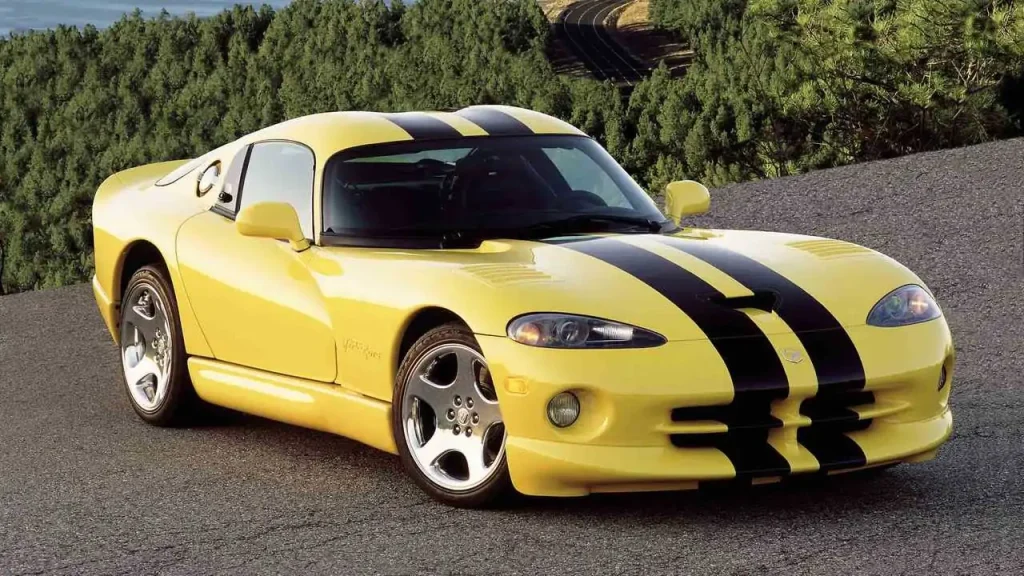
The Dodge Viper RT/10 and GTS delivered supercar drama with a distinctly American attitude, pairing an enormous naturally aspirated V10 with lightweight construction and minimal driver aids. The Viper’s 8.0-liter engine produced as much as 460 horsepower in later versions, while the GTS added a fixed roof and improved refinement without losing the raw character that made the Viper so intimidating. Why buy it: If you want an analog supercar experience, a massive V10, and unmistakable styling without paying modern exotic-car money, the Viper remains a standout choice.
Ford Mustang Boss 302 Laguna Seca
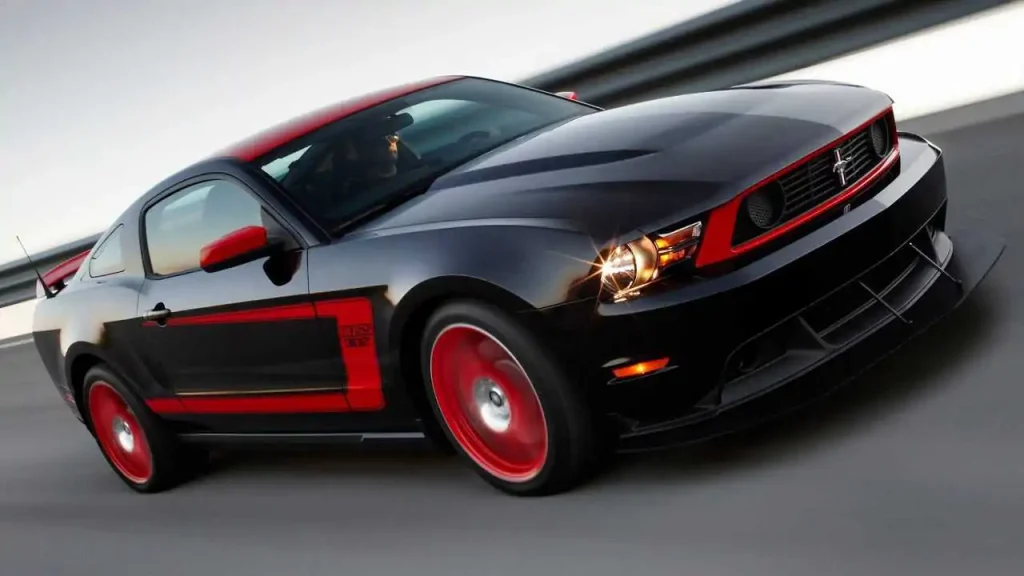
The Ford Mustang Boss 302 Laguna Seca transformed the already capable Boss 302 into a more focused track machine, adding stiffer suspension tuning, a Torsen limited-slip differential, upgraded brakes, and a stripped-down cabin with a rear-seat delete. Its naturally aspirated 5.0-liter V8 produces 444 horsepower, while the sharper chassis and aggressive setup make it particularly rewarding on a road course. Why buy it: If you want a modern American muscle car with serious track credentials and an old-school naturally aspirated V8, the Boss 302 Laguna Seca is a compelling choice.
Lotus Esprit V8
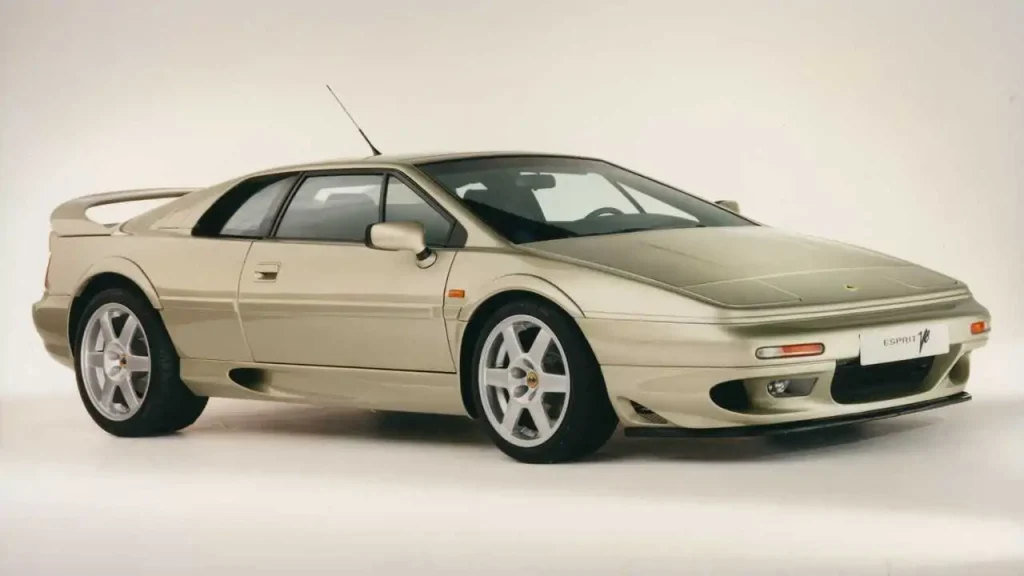
The Lotus Esprit V8 gave the legendary British sports car a serious dose of extra muscle, pairing its lightweight chassis with a twin-turbocharged 3.5-liter V8 producing 350 horsepower. With its sharp handling, exotic wedge-shaped design, and manual transmission, the Esprit V8 delivers a distinctly old-school supercar experience without the price of many European exotics. Why buy it: If you want lightweight handling, dramatic styling, and a hand-built twin-turbo V8, the Esprit V8 is an especially interesting bargain.
Nissan GT-R
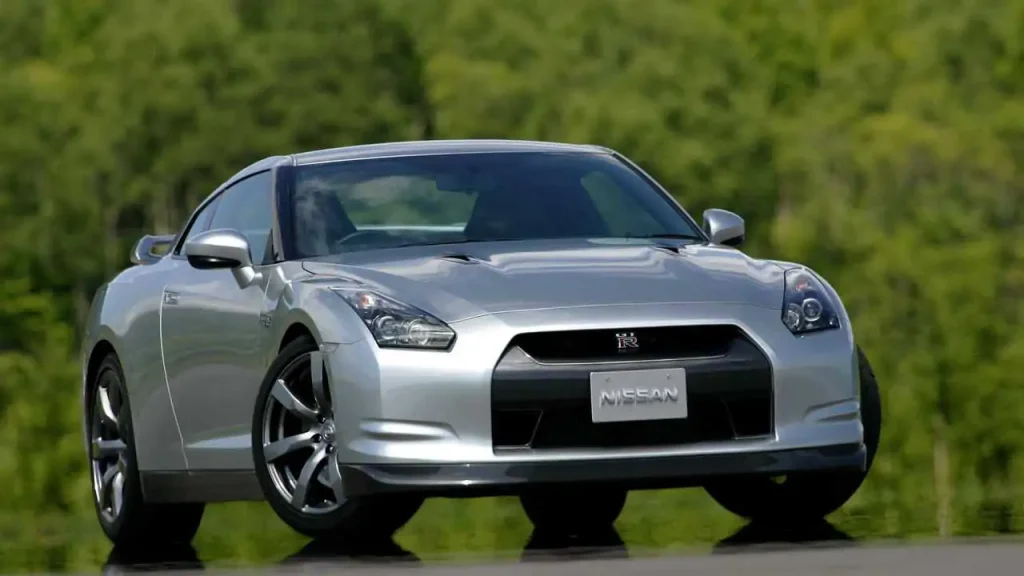
The R35 Nissan GT-R can be difficult to find near the $50,000 mark, but older, higher-mileage examples can approach that territory with careful shopping. Its twin-turbocharged V6, sophisticated all-wheel-drive system, and dual-clutch transmission transformed the performance-car market by delivering astonishing acceleration without exotic-car pricing. The GT-R also retains enough practicality to function as a daily driver, making its performance even more impressive. Why buy it: Supercar acceleration, all-wheel-drive traction, and everyday usability.
Porsche 911 Turbo (996)
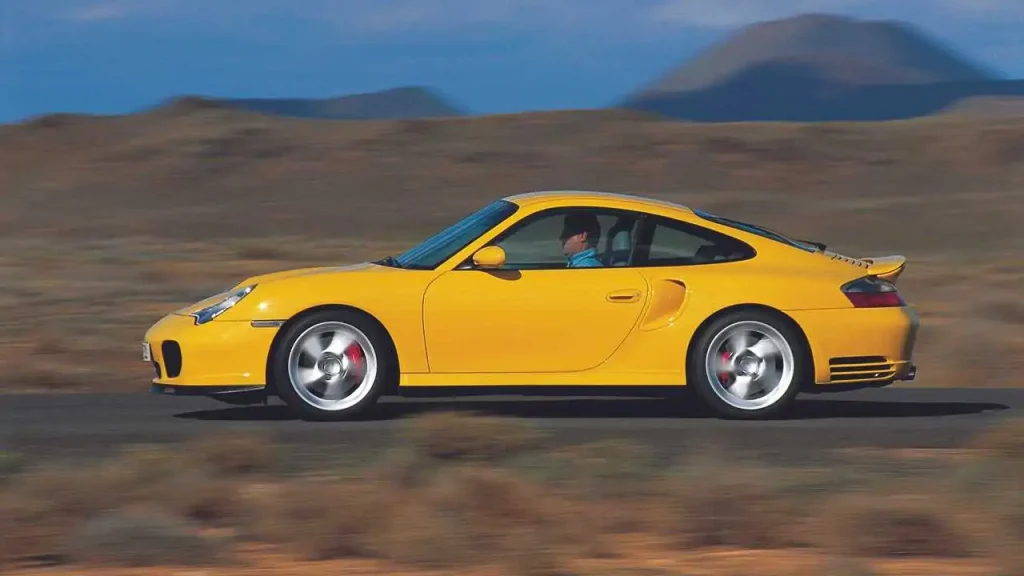
The Porsche 911 Turbo (996) offers an impressive mix of everyday usability and serious performance, powered by a twin-turbocharged 3.6-liter flat-six producing 415 horsepower and 415 pound-feet of torque. Its all-wheel-drive system, distinctive styling, and strong acceleration give it plenty of supercar credibility while retaining the practicality that has long defined the 911. Why buy it: If you want classic Porsche performance, all-weather traction, and genuine turbocharged pace without paying modern 911 Turbo prices, the 996-generation Turbo is an appealing bargain.
Acura NSX
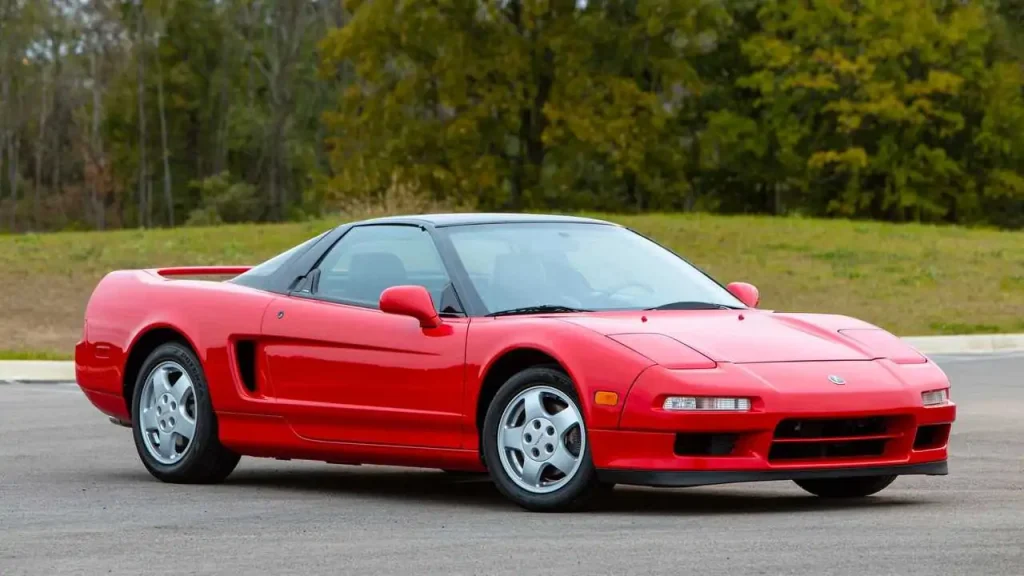
The first-generation Acura NSX has become increasingly difficult to find below $50,000, although higher-mileage examples and less collectible configurations can sometimes approach that territory. Lightweight construction, a mid-engine layout, precise handling, and everyday usability established the NSX as one of the most influential sports cars of its era. Its combination of exotic proportions and Honda engineering continues to make it special decades after its introduction. Why buy it: Legendary engineering, mid-engine performance, and enormous historical significance.
Mercedes-Benz CL65 AMG
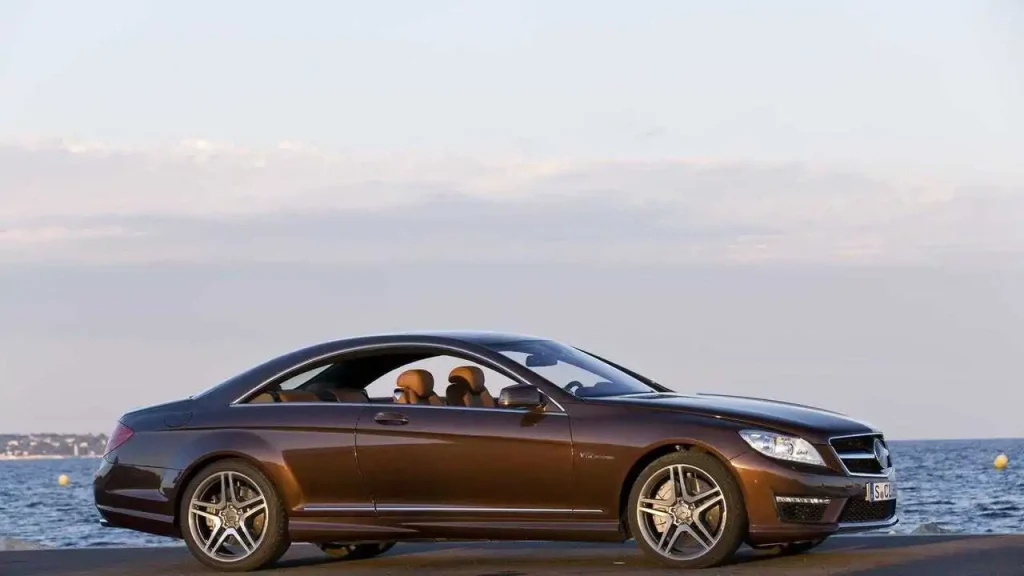
The Mercedes-Benz CL65 AMG combined the imposing presence of a luxury coupe with truly outrageous performance, thanks to a twin-turbocharged 6.0-liter V12 producing 604 horsepower and 738 pound-feet of torque. Despite its substantial size and lavish cabin, the CL65 could deliver supercar-rivaling acceleration while surrounding occupants in leather, wood, and high-end technology. Why buy it: If you want V12 power, limousine-level luxury, and effortless high-speed performance for far less than a new exotic, the CL65 AMG is a fascinating bargain.
Maserati GranTurismo
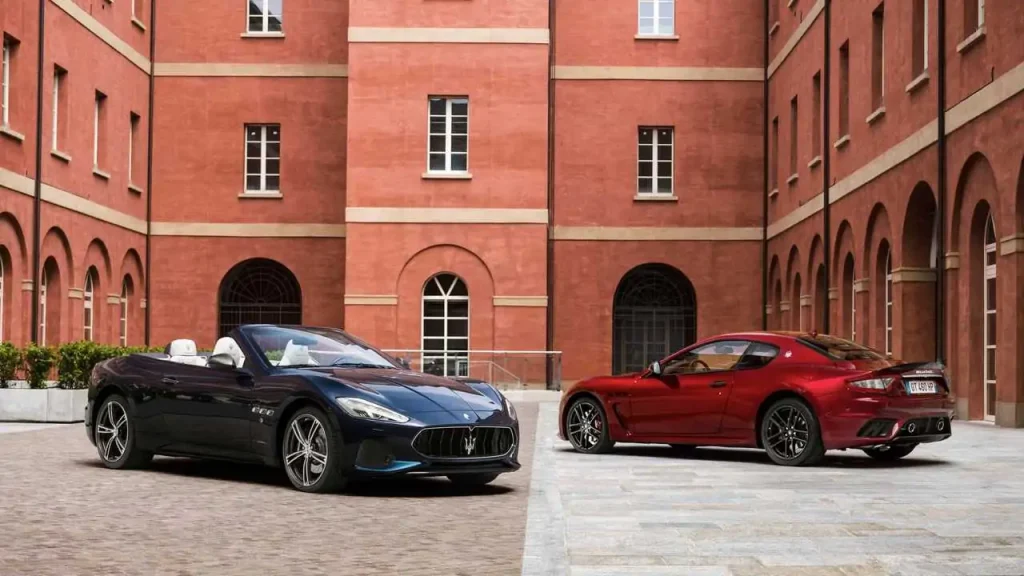
The Maserati GranTurismo blends Italian grand-touring style with genuine sports-car performance, featuring a naturally aspirated V8, rear-wheel drive, and a luxurious four-seat cabin. Its elegant design and unmistakable Ferrari-derived soundtrack give it plenty of exotic appeal, while the comfortable interior and usable rear seats make it more practical than many two-seat performance cars. Why buy it: If you want Italian styling, a glorious V8 soundtrack, and enough room for passengers without stepping into six-figure supercar territory, the GranTurismo is a compelling choice.
Ultimately, buying an older supercar for less than $50,000 is a game of compromise. You may have to accept higher mileage, older technology, fewer creature comforts, or increased maintenance costs. But if you choose carefully, that compromise can put something genuinely special in your garage.
Because sometimes the smartest way to get a supercar isn’t to buy a new one—it’s to find the one someone else already paid the depreciation on.