
From supercars to track-focused monsters, these are the quickest cars to tackle The Grand Tour’s infamous Eboladrome.
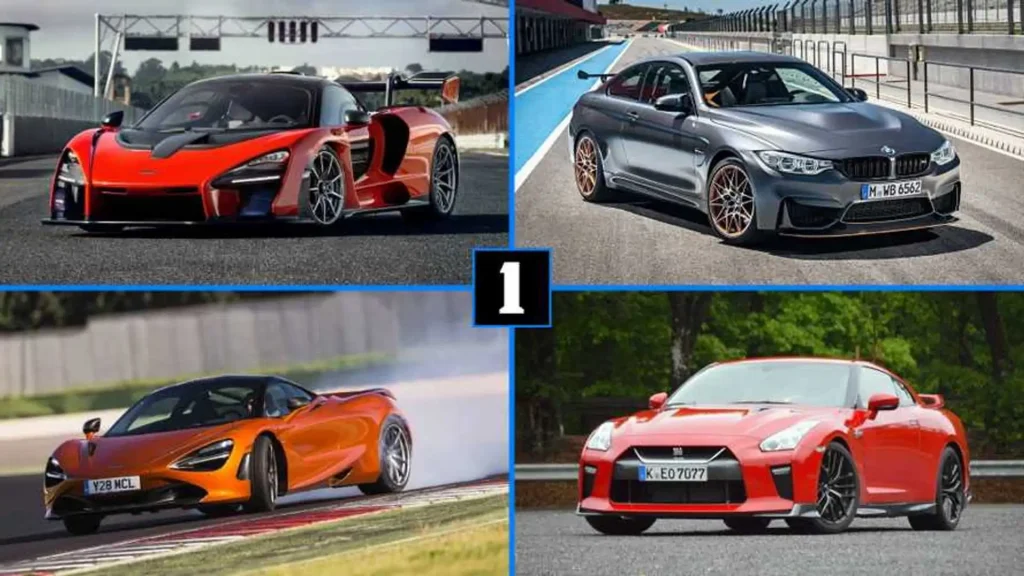
The Grand Tour’s infamous Eboladrome was never designed to make life easy for a performance car. With its awkward corners, elevation changes, bumps, high-speed sections, and deliberately unpredictable layout, the track became one of the show’s best tools for separating genuinely quick cars from machines that simply look fast on paper.
When The Grand Tour began recording lap times, the circuit quickly developed its own personality. The long “Isn’t Straight” allowed powerful cars to stretch their legs, while the “Your Name Here” section became an opportunity for spectacular slides. The “Bumpy Back Straight” tested stability at speed before a series of tight corners brought the lap toward the finish. Unlike a conventional racing circuit, the Eboladrome could punish a car’s weaknesses just as easily as it showcased its strengths.
The timed laps also featured different drivers over the show’s run. Mike Skinner handled the wheel during the first season, while Abbie Eaton took over for the second season. That means the times weren’t simply a test of horsepower or acceleration; chassis balance, braking, cornering ability, traction, and the driver’s ability to deal with the unusual circuit all played a role.
Using the published lap-time standings from the period covered by the original list, these were among the quickest cars to attack the Eboladrome.
Table of Contents
2019 Acura NSX — 1:20.6
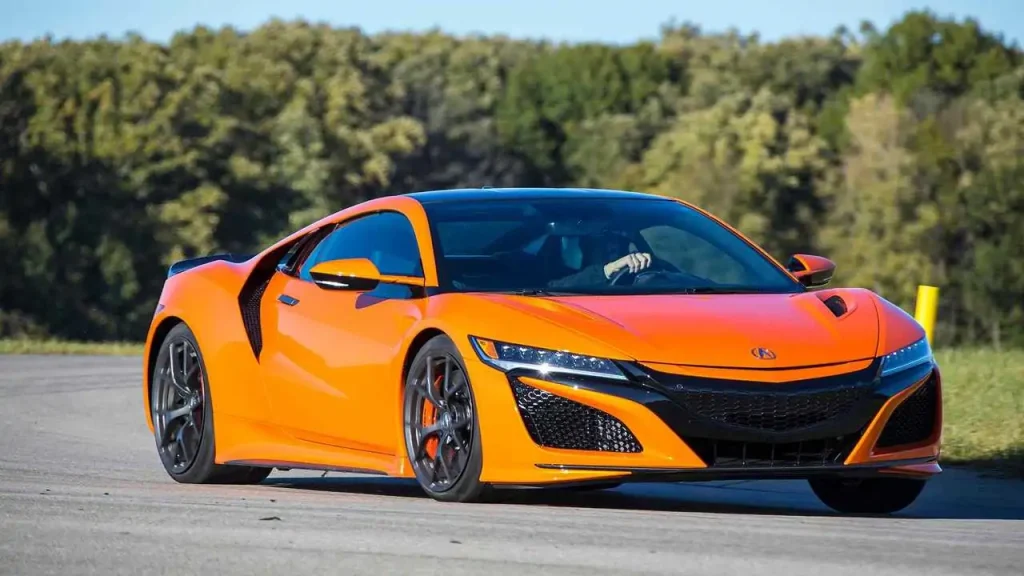
The 2019 Acura NSX combined a twin-turbocharged V6 with three electric motors and all-wheel drive, giving it one of the most technically sophisticated powertrains in the group. The hybrid system wasn’t simply there for efficiency; it could deliver instant torque and precisely manage power between the wheels when accelerating out of corners. The NSX also benefited from its mid-engine layout and low center of gravity, allowing it to remain composed through the Eboladrome’s tighter sections. Its 1:20.6 lap demonstrated how effectively Acura used electrification as a performance tool.
2018 BMW M3 — 1:24.3
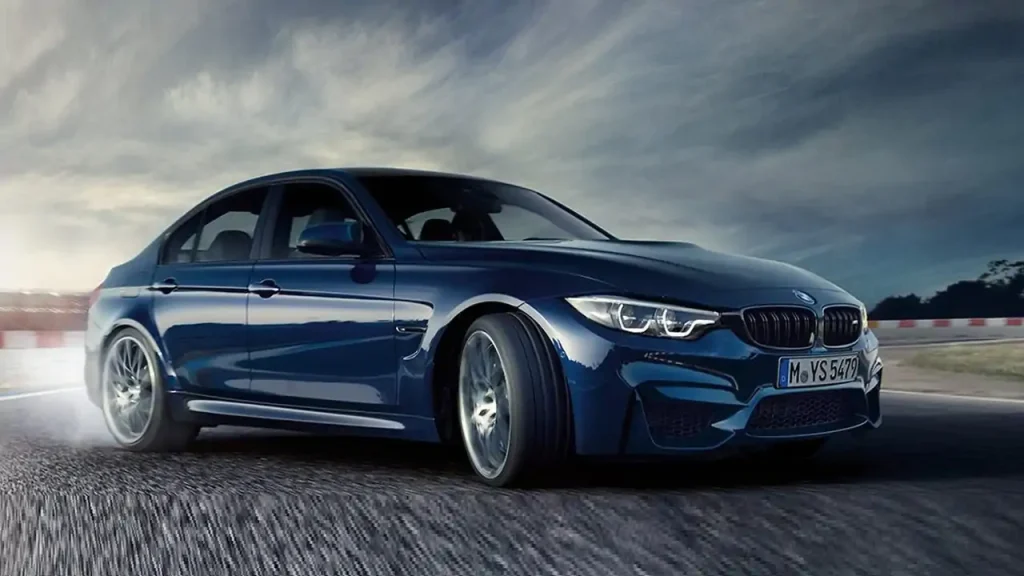
The 2018 BMW M3 facelift brought the familiar formula of a turbocharged inline-six, rear-wheel drive, and a finely tuned chassis to the Eboladrome. Its 1:24.3 lap showed that a compact sports sedan could remain competitive against far more exotic machinery. The M3’s relatively compact dimensions helped it negotiate the circuit’s tighter corners, while its strong acceleration and responsive steering made it entertaining through the faster sections. It didn’t need supercar levels of power to make an impression on the unusual circuit.
2018 BMW M5 — 1:24.2
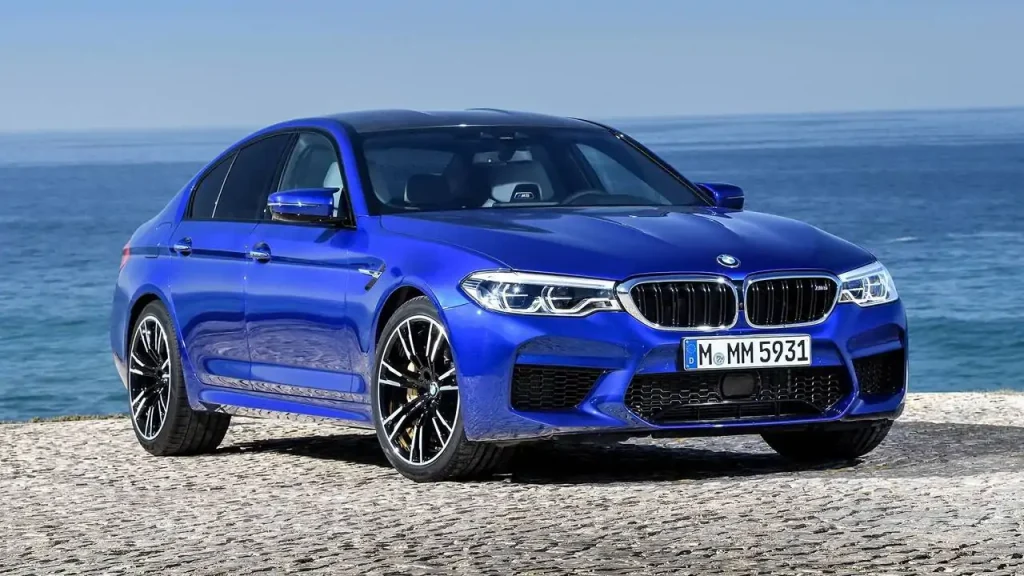
The 2018 BMW M5 was only a tenth of a second quicker than the M3, recording a 1:24.2. That is particularly notable considering the M5 was a considerably larger and heavier sedan. Its twin-turbocharged V8 delivered substantially more power, while the sophisticated M xDrive all-wheel-drive system helped put that power to the ground. Strong brakes, adaptive suspension, and advanced electronic systems allowed the M5 to attack the Eboladrome far more aggressively than its executive-sedan dimensions might suggest.
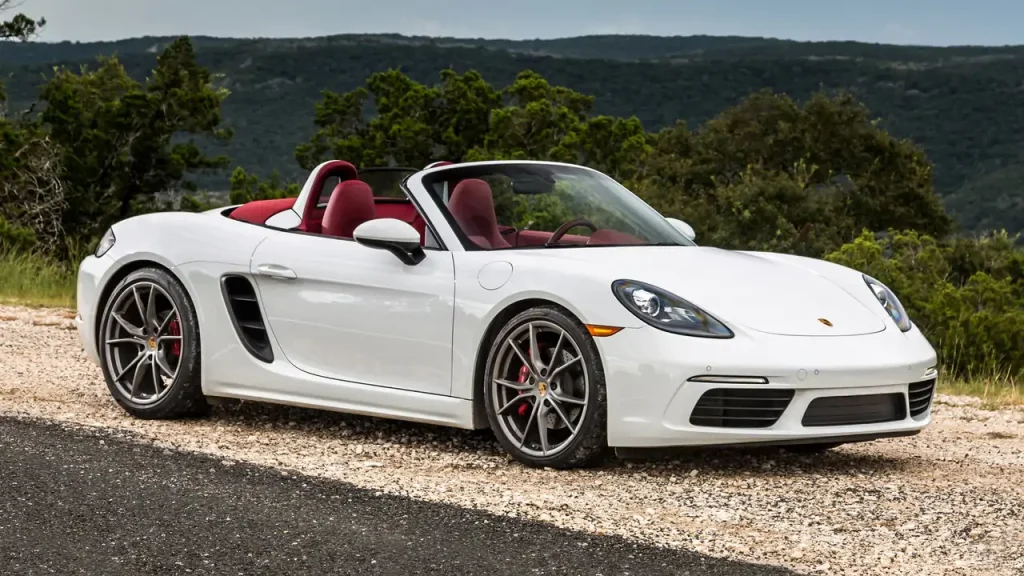
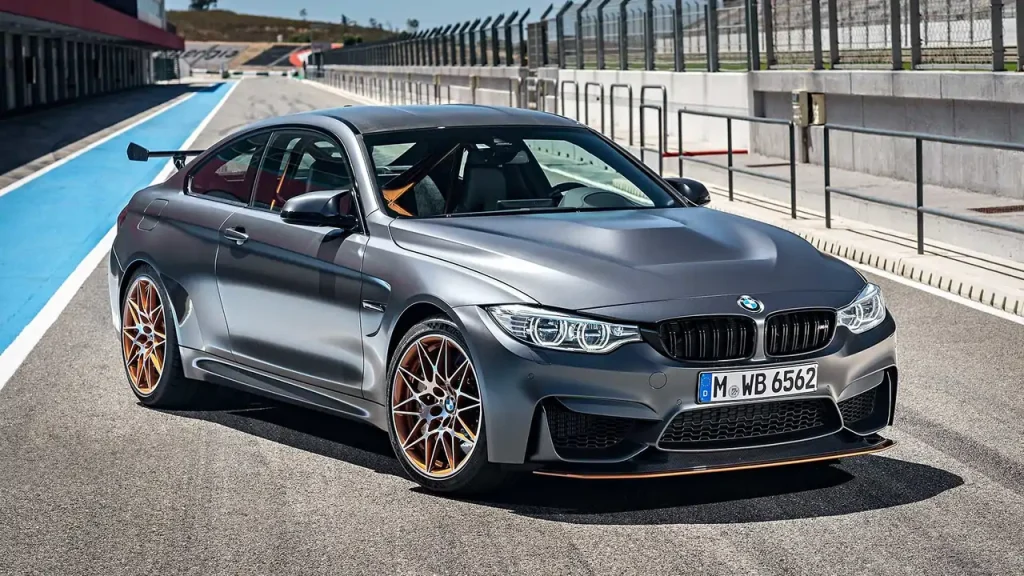
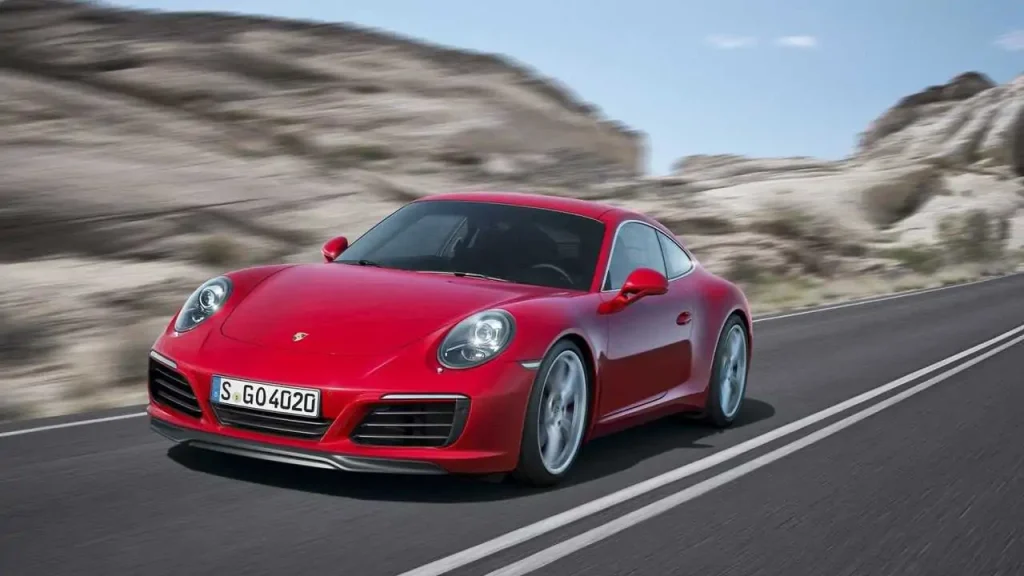
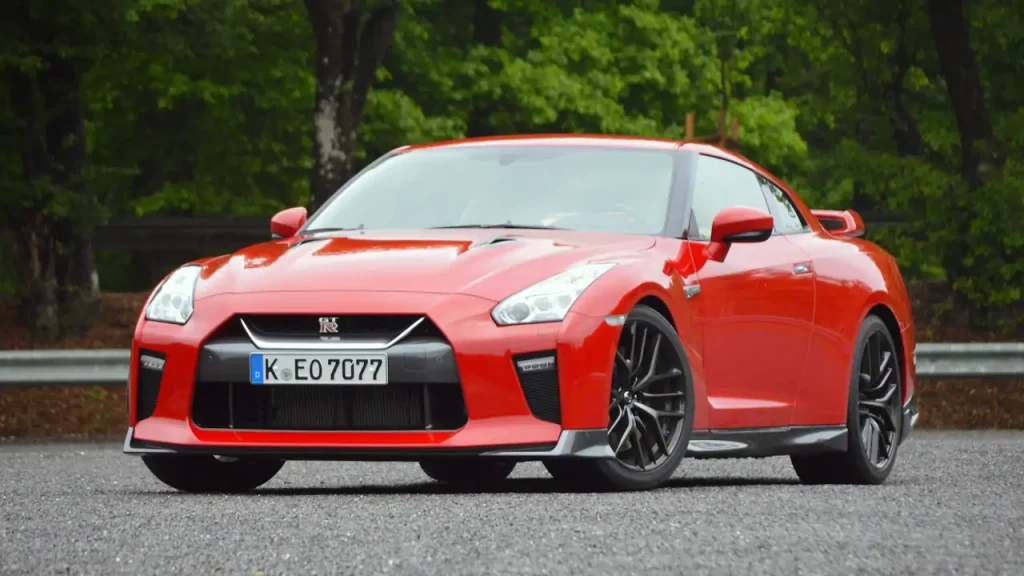
2018 Mercedes-AMG GT R — 1:18.7
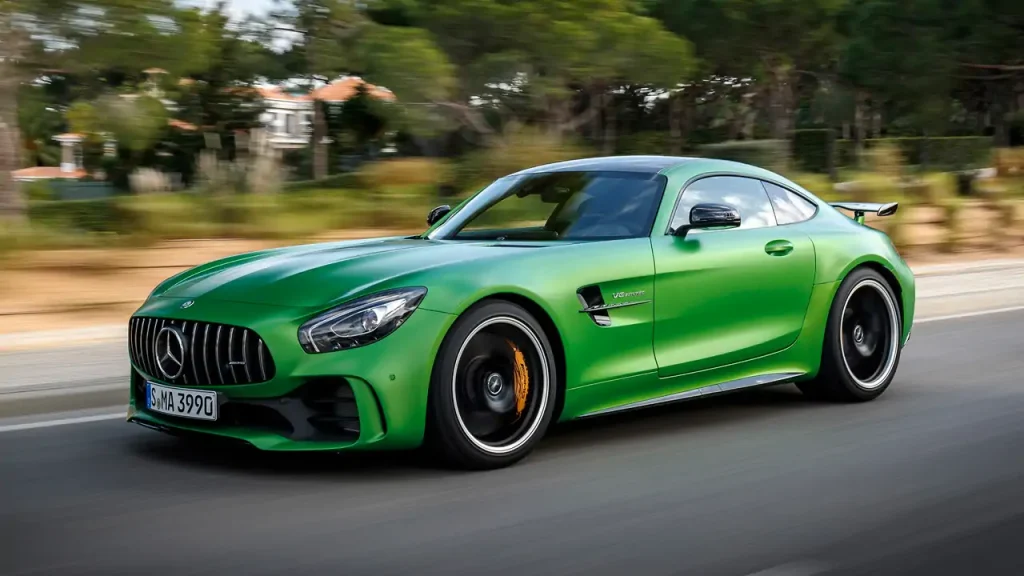
The 2018 Mercedes-AMG GT R was engineered to be considerably more focused than the regular AMG GT. Its twin-turbocharged V8 delivered serious power, while rear-wheel steering, an electronically controlled differential, performance brakes, and aerodynamic upgrades helped transform that power into usable track performance. The GT R recorded a 1:18.7, demonstrating that its front-engine, rear-wheel-drive layout could still compete with lighter mid-engine machinery when the chassis was properly developed.
2017 McLaren 720S — 1:17.9
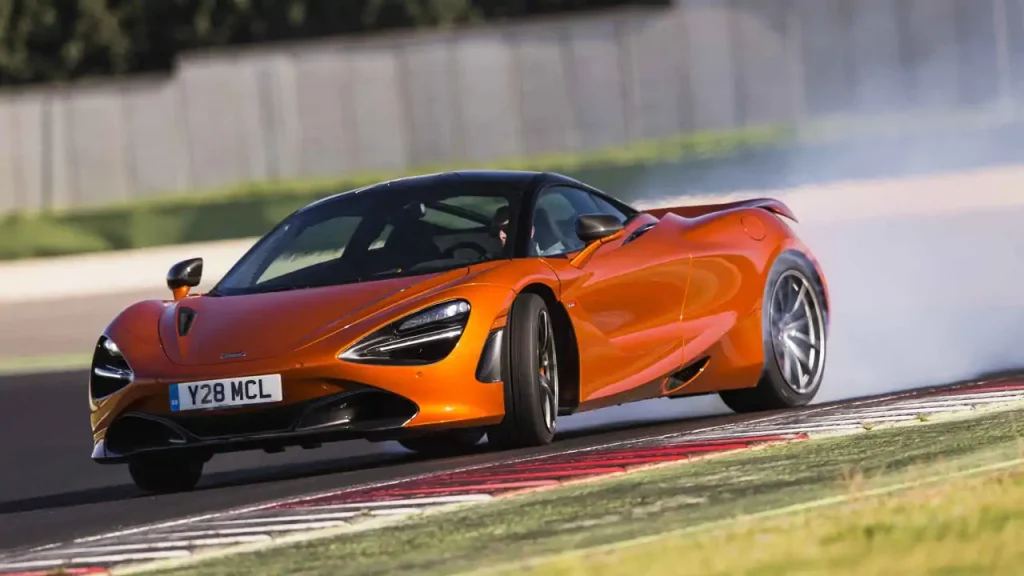
The 2017 McLaren 720S matched the 650S with a 1:17.9 lap. Although it represented a significant evolution of McLaren’s Super Series, the published time placed it alongside its predecessor on the Eboladrome. The 720S brought a twin-turbocharged V8, lightweight carbon-fiber construction, sophisticated suspension, and highly developed aerodynamics. Its ability to combine brutal acceleration with precise responses made it particularly effective when the track switched rapidly between high-speed and technical sections.
2014 McLaren 650S — 1:17.9
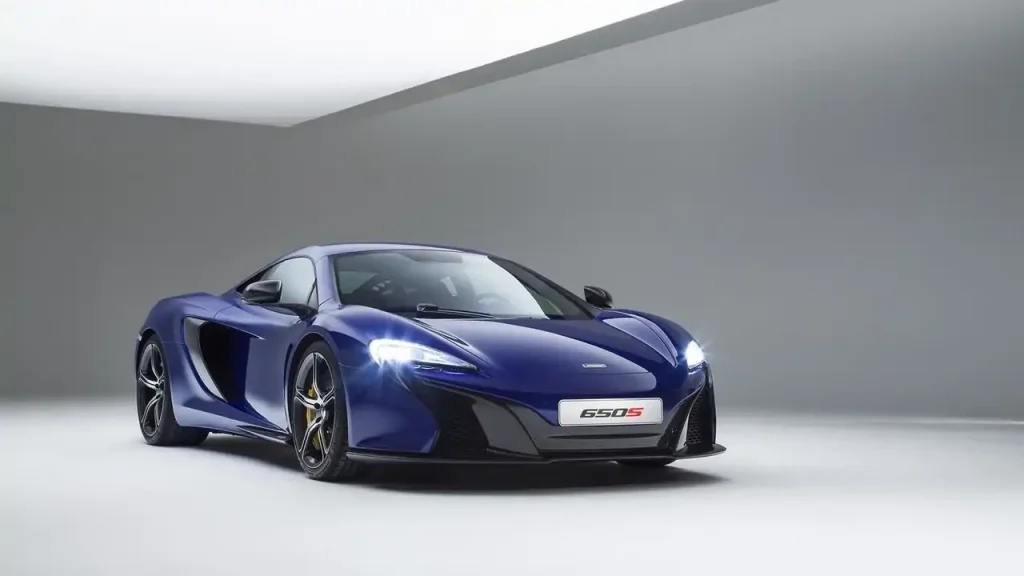
The 2014 McLaren 650S recorded a 1:17.9, combining a carbon-fiber structure with a mid-mounted twin-turbocharged V8. Lightweight construction was one of its biggest advantages around the Eboladrome, allowing the 650S to brake hard, change direction quickly, and accelerate aggressively between corners. Its sophisticated suspension and aerodynamic design also helped maintain stability when the circuit became particularly awkward. The result was a lap time that placed the 650S among the quickest cars on the board.
Ford GT — 1:17.6
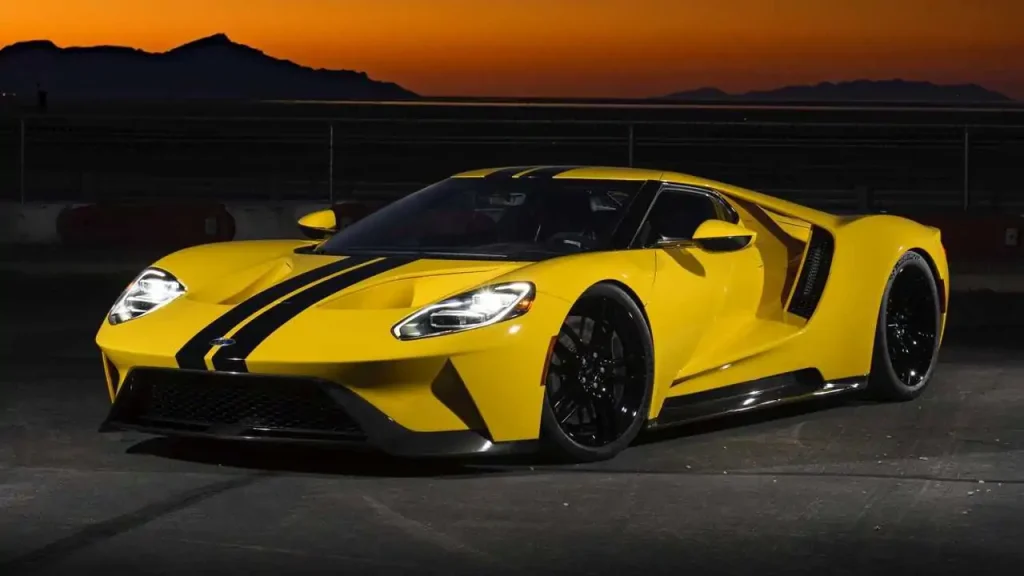
The Ford GT brought genuine Le Mans-inspired engineering to the Eboladrome, with its lightweight carbon-fiber construction, aerodynamic bodywork, and twin-turbocharged EcoBoost V6. Its 1:17.6 lap showed how effectively Ford’s supercar could combine straight-line speed with high-speed stability and precise cornering. The GT’s active aerodynamics and track-focused chassis were particularly useful around the Eboladrome’s fast sections and abrupt changes in direction, making it far more than a tribute to Ford’s racing heritage.
Lamborghini Huracán Performante — 1:16.8
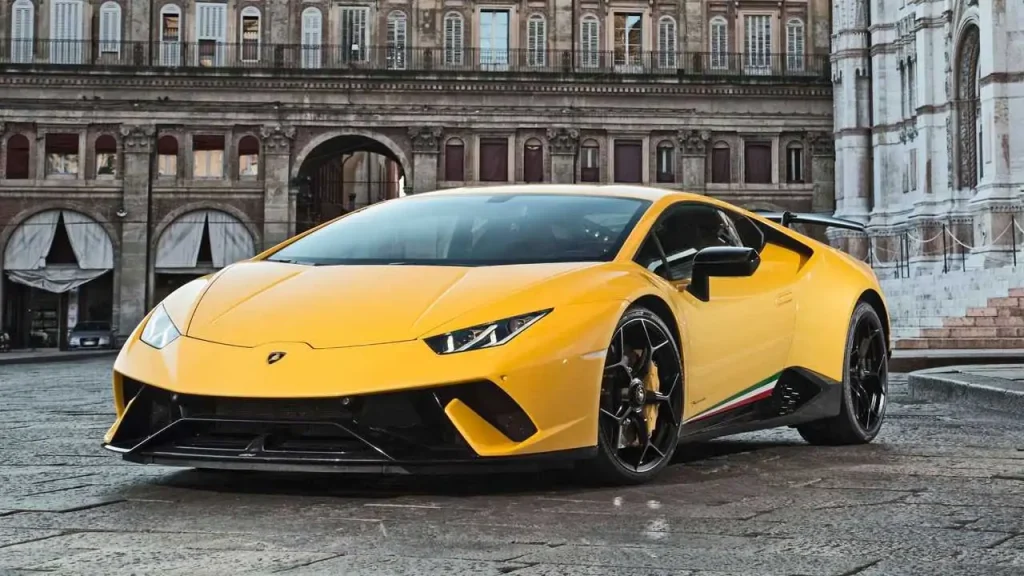
The Lamborghini Huracán Performante posted a 1:16.8 around the Eboladrome, highlighting the benefits of its lightweight construction, more powerful naturally aspirated V10, revised suspension, and sophisticated active aerodynamics. Lamborghini’s ALA system could alter the car’s aerodynamic characteristics depending on what the driver needed, helping improve stability and cornering performance. Combined with all-wheel drive and serious braking capability, the Performante had the hardware to attack the circuit’s most demanding sections with remarkable speed.
Aston Martin Vulcan — 1:15.5
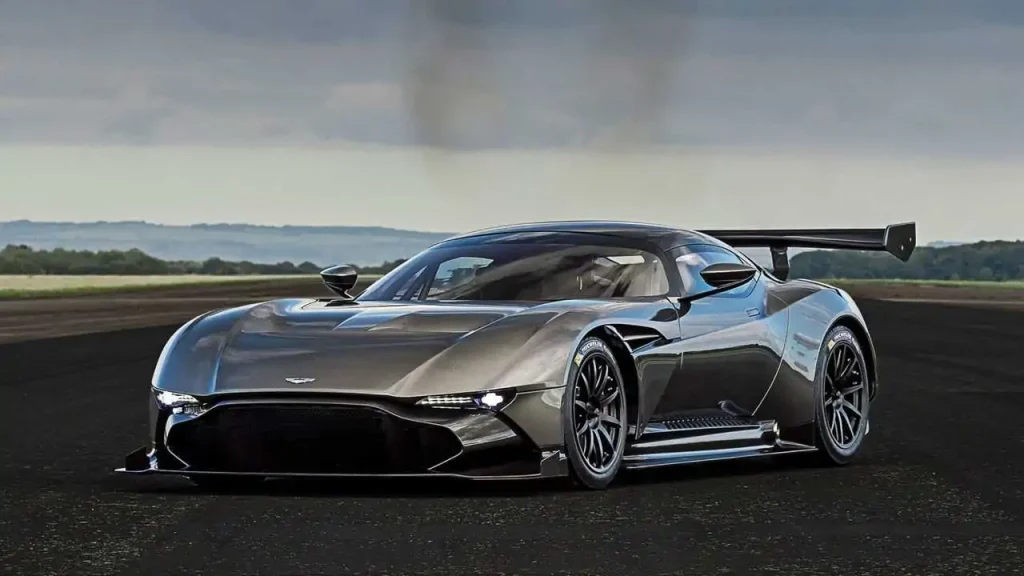
The Aston Martin Vulcan recorded an impressive 1:15.5, putting the track-only hypercar among the most spectacular machines to tackle the Eboladrome. Unlike most of the cars on this list, the Vulcan was never intended for normal road use. Its enormous naturally aspirated 7.0-liter V12, lightweight construction, aggressive aerodynamic package, and racing-derived chassis were developed specifically for circuit driving. That uncompromising focus made the Vulcan particularly well suited to the Eboladrome, where its combination of huge power, downforce, and track-focused hardware could be fully exploited.
McLaren Senna — 1:12.9
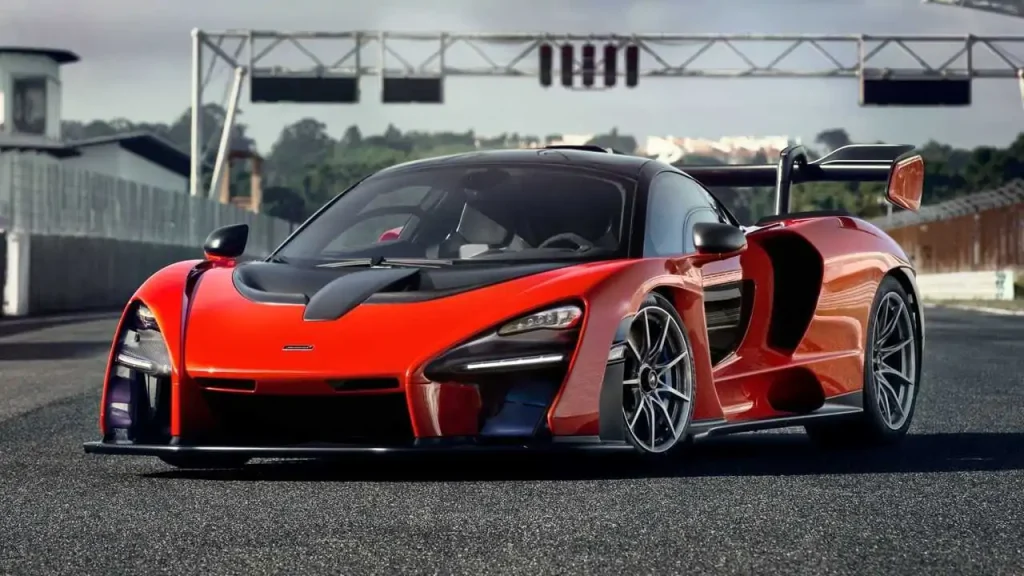
The McLaren Senna set the published Eboladrome benchmark with a 1:12.9 lap. Everything about the car was designed around extracting maximum performance from a road-going machine, from its lightweight carbon-fiber construction and twin-turbocharged V8 to its enormous aerodynamic surfaces and sophisticated chassis systems. The Senna’s bodywork generates substantial downforce, while its low mass and powerful brakes allow it to attack corners with the kind of aggression expected from a car carrying the name of one of Formula 1’s greatest drivers. Its 1:12.9 remains the standout time on the published Eboladrome board.