
From legendary V12 supercars to outrageous modern hypercars, these are some of Lamborghini’s finest creations.
Imagine the automotive world without Lamborghini . It would be a much less interesting place. Since building its first production car in 1963, the Italian automaker has spent just a few decades turning heads, challenging convention, and redefining what an exotic car can be. Its influence is remarkable considering how much younger the company is than many of its rivals.
Lamborghini’s willingness to go to extremes is a major reason for that influence. Its cars have never been known for subtle styling, and the company has rarely hesitated to add more power, more drama, or more outrageous engineering. If a design seems too bold or an engine seems too excessive, Lamborghini has often treated that as a reason to build it.
So, after decades of producing some of the world’s most memorable supercars, which Lamborghini deserves the title of the best?
That’s not as straightforward as it sounds. The most powerful model isn’t necessarily the most important, while the most beautiful car may not have had the greatest influence on the company. For this list, we’re looking at the Lamborghinis that made the biggest mark, whether through groundbreaking design, engineering innovation, performance, or their lasting influence on the brand and the wider supercar industry. Here are 15 of the most significant Lamborghinis ever built.
Table of Contents
Lamborghini Miura
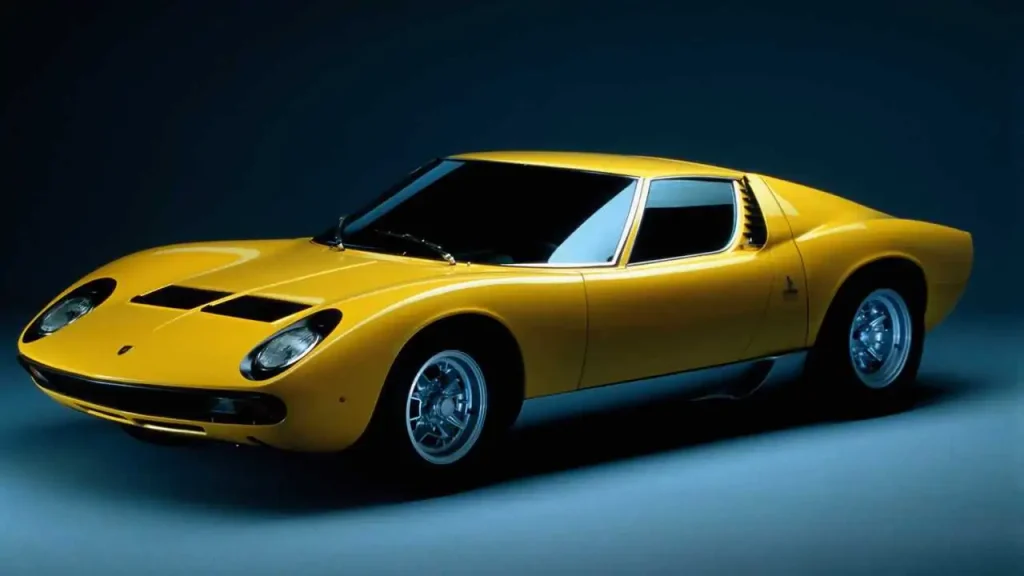
The Miura is arguably the car that established Lamborghini as a true supercar powerhouse. Introduced in 1966, it helped popularize the mid-engine layout that would eventually become a defining feature of high-performance cars. Its transverse-mounted V12 sat behind the cabin, giving the Miura its distinctive proportions, while Marcello Gandini’s styling transformed those mechanical innovations into one of the most beautiful cars ever built. More importantly, the Miura helped define what a modern supercar could be, combining exotic looks, a high-revving V12, and mid-engine architecture in a package that permanently changed the performance-car landscape.
Lamborghini Jalpa
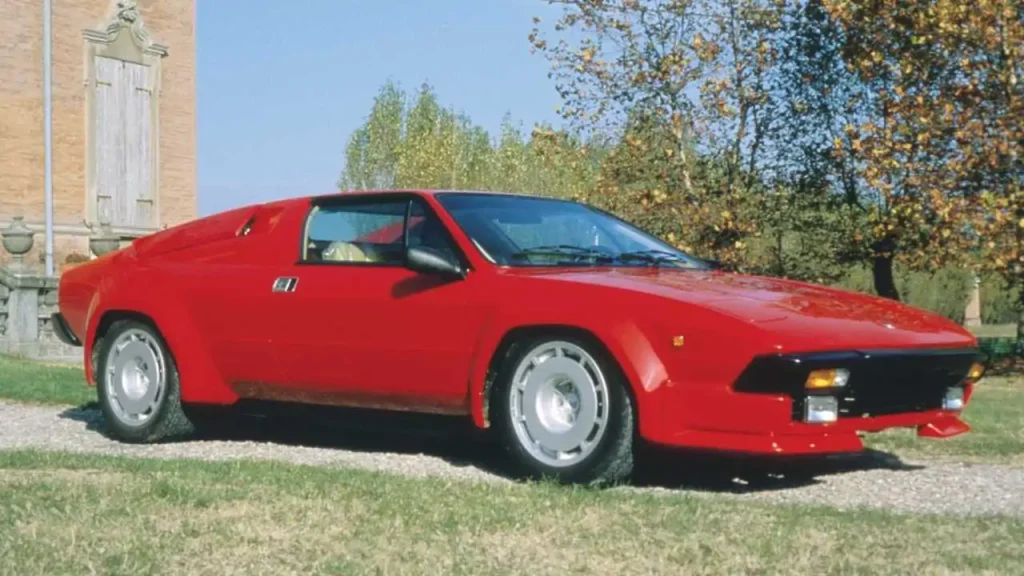
The Jalpa never achieved the fame of the Miura or Countach, but it remains an important chapter in Lamborghini history. Introduced in 1981 as the replacement for the Silhouette, it offered a slightly more approachable way into Lamborghini ownership with a 3.5-liter naturally aspirated V8 mounted behind the cabin instead of a V12. With roughly 250 horsepower depending on specification, rear-wheel drive, and a mid-engine layout, the Jalpa retained the essential ingredients of a Lamborghini in a smaller package. Its angular Bertone-designed body suited the company’s 1980s lineup, while the removable roof panel added extra open-air drama. Production ended in 1988 after relatively few examples were built, making the Jalpa an increasingly interesting piece of Lamborghini history.
Lamborghini Diablo
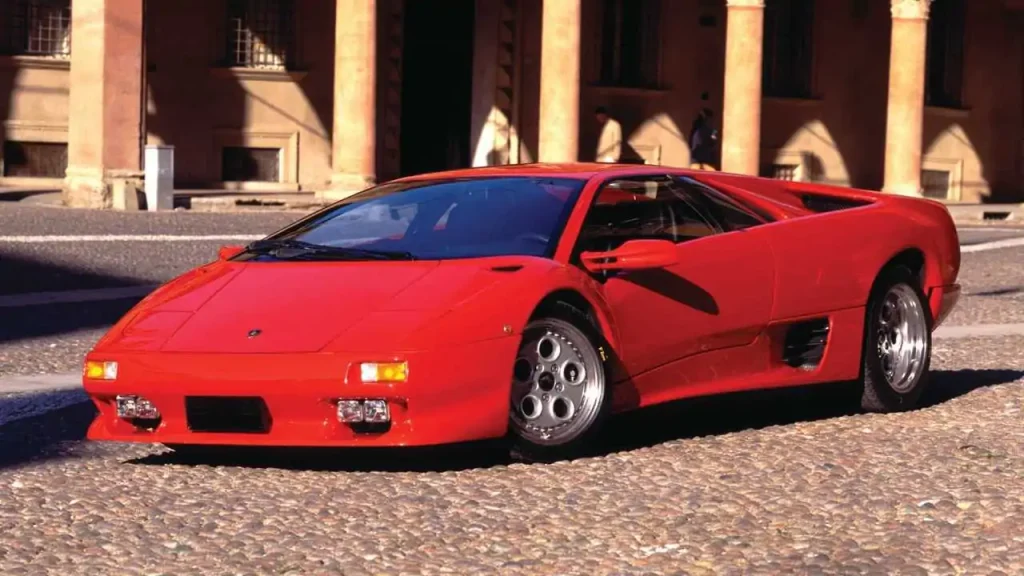
When the Diablo arrived in 1990, it had the difficult task of replacing the legendary Countach. Lamborghini rose to the challenge with a flagship that combined the company’s familiar wedge-shaped design language with a smoother appearance and a ferocious V12. Later versions gained four-wheel drive and increasingly sophisticated technology, while models such as the Diablo SV and GT pushed performance even further. The Diablo successfully carried Lamborghini’s flagship into the 1990s without sacrificing the drama and character that had defined the brand.
Lamborghini Gallardo
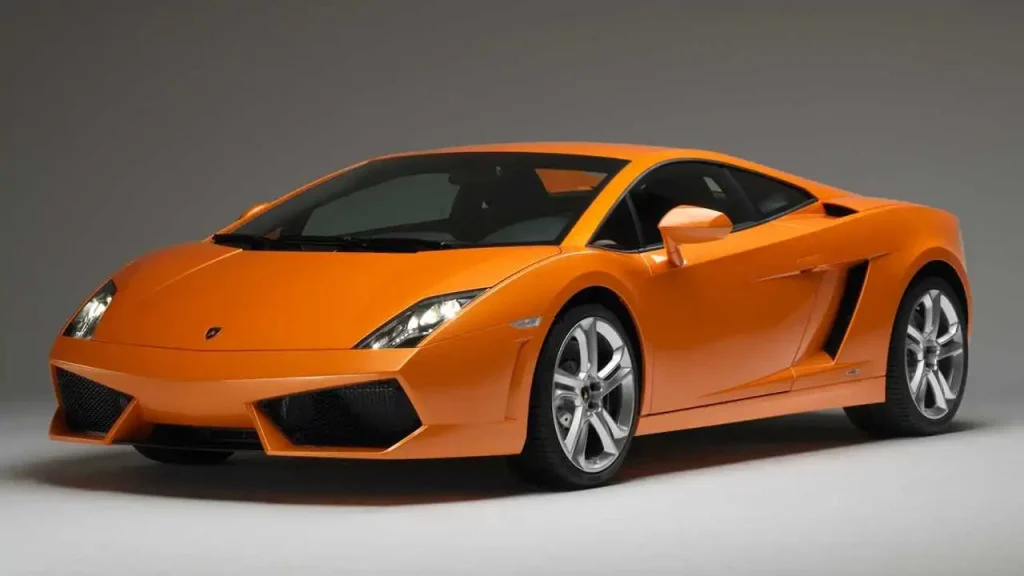
Few cars have been as important to Lamborghini’s growth as the Gallardo. Its naturally aspirated V10 delivered supercar performance while making the car smaller and more approachable than Lamborghini’s V12 models. The combination of compact dimensions, aggressive styling, strong performance, and available all-wheel drive proved enormously successful. The Gallardo eventually became Lamborghini’s best-selling model at the time, significantly expanding the company’s reach and helping establish the foundation for its modern growth.
Lamborghini Murciélago
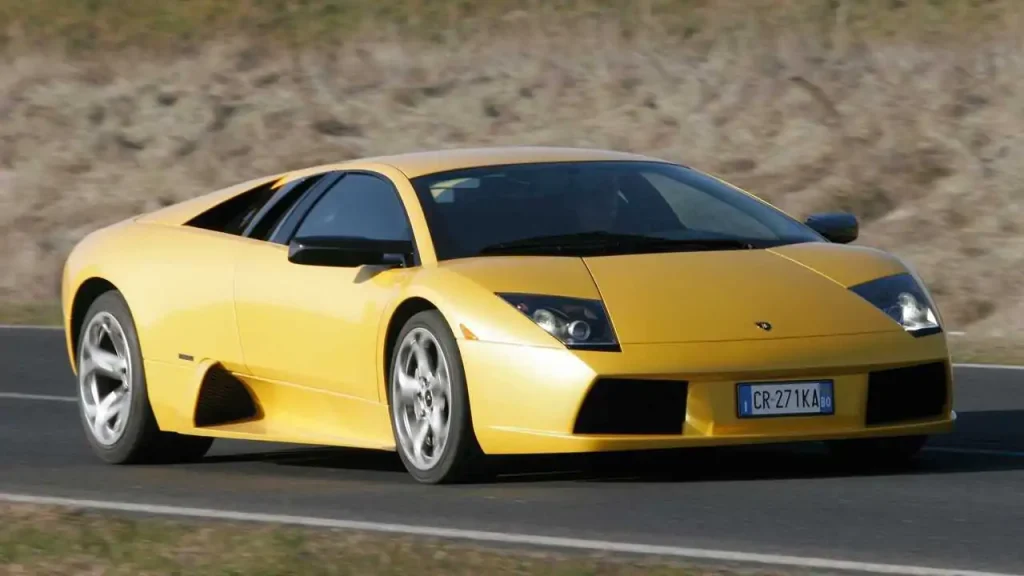
The Murciélago represented Lamborghini’s transition into a new chapter under Volkswagen Group ownership. Introduced in 2001, it retained the traditional Lamborghini formula of a dramatic body and powerful V12 while adding modern engineering, greater refinement, and available all-wheel drive. Its styling remained unmistakably Lamborghini, from its low nose and dramatic side intakes to its massive rear section. Later versions such as the LP640 and LP670-4 SV showed how much performance could be extracted from the platform, while the Murciélago’s status as the final Lamborghini to offer a traditional six-speed manual makes it especially significant to enthusiasts.
Lamborghini Reventón
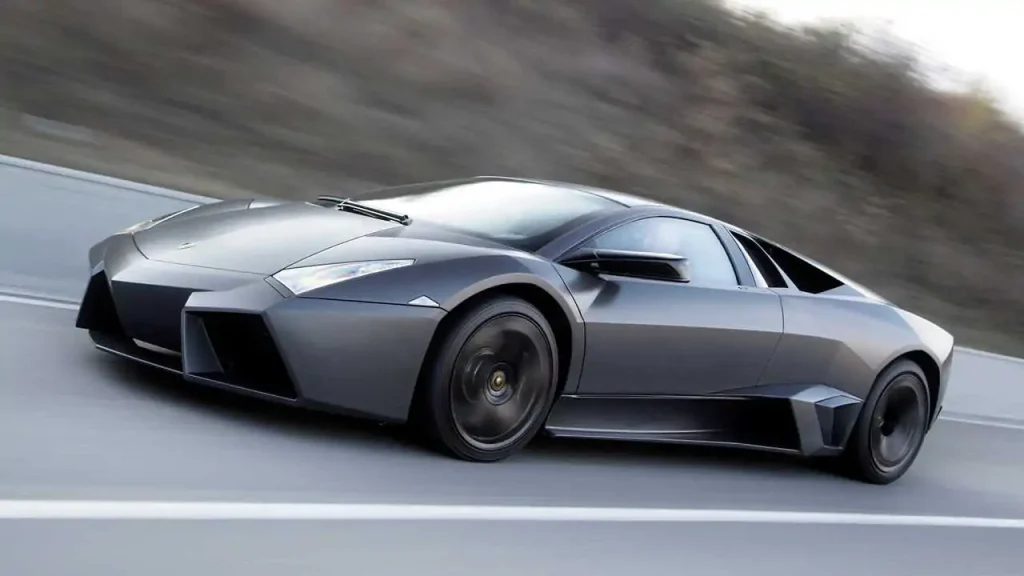
The Reventón took Lamborghini’s visual excess to another level. Inspired by military aircraft, the limited-production supercar featured angular surfaces and a stealth-fighter-like appearance, while its unusual digital instrumentation continued the aviation theme inside. Based on the Murciélago LP640, the Reventón was about more than outright performance; it gave Lamborghini an opportunity to explore an extreme design without the compromises of a regular production model. With only a very small number produced, the Reventón remains one of the rarest and most visually distinctive Lamborghinis.
Lamborghini Espada
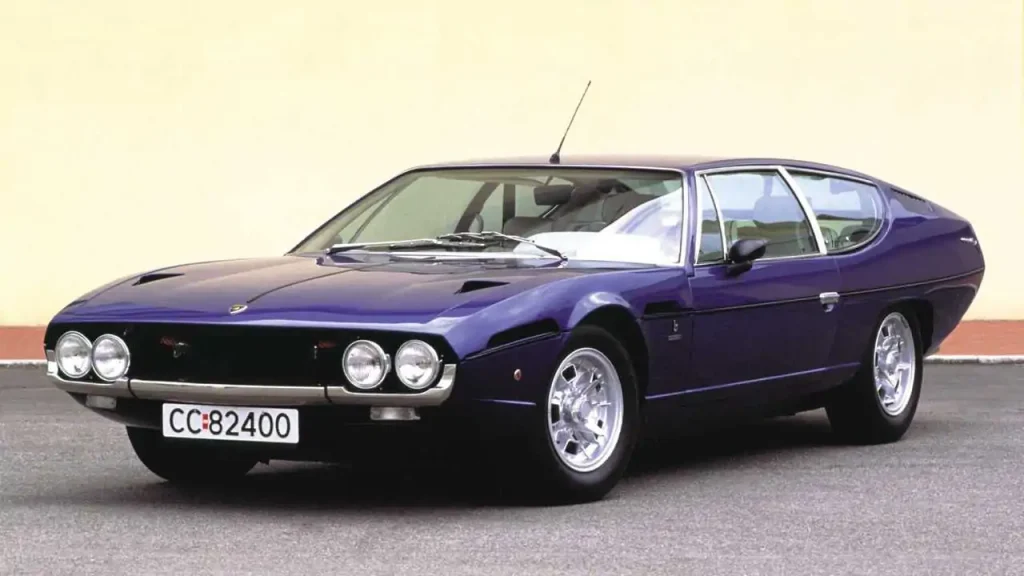
The Espada brought Lamborghini’s V12 performance into a surprisingly practical four-seat grand touring package. Introduced in 1968, it combined a long, low body with a front-mounted V12 and enough interior space to carry four adults, giving buyers an alternative to the company’s more focused two-seat sports cars. Its distinctive styling, penned by Marcello Gandini, helped the Espada stand apart from other grand tourers of the era, while its strong performance made it a genuine Lamborghini rather than simply a luxury cruiser. With its unusual combination of practicality, comfort, and V12 power, the Espada remains one of the most distinctive and important cars in Lamborghini history.
Lamborghini Urus
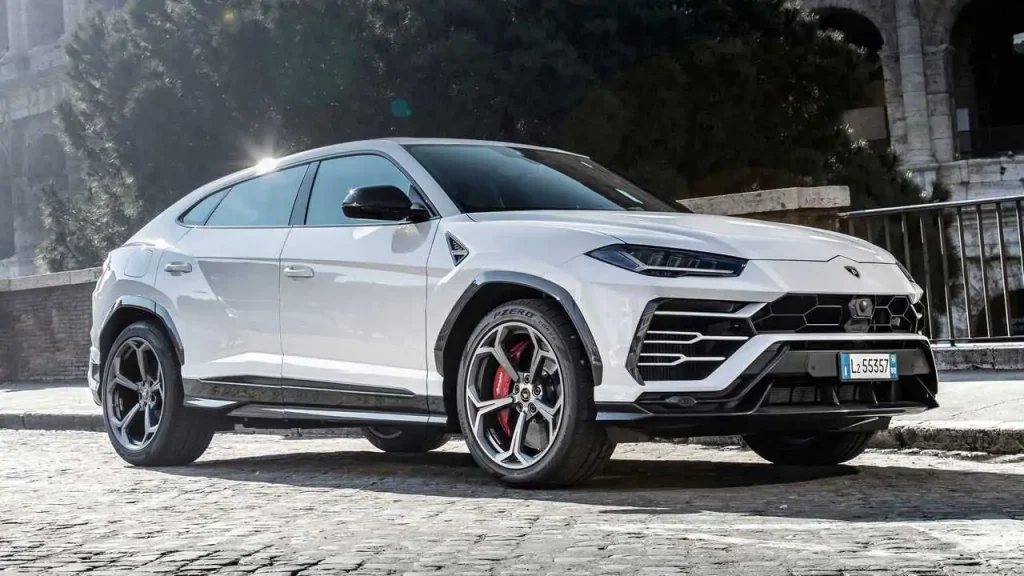
The Urus changed Lamborghini’s business model by taking the company into the SUV market. Instead of building only low-slung sports cars, Lamborghini created a high-performance SUV capable of carrying passengers, luggage, and family responsibilities while still delivering extraordinary acceleration. Its twin-turbocharged V8 and sophisticated all-wheel-drive system gave it genuine performance credentials, while the SUV dramatically increased Lamborghini’s production volumes and global reach. Purists may debate whether an SUV belongs among Lamborghini’s greatest cars, but its importance to the company’s success is undeniable.
Lamborghini Sesto Elemento
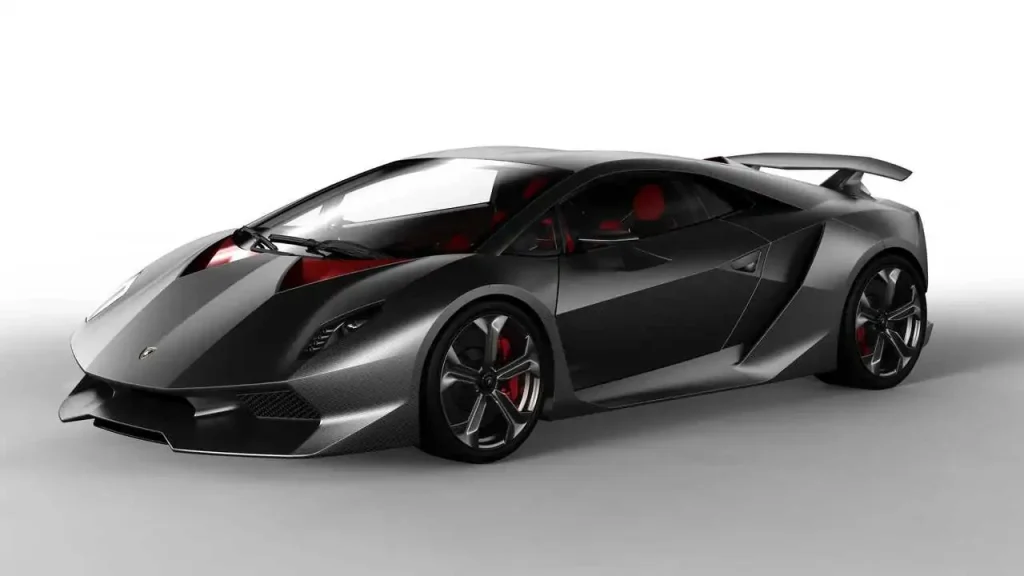
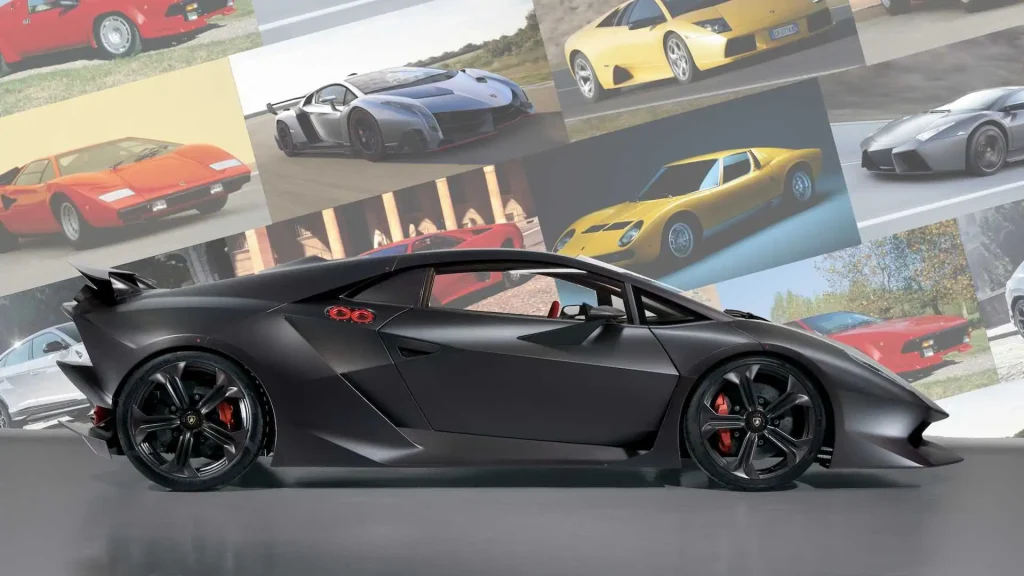
The Sesto Elemento showed just how far Lamborghini could take its obsession with lightweight construction. Unveiled in 2010, the limited-production supercar used extensive carbon-fiber construction to keep its weight remarkably low, while its aggressive styling made it look more like a race car than a conventional road-going Lamborghini. Powered by a 5.2-liter naturally aspirated V10 producing around 570 horsepower, the Sesto Elemento delivered exceptional performance thanks to its extremely low mass. Its name, meaning “sixth element” in Italian, refers to carbon, the sixth element on the periodic table, highlighting the material’s importance to the car. With only a handful produced, the Sesto Elemento remains one of Lamborghini’s most extreme and technically fascinating creations.
Lamborghini Veneno
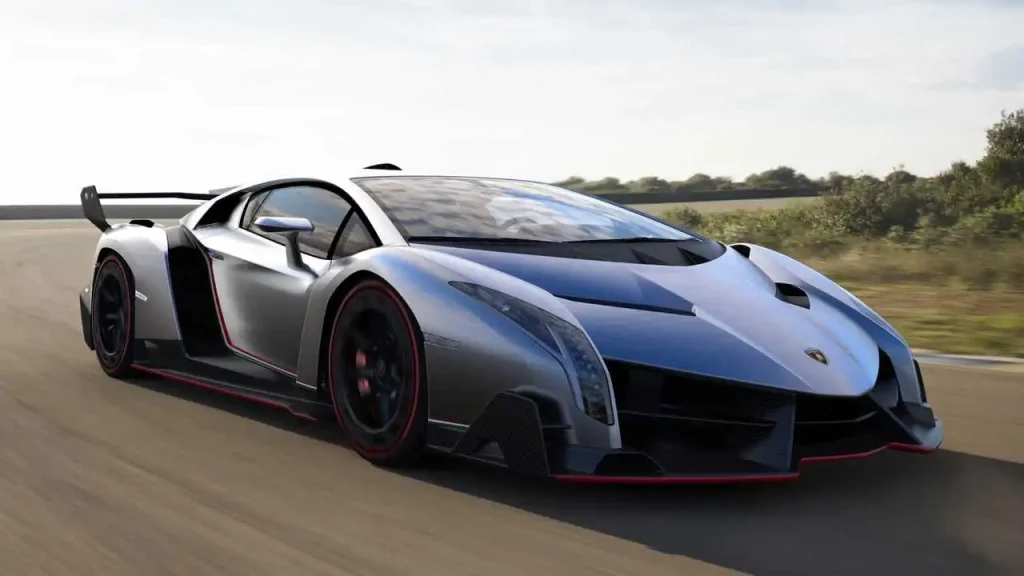
The Veneno was Lamborghini at its most extreme. Based on the Aventador, it featured enormous aerodynamic elements, sharply sculpted bodywork, and a design that looked closer to a racing prototype than a conventional road car. Only a handful were produced, making the Veneno exceptionally rare, with its appeal coming from the combination of performance, outrageous styling, and exclusivity. It represented Lamborghini’s willingness to create road cars that appeared almost too extreme for public roads.
Lamborghini Estoque
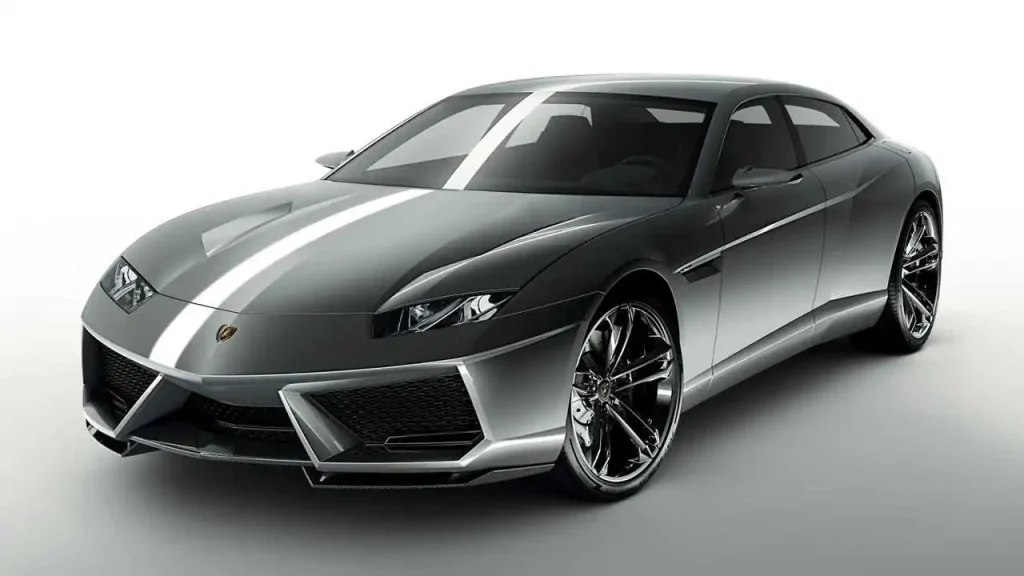
The Estoque is one of Lamborghini’s most fascinating cars precisely because it never reached production. Unveiled at the 2008 Paris Motor Show, the four-door concept explored what a Lamborghini performance sedan could look like, adding four doors and greater passenger space without abandoning the brand’s dramatic proportions. Its low roofline, long hood, sharp creases, and aggressive stance made it unmistakably Lamborghini, while its intended competition included emerging performance sedans such as the Porsche Panamera and Aston Martin Rapide. Lamborghini ultimately chose a different route into the practical-performance market with the Urus, leaving the Estoque as an intriguing glimpse at an alternate future for the brand.
Lamborghini L 33
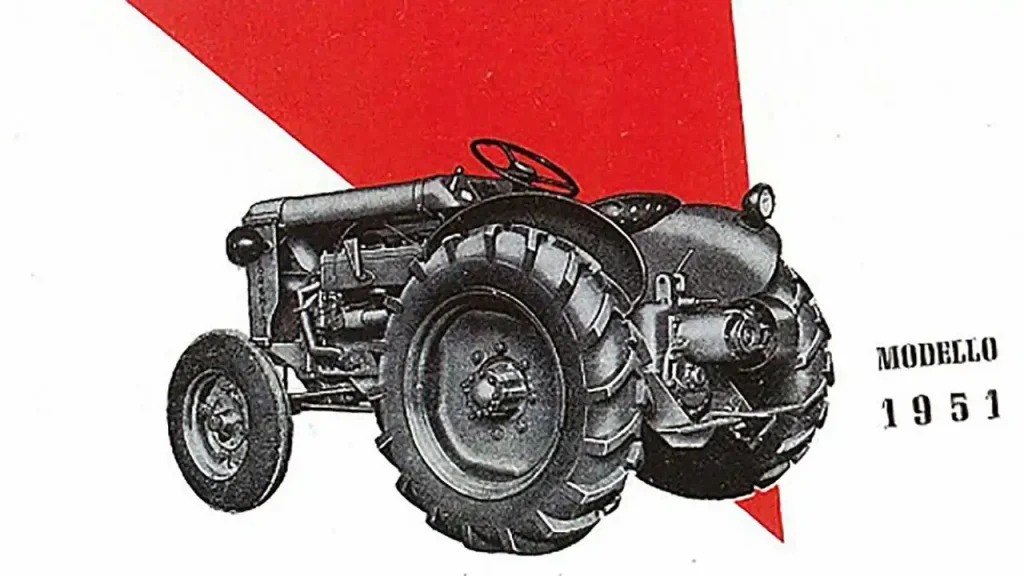
The Lamborghini L 33 was one of the company’s earliest tractors, reflecting Ferruccio Lamborghini’s agricultural roots long before the brand became synonymous with exotic sports cars. Introduced in the 1950s, the L 33 was built as a practical agricultural machine rather than a performance vehicle, helping establish Lamborghini Trattori as an important part of Ferruccio’s early business. While it has little in common mechanically with the Miura or Countach, the L 33 is an important part of the Lamborghini story because the company’s automotive division ultimately grew from Ferruccio’s success building tractors.
Lamborghini LM002
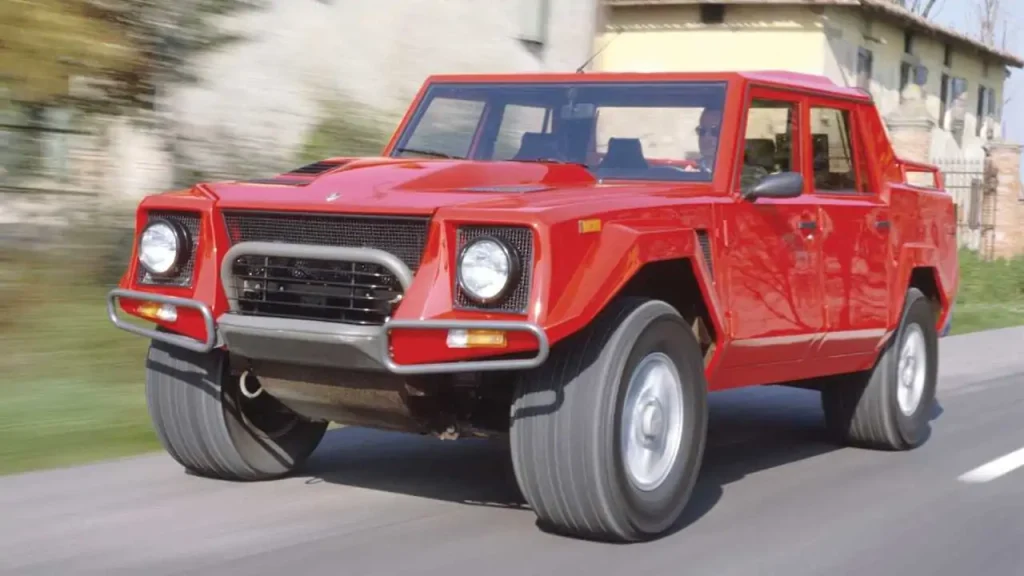
The Lamborghini LM002 took the company’s performance-car philosophy in an entirely different direction, creating an imposing luxury off-roader with the heart of a supercar. Introduced in 1986, the LM002 was powered by a 5.2-liter V12 derived from the Countach, sending power to all four wheels through a rugged four-wheel-drive system. Its boxy body, enormous tires, and remarkable off-road capability earned it the nickname “Rambo Lambo,” while its leather-lined cabin and powerful engine gave it a level of luxury and performance rarely seen in an SUV at the time. Long before the Urus arrived, the LM002 proved Lamborghini was willing to build something completely different.
Lamborghini 350 GT
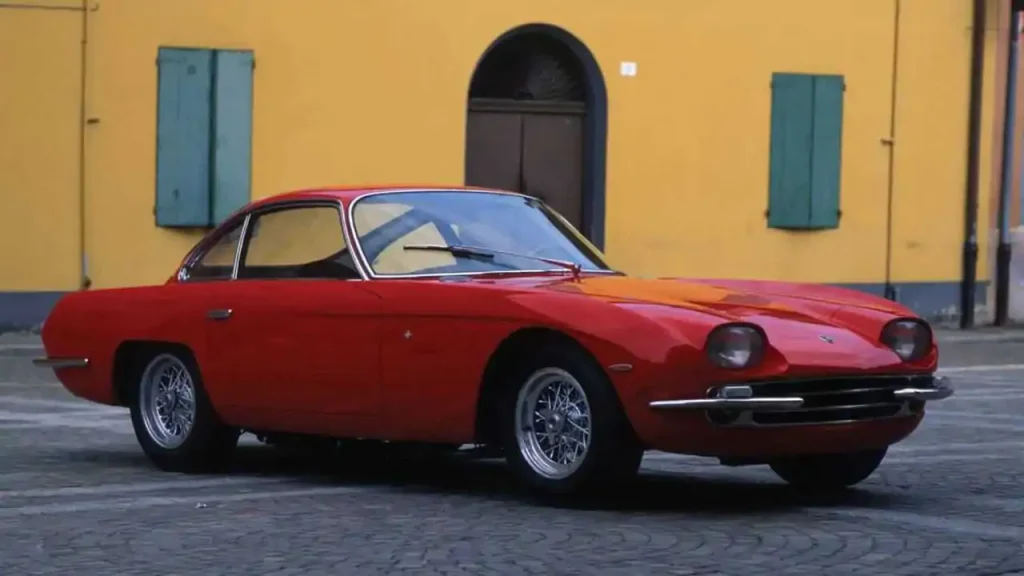 The Lamborghini 350 GT was the car that officially launched Lamborghini as a road-car manufacturer. Introduced in 1964, it transformed Ferruccio Lamborghini’s ambitions beyond tractors into a serious challenge to established Italian sports-car makers. Designed by Carrozzeria Touring and powered by a 3.5-liter V12 developed by Giotto Bizzarrini, the 350 GT combined strong performance with a level of refinement and comfort that set it apart from many contemporary sports cars. Only a limited number were built, but the 350 GT established the formula of powerful engines, sophisticated engineering, and elegant Italian design that would define Lamborghini for decades to come.
Lamborghini Countach LP400
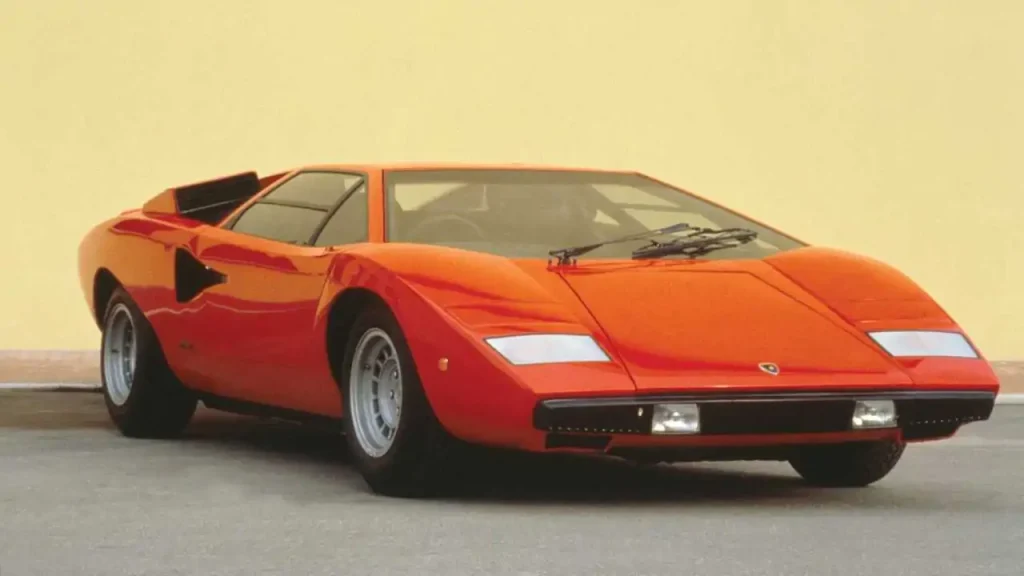 The Countach LP400 was the original production version of Lamborghini’s revolutionary wedge-shaped supercar, arriving in 1974 after the Countach prototype stunned the world. Powered by a 3.9-liter naturally aspirated V12, the LP400 combined dramatic styling with serious performance and established many of the design cues that would define Lamborghini for decades. Its clean bodywork, low stance, and iconic scissor doors made it an instant automotive legend, while the absence of the later Countach’s large spoilers and additional aerodynamic add-ons gave the early LP400 a particularly pure appearance. For many enthusiasts, it remains one of the most beautiful and significant versions of Lamborghini’s most famous nameplate.