
The automotive industry is entering an exciting new era, with manufacturers preparing to launch an impressive lineup of vehicles that blend cutting-edge technology, electrification, bold styling, and exhilarating performance. From innovative electric city cars like the Honda Urban EV to the highly anticipated return of legendary sports cars such as the Toyota Supra, the next few years promise something for every type of driver.
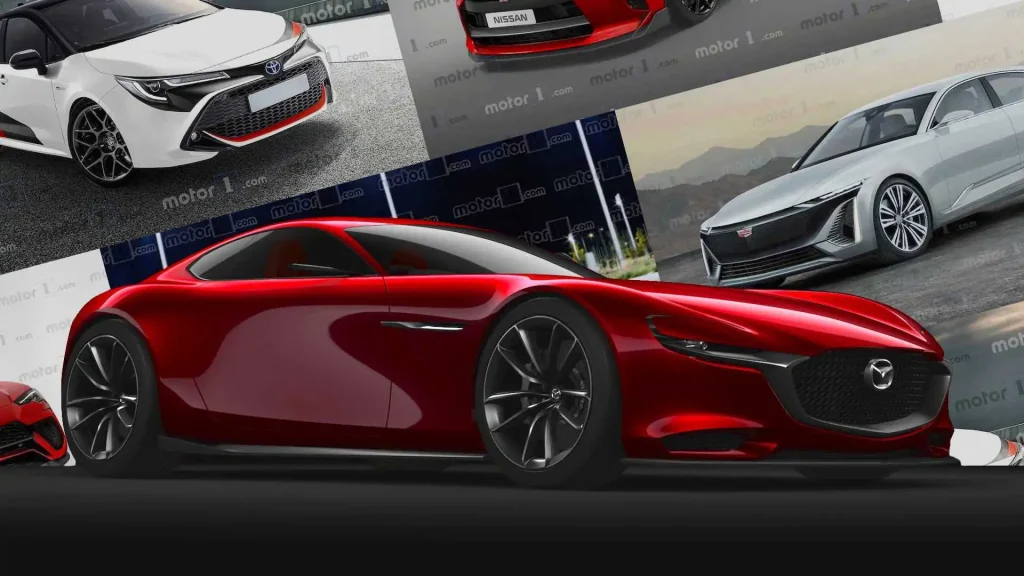
Whether you’re shopping for your next vehicle or simply enjoy keeping up with the latest automotive trends, these 15 upcoming cars deserve a place on your radar. Spanning everything from efficient electric vehicles and family-friendly SUVs to high-performance sports cars and luxury sedans, each model represents the future direction of its brand. Here are 15 upcoming cars that are truly worth the wait over the next three years.
As 2020 progresses and 2021 model-year vehicles begin to arrive, the automotive industry is looking ahead to an exciting future. Over the next few years, new models from brands like Cadillac, Mercedes-Benz, Toyota, and others will showcase advances in electrification, cutting-edge technology, and high-performance engineering, making the 2020–2023 period one of the most exciting in recent automotive history.
Looking ahead, automakers are preparing an exciting wave of new vehicles that will shape the future of driving. From an all-electric Porsche Cayman and the next-generation Nissan GT-R to the long-awaited successor to the Dodge Challenger, the coming years promise a mix of innovation, performance, and bold new designs. We’ve also included a few informed predictions for brands like Mini and Mazda as they evolve their lineups.
Explore our list of the most anticipated future cars to stay up to date on the latest upcoming cars, trucks, and SUVs expected to arrive over the next few years.
Table of Contents
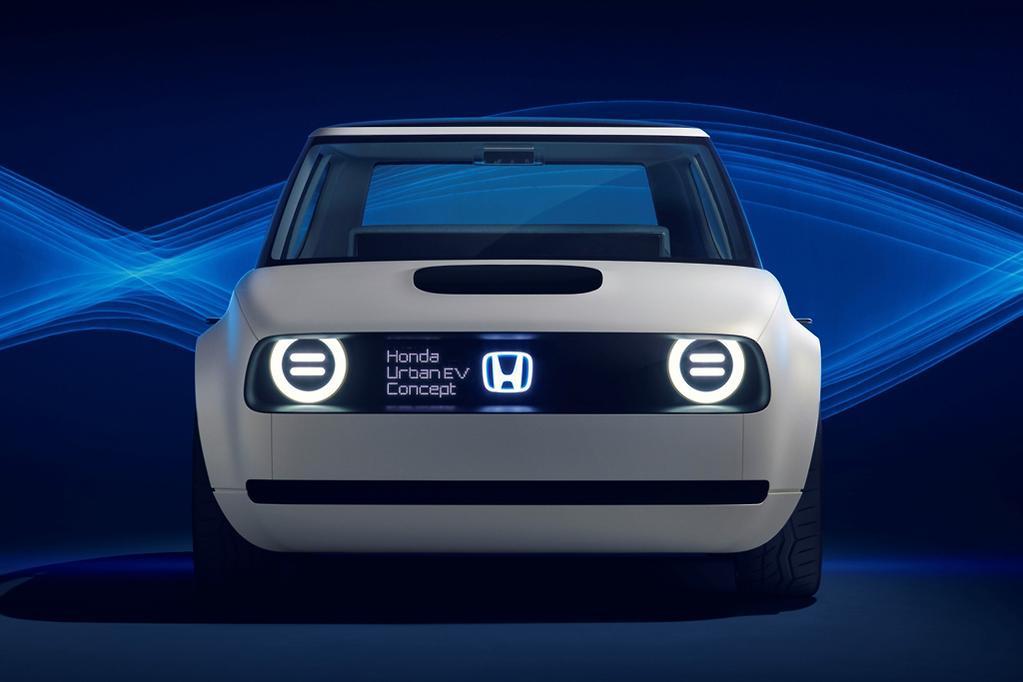
Honda Urban EV
Toyota Supra
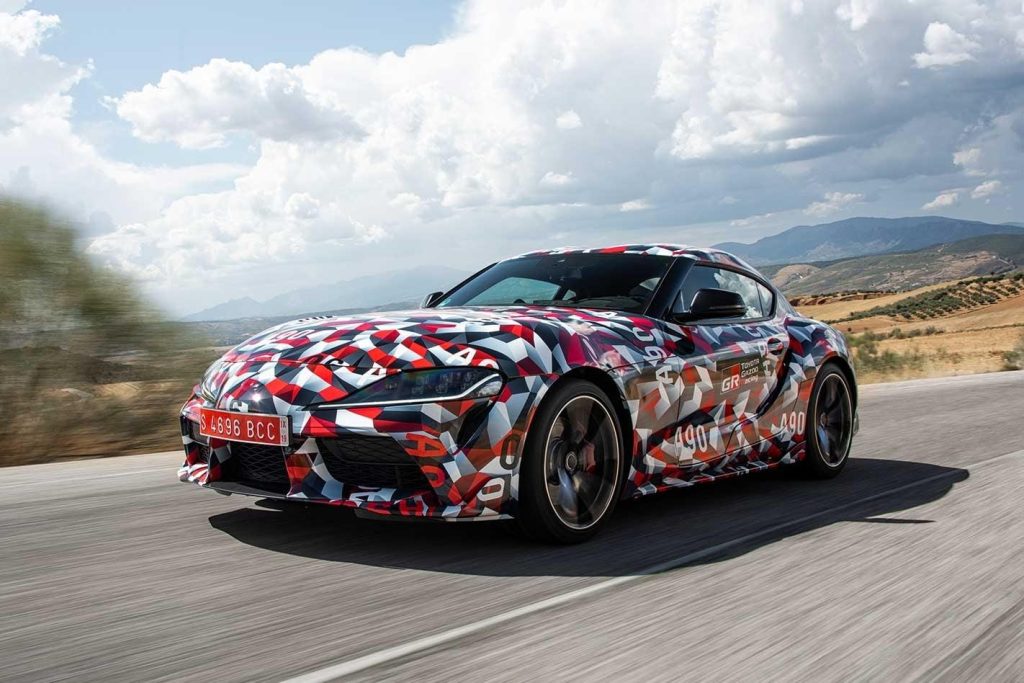
Few cars generated as much anticipation as the return of the Toyota Supra. The legendary fourth-generation model disappeared from the U.S. market in 1998, leaving fans wondering if Toyota would ever bring back its iconic sports car.
The first major clue arrived in 2014 with the dramatic FT-1 concept. Although it wasn’t originally designed as a Supra preview, its aggressive styling and strong connection to Toyota’s sports-car heritage quickly sparked speculation. The overwhelmingly positive response eventually helped influence the design of the fifth-generation Supra.
The wait finally ended in 2019 when Toyota revealed the 2020 GR Supra. Developed with BMW, the new two-seat coupe returned to the formula enthusiasts wanted: front-engine, rear-wheel drive and a turbocharged inline-six. The 3.0-liter engine produced 335 horsepower and 365 pound-feet of torque, with an eight-speed automatic sending power to the rear wheels.
After more than two decades away from American showrooms, the Supra wasn’t simply another new sports car. It was the revival of one of Toyota’s most recognizable performance names—and proof that the company was still willing to build something purely for driving enthusiasts.
Porsche Cayman EV
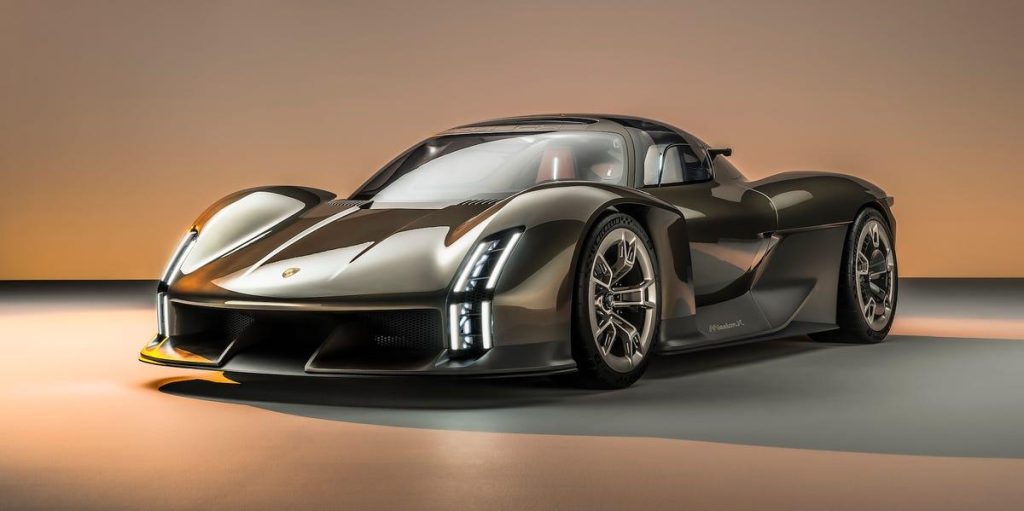
The Porsche Cayman has long been one of the brand’s purest sports cars, so the prospect of an electric version was a big deal. Porsche was looking at ways to bring electrification to its smaller sports-car lineup without losing the sharp handling and driver-focused character that made the Cayman so popular.
The Mission R concept offered an early glimpse at what an electric Porsche sports car could look like. Unveiled in 2021, the low-slung racer packed two electric motors and produced as much as 1,073 horsepower in qualifying mode. It was also roughly the same length as a 718 Cayman, giving enthusiasts plenty of reason to believe Porsche’s electric sports-car plans were serious.
Porsche even tested the Mission R’s technology in the 718 Cayman GT4 ePerformance, showing that the company was actively developing high-performance electric hardware.
For Cayman fans, the biggest question was simple: Could Porsche make an EV that still feels like a Porsche? If the answer was yes, the electric Cayman had the potential to be one of the most exciting performance cars in the new electric era.
Next-Generation Nissan GT-R
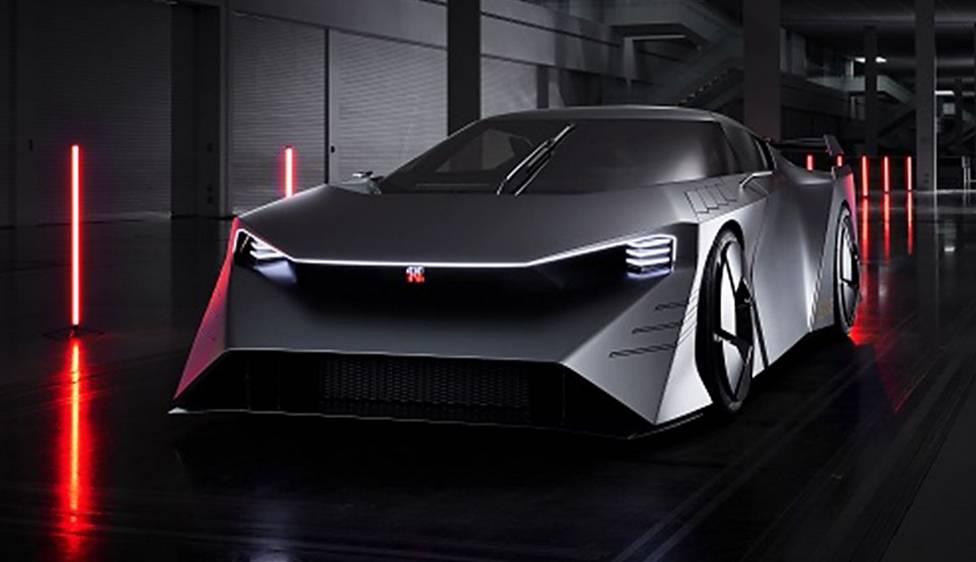
The Nissan GT-R had already become a legend by the time plans for its successor began taking shape. The R35 had been on sale since 2007, combining a twin-turbocharged 3.8-liter V6, all-wheel drive, and incredible straight-line performance. For 2020, the standard GT-R produced 565 horsepower, while the Nismo version made 600 hp.
The big question was what Nissan could possibly do to improve it. Concepts such as the Concept 2020 Vision Gran Turismo and later the Hyper Force offered glimpses at the company’s vision for the future of the GT-R, with increasingly aggressive styling and electrified performance technology.
The next-generation car, expected to carry the R36 designation, was particularly interesting because Nissan was considering some form of electrification. A hybrid powertrain could give the GT-R even more power while helping it meet increasingly strict emissions regulations.
For enthusiasts, the appeal was simple: Nissan had already proven that a GT-R could challenge far more expensive supercars. The R36 promised to take that formula into a new era without abandoning the performance credentials that earned the car its “Godzilla” nickname.
Next-Generation Dodge Challenger
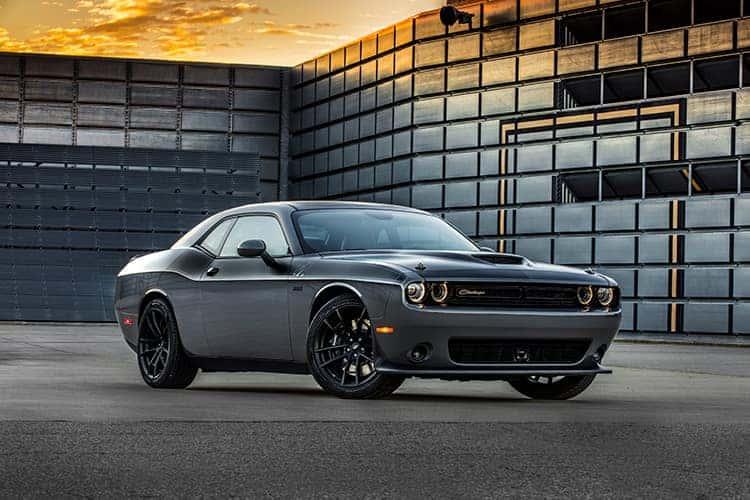
A new Challenger promised to bring that old-school attitude into a modern package. The big question was whether Dodge would continue with traditional V8 power or embrace electrification while keeping the muscle-car character that made the Challenger so popular.
Cadillac Celestiq
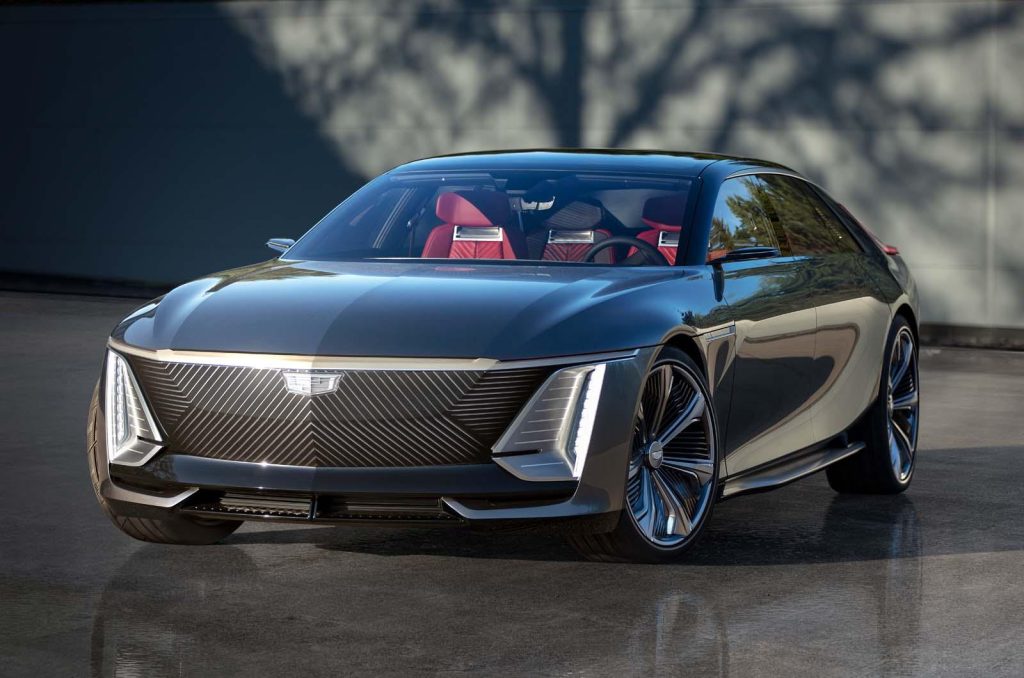
Cadillac was preparing to reinvent itself as a serious electric luxury brand, and the Celestiq was expected to sit at the top of that transformation. Rather than simply electrifying an existing Cadillac, the Celestiq promised an entirely new flagship with dramatic styling and technology.
It was particularly interesting because Cadillac wanted the car to compete with ultra-luxury offerings from brands such as Mercedes-Benz and Porsche. If the production version stayed close to the concept, it could become one of Cadillac’s boldest cars in decades.
Mercedes-Benz EQS
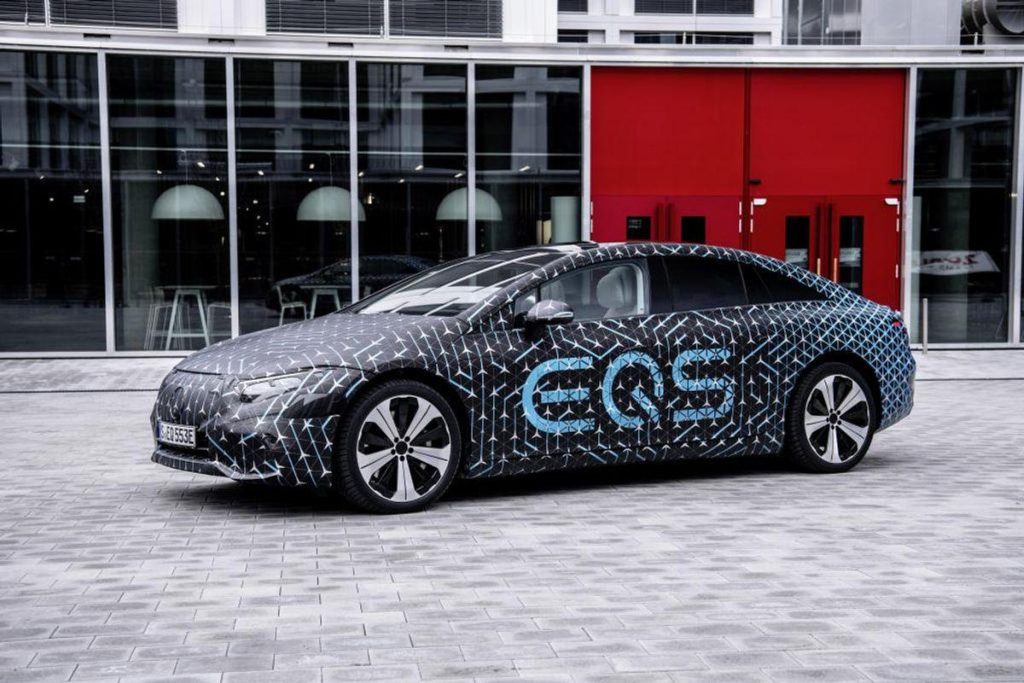
The EQS was important because Mercedes wasn’t treating electric power as a niche experiment. It was building an entire luxury-car strategy around electrification, making the EQS one of the most important upcoming models in the company’s lineup.
Mazda Rotary Sports Car
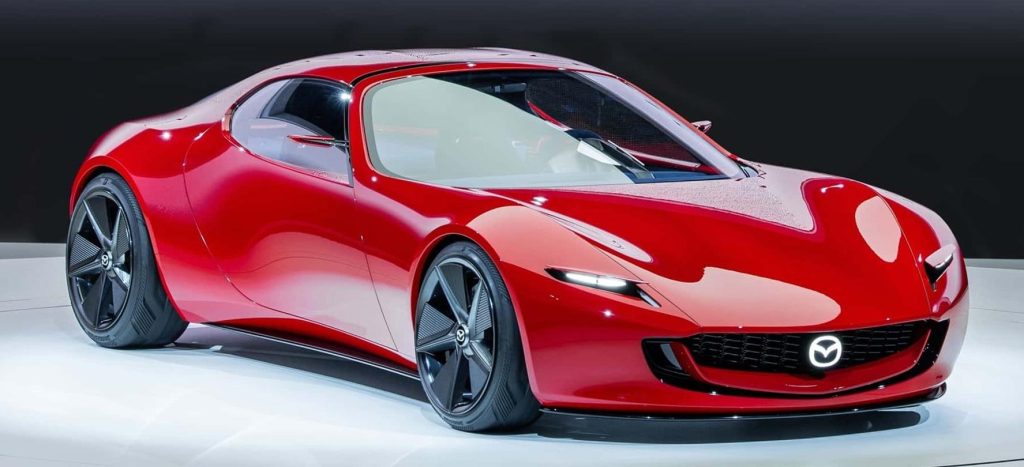
The big question was whether Mazda could bring the rotary back in a new form while meeting modern emissions requirements. Even as a possibility, a new rotary-powered sports car was enough to get enthusiasts excited.
Mini Electric
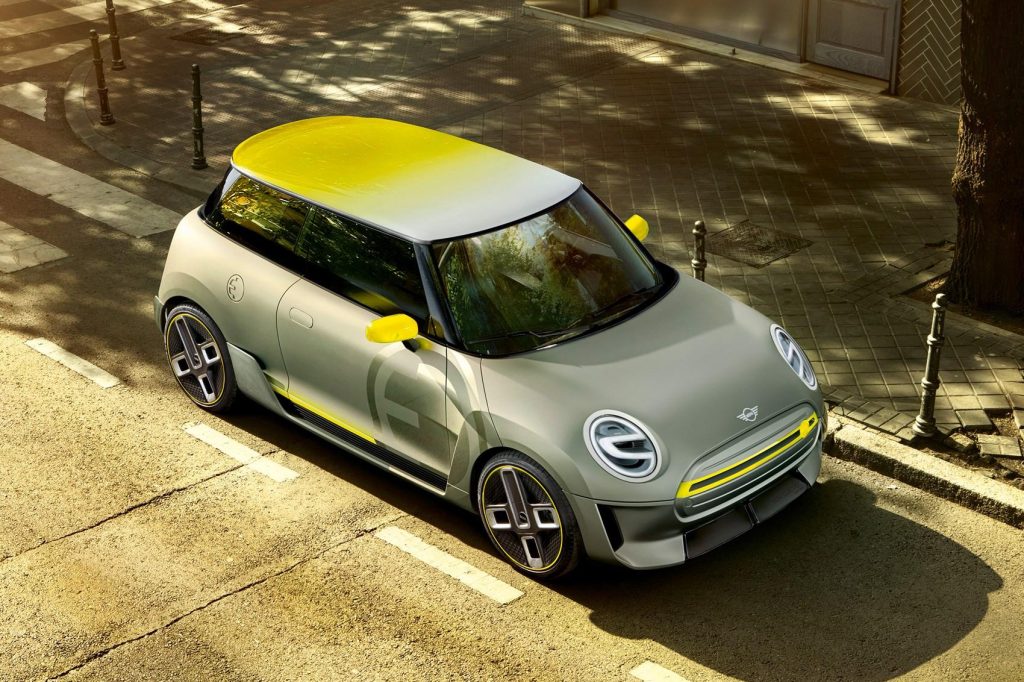
Mini was preparing to bring its trademark small-car formula into the electric era. The Mini Electric Concept previewed a battery-powered hatchback that would retain the brand’s familiar compact dimensions and playful character.
That combination made the Mini particularly interesting. Instead of making a giant, heavy EV, Mini could demonstrate how electric power worked in a smaller and more affordable package.
Next-Generation Chevrolet Corvette
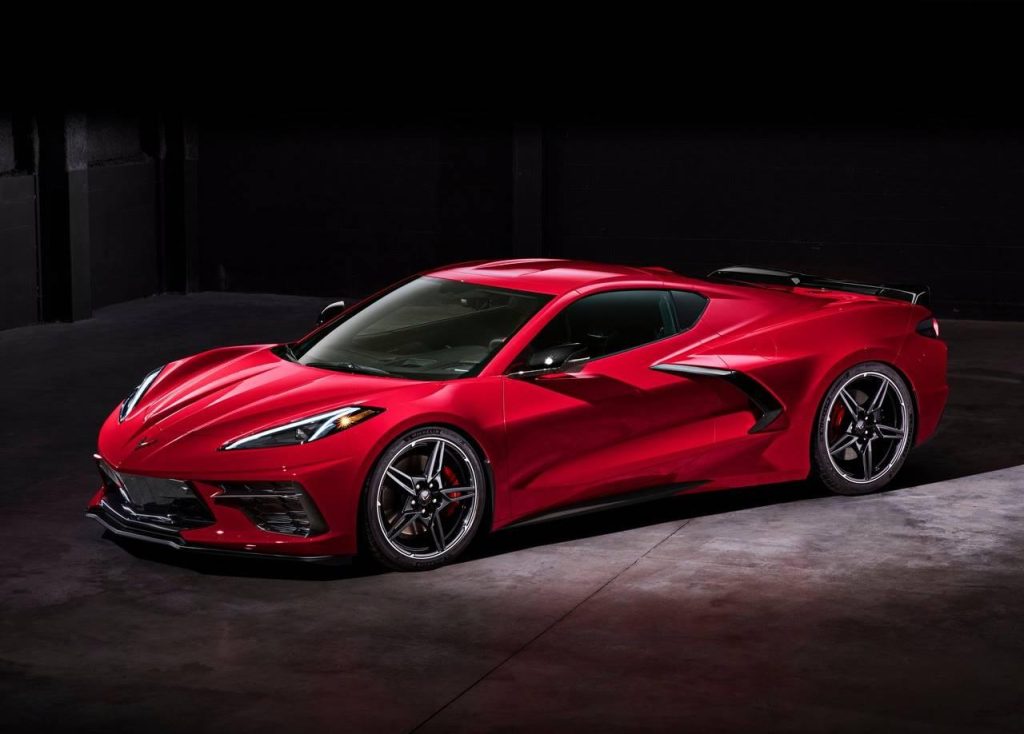
The new layout promised better weight distribution and supercar-like performance at a much lower price than its exotic competitors. With a 6.2-liter V8 producing up to 495 horsepower, the C8 showed that Chevrolet was serious about taking the Corvette to the next level.
Next-Generation Ford Mustang
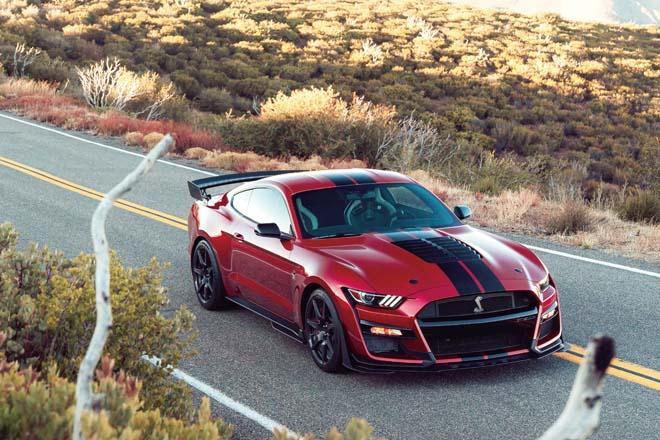
That raised an obvious question: How would Ford evolve America’s most famous pony car without losing its identity? The next Mustang promised to balance traditional performance with new technology.
Volkswagen Electric Performance Cars
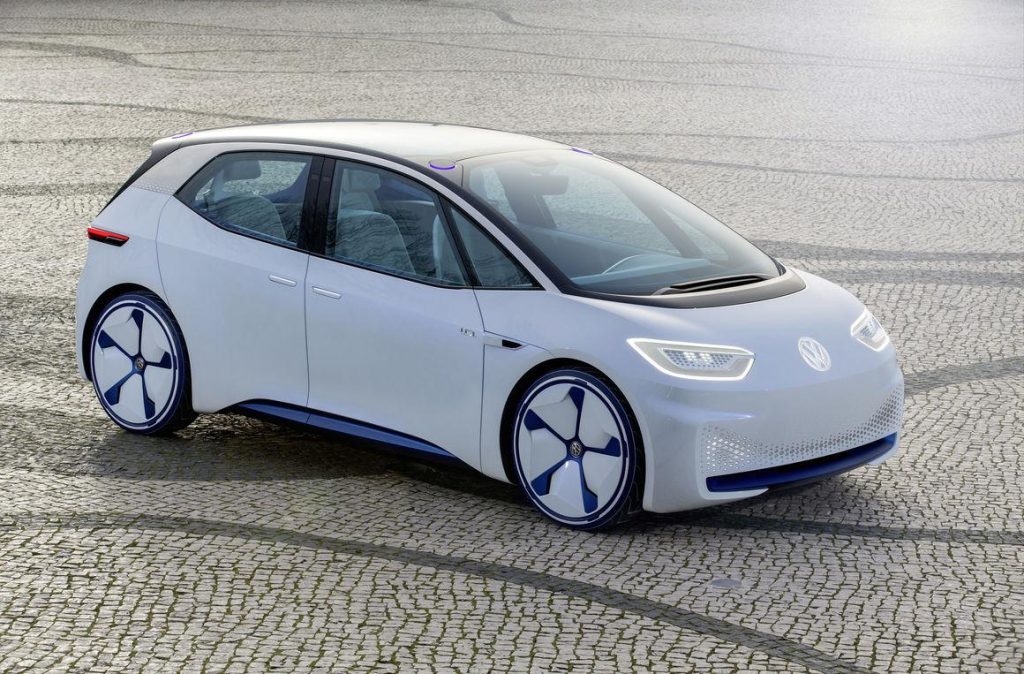
The interesting part was what could happen when that technology reached Volkswagen’s performance models. An electric GTI or other sporty ID model could combine instant torque with the company’s long history of affordable performance cars.
Next-Generation Electric SUVs
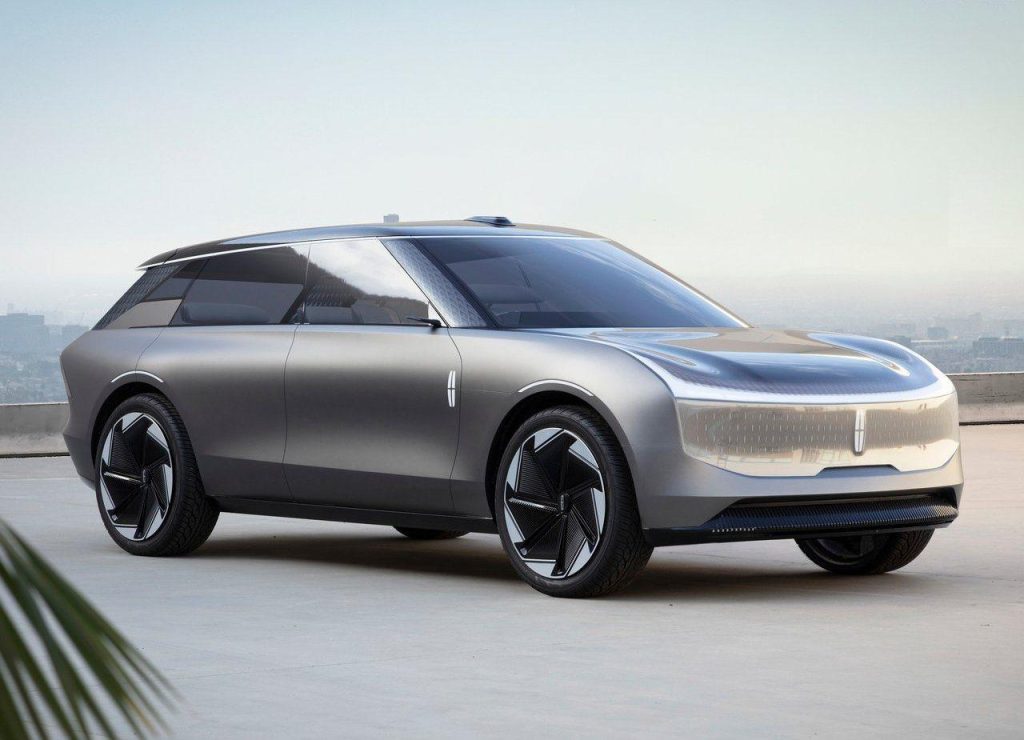
For manufacturers, these vehicles were especially important because their larger bodies provided more room for batteries without sacrificing the utility buyers expected.
New Hybrid Supercars
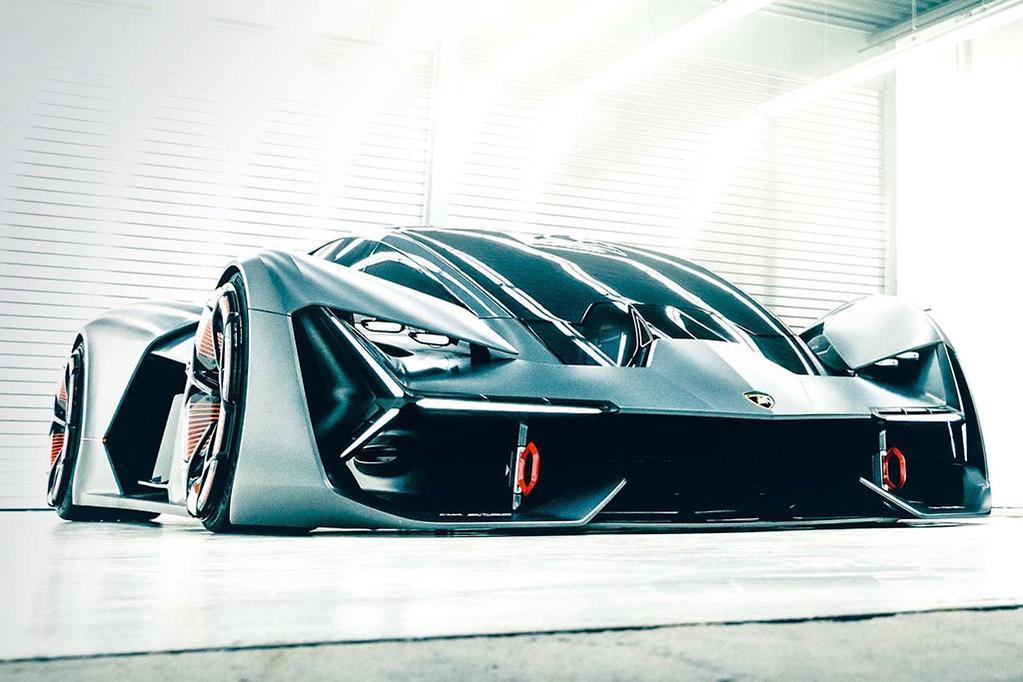
The Ferrari SF90 Stradale was a perfect example, combining a twin-turbo V8 with electric motors to produce extraordinary performance. Hybrid technology was quickly becoming a way for supercar makers to increase power rather than simply reduce fuel consumption.
The Next Generation of Performance Cars
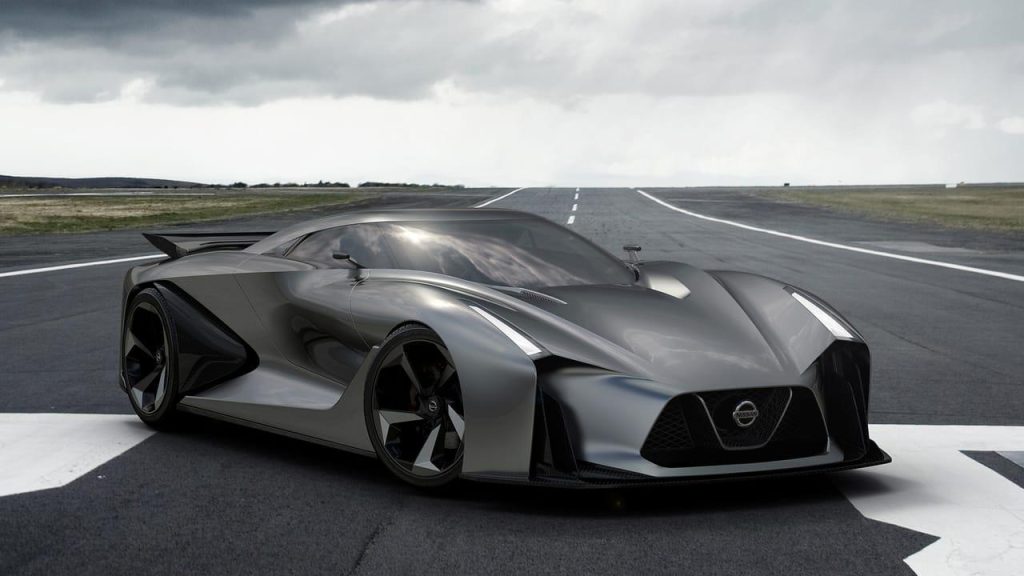
For enthusiasts, that meant the cars worth waiting for weren’t necessarily the ones with the biggest engines. They were the cars that could take familiar formulas—from the Supra and GT-R to the Challenger and Cayman—and reinvent them without losing the excitement that made those names special.
Conclusion
The cars on this list represent an industry in the middle of a major transition. Legendary nameplates like the Supra and GT-R were preparing for new chapters, while electric and hybrid technology was opening the door to entirely different kinds of performance.
Whether you were waiting for a sports car, muscle car, luxury EV, or something completely unexpected, there was no shortage of reasons to look forward to what automakers had planned. Some of these cars would redefine familiar formulas, while others would bring beloved names back to life. Either way, the future promised to be worth the wait.