
Even Tom Cruise needs four wheels sometimes.

Today’s action movies often rely on CGI, rapid-fire editing, and shaky camerawork to make their set pieces feel more intense. The Mission: Impossible franchise has built its reputation by doing the opposite. Since Tom Cruise first portrayed IMF agent Ethan Hunt in Brian De Palma’s 1996 adaptation of the classic television series, the films have become synonymous with practical stunts, real-world locations, and breathtaking action captured largely in-camera. While some installments have been more successful than others, the series has consistently pushed the limits of practical filmmaking, with Cruise famously performing many of his own dangerous stunts.
Of course, no blockbuster spy thriller is complete without unforgettable cars. Throughout the franchise, exotic supercars, high-performance sedans, rugged SUVs, and unlikely economy cars have all played key roles in Ethan Hunt’s impossible missions. Some have headlined spectacular chase scenes, while others have become collateral damage in explosions, crashes, and high-speed pursuits through cities around the world.
Spanning nearly three decades of globe-trotting adventures, the Mission: Impossible series has showcased an eclectic lineup of vehicles that are every bit as memorable as its action sequences. Here are 10 of the coolest cars to appear in the franchise—and 10 of the oddest.
Table of Contents
Land Rover Defender 110 – Dead Reckoning

The Land Rover Defender 110 gets plenty of screen time in Mission: Impossible – Dead Reckoning, where its rugged design and off-road capability make it a natural fit for Ethan Hunt’s chaotic chase through Rome. Driven through narrow streets, stairways, and rough terrain, the Defender proves surprisingly agile despite its boxy shape and substantial size. Its four-wheel-drive system, high ground clearance, and tough construction make it perfectly suited to the kind of punishment a Mission: Impossible vehicle is expected to endure. The Defender also brings a distinctly different character to the franchise’s usual collection of exotic machinery. Instead of relying on supercar performance, it gets the job done with durability, traction, and sheer versatility.
1998 Land Rover Defender 110 Station Wagon Tdi

The 1998 Land Rover Defender 110 Station Wagon Tdi represents the older, more utilitarian side of the Defender family. Long before the latest Defender became a high-tech luxury SUV, the 110 was essentially a rugged tool designed to carry people and equipment across difficult terrain. Its diesel engine, four-wheel-drive system, tall ride height, and simple construction gave it the kind of durability that made the Defender famous around the world. The long-wheelbase Station Wagon could also carry considerably more passengers and cargo than shorter Defender variants. It may not have the visual drama of a Lamborghini or the speed of a BMW M car, but that rugged character is exactly what makes the Defender such an appropriate vehicle for a spy-movie setting.
1986 BMW 5 Series (E28)
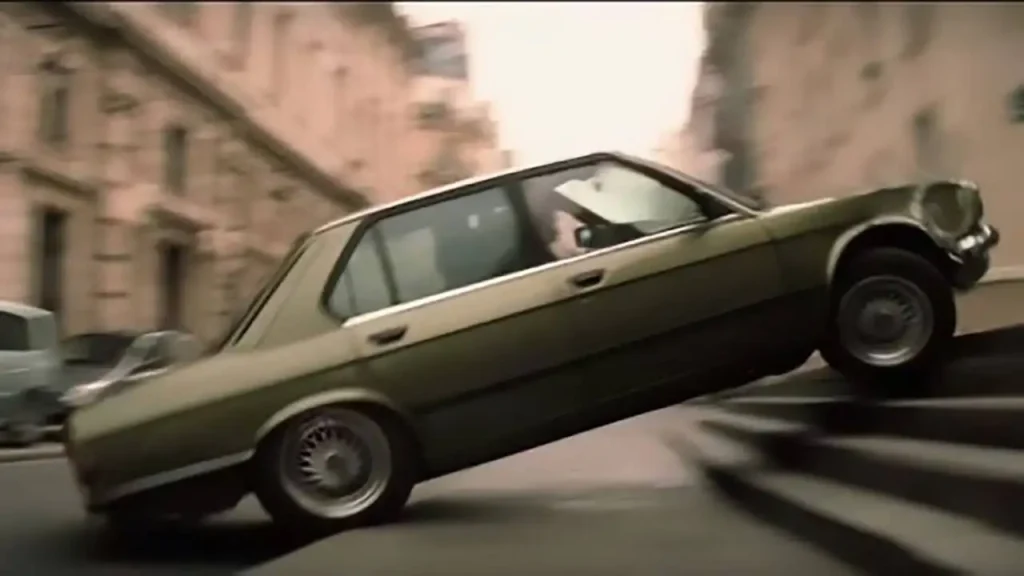
The E28-generation BMW 5 Series brought a more understated kind of performance to the franchise. Introduced in the early 1980s, the E28 combined traditional BMW rear-wheel-drive handling with a relatively compact executive-sedan body. Depending on the version, buyers could choose from four- and six-cylinder engines, with performance models such as the 535i offering considerably more pace. The E28’s restrained styling also makes it particularly convincing as a covert vehicle. It doesn’t immediately scream exotic or expensive, allowing it to blend into ordinary traffic while still offering the driving dynamics expected from a BMW. Today, the E28 is also recognized as an important part of BMW’s history, particularly because the generation introduced the first M5, turning the 5 Series into a serious performance-sedan platform.
1991 BMW 3 Series (E36) Sedan

The 1991 BMW 3 Series E36 is another understated BMW that fits naturally into the world of espionage and undercover missions. The second-generation 3 Series was more aerodynamic and modern than the E30 it replaced, while retaining BMW’s rear-wheel-drive layout and driver-focused character. The sedan was offered with a range of four- and six-cylinder engines, giving it everything from economical transportation to genuinely sporty performance. Higher-performance versions eventually included the M3, but even ordinary 3 Series models had the balance and agility to make them entertaining. Its relatively ordinary appearance is arguably part of the appeal. Unlike a bright supercar, an E36 can disappear into traffic, making it a believable choice for a character who needs to get somewhere quickly without attracting too much attention.
1994 Ford Falcon GLi (EF Series)
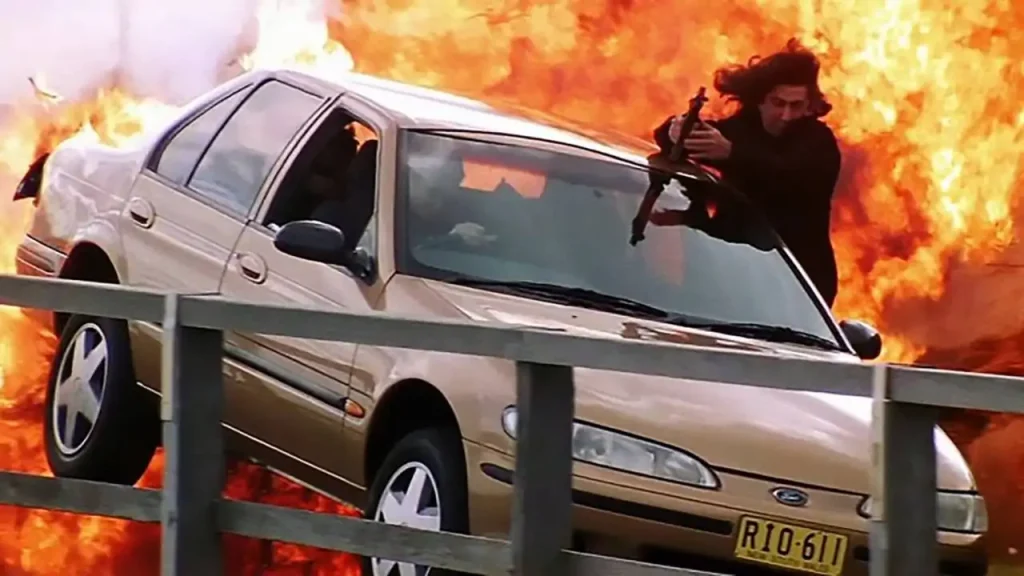
The 1994 Ford Falcon GLi from the EF Series brings an unmistakably Australian flavor to this collection. The Falcon was a large family sedan developed for the Australian market, with rear-wheel drive and plenty of interior space. The GLi served as one of the more accessible versions of the Falcon range, making it far removed from the exotic machinery normally associated with action movies. Yet that is precisely what makes it interesting. Its conventional four-door shape allowed it to blend into everyday traffic while offering the robust mechanical layout associated with Australian sedans of the era. The EF Falcon also represented an important period in Ford Australia’s history, with its aerodynamic styling and updated interior marking a significant evolution over the preceding Falcon generation.
1995 Holden Statesman (VS Series)
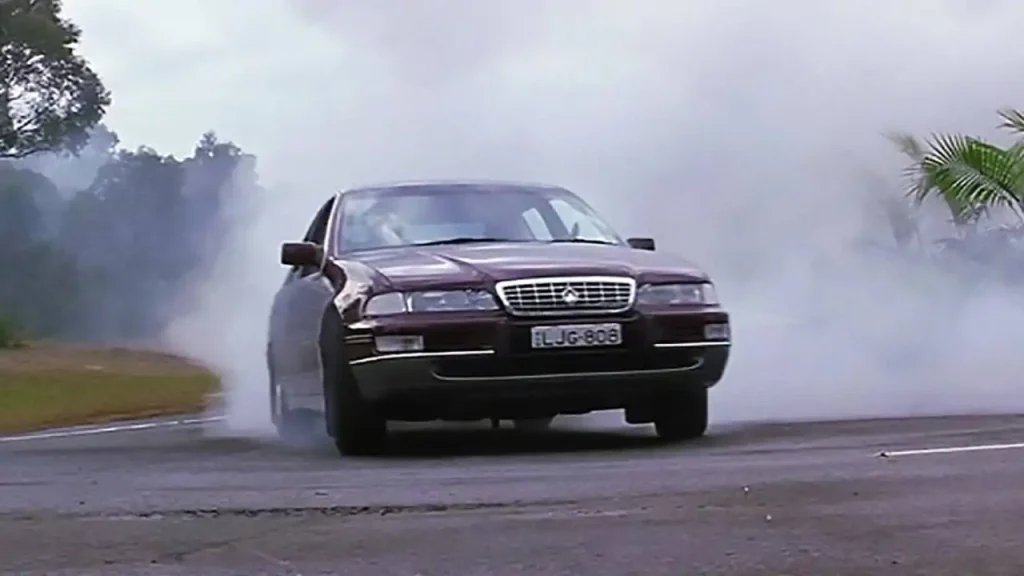
The 1995 Holden Statesman VS was a large Australian luxury sedan with plenty of road presence but little of the exotic drama normally associated with movie chase cars. Based on Holden’s Commodore platform, the Statesman used a stretched wheelbase to provide additional rear-seat space and a more upscale character. V6 and V8 engines were available, with the V8 versions providing the kind of effortless performance expected from a big rear-wheel-drive sedan. Its understated styling made it believable as a government, executive, or security vehicle, while its size gave it an imposing presence on screen. The Statesman is also an interesting reminder of Australia’s once-thriving large-rear-drive sedan market, a formula that has since largely disappeared.
2004 Mercedes-Benz SLR McLaren (C199)

The Mercedes-Benz SLR McLaren is anything but ordinary. Developed jointly by Mercedes-Benz and McLaren, the C199 SLR combined grand-tourer comfort with supercar performance and an exotic carbon-fiber structure. Its supercharged 5.4-liter V8 produced around 617 horsepower in early versions, while the car’s distinctive long hood, side-exit exhausts, and carbon-fiber bodywork made it instantly recognizable. The SLR was designed to compete in a completely different league from ordinary luxury cars, offering enormous acceleration while remaining capable of high-speed cruising. Its presence in the Mission: Impossible universe is therefore much easier to understand than some of the more obscure cars on this list. It looks like something a secret agent should be driving—and it has the performance to back up the appearance.
2006 Lamborghini Gallardo LP520-4
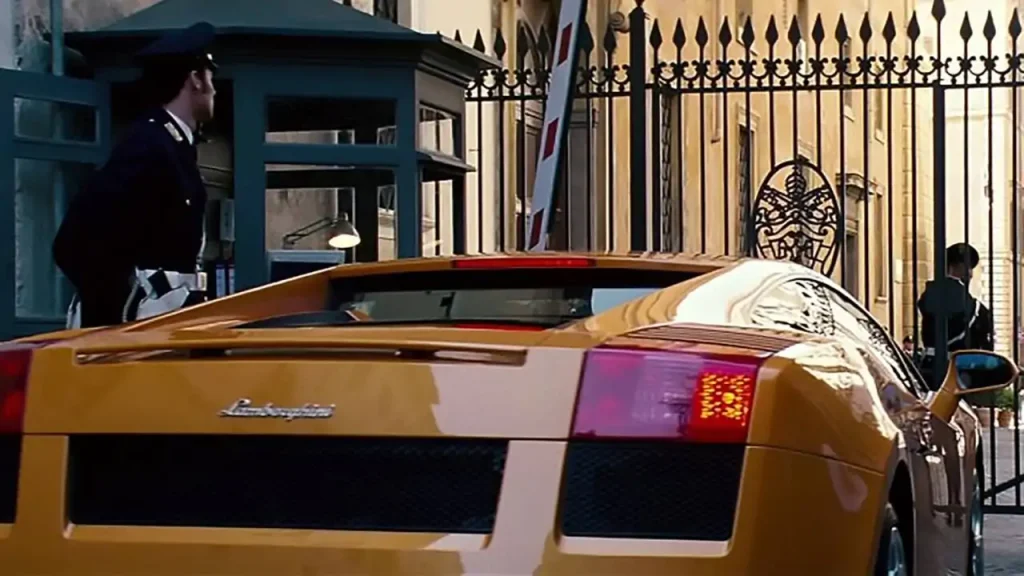
The Lamborghini Gallardo brought classic Italian supercar drama to the franchise. With its low-slung body, sharp lines, all-wheel drive, and naturally aspirated V10 engine, the Gallardo was one of the defining supercars of the 2000s. The LP520-4 specification represented an updated version of Lamborghini’s compact V10 formula, combining serious performance with a relatively usable cabin and all-weather traction. The Gallardo’s smaller dimensions compared with the Murciélago also made it more suitable for tight urban environments, which is useful when a movie chase involves narrow streets and crowded city centers. Few cars can communicate speed and danger while standing still quite like a Lamborghini, making the Gallardo a natural fit for an action franchise built around high-stakes driving.
BMW Vision EfficientDynamics Concept
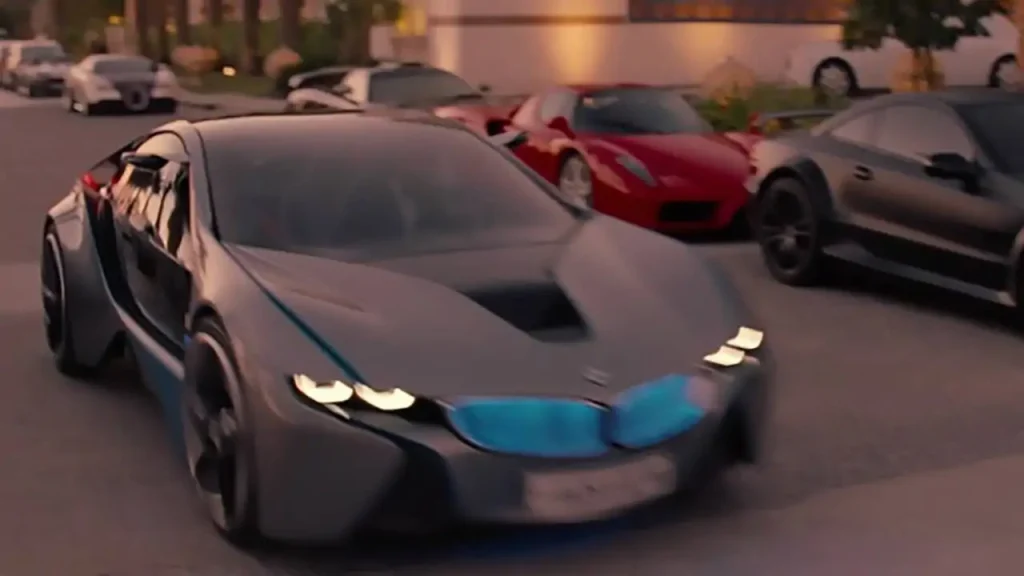
The BMW Vision EfficientDynamics concept looked like it had been transported directly from the future. Unveiled as a showcase of BMW’s thinking about high-performance electrified vehicles, the concept featured an extremely low and aerodynamic body, butterfly-style doors, and a plug-in hybrid powertrain. Its design ultimately influenced the production BMW i8, making it far more significant than an ordinary concept car. The vehicle demonstrated that efficiency did not necessarily have to mean sacrificing performance or dramatic styling. Its futuristic appearance also makes it particularly appropriate for a franchise where advanced technology is just as important as fast cars. With its combination of electric assistance, a compact diesel engine, lightweight construction, and exotic proportions, the Vision EfficientDynamics concept looked more like a movie prop than a conventional BMW.
2015 BMW M3 (F80)
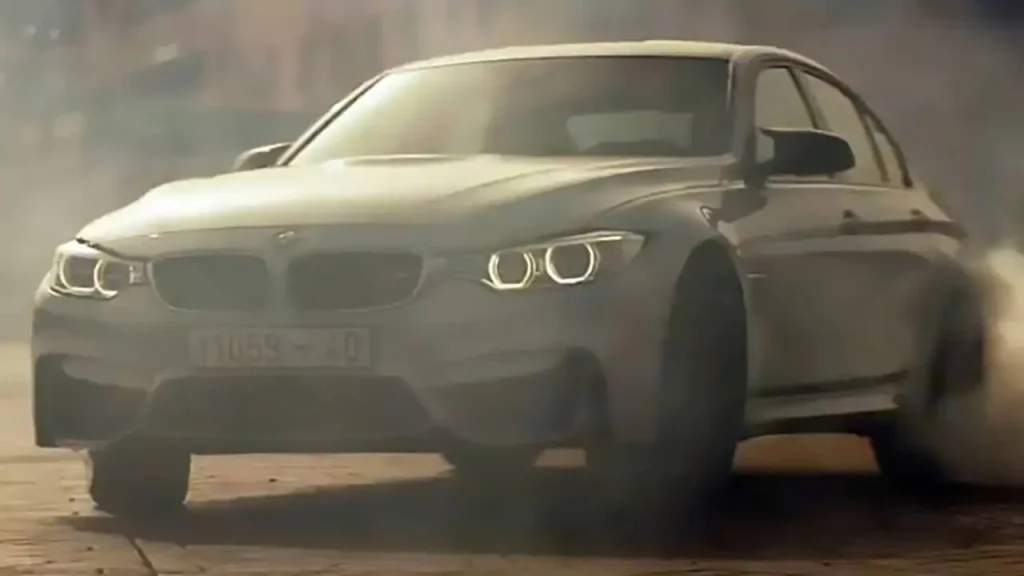
The F80-generation BMW M3 was one of the more serious performance sedans to appear in the era of modern Mission: Impossible movies. Unlike exotic supercars, the M3 offered four doors and enough practicality to function as everyday transportation, but its twin-turbocharged 3.0-liter inline-six delivered 425 horsepower and strong acceleration. Rear-wheel drive, an electronically controlled limited-slip differential, and a sophisticated suspension gave the M3 the handling ability expected from BMW’s M division. Its relatively restrained styling was also useful for a movie vehicle because it could look like an ordinary executive sedan until the driver put the throttle down. The F80 therefore represents the perfect middle ground between a discreet getaway car and a genuine performance machine.
1963 Volvo L3304 Pvpjtgb 9031 “PV-Jeep”

The Volvo L3304 Pvpjtgb 9031, commonly known as the PV-Jeep, is one of the strangest vehicles in this group. Developed for military use, this compact Swedish utility vehicle was designed around simplicity, durability, and off-road capability rather than comfort or speed. Its rugged construction and four-wheel-drive system allowed it to operate in conditions where ordinary passenger cars would struggle. Visually, it looks nothing like the sleek BMWs and Lamborghinis that normally dominate action movies, which is exactly what makes it memorable. The PV-Jeep also illustrates Volvo’s lesser-known history as a supplier of military vehicles, long before the company became primarily associated with family cars, wagons, and safety technology.
Oltcit Club
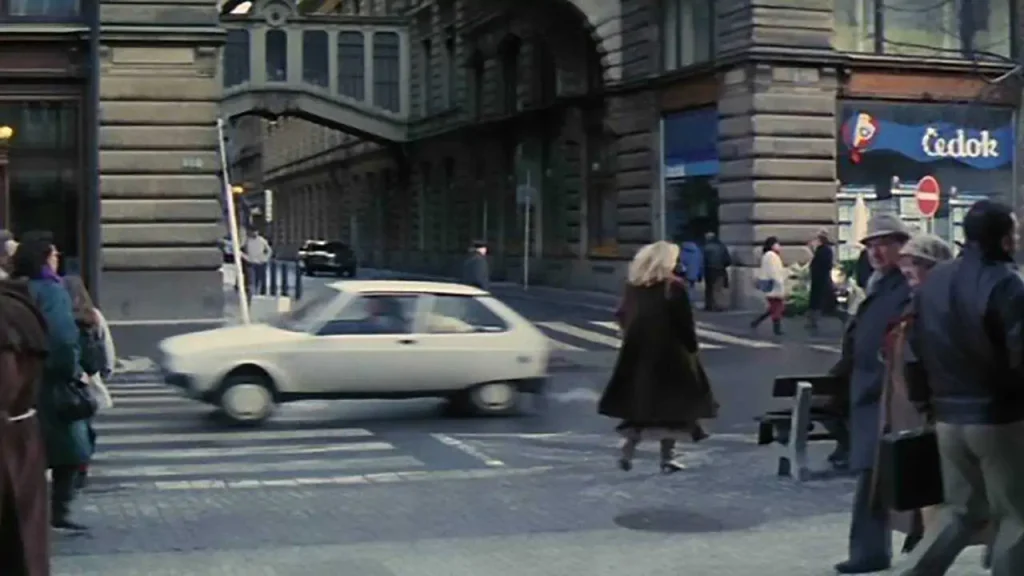
The Oltcit Club is about as far removed from a Lamborghini Gallardo as a car can get. Produced in Romania through a partnership involving Citroën, the small hatchback was based on Citroën’s compact technology and was designed as affordable transportation. Its unusual shape, compact proportions, and relatively modest performance make it an unlikely candidate for an action-movie spotlight. Yet that is part of the appeal of seeing one associated with Mission: Impossible. The Oltcit Club represents the sort of anonymous everyday car that can disappear into a crowded European city. It lacks the intimidation factor of a supercar, but for an undercover agent trying not to attract attention, that could actually be an advantage.
Shanghai-Volkswagen Santana B2 (Typ 32B)
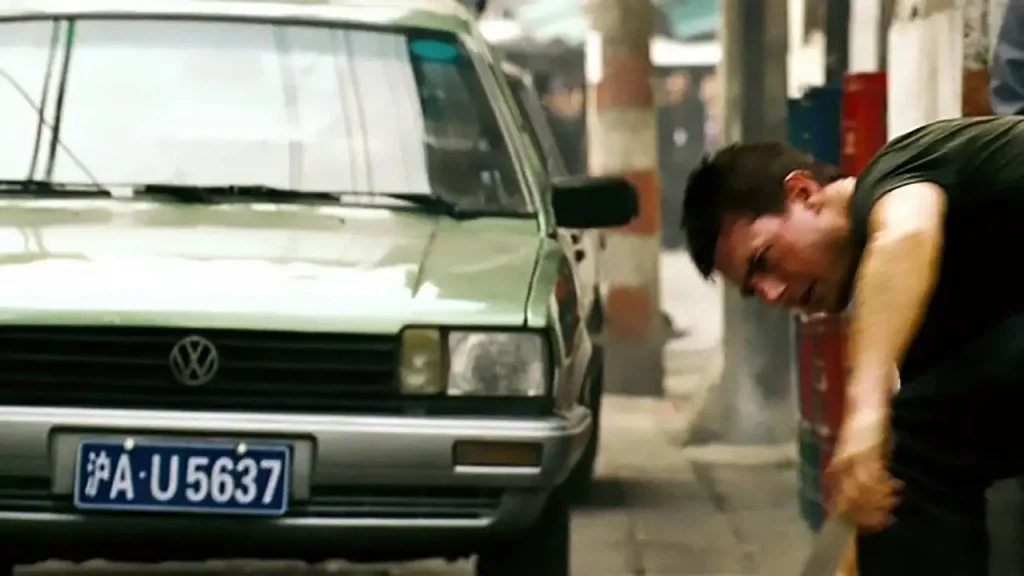
The Shanghai-Volkswagen Santana B2 is another remarkably ordinary car that becomes interesting because of its place in the Mission: Impossible automotive world. Based on the Volkswagen Santana, itself derived from the Passat B2, the sedan became an extremely important model in China’s automotive history. Its boxy design, simple mechanical layout, and conservative appearance were hallmarks of the era. The Santana was widely used as a taxi, family sedan, and fleet vehicle, making it almost invisible in busy urban environments. That anonymity gives the car a very different kind of cinematic appeal. While Ethan Hunt might occasionally need a Lamborghini, sometimes the best vehicle for moving through a city unnoticed is simply something that looks like hundreds of other cars around it.
1984 Maruti Suzuki Omni
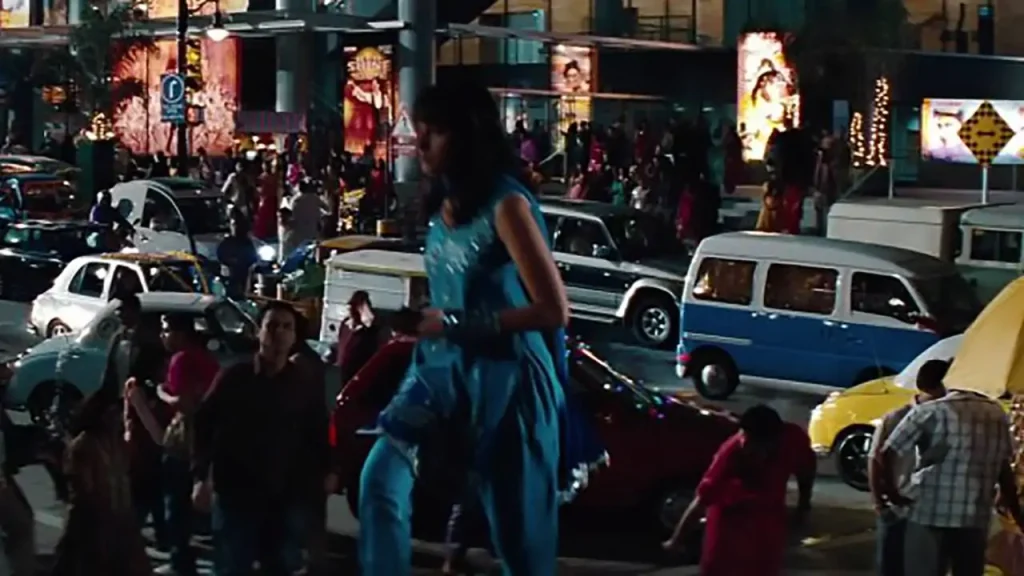
The Maruti Suzuki Omni is one of the most recognizable small vans in Indian automotive history. Introduced in the 1980s, the compact van was valued primarily for affordability, practicality, and its ability to carry people or cargo in a small footprint. Its boxy shape and sliding doors gave it excellent interior space relative to its dimensions, while its simple mechanical package made it easy to operate and maintain. It is certainly not the sort of vehicle most people associate with a Hollywood spy thriller, which makes its inclusion all the more entertaining. In a franchise filled with high-performance machinery, the humble Omni demonstrates that the background vehicles can sometimes be just as fascinating as the stars.
1993 Mitsuoka Viewt (K11 Series)
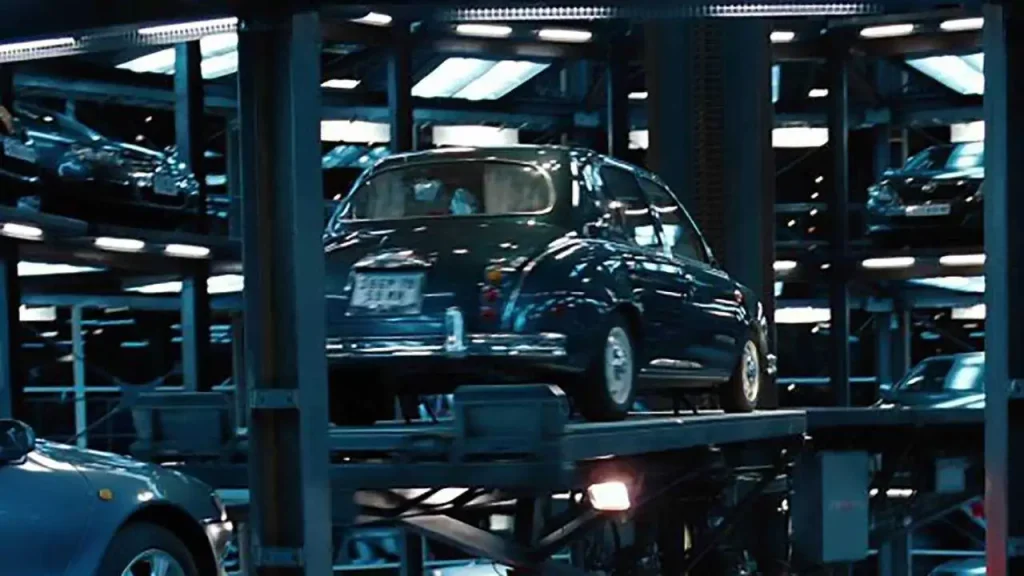
The Mitsuoka Viewt is one of the strangest cars on this list because its entire identity comes from disguising a modern compact car as something much older. Based on the Nissan Micra K11, the Viewt received retro-inspired bodywork designed to resemble classic British luxury cars. The result was a tiny Japanese hatchback with a tall grille, rounded headlights, upright proportions, and a surprisingly formal appearance. Beneath the vintage-inspired exterior, however, remained the practical mechanical architecture of the Micra. That contrast between old-fashioned styling and modern compact-car engineering makes the Viewt particularly memorable. It is exactly the sort of eccentric vehicle that can appear in a movie scene without looking like anything else on the road.
1995 Ford LTD Stretched Limousine (DF Series)
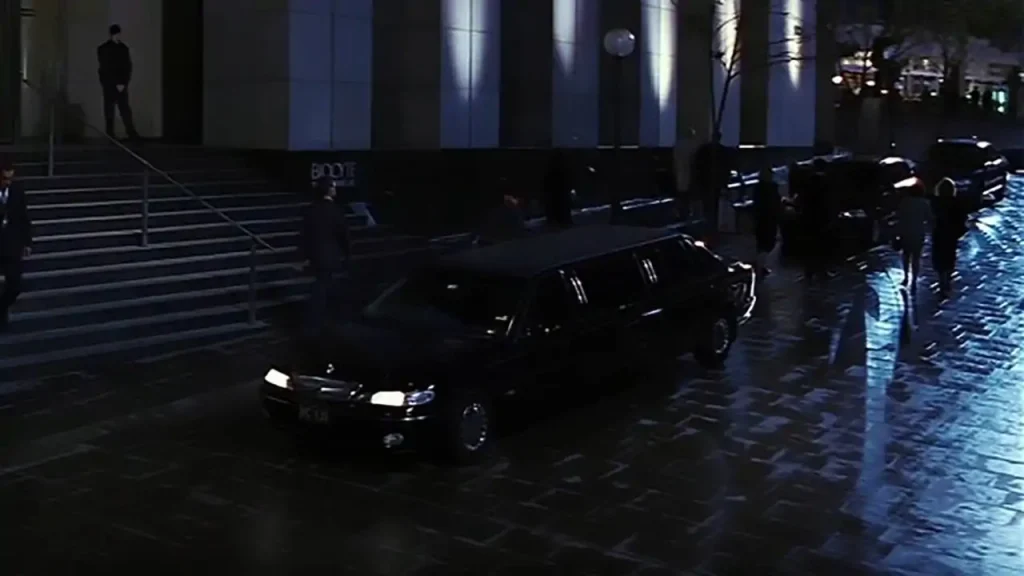
The 1995 Ford LTD stretched limousine is an entirely different kind of movie car. Based on the large Ford LTD, the limousine conversion added significant length to create additional passenger space and a more prestigious appearance. The LTD was never intended to compete with European supercars, but its stretched body gave it an unmistakable presence. Limousines also make natural cinematic vehicles because they immediately suggest politicians, executives, celebrities, or other high-profile passengers. In a Mission: Impossible setting, that makes the LTD useful for scenes involving surveillance, protection, or transporting an important character. It is also a fascinating snapshot of an era when large American sedans and aftermarket limousine conversions were much more common.
2004 Citroën C5 (Série 1)

The first-generation Citroën C5 is another example of an ordinary European family car finding a place in an extraordinary movie universe. Introduced at the beginning of the 2000s, the C5 was designed as a comfortable midsize sedan and wagon, emphasizing ride quality and practicality rather than outright performance. Depending on the market, it was offered with several gasoline and diesel engines and featured Citroën’s distinctive approach to suspension and comfort. Its anonymous appearance makes it easy to overlook, but that anonymity can be useful in an espionage story. A C5 can move through traffic without attracting the attention that a Ferrari, Lamborghini, or AMG Mercedes would immediately generate.
2011 Kia Picanto (TA)
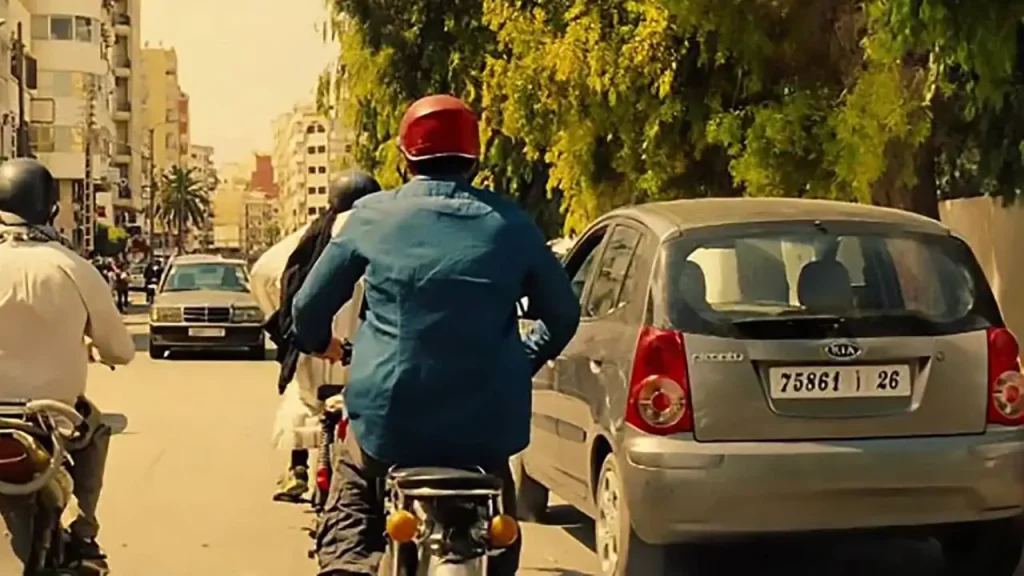
The 2011 Kia Picanto TA represents the smallest end of the automotive spectrum in this collection. The second-generation Picanto was a city car designed around compact dimensions, low running costs, and easy maneuverability. Its small footprint made it particularly well suited to crowded European streets, where a larger vehicle could become difficult to maneuver. Although it lacked the power and prestige of the franchise’s more famous cars, the Picanto’s compact size could actually be an advantage during urban sequences. It also illustrates how Mission: Impossible frequently uses ordinary traffic to make its action scenes feel more grounded. Not every vehicle needs to be a weapon; sometimes being small, inconspicuous, and easy to park is enough.
2006 Lamborghini Gallardo LP520-4
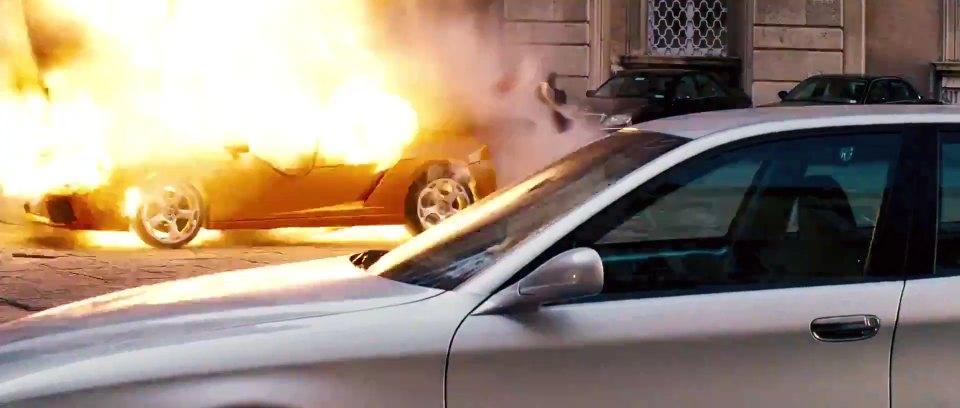
The Gallardo deserves another mention because it represents the opposite end of the spectrum from cars such as the Picanto and Oltcit Club. Its V10 soundtrack, aggressive proportions, all-wheel-drive system, and supercar performance make it almost impossible to ignore. The Gallardo became Lamborghini’s best-selling model at the time, helping bring the company’s exotic-car experience to a wider audience without abandoning the drama expected from the brand. Its compact size also made it considerably more usable than Lamborghini’s larger V12 cars. On screen, the Gallardo immediately communicates speed, wealth, and danger, making it exactly the sort of car audiences expect to see when the stakes are high.
BMW Vision EfficientDynamics Concept
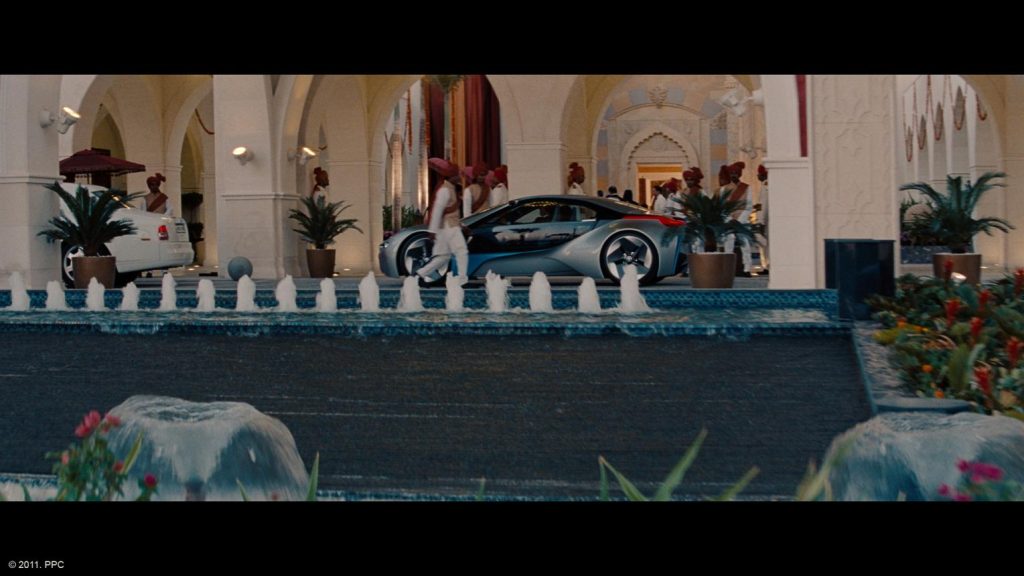
The BMW Vision EfficientDynamics concept closes the list because it represents something very different from the franchise’s conventional performance cars. Rather than relying purely on displacement and horsepower, the concept explored how hybrid technology, lightweight construction, and aerodynamic efficiency could be combined with supercar-like performance. Its dramatic proportions and futuristic cabin made it look like a vehicle designed specifically for a spy movie, while its engineering previewed technologies that BMW would later bring to production in the i8. It is a reminder that some of the most interesting movie cars aren’t necessarily production models at all. Concept cars can represent an entire technological direction, and the Vision EfficientDynamics did exactly that.
The Cars Behind the Chaos
The Mission: Impossible franchise may be best known for BMWs, supercars, motorcycles, helicopters, and spectacular custom vehicles, but these 20 machines demonstrate just how varied its automotive cast can be. The Land Rover Defenders bring ruggedness and off-road credibility, while the BMWs and Lamborghini offer genuine performance. At the other extreme, cars such as the Oltcit Club, Maruti Suzuki Omni, Kia Picanto, and Shanghai-Volkswagen Santana show that even the most ordinary vehicles can become memorable when they appear in the right cinematic setting.
Not every movie car needs to be the fastest or most expensive machine on screen. Sometimes the strange, humble, or unexpected vehicles are the ones that make the Mission: Impossible automotive lineup so interesting.