
These legendary models have survived for decades, with some tracing their roots all the way back to the 1930s.
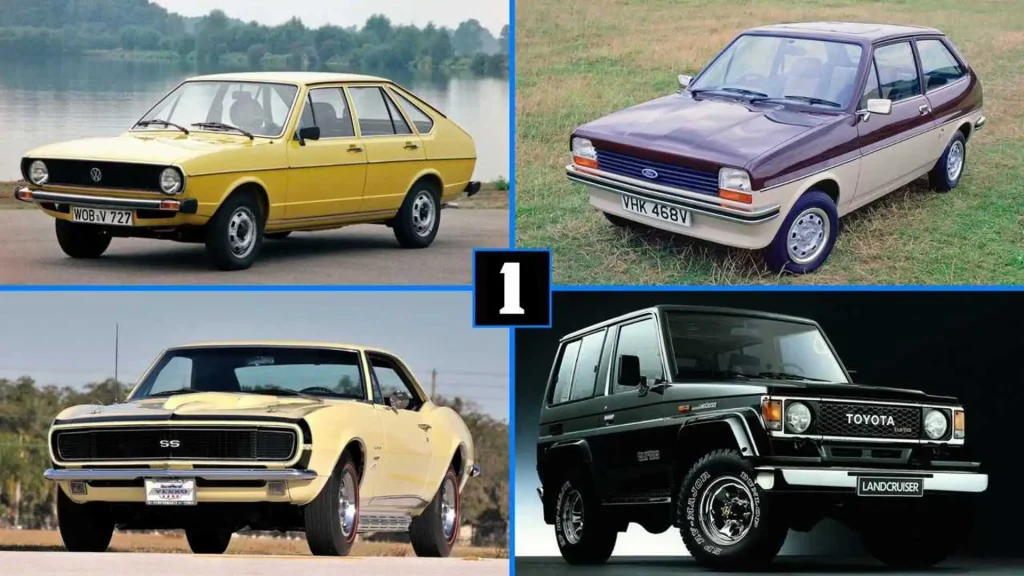
With the arrival of the 992-generation Porsche 911, the German sports car once again reminded the automotive world just how long a successful nameplate can survive. The 911 has been in production since 1963, evolving dramatically over the decades while remaining instantly recognizable.
That got us wondering: Which other cars have managed to stay in production for an extraordinary length of time? So, just for fun, we rounded up 20 of the longest-lived nameplates still being produced today.
Many of these cars have become ambassadors for their respective brands, building decades of history and recognition along the way. Some have been around so long that they’re actually older than the automakers themselves. Hyundai, for example, wasn’t founded until 1967, meaning several vehicles on this list predate the company.
There is one important rule, however. We’ve only included models that have remained continuously on sale since their original market launch. That means familiar names such as the Fiat 500 and Mini don’t qualify because their production histories include significant gaps between generations.
Likewise, this isn’t intended to be a definitive list of every old automotive nameplate still in existence. Several long-running models, including the Chevrolet Impala, Chevrolet Malibu, Ford Transit, and Volkswagen Beetle, aren’t included because they don’t meet our criteria.
With that in mind, let’s take a look at 20 cars that have managed to survive changing technology, consumer tastes, regulations, and decades of automotive history.
Table of Contents
Chevrolet Suburban — 1935
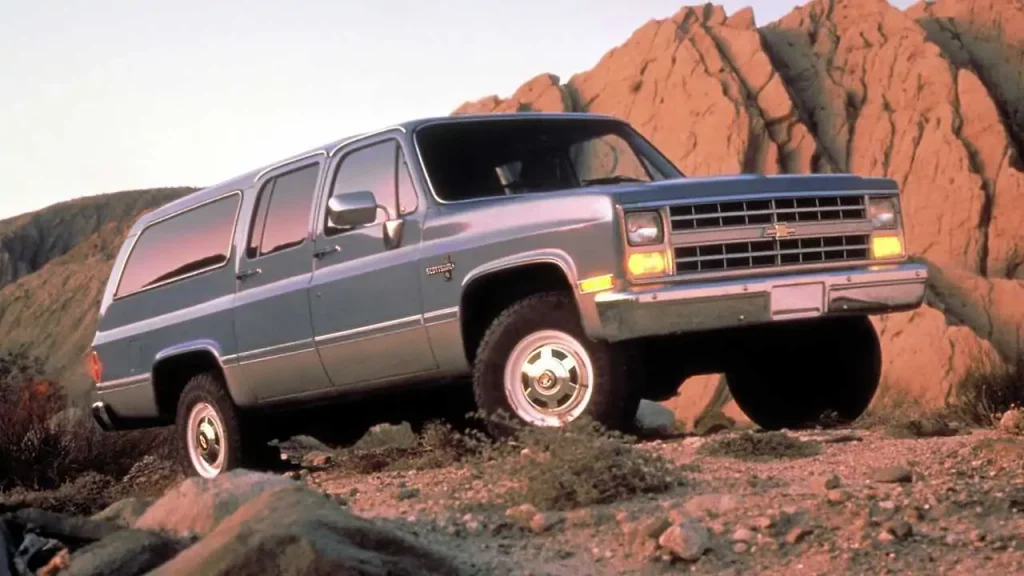
The Chevrolet Suburban debuted in 1935 and is widely recognized as one of the longest-running nameplates in automotive history. Conceived as a rugged, highly practical vehicle capable of carrying passengers and cargo, the early Suburban combined a truck-based chassis with a station-wagon-style body. Over the decades, it evolved into the full-size SUV known today, gaining increasingly powerful engines, larger dimensions, four-wheel drive, and modern comfort features while retaining its emphasis on space and utility. Its extraordinary production longevity has made the Suburban a defining name in the history of American SUVs.
Ford F-150 Ranger Lariat — 1978
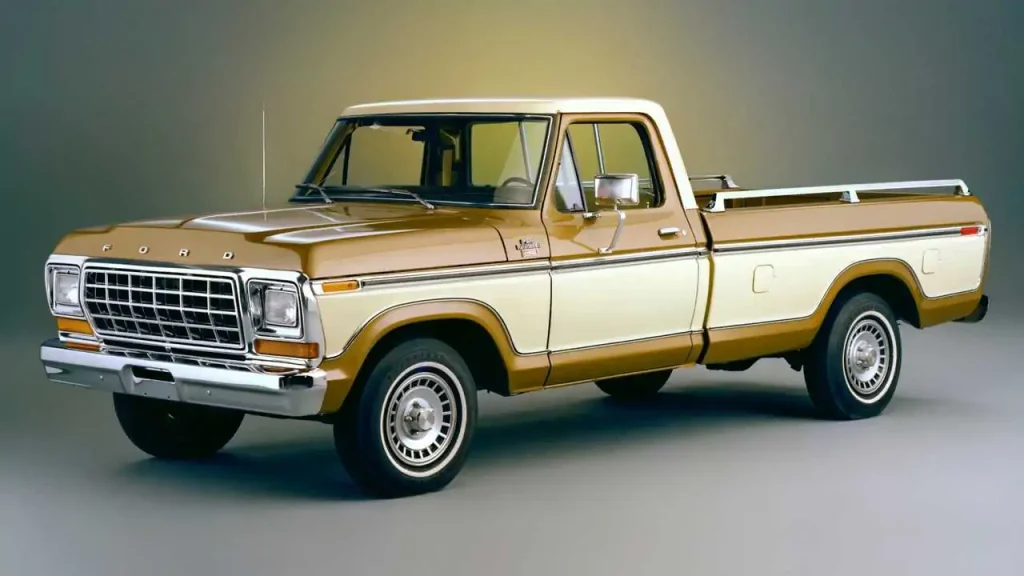
The Ford F-150 Ranger Lariat represents an early example of Ford combining pickup-truck capability with a more upscale equipment package. The F-Series Ranger name was used for higher-trim pickups during the late 1970s, while the Lariat designation later became associated with Ford’s more luxurious F-Series offerings. These trucks helped establish the idea that a full-size pickup could serve as both a hardworking utility vehicle and a more comfortable daily driver, a formula that would become increasingly important to the F-Series as it evolved.
Chevrolet Corvette (C1) — 1953
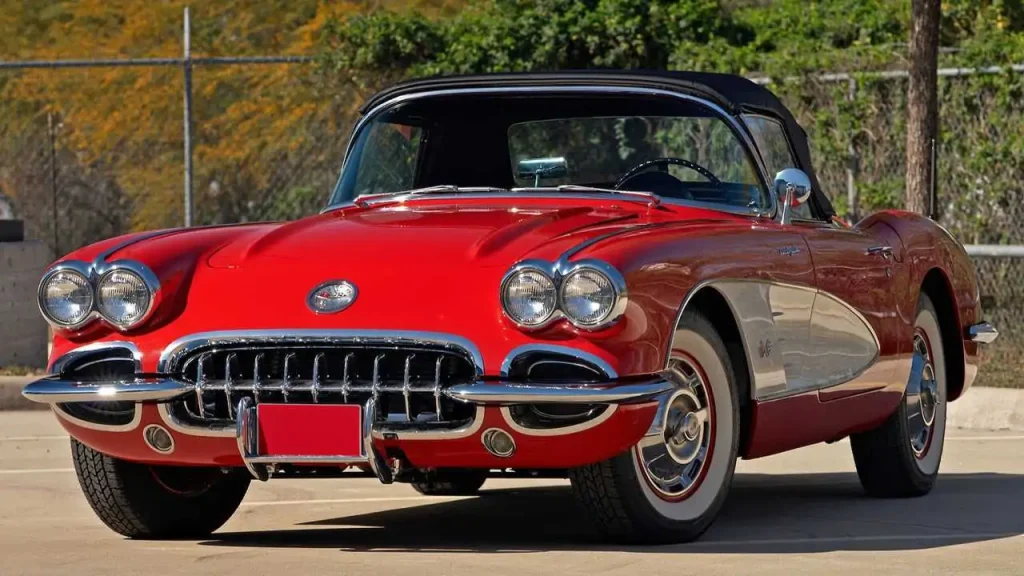
The Chevrolet Corvette C1 debuted in 1953 as America’s first mass-produced two-seat sports car. Built around a lightweight fiberglass body and initially powered by a 3.9-liter inline-six, the Corvette established a new performance-oriented identity for Chevrolet. Early cars featured distinctive styling, a two-speed automatic transmission, and the famous “Blue Flame” six-cylinder engine before later C1 versions gained increasingly powerful V8s and manual transmissions. The first-generation Corvette laid the foundation for one of the longest-running and most recognizable sports-car nameplates in automotive history.
Toyota Land Cruiser Prado — 1990
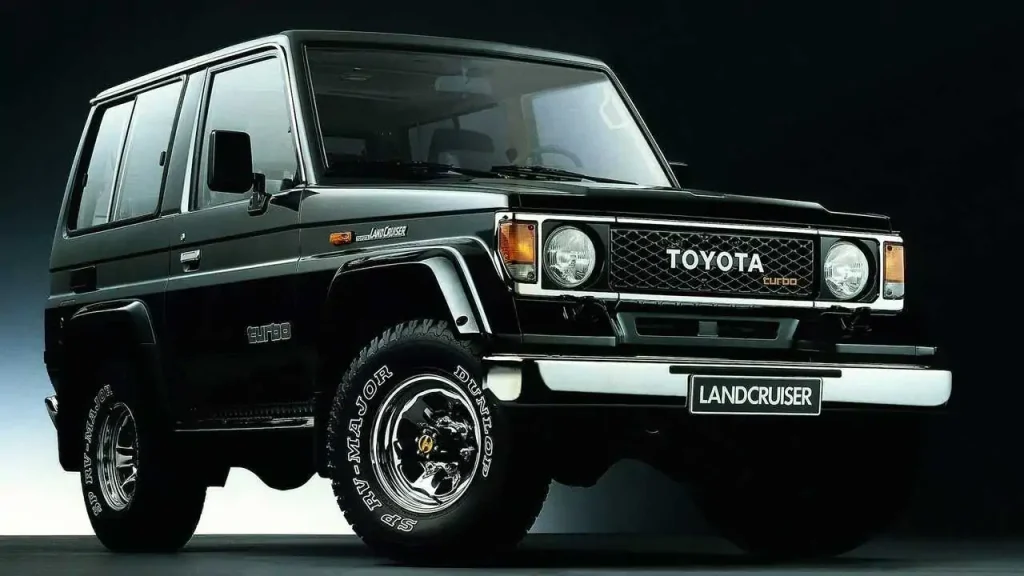
The Toyota Land Cruiser Prado arrived in 1990 as a smaller, more road-oriented member of the Land Cruiser family while retaining the nameplate’s reputation for off-road capability. Introduced with the 70-series-based Prado, it offered a more compact alternative to Toyota’s larger Land Cruiser models and combined four-wheel-drive hardware with greater everyday comfort. Later generations moved further toward a refined SUV character without abandoning the Prado’s rugged roots. Its long production run has made the Prado an important part of Toyota’s global four-wheel-drive lineup, particularly in markets where durability and off-road ability remain major priorities.
Volkswagen Transporter (T3) — 1979
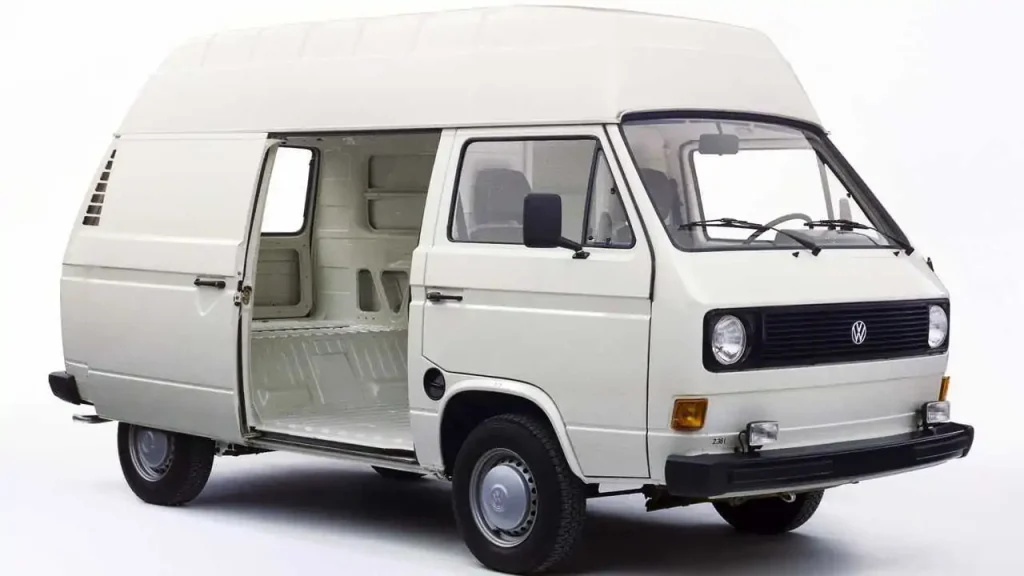
The Volkswagen Transporter T3 arrived in 1979 as the third generation of Volkswagen’s long-running van, bringing a more angular design and a wider, more modern body than its T2 predecessor. It retained the Transporter’s familiar rear-engine layout while offering greater interior space, improved handling, and a broader range of configurations. The T3 was available as a panel van, passenger bus, pickup, and camper, while later versions gained more powerful engines and Syncro four-wheel drive. Its combination of versatility and distinctive styling helped make the T3 one of the most recognizable generations in the Transporter’s long history.
Toyota Crown Sedan (S110 Series) — 1979
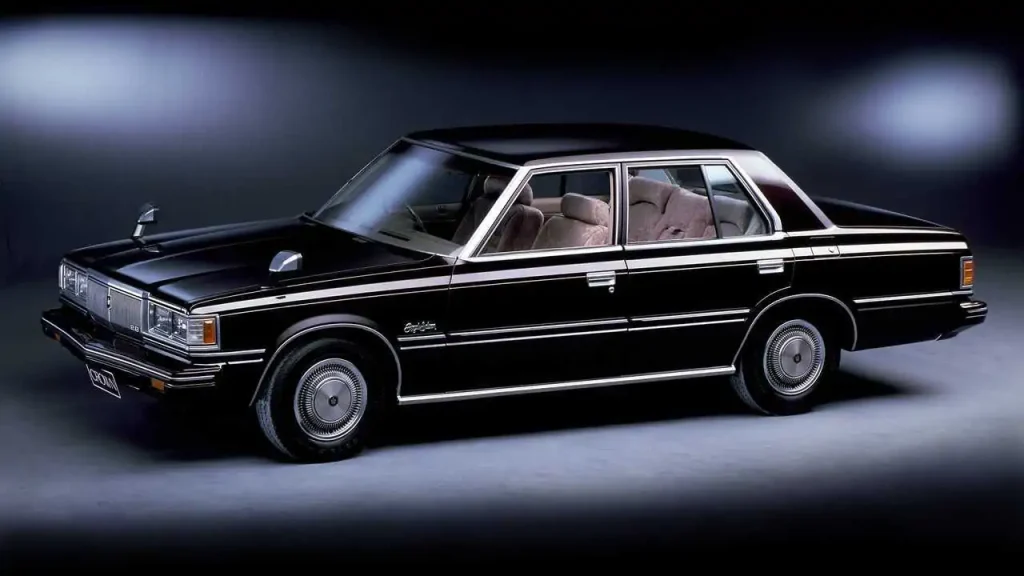
The Toyota Crown Sedan (S110 series) marked another chapter in the long-running Crown’s evolution when it debuted in 1979. Offered as a traditional four-door sedan, the S110 continued Toyota’s formula of combining executive-car comfort with durable engineering and a broad selection of engines. The generation was available with inline-six power and remained closely associated with Japan’s luxury-sedan market, while its conservative styling reflected the Crown’s established role above Toyota’s mainstream passenger cars. The S110 helped carry the Crown name into the 1980s and laid the groundwork for the more technologically advanced generations that followed.
1970 Ford Mustang Mach 1 Twister Special — 1970
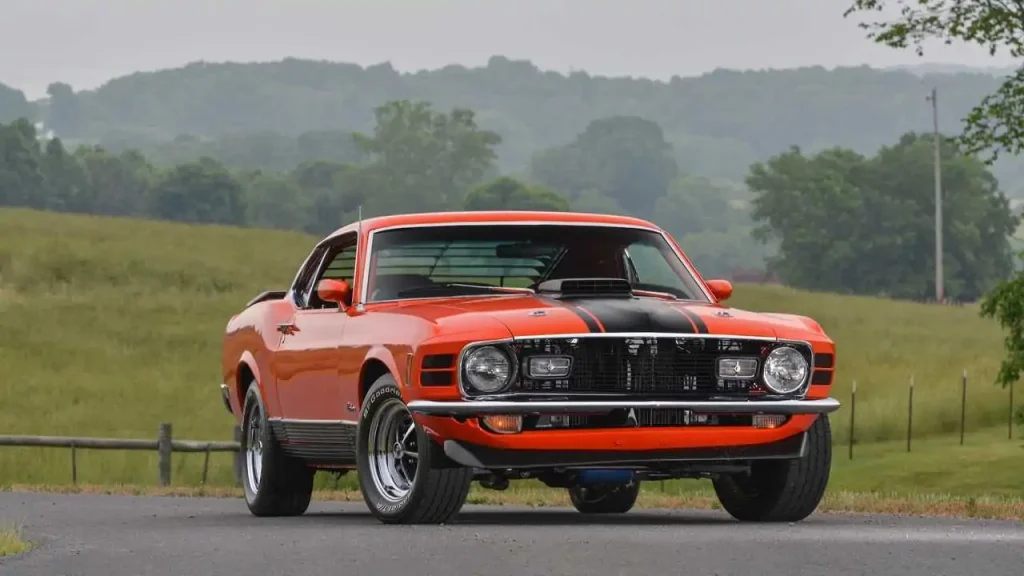
The 1970 Ford Mustang Mach 1 Twister Special was a limited-edition Mustang created for Ford dealers in the Kansas City sales region. Based on the Mach 1, it featured Grabber Orange paint, distinctive graphics, and special badging that helped set it apart from other Mustangs. Buyers could choose from several V8 configurations, including the potent 428 Cobra Jet, giving the Twister Special genuine muscle-car credentials to match its bold appearance. With only a small number produced, the Twister Special became one of the more distinctive regional editions in Mustang history.
Mercedes-Benz 190 SL (W121) — 1955
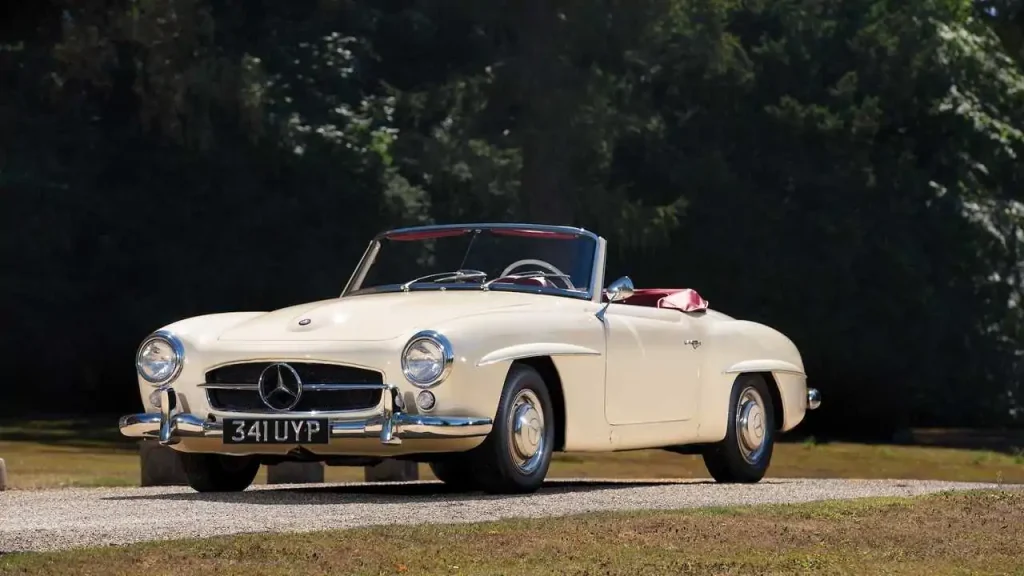
The Mercedes-Benz 190 SL (W121) arrived in 1955 as a more accessible companion to the exotic 300 SL. Powered by a 1.9-liter four-cylinder engine, the elegant roadster combined Mercedes-Benz’s sporting image with a more comfortable and approachable character for everyday driving. Its graceful proportions, low-slung profile, and distinctive chrome detailing made it one of the era’s most recognizable luxury roadsters. Although it was mechanically different from the gullwing 300 SL, the 190 SL established an important branch of Mercedes-Benz’s SL family that would influence the company’s two-seat roadsters for decades.
Nissan Skyline R31 4-Door Hardtop — 1986
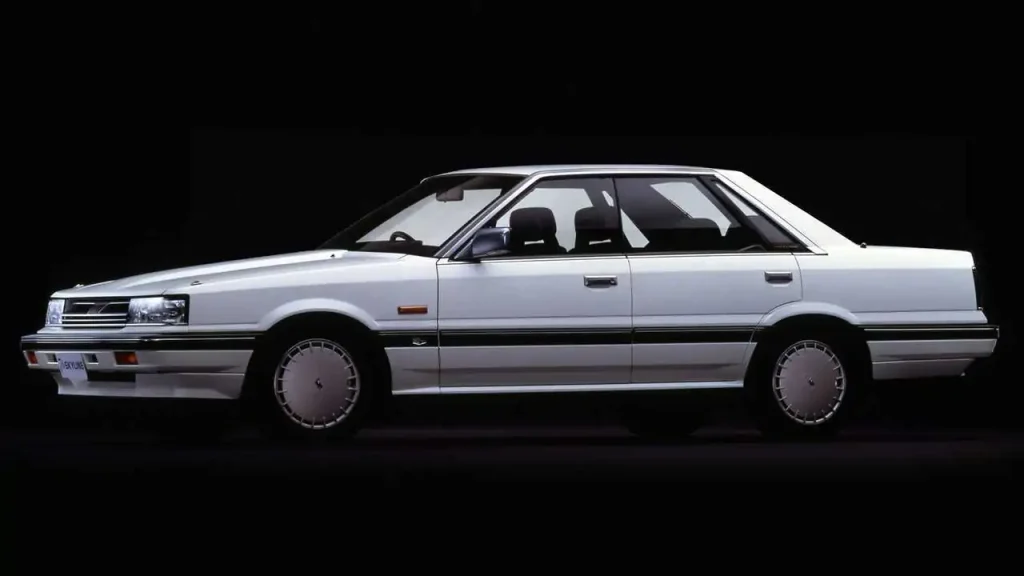
The Nissan Skyline R31 4-Door Hardtop represented a major step in the evolution of the Skyline when the R31 generation arrived in 1985. Featuring a sleek pillarless hardtop design, the four-door model combined the Skyline’s sporting character with the practicality of a sedan. It was also part of the generation that introduced Nissan’s RB-series inline-six engines, including the turbocharged RB20DET in later performance versions. With its distinctive styling, advanced technology for its time, and connection to the legendary Skyline lineage, the R31 4-Door Hardtop became an important bridge between earlier Skylines and the performance-focused R32 that followed.
Porsche 911 Targa (Short Wheelbase Series) — 1967
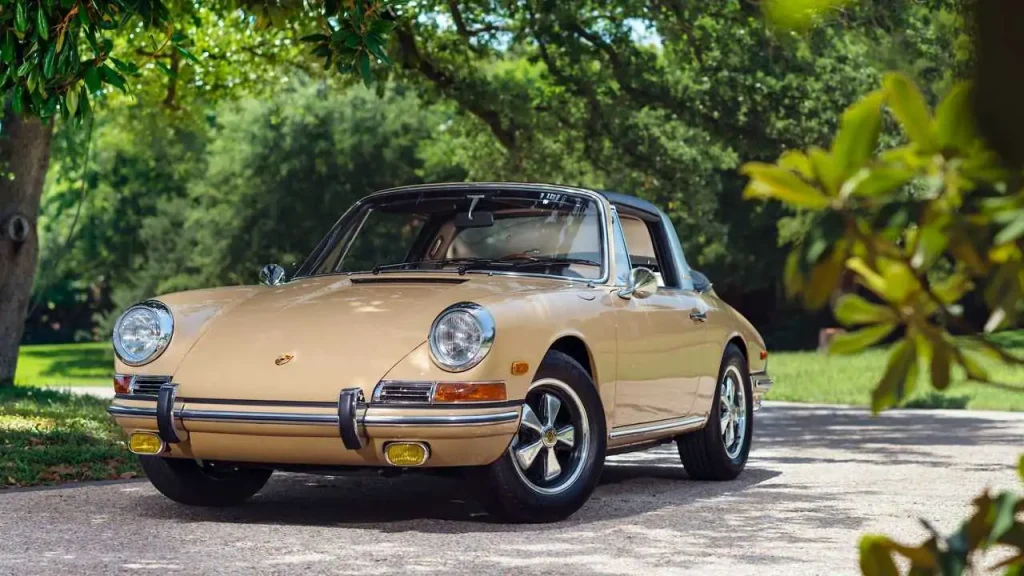
The Porsche 911 Targa Short Wheelbase arrived in the late 1960s as one of the earliest open-air versions of the 911. Introduced with the 1967 model year, the Targa combined a removable roof section with a distinctive stainless-steel roll bar and a removable rear window, giving drivers a way to enjoy open-air motoring without abandoning the structural character of the 911. The early Short Wheelbase cars, produced before the 911’s 1969 wheelbase stretch, are particularly significant because they represent the formative years of Porsche’s Targa concept, a body style that would remain an important part of the 911 family for decades.
Toyota Corolla E10 — 1966
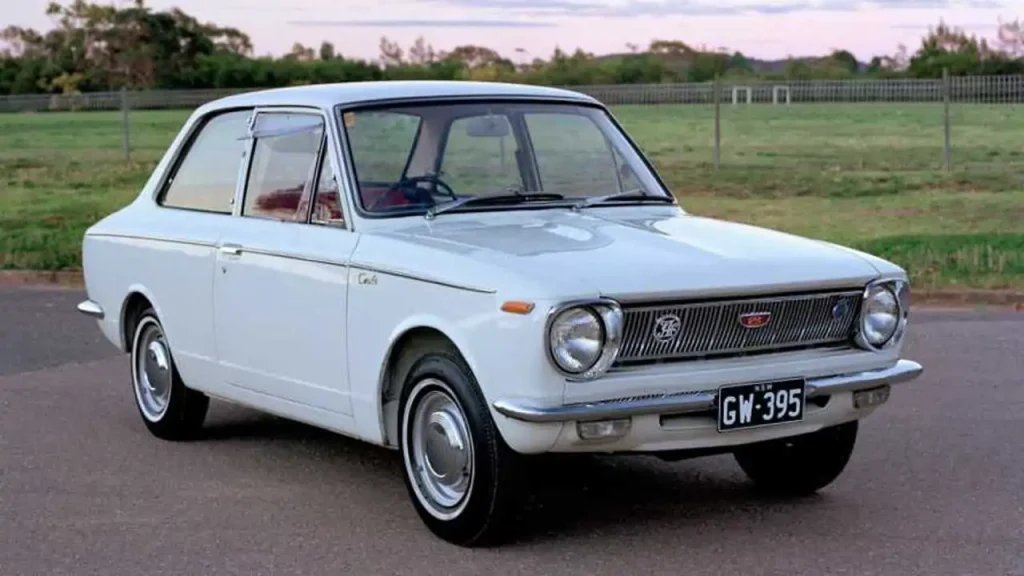
The Toyota Corolla E10 launched in 1966 as the first generation of a nameplate that would eventually become one of the world’s most recognizable cars. Designed as an affordable compact for everyday use, the original Corolla combined simple mechanicals with practical dimensions and accessible pricing. It was offered in several body styles, including sedan, wagon, and coupe variants, helping Toyota appeal to a broad range of buyers. The E10 established the basic formula that later Corolla generations would refine: affordable transportation, efficient packaging, and dependable engineering. More than half a century later, the Corolla name remains one of Toyota’s most enduring automotive identities.
1967 Chevrolet Yenko Super Camaro RS/SS
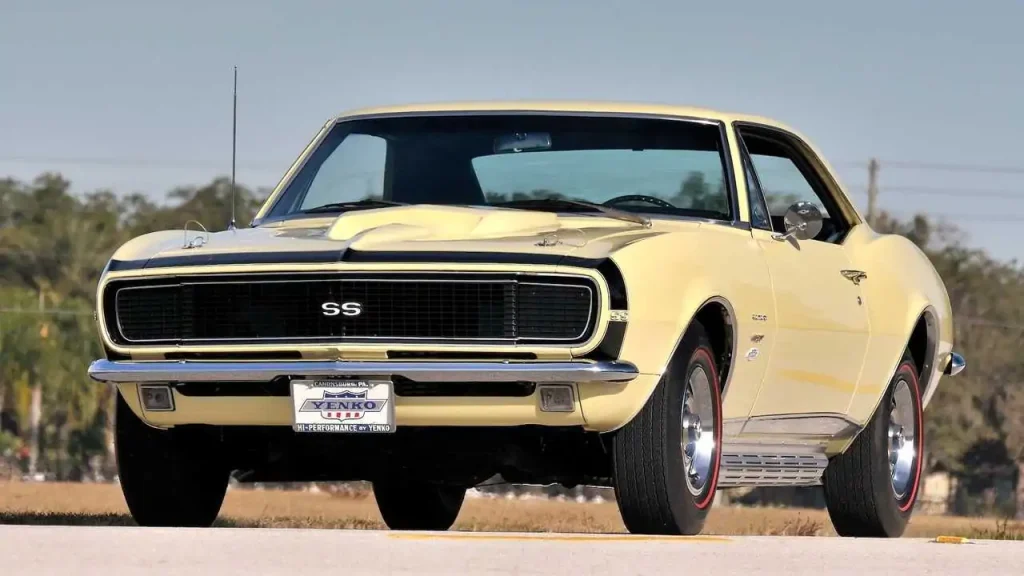
The 1967 Chevrolet Yenko Super Camaro RS/SS transformed Chevrolet’s new Camaro into a serious muscle car. Created by legendary dealer and racer Don Yenko, the Super Camaro started with the Camaro SS and received a transplanted 427-cubic-inch V8 in place of the factory small-block. With roughly 450 horsepower, the Yenko Camaro delivered supercar-level performance for its era while retaining the aggressive styling of the RS/SS package. Only a limited number were built, making the 1967 Yenko Super Camaro RS/SS one of the most collectible versions of the first-generation Camaro and an important chapter in Chevrolet performance history.
Arden AJ 4 — 1980s
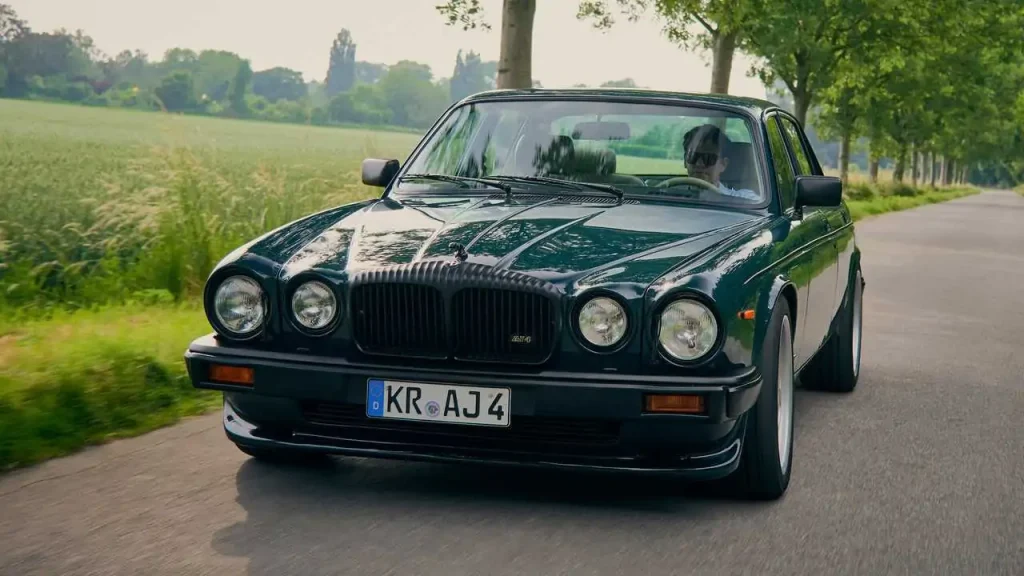
The Arden AJ 4 represents the more specialized side of Jaguar’s long-running XJ story. Created by German tuning company Arden, the AJ 4 transformed the luxury Jaguar into a more performance-focused machine, combining upgraded mechanical components with distinctive styling and a sportier character. Arden built its reputation around modifying Jaguar models, and the AJ 4 demonstrated how the XJ platform could be adapted far beyond its traditional luxury-sedan role. While the AJ 4 itself was never a mass-production nameplate on the scale of the XJ, it remains an interesting chapter in the history of long-lived Jaguar-based performance cars.
Range Rover — 1970
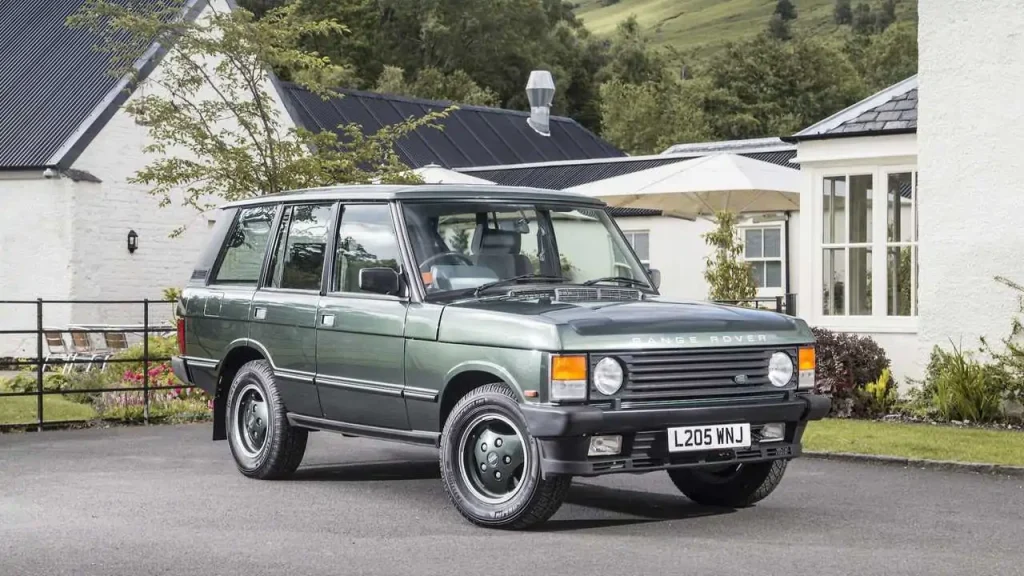
The Range Rover helped redefine what a luxury SUV could be. When the original arrived in 1970, combining genuine off-road ability with a comfortable and sophisticated passenger compartment was an unusual proposition. Early Range Rovers were considerably more utilitarian than today’s models, but the formula proved successful. Over successive generations, Land Rover steadily increased the Range Rover’s luxury, technology, and refinement while retaining its off-road credentials. Today, the Range Rover serves as the flagship of Land Rover’s lineup and occupies the upper end of the luxury SUV market.
Honda Civic — 1972
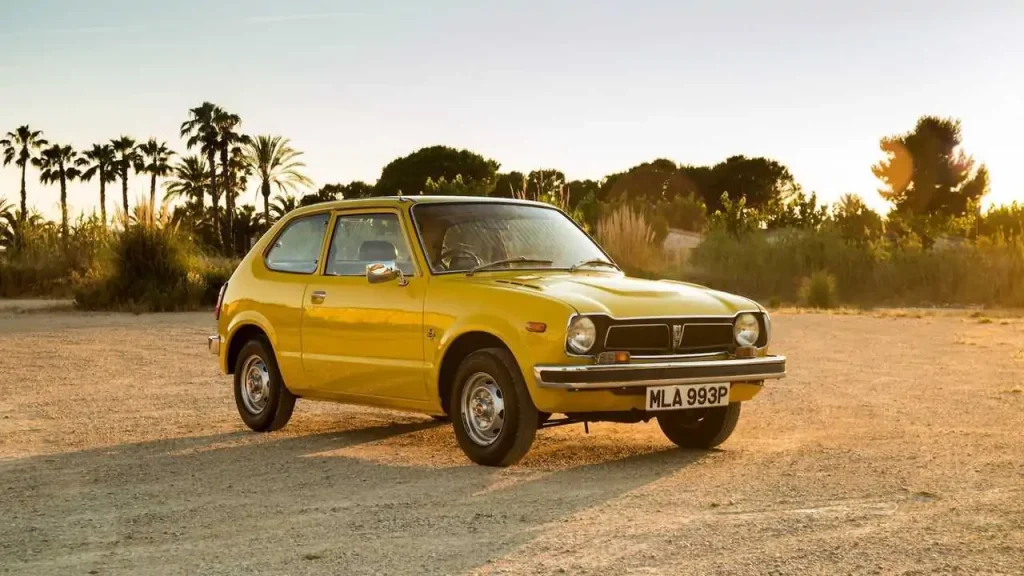
The Honda Civic actually predates the Golf and should be positioned earlier in the chronology. Introduced in 1972, the Civic was developed as a small, efficient, affordable car at a time when demand for economical transportation was growing rapidly. Its compact dimensions, efficient engines, and practical packaging helped establish Honda as a major global automaker. Over the decades, the Civic expanded into multiple body styles and spawned performance variants such as the Si and Type R. From a simple economy car to a sophisticated global compact with serious performance credentials, the Civic has continually evolved while retaining its basic reputation for practicality and efficiency.
Volkswagen Passat — 1973
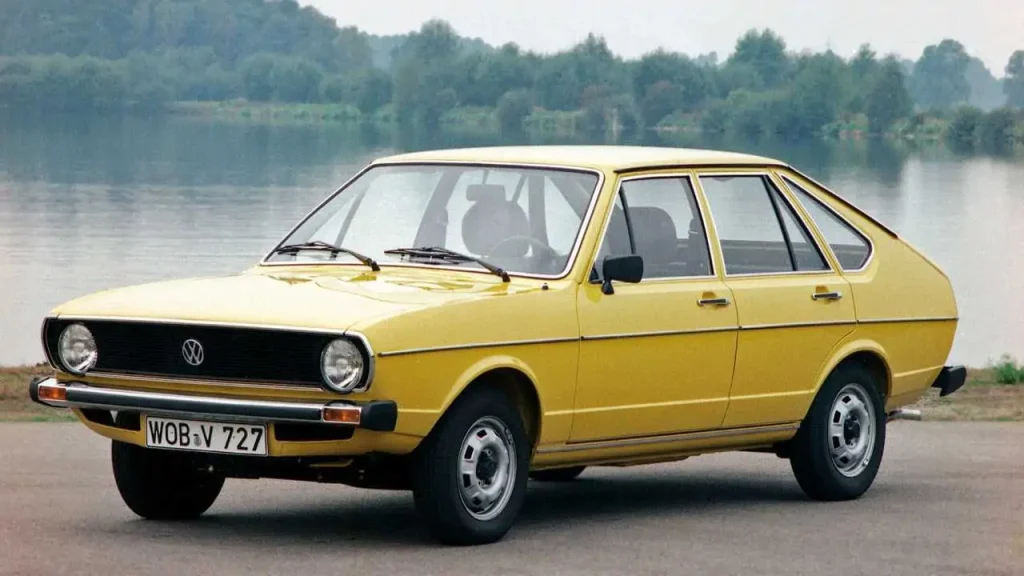
Volkswagen introduced the Passat in 1973 as part of the company’s transition toward front-engine, front-wheel-drive vehicles. It quickly established itself as an important midsize family car, particularly in Europe, where both sedan and wagon versions found a large audience. Over its many generations, the Passat was offered with gasoline and diesel engines and gained increasingly sophisticated technology and equipment. Its importance declined as SUVs and crossovers became more popular, but for decades the Passat remained one of Volkswagen’s most important family vehicles.
Volkswagen Golf GTI — 1975
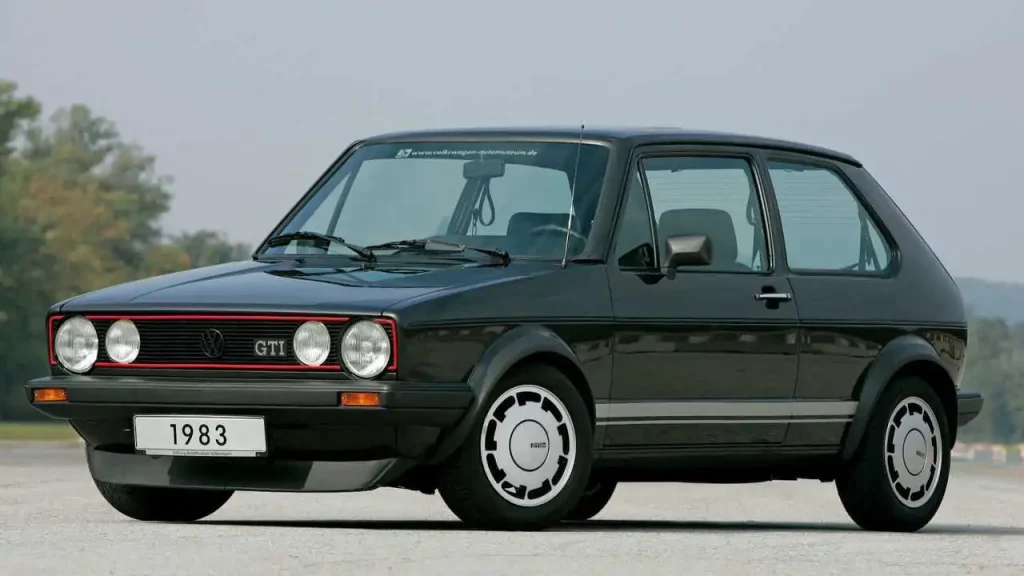
Just a year after the Golf debuted, Volkswagen created one of the most influential performance cars of all time: the Golf GTI. Introduced in 1975, the GTI took the practical front-wheel-drive hatchback and added a more powerful engine, sharper handling, sportier styling, and a relatively affordable price. Its combination of everyday usability and genuine performance helped establish the modern hot-hatch segment. What began as a small experiment became a defining part of the Golf family, with successive GTI generations continuing to offer an accessible alternative to larger and more expensive performance cars.
Volkswagen Polo — 1975
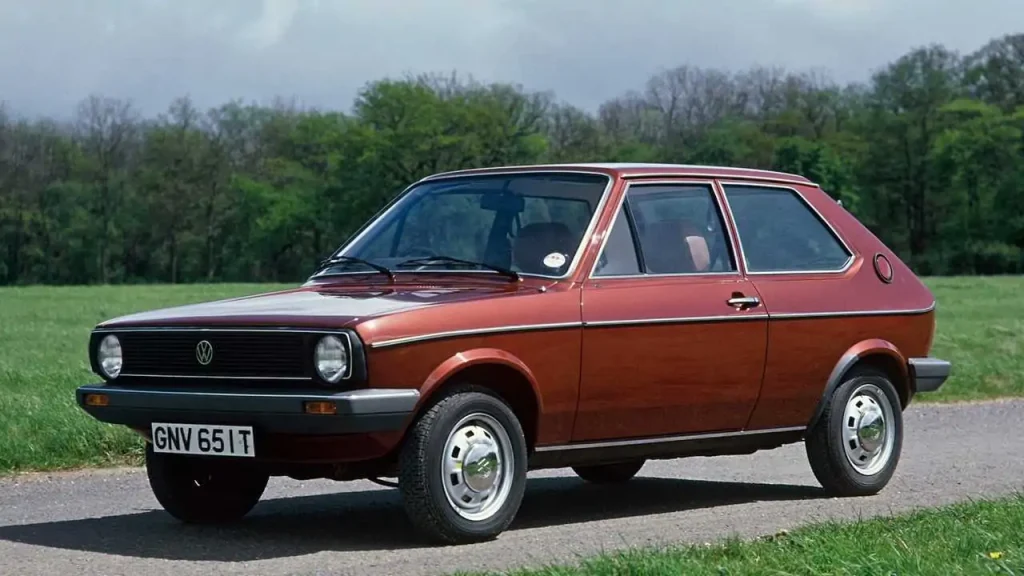
The Volkswagen Polo followed the Golf in 1975 as a smaller, more affordable hatchback. It began as a relatively simple compact car but steadily grew more sophisticated with each generation. The Polo became particularly important across Europe, where small hatchbacks have long been a major part of the automotive market. Modern versions offer advanced safety systems, connectivity, and technology that would have been unimaginable in the original, yet the core formula remains the same: compact dimensions, efficient powertrains, and practical interior packaging.
Ford Fiesta — 1976
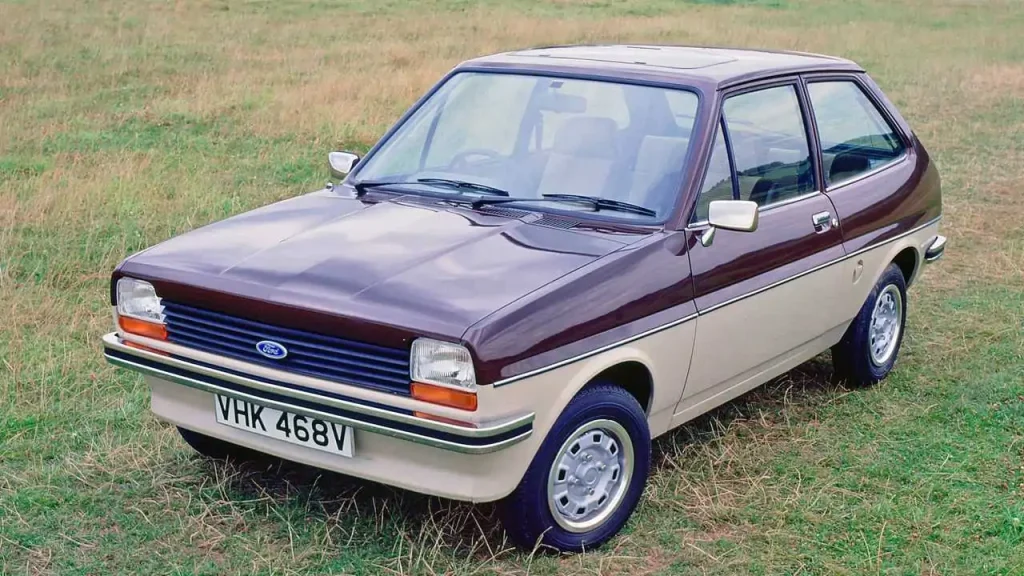
Ford launched the Fiesta in 1976 as a small and economical car aimed primarily at European buyers. Its timing was ideal, arriving during an era of rising fuel prices and increasing demand for affordable transportation in crowded cities. The Fiesta quickly became one of Ford’s most important European nameplates and grew more sophisticated with each generation. Performance models such as the Fiesta ST also demonstrated that a small economy car could be genuinely entertaining to drive. Ford ended production in 2023, but its nearly five-decade run cemented the Fiesta’s place in the company’s history.
Fiat Panda — 1980
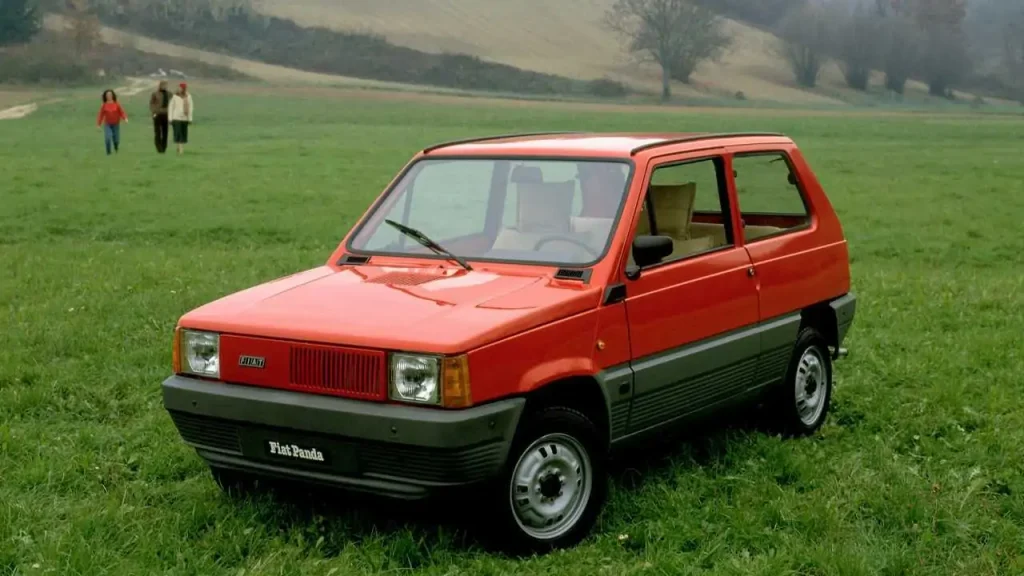
The Fiat Panda arrived in 1980 with a straightforward goal: deliver affordable and practical transportation in a compact package. Designed by Giorgetto Giugiaro, the original Panda used a simple, boxy shape to maximize interior space while keeping production and ownership costs under control. That simplicity became one of its defining characteristics. Successive generations added more powerful engines, improved safety, modern technology, four-wheel drive, and electrified powertrains, yet the Panda never abandoned its basic identity as a small, practical, accessible car. More than four decades later, that formula remains central to its appeal.