
These head-turners made a statement everywhere they went.
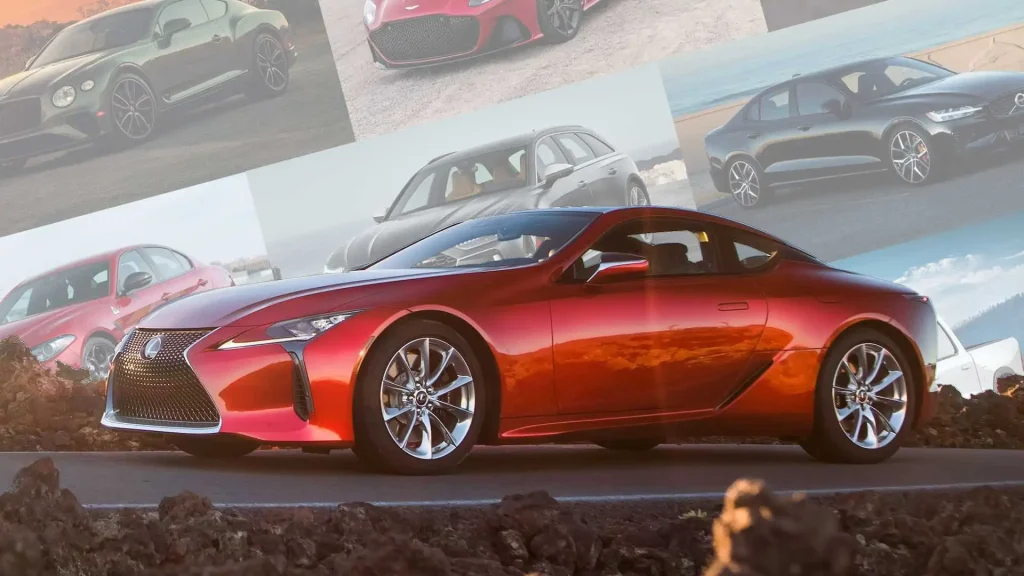
Automotive design is often the first thing that makes us fall for a vehicle. Price, performance, fuel economy, technology, and practicality all matter when choosing a new car, but none of them can change that initial reaction when a great-looking vehicle catches your eye. We’ve all seen a new sports car, truck, or SUV on the road and immediately thought, I want one.
The 2020 model year offered plenty of cars capable of creating that reaction. Automakers experimented with dramatic proportions, sharper bodywork, distinctive lighting, bold grilles, sculpted surfaces, and aggressive aerodynamic details. From exotic supercars and elegant grand tourers to performance wagons, luxury sedans, and affordable everyday cars, there was no shortage of standout designs.
Some of these vehicles demanded attention with wide stances and aggressive styling, while others relied on clean lines, elegant proportions, and subtle details. Either way, they demonstrated that a great design can make even an ordinary drive feel more special.
With so many attractive choices on the market, narrowing the field to just 20 wasn’t easy. We’ve rounded up the cars, trucks, and SUVs that caught our attention most in 2020. These are the vehicles that prove you don’t have to sacrifice style for performance, practicality, or everyday usability—and in some cases, they make the looks the main event.
Table of Contents
Alfa Romeo Giulia
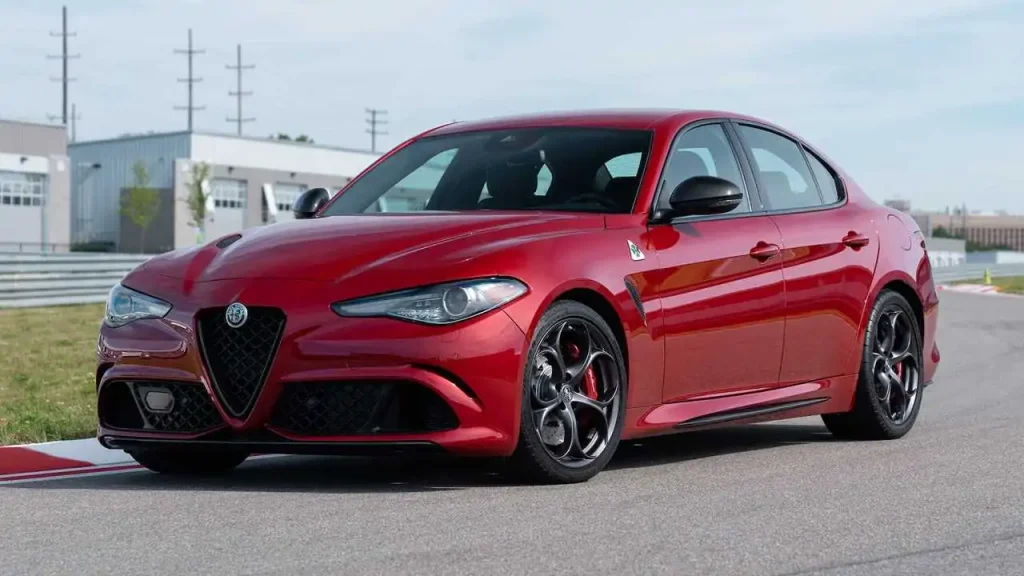
The Alfa Romeo Giulia brought Italian flair to the compact luxury-sedan segment with its sleek proportions and distinctive details. Its long hood, short front overhangs, sculpted sides, aggressive front fascia, and signature triangular grille gave it a character that separated it from more conservative German rivals. The Giulia looked especially sharp from the rear, where its wide stance and carefully shaped bodywork emphasized its sporty character without sacrificing the elegance expected from an Alfa Romeo.
Aston Martin DBS Superleggera
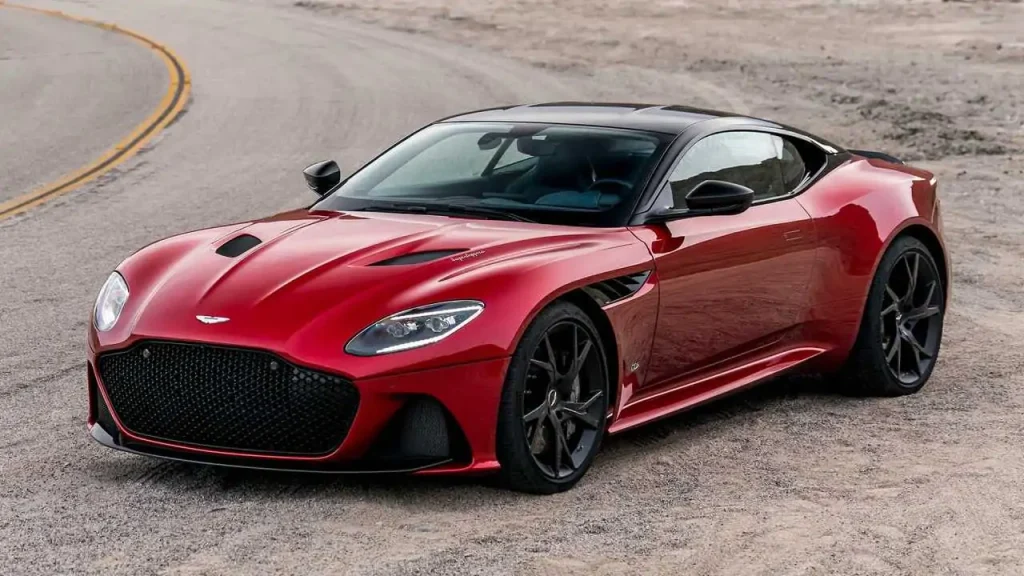
The Aston Martin DBS Superleggera had nearly everything you could want from a modern grand tourer: elegant proportions, a long hood, wide stance, and enough aggression to make its performance intentions clear. Its enormous grille, sculpted hood, muscular rear haunches, and carefully integrated aerodynamic details gave it an imposing presence, while the carbon-fiber body panels added a genuine performance edge. Beneath all that beautiful bodywork sat a twin-turbocharged V12, ensuring the DBS looked every bit as fast as it actually was.
Audi RS6 Avant
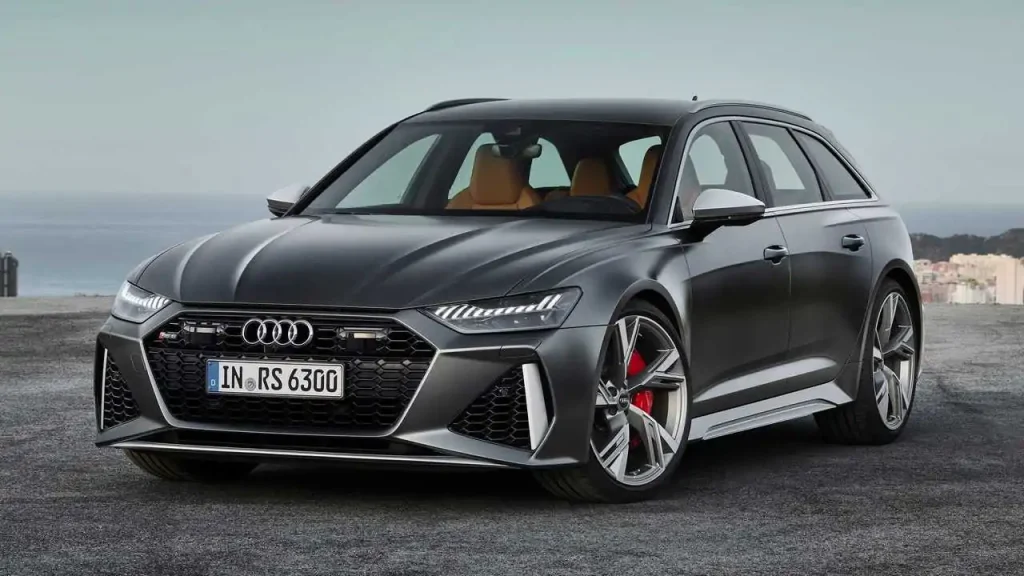
The Audi RS6 Avant proved that a family wagon could have the visual presence of a serious sports car. Wider fenders, huge wheels, aggressive bumpers, and enlarged air intakes transformed the A6 Avant into something considerably more menacing, while its long roof and practical cargo area remained intact. The combination of everyday usability and dramatic styling made the RS6 one of the most compelling performance wagons on the road.
Bentley Continental GT
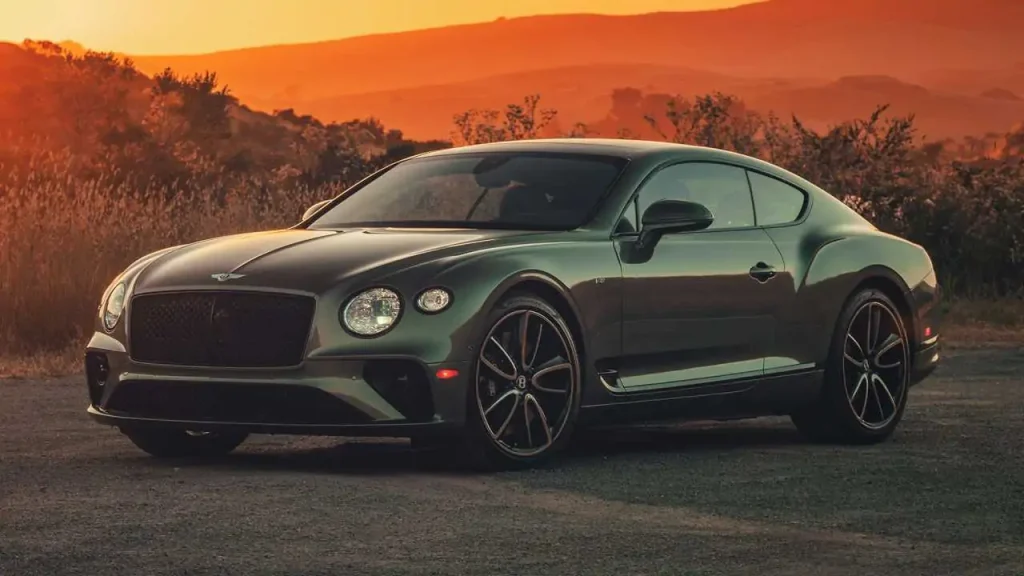
The Bentley Continental GT carried the traditional grand-tourer formula into a more athletic era. Its long hood, sweeping roofline, oversized grille, oval headlights, and sculpted bodywork gave it a sophisticated but muscular appearance. The wide rear haunches and oval taillights were particularly effective, emphasizing the car’s planted stance and giving the Continental GT a distinctive look from almost every angle.
Chevrolet Corvette Stingray
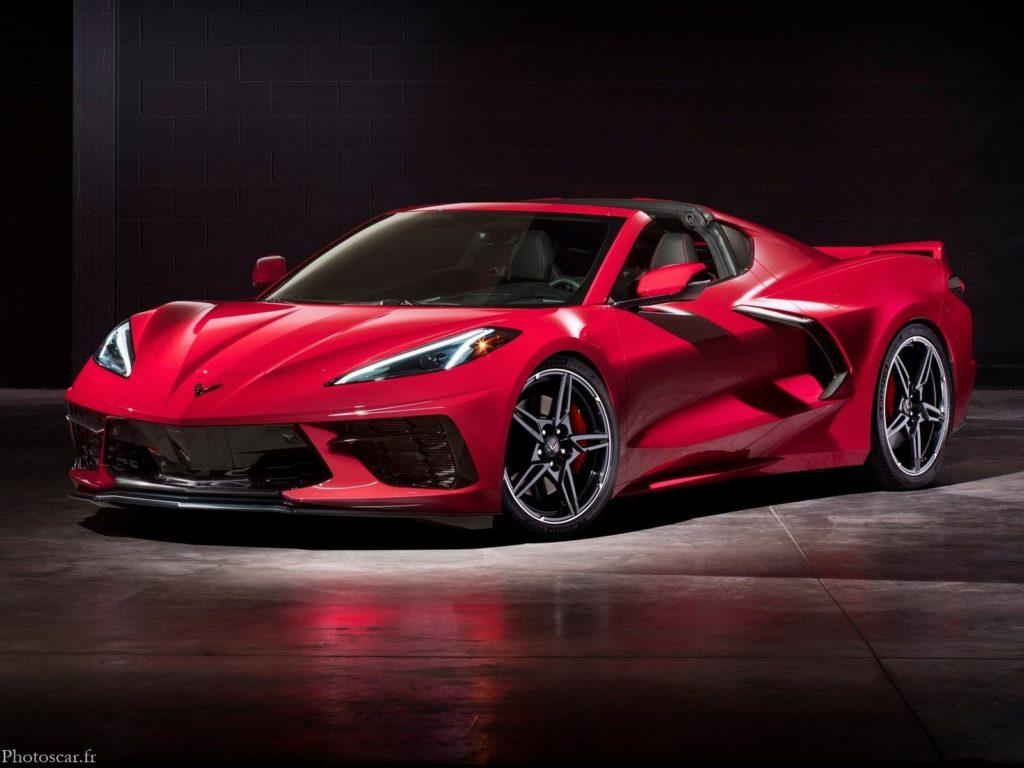
The 2020 Chevrolet Corvette Stingray completely transformed the familiar Corvette silhouette. Moving the engine behind the cabin pushed the cockpit forward and gave the car dramatically different proportions, including a shorter front end and a much more exotic rear section. Sharp bodywork, large side intakes, and an aggressive rear fascia made the C8 look like an exotic European sports car while retaining enough Corvette character to remain recognizable.
Dodge Charger Widebody
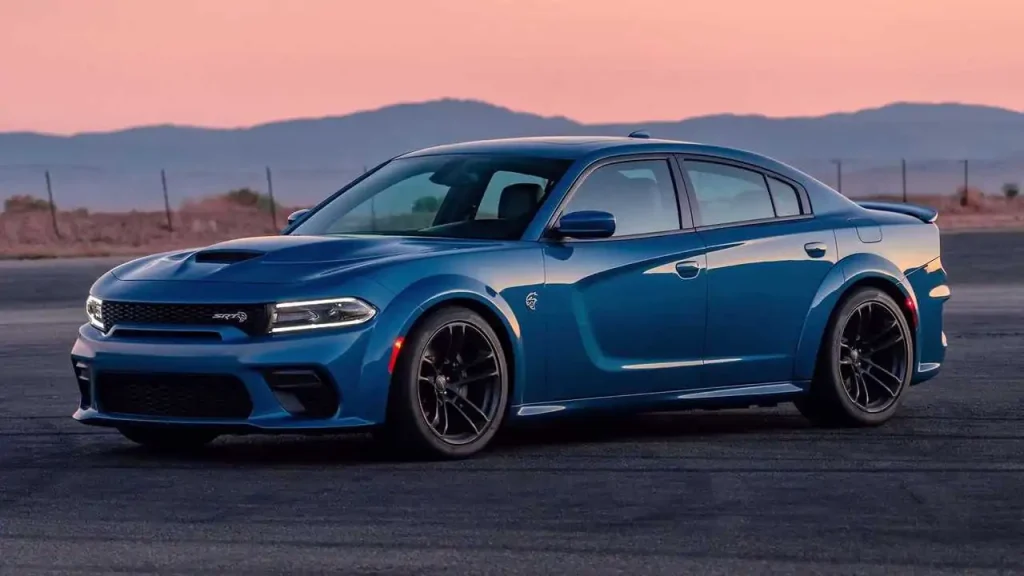
The Dodge Charger Widebody showed just how imposing a modern American muscle sedan could be. Its dramatically flared fenders gave the car a wider, more planted appearance while accommodating larger tires, and the effect was amplified by the aggressive grille, muscular hood, large wheels, and low stance. In an era increasingly filled with rounded crossovers, the Charger Widebody stood out as a deliberately bold and unapologetic design.
Ford GT Liquid Carbon
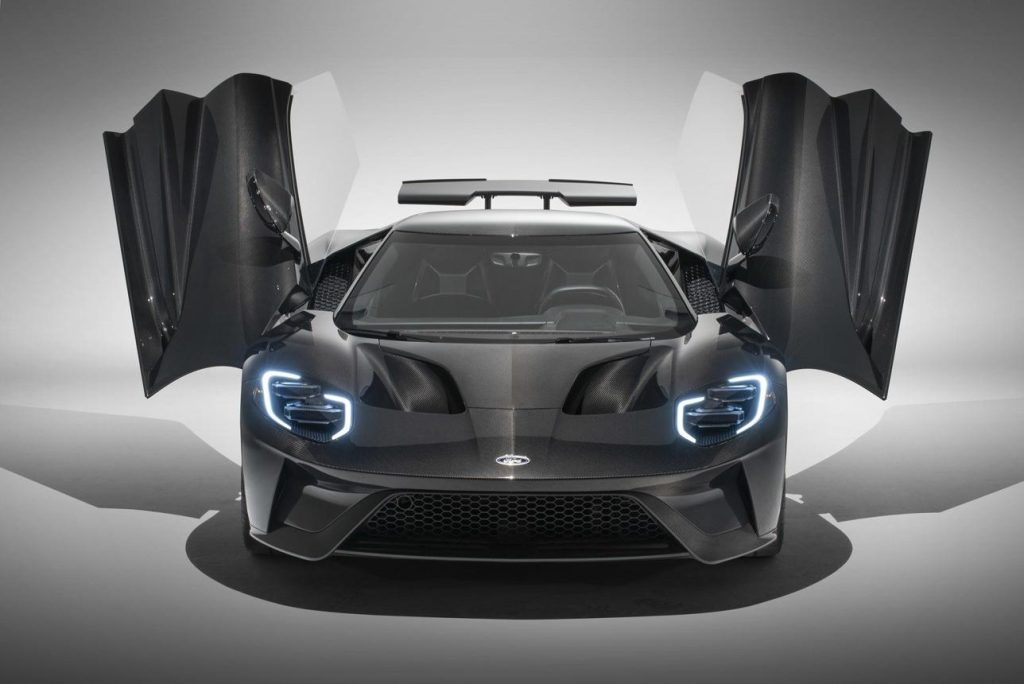
The Ford GT Liquid Carbon took an already exotic supercar and made its construction part of the visual experience. Rather than hiding the carbon-fiber body beneath conventional paint, Ford exposed the material, allowing the intricate weave to highlight every vent, crease, and aerodynamic surface. The result made the GT look even more like a road-going Le Mans machine, with its lightweight construction becoming one of its most obvious styling features.
Genesis G80
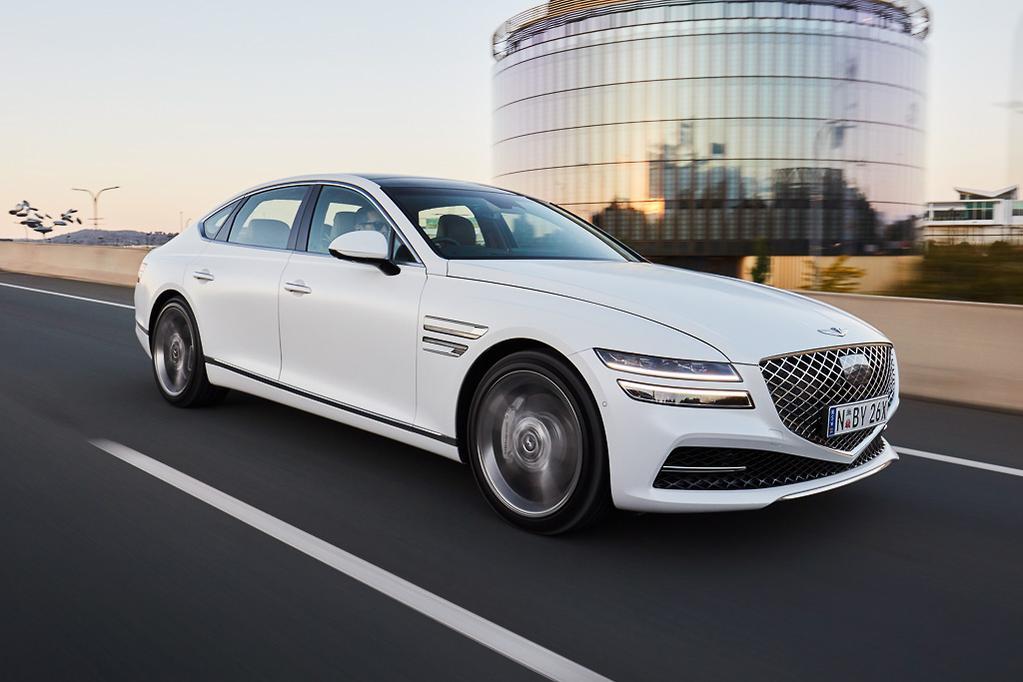
The Genesis G80 introduced a sophisticated design language that helped separate the luxury sedan from its established German rivals. Its crest-shaped grille, split headlights, long hood, and flowing profile created an elegant appearance, while restrained bodywork kept the design from becoming overly busy. Strong proportions and carefully placed details gave the G80 a premium presence that made it appear more expensive than its market position suggested.
Hyundai Sonata
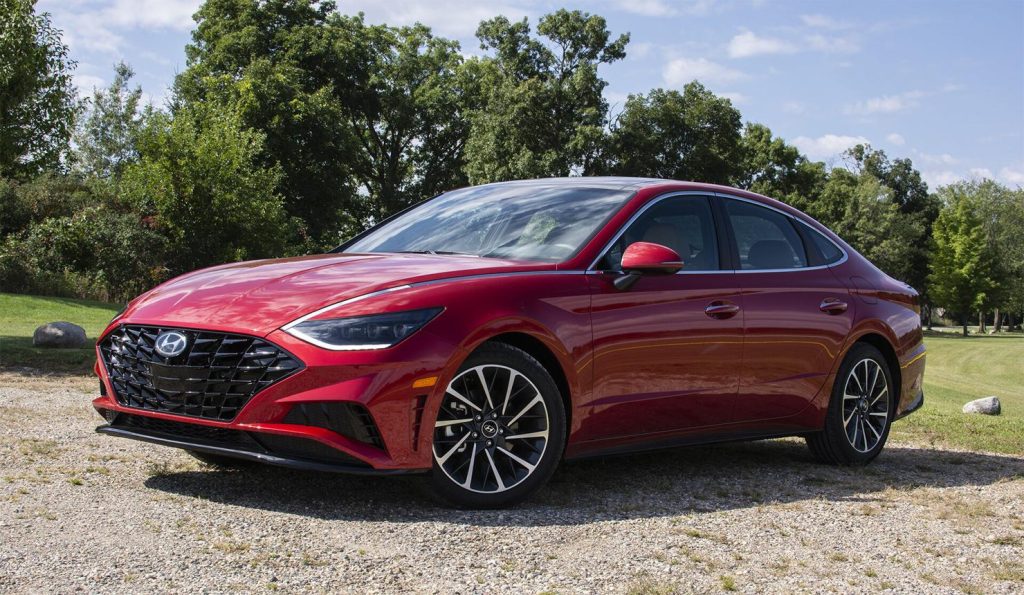
The Hyundai Sonata received a dramatic makeover for the 2020 model year, abandoning the conservative styling associated with many mainstream sedans. Its low hood, sweeping roofline, prominent grille, and unusual lighting elements gave it a much more expressive character. The most distinctive touch was the lighting incorporated into the hood trim, creating a signature look that helped the Sonata stand out in a crowded family-sedan segment.
Infiniti Q60
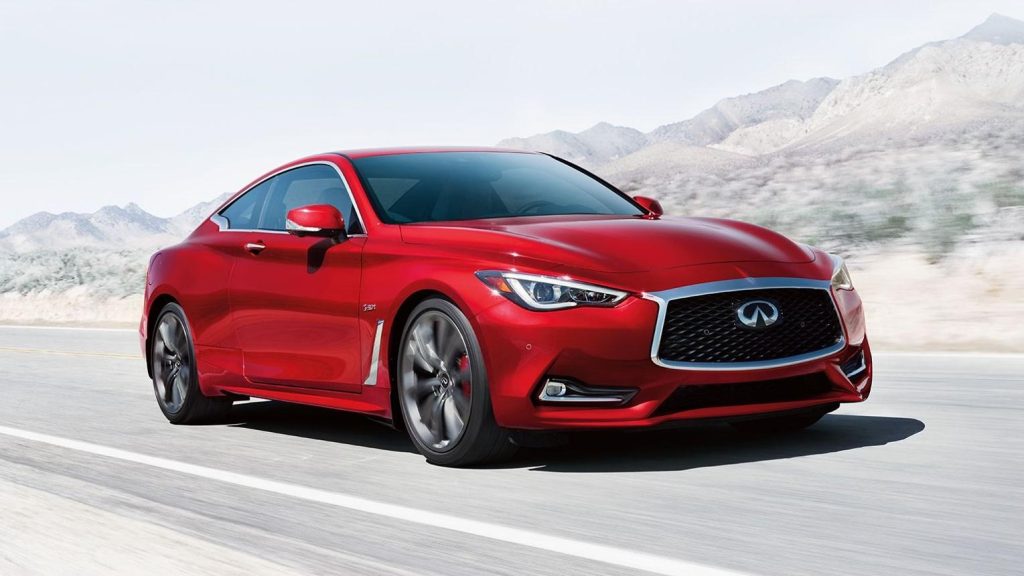
The Infiniti Q60 remained one of the more elegant luxury coupes available in 2020. Its long hood, low roofline, sculpted sides, and flowing rear section created the classic proportions expected from a stylish grand tourer, while the restrained grille and sharp headlights added a modern touch. The combination of a compact cabin, extended front end, and muscular rear shoulders gave the Q60 an especially graceful profile.
Kia Telluride
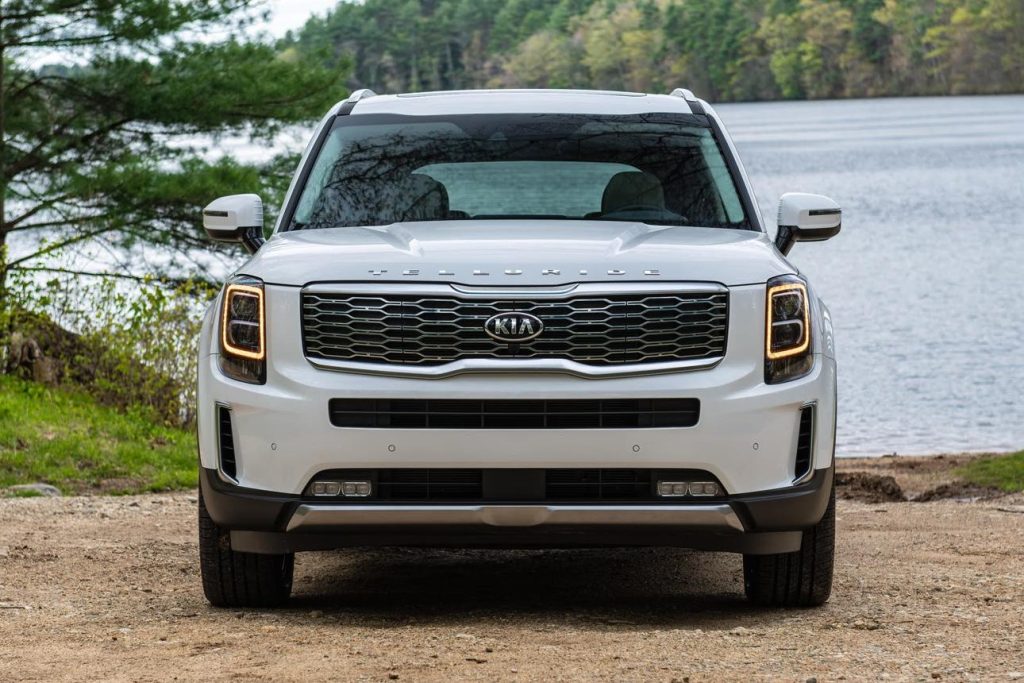
The Kia Telluride demonstrated that a three-row SUV didn’t need exotic-car proportions to make a strong visual impression. Its upright grille, rectangular headlights, squared-off body, and broad stance gave it a confident appearance that deliberately avoided the softer styling common among modern crossovers. The result was a clean and distinctive SUV design that quickly became one of the most recognizable entries in its class.
Lexus LC 500
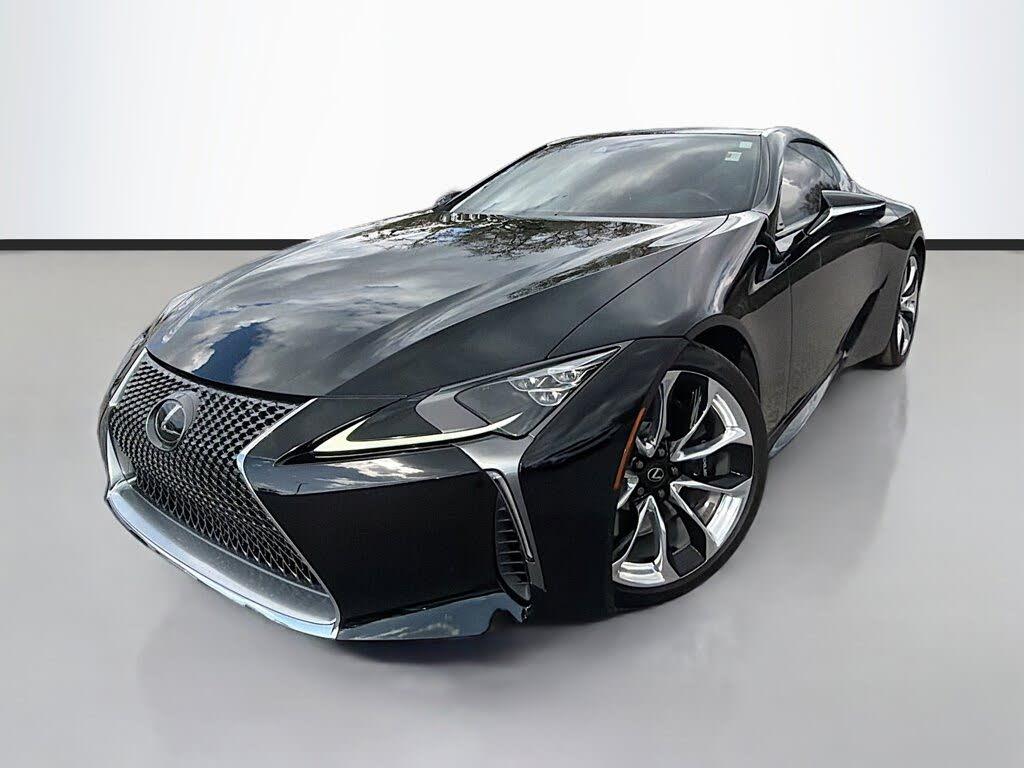
The Lexus LC 500 looked remarkably close to the dramatic concept cars that inspired it. Its huge spindle grille, low roof, sharp headlights, sculpted rear fenders, and distinctive tail treatment created an unusually bold appearance for a production luxury coupe. Lexus resisted the urge to heavily tone down the design for production, leaving the LC with a visual identity that remained striking even years after its debut.
Lincoln Aviator
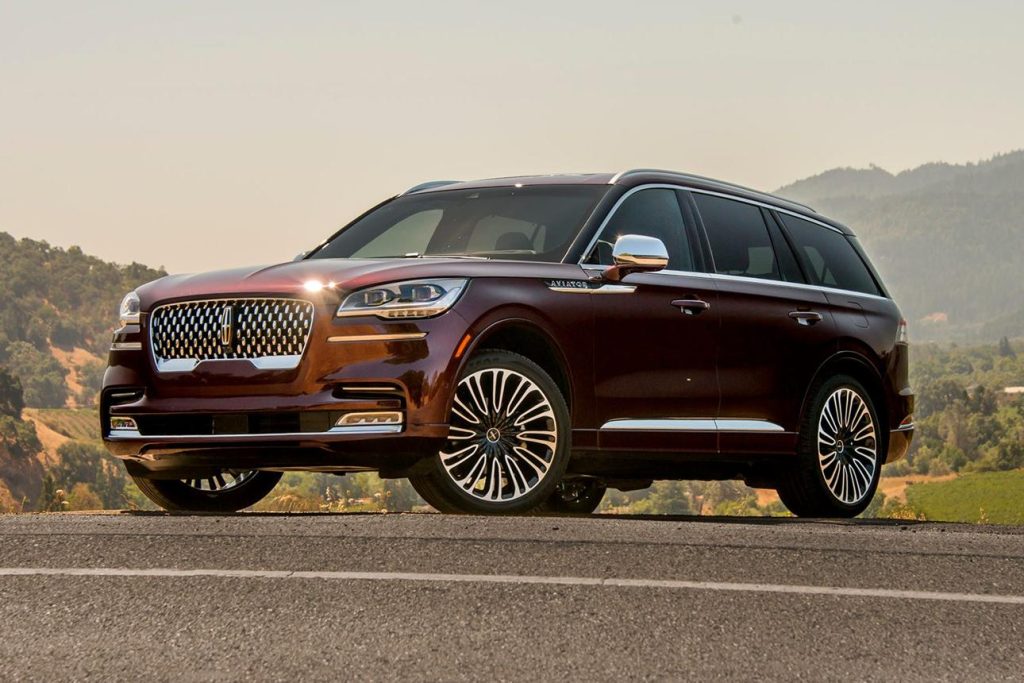
The Lincoln Aviator brought a more sophisticated character to the American luxury SUV segment. Its broad grille, slim headlights, long body, and sculpted sides created an upscale appearance without relying excessively on chrome or oversized details. The proportions also gave the Aviator a substantial presence while maintaining a relatively clean overall design, reflecting the direction Lincoln was taking its modern luxury lineup.
Mazda3
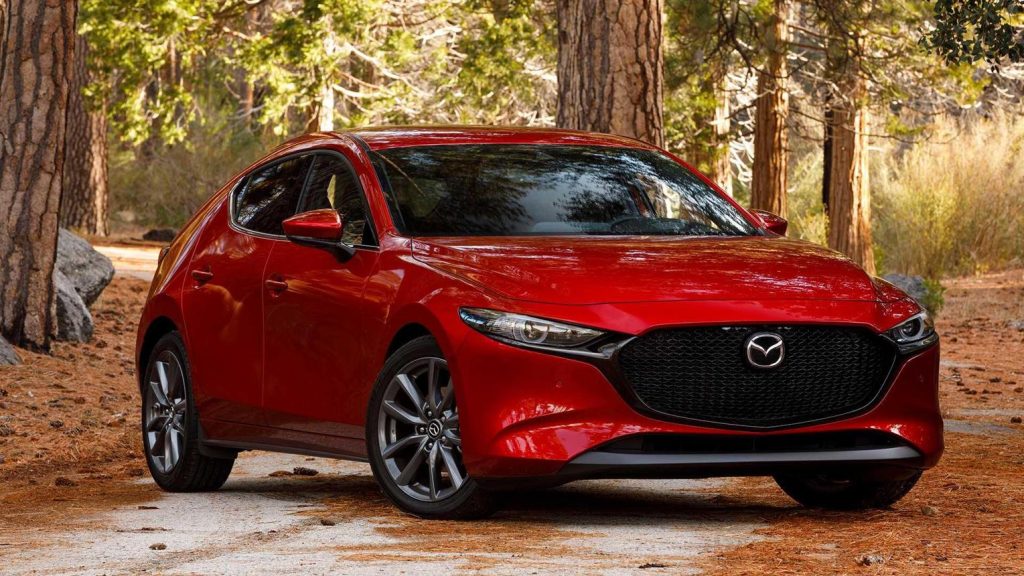
The Mazda3 proved that an affordable compact car could have genuinely premium-looking design. Mazda relied on flowing surfaces, clean lines, and restrained detailing rather than aggressive creases or oversized styling elements. The hatchback was particularly distinctive, with its dramatic rear pillars and sculpted bodywork giving it a memorable shape. Its minimalist approach helped it stand apart from competitors that leaned more heavily on visual aggression.
McLaren 765LT
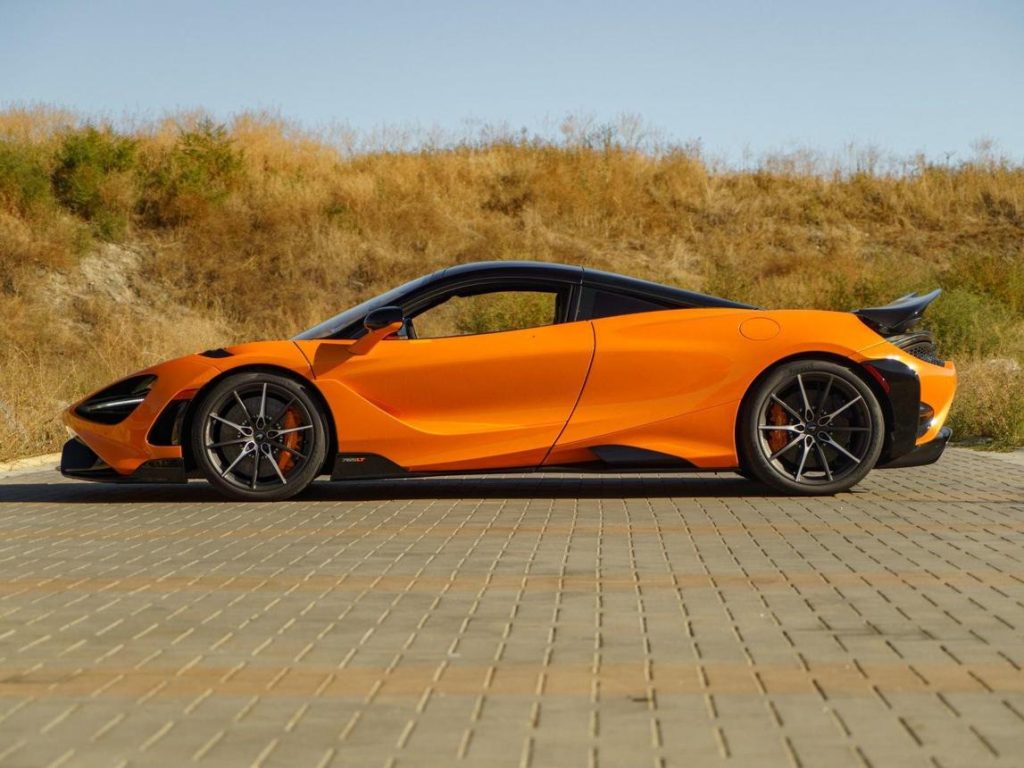
The McLaren 765LT looked exactly like a car designed around speed. Its extended bodywork, extremely low stance, enormous aerodynamic elements, aggressive front end, and exposed carbon-fiber components all contributed to an unmistakably performance-focused appearance. Rather than adding decorative details, McLaren made the car’s aerodynamic function part of its visual identity, creating a design where form and performance were closely intertwined.
McLaren Elva

The McLaren Elva was one of the most unconventional performance cars of 2020, taking inspiration from open-cockpit racing machines. Its extremely low body, sculpted sides, dramatic aerodynamic surfaces, and lack of a conventional roof gave it the appearance of a road-legal prototype. Practicality clearly wasn’t the priority; the Elva was designed around the driving experience, and its radical styling made that purpose immediately obvious.
Porsche Taycan
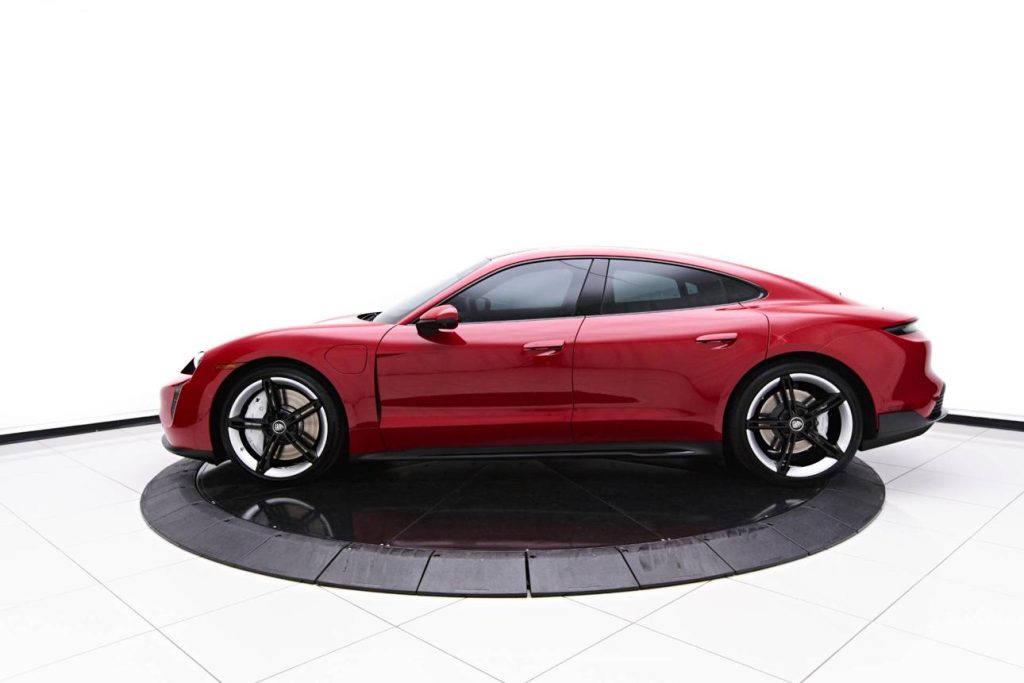
The Porsche Taycan demonstrated that an electric car could embrace a futuristic powertrain without abandoning traditional sports-car design. Its low nose, broad stance, flowing roofline, sculpted rear shoulders, and distinctive headlights gave it the unmistakable proportions of a Porsche. Instead of using unusual styling to advertise its electric nature, the Taycan simply looked like a beautifully designed Porsche with an electric drivetrain.
Ram 1500
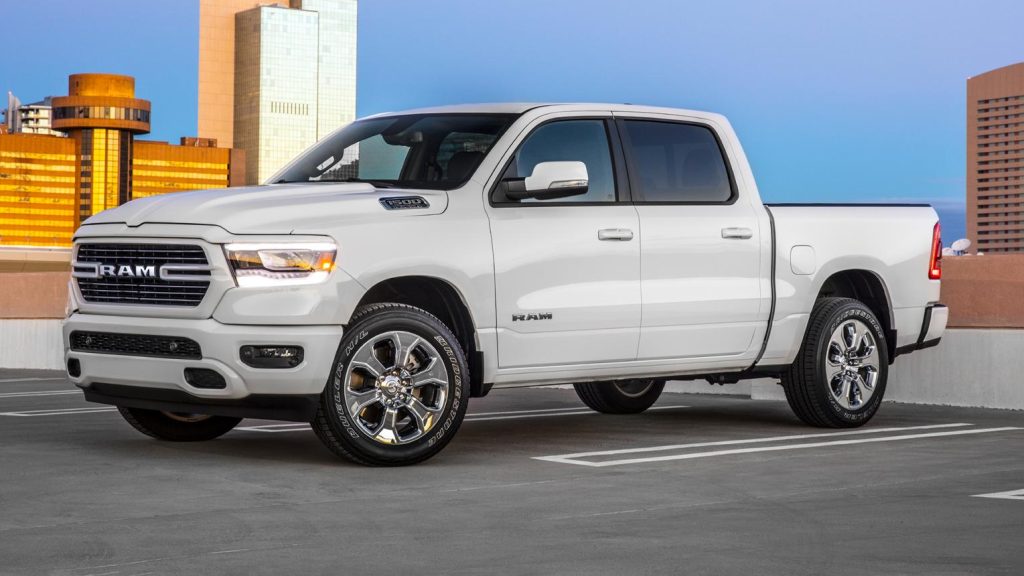
The Ram 1500 earned its place through the commanding presence expected from a modern full-size pickup. Its tall grille, sculpted hood, muscular body, and strong proportions gave it an imposing stance without covering the design in unnecessary visual clutter. In an intensely competitive truck market, the styling also gave the Ram a distinctive identity and helped it stand apart from the Ford and Chevrolet alternatives.
Volvo S60
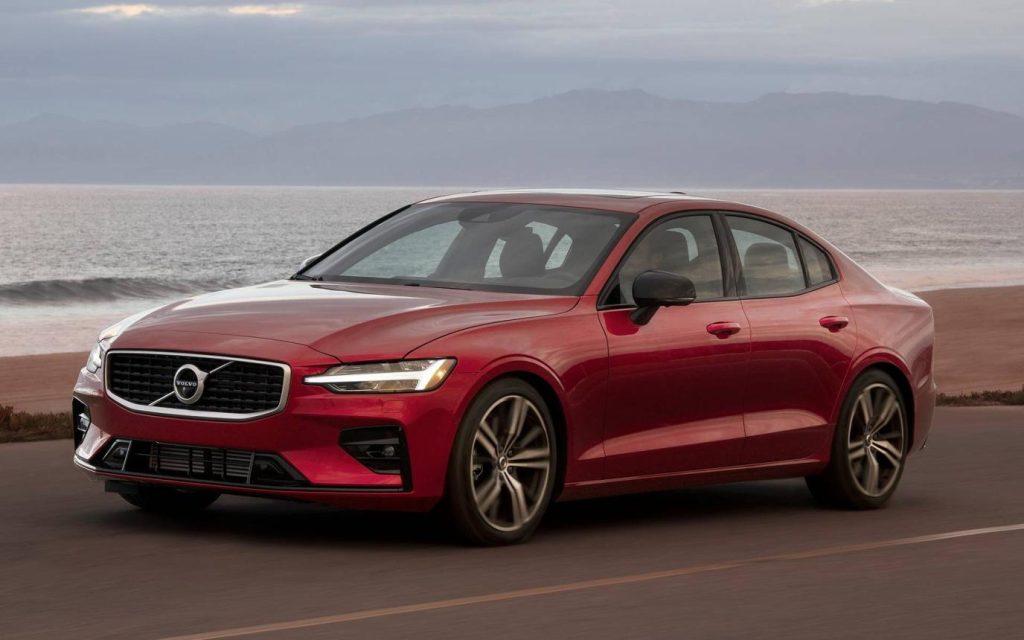
The Volvo S60 represented a more understated approach to modern luxury-sedan design. Its clean body lines, restrained grille, distinctive Thor’s Hammer headlights, and carefully sculpted surfaces created an elegant Scandinavian appearance without resorting to excessive aggression. The S60’s appeal came largely from its proportions and attention to detail, proving that a sedan could be distinctive without being visually loud.
Aston Martin Vantage
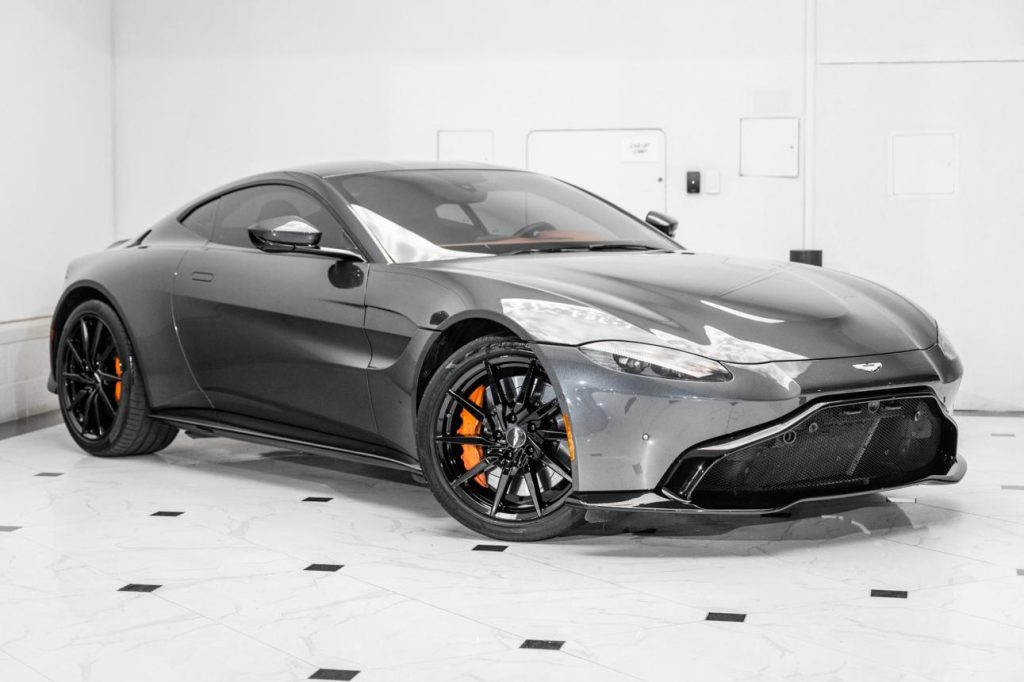
The Aston Martin Vantage closed out the list with a much more aggressive interpretation of the brand’s traditional sports-car design. Its low nose, large grille, sculpted doors, muscular rear fenders, and distinctive tail gave it a sharper personality than many earlier Aston Martins while preserving the marque’s sense of elegance. That balance between aggression and beauty made the Vantage one of the most successful sports-car designs of its era.
The appeal of automotive design is that beauty can take many different forms. From exotic supercars and elegant grand tourers to family sedans, SUVs, wagons, and pickups, these vehicles demonstrated that there was no single formula for creating a memorable design in 2020.