
From an electric F-150 and the return of the Hummer to a growing lineup of next-generation pickups, these future trucks are poised to make a big impact.
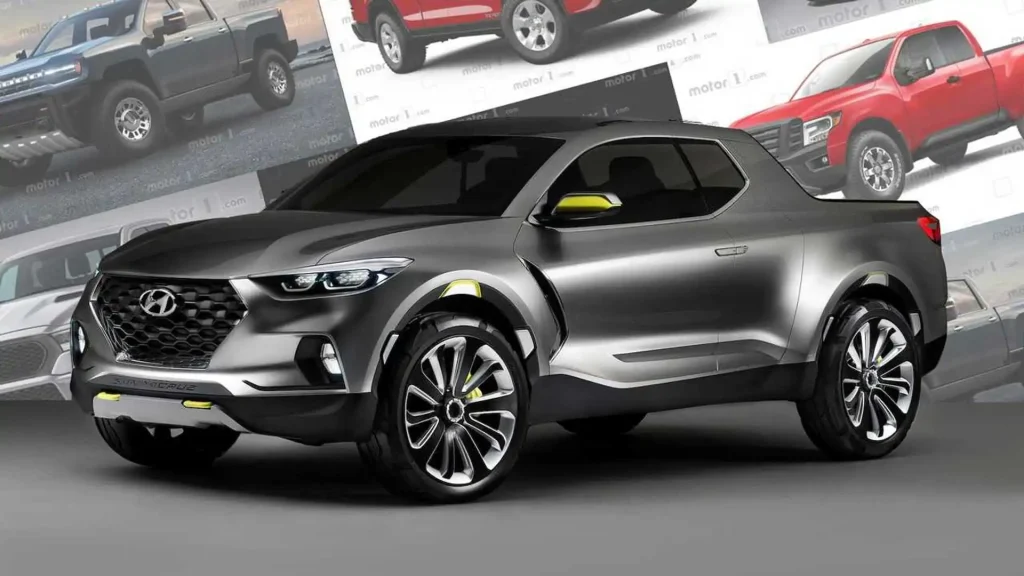
The pickup truck market is entering one of its biggest periods of change in decades. Automakers are developing new models for nearly every corner of the segment, from traditional full-size workhorses and heavy-duty haulers to smaller lifestyle pickups, rugged off-roaders, and radically styled electric trucks. Some will follow familiar formulas, while others will challenge what buyers expect from a pickup.
Ford, Hyundai, and other manufacturers are showing renewed interest in smaller trucks, while unibody construction is becoming increasingly common as automakers look to combine pickup versatility with more car-like driving characteristics. At the other end of the spectrum, full-size and heavy-duty trucks continue to evolve with more technology, greater capability, and increasingly sophisticated powertrains.
Performance is another major part of the pickup’s future. Buyers who prioritize trails and adventure over maximum towing capacity can expect more factory-built off-road machines designed to compete with established models such as the Chevrolet Colorado ZR2 and Ford F-150 Raptor. Expect upgraded suspension systems, larger tires, specialized drive modes, improved approach and departure angles, and increasingly sophisticated electronic traction systems to become more common.
Electrification will also play an important role. Battery-powered pickups can deliver enormous amounts of instant torque, making them particularly well suited to moving heavy loads or tackling difficult terrain. Large battery packs can add considerable weight, but they also provide the power reserves needed for impressive acceleration and useful towing capability. As battery technology and charging infrastructure continue to develop, electric trucks will become an increasingly important part of the pickup landscape.
The result is a truck market that looks considerably different from the one that existed just a few years ago. Some of these future pickups will be familiar nameplates with new technology underneath, while others will introduce entirely new ideas to the segment. From compact trucks designed for everyday use to extreme off-roaders and all-electric workhorses, these are the future trucks worth keeping an eye on.
Table of Contents
Ford Courier
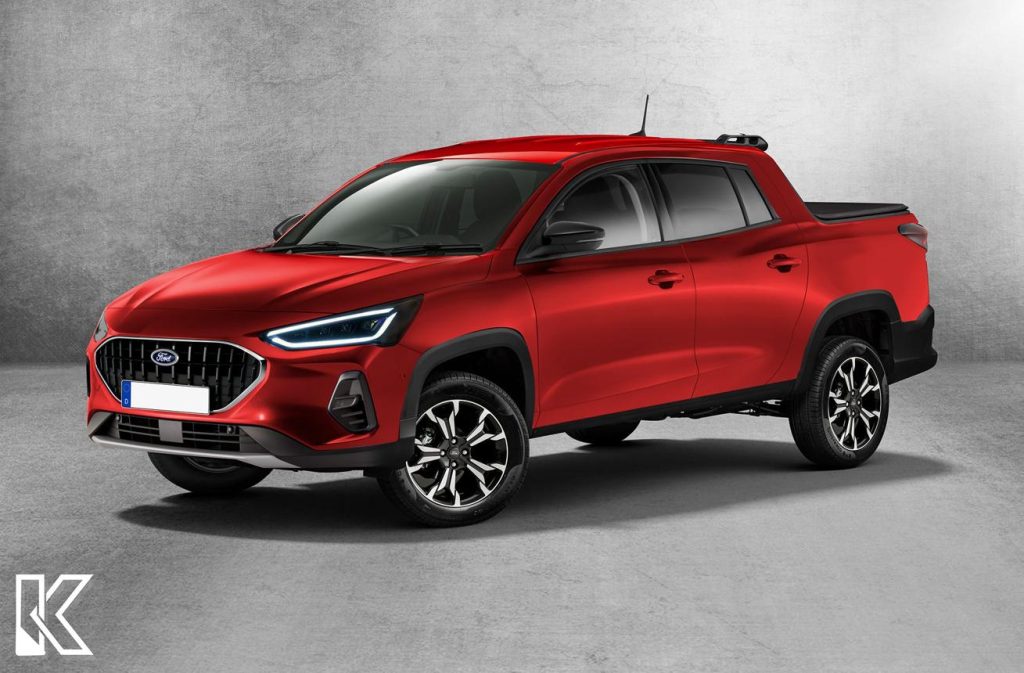
The Ford Courier was envisioned as a compact pickup below the Ranger, giving Ford a smaller truck with a more manageable footprint. Early reports described a unibody design aimed at buyers who wanted pickup utility without the size of a traditional truck.
GMC Hummer EV
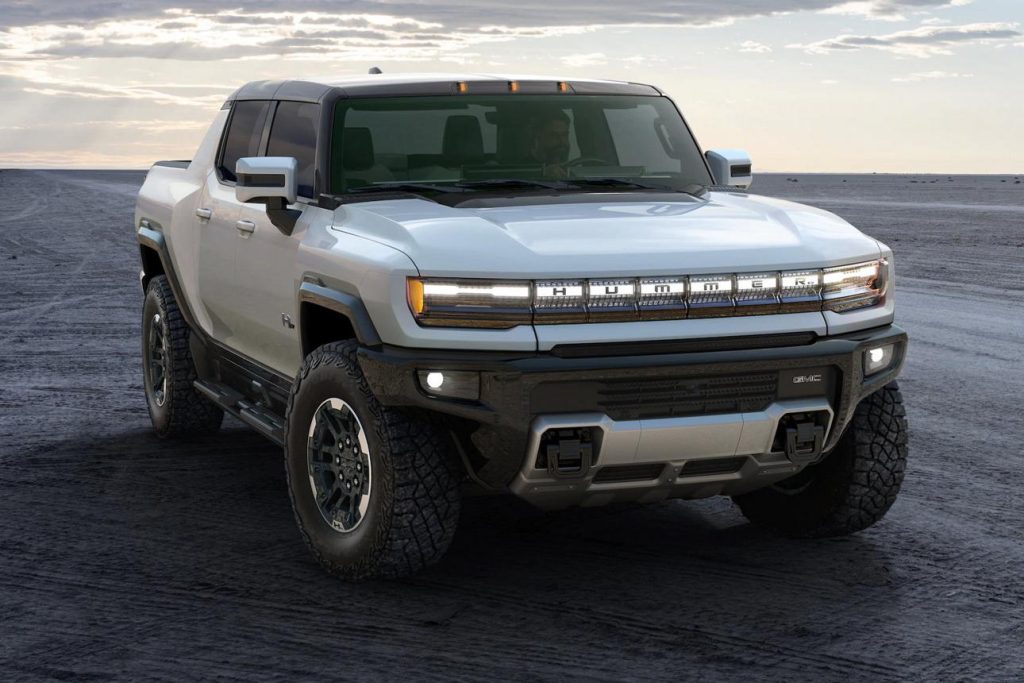
The GMC Hummer EV turned the famous Hummer name into an all-electric supertruck. Its huge battery pack, four-wheel steering, extreme off-road hardware, and available 1,160 horsepower make it one of the most radical pickups in the segment.
Chevrolet Electric Pickup
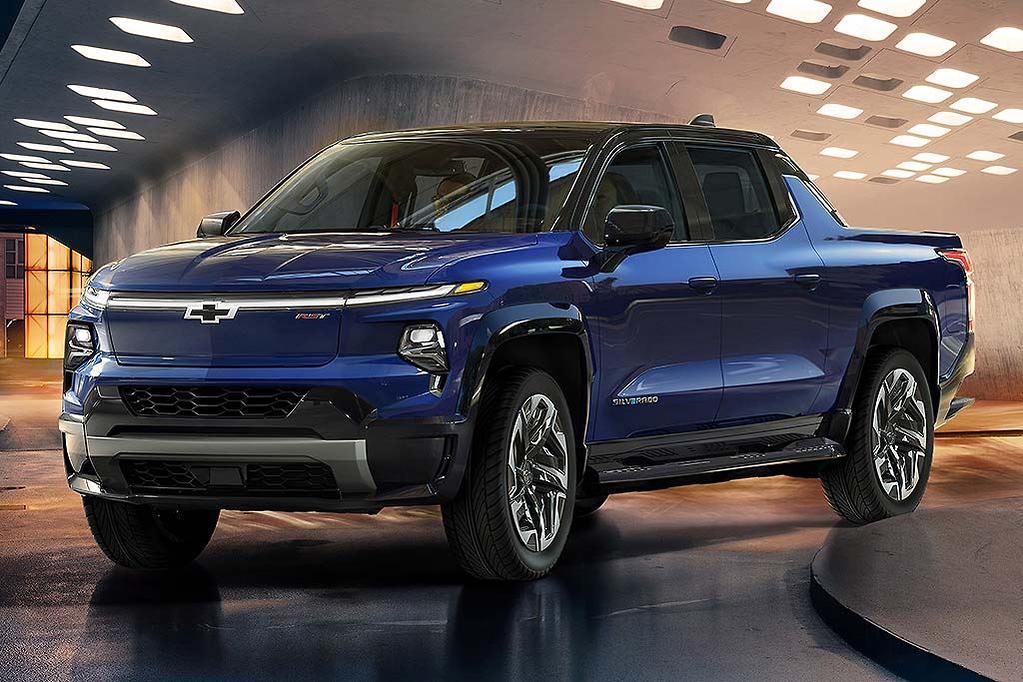
The Chevrolet Electric Pickup represents GM’s move toward fully electric trucks, combining familiar Chevrolet pickup proportions with an electric powertrain. It points toward a future where zero-emission trucks can still provide substantial towing and hauling capability.
Ford F-150 Electric
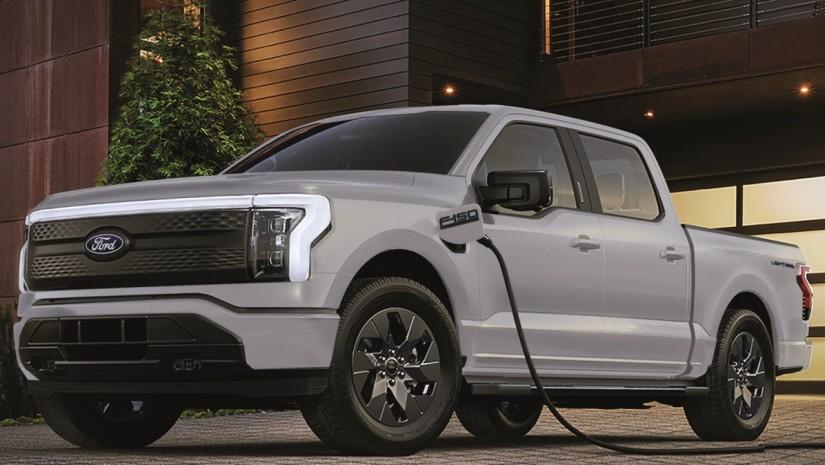
The Ford F-150 Electric brought the idea of an electric version of America’s best-known pickup into the mainstream. Instant electric torque and the ability to use the truck as a mobile power source made electrification particularly interesting for the F-150.
Ford F-150
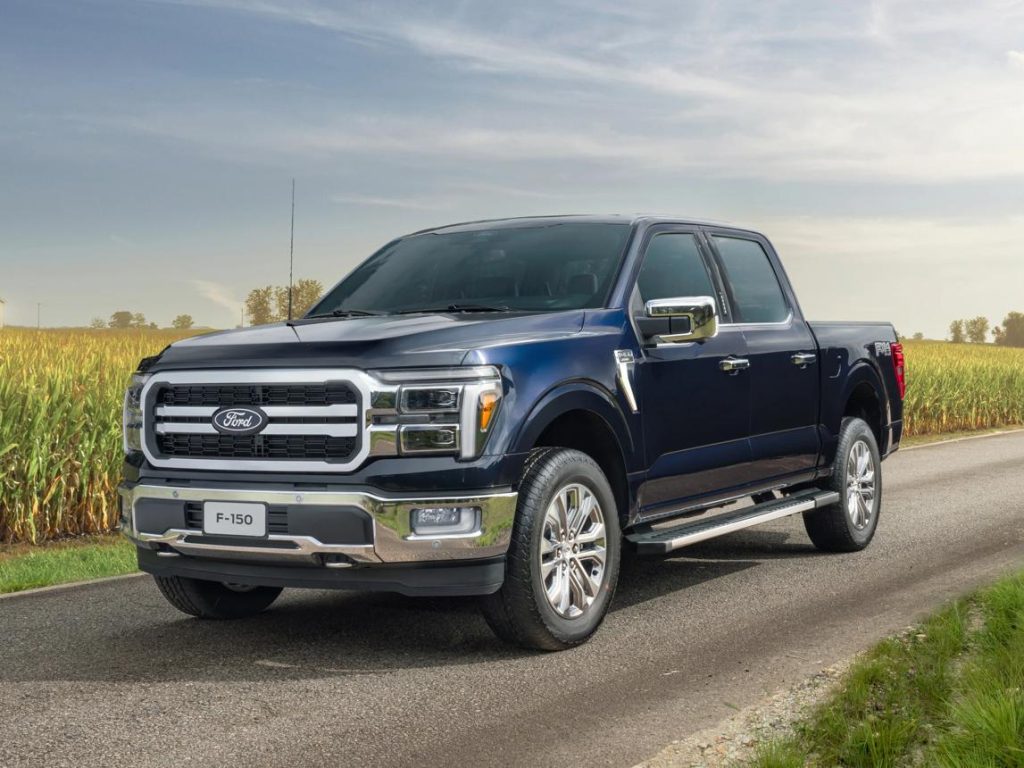
The Ford F-150 remains the foundation of Ford’s full-size truck strategy. Its broad range of engines, hybrid technology, off-road versions, towing equipment, and work-focused features gives the nameplate plenty of room to evolve.
Ford F-150 Lightning
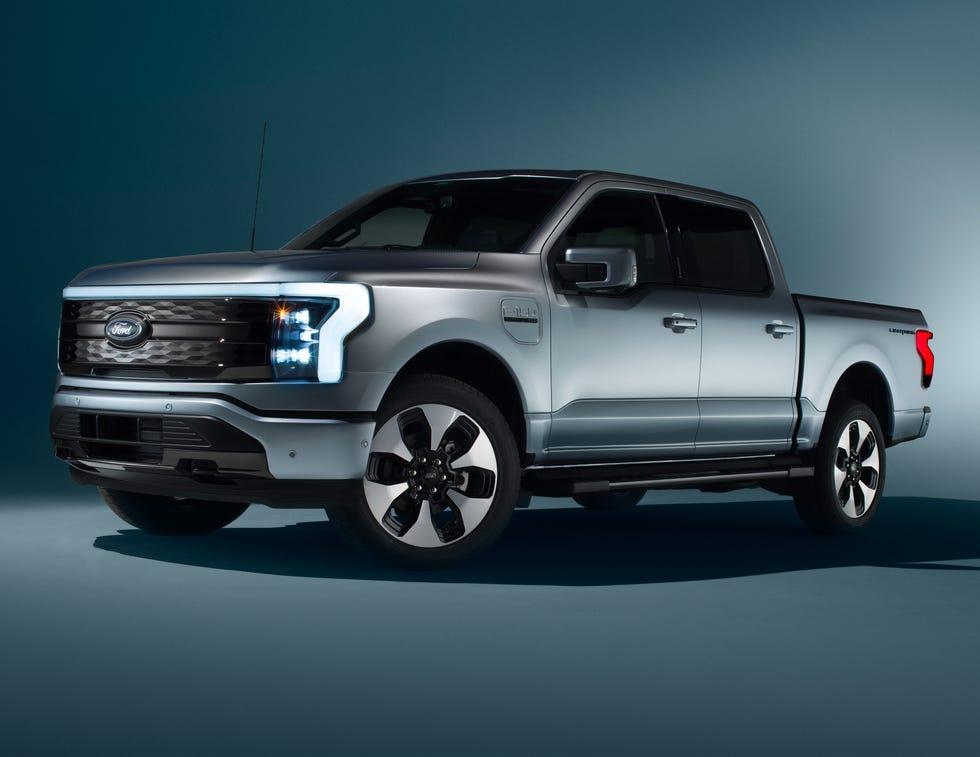
The F-150 Lightning adapted Ford’s best-known pickup formula for electric power. It paired the familiar F-150 body with dual electric motors, a large front trunk, instant torque, and useful onboard power capability. Ford says the Lightning’s current form is no longer available, but its technology helped shape the company’s next generation of EVs.
Tesla Cybertruck
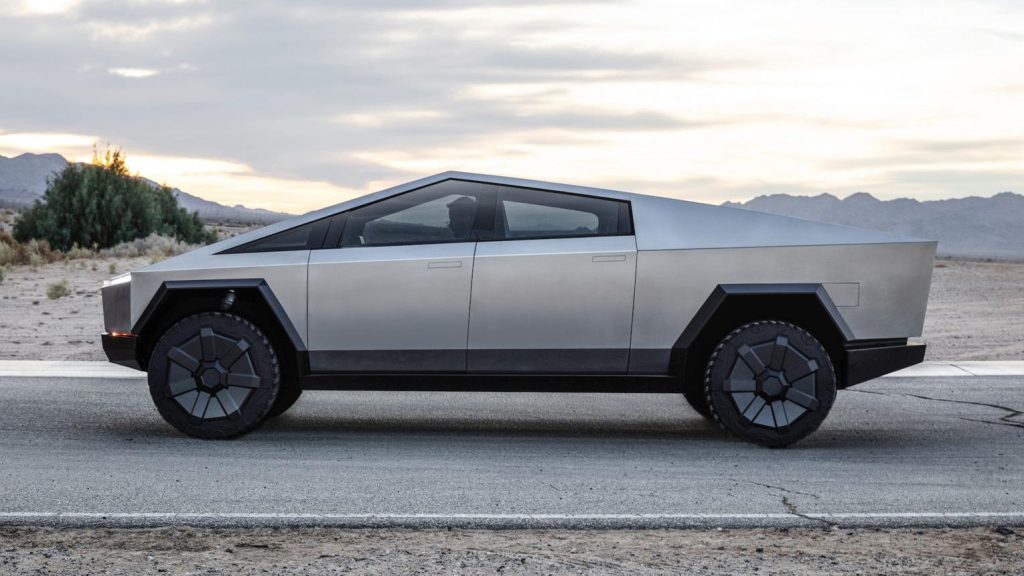
The Tesla Cybertruck takes a radically different approach to pickup design. Its angular stainless-steel body, electric powertrain, unconventional interior, and strong towing and hauling focus make it unlike traditional trucks.
Rivian R1T
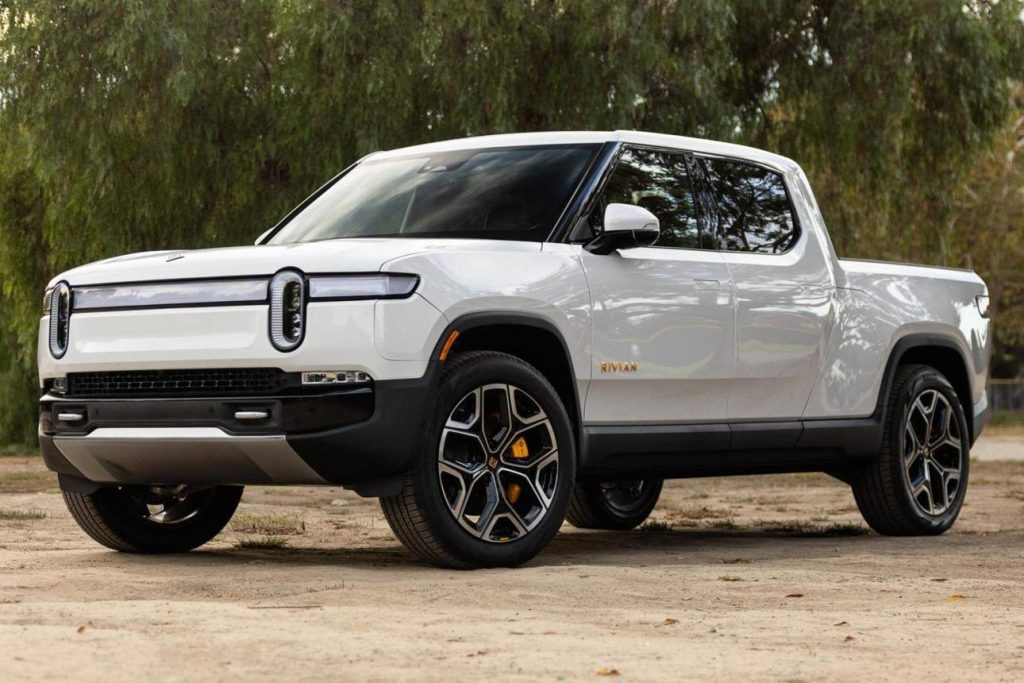
The Rivian R1T was designed around the idea of an electric adventure truck. Its innovative storage, adjustable suspension, multiple drive modes, and strong off-road credentials make it particularly appealing to buyers who use their trucks for recreation.
Chevrolet Silverado EV
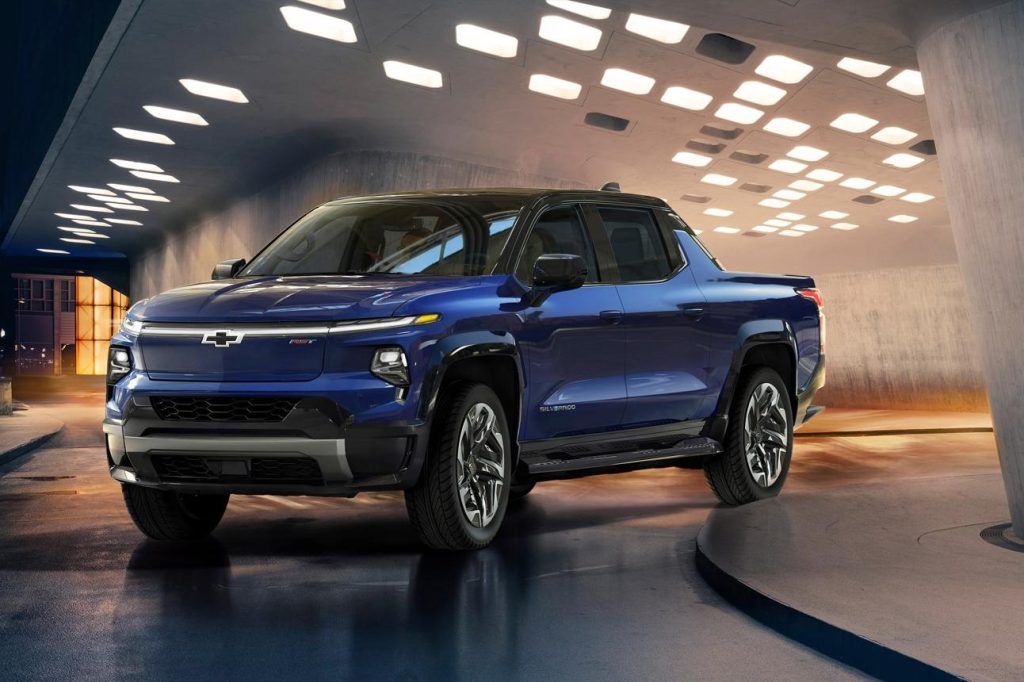
The Chevrolet Silverado EV brings battery power to one of GM’s most important truck names. Its dedicated electric architecture allows Chevrolet to offer substantial range, strong performance, and useful cargo capability in a full-size package.
GMC Sierra EV
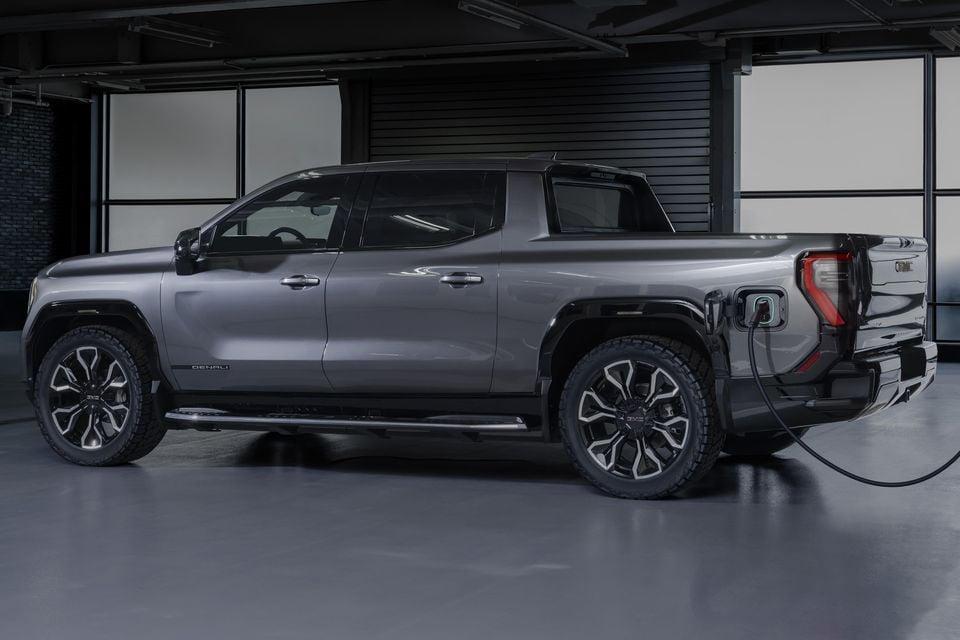
The GMC Sierra EV gives the electric pickup segment a more premium alternative. It combines Sierra styling and upscale features with GM’s electric truck technology, creating a pickup aimed at both work and luxury buyers.
Ram 1500 REV
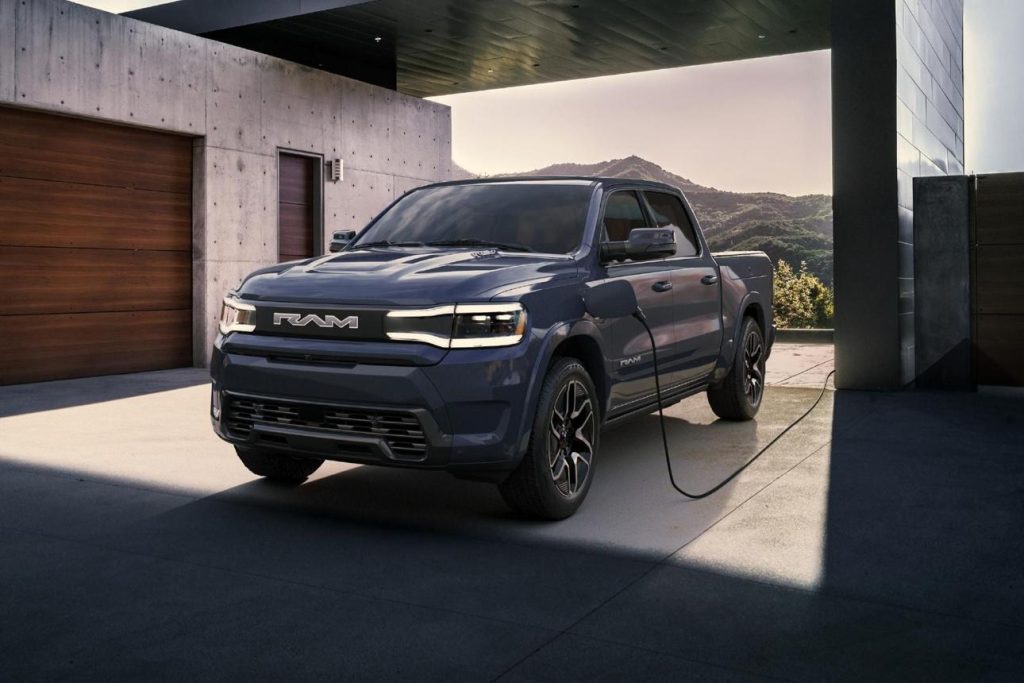
The Ram 1500 REV brings Stellantis into the full-size electric pickup battle. It retains the recognizable Ram truck formula while adding an electric powertrain designed around high torque, towing, and long-distance usability.
Hyundai Santa Cruz
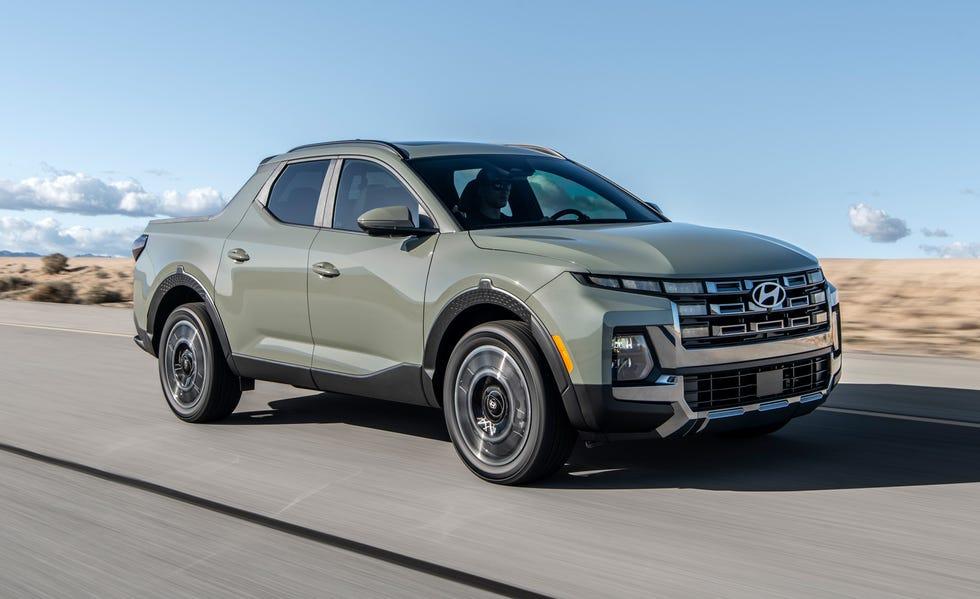
The Hyundai Santa Cruz helped revive interest in compact lifestyle pickups. Its unibody construction, relatively small dimensions, and car-like driving characteristics make it very different from traditional body-on-frame trucks.
Ford Maverick
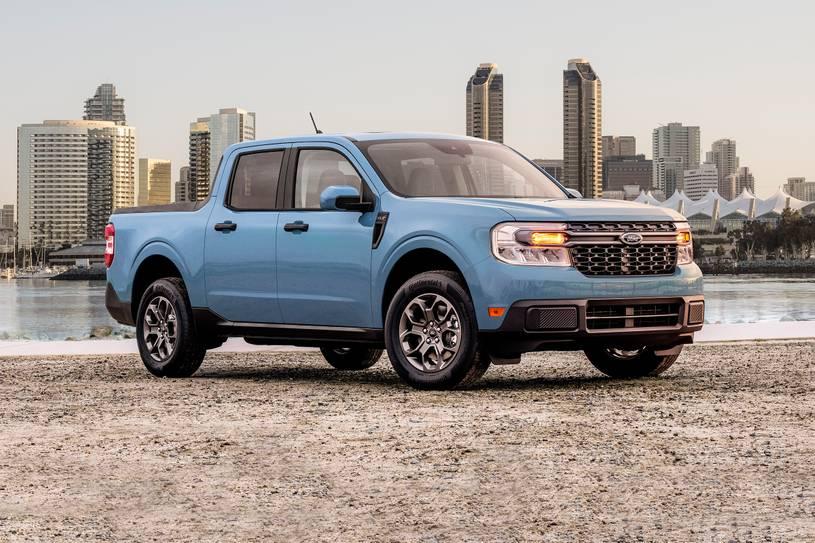
The Ford Maverick brings the compact pickup concept to a new generation of buyers. Its smaller footprint, practical bed, and available hybrid powertrain make it particularly suited to everyday driving while retaining useful truck functionality.
Jeep Gladiator
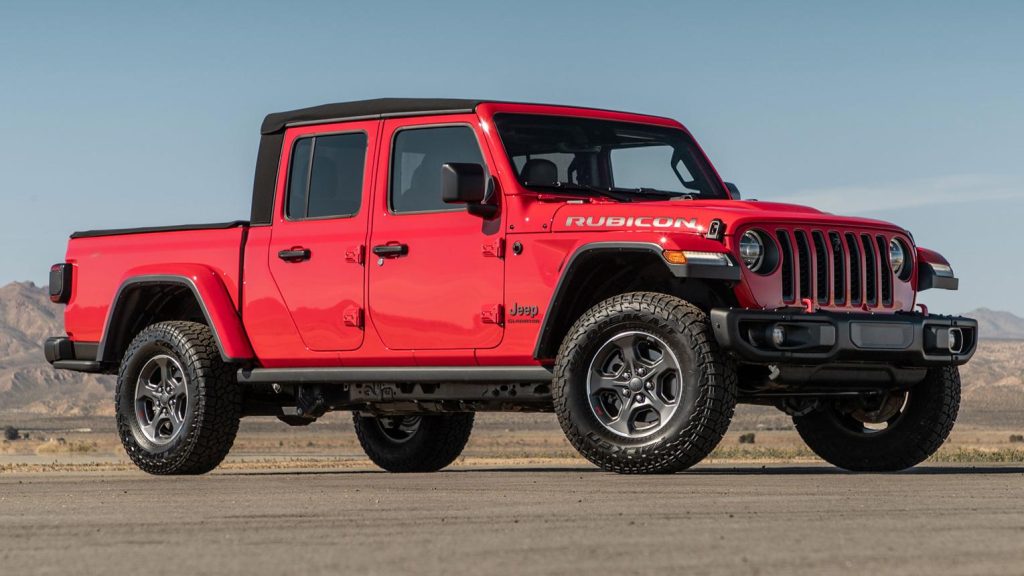
The Jeep Gladiator combines the Wrangler’s open-air character and off-road hardware with a pickup bed. Removable doors and roof, four-wheel drive, and trail-focused engineering give it a unique position among midsize trucks.
Ford F-150 Raptor
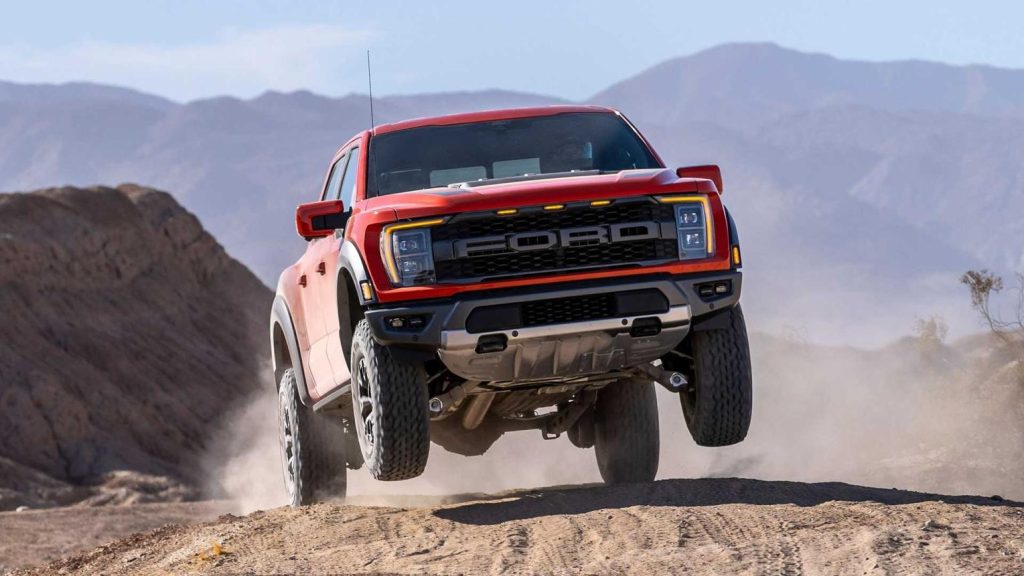
The Ford F-150 Raptor helped turn high-speed off-road performance into a major pickup category. Long-travel suspension, aggressive tires, specialized drive modes, and a powerful engine make it far more capable on rough terrain than a conventional F-150.
Chevrolet Colorado ZR2
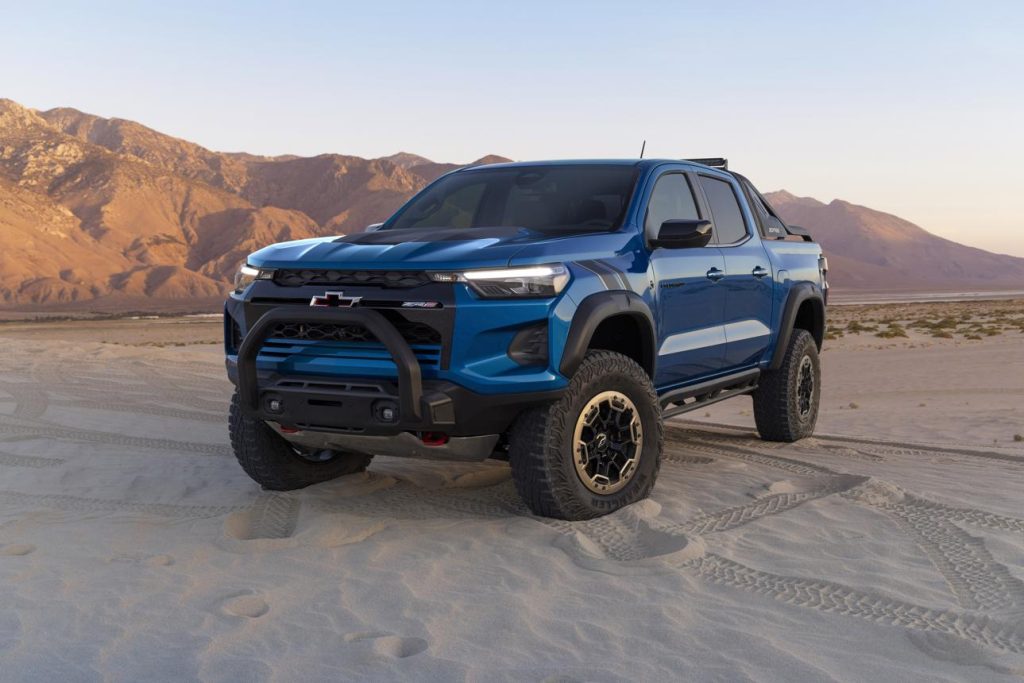
The Chevrolet Colorado ZR2 takes the midsize pickup and gives it serious off-road hardware. Its specialized suspension, larger tires, protective equipment, and terrain-focused systems make it suitable for trails that would challenge an ordinary Colorado.
GMC Canyon AT4
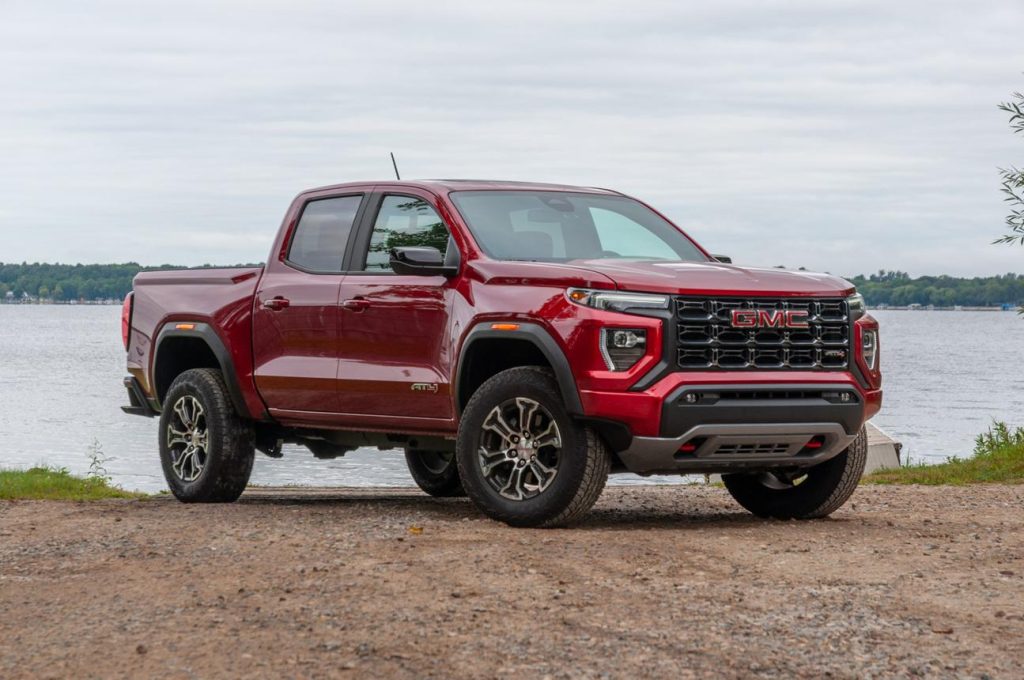
The GMC Canyon AT4 adds a tougher personality to the Canyon lineup. Its off-road equipment and elevated stance give buyers a factory-built alternative to modifying a standard midsize pickup.
Toyota Tacoma TRD Pro
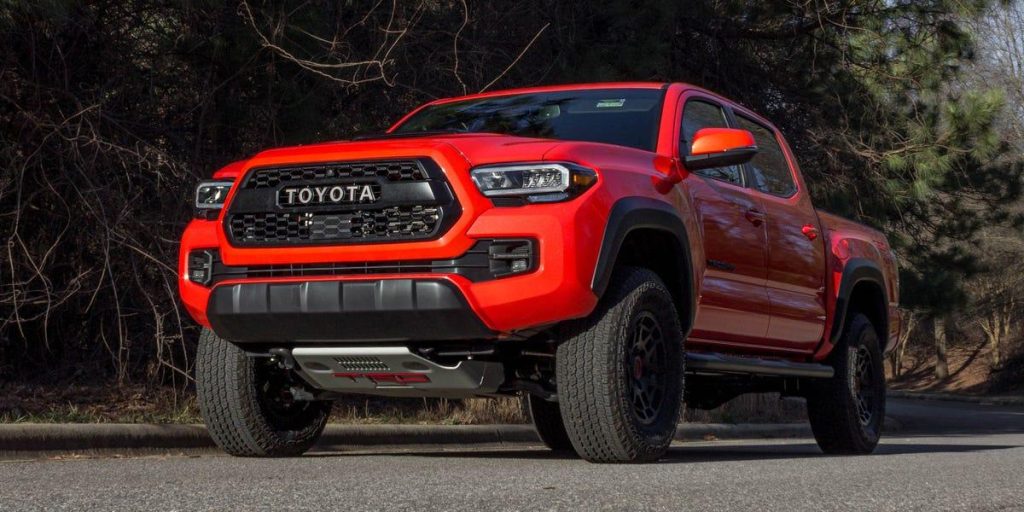
The Toyota Tacoma TRD Pro is built for buyers who want serious trail capability straight from the factory. Upgraded suspension, all-terrain tires, protective equipment, and specialized off-road technology give the Tacoma a distinctly adventurous character.
Ford Ranger Raptor
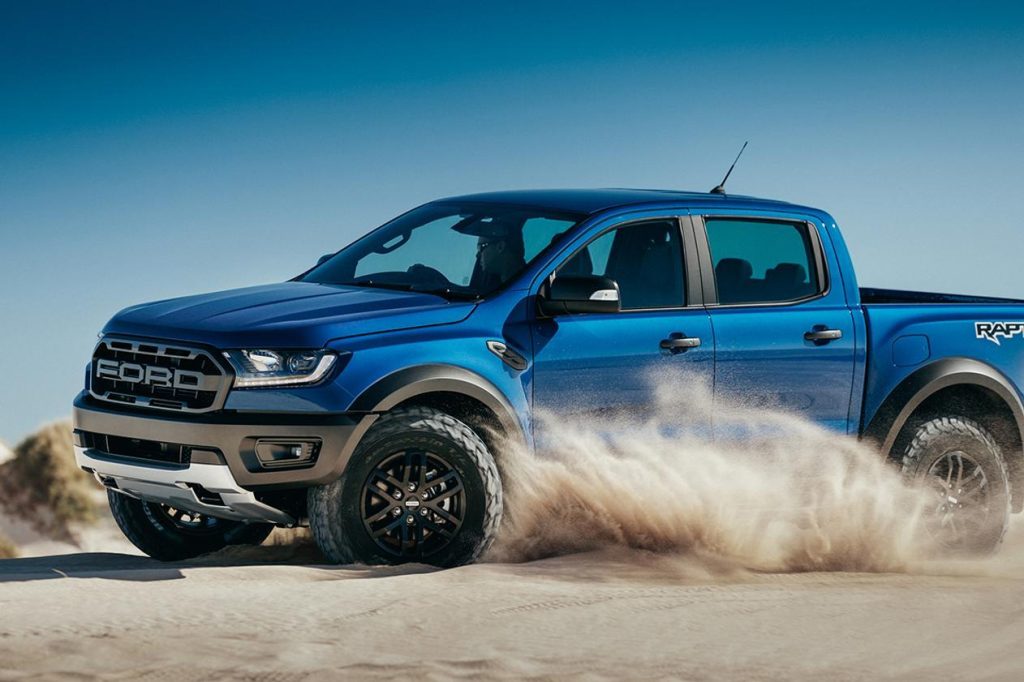
The Ford Ranger Raptor brings the Raptor formula into the midsize segment. Long-travel suspension, aggressive tires, reinforced components, and performance-oriented drive modes give it the hardware needed for demanding off-road driving.
Chevrolet Silverado ZR2
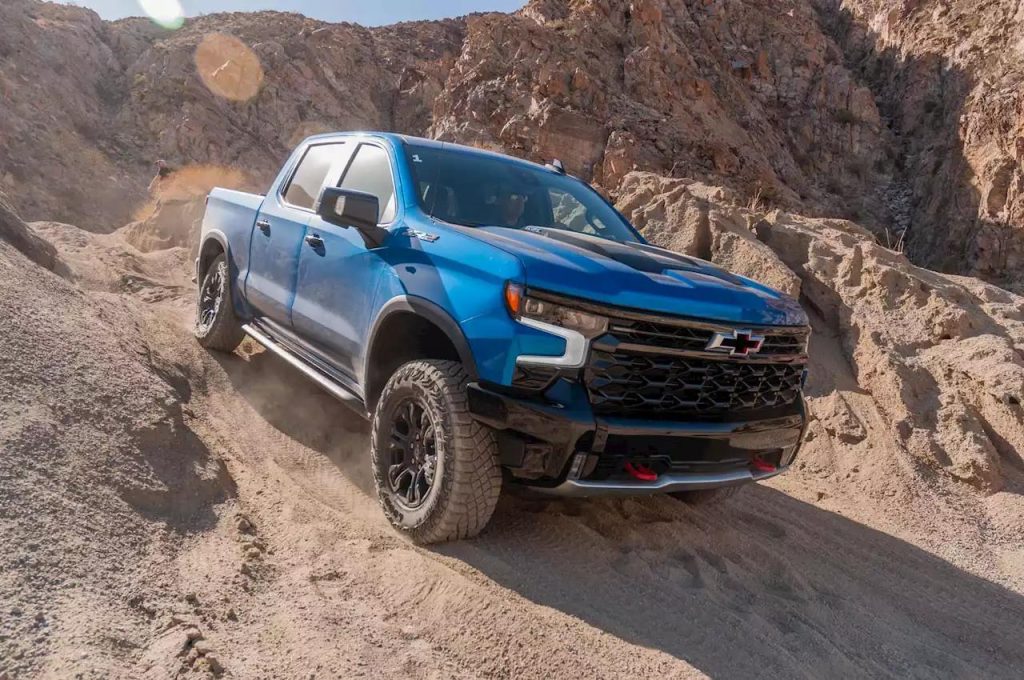
The Chevrolet Silverado ZR2 takes Chevrolet’s off-road formula into the full-size class. Specialized suspension, aggressive tires, underbody protection, and off-road driving modes turn the Silverado into a truck designed to go well beyond paved roads.
The pickup truck is changing faster than it has in decades. Electric powertrains are becoming more common, compact and midsize trucks are attracting new customers, and traditional manufacturers are developing increasingly specialized off-road models.