
This is what almost 17,000 horsepower looks like when the world’s most extreme supercars come together.
The Geneva Motor Show has long been a prime destination for the latest supercars, and the 2019 event was packed with extraordinary machinery. We tallied the output of 18 featured cars and came up with nearly 17,000 horsepower combined—an average of almost 900 hp apiece. Yet the most interesting part wasn’t simply how much power these machines produced, but the very different ways they delivered it.
Combustion engines still had plenty of representation in Geneva, but fully electric supercars and plug-in hybrids were increasingly prominent. The shift was particularly striking at the top of the power rankings. Bugatti’s new La Voiture Noire, with its massive quad-turbocharged W16 engine, didn’t claim the top spot—or even make the top three. Instead, the electric Rimac C_Two and Pininfarina Battista led the pack, followed by the 1,600-horsepower (1,193-kilowatt) Koenigsegg Jesko in third place. Bugatti’s creation came in fourth.
Regardless of how these cars stack up against one another, their combined performance makes one thing clear: we’re living through a golden age of horsepower, and electrification is helping push the limits further than ever.
Table of Contents
Rimac C_Two
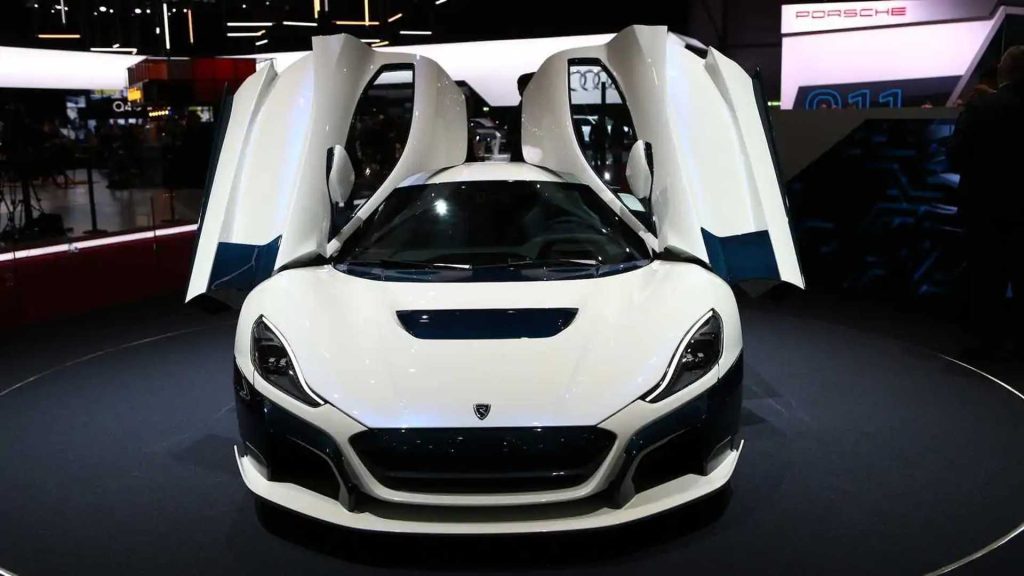
The all-electric Rimac C_Two was one of Geneva’s biggest performance statements, producing a remarkable 1,914 horsepower from four electric motors. Its immense output promised breathtaking acceleration and a claimed top speed of 258 mph, putting it among the most extreme hypercars in the world. The Croatian manufacturer’s creation showed that electric power could compete with—and even surpass—the output of the most powerful combustion-powered machines.
Puritalia Berlinetta
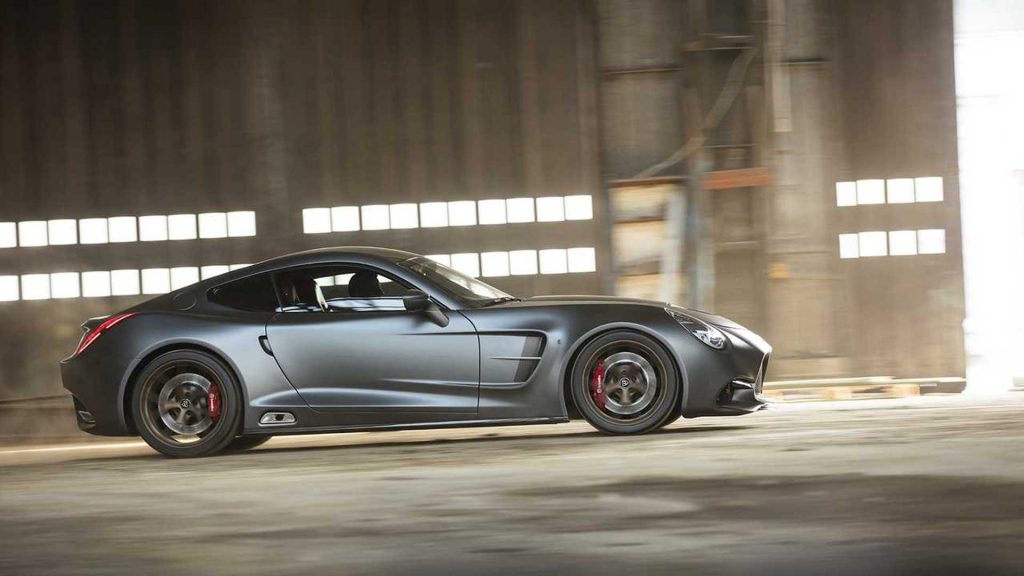
Unveiled at the 2019 Geneva Motor Show, the Puritalia Berlinetta was an Italian hybrid supercar combining classic design cues with modern performance technology. Its powertrain paired a naturally aspirated 5.0-liter V8 producing 750 horsepower with an electric motor adding up to 215 hp, for a combined output of 965 horsepower. Power was sent to the rear wheels through a seven-speed dual-clutch transmission. With its handcrafted bodywork, luxurious cabin, and blend of combustion and electric power, the Berlinetta offered a distinctive take on the next generation of high-performance Italian cars.
Hispano Suiza Carmen
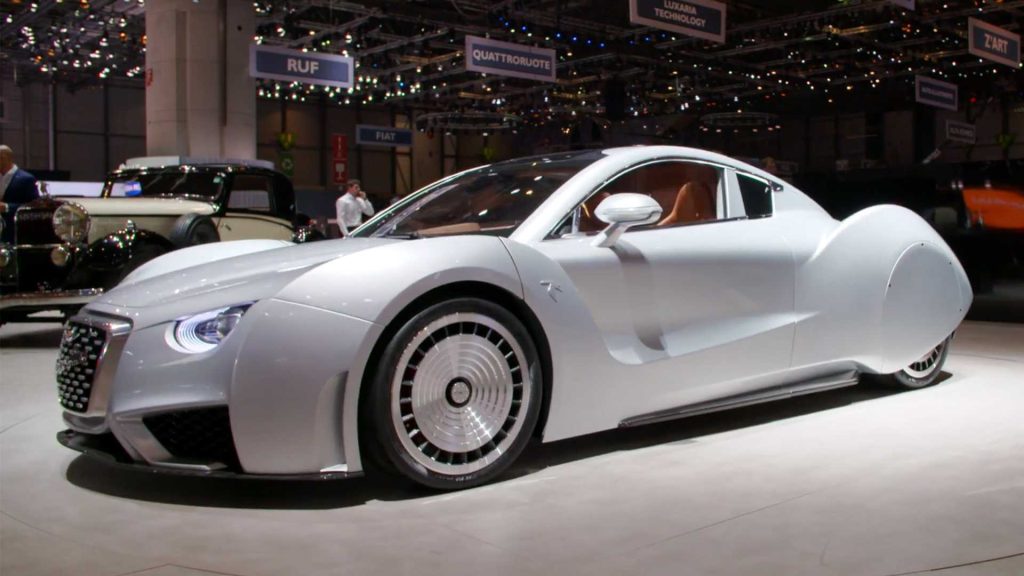
The Hispano Suiza Carmen made its debut at the 2019 Geneva Motor Show, marking the return of the historic Spanish luxury automaker with an all-electric hypercar. Inspired by the brand’s prewar designs, the Carmen combined retro influences with sleek, modern bodywork. Two rear-mounted electric motors produced a combined 1,005 horsepower, delivering supercar-level performance without a combustion engine. Built in limited numbers for an exclusive clientele, the Carmen brought together heritage, craftsmanship, and electric technology in a distinctive new flagship.
Pininfarina Battista
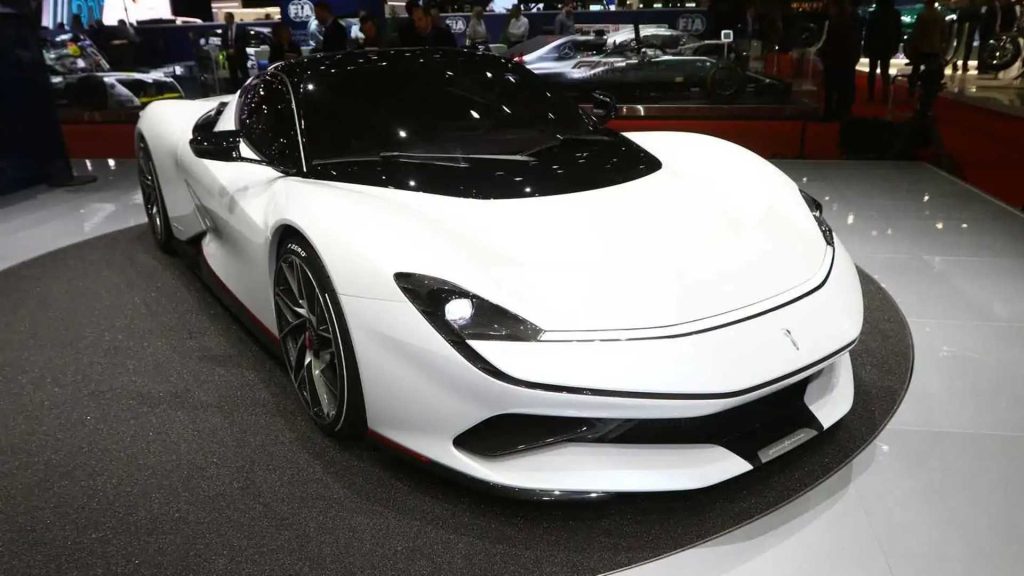
Pininfarina brought its design expertise to the electric hypercar market with the Battista, a sleek Italian machine producing approximately 1,900 horsepower. Four electric motors deliver extraordinary performance, while the sculpted body combines elegant styling with the proportions expected of a modern hypercar. The Battista demonstrated that electrification could deliver both astonishing speed and the visual drama associated with Italy’s most celebrated performance brands.
Koenigsegg Jesko
The Koenigsegg Jesko took a more traditional route to extreme performance, using a twin-turbocharged 5.0-liter V8 capable of producing up to 1,600 horsepower on E85 fuel. Its advanced transmission, lightweight construction, and sophisticated aerodynamics were developed to handle the enormous output. The Swedish hypercar claimed third place in the Geneva power rankings, showing that combustion engines still had plenty of fight left.
Bugatti La Voiture Noire
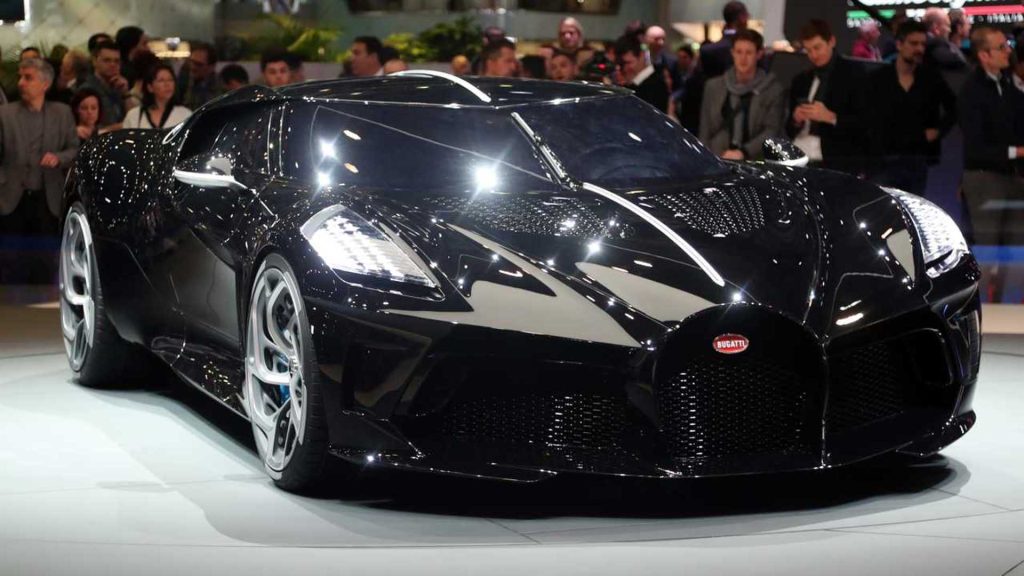
Bugatti’s La Voiture Noire was among the most talked-about cars at the show, combining dramatic black bodywork with a tribute to the historic Type 57 SC Atlantic. Beneath its striking exterior sits an 8.0-liter quad-turbocharged W16 producing 1,500 horsepower. Although it fell outside the top three in this horsepower contest, its exclusivity, design, and extraordinary engineering made it one of Geneva’s headline attractions.
GFG Style Kangaroo
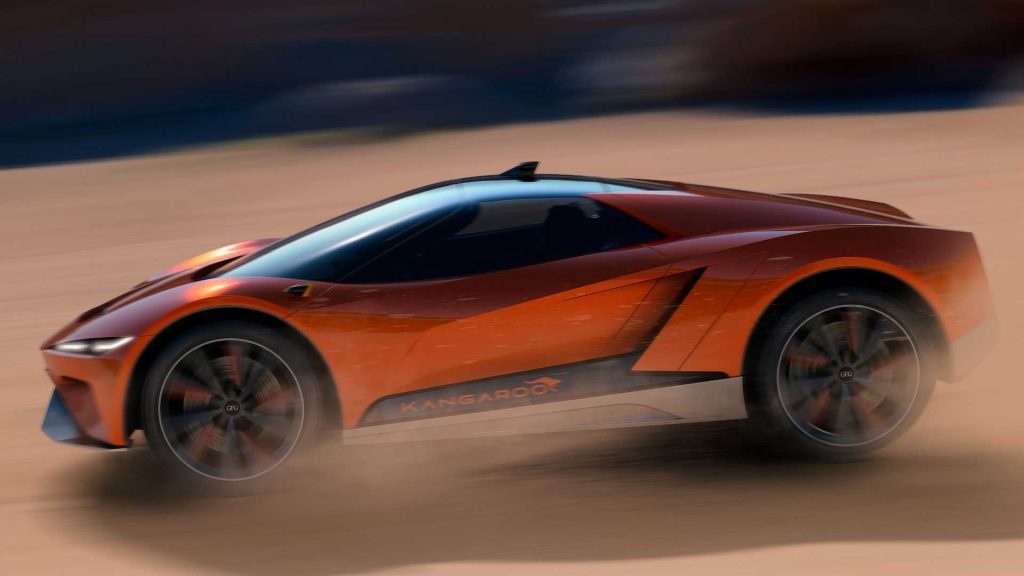
The GFG Style Kangaroo made its debut at the 2019 Geneva Motor Show as an all-electric hyper-SUV concept that blended sports-car performance with the raised stance of an off-roader. Designed by Giorgetto and Fabrizio Giugiaro, it featured a futuristic body, adjustable ride height, and an all-wheel-drive electric powertrain producing a combined 483 horsepower. GFG Style claimed a 0–62 mph time of 3.8 seconds and a top speed of 155 mph. With its unusual mix of ground clearance and supercar-like performance, the Kangaroo offered a fresh take on what an electric performance vehicle could be.
Piech Mark Zero
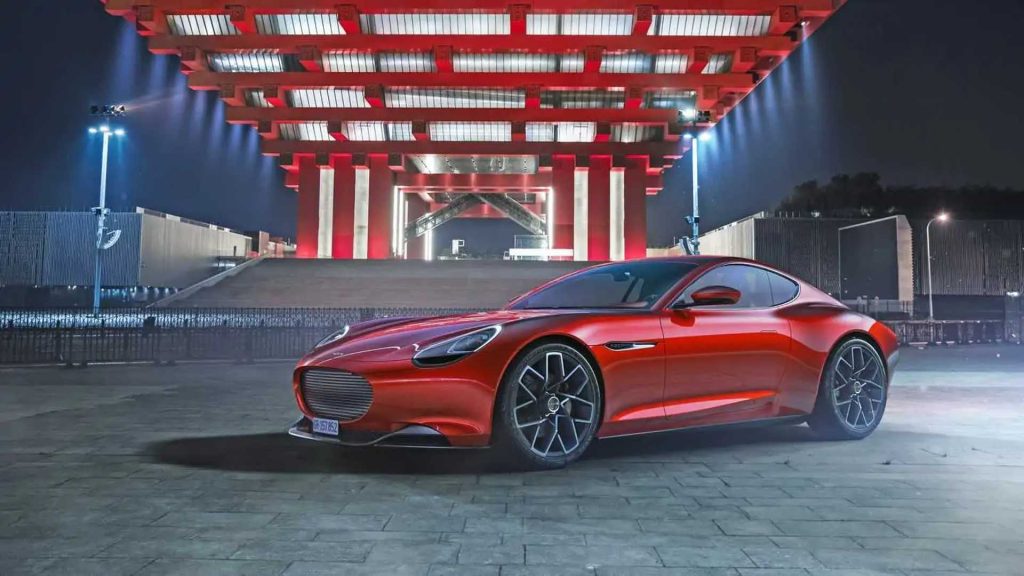
The Piëch Mark Zero made its debut at the 2019 Geneva Motor Show as an all-electric sports car with classic grand touring proportions. Developed by Swiss company Piëch Automotive, the concept featured a low-slung profile, a long hood, and a minimalist interior. Its electric powertrain was designed to deliver around 600 horsepower, with the company targeting a range of approximately 311 miles (500 kilometers). The Mark Zero stood out for its traditional sports-car styling and its use of battery technology intended to support rapid charging and minimize heat buildup.
Aston Martin Valkyrie
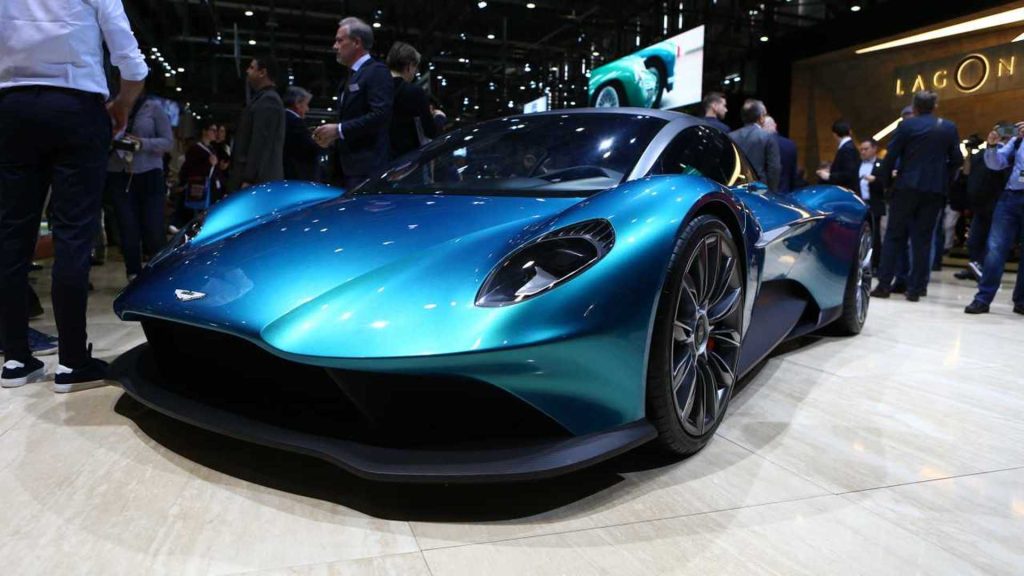
Developed with input from Red Bull Racing, the Aston Martin Valkyrie brought Formula 1-inspired engineering to a road-going hypercar. Its naturally aspirated V12 works alongside an electric assistance system, while its lightweight construction and aerodynamic design prioritize speed and downforce. The Valkyrie was conceived to deliver a driving experience closer to a racing prototype than a conventional road car.
Aston Martin AM-RB 003
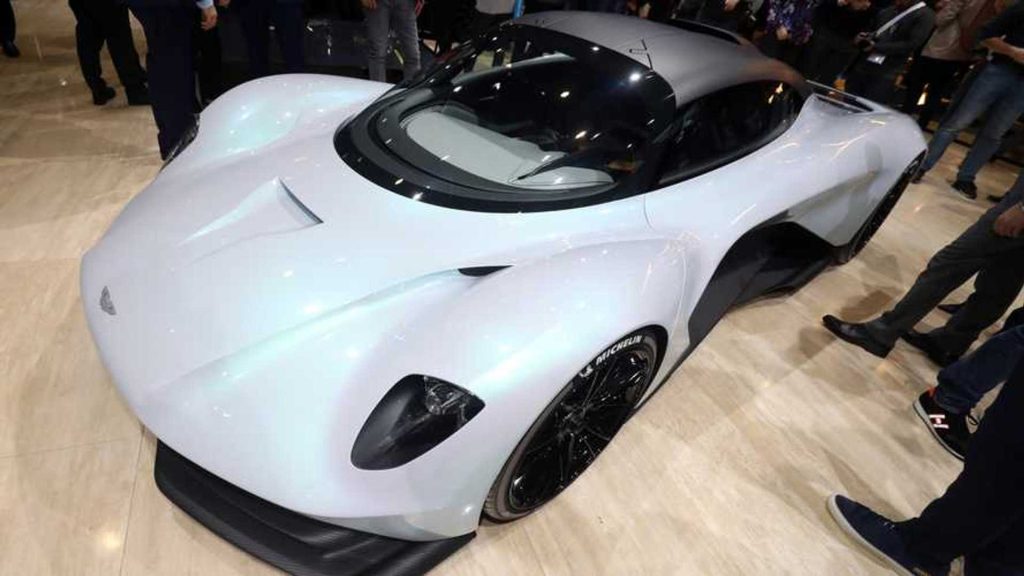
The Aston Martin AM-RB 003 previewed a hybrid supercar positioned below the extreme Valkyrie. Its mid-mounted twin-turbocharged V6 and hybrid assistance were paired with advanced aerodynamics and a lightweight structure. Drawing on the company’s collaboration with Red Bull Racing, the concept suggested that lessons from motorsport would continue to influence Aston Martin’s future high-performance road cars.
RUF CTR Anniversary Production Version
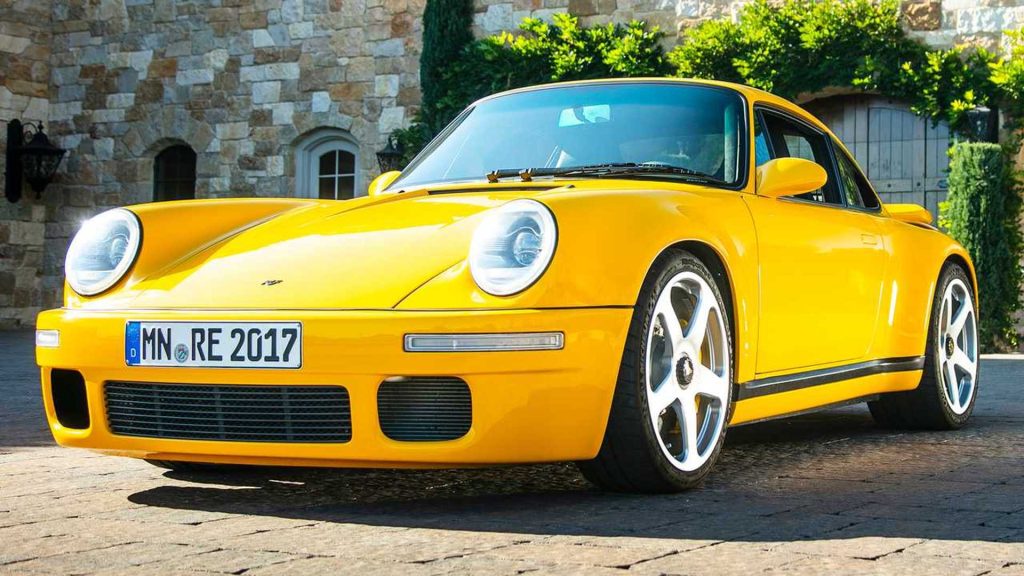
RUF brought its modern interpretation of the legendary Yellowbird to Geneva with the production version of the CTR Anniversary. Built around a carbon-fiber monocoque chassis rather than a standard Porsche 911 body, the lightweight sports car featured a twin-turbocharged 3.6-liter flat-six producing 710 horsepower. Power went to the rear wheels through a six-speed manual transmission, staying true to the driver’s-car spirit of the original CTR while incorporating modern engineering. With its understated styling and serious performance credentials, the CTR Anniversary offered a distinctive alternative to the high-powered hypercars filling the Geneva show.
Ginetta Akula
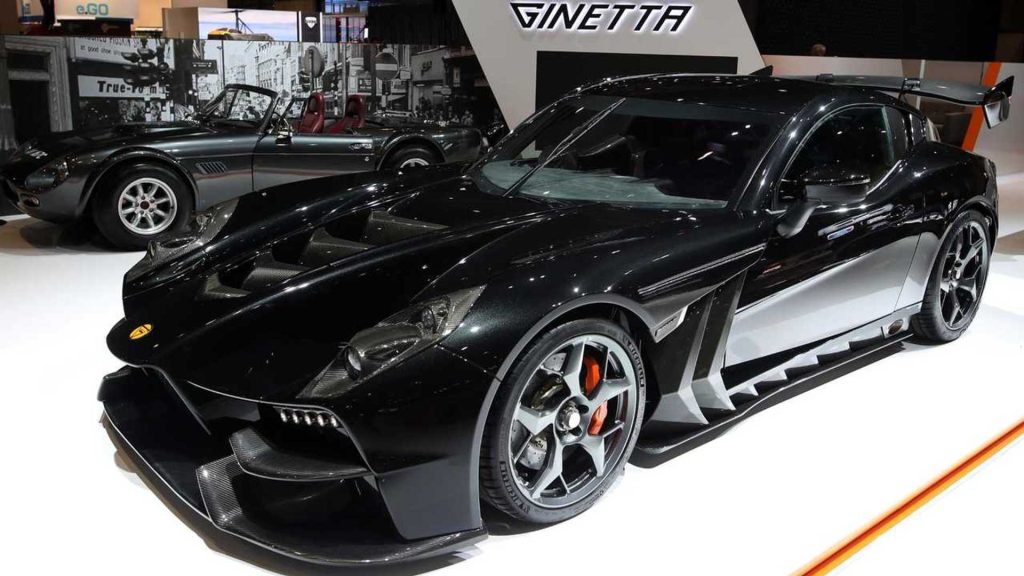
Revealed at the 2019 Geneva Motor Show, the Ginetta Akula was a British supercar built around a lightweight carbon-fiber chassis and race-inspired engineering. It featured a naturally aspirated 6.0-liter V8 producing 600 horsepower, paired with a six-speed manual transmission. Named after the Russian word for “shark,” the Akula featured distinctive aerodynamic bodywork, a front-mid-engine layout, and a driver-focused cabin. Ginetta aimed to combine track-ready performance with the practicality needed for road use, giving Geneva visitors a look at a distinctive alternative to supercars from more established manufacturers.
Ferrari F8 Tributo
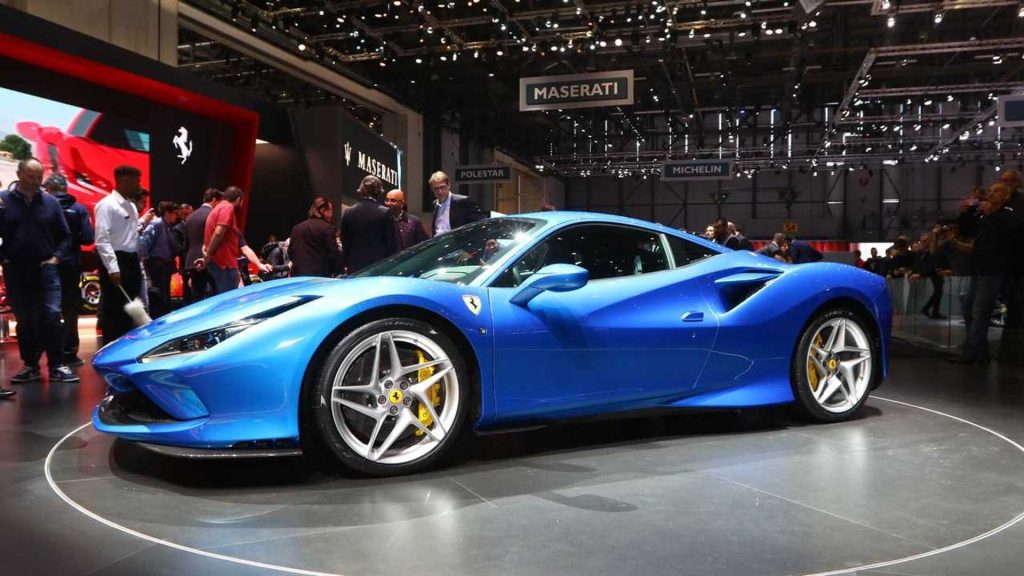
Ferrari’s F8 Tributo celebrated the company’s acclaimed twin-turbocharged V8 with 710 horsepower from a 3.9-liter engine. Its mid-engine layout, aerodynamic refinements, and sharp styling helped deliver the performance expected of a modern Ferrari. While electric hypercars were stealing headlines with their enormous power figures, the F8 showed that a well-developed gasoline engine remained central to the supercar experience.
Lamborghini Aventador SVJ Roadster
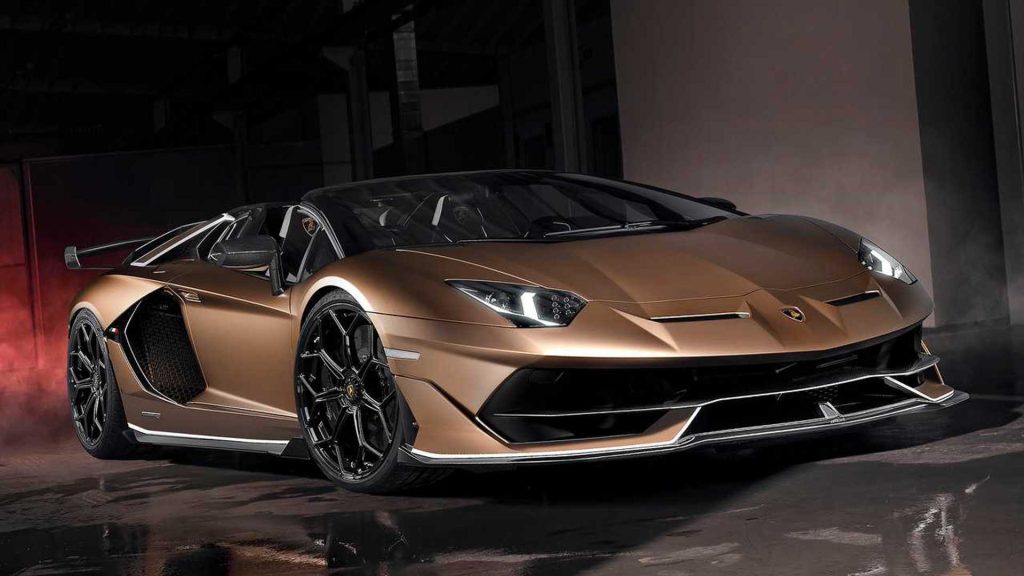
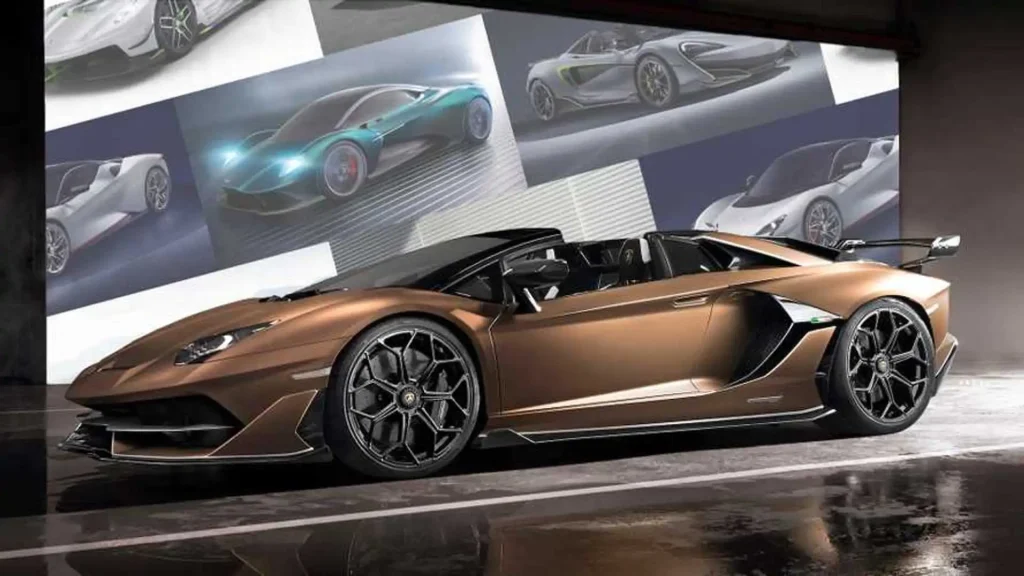
The Lamborghini Aventador SVJ Roadster combined open-air motoring with the drama of a naturally aspirated 6.5-liter V12 producing 759 horsepower. Its aggressive styling and active aerodynamic technology were designed to help manage airflow and improve performance at speed. With its unmistakable engine note and theatrical appearance, the SVJ Roadster represented the traditional supercar formula at its most extravagant.
Lamborghini Huracán Evo Spyder
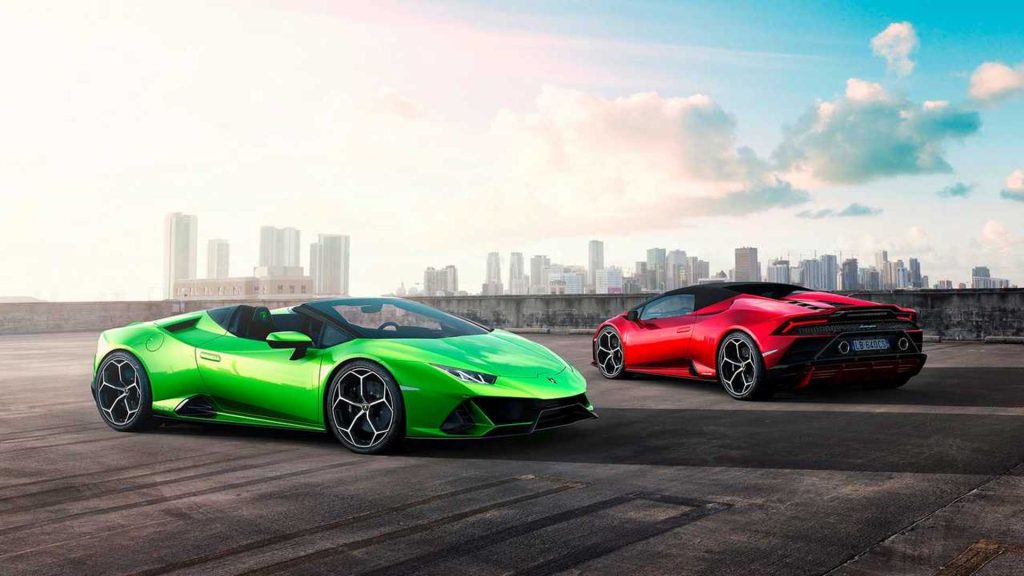
The Huracán Evo Spyder offered a smaller, more agile alternative to Lamborghini’s V12 flagship. Its naturally aspirated 5.2-liter V10 produces 630 horsepower, while updated vehicle dynamics and aerodynamic improvements help make the most of that output. With a retractable roof and a high-revving engine, the Evo Spyder combined everyday usability with the excitement expected of an Italian supercar.
McLaren 600LT Spider
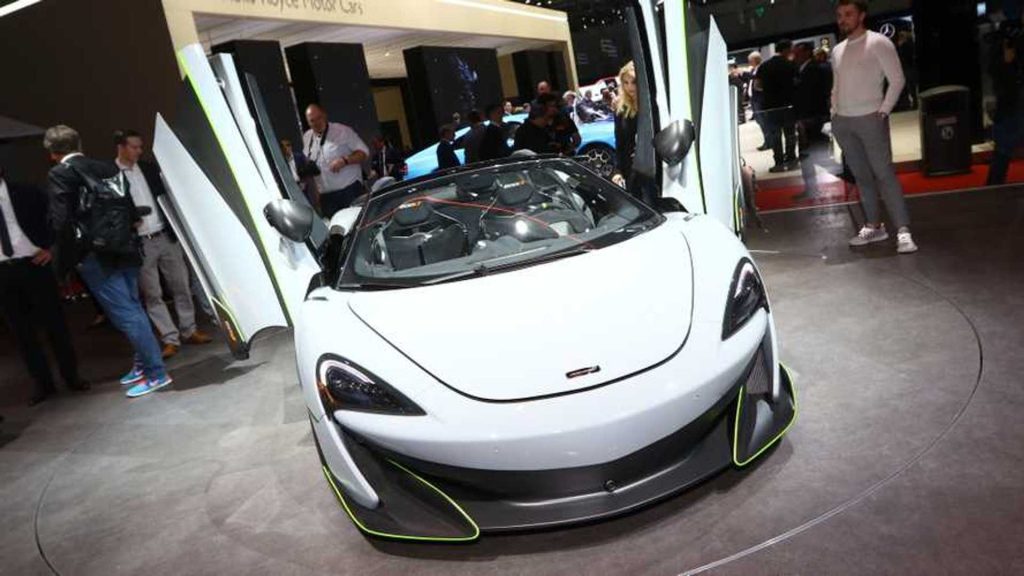
The McLaren 600LT brought track-focused performance to Geneva with a lightweight design and a twin-turbocharged 3.8-liter V8 producing 592 horsepower. As part of McLaren’s Longtail family, it featured aerodynamic improvements, a lowered suspension, and weight-saving measures designed to sharpen handling and improve performance on the circuit. Its distinctive top-exit exhausts and aggressive styling helped set it apart from the standard 570S, while the combination of strong power and reduced weight made it a compelling driver’s car. The 600LT demonstrated that a focused supercar could deliver an exhilarating experience without needing the four-digit horsepower figures of the show’s most extreme hypercars.
Bentley Continental GT Number 9 Edition
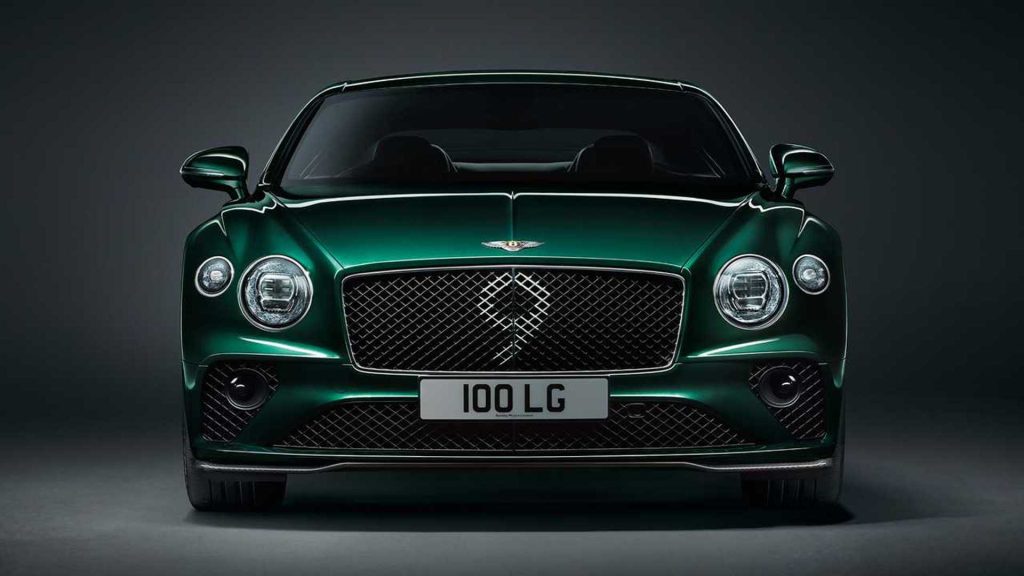
Bentley celebrated its motorsport heritage with the Continental GT Number 9 Edition, a special version of its luxurious grand tourer. Its twin-turbocharged W12 engine provided substantial power, while exclusive styling details referenced the company’s racing history. Unlike stripped-back track machines, the Bentley combined strong acceleration with a lavish cabin and long-distance comfort.
Mercedes-AMG GT R Roadster
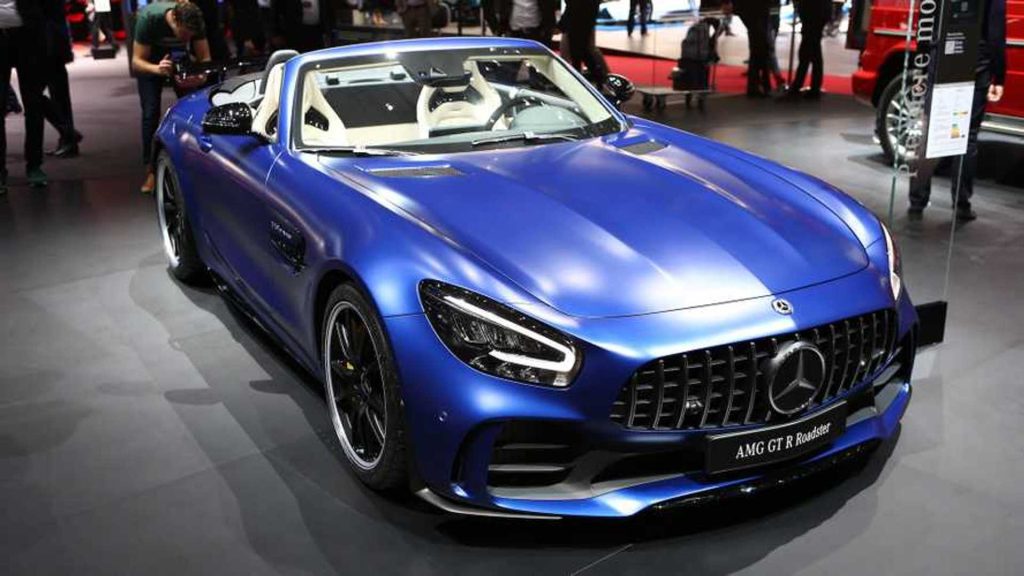
Unveiled at the 2019 Geneva Motor Show, the Mercedes-AMG GT R Roadster brought track-focused engineering to an open-top sports car. Its twin-turbocharged 4.0-liter V8 produces 577 horsepower, supported by performance technology such as rear-wheel steering and adjustable traction control. With its front-engine layout and rear-wheel drive, the AMG offered a different character from the mid-engine and electric hypercars on display in Geneva.