
From performance cars and sedans to the latest wave of electric vehicles, here’s what the show has in store.
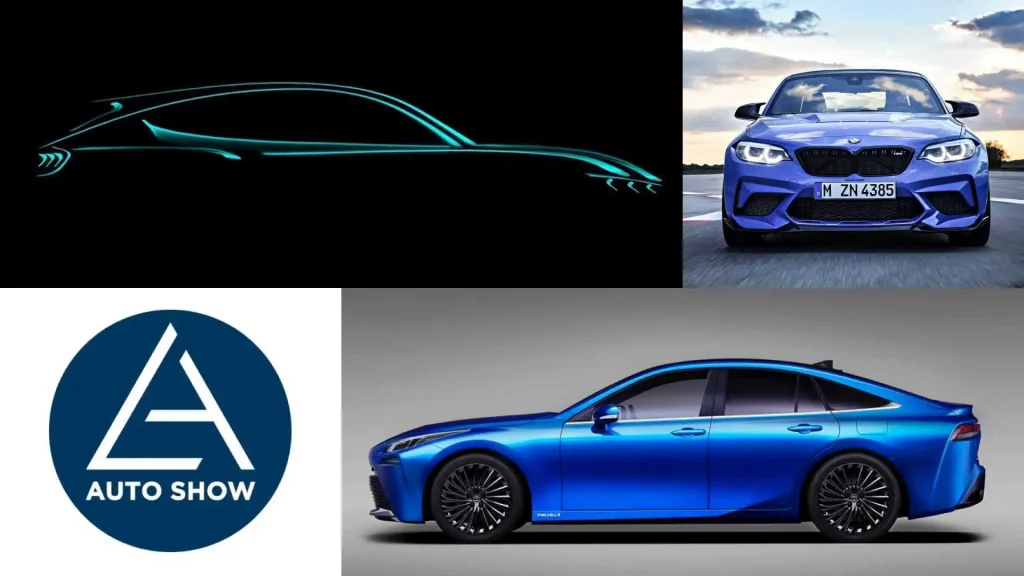
The 2019 Los Angeles Auto Show landed at a time when the automotive industry was changing rapidly. Performance cars still had plenty of fans, but crossovers and SUVs were becoming the stars of new-car launches, while electric vehicles were beginning to move firmly into the mainstream. With the Detroit Auto Show shifting to June, Los Angeles had an even bigger opportunity to attract automakers looking to unveil their latest creations.
When the show opened its doors, the spotlight was on a diverse lineup of new metal. Expect everything from exotic sports cars and updated sedans to luxury vehicles, rugged SUVs, and a growing number of EVs. Media and industry attendees got an early look beginning November 19, while the show opened to the public on November 22.
For anyone following the latest developments in the car world, the 2019 L.A. Auto Show offered a useful snapshot of where the industry was heading. From high-performance machines to electrified newcomers, there was no shortage of fresh hardware waiting to take center stage.
Table of Contents
Audi E-Tron Sportback
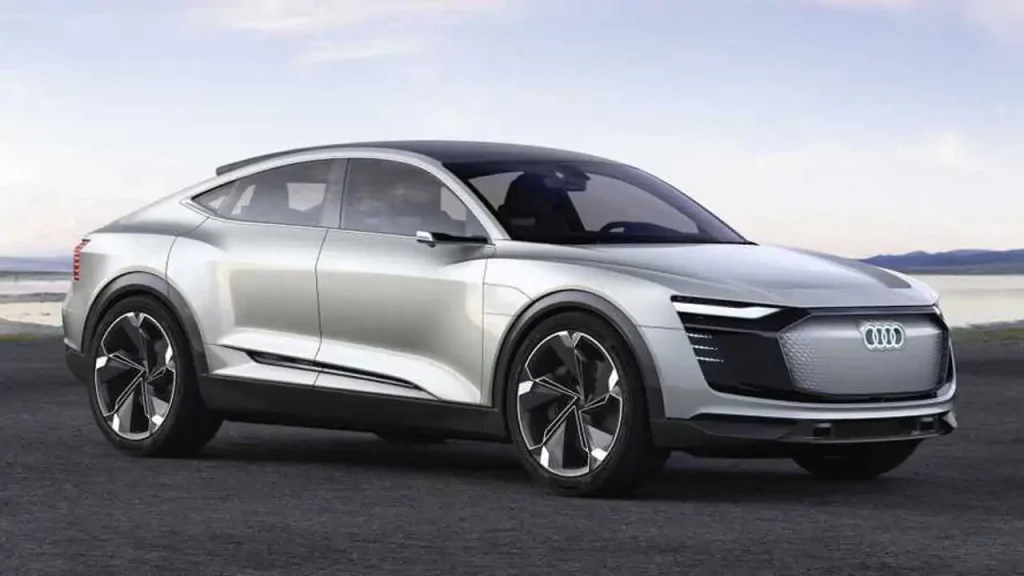
The Audi E-Tron Sportback brought a sleeker, more coupe-like shape to Audi’s growing electric SUV lineup. Combining the familiar E-Tron platform with a sloping roofline and more athletic styling, it offered a sportier alternative without giving up the practicality and premium technology expected from a luxury electric crossover.
BMW 2 Series Gran Coupe
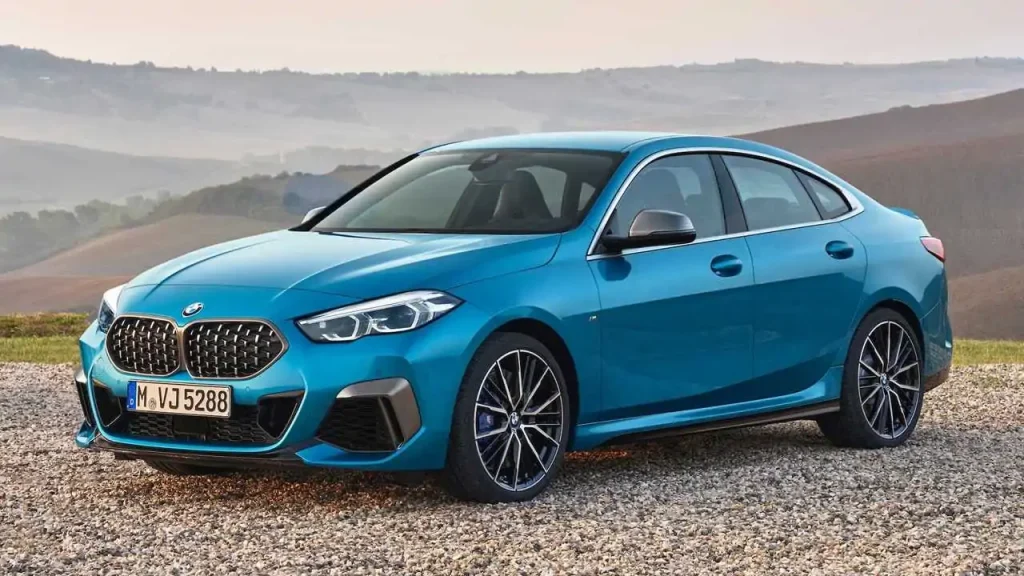
BMW expanded its compact lineup with the first-ever 2 Series Gran Coupe. Designed as a stylish four-door alternative to traditional compact sedans, it brought BMW’s coupe-inspired styling into a smaller package. The M235i xDrive topped the range with all-wheel drive and a 302-horsepower turbocharged four-cylinder.
BMW M2 CS
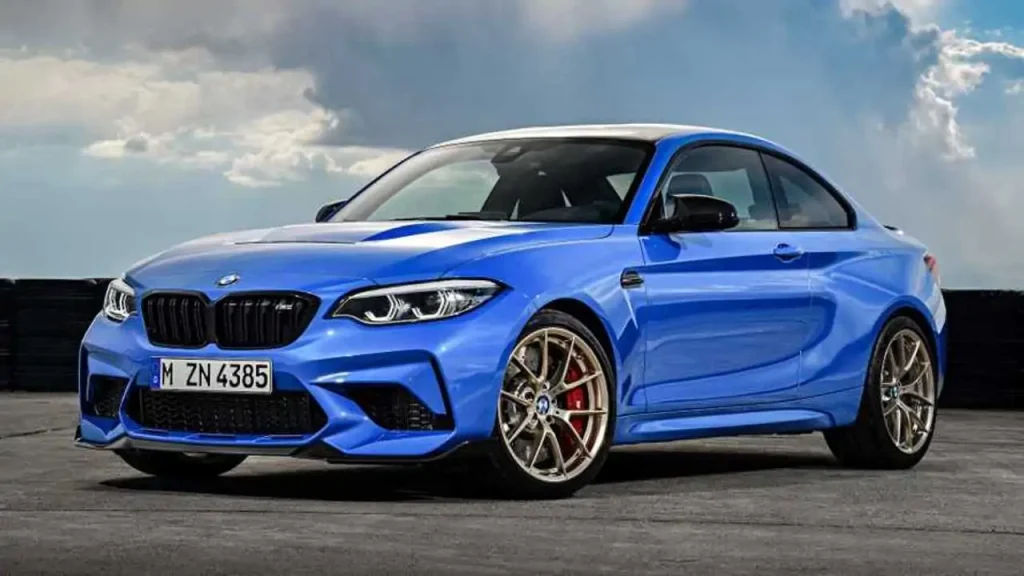
The M2 CS was one of the real enthusiast highlights. With carbon-fiber bodywork, track-focused upgrades, and a twin-turbocharged inline-six producing 450 horsepower, it took the already entertaining M2 Competition and turned the aggression up another notch. Buyers could choose between a six-speed manual or seven-speed dual-clutch transmission.
BMW M8 Gran Coupe
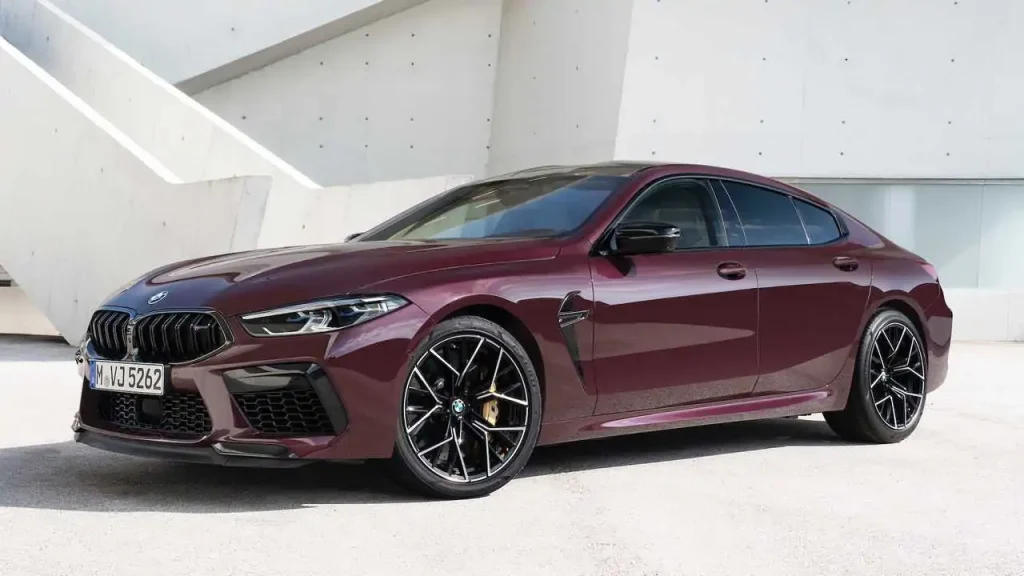
BMW’s new M8 Gran Coupe brought supercar-level performance to a sleek four-door body. Powered by a twin-turbocharged 4.4-liter V8, it delivered up to 617 horsepower in Competition form and combined brutal acceleration with enough space to function as a luxury grand tourer.
BMW X3 xDrive30e
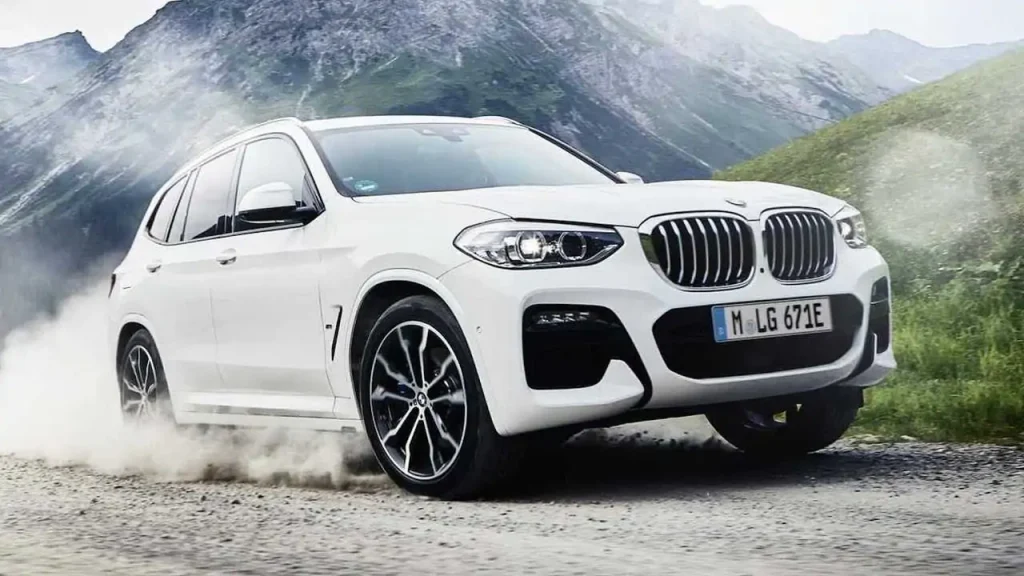
The X3 xDrive30e showed BMW’s push toward electrification without abandoning the familiar SUV formula. As a plug-in hybrid, it combined a gasoline engine with electric assistance, giving buyers an electrified alternative while retaining the practicality of the X3. BMW identified it as a North American premiere for the 2019 event.
Fiat 500X
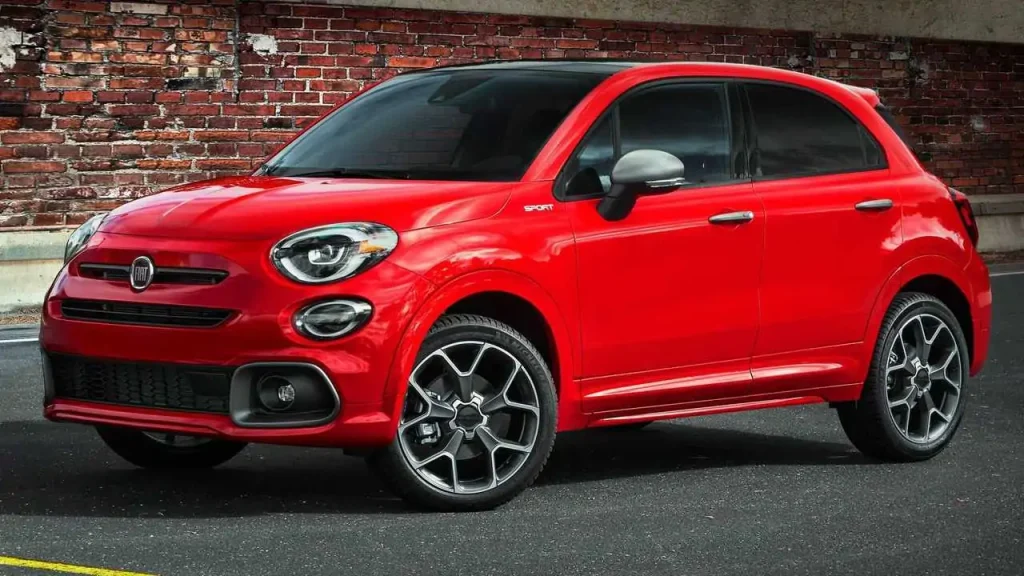
The Fiat 500X represented the smaller, style-focused side of the crossover market. Its compact dimensions, Italian-inspired design, and available all-wheel drive made it an alternative to the increasingly crowded subcompact SUV field. For buyers wanting something more distinctive than the typical crossover, the 500X brought plenty of personality.
Ford Mustang Mach-E
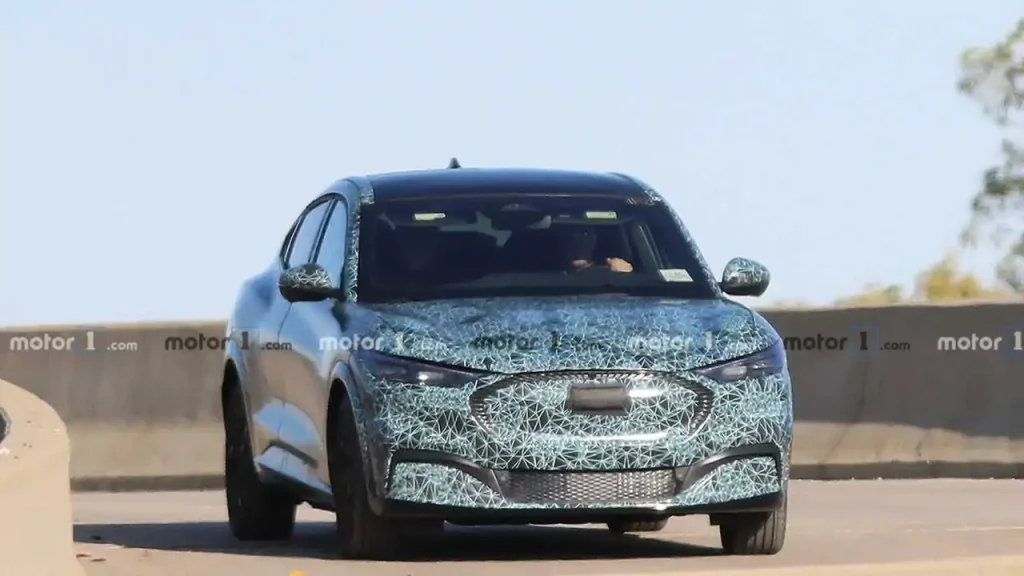
Few vehicles generated as much conversation as the Mustang Mach-E. Ford took the famous Mustang name into electric crossover territory, combining a high-riding body with battery power and performance-oriented styling. It was a major statement from Ford that electrification could be about driving excitement as much as efficiency.
Genesis G90
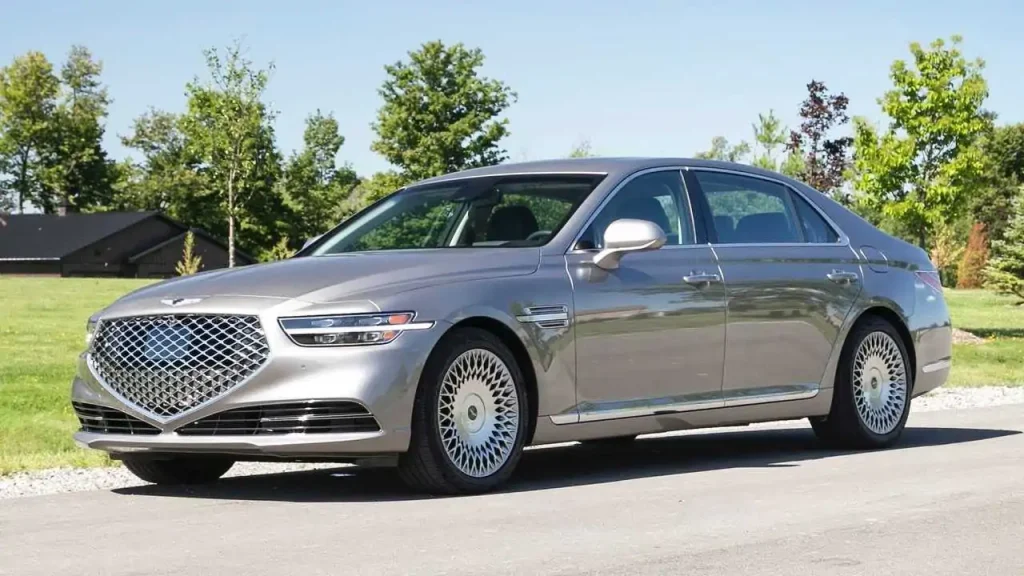
The Genesis G90 represented the Korean luxury brand’s flagship sedan. For 2019, it received a substantial styling update, including a more distinctive front end and revised bodywork. The result was a large luxury sedan designed to challenge established names from Germany and Japan without following their design playbook.
Hyundai Ioniq
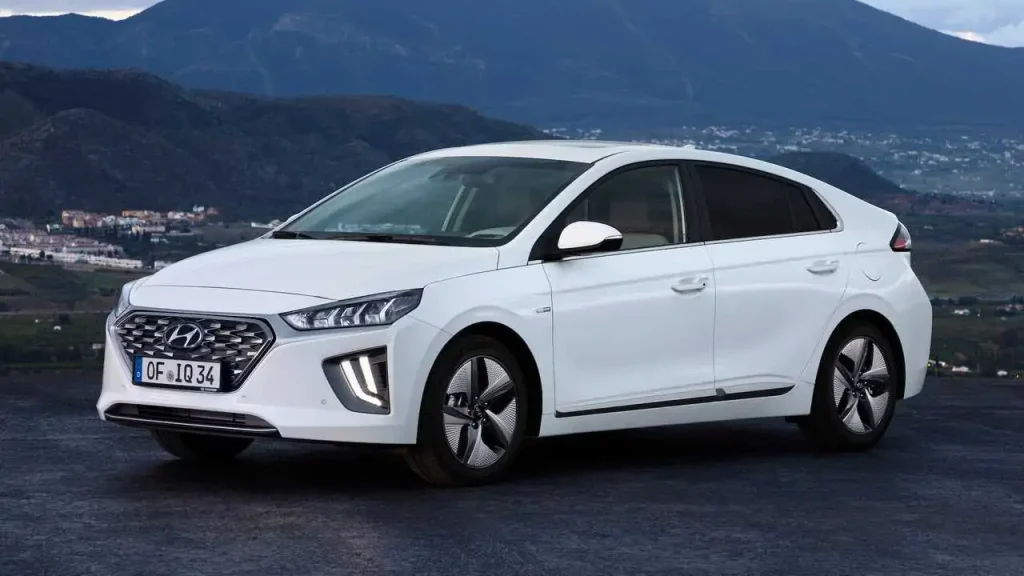
Hyundai’s Ioniq demonstrated how quickly electrification was becoming part of the mainstream. The Ioniq Electric received an important range improvement, reaching a claimed 170 miles, while retaining its practical hatchback shape. It wasn’t designed to be a sports car—it was aimed at making everyday electric driving more accessible.
Karma SC2 Coupe Concept
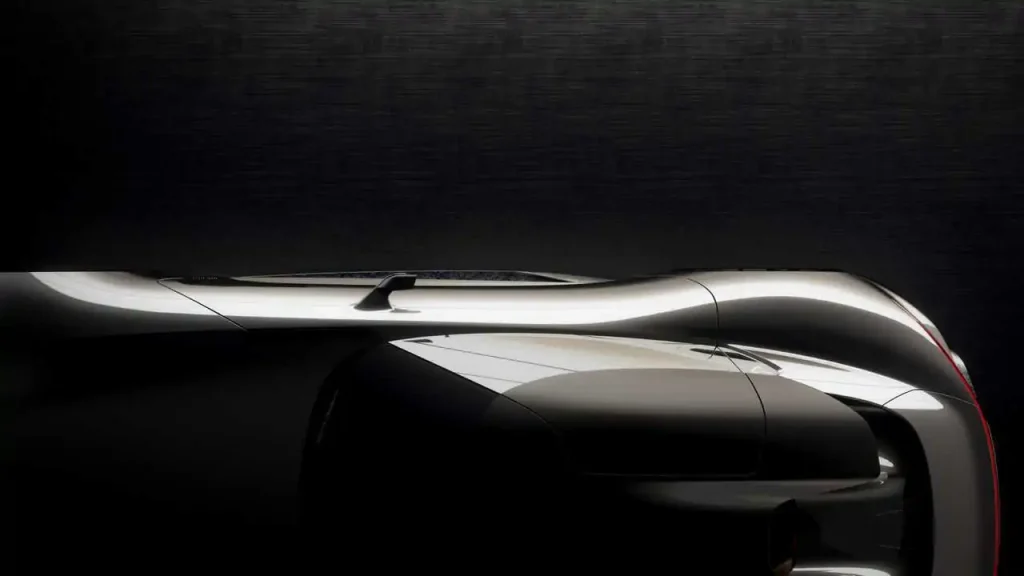
The Karma SC2 was one of the show’s more exotic concepts. Instead of looking like a conventional luxury EV, the dramatic two-door coupe was designed as a high-performance showcase for Karma’s electric technology. Its low roofline, aggressive proportions, and futuristic cabin made it one of the more striking concept cars in Los Angeles.
Kia Optima
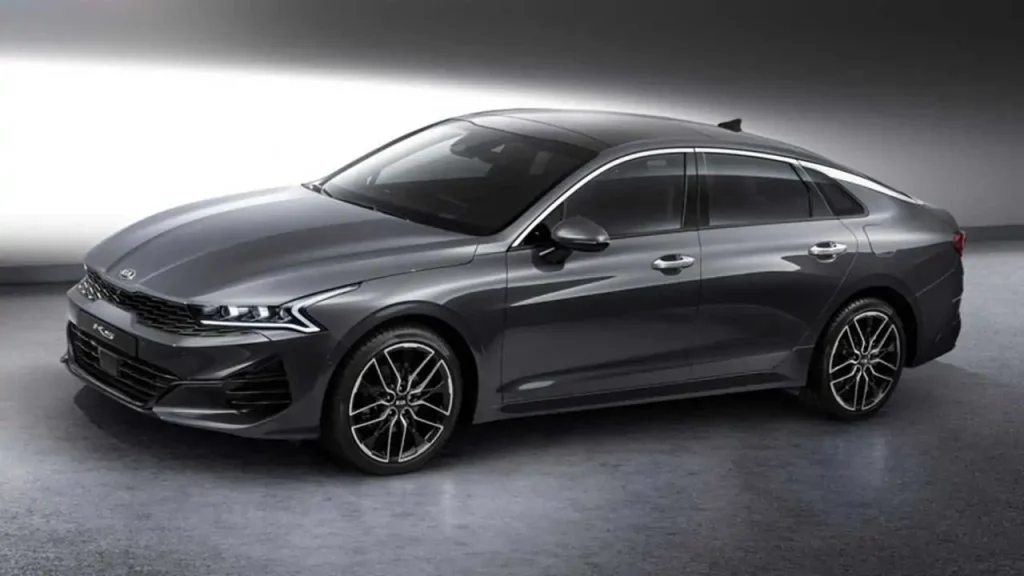
The Kia Optima remained an important player in the midsize sedan market at a time when buyers were increasingly moving toward SUVs. Its combination of sharp styling, available turbocharged power, and a comfortable interior gave sedan shoppers an alternative to the crossover crowd.
Nissan Sentra
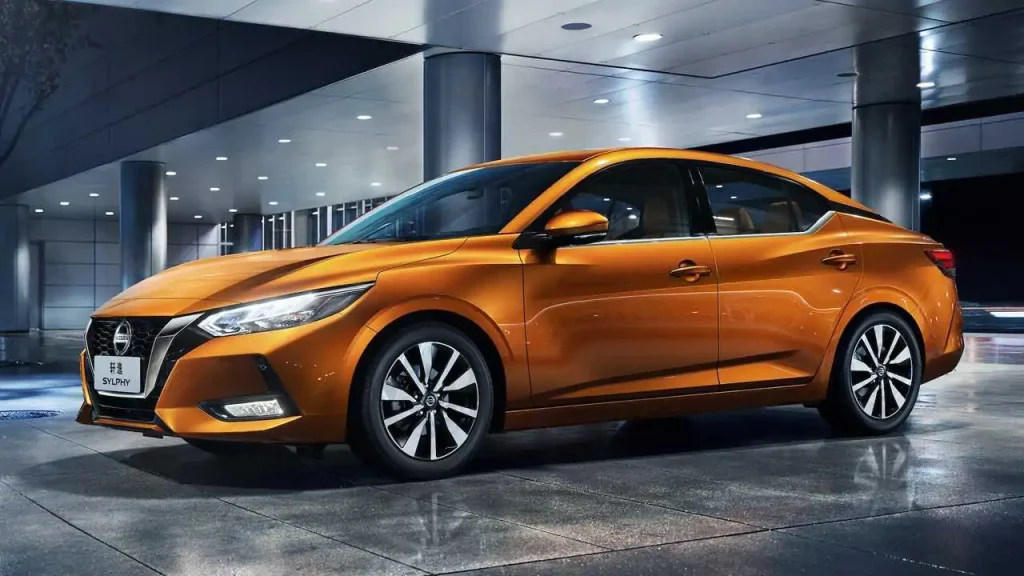
Nissan introduced an all-new Sentra for the 2020 model year, giving its compact sedan a much more mature appearance. The new design borrowed visual cues from larger Nissan models and moved the Sentra toward a more upscale look. It was proof that the sedan wasn’t completely finished yet.
Porsche Taycan 4S
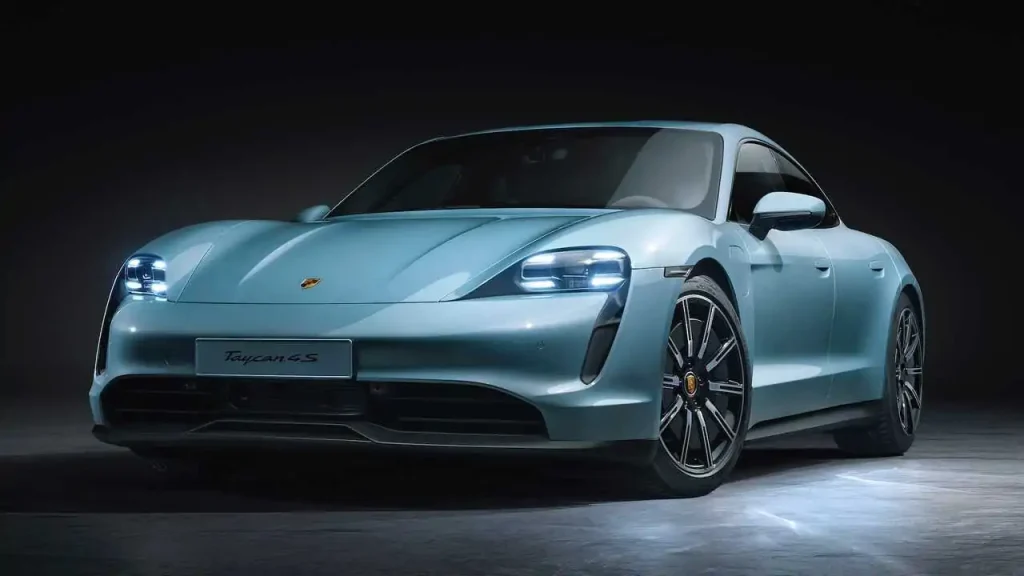
The Taycan 4S was one of the most important performance EVs at the show. Porsche approached electric power from an enthusiast’s perspective, combining rapid acceleration with sophisticated chassis engineering and the brand’s unmistakable performance character. The Taycan helped demonstrate that going electric didn’t necessarily mean giving up driving excitement.
Tesla Cybertruck
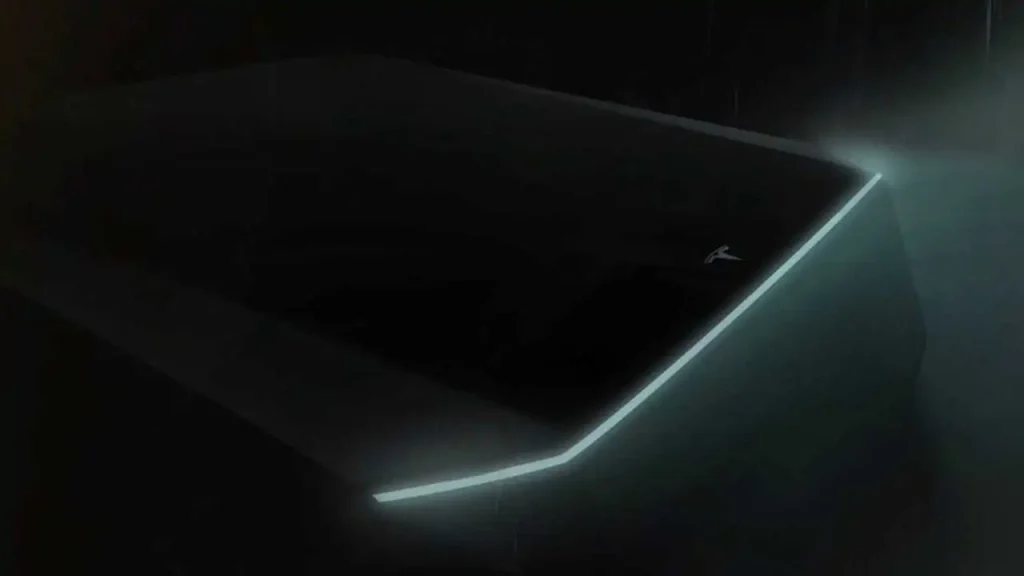
Then there was the Cybertruck. Tesla’s radically styled electric pickup looked unlike virtually anything else on the road, with sharp geometric bodywork and a stainless-steel exterior. Its unconventional appearance immediately became one of the biggest talking points of the 2019 automotive season.
Toyota Mirai
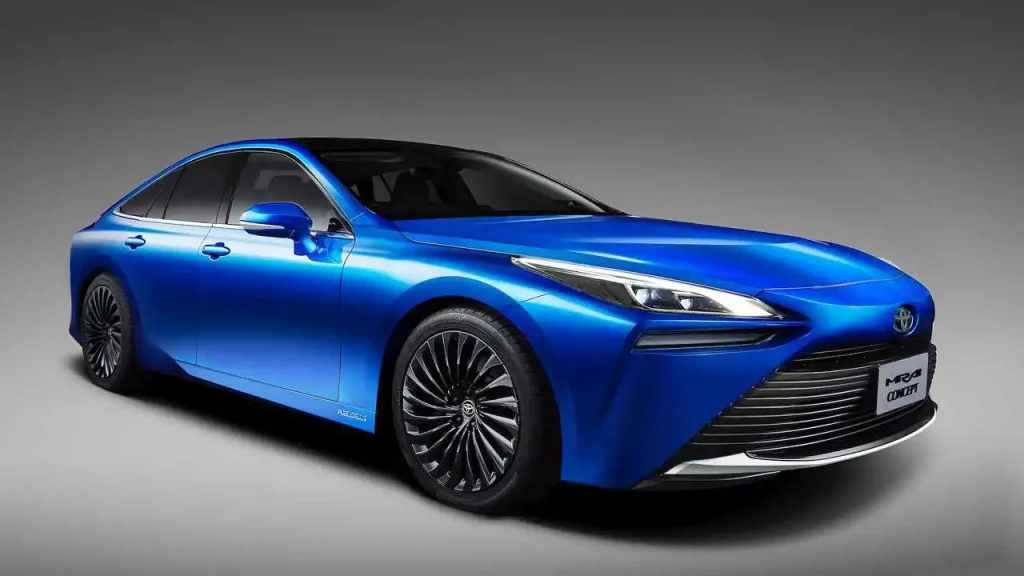
Toyota’s Mirai represented another path toward electrified transportation: hydrogen fuel-cell technology. The second-generation Mirai was previewed with a much more dramatic design than its predecessor, moving away from its quirky original appearance toward the proportions of a sleek rear-drive luxury sedan.
Toyota RAV4 PHEV
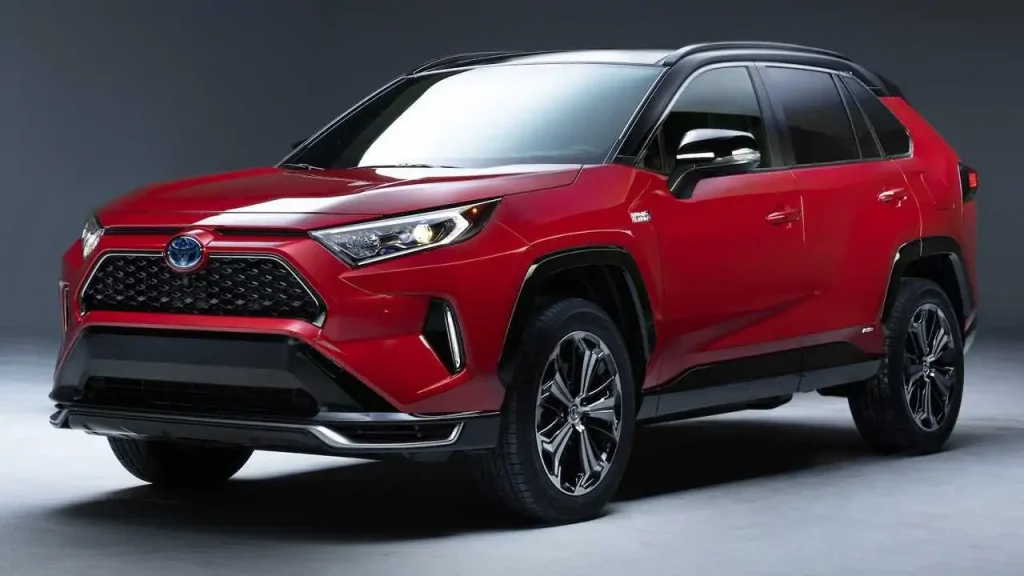
The RAV4 Prime brought plug-in hybrid technology to one of Toyota’s most popular nameplates. It offered buyers the ability to drive on electric power for shorter trips while retaining a gasoline engine for longer journeys. It was another sign that electrification was rapidly spreading into the mainstream SUV market.
Volkswagen Atlas Cross Sport
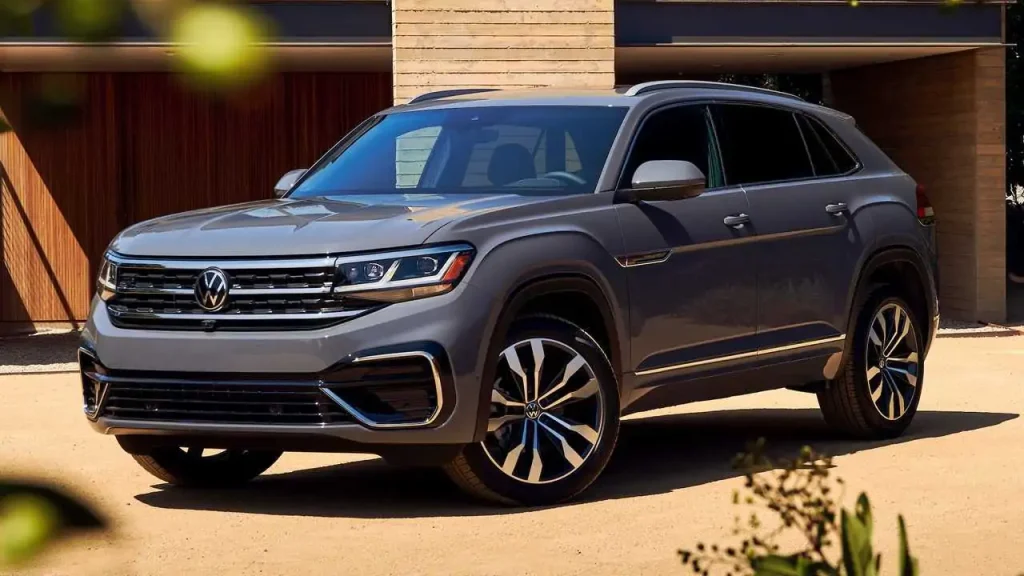
Volkswagen’s Atlas Cross Sport took the larger Atlas SUV and gave it a sportier profile. With a lower roofline and more aggressively styled rear section, it targeted buyers who wanted SUV practicality without the traditional boxy appearance of a three-row utility vehicle.
Volkswagen ID. Space Vizzion
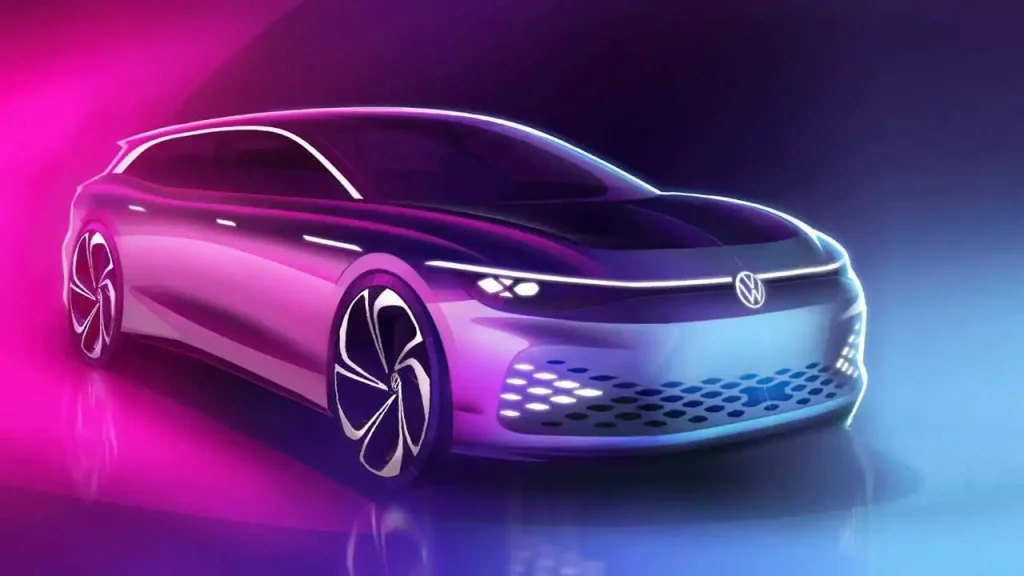
The ID. Space Vizzion concept showed Volkswagen thinking beyond conventional EV body styles. The sleek electric wagon combined a long, low roofline with a futuristic cabin and the company’s expanding ID design language. It was a glimpse at how Volkswagen envisioned electric practicality beyond the crossover craze.