
Here’s how the entry-level Corvette from each generation compares with the revolutionary mid-engine C8 Stingray.
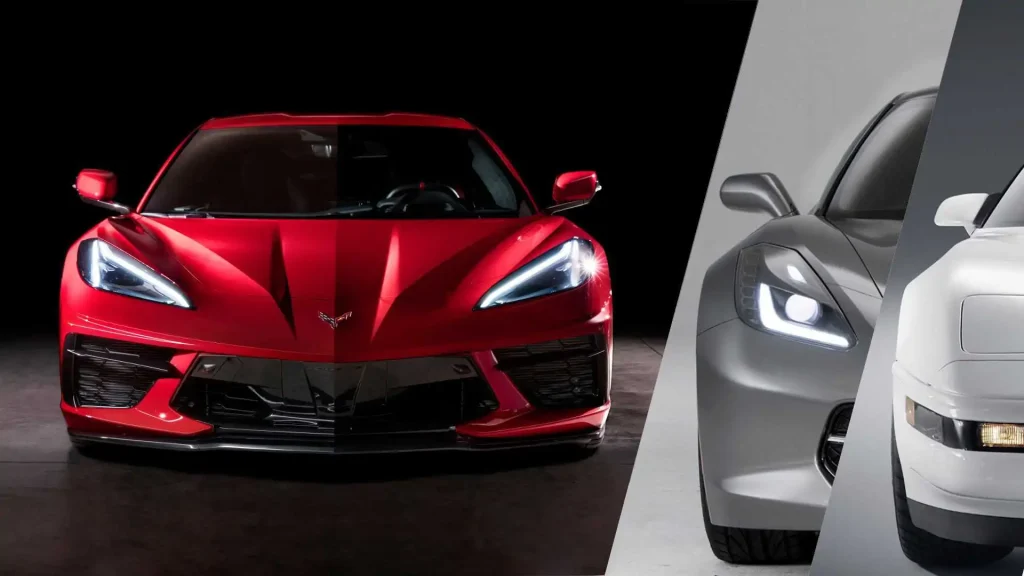
The 2020 Chevrolet Corvette Stingray marked one of the biggest turning points in the model’s history. After 66 years of front-engine Corvettes, Chevrolet finally moved the V8 behind the cabin, delivering the mid-engine layout enthusiasts had been anticipating for decades. Years of spy photos, prototypes, rumors, and speculation had all led to the C8’s official debut. This is the entry-level C8 Corvette, with more powerful versions expected to follow, but its arrival alone was enough to fundamentally change the Corvette formula. To see just how far the nameplate has come, it’s worth comparing the base C8 with the entry-level versions of every previous generation.
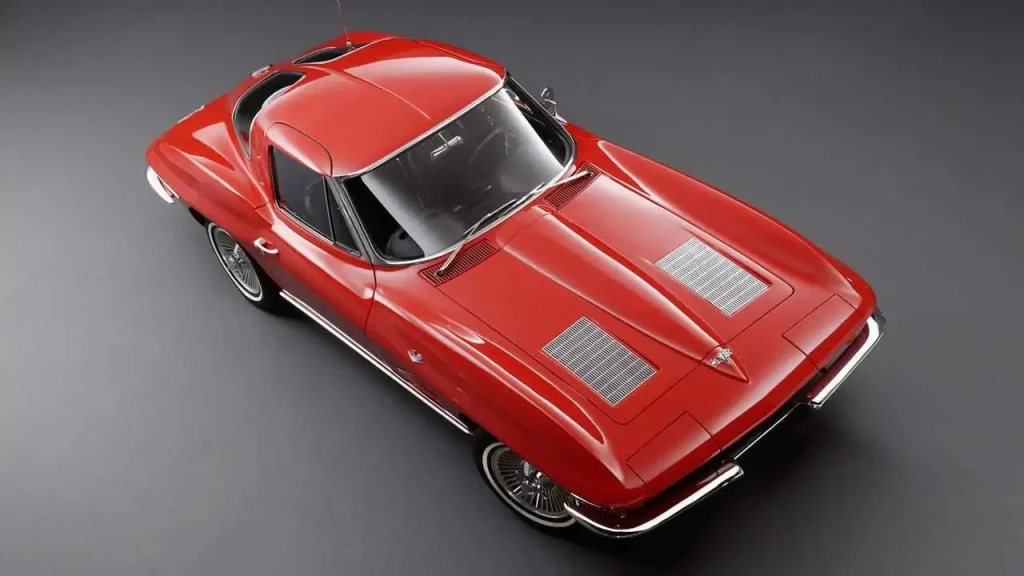
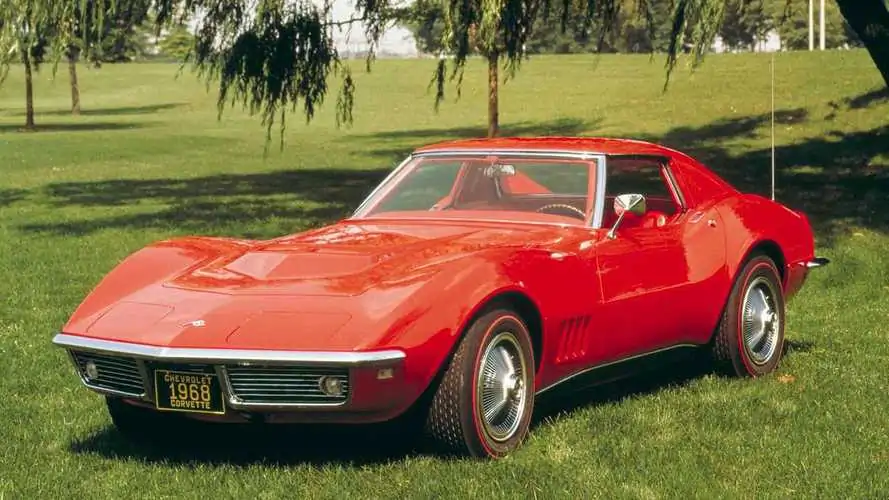
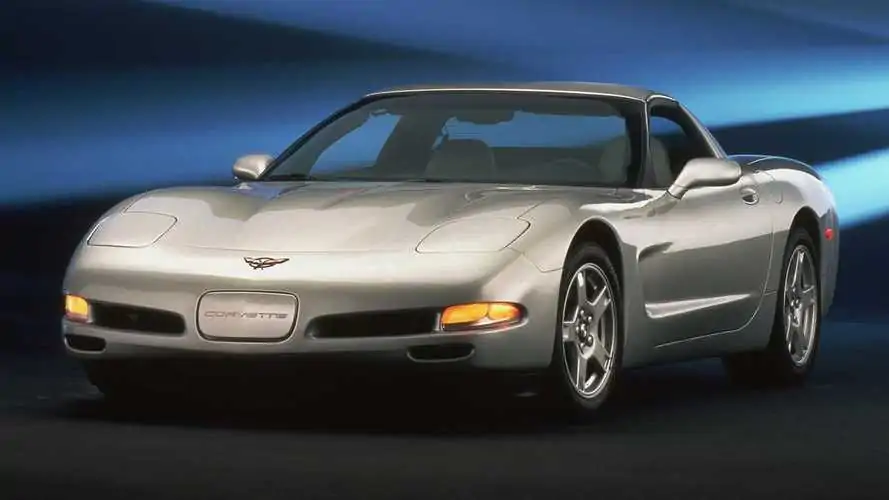
The C8’s 6.2-liter naturally aspirated V8 produces 490 horsepower and 465 lb-ft of torque, sending power to the rear wheels through an eight-speed dual-clutch automatic transmission. That specification is a world away from the original 1953 Corvette, which used a 3.9-liter inline-six producing just 150 hp and was paired with a two-speed automatic. The Corvette’s transition to V8 power began with the C2, when a 5.4-liter V8 became available with 250 hp. By the time the C5 arrived for 1997, the Corvette had entered its modern era with a 5.7-liter V8 producing 345 hp.
| Generation | Years | Engine | Horsepower | Weight | Original Price |
|---|---|---|---|---|---|
| C1 | 1953–1962 | 3.9L I6 / V8 | 150–360 hp | 2,886–3,100 lb | From $3,498 |
| C2 | 1963–1967 | 5.4L–7.0L V8 | 250–435 hp | 3,050–3,300 lb | From $4,252 |
| C3 | 1968–1982 | 5.0L–7.0L V8 | 165–435 hp | 3,100–3,600 lb | From $4,663 |
| C4 | 1984–1996 | 5.7L V8 | 205–405 hp | 3,200–3,400 lb | From $21,800 |
| C5 | 1997–2004 | 5.7L V8 | 345–405 hp | 3,200–3,300 lb | From $37,495 |
| C6 | 2005–2013 | 6.0L–7.0L V8 | 400–638 hp | 3,130–3,250 lb | From $43,710 |
| C7 | 2014–2019 | 6.2L V8 | 455–755 hp | 3,298–3,524 lb | From $51,995 |
| C8 | 2020 | 6.2L V8 | 490–495 hp | ~3,647 lb | Under $60,000 |
*Estimated launch weight. *Approximate figure.
Looking across the generations, the C8 is noticeably larger than its immediate predecessor, marking the most significant increase in overall dimensions since the Corvette’s 1968 redesign. Yet the model’s basic proportions have remained surprisingly consistent over the decades. The wheelbase has gradually increased, while curb weight has moved up and down depending on the generation, equipment, and technology. The C8 also introduced another major change at launch: for the first time since the earliest Corvette, there was no manual transmission available. Its eight-speed dual-clutch automatic was the only gearbox offered when the C8 debuted.
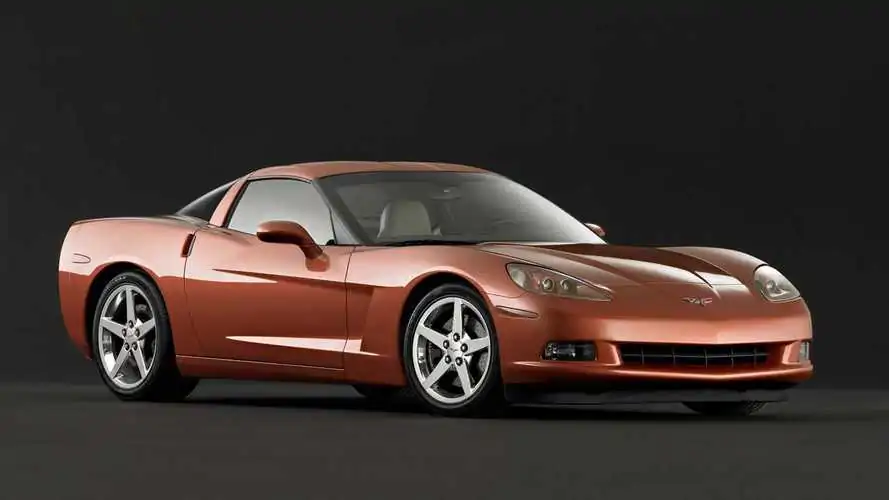
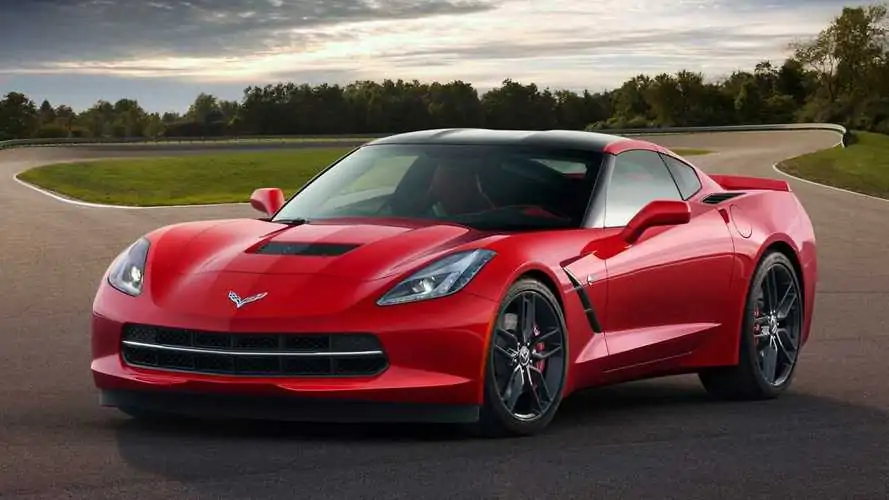
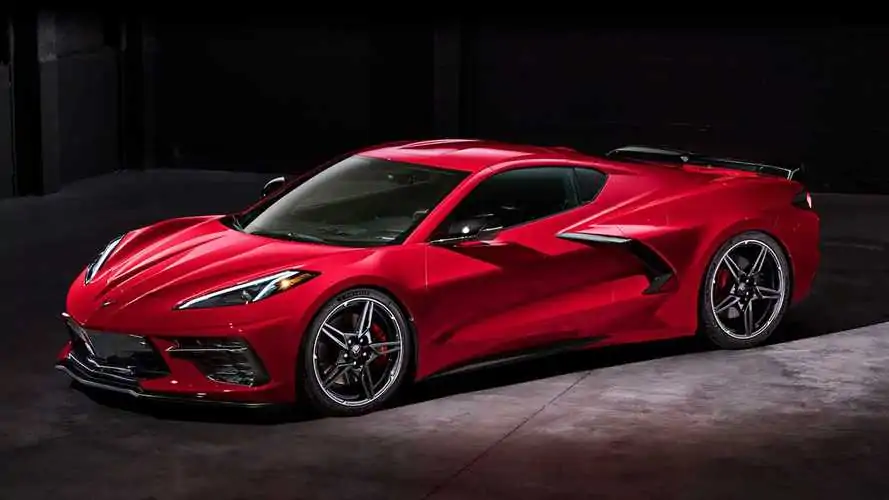
The mid-engine Corvette itself had been a long-running dream inside Chevrolet. Zora Arkus-Duntov, widely regarded as the father of the Corvette, explored the idea decades ago, and numerous experimental prototypes and concepts demonstrated what a mid-engine version could potentially become. Projects such as the XP-882, XP-895, XP-897 GT, Aerovette, and later experimental cars repeatedly hinted at this direction, but none made the transition to series production. The C8 finally ended that cycle of prototypes and brought the mid-engine Corvette to the road.
Despite the radical engineering underneath, Chevrolet made sure the C8 still looked unmistakably like a Corvette. The familiar proportions, aggressive stance, and distinctive details remained, but the cabin was pushed forward and the body reshaped around the new powertrain location. The result was a Corvette that represented a dramatic departure mechanically while still carrying the visual DNA established by seven generations of its predecessors.
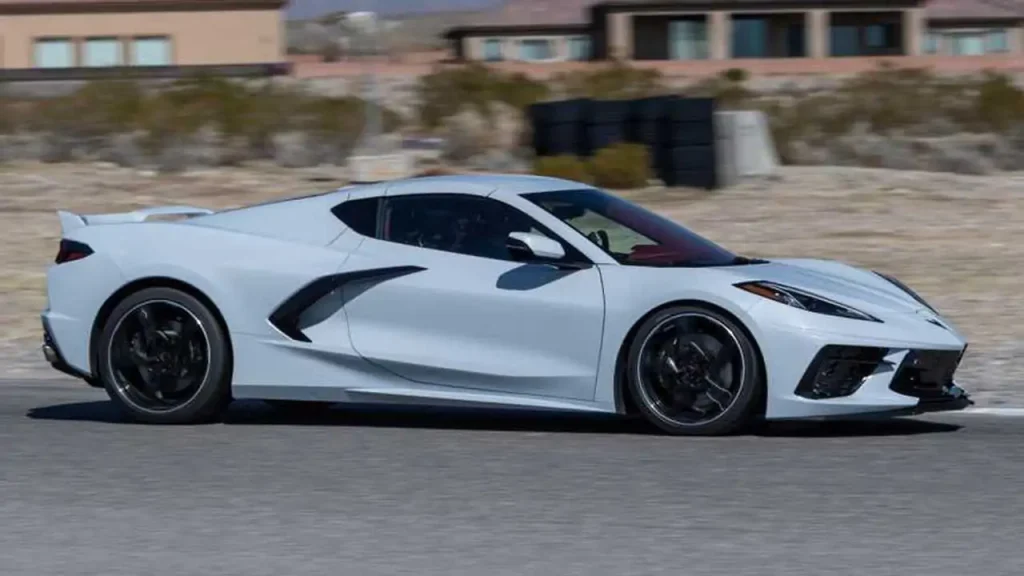
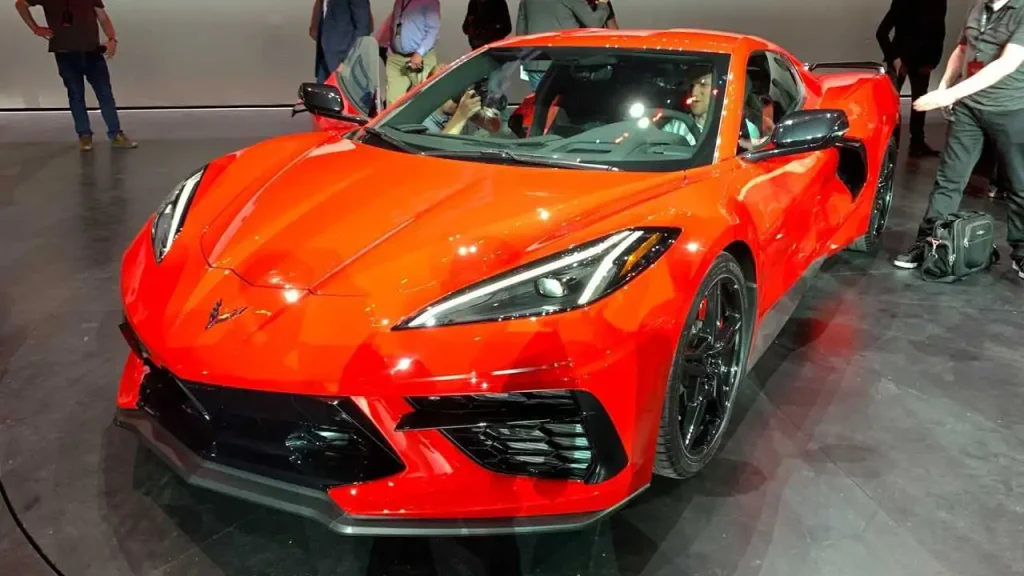
The 2020 C8 therefore wasn’t simply another new Corvette. It was the culmination of decades of experimentation and one of the most significant transformations the nameplate had ever undergone. From the humble six-cylinder C1 to the 490-hp mid-engine C8, the Corvette’s evolution shows just how dramatically Chevrolet’s sports car changed while maintaining the same basic mission: delivering serious performance without abandoning its American identity.