
We put the GT C and GT R through their paces to see how closely these two AMG sports cars really compare.
The first Mercedes-AMG GT arrived for the 2015 model year. Five years later, following a facelift, the family had expanded to four distinct versions: the standard AMG GT, GT C, GT R, and limited-run GT R Pro. All four use the same twin-turbocharged 4.0-liter V8, although output varies between models. Beyond the engine differences, however, each version brings its own styling, character, and driving experience.
The GT C and GT R occupy the heart of the lineup, separated by just $12,000 but aimed at very different buyers. With its understated appearance and more luxurious cabin, the GT C makes a strong case as the most traditional grand tourer in the range. The GT R, meanwhile, takes a much more aggressive approach, with track-focused traction control and distinctive aerodynamic details that give it considerably more attitude. After spending a weekend driving both around Atlanta, we got a much better sense of what separates these two AMG coupes.
A Refreshed Look
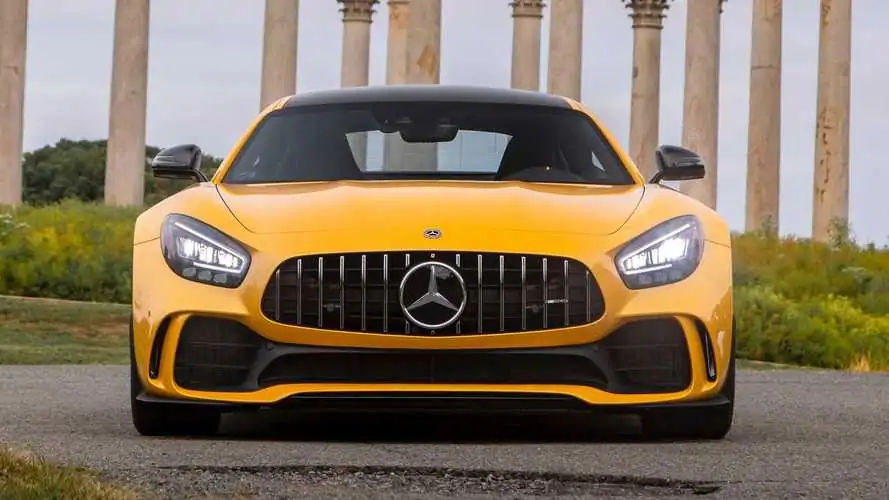
The updated GT received a handful of exterior revisions, including redesigned LED headlights and taillights, a modified rear diffuser, revised exhaust outlets, and fresh wheel designs. None of the changes are particularly dramatic, but they preserve the AMG GT’s intimidating presence. Its low, wide stance remains the defining feature, while the proportions continue to look almost exaggerated, with a long hood stretching ahead of the driver and a compact, rounded rear section.
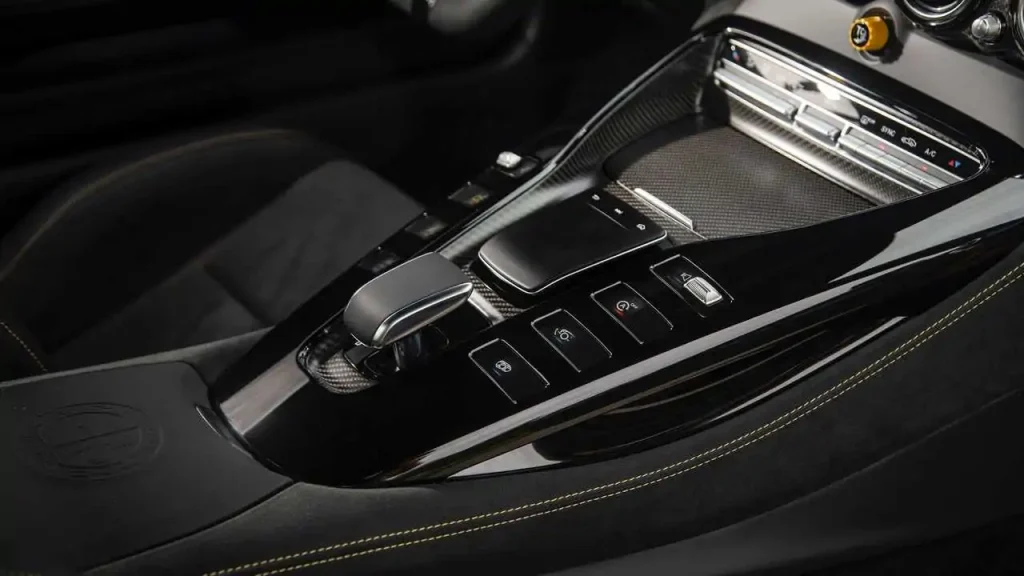
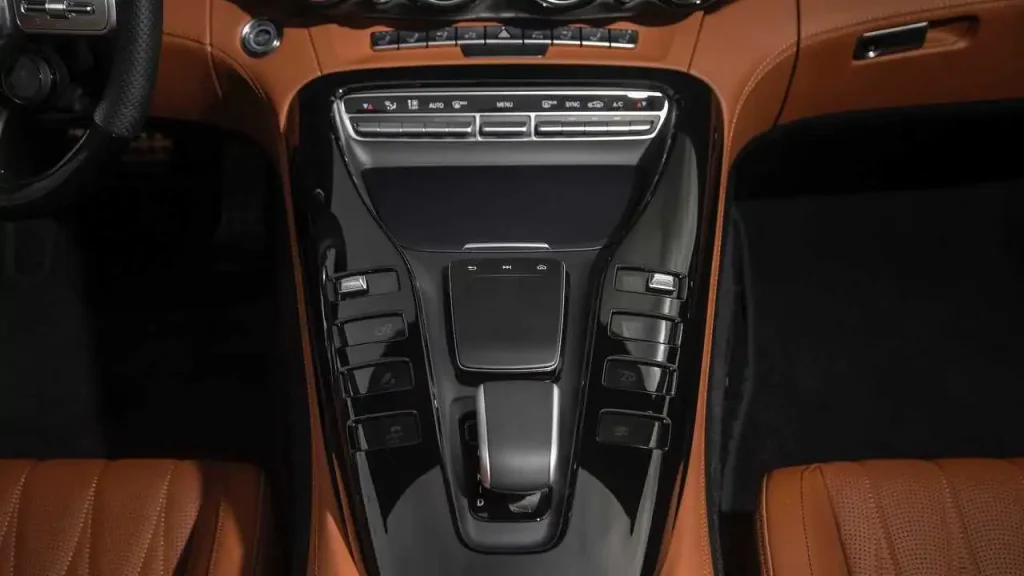
Inside, Mercedes made more substantial changes. The cabin gained a 10.2-inch central touchscreen along with a 12.3-inch digital instrument display. The infotainment system combines elements of Mercedes’ newer MBUX technology with a separate operating system, while retaining the familiar touchpad controller used in other MBUX-equipped models. Despite the mix of old and new interfaces, the system remains relatively easy to operate, and standard Apple CarPlay and Android Auto make smartphone integration straightforward.

The refreshed GT also picked up a few new performance-focused features. The AMG Track Pace app gives drivers access to detailed driving data, while built-in video recording and lap timing make it useful for track days. The biggest interior change, however, is the new steering wheel borrowed from the GT 4-Door. Besides looking sharper, it puts drive-mode selection and other vehicle settings within easy reach through a digital rotary controller. None of these updates radically transform the GT, but together they give the car enough new technology to remain competitive through the latter half of its generation.
Two Very Different Personalities
Mercedes-AMG positions the GT C as the lineup’s long-distance specialist, balancing strong performance with a greater emphasis on comfort. Its 550 horsepower and 502 pound-feet of torque provide plenty of acceleration, while a 196-mph top speed makes it more than capable of stretching its legs on unrestricted sections of the Autobahn. Much of the GT C’s appeal, though, comes from its restrained personality. Compared with the GT R’s enormous fixed rear wing and aggressive wheels, the GT C has a considerably more understated appearance. The same philosophy carries into the cabin, where leather and metal replace much of the GT R’s exposed carbon fiber and Alcantara. The result is a more refined and sophisticated interpretation of the AMG GT.
For drivers who prefer something more dramatic, the GT R takes a very different approach. Its aggressive styling attracts considerably more attention, and its road manners feel closer to those of a dedicated supercar. At $162,900, it carried a $12,000 premium over the GT C, but the additional cost brought more than just visual drama. The GT R reaches 60 mph 0.1 second quicker, has a 2-mph higher top speed, and produces 17 more horsepower than the GT C.
Out on the winding roads around Atlanta, the two AMG coupes are remarkably alike. Both deliver similar acceleration, and the GT R’s additional 27 horsepower isn’t something you’ll immediately notice from behind the wheel. Steering response and suspension tuning are also closely matched. The biggest differences become much more apparent once the cars hit a racetrack. The GT R’s more focused setup brings stickier Michelin Pilot Sport Cup 2 tires and a sophisticated nine-stage traction-control system derived from the GT3 race car. Those upgrades give the GT R a clear advantage during track driving, but on public roads, its behavior remains remarkably close to that of the GT C. Even when the driving experience is similar, however, the GT R has a presence that’s impossible to overlook.
The GT C’s cleaner, more understated styling will naturally appeal to drivers who prefer to fly under the radar. But the AMG GT’s long hood, wide stance, and dramatic proportions were never designed to disappear into traffic. Add the GT R’s enormous rear wing, unique wheels, and other aggressive details, and its extroverted personality starts to feel entirely appropriate. Anyone looking for comparable speed with a more discreet appearance could look toward something like the Porsche 911. But for buyers set on an AMG GT, the GT R’s combination of visual drama and track-focused hardware makes it the more distinctive way to experience the car.