
From futuristic four-seat coupes to legendary Le Mans-inspired racers, these forgotten Mazda concepts pushed the boundaries of design and performance.
Mazda has been enjoying a strong design renaissance in recent years, creating concept vehicles that showcase the company’s bold styling philosophy and vision for the future. Like many automakers, Mazda uses its concept cars as a preview of potential design directions, advanced technologies, and future production models—though some ideas make it much closer to reality than others.
The brand’s latest examples, the Mazda Vision Coupe and Mazda Kai Concept, debuted at the 2017 Tokyo Motor Show and immediately attracted attention with their elegant proportions, minimalist interiors, and sophisticated interpretations of Mazda’s Kodo design language.
While those concepts represent Mazda’s modern design ambitions, they are far from the company’s only memorable creations. Looking back through Mazda’s recent history reveals a collection of unusual, ambitious, and sometimes futuristic concepts that explored everything from innovative sports cars to racing-inspired machines.
Here are some of the most fascinating Mazda concept vehicles that deserve another look.
Table of Contents
Mazda RX-Vision Concept
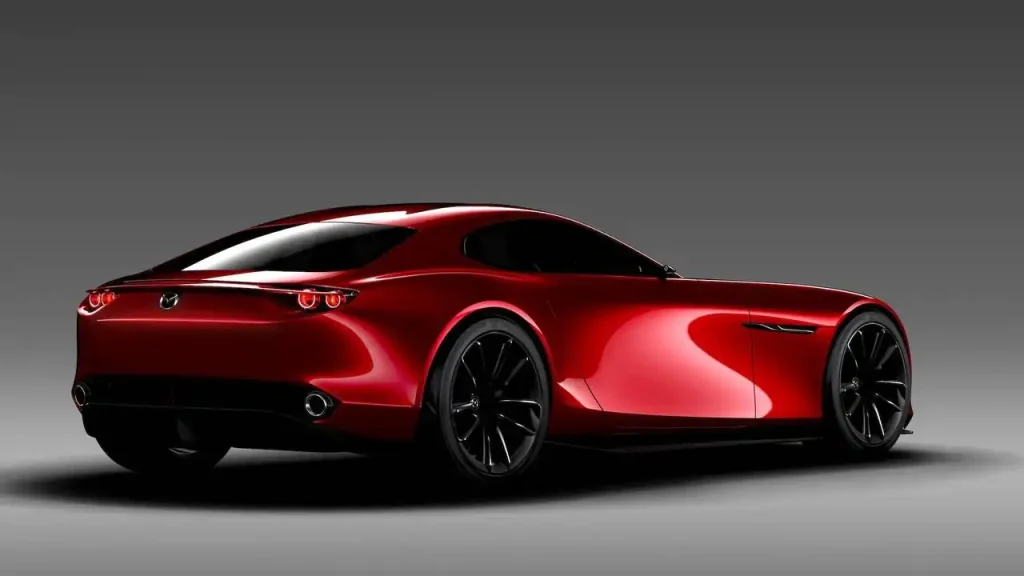
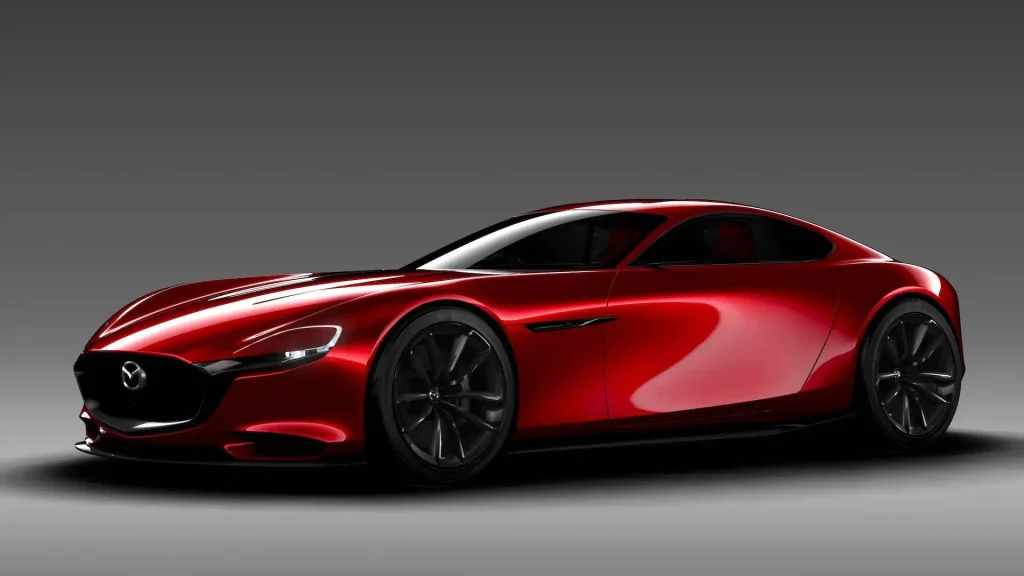
The Mazda RX-Vision Concept remains one of the most beautiful and ambitious vehicles the company has ever created. Finished in a striking red paint, this two-door, two-seat, rear-wheel-drive sports car represented Mazda’s vision for the future of high-performance driving.
Its design perfectly captured Mazda’s Kodo: Soul of Motion philosophy, featuring a long hood, low roofline, short overhangs, and muscular fender flares that gave it the classic proportions of a traditional sports car. At the rear, twin circular taillights paid tribute to legendary Mazda RX models, especially the iconic RX-7, while the overall silhouette carried similarities to modern grand tourers such as the Mercedes-AMG GT.
The biggest story, however, was hidden beneath the sleek bodywork. The RX-Vision was powered by Mazda’s proposed Skyactiv-R rotary engine, proving that the company had not abandoned the unique engine technology that helped define its performance heritage. The concept represented Mazda’s dream of combining lightweight construction, rear-wheel-drive dynamics, and the smooth, high-revving character of a rotary powerplant.
Although Mazda never announced an official production version of the RX-Vision, the company made it clear that the concept remained more than just a design exercise. Mazda has expressed its hope of one day turning the RX-Vision into a real production sports car, keeping alive the possibility of a new chapter in the rotary-powered legacy.
Shinari
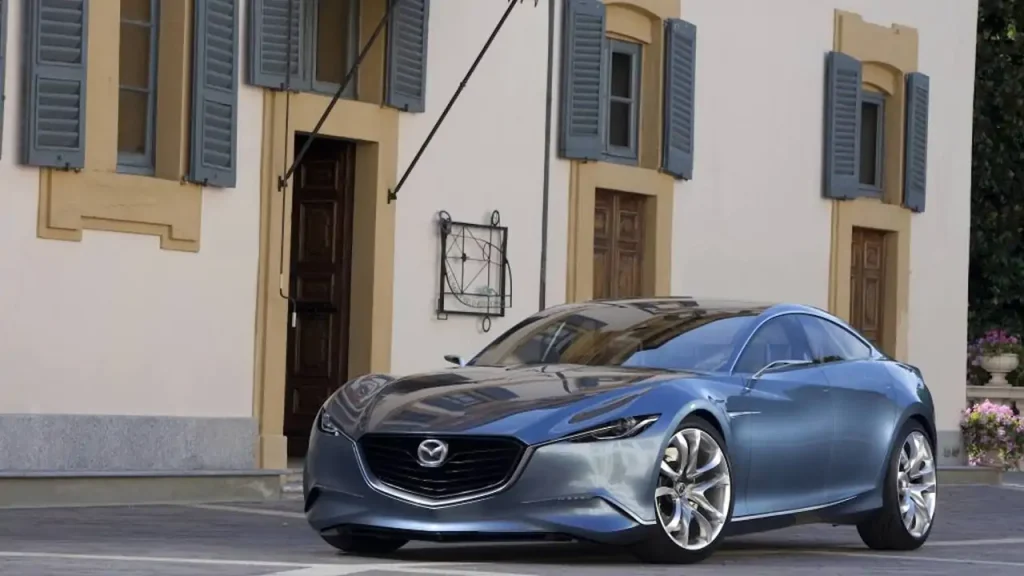
The Mazda Shinari Concept marked the beginning of a new era for Mazda design. Introduced at the 2010 Los Angeles Auto Show, the four-door sedan was the first vehicle to showcase Mazda’s Kodo: Soul of Motion design language.
Unlike the more traditional shapes of previous Mazda sedans, the Shinari featured flowing body lines, deeply sculpted surfaces, and muscular wheel arches that gave it a dynamic, athletic appearance even while standing still.
Many of its design elements eventually influenced production vehicles, especially the modern Mazda6 sedan. However, some of the concept’s more dramatic features—including its massive 21-inch wheels, ultra-thin mirrors, and frameless doors—remained strictly in the world of show cars.
The Shinari demonstrated Mazda’s shift toward more emotional, premium-looking designs and helped establish the visual identity the brand still uses today.
Furai
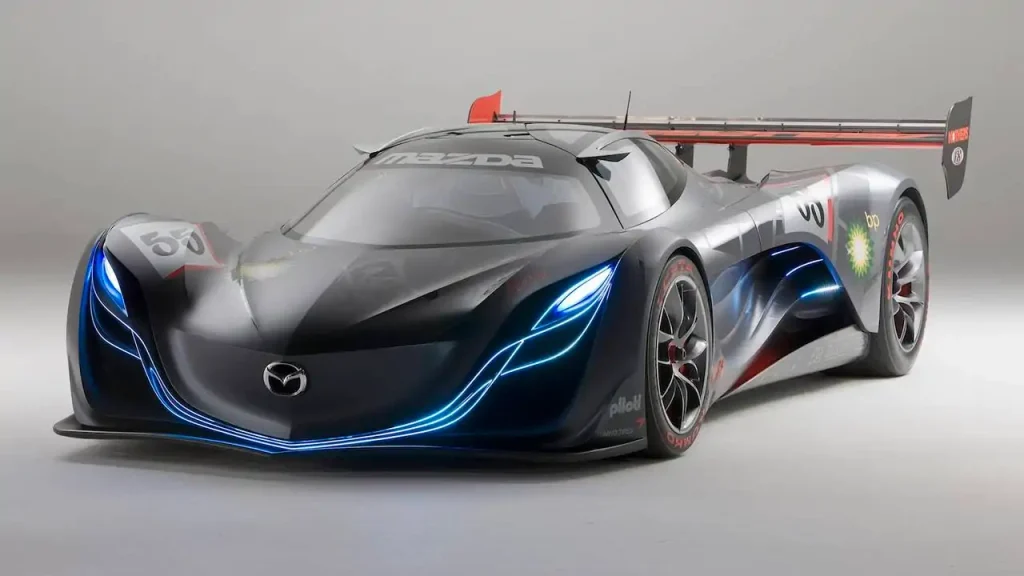
The Mazda Furai was one of the most extreme and unforgettable concepts the company ever created. Unlike many concept cars designed to preview future production models, the Furai was built purely as a celebration of Mazda’s racing heritage.
Unveiled in 2007, the Furai combined futuristic styling with genuine motorsport engineering. Beneath its dramatic bodywork was a Courage C65 Le Mans prototype chassis powered by a 450-horsepower three-rotor rotary engine running on ethanol fuel.
With its massive rear wing, aggressive aerodynamic design, and race-car proportions, the Furai looked ready for the track because it was. The concept gained worldwide attention after Top Gear Magazine received an exclusive opportunity to drive it, but tragedy struck when the vehicle caught fire during testing and was destroyed.
Despite its short life, the Furai remains one of Mazda’s most memorable concept cars and a symbol of the company’s passion for performance.
Taiki
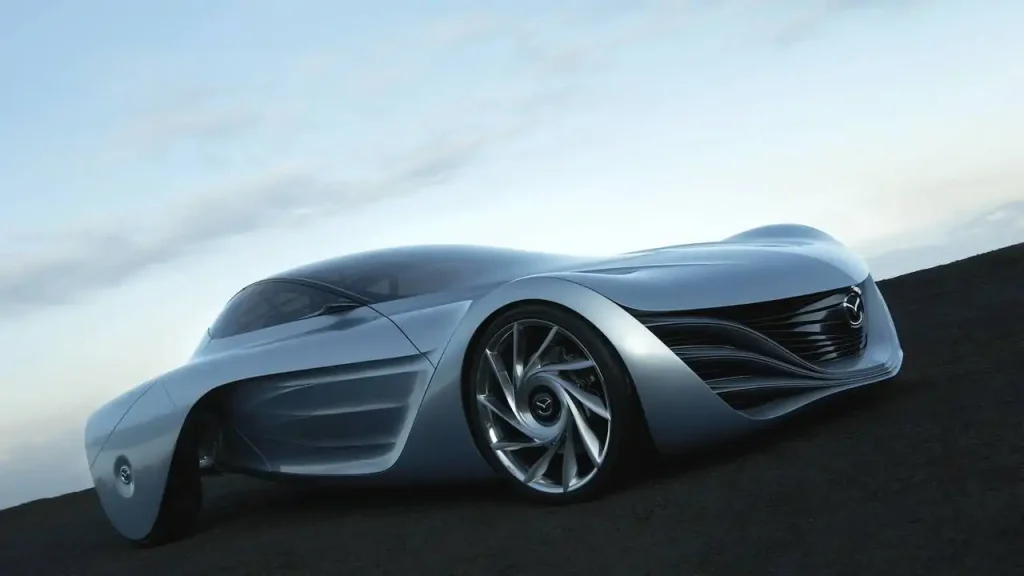
Displayed at the 2007 Tokyo Motor Show, the Mazda Taiki Concept was one of the brand’s most futuristic design experiments. Created around Mazda’s theme of “flow,” the rear-wheel-drive sports coupe featured dramatic aerodynamic styling unlike anything else on the road.
The Taiki’s unusual shape included smooth body surfaces, enclosed rear wheels, and a futuristic cabin designed to emphasize movement and efficiency. From certain angles, its rear design even reminded some observers of exotic hypercars that would appear years later.
Power came from a version of Mazda’s famous rotary engine, continuing the company’s long-standing commitment to lightweight, high-revving powerplants.
Although the Taiki never reached production, many of its styling ideas influenced Mazda’s later design direction.
Kabura
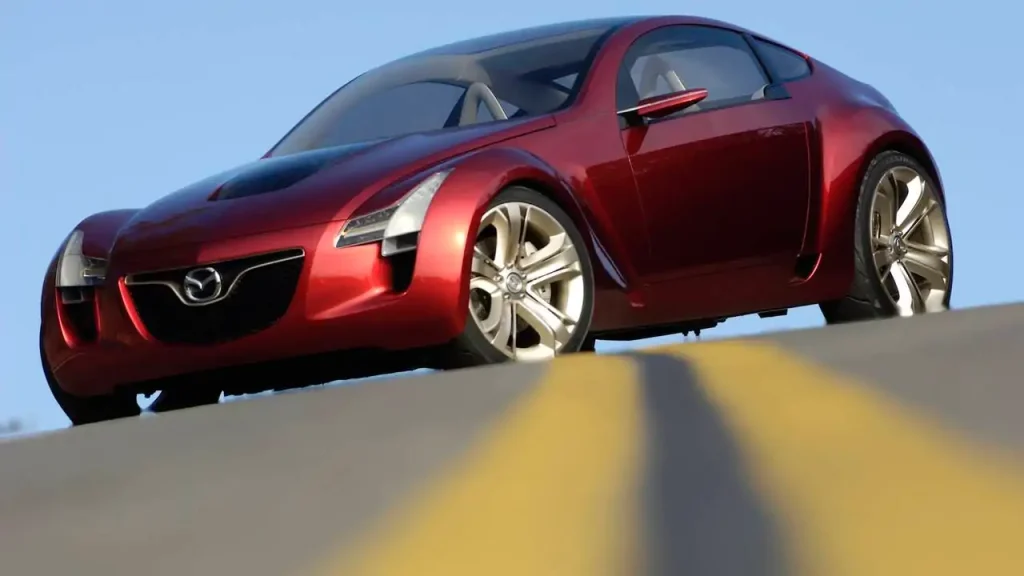
The Mazda Kabura Concept explored an unusual idea: a compact rear-wheel-drive sports coupe with seating flexibility. Revealed at the 2006 New York Auto Show, the Kabura imagined a lightweight performance car that combined sports-car excitement with unconventional practicality.
Instead of a traditional 2+2 layout, the Kabura featured a unique seating arrangement that allowed three passengers to sit up front and a single rear passenger behind them. Access to the rear seat came through a sliding door-style opening inspired by minivan practicality.
Designed by Franz von Holzhausen, who later became known for his work on the Pontiac Solstice and other notable vehicles, the Kabura showcased Mazda’s willingness to experiment with new ideas.
While it never became a production model, the Kabura demonstrated Mazda’s ability to rethink what a small sports car could be.
Conclusion
Mazda’s concept cars have always represented more than just styling exercises—they showcase the company’s willingness to experiment, take risks, and preserve its unique identity in an industry that often favors convention. From the rotary-powered dreams of the RX-Vision and the race-bred insanity of the Furai to the futuristic designs of the Shinari, Taiki, and Kabura, these concepts reveal Mazda’s passion for creating vehicles with emotion and character.
While many of these cars never reached production, their influence can be seen throughout Mazda’s modern lineup. Design themes introduced by concepts like the Shinari helped shape the brand’s Kodo design language, while the continued exploration of rotary technology proved Mazda’s commitment to engineering innovation.
These forgotten concepts also remind enthusiasts that Mazda has always been more than a manufacturer of practical cars. The company has built its reputation by chasing driving enjoyment, experimenting with unconventional ideas, and creating vehicles that connect with people on an emotional level.
Whether they remain as one-off show cars or inspire future models, these Mazda concepts represent the creativity and ambition that make the brand unique. They may never have filled dealership showrooms, but they earned a permanent place in automotive history.