
Joey Ruiter shares his thoughts on the ’73 Chevelle, the perfect road for a Porsche 356B, and the cars that continue to inspire his unconventional design philosophy.
I first met Joey Ruiter in 2014, when he invited me to his home to experience one of his most striking creations, the Reboot Buggy. With its otherworldly appearance and radically stripped-down approach to transportation, the Buggy felt like a machine caught between two eras: part vision of the distant future, part throwback to a simpler past. The drive, followed by a series of conversations with Ruiter, also gave me a glimpse into the mind of someone I consider among the most inventive thinkers in design.
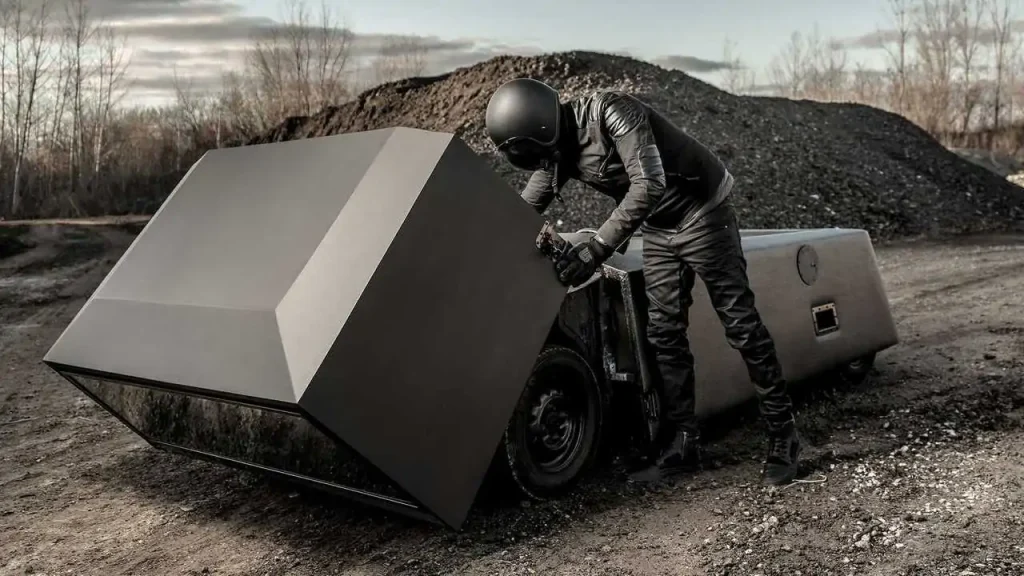
Ruiter collaborates with some of the world’s biggest furniture brands, creating functional works of art for homes and workplaces. Yet his fascination with vehicles and the ways we move through the world is just as evident. Take NOMOTO, a motorcycle conceived to blend into its urban surroundings, or the Tinnie 10, a compact, triangular boat with a distinctly retro character. Both challenge the conventions we tend to accept without question, prompting us to reconsider why vehicles have traditionally been designed the way they are.
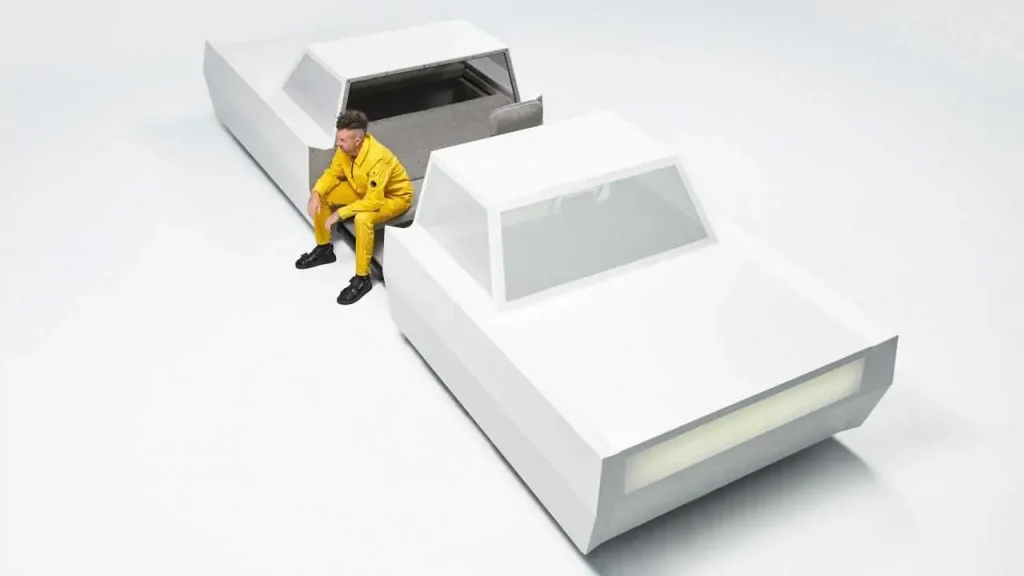
I also had the opportunity to collaborate on media for Ruiter’s latest project, Another Sedan, which was exhibited at the Petersen Automotive Museum alongside his Moto Undone, currently on loan to the museum. By combining familiar, almost anonymous styling with an unconventional split-body design and a dual-purpose approach to driving and riding as a passenger, Another Sedan pushes his ideas in compelling new directions. It ranks among his most ambitious and thought-provoking creations yet.
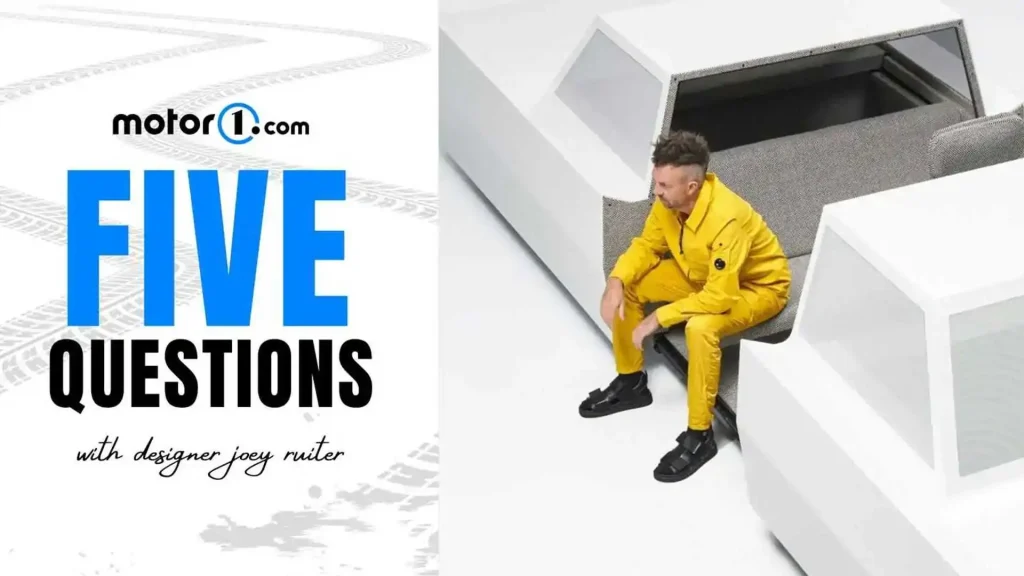
Getting Joey Ruiter to answer our Five Questions is a treat, especially when his responses prove to be as unconventional as his designs.
Which car was the most important to you when you were growing up?
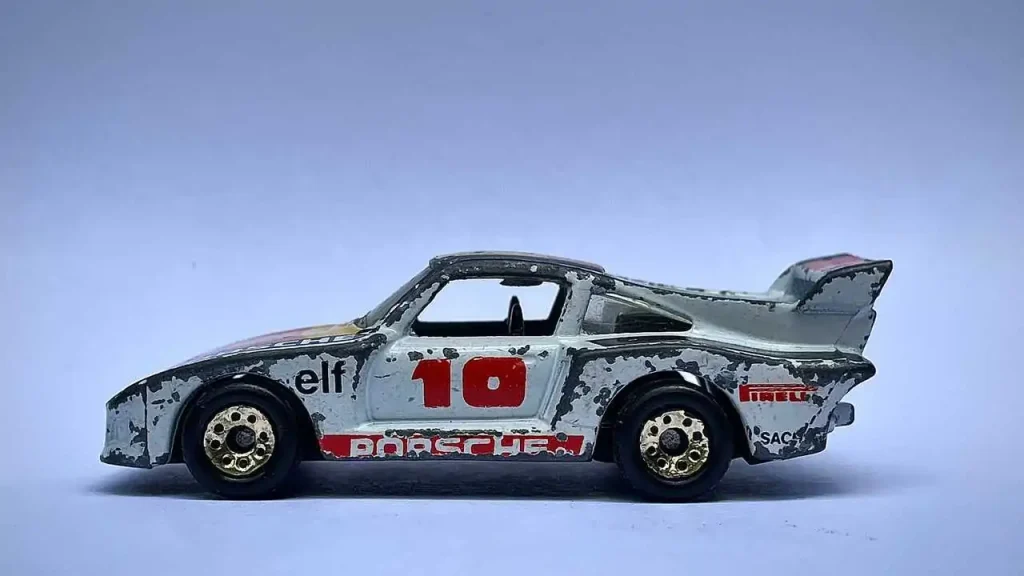
I was always drawn to wedge-shaped cars. The Vector, the P Zero, and machines like those really caught my attention, but my favorite was the Porsche 935 ELF race car.
I even had that exact car as a Matchbox model. There was a winding concrete retaining wall in our backyard that stood a little above waist height, and I could spend hours racing the little car up and down it. I still have it today, and those wheels have covered some serious distance.
Strangely enough, I also have vivid memories of our 1973 Chevrolet Chevelle four-door. It was green, rusty, ugly, and frankly embarrassing. I would spend long stretches studying it, examining every line, proportion, and detail, until I developed an almost passionate dislike for the thing. How could a group of people sculpt this car in clay, engineer it, argue over its finer points, and arrive at that result? I find myself asking the same question about many new cars I see today.
Even back then, though, I had a thought that has stuck with me ever since: “One day I will look back at this odd cluster of metal and think it was cool.” That prediction finally came true a few years ago, when I was browsing Facebook Marketplace for an early-1970s Nova…
You have a ticket to go anywhere in the world with any vehicle. What are you driving and where?
That’s almost impossible to narrow down. My interest in everything related to cars and motorcycles would make this a serious brainstorming exercise. Ideally, I’d need a luxury RV towing three different cars, with each vehicle waiting for a specific part of the journey.
I’d start at the Tail of the Dragon in a properly sorted Porsche 356B. For me, properly sorted means a better exhaust note and excellent brakes. I’d spend some time driving, eating, and hanging out with friends who share the same appreciation for vintage cars.
Next, the magical RV would meet me at Italy’s Stelvio Pass. This time, I’d unload a restomod version of an early-’60s Lincoln Continental convertible. It certainly wouldn’t be the most capable car for attacking the corners, but it would be spectacular on such an incredible road. I’d enjoy the scenery, stop for roadside lunches, and then retreat to the RV for a good night’s sleep.
The final leg would take me to the dirt-only sections of Ruta 40. There, my Singer-prepared Safari 911 would come off the trailer, and we’d head out into a cloud of dust and engine noise.
Tell us about a person, product, or company that we should be paying attention to in the next year.
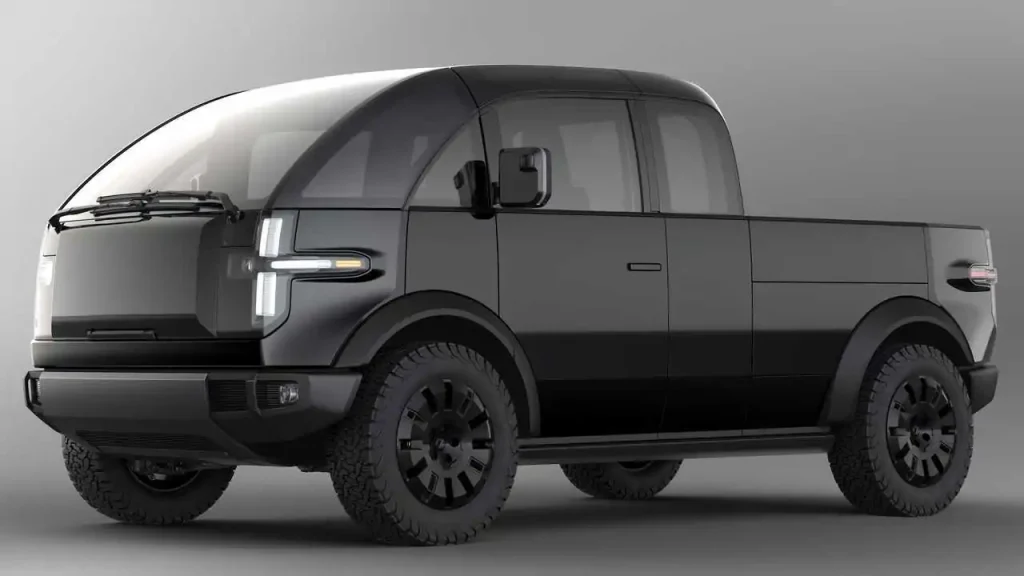
I’m really rooting for Canoo, the EV startup. I’ve been impressed by the company’s overall value proposition, as well as the vehicle’s combination of form, function, and simplicity.
I’m particularly interested in what the future could bring as platform-based EVs become more common. Once some of these platforms reach the market at significant scale, I think we could see something resembling the return of the coachbuilding era. Bespoke bodies, unconventional forms, and much more individualistic designs could become possible again.
And if you haven’t read Why We Drive by Matthew B. Crawford, I highly recommend it. The book completely changed how I think about technology, the future of driving, and the ways we interact with one another.
What’s the most exciting thing you’re working on right now?
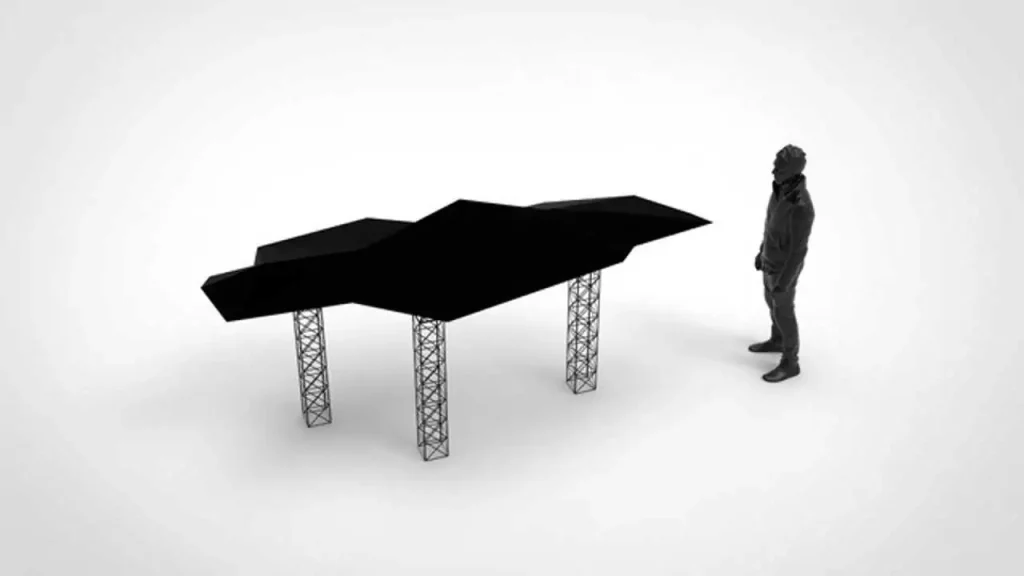
I get excited pretty easily, but right now I’m especially interested in a new sculpture series called TRANSPORT. The pieces are forms that could roughly accommodate a human being but have no obvious references to anything found on Earth. They’re transport objects that appear to come from an unknown source.
I’m planning to take what I learn from that project and apply it to a new line of furniture.
I’m also extremely excited about creating an analog off-road EV with a timeless, futurism-inspired aesthetic. There will definitely be some shifting of gears and locking of hubs along the way.
What are three interesting items that can always be found on your desk?
I’ll give you three, plus a few extras:
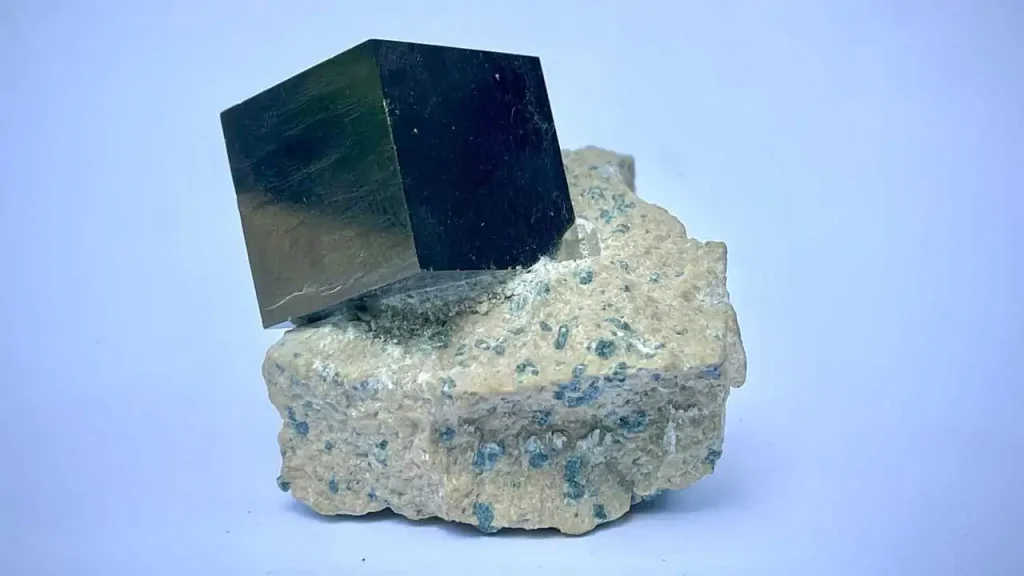
- Pyrite clusters from the Victoria Mine in Navajun, Spain. These naturally occurring cubes have remarkably straight lines, perfect 90-degree angles, and almost impossibly precise cube-like dimensions. Nature isn’t always organic.
- Moleskine notebooks. I usually have somewhere between five and 10 of them around.
- Matchbox cars. Some are from my vintage collection, while others are newer.
- Random rocks and minerals I’ve picked up during my travels.
- A dried-out smoothie cup. Somehow, there always seems to be one left over from yesterday’s breakfast.
You can see more of Joey Ruiter’s work on his Instagram account and website. If you have a suggestion for our next Five Questions subject—or think you should be the subject yourself—send your idea to .