
From next-gen EVs and hybrids to wild supercars and SUVs, these are the new vehicles worth watching.
The automotive industry is entering one of its most unpredictable periods in decades. Just a few years ago, the path forward seemed obvious: automakers would steadily replace gasoline engines with battery-electric powertrains, expand charging networks, and gradually move toward an all-EV future.
That transition is still happening—but not quite as quickly or as uniformly as expected.
High EV prices, charging concerns, changing regulations, slower adoption in some markets, and continued demand for gasoline-powered vehicles have forced automakers to rethink their strategies. Instead of choosing one technology, many manufacturers are preparing to offer a mix of electric vehicles, hybrids, plug-in hybrids, and combustion-powered models well into the next decade.
Toyota has become one of the industry’s strongest advocates for a multi-powertrain strategy. BMW is developing its next generation of EVs while continuing to invest in combustion technology. Ford has also adjusted its approach after initially making major bets on vehicles such as the Mustang Mach-E and F-150 Lightning.
For enthusiasts, there’s another reason to be excited: the internal-combustion engine isn’t disappearing overnight.
Some of the most anticipated vehicles on this list could still feature V8s, turbocharged engines, hybrid-assisted powertrains, and even manual transmissions. At the same time, EV technology is advancing rapidly, bringing unprecedented acceleration, charging speeds, range, and performance.
So what happens next?
We’ve looked ahead to the vehicles that could arrive between 2026 and 2030, separating confirmed projects from highly credible rumors and ambitious possibilities. Some are almost certain to reach production, while others depend on changing market conditions and final approval.
From revived legends to completely new nameplates, these are 50 future cars, trucks,, and SUVs worth watching.
Table of Contents
Alfa Romeo Giulia
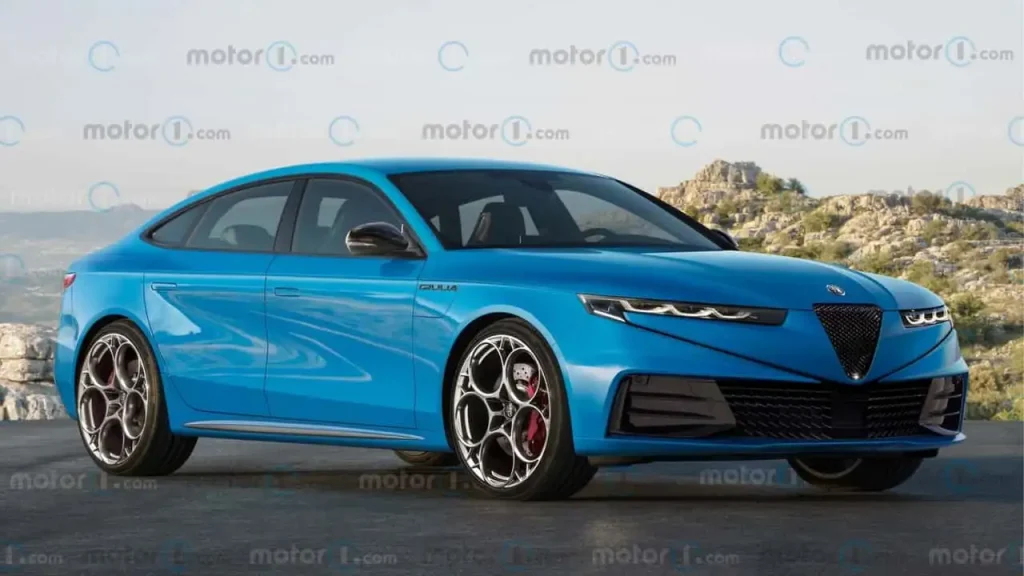
Expected arrival: 2028 — Alfa Romeo appears unwilling to give up on the Giulia—or internal combustion—just yet. The next-generation sedan was initially expected to become an EV-only model, but Alfa reportedly changed course, potentially leaving room for gasoline, hybrid, and fully electric powertrains when the current car ends production around 2027. For enthusiasts, the biggest attraction could be the survival of Alfa’s twin-turbo V6 in some form, allowing the next Giulia to preserve the spirit of the legendary Quadrifoglio.
Audi A4
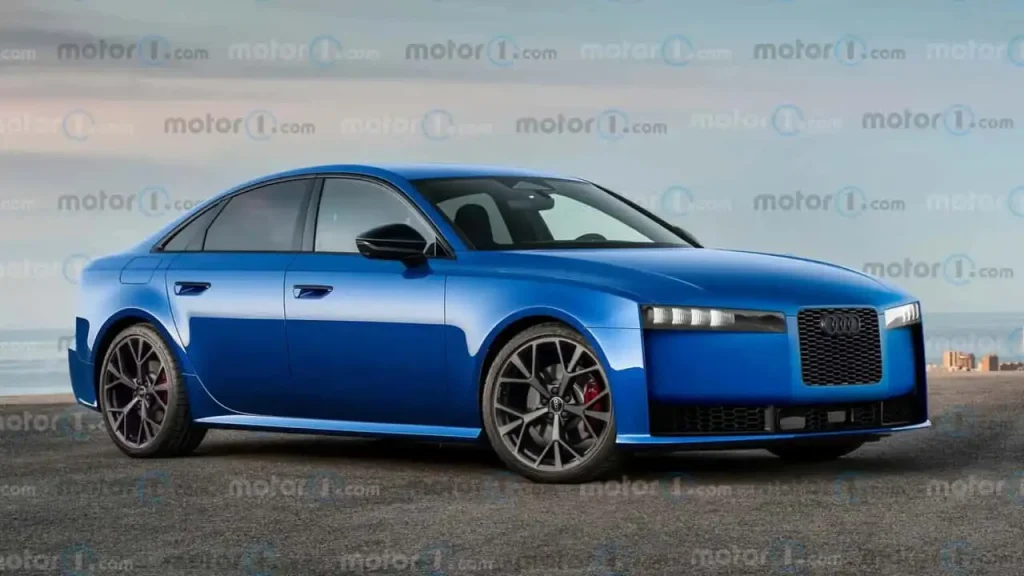
Expected arrival: 2027 — The Audi A4 may not be gone for good. With the current A4 effectively replaced by the A5, Audi could eventually bring back its smaller sedan as part of a revised lineup strategy. A future A4 could draw design inspiration from Audi’s latest concepts and potentially ride on an electric platform, giving the brand another contender in the increasingly competitive premium compact market.
Audi RS6 Avant
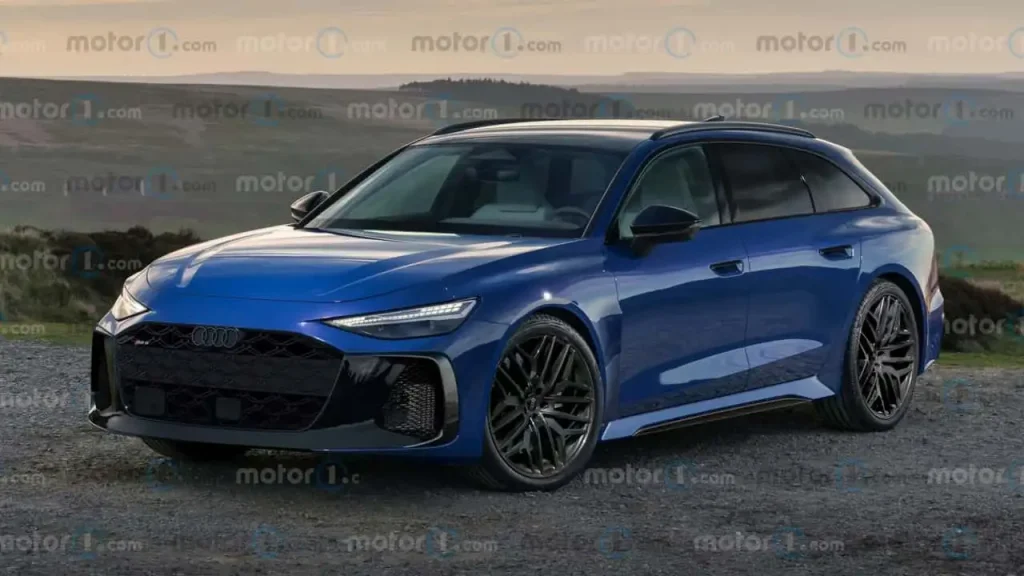
Expected arrival: 2026 — The Audi RS6 Avant has become one of Europe’s definitive performance wagons, and its next generation could push the formula even further. Rather than going fully electric, Audi is expected to pair a V8 with plug-in hybrid technology, potentially producing around 730 horsepower. That combination could make the next RS6 the most powerful version yet, delivering supercar-level acceleration without sacrificing the practicality needed for a family road trip.
Audi TT Successor
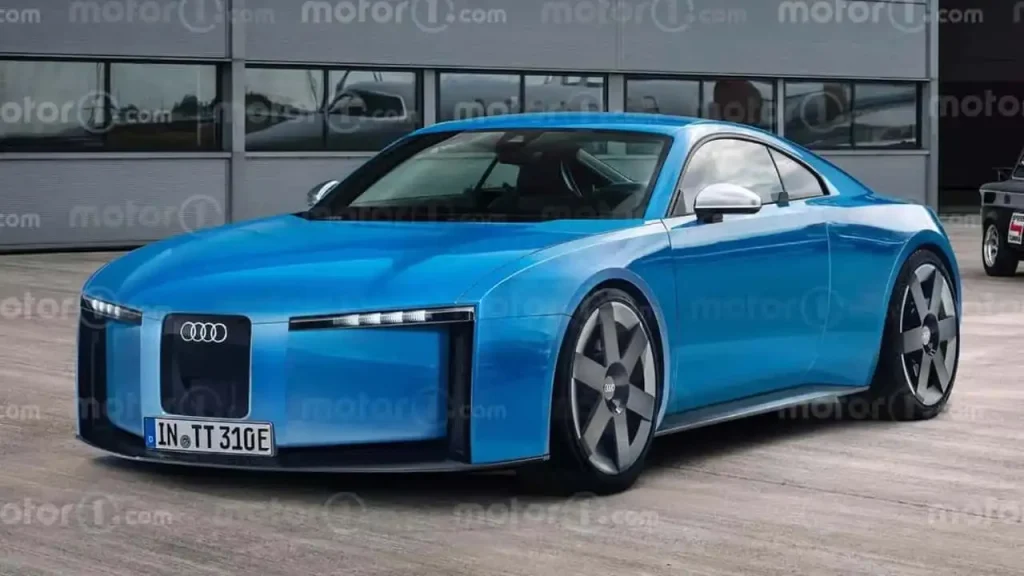
Expected arrival: 2027 — Although the Audi TT has left production, the company doesn’t appear ready to abandon the idea of a compact sports car. Audi’s Concept C offers clues about the brand’s future performance-car design, and a production model inspired by it could effectively replace the TT without using the familiar name. An electric powertrain is expected, potentially drawing technology from Porsche’s next-generation electric sports cars.
BMW M3
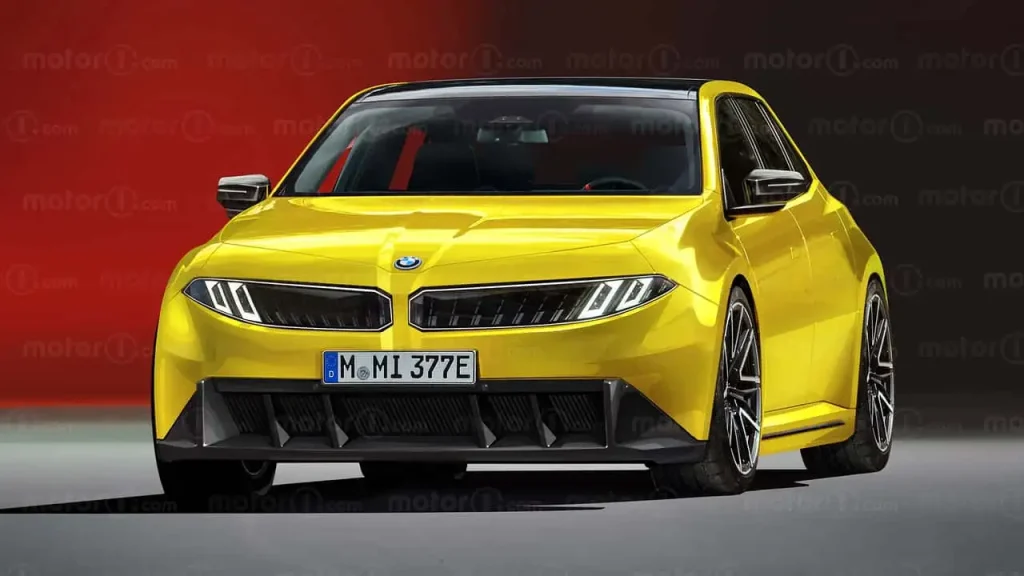
Expected arrival: 2027–2028 — The next BMW M3 could be one of the defining performance cars of the decade, with BMW reportedly preparing both electric and combustion-powered versions. The electric model could deliver roughly 700 horsepower, while the gasoline version is expected to use a new-generation combustion engine. That would give buyers an unusual choice between two very different powertrains while preserving the performance-focused character that has defined the M3 for decades.
BMW 4 Series / i4
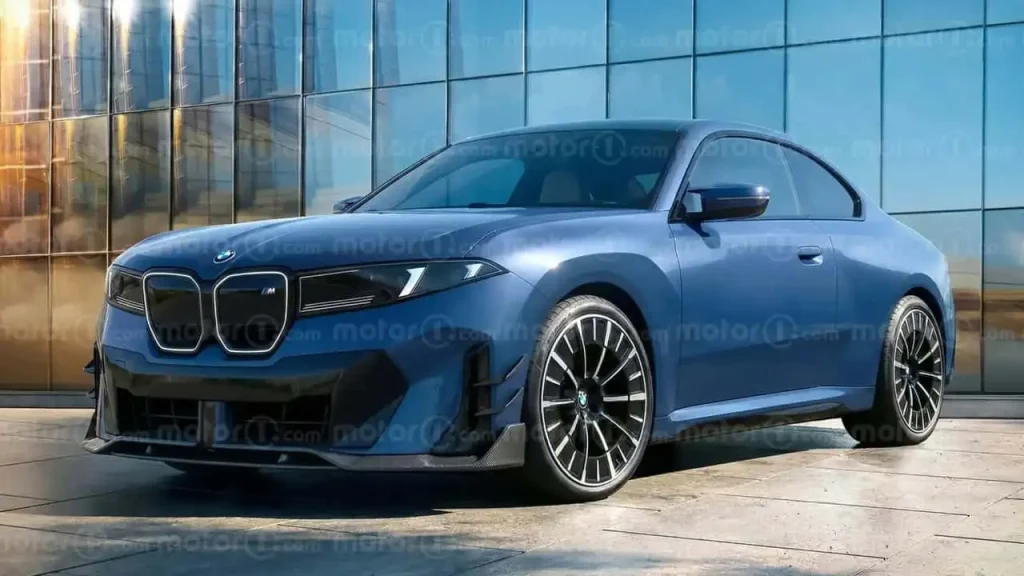
Expected arrival: Around 2030 — BMW’s Neue Klasse strategy is expected to eventually transform both the 4 Series and i4. The current i4 could disappear as BMW consolidates its electric lineup around newer platforms and styling, paving the way for a future electric 4 Series influenced heavily by the Neue Klasse design language. Greater efficiency, longer range, and substantially upgraded cabin technology should be central to the new model.
Chevrolet Camaro
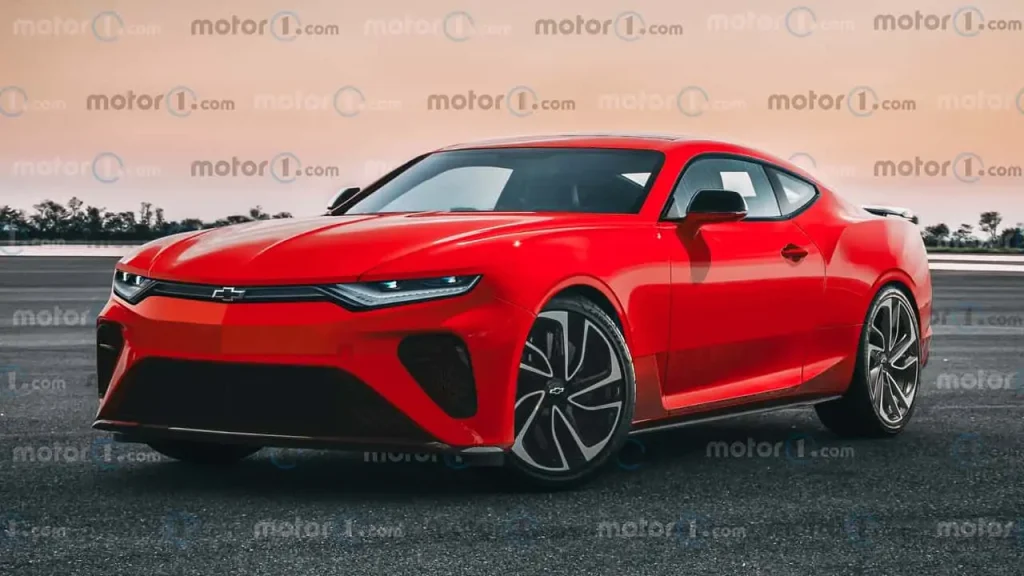
Expected arrival: 2027 — The Chevrolet Camaro could be headed back to showrooms after its recent hiatus. While Chevrolet hasn’t confirmed the details, reports suggest a future Camaro could share architecture with Cadillac’s next-generation sedans. Enthusiasts will be watching the powertrain closely, because a V8 and manual transmission would be the ideal combination for preserving the character that made the Camaro a muscle-car icon.
Chrysler 300
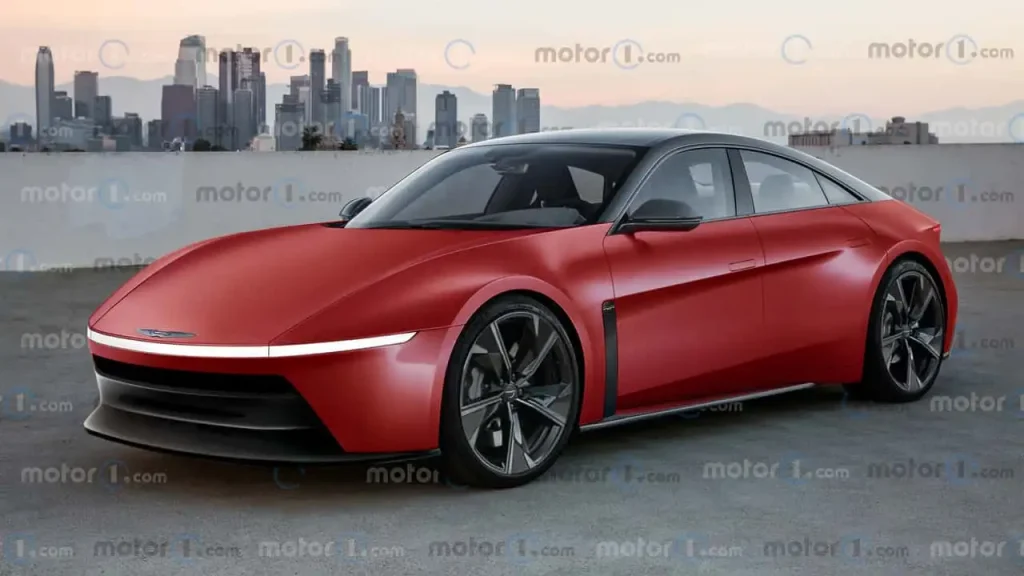
Expected arrival: 2027 — Chrysler could revive the 300 as part of a broader effort to rebuild its passenger-car lineup. The Halcyon concept demonstrated the company’s ambitions, while comments from executives have fueled speculation about future production models. A new 300 could blend traditional American proportions and sleek styling with electrified power and a more luxurious cabin, giving Chrysler a modern flagship sedan once again.
Dodge Charger V8
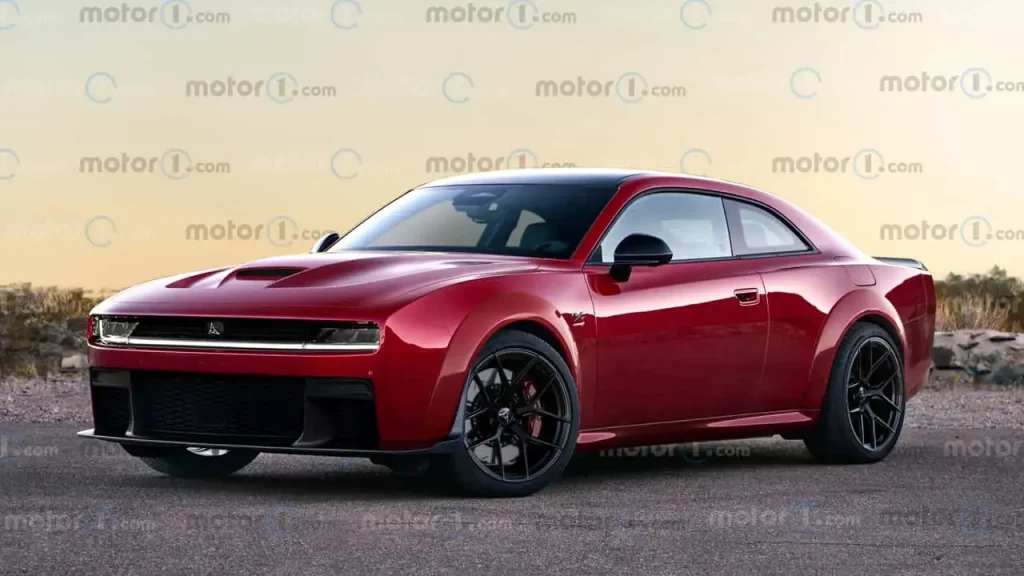
Expected arrival: 2026–2027 — Dodge may not be finished with the Hemi V8 after all. The latest Charger introduced electrification and the Hurricane inline-six, but company executives have continued to leave the possibility of a V8-powered model open. If Dodge brings back the Hemi, the result could be exactly what traditional muscle-car fans want: a modern Charger with big displacement, serious performance, and plenty of attitude.
Ford Sedan
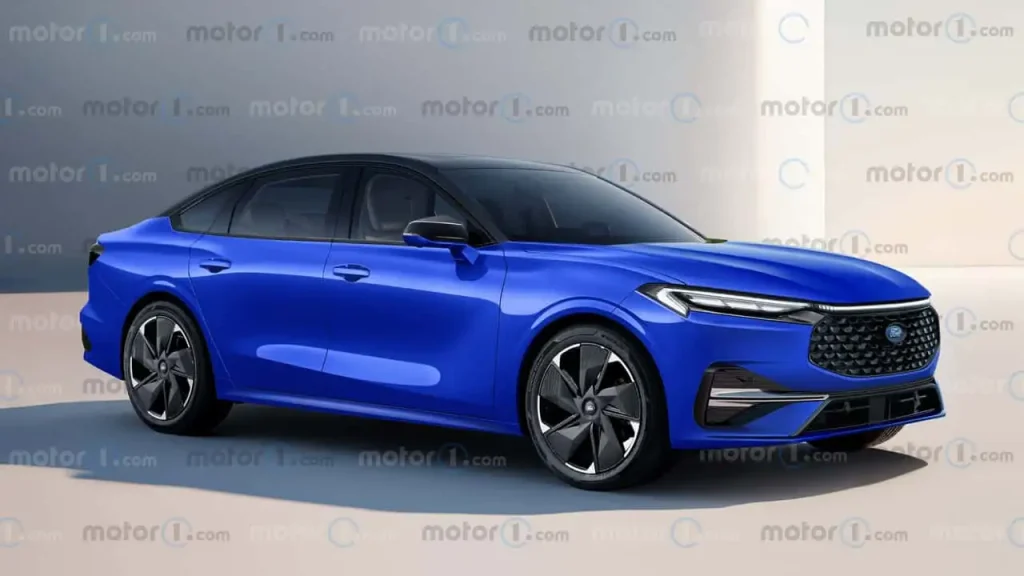
Expected arrival: Around 2030 — Ford walked away from traditional sedans years ago, but the company could eventually reconsider that decision. A future family sedan reportedly targeting a starting price near $40,000 would give Ford a conventional passenger car alongside its increasingly SUV- and truck-heavy lineup. The major question is whether American consumers will still have enough interest in sedans by the time such a model arrives.
Genesis Magma GT
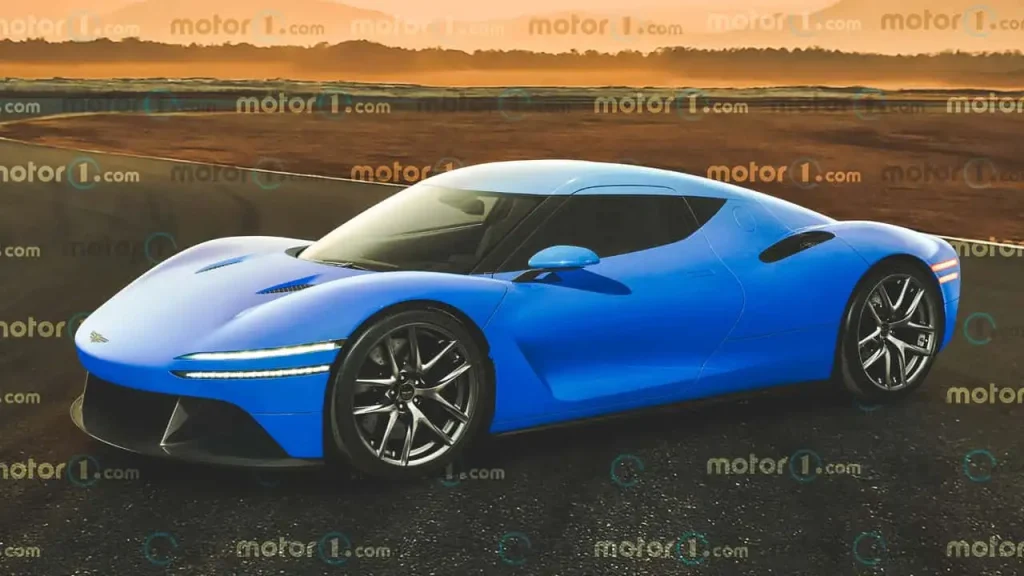
Expected arrival: Around 2027 — Genesis is working to establish a serious performance identity, and the Magma GT concept could be the centerpiece of that effort. The dramatic mid-engine sports car is expected to draw on technology associated with Genesis’ motorsport program and could potentially use a V8. If it reaches production, the Magma GT could elevate Genesis from a premium alternative to a genuine contender in the exotic-performance world.
Jaguar Type 01
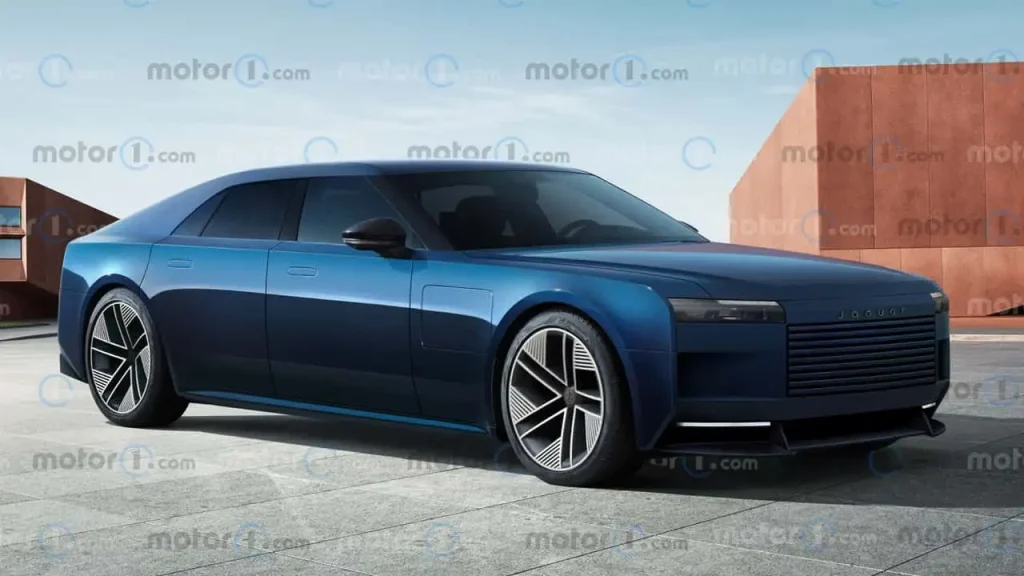
Expected arrival: 2026 — Jaguar is embarking on one of the most radical transformations in its history, and the Type 01 is expected to lead the brand into its new electric era. Jaguar is moving further upmarket and intends to compete more directly with ultra-luxury brands rather than traditional premium manufacturers. The design is likely to generate plenty of debate, but the Type 01 clearly signals that Jaguar is willing to take major risks with its future.
Lamborghini Temerario Sterrato
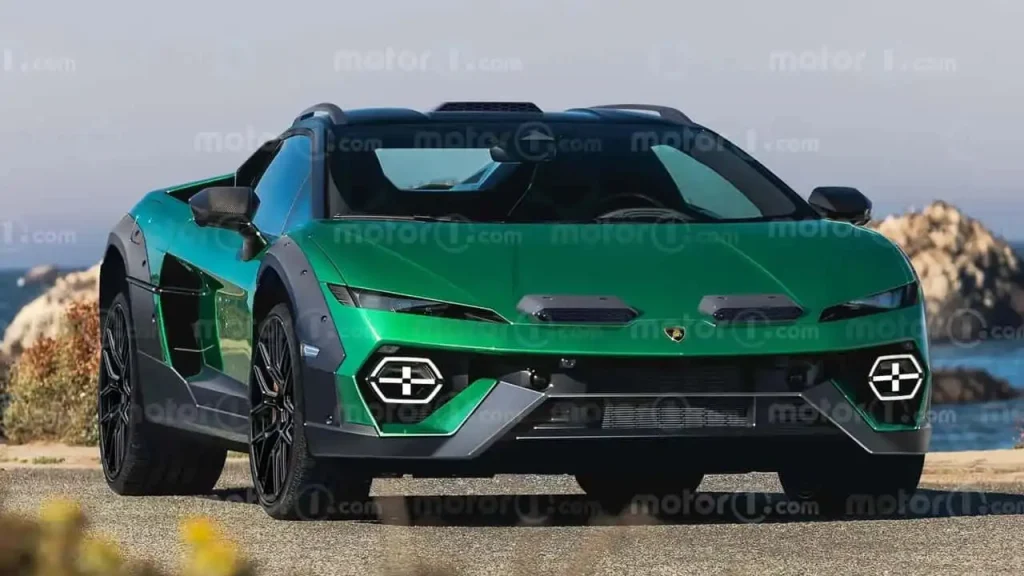
Expected arrival: Around 2030 — The Huracán Sterrato demonstrated that buyers are willing to spend exotic-car money on something designed to venture beyond smooth pavement, and Lamborghini could repeat the formula with the Temerario. A future Sterrato would likely receive extra ground clearance, rugged bodywork, specialized suspension, and off-road tires while retaining the Temerario’s V8 hybrid powertrain. It would be an absurd combination, but that is precisely what could make it so appealing.
Lotus Type 135
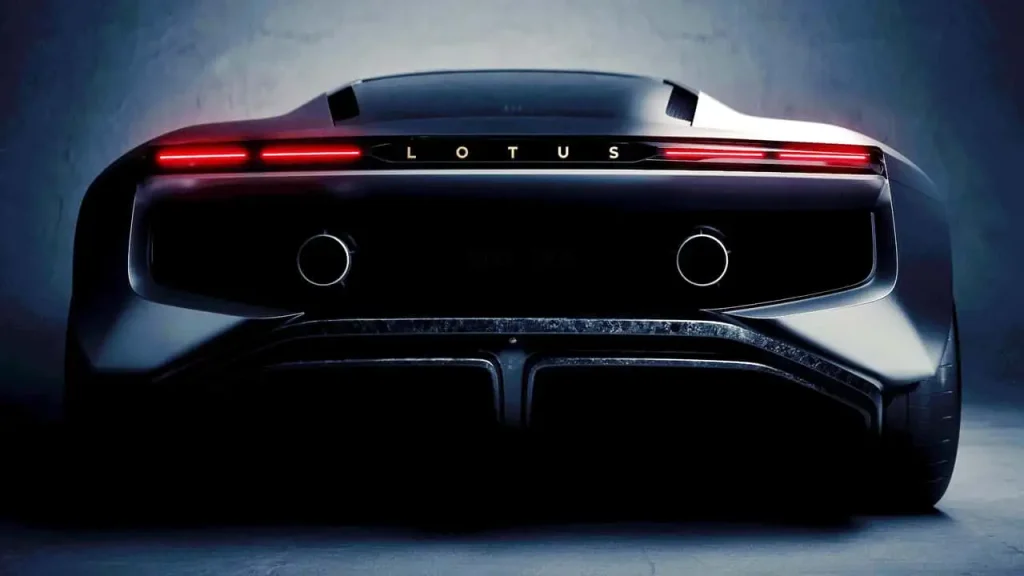
Expected arrival: 2028 — Lotus has long built its reputation around lightweight sports cars, although the company’s future is becoming increasingly complex. The rumored Type 135 could become a new flagship performance model, combining Lotus’ traditional focus on low weight with a high-output powertrain. If engineers can prevent it from becoming excessively heavy, the Type 135 could provide a compelling alternative to the increasingly massive performance EVs entering the market.
Infiniti Manual Sports Sedan
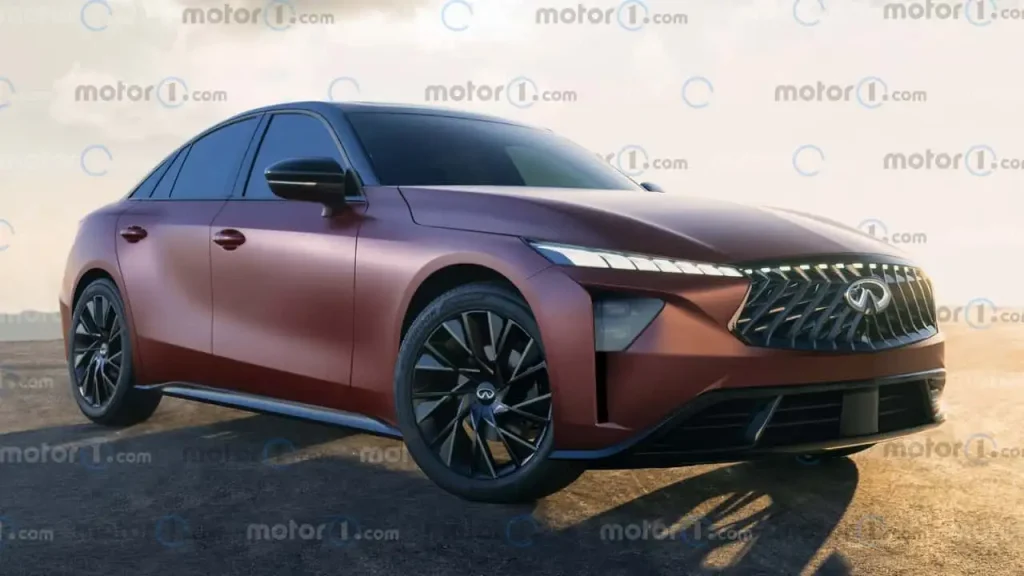
Expected arrival: 2027 — Infiniti could surprise the industry with a rear-wheel-drive sports sedan equipped with a manual transmission. The model could borrow hardware from the Nissan Z, including its twin-turbocharged V6, while adding the practicality of four doors. For enthusiasts, a modern Japanese luxury sedan with three pedals would be a rare and welcome combination in an increasingly automatic and electrified market.
Mazda Rotary Sports Car
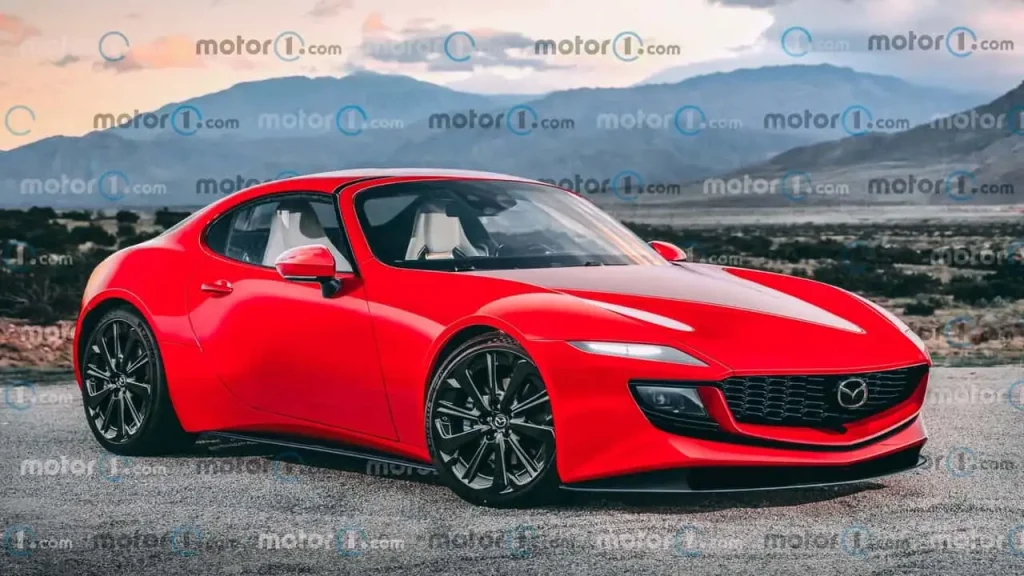
Expected arrival: 2026–2027 — Few potential new cars generate as much excitement as Mazda’s rumored rotary revival. The Iconic SP concept offered a compelling preview of a modern rotary-powered sports car, with the compact engine potentially serving as a range extender rather than directly driving the wheels. If Mazda turns the concept into a production model, the resulting coupe could stand out as one of the most distinctive sports cars of its generation.
Mercedes-AMG CLE 63 Black Series
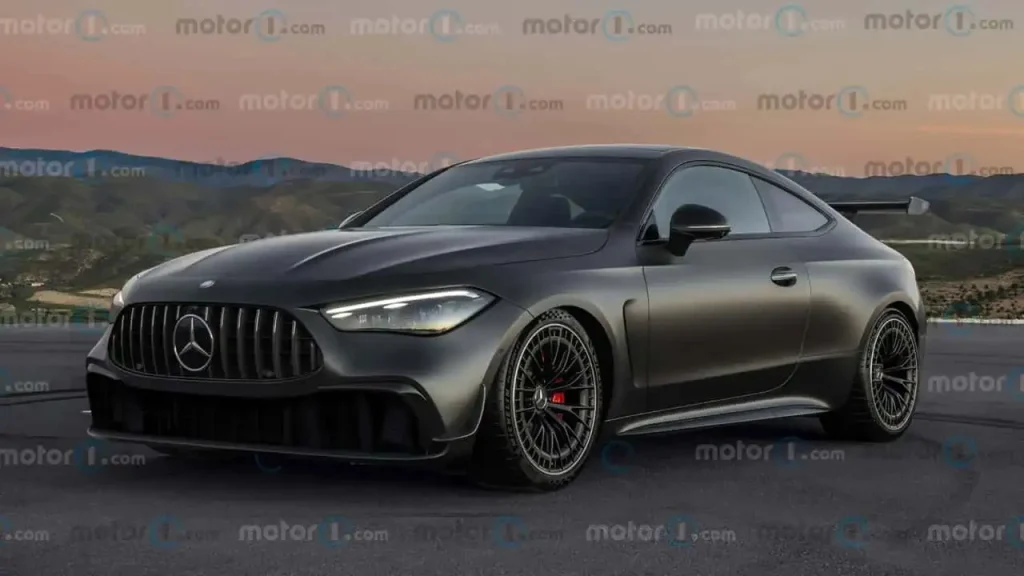
Expected arrival: 2026 — Mercedes-AMG appears to be reconsidering some of its earlier electrification plans, potentially paving the way for a new CLE 63 Black Series powered by a twin-turbocharged V8. Output could approach 650 horsepower, while extremely limited production would likely make the car highly desirable to collectors. If the rumors prove accurate, it could become one of AMG’s most sought-after modern performance cars almost immediately.
Mercedes-Benz S-Class EV
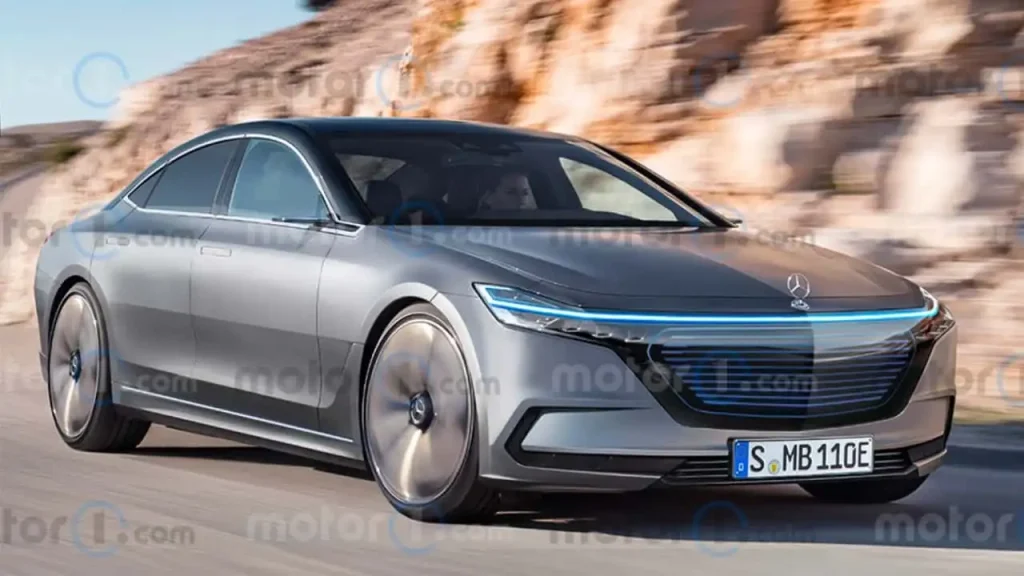
Expected arrival: 2029–2030 — Mercedes-Benz is reshaping its EV strategy and moving away from treating EQ as a completely separate identity, with the next-generation S-Class eventually expected to gain a dedicated electric variant. The flagship EV should combine quiet, effortless performance with long range, rapid charging, and an exceptionally technology-heavy cabin. As with every S-Class, advanced driver assistance and cutting-edge interior features will be major selling points.
Nissan R36 GT-R
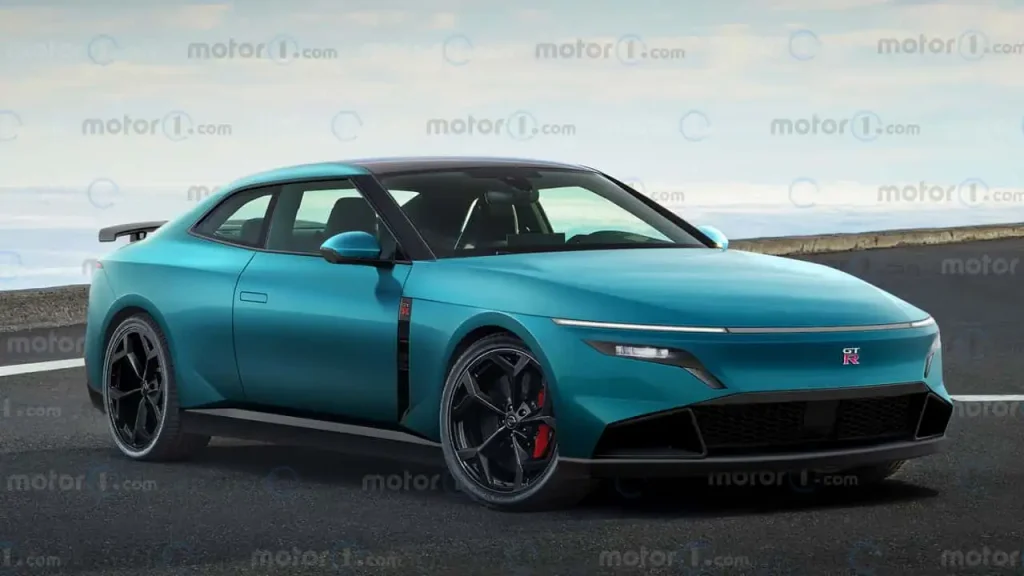
Expected arrival: TBD — The Nissan GT-R isn’t finished yet, even though the company has revealed few details about its replacement. Nissan has confirmed that successor development is underway, with expectations pointing toward a powertrain that retains an internal-combustion component rather than going fully electric. A twin-turbocharged V6 paired with hybrid assistance could give the R36 the performance needed to carry the legendary nameplate into a new era.
Nissan Silvia
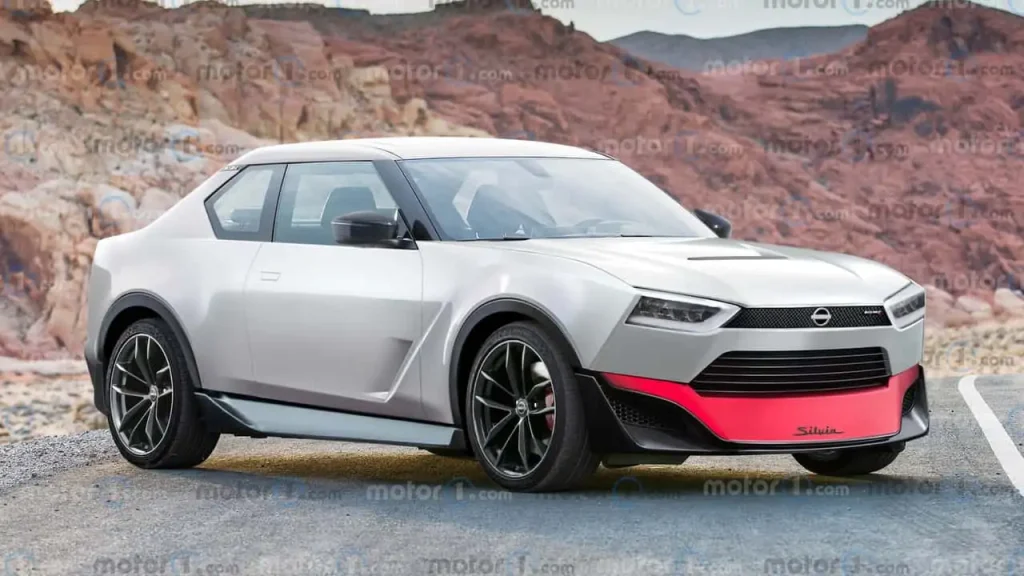
Expected arrival: TBD — Nissan has openly discussed the possibility of bringing back the Silvia, potentially as a lightweight rear-wheel-drive sports coupe positioned beneath the Z. A modern Silvia could revive the formula that made the original such a favorite among enthusiasts while providing Nissan with a more accessible performance model. If priced appropriately, it could become one of the most appealing affordable sports cars on the market.
Nissan Skyline
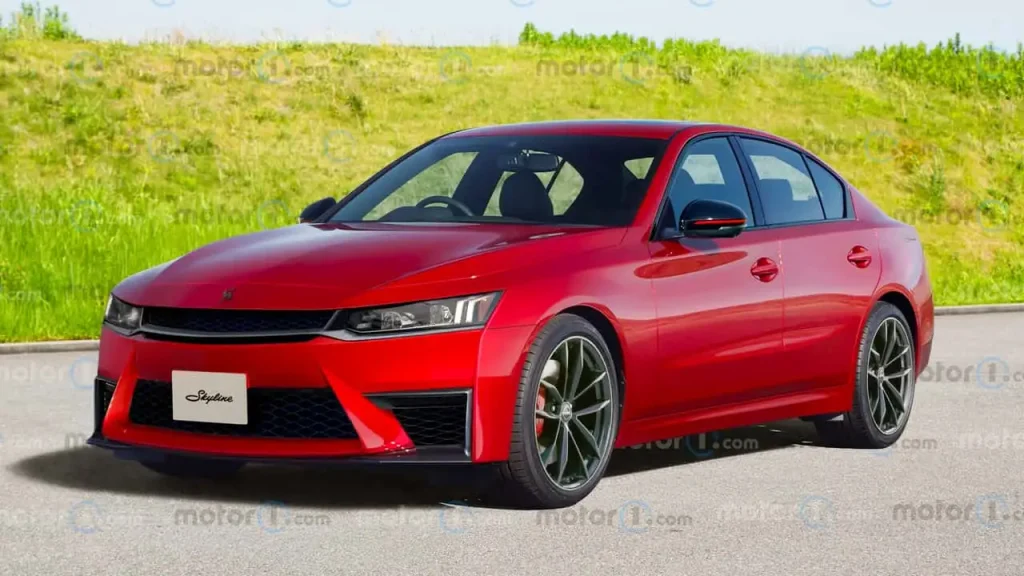
Expected arrival: Around 2027 — The Skyline name could live on as a performance-oriented sedan in Japan, potentially sharing technology with Infiniti’s rumored sports sedan. A future model could deliver more power while, remarkably, retaining the option of a manual transmission. That combination would make the Skyline an interesting meeting point between traditional Japanese performance and modern automotive technology.
Polestar 6
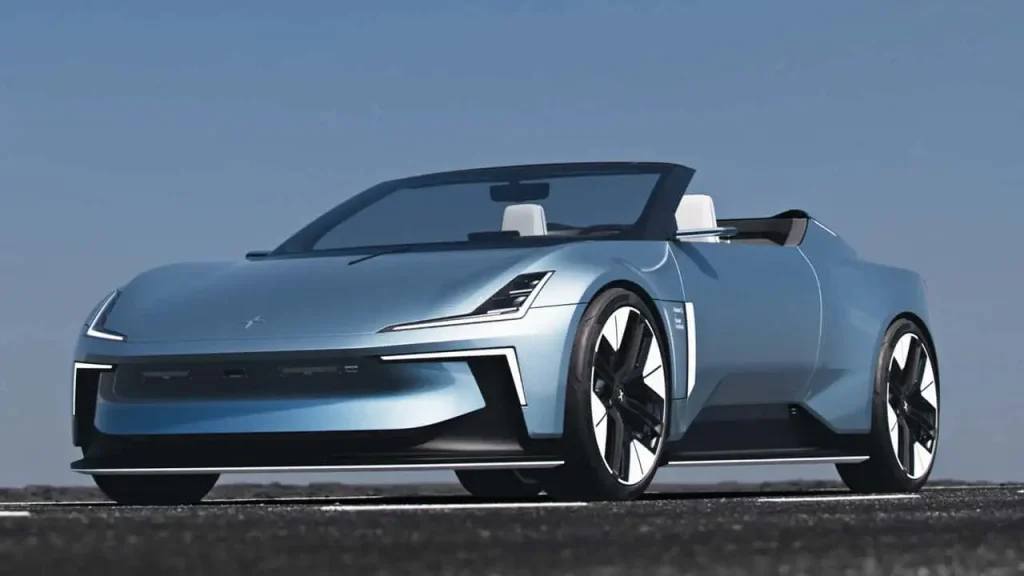
Expected arrival: 2026 — Polestar’s striking O2 concept is moving toward production as the Polestar 6, an electric roadster expected to produce more than 800 horsepower. That level of output would place it firmly among high-performance electric sports cars, giving Polestar a technological flagship and a serious halo model. Its dramatic styling could also make it one of the most distinctive electric convertibles on the road.
Porsche 718 Boxster / Cayman EV
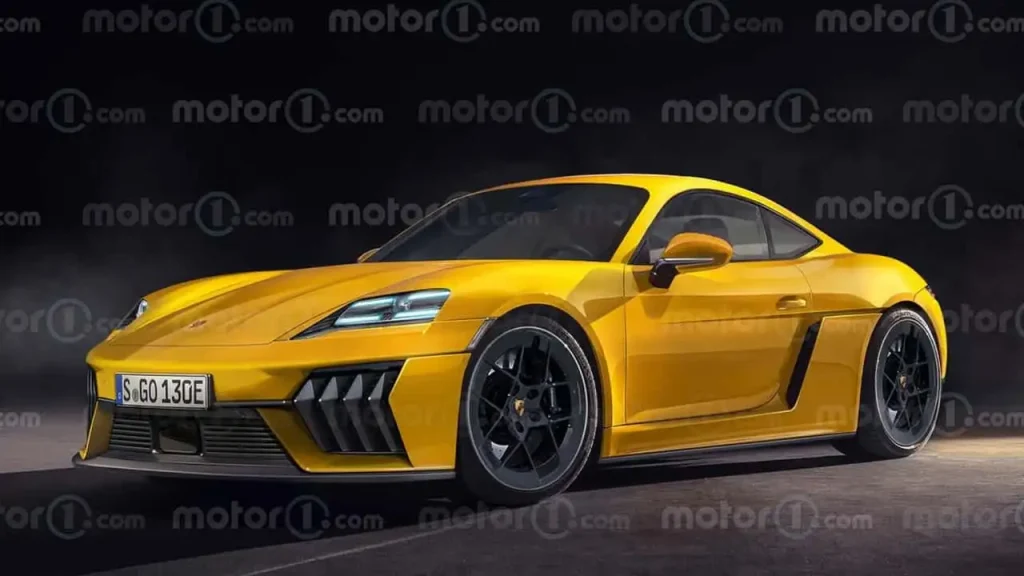
Expected arrival: 2026 — Porsche is taking a major gamble by transitioning the next Boxster and Cayman to electric power, but the company intends to preserve the low-slung proportions and driver-focused handling that define the 718 family. An 800-volt electrical architecture and rapid charging should help address some of the concerns traditional sports-car buyers may have about switching to EVs. The real test will be whether Porsche can make these electric cars feel as engaging as their gasoline predecessors.
Porsche Hypercar
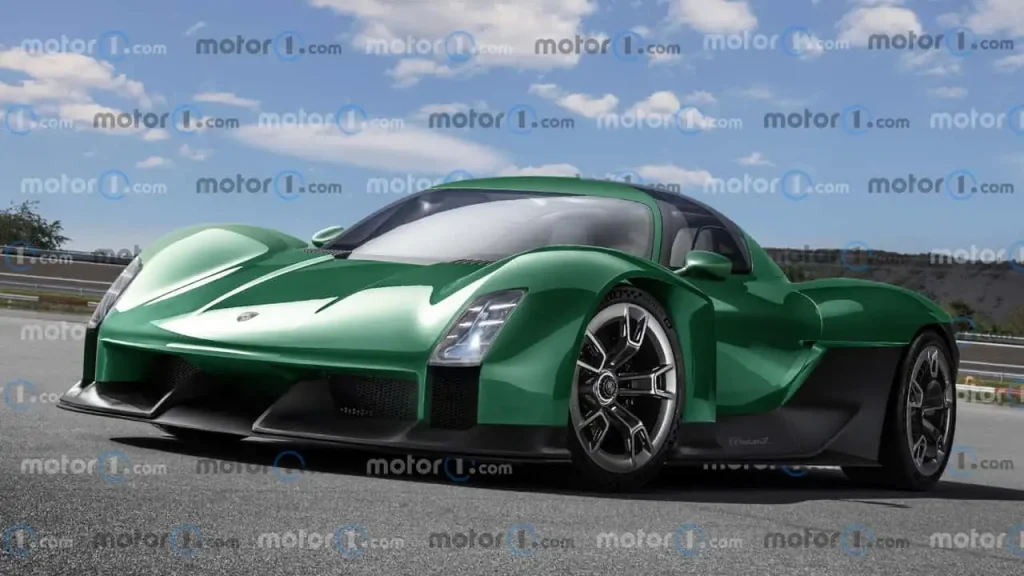
Expected arrival: 2026 — Porsche’s Mission X concept could serve as the foundation for a spectacular new hypercar, with rumors suggesting a three-motor electric setup producing roughly 1,700 horsepower. A hybrid configuration has also been discussed, although Porsche has not confirmed the final formula. Whatever reaches production is likely to be extremely exclusive, with limited numbers and a price potentially exceeding $2 million.
Rivian R3X
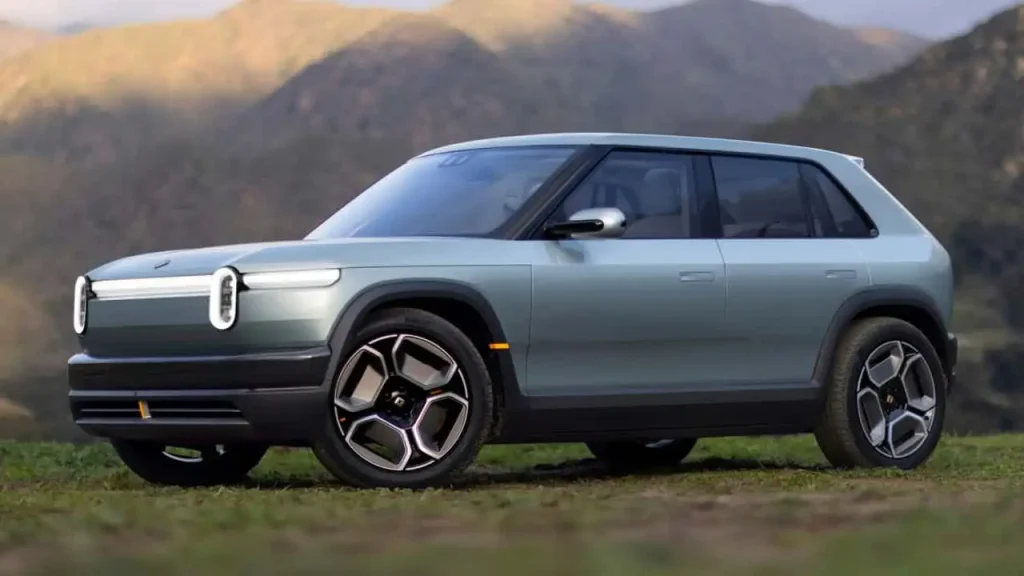
Expected arrival: 2028 — The R3X could become an important model for Rivian by bringing the company’s adventure-focused identity to a smaller and more accessible vehicle. Based on the compact R3 platform, the performance-oriented R3X should combine a relatively small footprint with rugged styling and strong electric performance. It could give Rivian a compelling entry point for buyers who like the R1T and R1S but want something smaller and more affordable.
Tesla Model 2
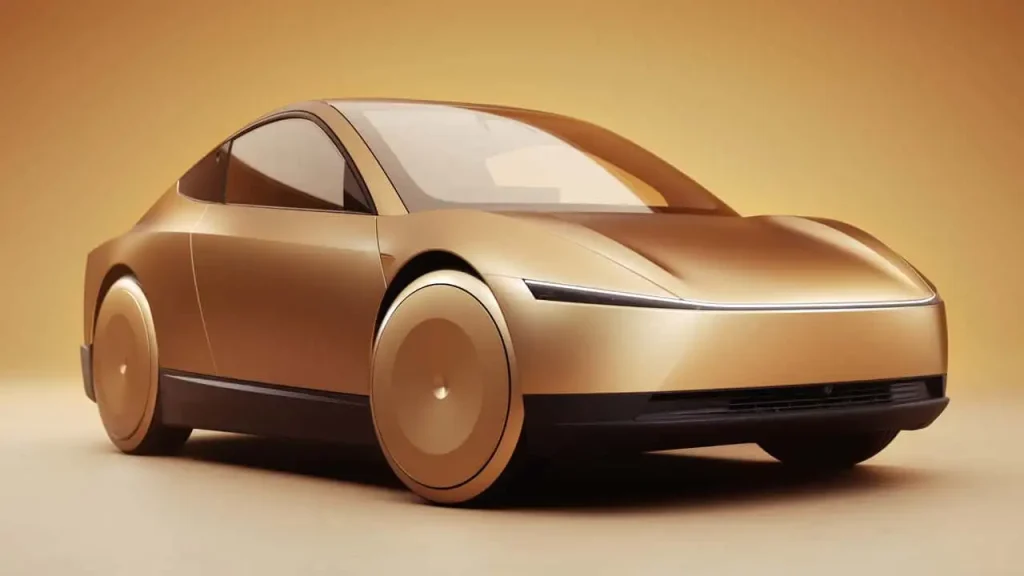
Expected arrival: Around 2027 — Tesla’s rumored affordable compact EV has been discussed for years, but a vehicle approaching the $25,000 mark could have a major impact on the market if the company actually delivers it. A smaller and less expensive Tesla would allow the automaker to compete more directly with popular compact cars while potentially bringing EV ownership to a much wider audience. The lingering issue, however, is whether Tesla can turn years of speculation into a production car on schedule.
Tesla Roadster
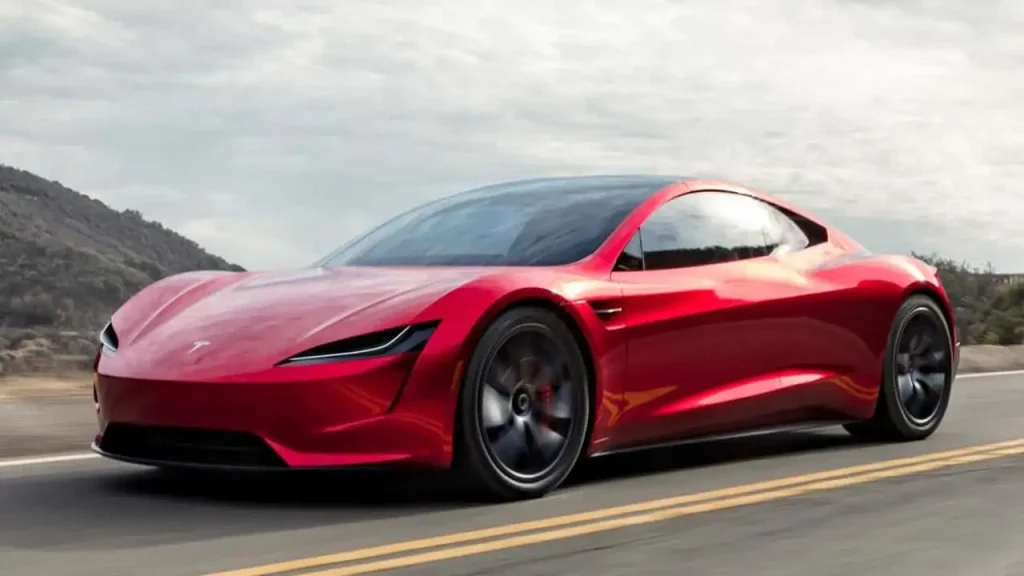
Expected arrival: 2026 — Tesla’s second-generation Roadster has become one of the industry’s longest-running promises, with the company claiming extraordinary acceleration and a top speed above 250 mph. If those figures are achieved, the Roadster could rank among the fastest production cars ever built. After years of delays, though, the most important question isn’t performance—it’s when customers will finally be able to take delivery.
Toyota Celica
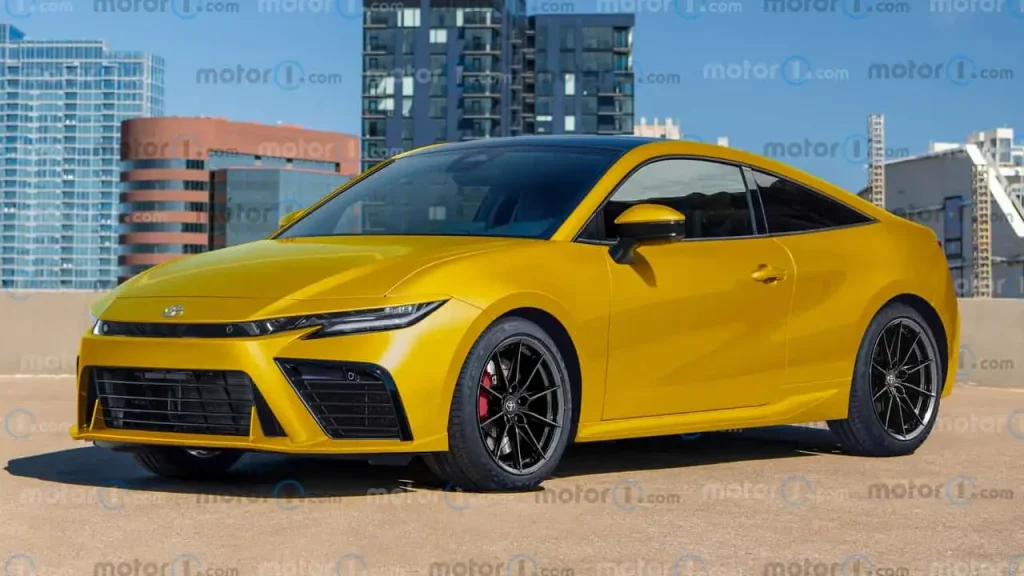
Expected arrival: Around 2028 — Toyota could bring back the Celica in one of the most anticipated Japanese performance-car revivals in years. The automaker has repeatedly hinted at the legendary nameplate’s return, with reports suggesting a GR version could combine a turbocharged engine with all-wheel drive. If Toyota keeps the new Celica reasonably affordable, it could quickly become a favorite among a new generation of enthusiasts.
Yugo
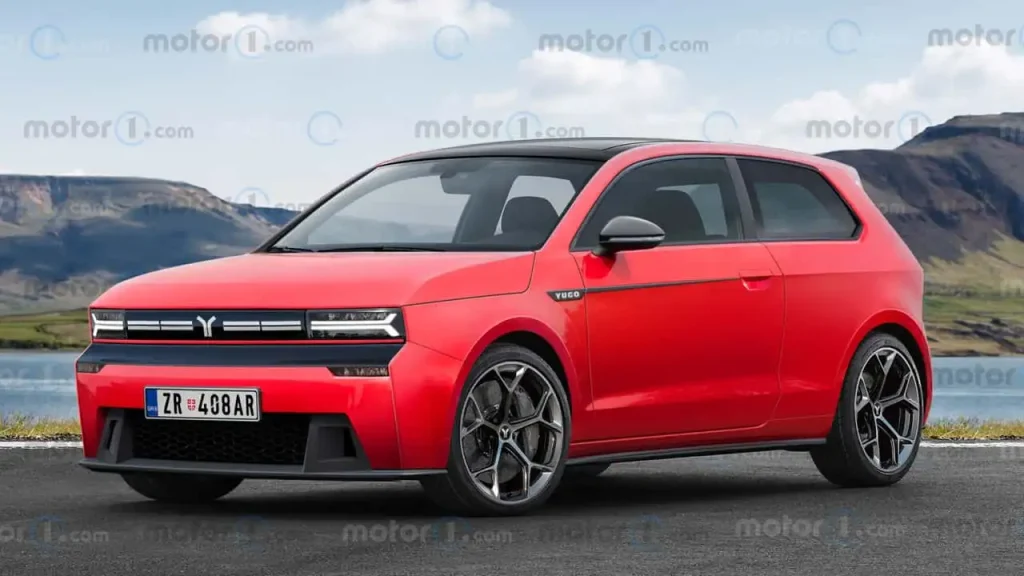
Expected arrival: 2027 — The Yugo could make one of the strangest automotive comebacks of the decade. The infamous Eastern European brand is reportedly being revived with plans for a modern five-door hatchback aimed primarily at European buyers. It is unlikely to return to the U.S. market, but simply seeing the Yugo name on a new car after decades away would be a remarkable automotive story.
Ford $30,000 Electric Truck
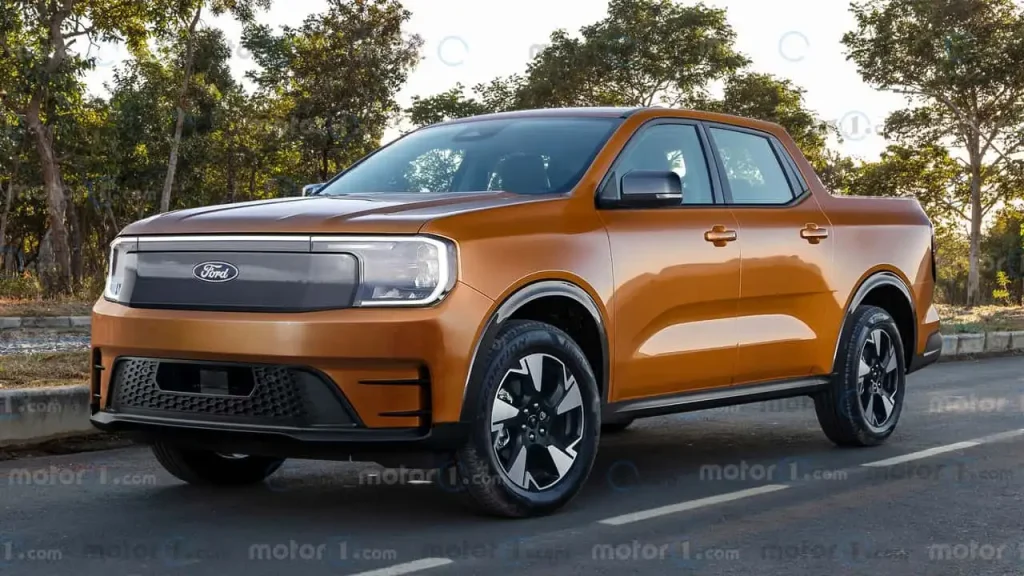
Expected arrival: 2027 — Ford is developing an affordable electric pickup intended to bring EV technology to buyers who can’t—or don’t want to—spend luxury-car money on an electric truck. With a target price below $30,000, it could become one of the most significant EVs on the market if Ford manages to control production costs. Instead of emphasizing premium features, the truck is expected to focus on practicality, utility, and affordability.
Ram Dakota
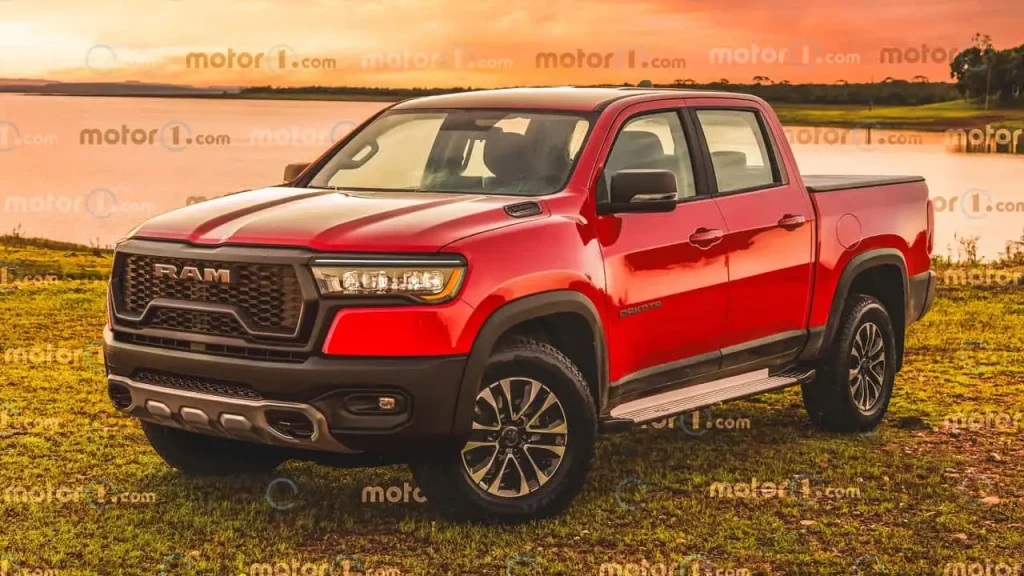
Expected arrival: 2028 — Ram could finally return to the midsize pickup segment with a new Dakota designed to challenge the Ford Ranger, Toyota Tacoma, Chevrolet Colorado, and GMC Canyon. A body-on-frame platform and six-cylinder power would give it the traditional mechanical foundation buyers expect, while Ram’s upscale interiors could help distinguish it from its rivals. The Dakota could fill an important gap in Ram’s current truck lineup.
Scout Terra
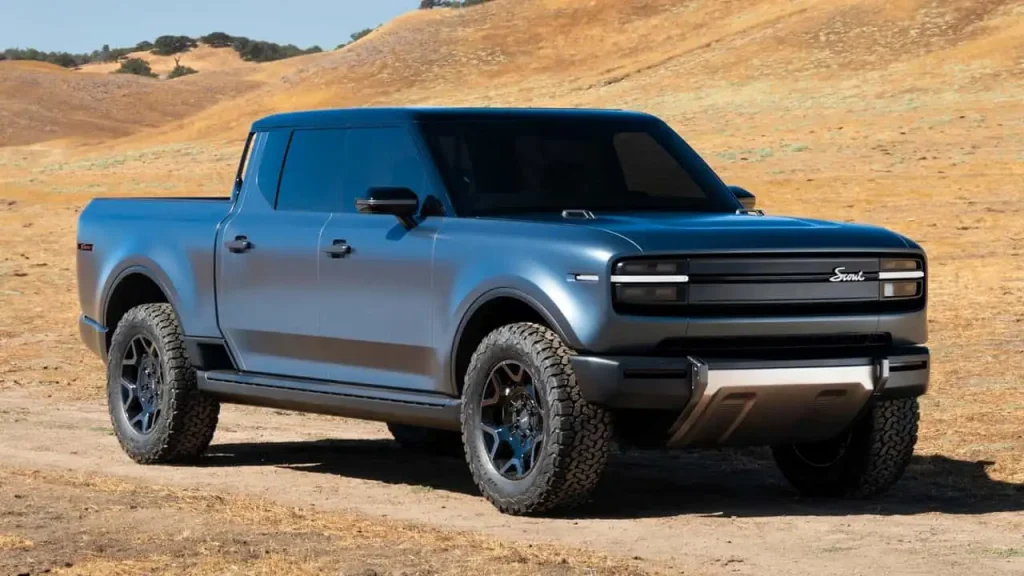
Expected arrival: Around 2030 — The Scout Terra is shaping up to be one of the most interesting new adventure pickups, combining classic rugged styling with modern electric technology. Scout also plans a range-extender configuration that could make long-distance travel and towing easier for buyers concerned about charging infrastructure. With more than 100,000 reported reservations, the Terra has already attracted substantial interest before production begins.
Toyota Small Truck
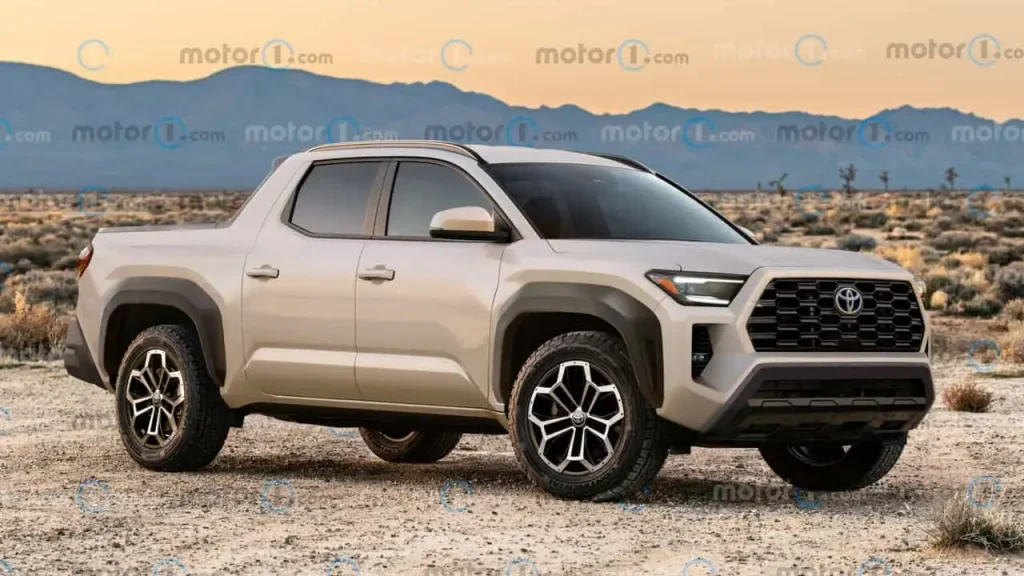
Expected arrival: 2027 — Toyota is reportedly preparing a compact pickup to challenge vehicles such as the Ford Maverick, potentially using a unibody platform derived from its existing crossover architecture. Hybrid power and strong fuel economy could be major selling points, while a relatively low price would make it appealing to urban buyers who want the utility of a truck bed without the bulk of a full-size pickup. It could give Toyota a significant new presence in the compact-truck market.
Toyota Tundra TRD Hammer
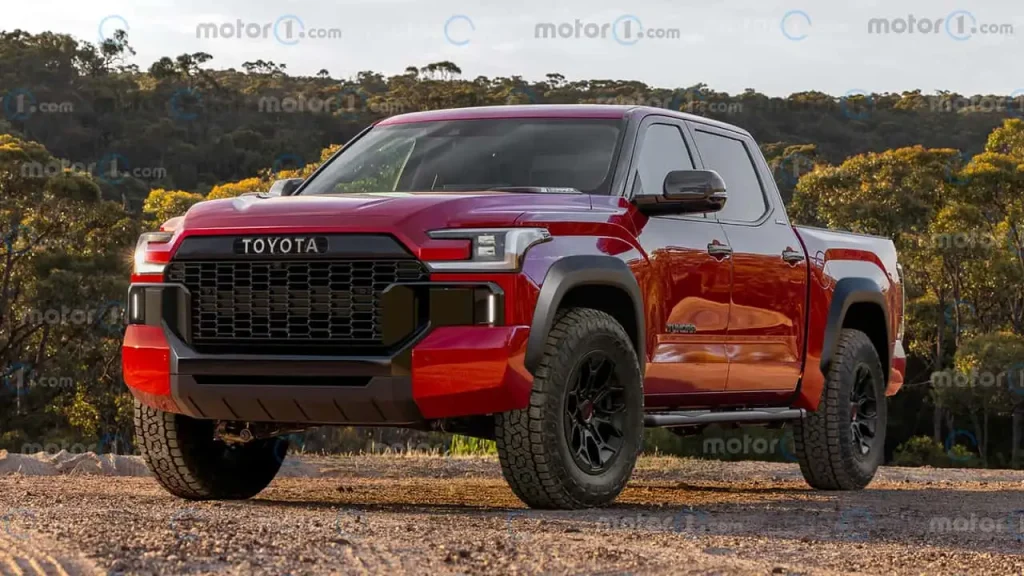
Expected arrival: Around 2027 — Toyota could be preparing a high-performance off-road truck aimed directly at the Ford F-150 Raptor and similar models. The rumored Tundra TRD Hammer could feature massive tires, long-travel suspension, widened bodywork, and a more powerful engine designed for high-speed desert driving. If Toyota builds it, the Hammer could become the ultimate performance-oriented version of the Tundra.
Alfa Romeo Stelvio
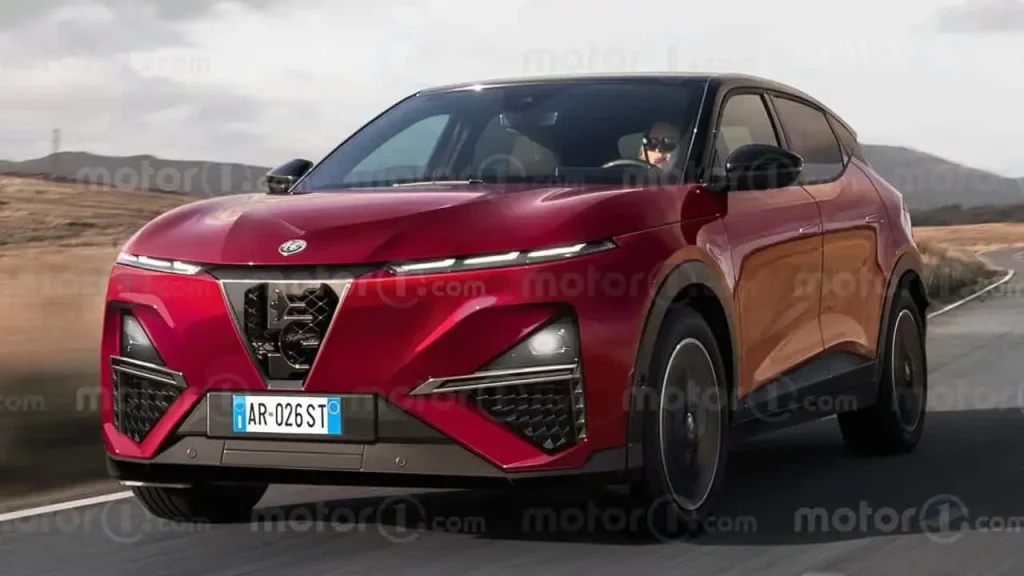
Expected arrival: 2028 — The next Alfa Romeo Stelvio is expected to follow a strategy similar to the upcoming Giulia, potentially offering gasoline, hybrid, and fully electric powertrains rather than committing exclusively to EVs. That flexibility could help Alfa appeal to buyers with different levels of electrification readiness, while distinctive Italian styling and sporty handling should remain central to the Stelvio’s identity.
Bentley Electric SUV
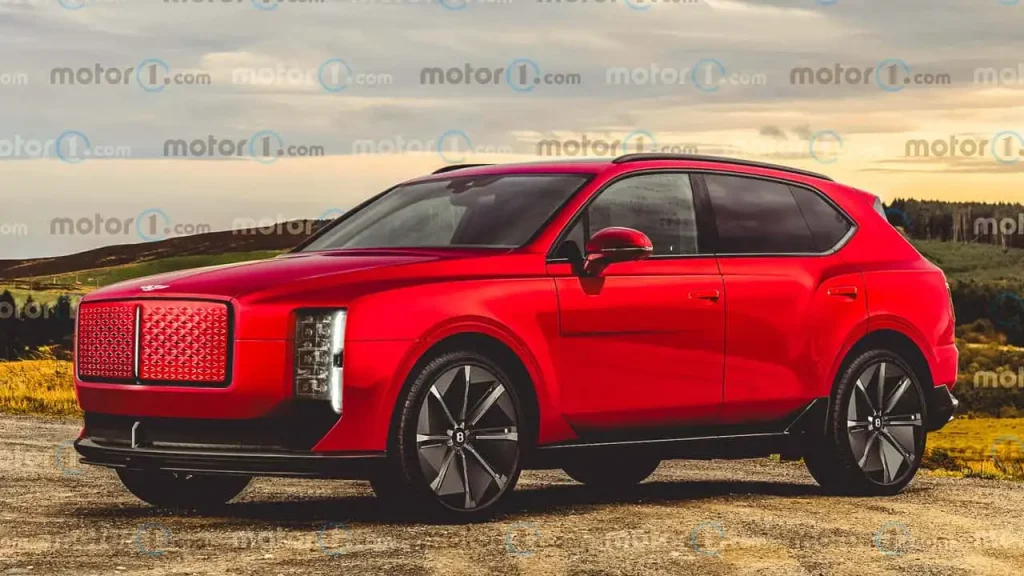
Expected arrival: 2026 — Bentley’s first fully electric model is expected to be a smaller luxury SUV positioned below the brand’s existing offerings. A driving range of roughly 350 to 400 miles has been suggested, along with extremely rapid charging, but Bentley’s priorities will extend well beyond electric performance. The SUV will need to deliver the craftsmanship, comfort, and attention to detail expected from one of the world’s most prestigious luxury brands.
BMW X5 / iX5
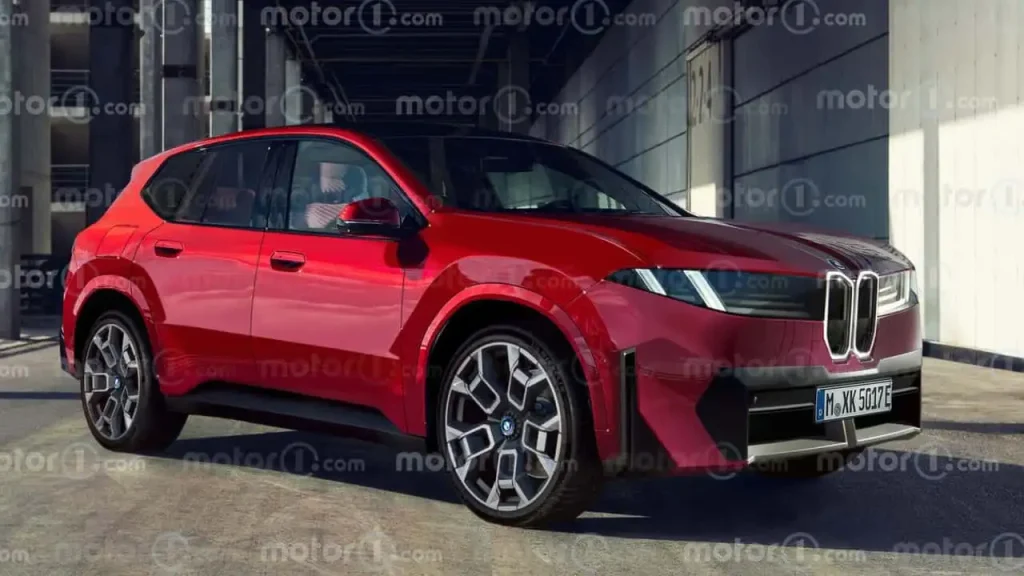
Expected arrival: 2026 — The next BMW X5 is expected to undergo a major redesign that could bring gasoline, hybrid, and electric versions closer together under a common architecture. The electric iX5 should benefit from BMW’s Neue Klasse technology, including improvements in range, efficiency, charging speed, software, and interior electronics. That approach could make the X5 family one of BMW’s most important bridges between traditional and electric power.
BMW X7
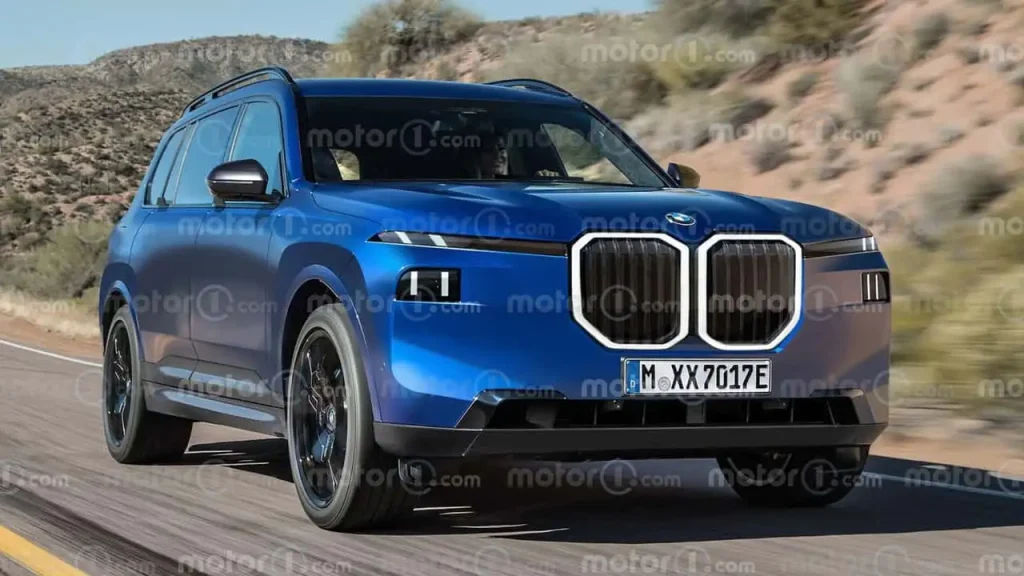
Expected arrival: 2027 — BMW’s largest SUV is expected to receive another major update, bringing refreshed styling, newer infotainment technology, and potentially additional electrification. The X7 should continue serving buyers who want three rows of premium space without committing to a fully electric vehicle. As BMW expands its luxury SUV lineup, the X7 will remain an important flagship for the brand.
Dodge Durango
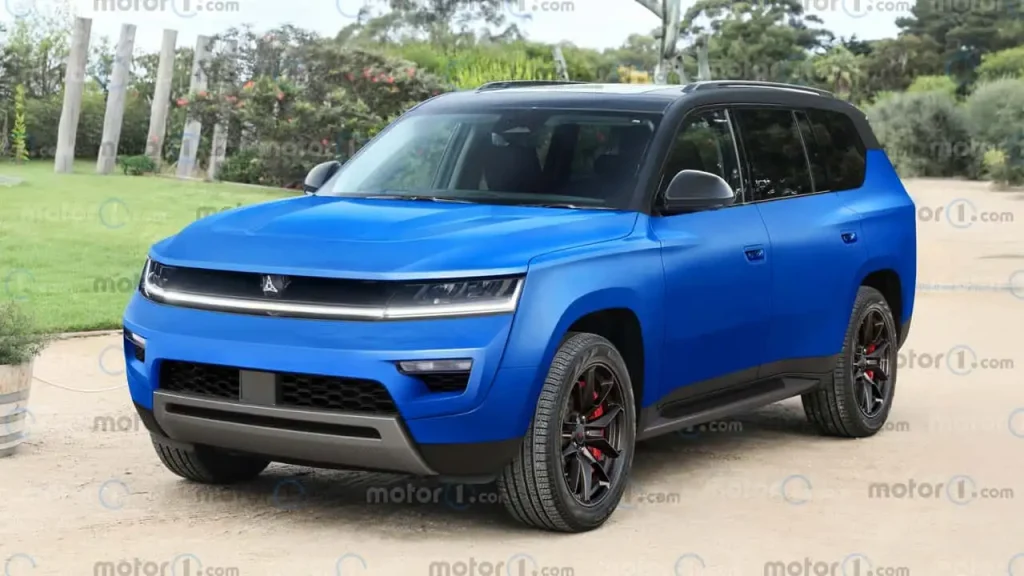
Expected arrival: 2029 — The Dodge Durango has had an unusually long run, but the company appears reluctant to retire its performance-oriented three-row SUV. A replacement could move to a more modern platform and potentially use the Hurricane inline-six, while a V8 could remain part of the lineup. That would allow Dodge to preserve the Durango’s unusual combination of family-friendly space and muscle-car attitude.
Ferrari Luce
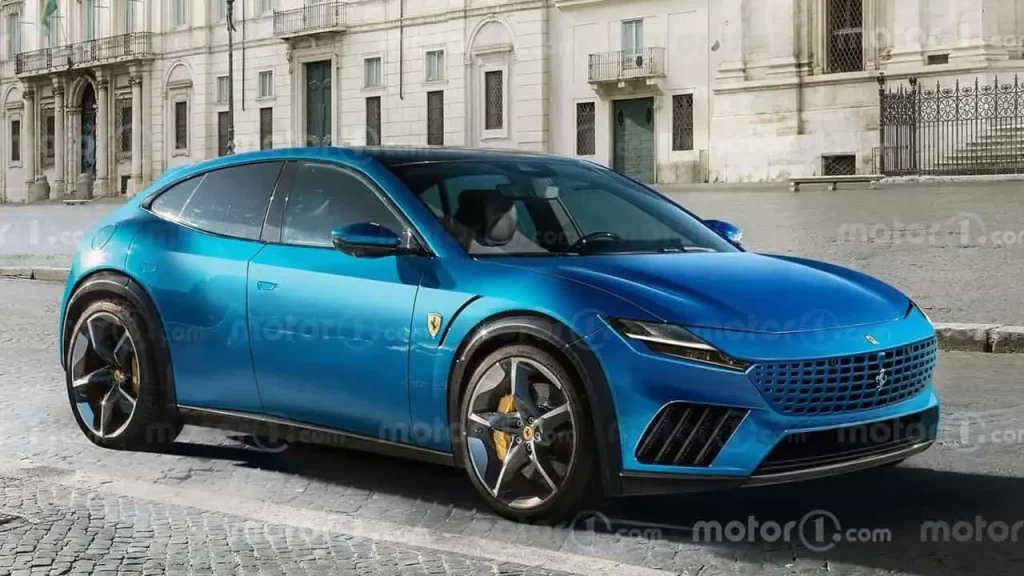
Expected arrival: 2026 — Ferrari’s first fully electric production model will mark a major turning point for the company. Reports suggest the Luce could use an 800-volt electrical system and deliver enormous power, but Ferrari’s greater challenge will be making an EV feel unmistakably like a Ferrari. The company’s approach to sound, response, handling, and driver engagement could ultimately matter more than the raw performance numbers.
Genesis G-Class Rival
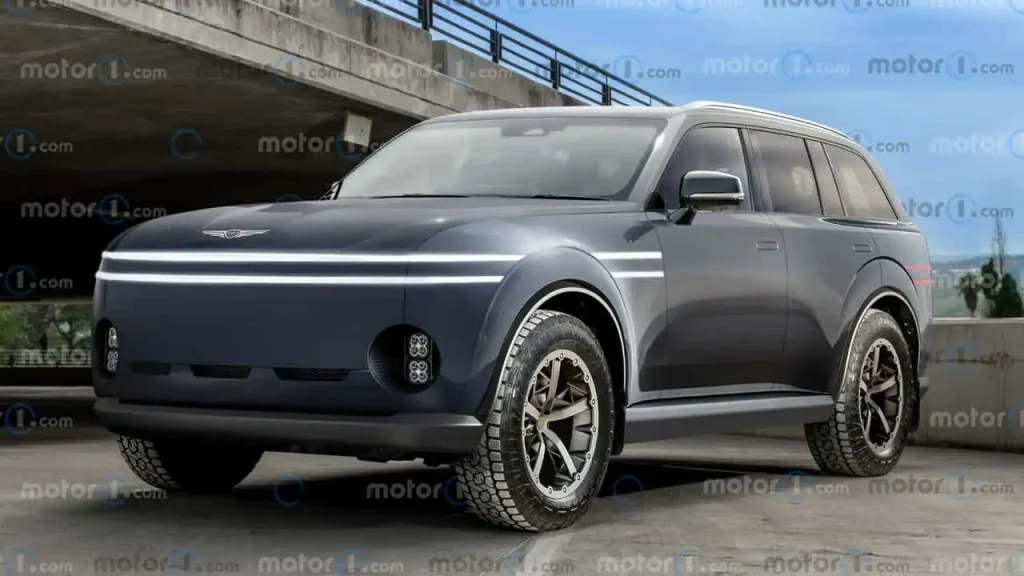
Expected arrival: Around 2028 — Genesis is reportedly developing a rugged flagship SUV aimed at the Mercedes-Benz G-Class, drawing inspiration from the X Gran Equator concept. The production model could combine an upright, boxy design with a hybrid powertrain and genuine off-road capability, potentially pushing beyond the $100,000 mark. Such a vehicle would move Genesis into a higher tier of the luxury-SUV market and give the brand a more adventurous flagship.
Genesis GV90
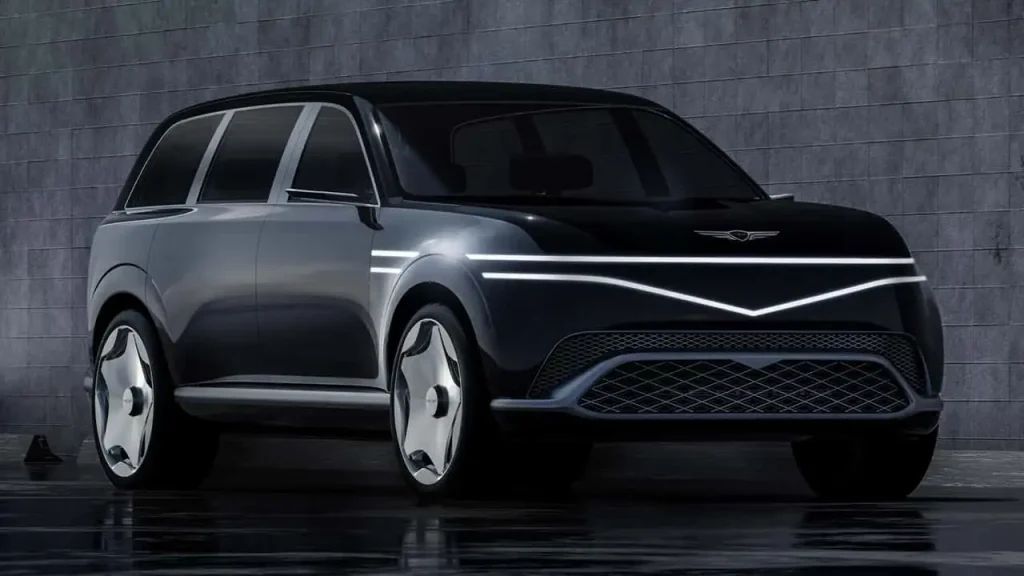
Expected arrival: 2026 — The Genesis GV90 is expected to become the brand’s flagship SUV, translating the Neolun concept into a production three-row electric vehicle. Premium materials, generous interior space, and advanced technology should define the model, while Hyundai Motor Group’s latest EV architecture and battery technology could give it strong performance and range. The GV90 could become Genesis’ most important statement in the luxury SUV segment.
Hyundai Tucson
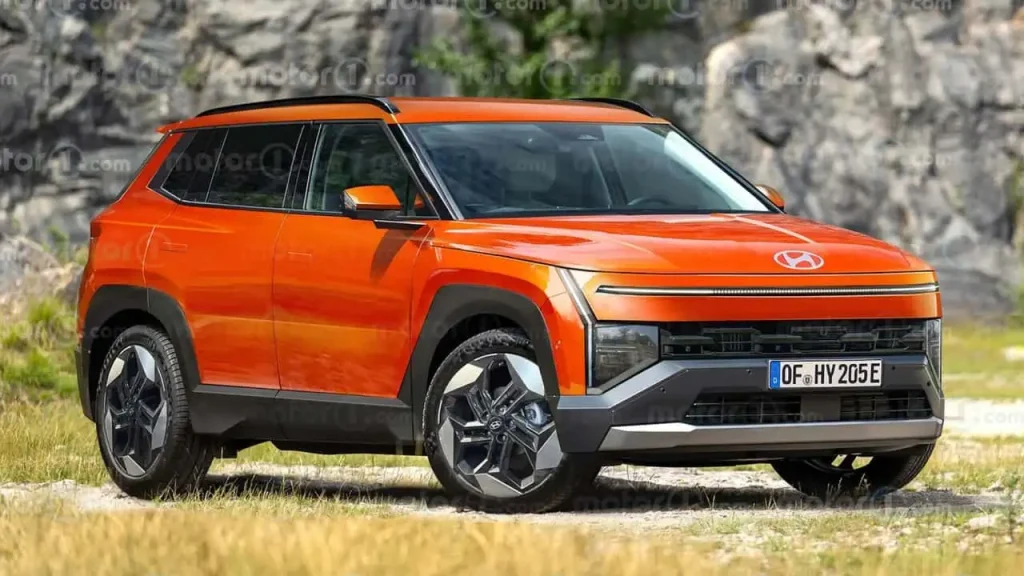
Expected arrival: 2027 — Hyundai’s next Tucson could adopt a tougher, more upright appearance influenced by the latest Santa Fe, giving the popular compact SUV a more rugged identity. Hybrid power is expected to remain an important part of the lineup, while Hyundai could potentially revisit the idea of a Tucson N performance model. The goal appears to be making an already successful SUV more distinctive without sacrificing everyday practicality.
Lincoln Star EV
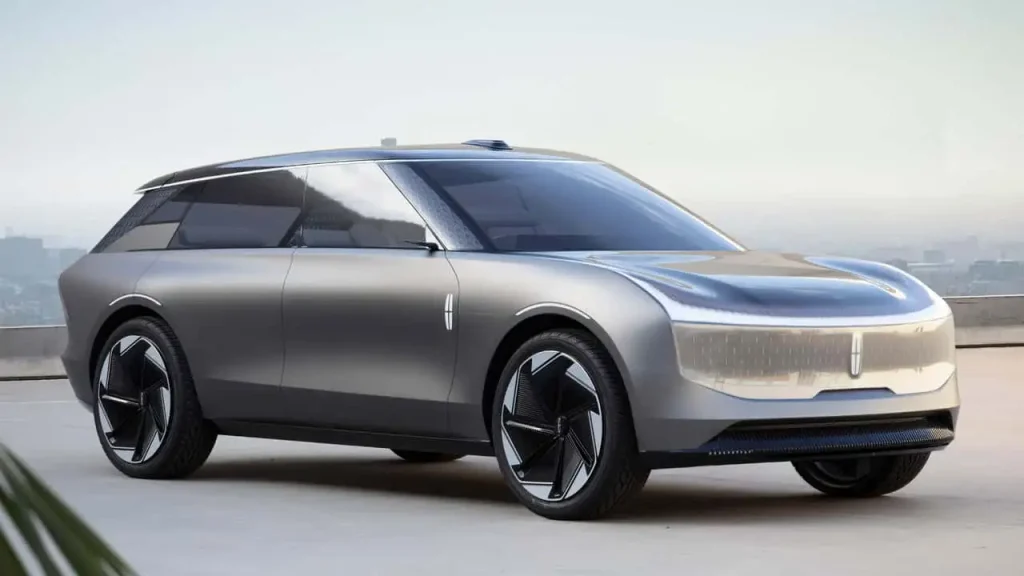
Expected arrival: Around 2028 — The Lincoln Star concept offers a preview of the brand’s electric future, with a production version expected to focus on quiet luxury rather than outright performance. A spacious cabin, elegant styling, and a potential starting price around $70,000 would position the SUV against premium electric models from German and Korean automakers. It could become one of Lincoln’s most important vehicles as the brand expands into the EV market.
McLaren SUV
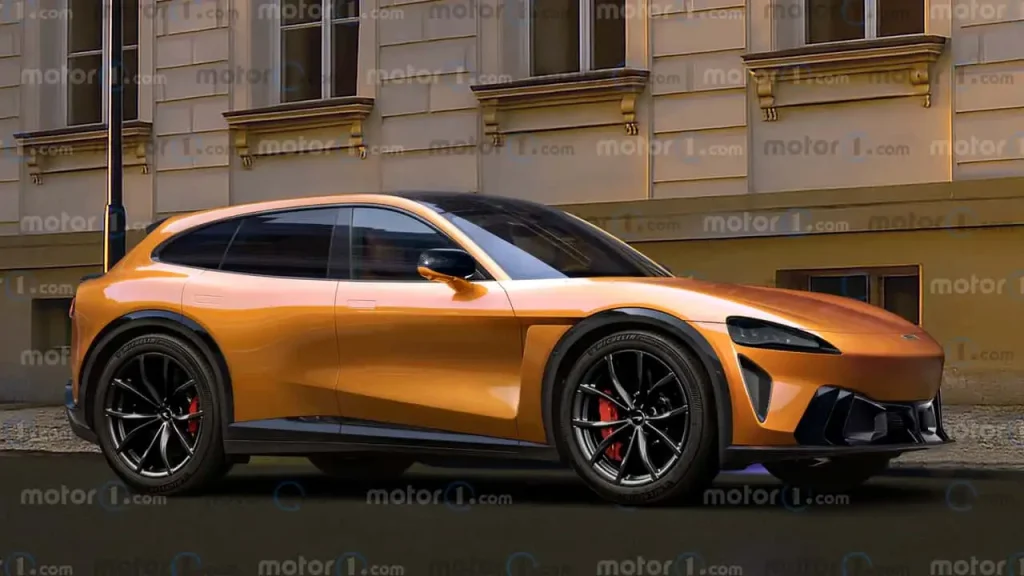
Expected arrival: Around 2028 — McLaren has historically avoided SUVs, but the British supercar maker is reportedly considering entering the segment with a high-performance model potentially powered by a V8. Such a vehicle would have to deliver more than straight-line speed, because McLaren buyers will expect sharp responses, low weight, and engaging handling. The company’s biggest challenge will be making a relatively large SUV feel like a genuine McLaren.
Mercedes-Benz Little G
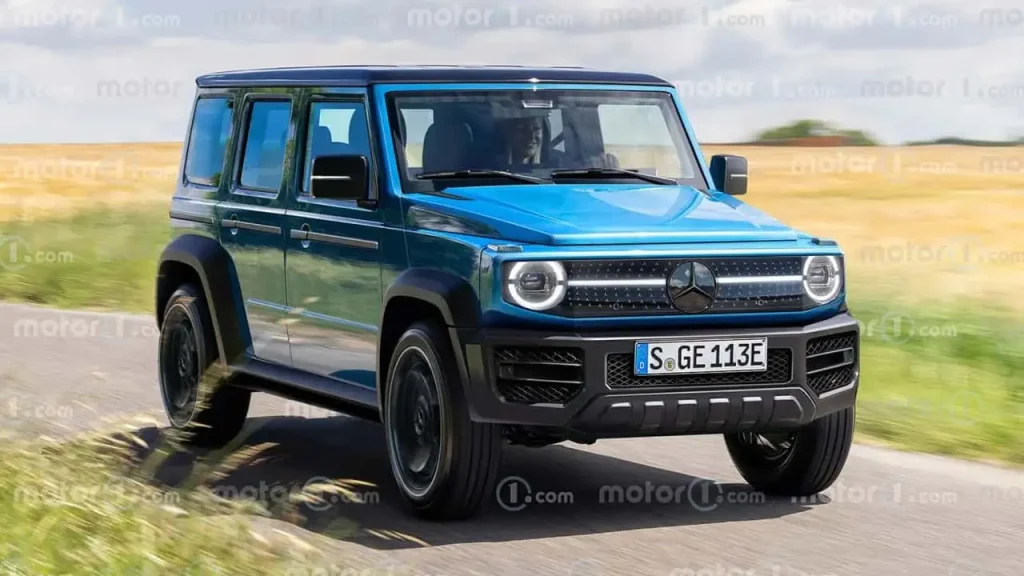
Expected arrival: 2027 — Mercedes-Benz is preparing a smaller companion to the iconic G-Class, informally known as the “Little G.” The compact SUV is expected to retain the upright proportions and rugged personality of the full-size G-Class while offering a more manageable footprint. Hybrid power now appears more likely than a purely electric setup, potentially allowing Mercedes to attract a broader audience without abandoning the model’s distinctive character.
Mitsubishi Montero
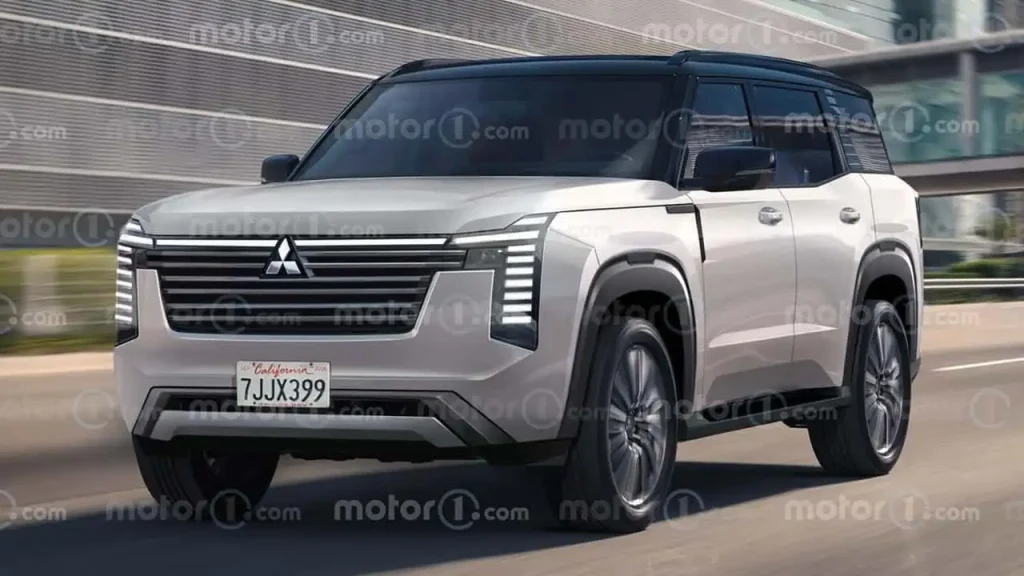
Expected arrival: 2028 — Mitsubishi could revive the Montero as a serious off-road SUV, potentially using architecture shared with Nissan’s body-on-frame models. That would provide the mechanical foundation needed for genuine trail capability while bringing back a nameplate with strong Dakar rally credentials. If Mitsubishi delivers on those expectations, the new Montero could give the brand a much-needed adventure-focused flagship.
Nissan Xterra
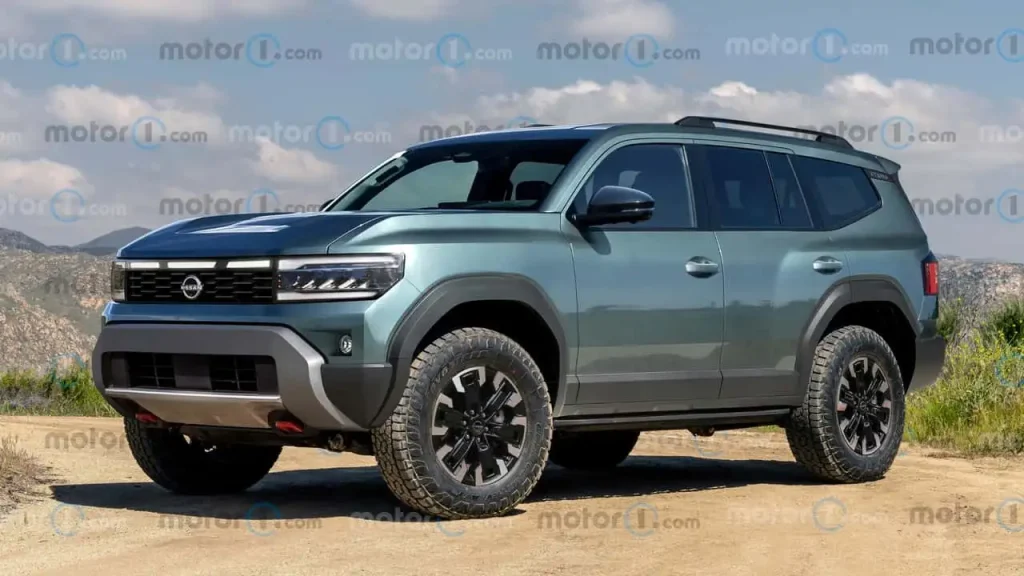
Expected arrival: 2028 — The Nissan Xterra could return as a dedicated midsize adventure SUV based heavily on the Frontier pickup. Sharing its underpinnings with the truck would give the Xterra a strong foundation for off-road use, while hybrid power could add efficiency and extra low-speed torque. A properly rugged new Xterra would put Nissan back into direct competition with models such as the Toyota 4Runner and Ford Bronco.
Scout Traveler
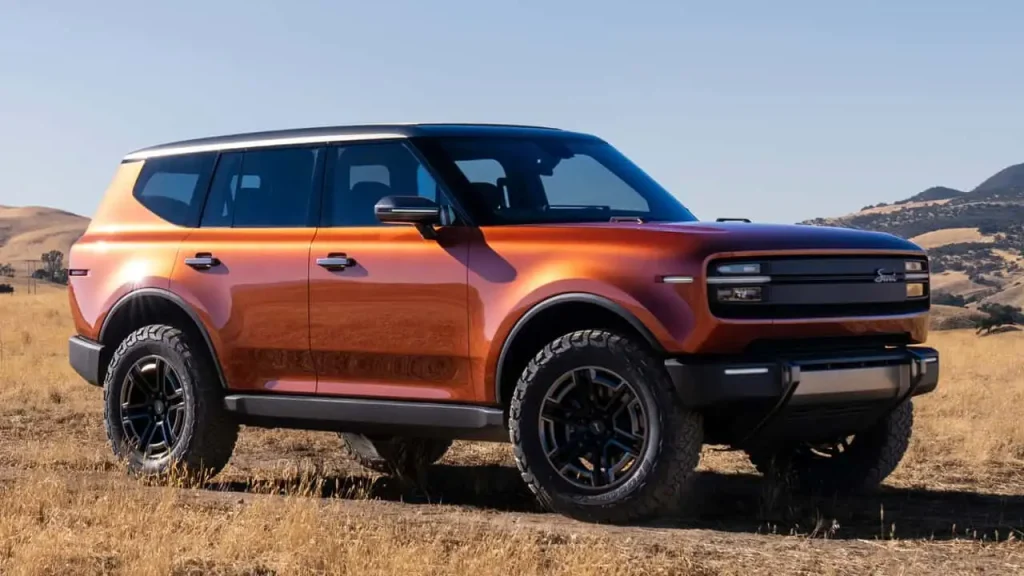
Expected arrival: Around 2028 — The Scout Traveler will serve as the revived brand’s answer to traditional American adventure SUVs, pairing retro-inspired styling with modern electric technology. Like the Terra pickup, the Traveler is expected to offer both fully electric and range-extender configurations, with the latter providing a practical solution for buyers concerned about long-distance travel. Its blend of old-school design and new-school technology could make it one of the most distinctive SUVs of the decade.
Volkswagen ID. Tiguan
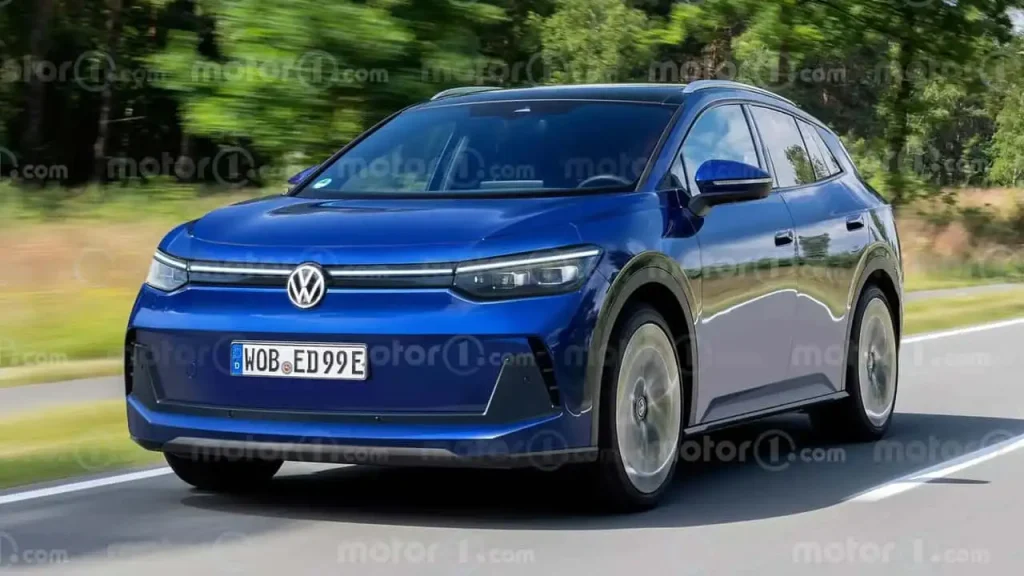
Expected arrival: Around 2027 — Volkswagen is continuing to reshape its electric crossover lineup, and the Tiguan name could eventually move into the EV space. The future model is expected to use an updated electric architecture with better efficiency and range, while Volkswagen may restore more physical controls after criticism of its touchscreen-heavy interiors. If the company gets the balance right, an electric Tiguan could become an important family EV for the European market.