The color you choose can make a surprising difference when it comes time to buy, sell, or negotiate. If you’re flexible on paint, choosing the right shade could leave more money in your pocket.
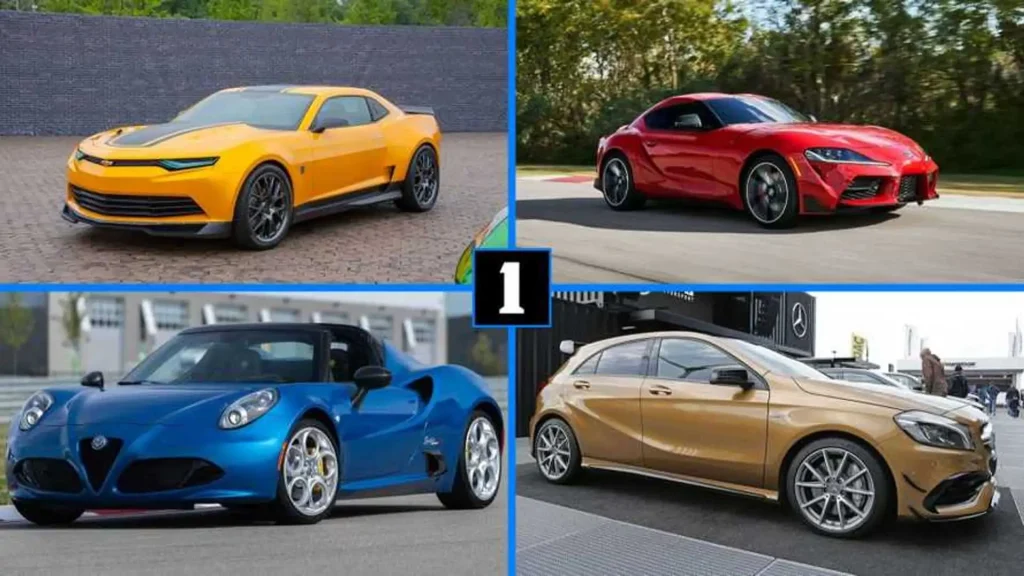
There’s more to automotive color than simply choosing a shade you like. The psychology and science behind color can influence everything from what catches a buyer’s eye to how much they’re willing to pay. We can’t claim to understand all of it, but a study from iSeeCars offers an interesting look at how different colors perform in the used-car market. More importantly, the research examines vehicle pricing to identify which exterior colors are most likely to deliver a bargain and which ones tend to command a premium.
Some colors clearly carry more demand than others. Bright, attention-grabbing shades, for example, tend to appear among the colors associated with the worst deals. That isn’t particularly surprising, since certain eye-catching finishes attract dedicated buyers who may be willing to pay extra to find exactly what they want. On the other side of the spectrum, neutral and warmer tones generally offer better opportunities for savings. Brown might seem like the obvious bargain color, but it doesn’t actually take the top spot. Instead, a particular shade of brown leads the overall rankings.
For its study, iSeeCars analyzed more than 4 million vehicles across a wide range of segments, including SUVs, sedans, trucks, and everything in between. Researchers looked at how frequently vehicles in each color sold above or below their average market value. While several less-popular colors turned out to be potential bargains, the results also contain a few unexpected entries on both ends of the spectrum.
The study presents its findings as percentage differences in the likelihood of a vehicle being a significant deal. With that in mind, let’s see how the colors compare, starting with the worst deals and working toward the best bargains.So, let’s count down the results from the worst deals to the best bargains.
Table of Contents
Beige
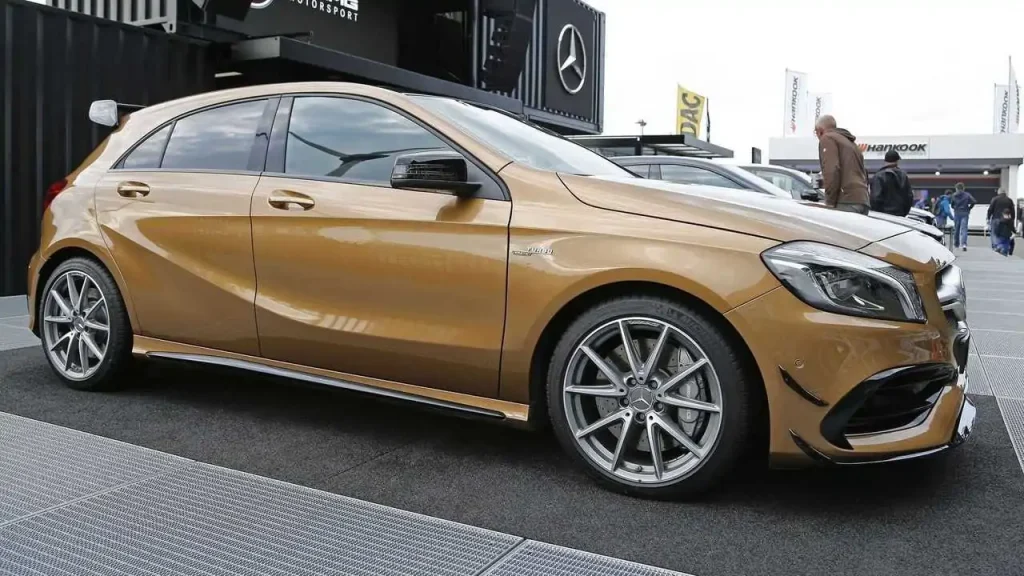 Beige came out on top for bargain hunters, with vehicles wearing the color 24.3 percent more likely than average to sell at a significant discount. The result isn’t entirely surprising considering beige has lost much of its mainstream appeal in recent years. With fewer buyers actively seeking the color, sellers may have more incentive to negotiate when competing against vehicles in more popular shades. For shoppers who care more about the vehicle itself than its paint, a beige exterior could create an opportunity to spend less without sacrificing anything mechanically.
Gold
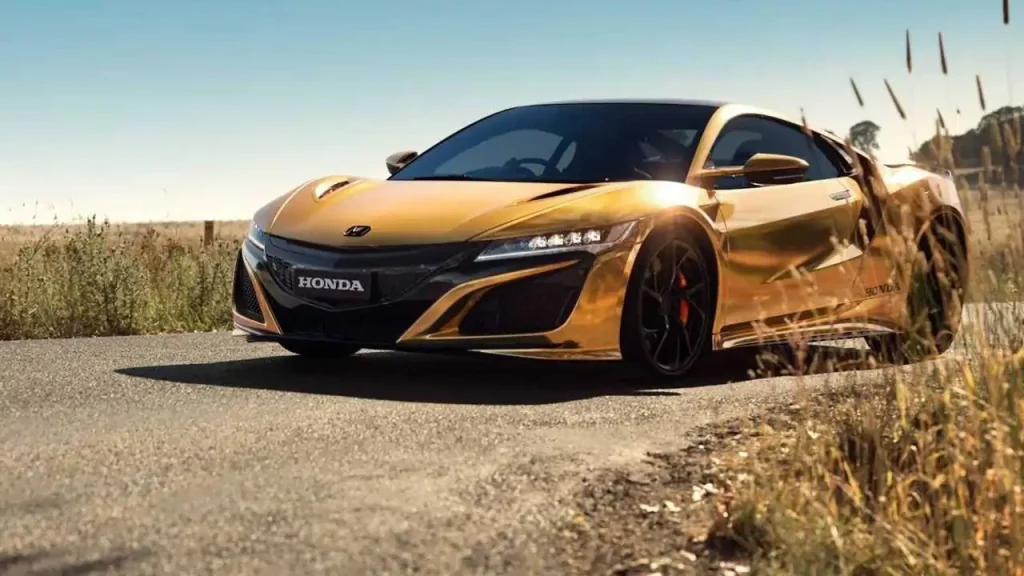
Gold finished second, with vehicles in the color 15.8 percent more likely than average to represent a significant deal. Like beige, gold isn’t a shade that dominates today’s automotive market, which can limit its appeal among used-car shoppers. That smaller pool of interested buyers can give bargain hunters some additional negotiating leverage. Gold also varies considerably in appearance, ranging from understated champagne tones to darker metallic finishes, so its appeal can depend heavily on the vehicle underneath it.
Silver
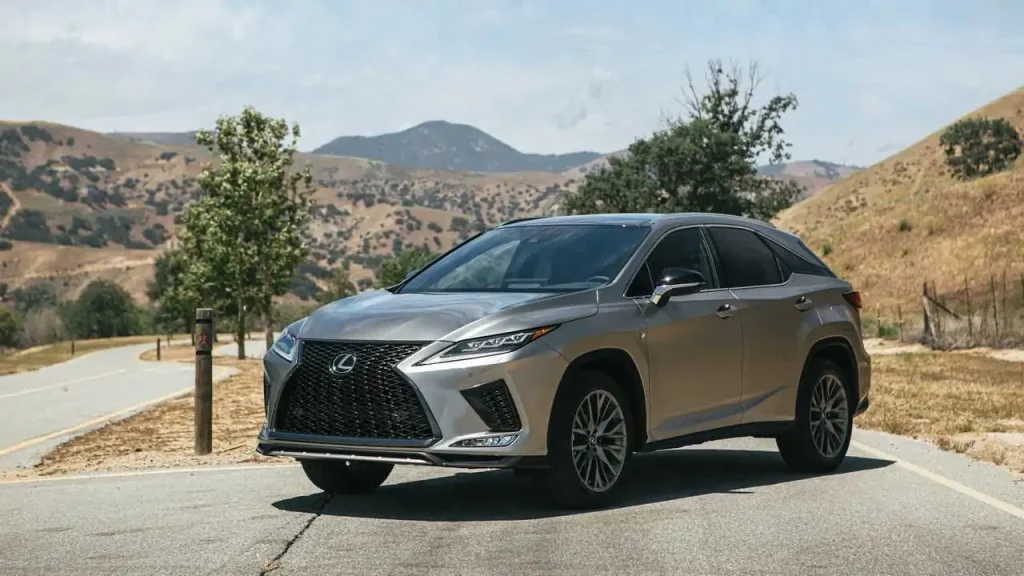
Silver may be one of the more conventional colors on this list, but it still performed surprisingly well for shoppers. According to the study, silver vehicles were 13.7 percent more likely than average to be significant deals. The shade remains common across nearly every segment and is generally easy to maintain, while its ability to hide dust and minor imperfections makes it a practical choice. Its position also shows that buyers don’t necessarily need to choose an unusual color to find a bargain.
Black
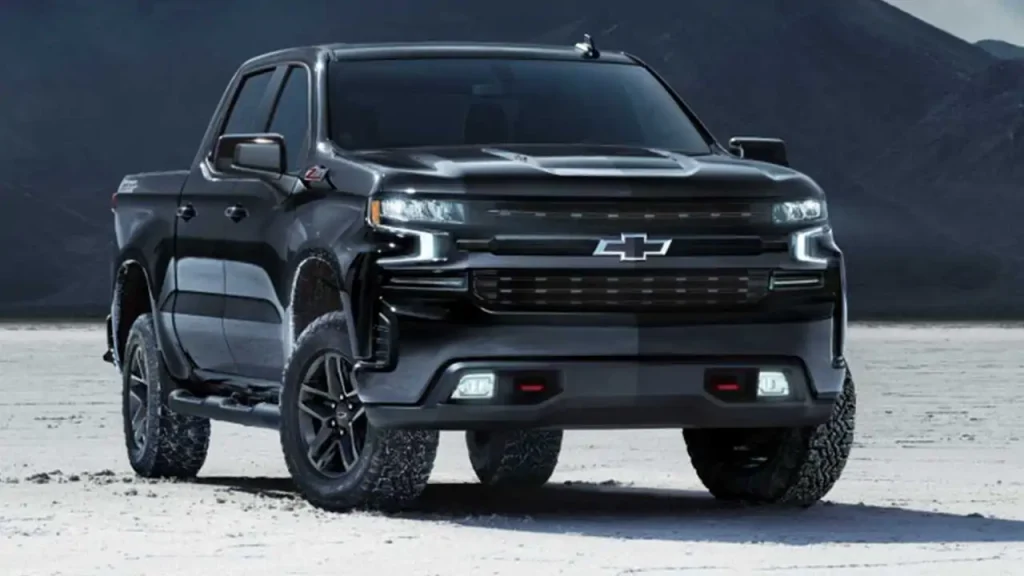
Black was the final color on the bargain side of the study, with vehicles 4.4 percent more likely than average to be significant deals. Few automotive colors are as universally accepted, with black appearing across everything from commuter cars and family SUVs to luxury models and performance vehicles. The sheer number of black vehicles available gives shoppers plenty of examples to compare, and that large supply can occasionally create opportunities for buyers looking for a better price.
Teal
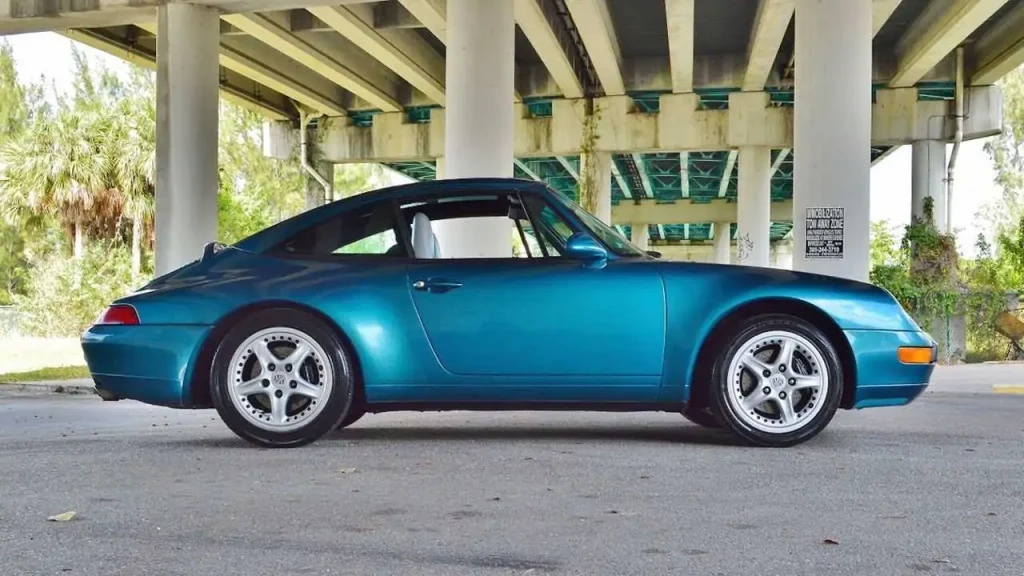
Teal joins the bargain side of the ranking at 4.4 percent more likely than average to represent a significant deal. The color is far less common than traditional choices such as black, white, or silver, but that doesn’t necessarily make it undesirable. For shoppers willing to consider something outside the usual palette, teal can combine a distinctive appearance with a potentially lower transaction price.
Brown
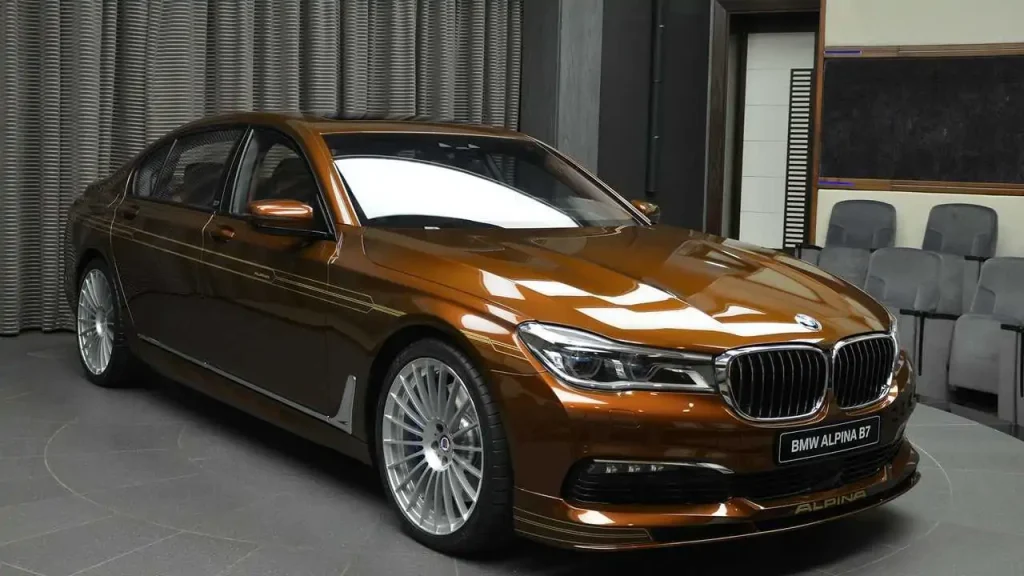
Brown vehicles were 3.3 percent more likely than average to be significant deals. Once a familiar choice on family cars and luxury vehicles, brown has become much less common in modern showrooms. That limited demand can work in a buyer’s favor on the used market, especially when a seller is competing against similar vehicles in more popular shades. It’s another example of how being flexible about exterior color can potentially open the door to a better price.
Green
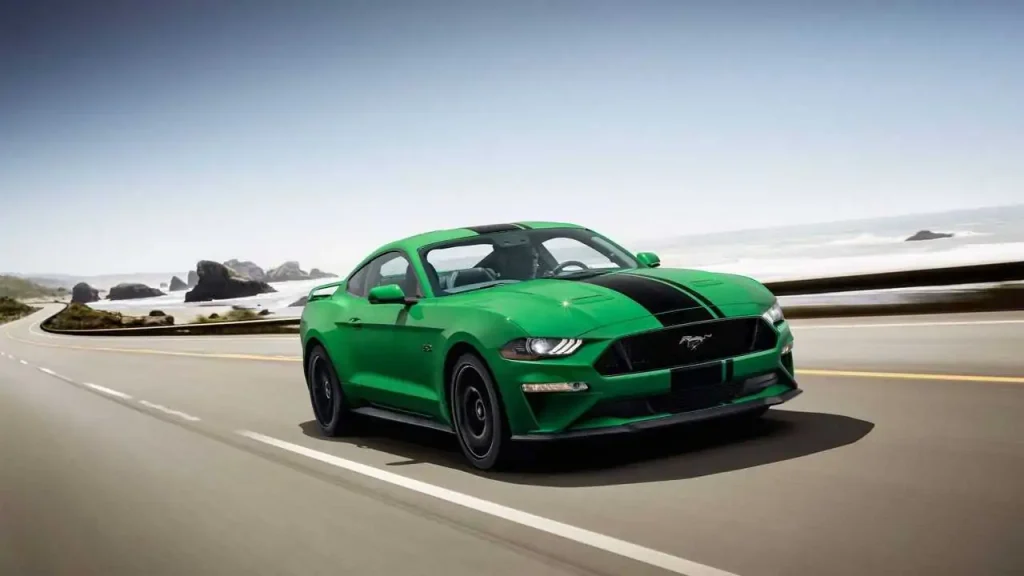
Green landed just above the average mark, with vehicles 2.9 percent more likely than average to represent a significant deal. Green isn’t as prevalent as black, white, silver, or gray, although certain shades have strong followings among enthusiasts. The color’s position suggests that shoppers willing to consider something outside the usual palette may find opportunities without necessarily choosing an extremely unusual finish.
Gray
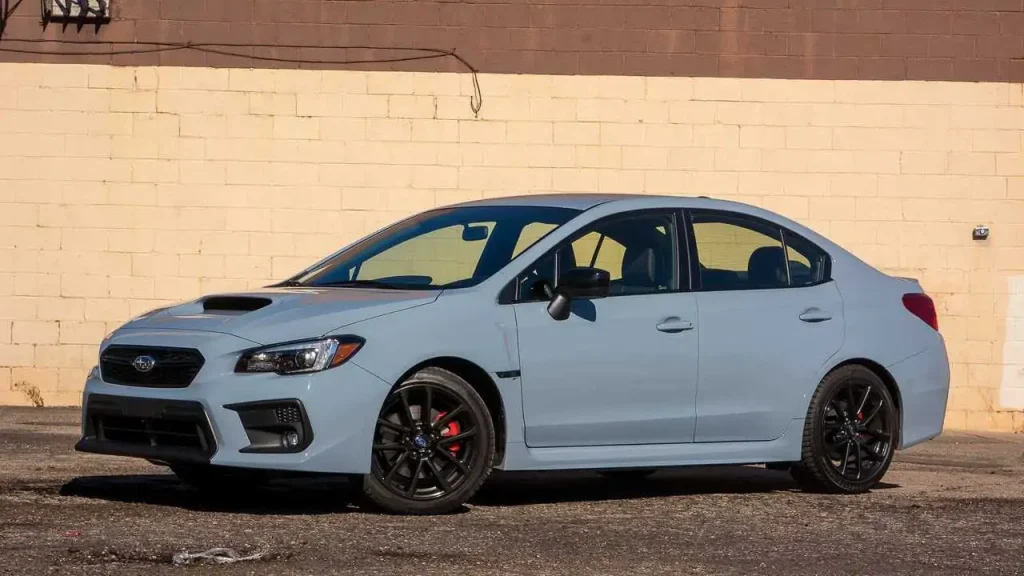
Gray vehicles were 2.8 percent more likely than average to be significant deals. Gray has become increasingly popular in recent years, particularly on SUVs, luxury cars, and performance vehicles, yet the study still found a modest advantage for buyers. Its neutral appearance also makes it relatively easy to live with, giving shoppers a mainstream color option that may still provide some room for savings.
Blue
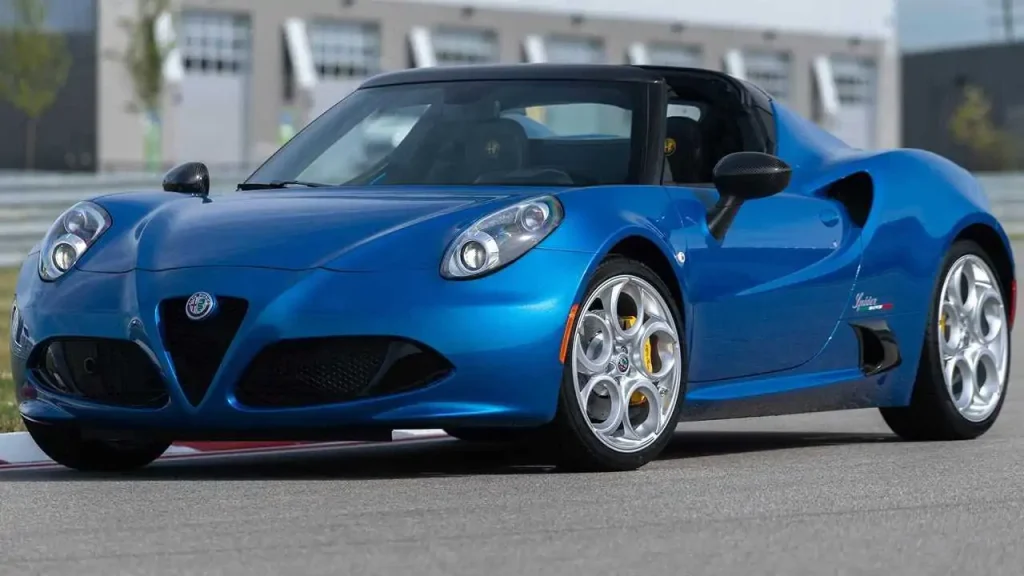
Blue came in at 2.7 percent more likely than average to qualify as a significant deal. The color has broad appeal and is available in everything from subdued navy finishes to vivid performance-car shades. That wide range means blue can attract both mainstream shoppers and enthusiasts. Despite its popularity, the study found that blue vehicles still had a slight advantage when it came to bargain potential.
Yellow
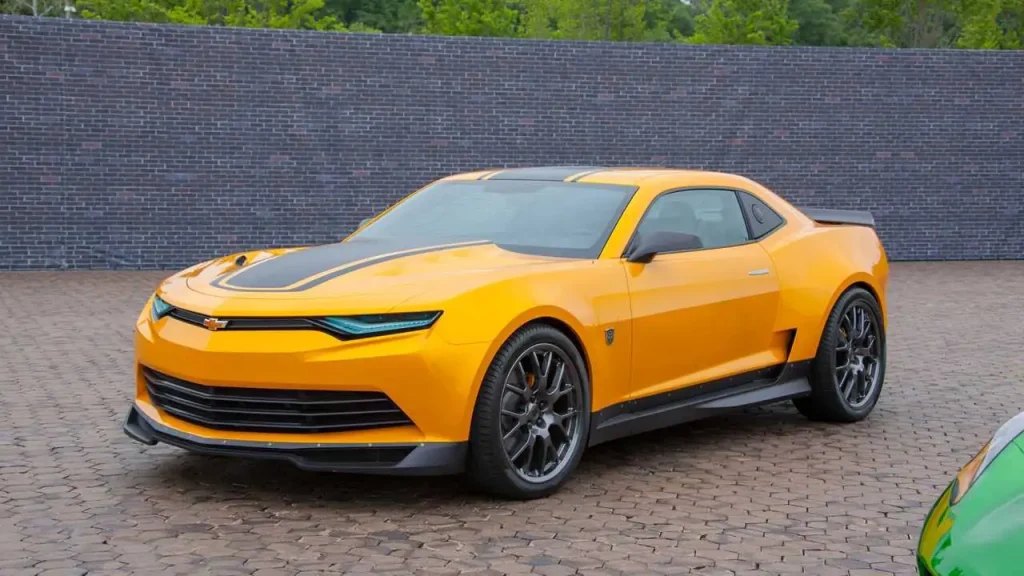
Yellow vehicles were 1.9 percent more likely than average to represent a significant deal. It’s certainly not one of the most common automotive colors, but yellow has a particularly strong association with sports cars, convertibles, and other enthusiast-focused models. Its slight advantage in the study suggests that an unusual color doesn’t automatically mean paying more, although the specific vehicle and shade can still have a major influence on demand.
Pink
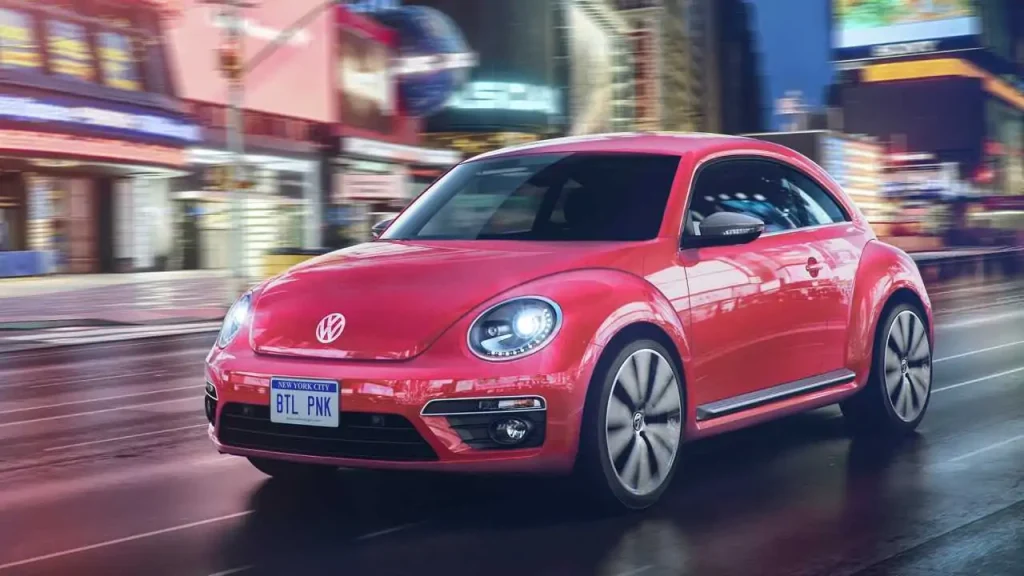
Pink sits just above the average line, with vehicles 1.0 percent more likely than average to be significant deals. It’s among the least common colors on modern vehicles, which naturally limits the number of examples available on the used market. For buyers who don’t mind standing out, that can create another avenue for finding a potentially lower-priced vehicle. The relatively small percentage, however, indicates that the advantage is much more modest than what beige or gold buyers experienced.
Purple
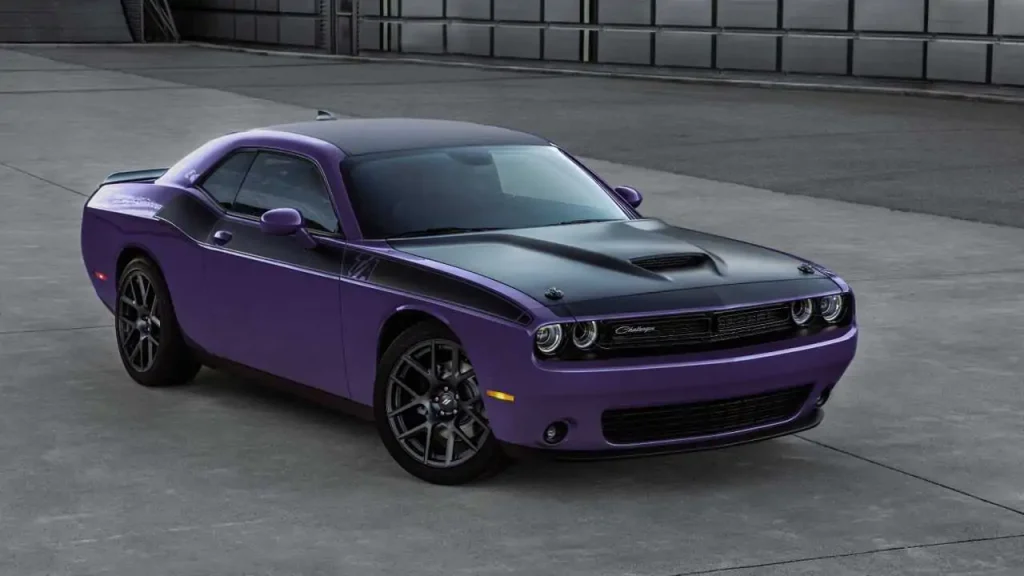
Purple landed on the other side of the ranking, with vehicles 14.9 percent less likely than average to qualify as significant deals. At first glance, that may seem counterintuitive because purple is far less common than mainstream colors such as white, black, or silver. However, scarcity can work in favor of sellers when buyers are specifically searching for a particular shade. With fewer alternatives available, enthusiasts may be willing to pay extra to find the right vehicle in purple.
Red
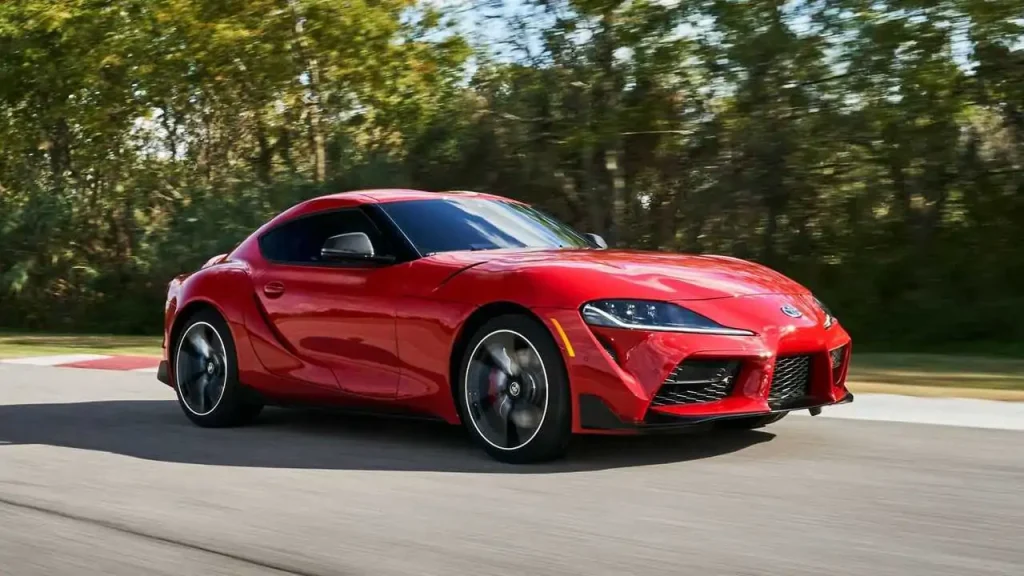
Red vehicles were 5.4 percent less likely than average to be significant deals. Red remains a popular choice, particularly on sports cars, muscle cars, and other performance-oriented models where the color has become closely associated with speed and style. That enthusiast appeal can help support used-car prices, especially when a buyer has their heart set on a specific red vehicle and isn’t interested in settling for another color.
White — 3.5% Less Likely To Be A Deal
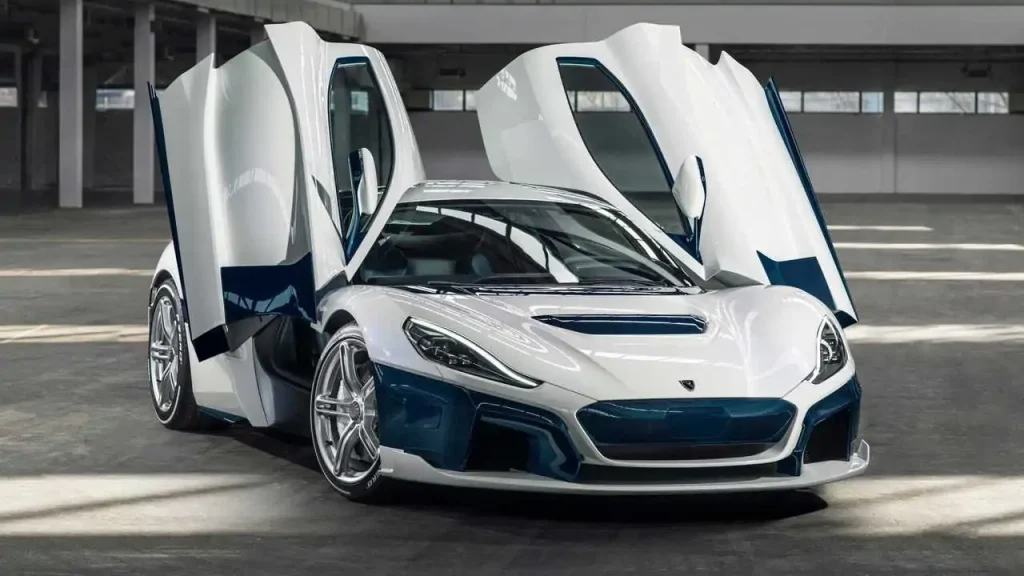
White vehicles were 3.5 percent less likely than average to be significant deals. White is one of the most widely used automotive colors, particularly among SUVs, trucks, luxury vehicles, and fleet-oriented models. Although the large number of white vehicles gives shoppers plenty of options, strong demand can help keep prices relatively firm. Of course, the effect can vary significantly depending on the type of vehicle, since the market for a white pickup isn’t necessarily the same as that for a white sports car.
Orange
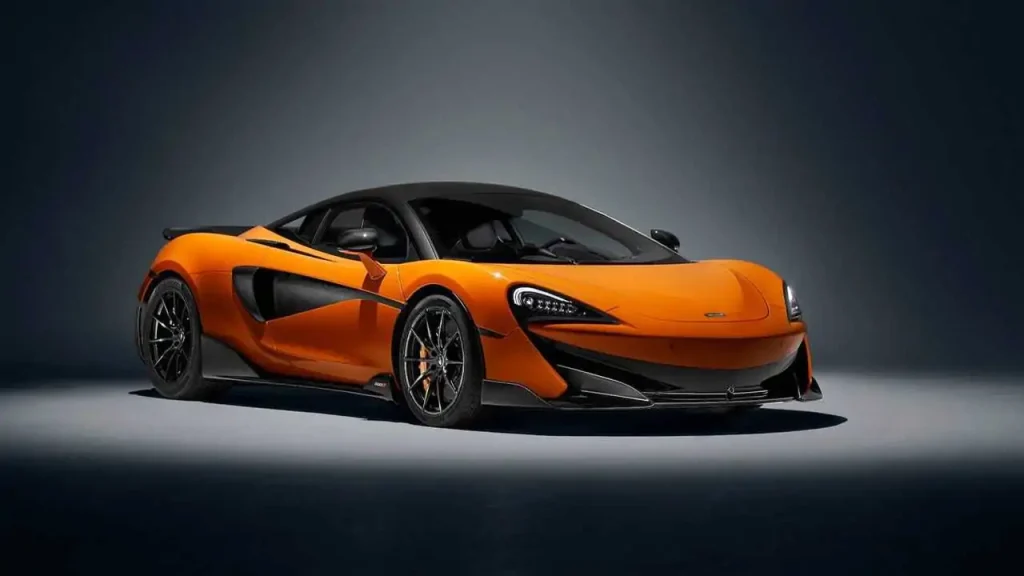
Orange finished at the bottom of the ranking, with vehicles 20.4 percent less likely than average to be significant deals. That may be one of the study’s more unexpected findings because orange is hardly a mainstream automotive color. Its association with sports cars, muscle cars, and enthusiast vehicles may help explain the result. Buyers specifically searching for a bright orange vehicle have fewer choices, and that combination of rarity and enthusiast interest can allow desirable examples to command stronger prices.
Final Verdict
Color may not be the first thing shoppers consider when looking for a used car, but the iSeeCars data suggests it can have a measurable effect on transaction prices. Beige, gold, silver, black, and teal stood out as the colors more likely to be associated with significant deals, while purple, red, white, and especially orange were less likely to offer the same kind of savings. Of course, color is only one factor in a used car’s value, and condition, mileage, equipment, age, and demand for the specific model can have a much greater impact. Still, if you’re flexible about exterior color, keeping an open mind could give you more opportunities to negotiate.