
The Ford Mustang and Chevrolet Camaro have long been celebrated as legendary performance machines. However, during the early 1980s, even these iconic muscle cars struggled, with entry-level versions producing less than 100 horsepower.
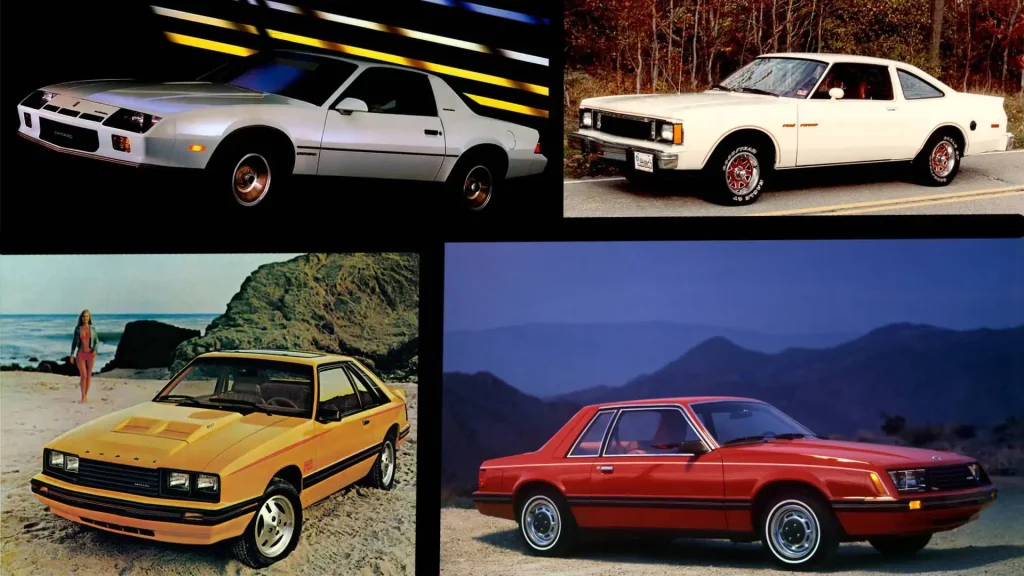
The 1980s were a complicated decade for American performance cars. The muscle-car glory days of the 1960s and early 1970s were still fresh in enthusiasts’ memories, but the industry had changed dramatically. Stricter emissions standards, fuel-economy requirements, higher insurance costs, and the lingering effects of the energy crises forced automakers to rethink how they produced performance.
Even legendary nameplates weren’t immune. The Mustang and Camaro survived, but some early-’80s versions produced less than 100 horsepower in their most basic configurations. V8 engines became smaller and less powerful, while turbocharging and electronic fuel injection emerged as potential solutions to the horsepower problem.
The decade did eventually deliver some impressive comebacks. The Buick Grand National, Ford Mustang GT, Chevrolet Camaro IROC-Z, and other performance cars showed that American horsepower was beginning to return. But plenty of other models wore aggressive graphics, spoilers, and famous badges without delivering the performance enthusiasts expected.
Here are eight 1980s muscle cars that looked the part but struggled to live up to their reputations.
Table of Contents
1984 Mercury Cougar XR-7
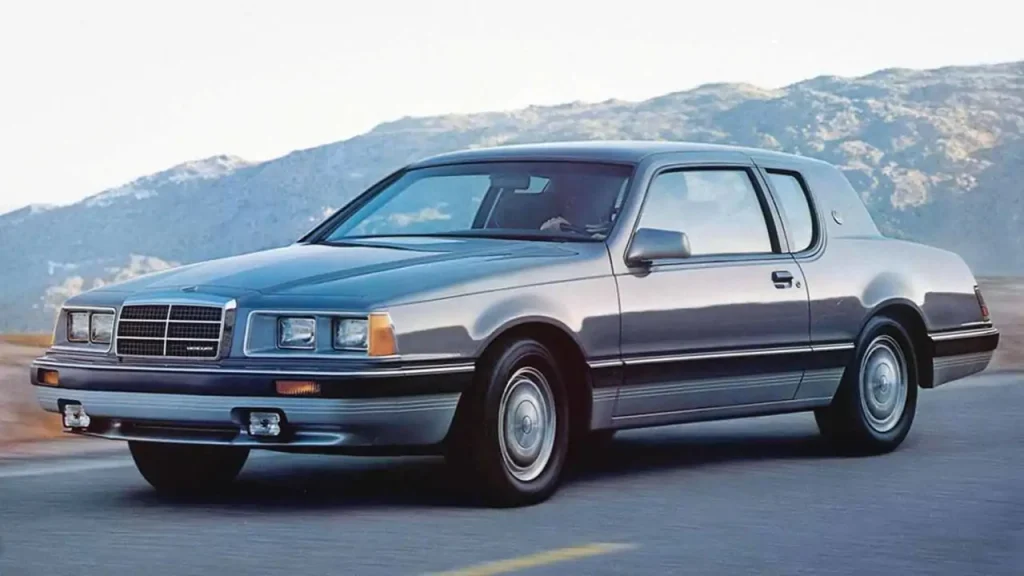
The 1984 Mercury Cougar XR-7 brought sporty styling and a more performance-oriented image to Mercury’s Fox-platform coupe, but it was still more of a personal luxury car than a true muscle machine. Its available turbocharged 2.3-liter four-cylinder offered more technology and efficiency than the big V8s of earlier decades, while the XR-7 package added sportier suspension and appearance upgrades. The combination made the Cougar interesting, but it lacked the raw power and character associated with classic American muscle.
1982 Ford Thunderbird
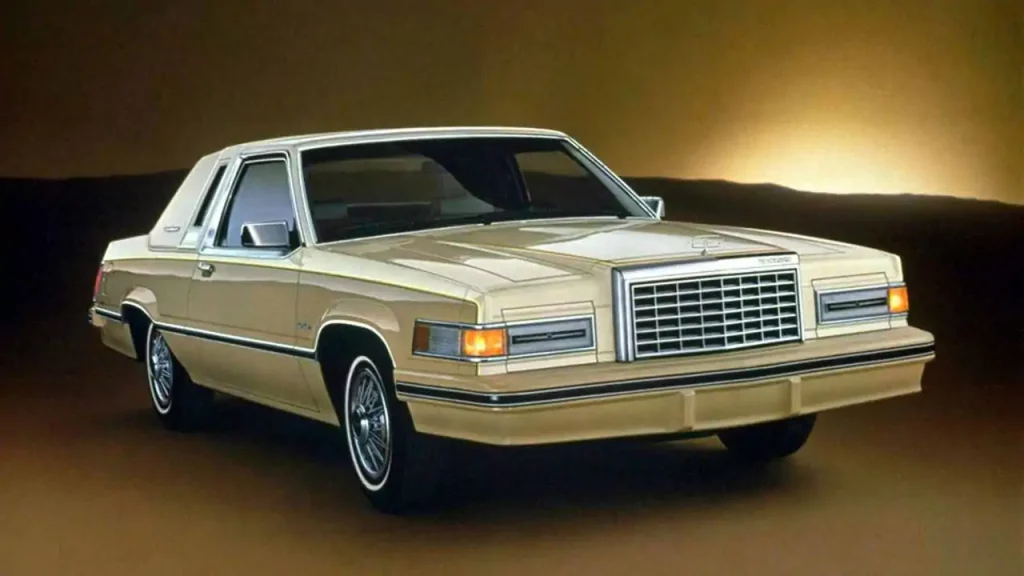
The 1982 Ford Thunderbird represented a major change from the large, powerful T-Birds of the past. The new third-generation model moved to the Fox platform and became considerably smaller and lighter, with four-cylinder and V6 engines available alongside a modest 5.0-liter V8. While the redesigned Thunderbird was more efficient and better suited to the changing automotive landscape, it was a long way from the high-powered performance image associated with earlier American coupes.
1980 Plymouth Volaré Road Runner
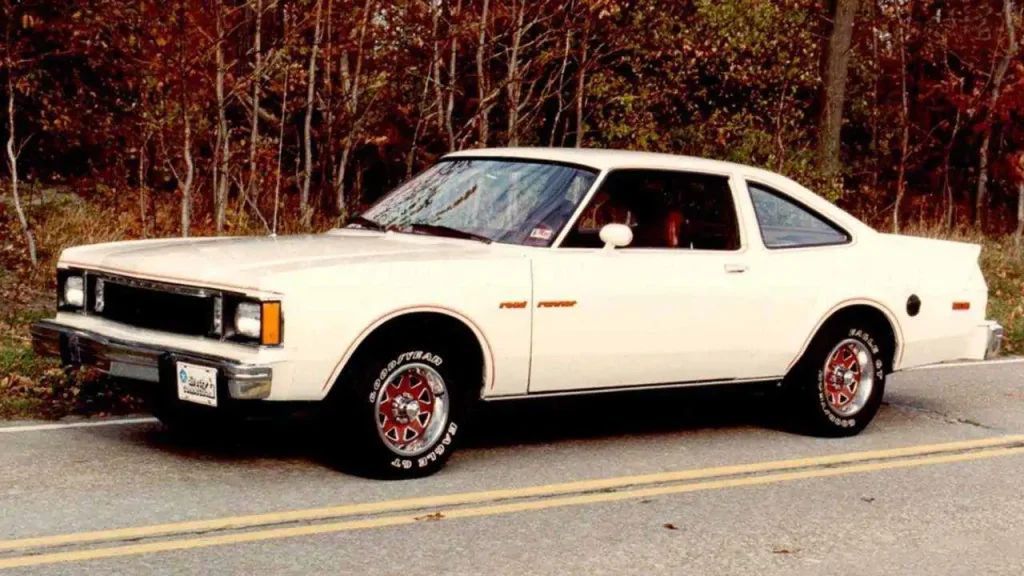
The Plymouth Volaré Road Runner attempted to carry the famous Road Runner name into an era when traditional muscle-car performance was disappearing. Bold graphics, a sportier appearance, and suspension upgrades helped give the compact coupe a more aggressive personality, but its available engines were nowhere near as powerful as the legendary 426 Hemi and 440-powered Road Runners of the previous decade. It looked the part, but the performance gap was difficult to ignore.
1982 Dodge Challenger
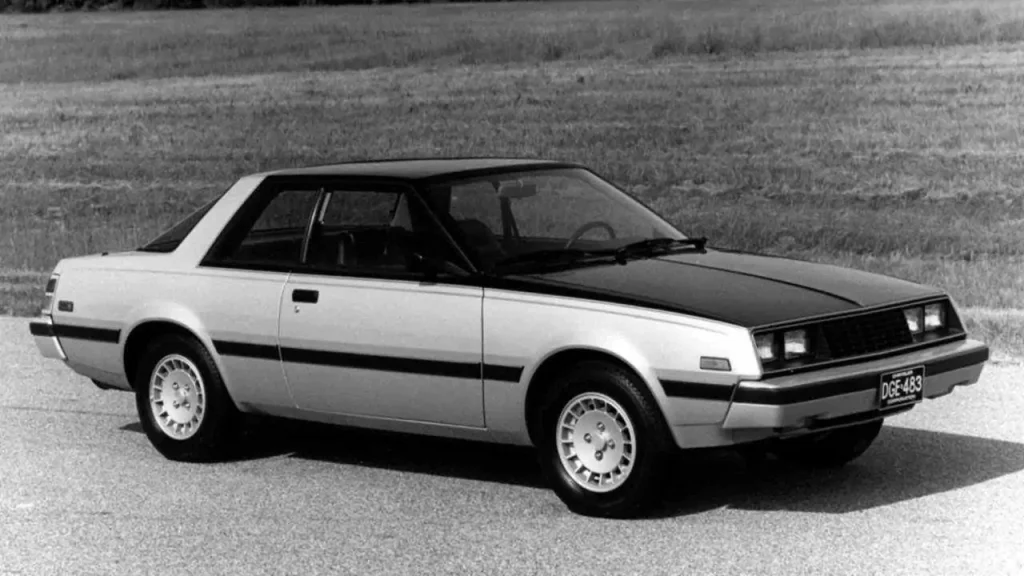
The 1982 Dodge Challenger was one of the strangest cars to wear the legendary name. Rather than being a direct continuation of the original E-body muscle car, the 1982 Challenger was based on the Mitsubishi Galant Lambda and powered by a four-cylinder engine. It was considerably smaller and more economical than the original Challenger, reflecting the realities of the early 1980s. The styling had some sporty appeal, but calling it a successor to the big-block Challengers of the 1970s was a stretch.
1982 Chevrolet Camaro
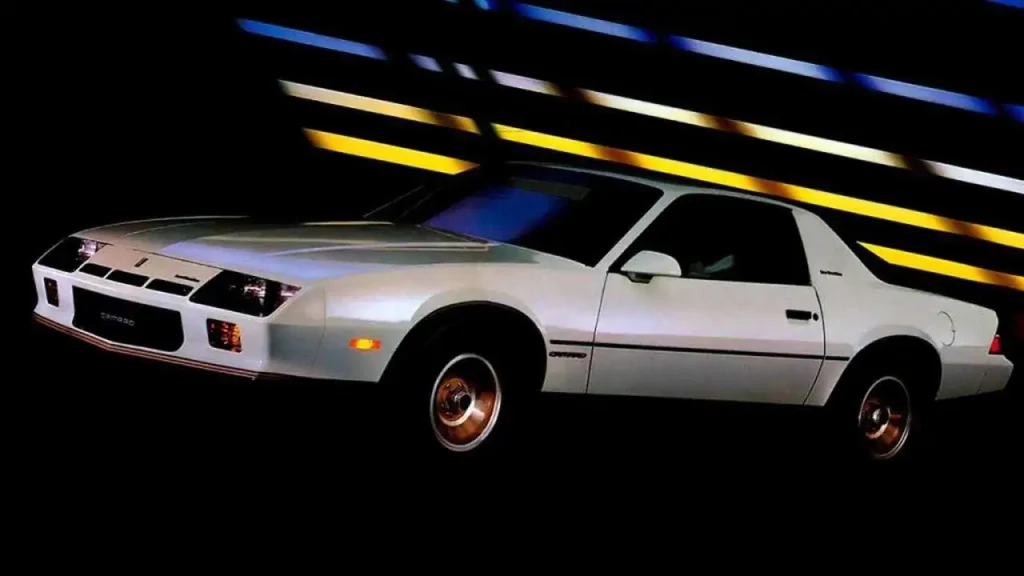
The third-generation Chevrolet Camaro arrived for 1982 with a dramatically more modern shape, but performance was still recovering from the malaise era. The new Camaro was lighter, more aerodynamic, and available with sporty Z28 equipment, yet its engines produced modest power compared with the legendary small-block V8s of the 1960s and early 1970s. The Z28 helped restore some credibility, and later fuel-injected versions became genuinely quick, but the early third-gen Camaro showed just how far American performance had fallen.
1980 Pontiac Trans Am Turbo
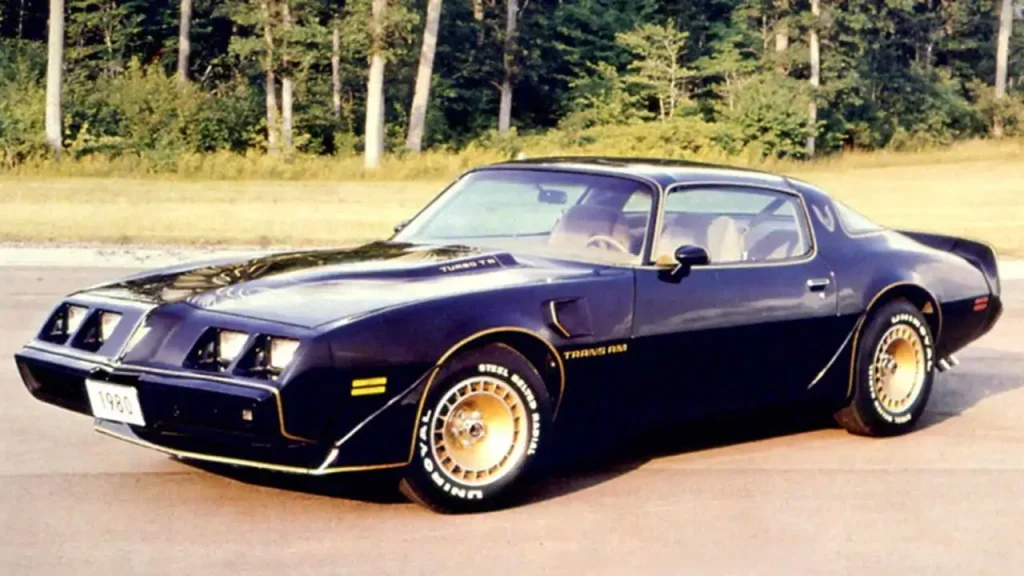
The 1980 Pontiac Trans Am Turbo looked every bit like a serious performance car, with its dramatic bodywork, hood scoop, spoilers, and unmistakable Firebird styling. Underneath, however, was a turbocharged 301-cubic-inch V8 producing around 210 horsepower in 1980, depending on configuration and calibration. Turbocharging was an innovative way to extract more performance from a smaller engine, but turbo lag and drivability issues could undermine the experience. The Trans Am’s appearance remained legendary even when its performance could not match its reputation.
1981 Mercury Capri RS Turbo
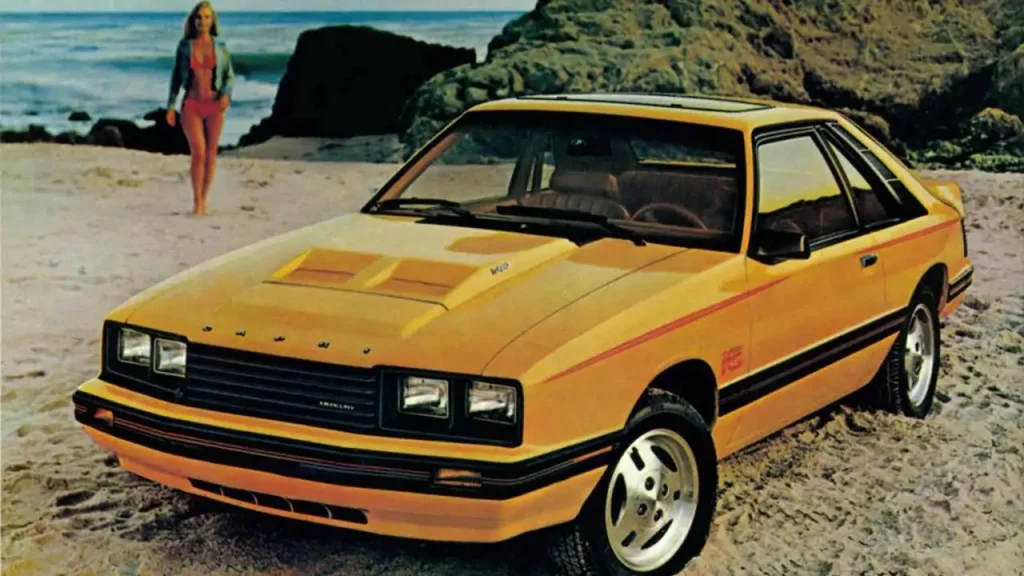
The Mercury Capri RS Turbo was another attempt to blend sporty styling with the new turbocharged approach to performance. Based on the Fox-platform Mustang, the Capri had distinctive European-inspired styling and could be equipped with a turbocharged 2.3-liter four-cylinder. The engine offered an interesting alternative to the increasingly restricted V8s of the period, but the Capri was still not the tire-smoking muscle car that its aggressive RS appearance suggested. It was more a sign of where performance cars were heading than a return to classic muscle.
1980 Ford Mustang
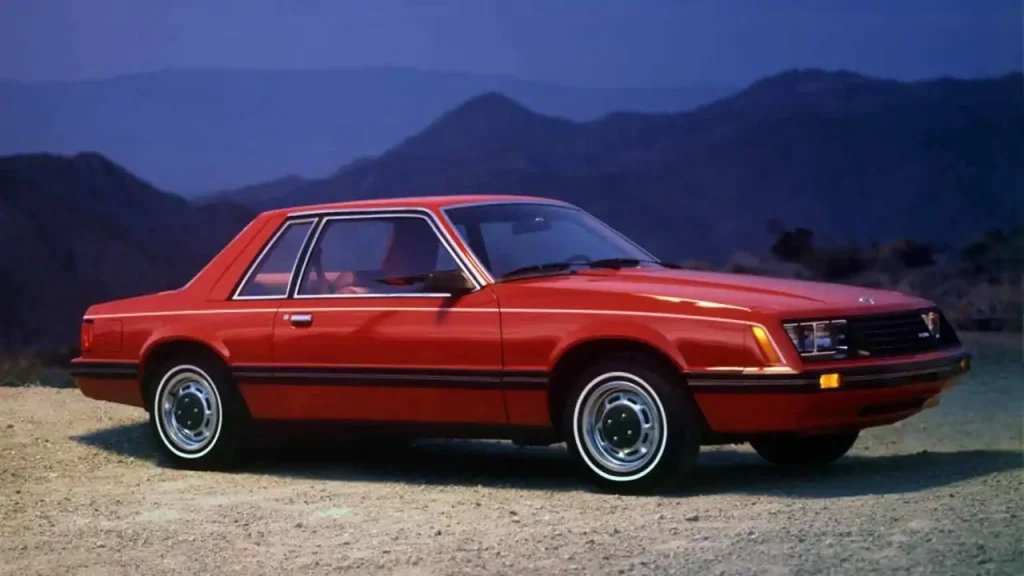
The 1980 Ford Mustang arrived during one of the lowest points in the model’s performance history. The available 4.2-liter V8 produced only 118 horsepower, while the 2.3-liter four-cylinder made even less. Ford attempted to maintain the Mustang’s sporty identity with aggressive graphics and packages such as the Cobra, but the numbers were a far cry from the classic Mustangs that had established the name as a muscle-car icon. Fortunately, the Mustang’s story did not end there, as the arrival of stronger engines and the Fox-body performance renaissance later in the decade helped restore its reputation.
A Difficult Era That Helped Shape Modern Muscle Cars
The 1980s were undoubtedly one of the toughest periods for American muscle cars. Emissions regulations, fuel economy concerns, and changing technology forced manufacturers to rethink what performance meant.
Many cars from the era failed to deliver the power enthusiasts expected, but they also introduced innovations that would eventually revive the segment. Turbocharging, fuel injection, improved aerodynamics, and better chassis design helped prepare the way for the muscle car comeback of the late 1980s and 1990s.
These cars may not rank among the greatest performance machines ever built, but they represent an important chapter in automotive history — a time when American manufacturers struggled, experimented, and eventually found their way back to building exciting cars.