
From the sleek 508 to quirky vans and fun 208s, these French-market gems deserve a shot at American roads.
France’s Groupe PSA was preparing to join forces with Fiat Chrysler Automobiles, creating one of the world’s largest automotive groups and opening the door to some intriguing possibilities. There were plenty of unanswered questions surrounding the merger, from the name of the combined company to how its sprawling portfolio of brands would eventually be organized. One thing, however, had us particularly interested: the possibility of French cars returning to American roads.
It had been decades since Peugeot and Citroën had a meaningful presence in North America, and their earlier attempts at cracking the U.S. market left plenty to be desired. But the modern versions of these brands are a very different proposition. Peugeot has developed a lineup filled with sharp styling, clever packaging, and distinctive interiors, while Citroën continues to embrace its reputation for comfort and unconventional design. Even PSA’s upscale DS brand offers some compelling alternatives to established premium automakers.
We don’t expect every model from the group’s European lineup to make the journey across the Atlantic. Still, there are plenty of French-built cars we’d love to see given a chance in the U.S. From sleek hatchbacks and sedans to quirky crossovers and downright unusual city cars, these are some of the PSA models that could make America’s automotive landscape a lot more interesting.
Table of Contents
Peugeot 508 SW
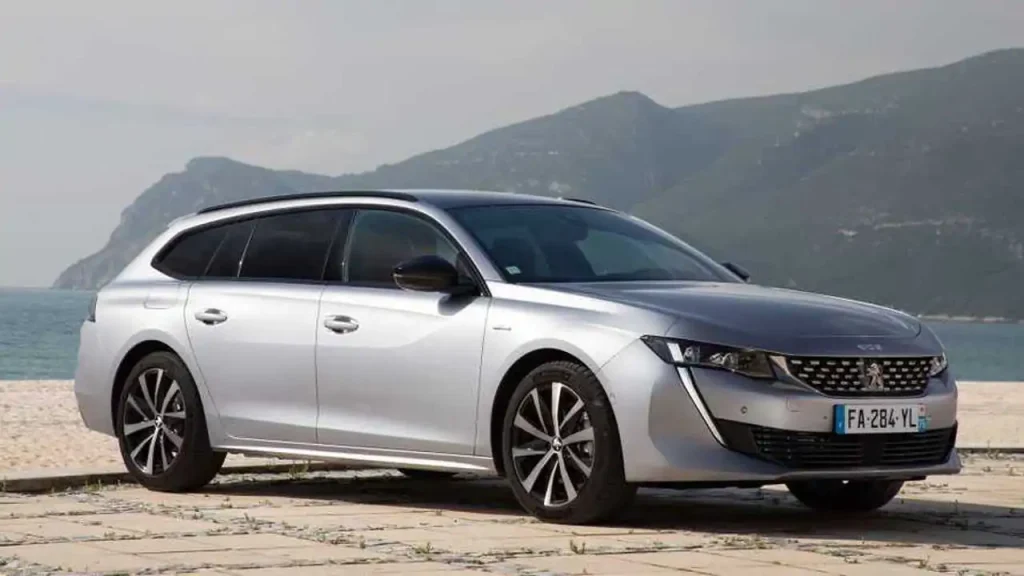
The Peugeot 508 SW shows that a practical wagon can still have plenty of style. Based on the sleek 508 fastback, the SW stretches the roofline and adds substantially more cargo room without losing the car’s sporty proportions. Inside, Peugeot’s distinctive i-Cockpit, digital displays, and upscale materials give the cabin a more premium feel than many conventional family wagons. With American buyers increasingly gravitating toward crossovers, the 508 SW could have offered a compelling alternative for shoppers who wanted everyday versatility without driving another SUV.
Citroën E-Mehari
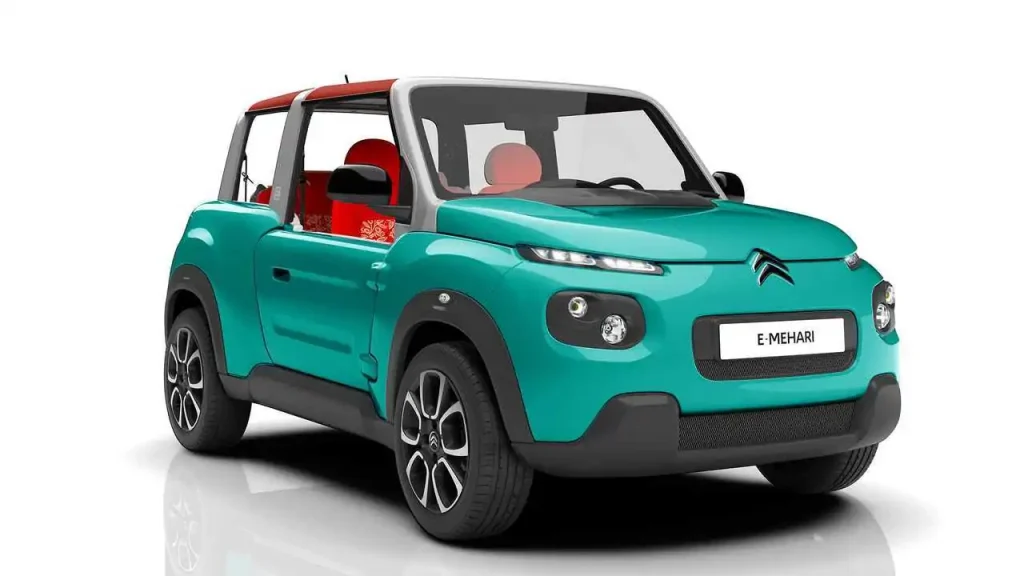
The Citroën E-Mehari is easily one of the most unusual vehicles on this list, combining the carefree character of the original Méhari with an all-electric powertrain. Its retro-inspired styling, open-air character, and easy-to-clean interior gave it a personality rarely found among modern EVs. Performance wasn’t the point; the E-Mehari was designed around relaxed, uncomplicated electric motoring. In places such as California or Florida, its quirky personality and beach-friendly character could have made it a memorable alternative to conventional urban EVs.
Peugeot Rifter
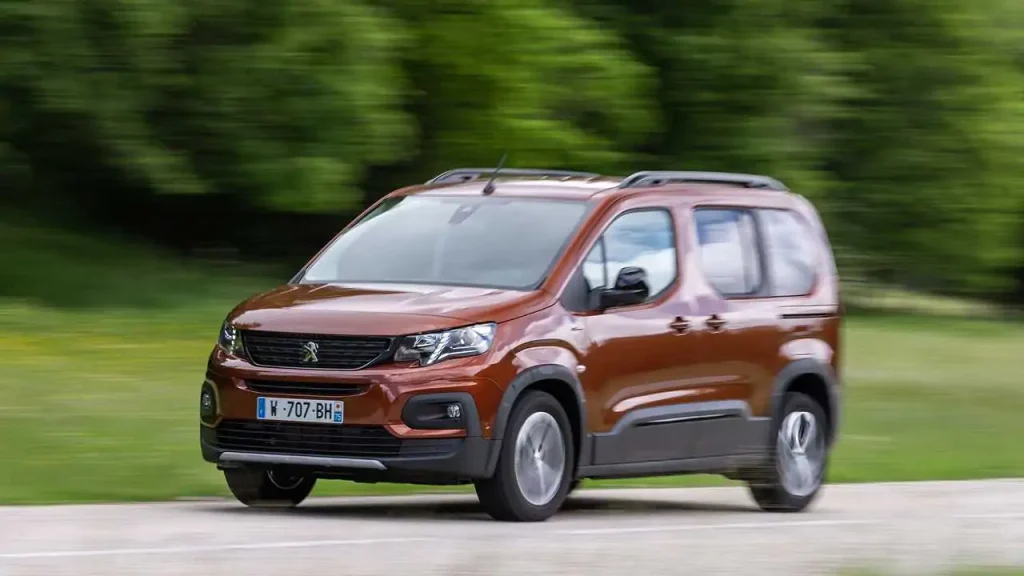
The Peugeot Rifter demonstrates how useful a practical family vehicle can be without becoming enormous or boring. Its tall body, sliding doors, flexible seating, and generous cargo area provide plenty of functionality while keeping its footprint relatively compact. That versatility could have made it useful for families, small businesses, road trips, or even lightweight camper conversions. Rather than relying on a huge engine or oversized dimensions, the Rifter focuses on making the most of its interior space, a formula that could have found an audience in the U.S.
Citroën Grand C4 SpaceTourer
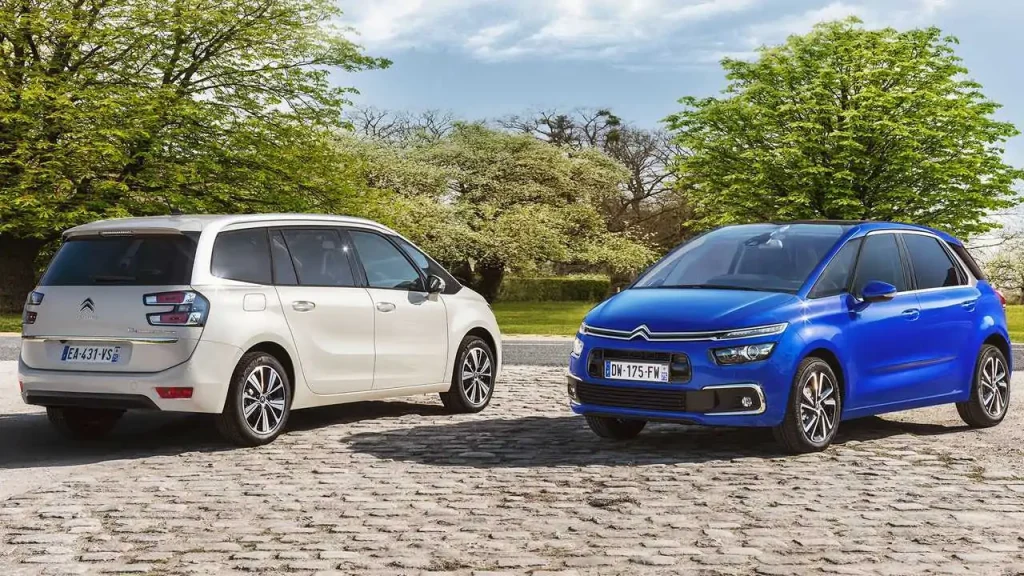
The Citroën Grand C4 SpaceTourer takes the traditional seven-seat family vehicle and gives it a distinctly French personality. Its spacious and flexible cabin, expansive glass areas, and comfort-focused design provide plenty of room without requiring the size of a full-scale SUV. Inside, the airy, lounge-like atmosphere and unconventional dashboard make it stand out from more predictable family haulers. With three-row crossovers dominating American roads, the Grand C4 SpaceTourer could have offered families a refreshingly different way to carry passengers and cargo.
Peugeot 208
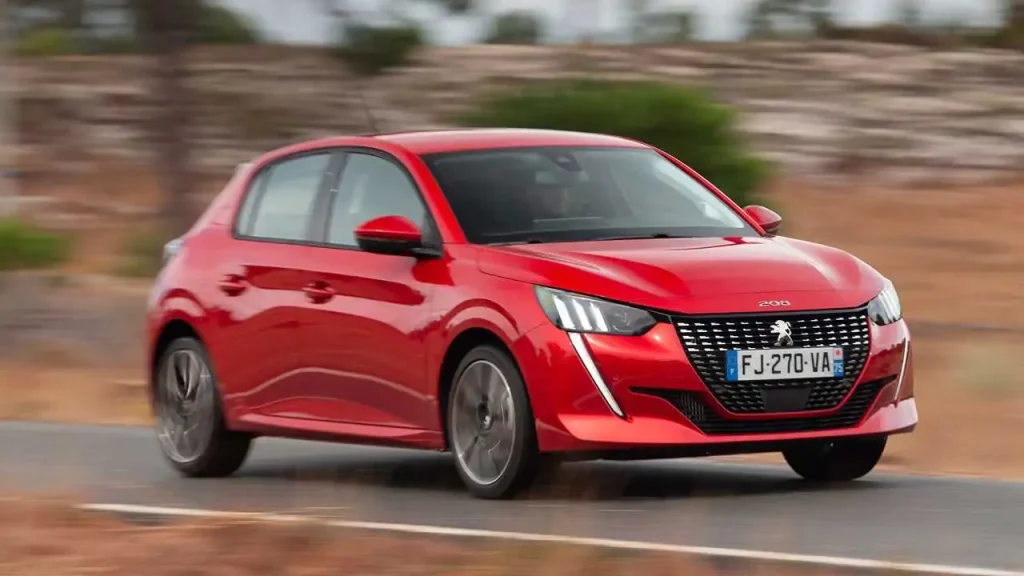
The Peugeot 208 could have been an appealing addition to the shrinking American small-car market. Its sharp exterior styling gives the subcompact plenty of personality, while the interior uses modern technology and upscale details to make the car feel more substantial than its dimensions suggest. Peugeot also offered an electric version, potentially giving American buyers access to a smaller and more affordable EV rather than another large electric crossover. The 208 doesn’t need huge power or dimensions to stand out; its combination of efficiency, style, and city-friendly size is the appeal.
Peugeot 308 GT
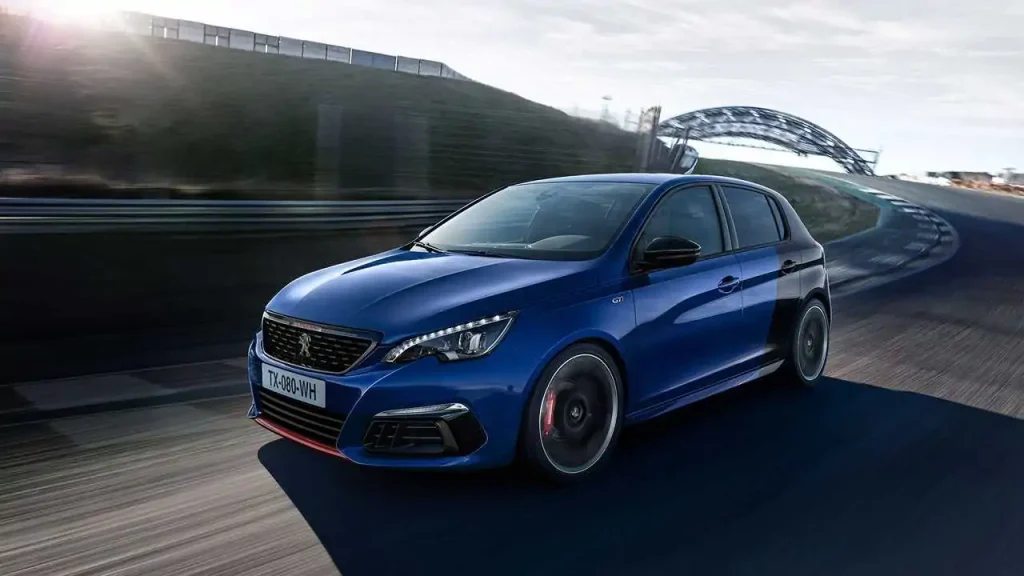
The Peugeot 308 GT is the sort of compact hatchback that could have given American enthusiasts another option beyond small sedans and crossovers. It combines a practical footprint with sharp styling, a sophisticated interior, and a sportier character, while the GT treatment adds extra attitude to the everyday hatchback formula. The result is a vehicle that’s practical enough for daily use but distinctive enough to avoid feeling ordinary. It also captures Peugeot’s ability to turn an otherwise sensible European hatchback into something with genuine personality.
DS 3 Crossback
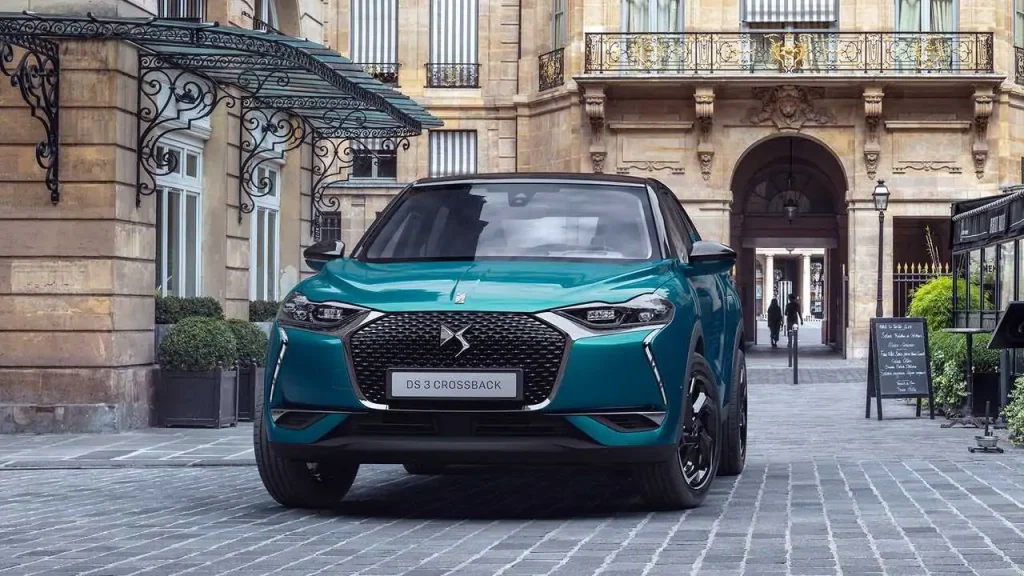
The DS 3 Crossback would have brought a distinctly French flavor to America’s premium small-crossover market. Positioned above Peugeot and Citroën within the Stellantis family, DS emphasizes distinctive styling, upscale materials, technology, and personalization. The DS 3 Crossback’s unusual exterior design carries over into a cabin filled with unconventional shapes and premium touches, while the electric E-Tense version adds an EV option. With America’s luxury crossover segment dominated by familiar European, Japanese, and American brands, the DS 3 Crossback could have provided an unusual alternative for buyers seeking something less conventional.
Peugeot 508 Fastback
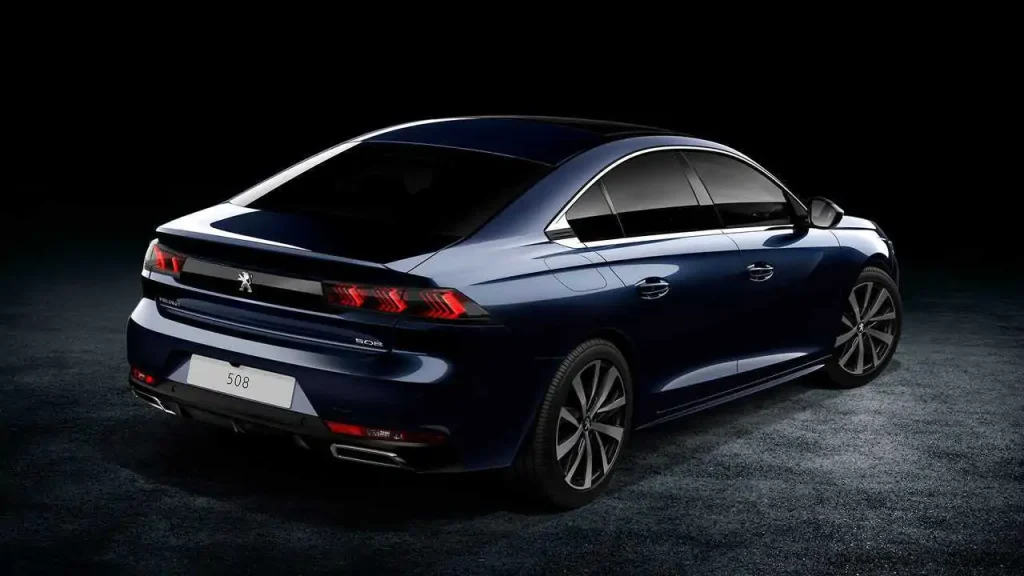
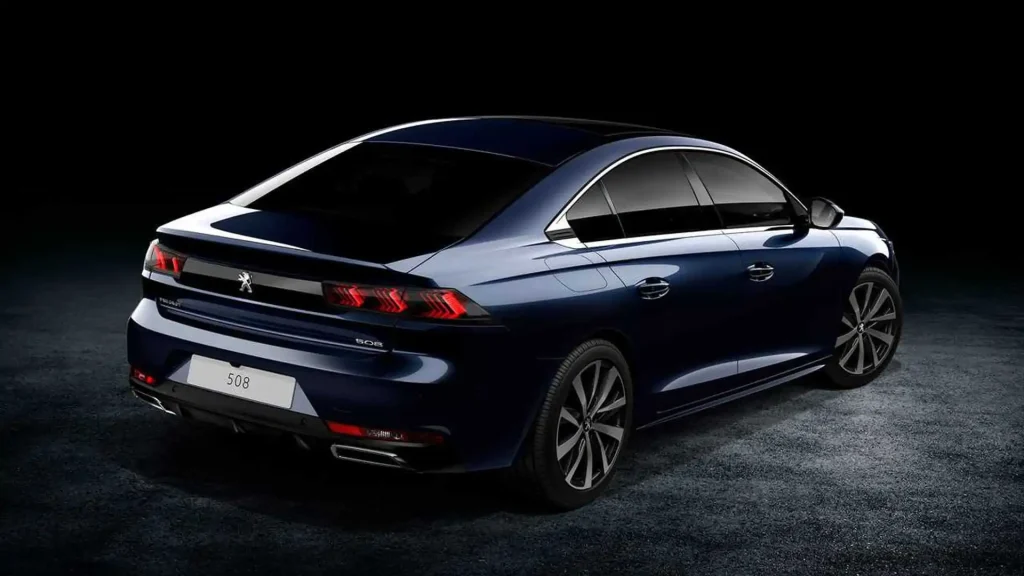
While the 508 SW emphasizes practicality, the 508 Fastback is all about style. Its low-slung profile, frameless doors, dramatic lighting, and sculpted bodywork give it a much more distinctive presence than the typical midsize sedan, particularly in a market increasingly dominated by SUVs. Peugeot carries that design philosophy into the cabin with its compact steering wheel, digital displays, and unconventional dashboard. It wouldn’t necessarily need to challenge America’s biggest-selling family sedans to make an impression; simply offering buyers a stylish alternative would have given it a reason to exist.