
These upscale SUVs earned top crash-test ratings and come equipped with advanced safety technology, including highly rated automatic emergency braking systems.
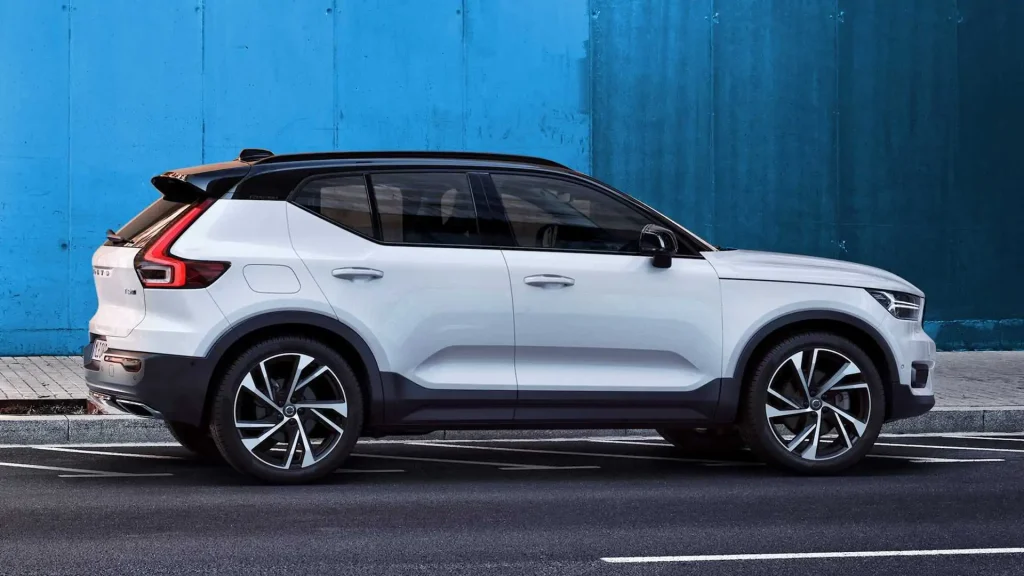
Luxury SUVs and crossovers had become increasingly popular as buyers moved away from traditional passenger cars. Their appeal was easy to understand: they combined premium materials, technology, comfort, and performance with a higher driving position, improved visibility, easier access, and added cargo space.
A luxury badge, however, does not automatically mean better safety. To identify the strongest performers, we looked at crashworthiness and crash-avoidance results from the Insurance Institute for Highway Safety (IIHS) and the National Highway Traffic Safety Administration (NHTSA). The group included models that earned IIHS Top Safety Pick or Top Safety Pick+ recognition, with five-star NHTSA occupant-protection ratings where testing was available.
IIHS awards are based on several crash tests, including small-overlap and moderate-overlap frontal impacts, side impacts, roof strength, and head restraints. Crash-prevention systems and headlights also play an important role. Top Safety Pick+ adds stricter requirements, including stronger passenger-side crash protection and qualifying headlight performance.
Equipment can make a significant difference. The Volvo XC40, for example, earned a Good rating for its available curve-adaptive LED reflector headlights, while its standard LED headlights were rated Poor because of low-beam glare. That means shoppers need to pay attention to the specific equipment fitted to a vehicle rather than relying solely on the model’s overall safety designation.
It’s also worth noting that neither IIHS nor NHTSA tests every vehicle sold in the U.S. New models can take time to receive ratings, while some low-volume or especially expensive vehicles may not be tested at all. A missing rating therefore does not necessarily mean a vehicle performed poorly.
The Tesla Model X is a useful example. Although IIHS had not rated it at the time, NHTSA testing showed strong frontal and side-impact protection and a five-star rollover rating. Its low-mounted battery pack contributes to a low center of gravity, which can help reduce rollover risk.
With luxury SUVs offering a combination of comfort, technology, performance, and advanced safety systems, they have become credible alternatives to traditional luxury sedans. The models below stood out in the available safety testing, although ratings can vary by model year and equipment, making the specific configuration important when comparing them.
Table of Contents
Mercedes-Benz GLE
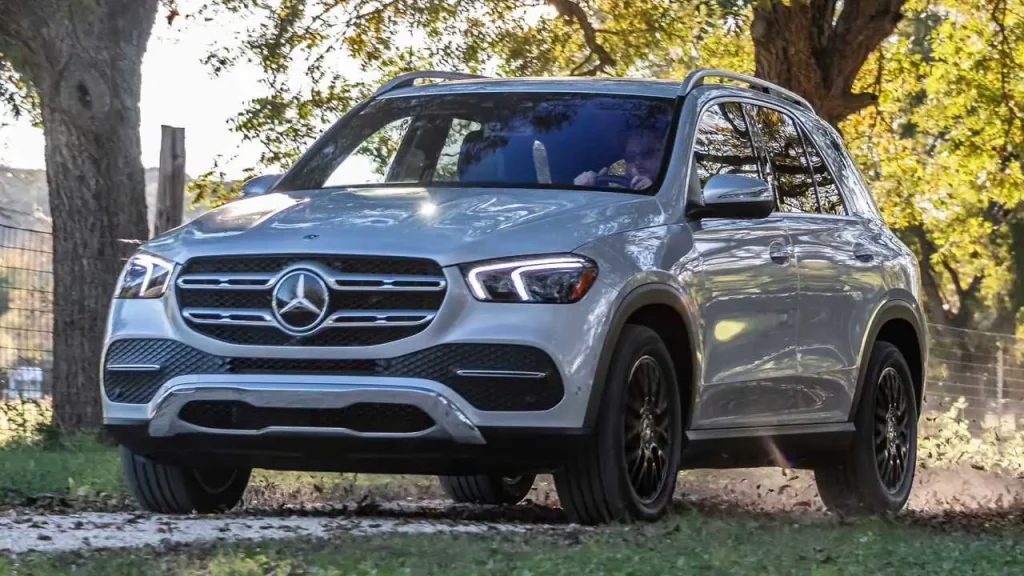
The Mercedes-Benz GLE was one of the standout luxury SUVs in IIHS testing for this period. For 2018 models built after March, the GLE-Class earned Top Safety Pick+ status when equipped with the optional front crash-prevention system and specific headlights. Mercedes also improved the available LED headlights during the 2018 model year, helping the GLE achieve the headlight performance required for the higher award. The SUV performed well across the IIHS crash tests, including the driver- and passenger-side small-overlap tests, moderate-overlap test, side-impact evaluation, roof-strength test, and head-restraint assessment.
Volvo XC40
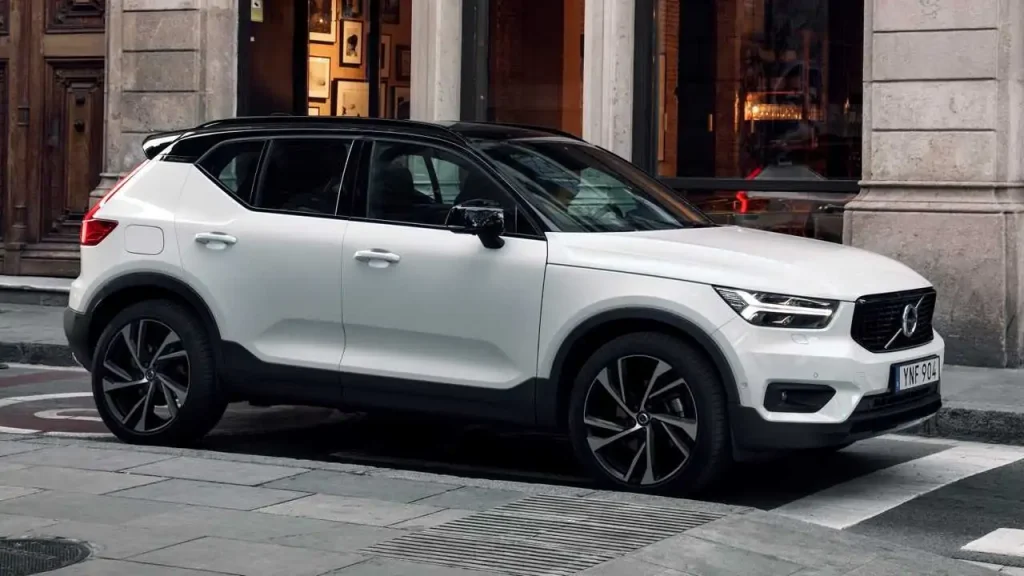
The Volvo XC40 brought the Swedish automaker’s long-standing emphasis on safety into the small luxury-SUV segment. Its compact dimensions made it practical for city driving, while its elevated seating position and suite of electronic driver-assistance systems added to its appeal. One important detail was the lighting equipment: the available curve-adaptive LED reflector headlights earned a Good rating from IIHS, while the base LED headlights performed considerably worse. That meant the XC40’s highest safety designation depended on choosing the appropriate equipment. The example also illustrates how a vehicle’s safety credentials can vary within the same model depending on configuration.
Volvo XC60
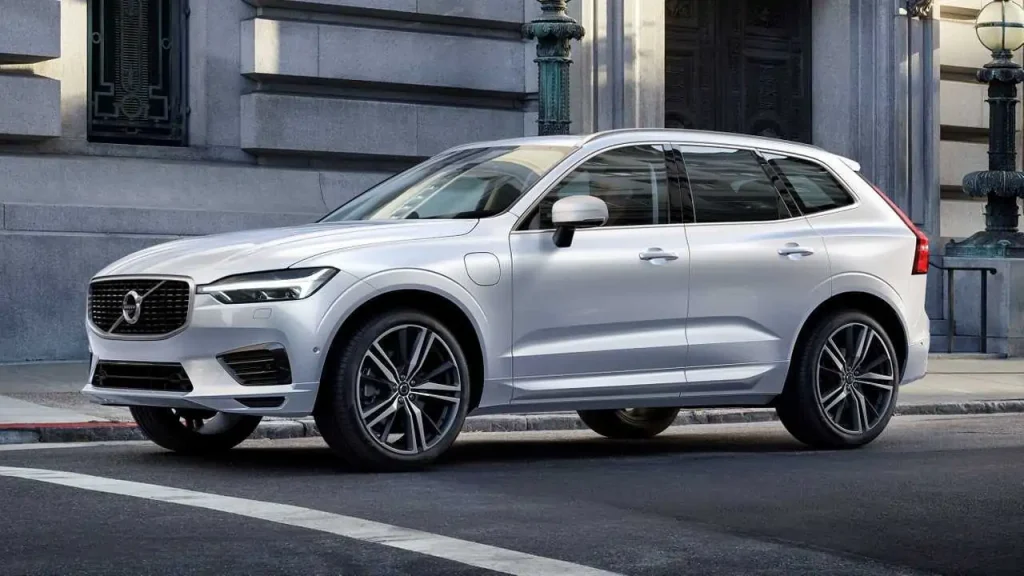
The Volvo XC60 combined family-friendly dimensions with the brand’s extensive approach to occupant protection and accident avoidance. The 2018 XC60 earned an IIHS Top Safety Pick designation with specific headlights, while earlier testing also recognized versions with stronger equipment. Its safety package included technologies designed to help detect potential collisions and assist the driver in avoiding them. The XC60 also provided the refined cabin, comfortable ride, and understated styling expected from a premium midsize crossover.
Audi Q8
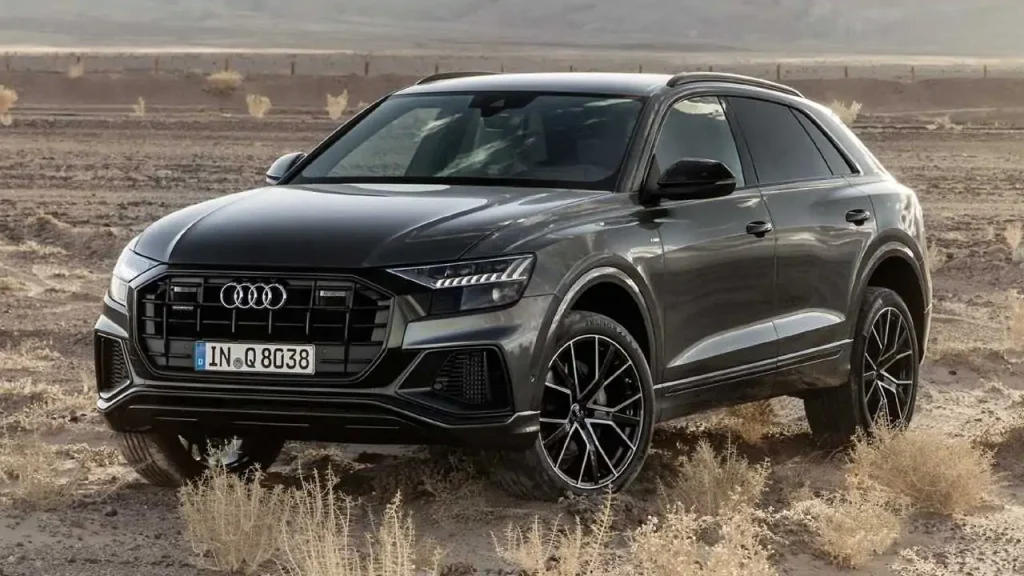
The Audi Q8 arrived as a more style-focused addition to the German automaker’s SUV range, combining a coupe-inspired roofline with the dimensions and practicality of a larger crossover. The 2019 Q8 performed well in IIHS crash testing, earning Good ratings in the driver- and passenger-side small-overlap tests, moderate-overlap test, side-impact evaluation, roof strength, and head restraints. Its available front crash-prevention system also earned a Superior rating. NHTSA testing gave the Q8 five stars overall for frontal and side crash performance, although its rollover rating was four stars.
BMW X2
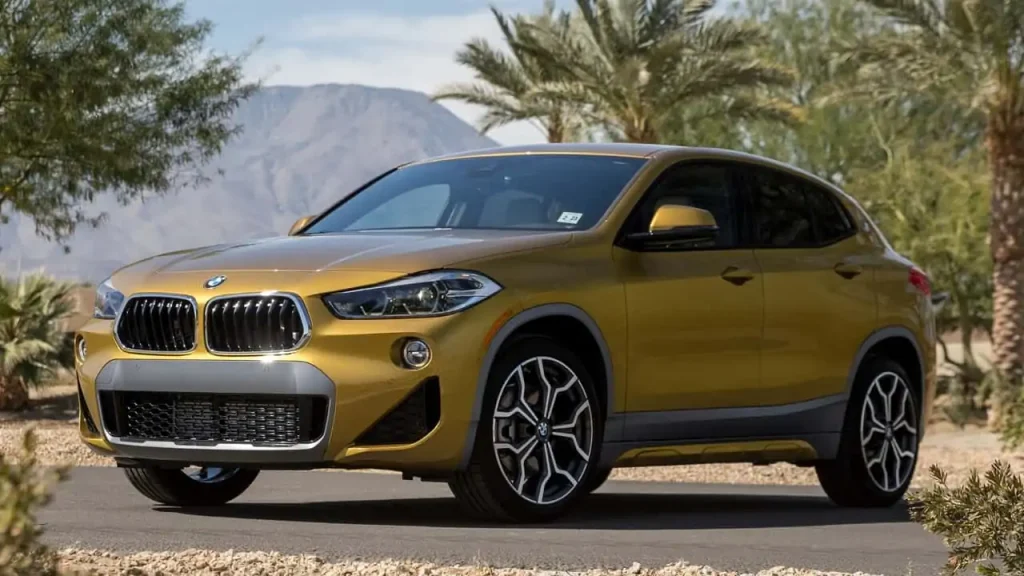
The BMW X2 demonstrated that a smaller luxury crossover could deliver strong safety performance without abandoning the sporty character associated with the BMW brand. For 2018, the X2 earned an IIHS Top Safety Pick designation when equipped with optional front crash prevention, with the award applying to vehicles built after July 2018. The X2’s compact footprint, elevated driving position, and available safety technology made it a useful alternative to a conventional premium hatchback or sedan for buyers who wanted something smaller than the larger BMW SUVs.
BMW X3
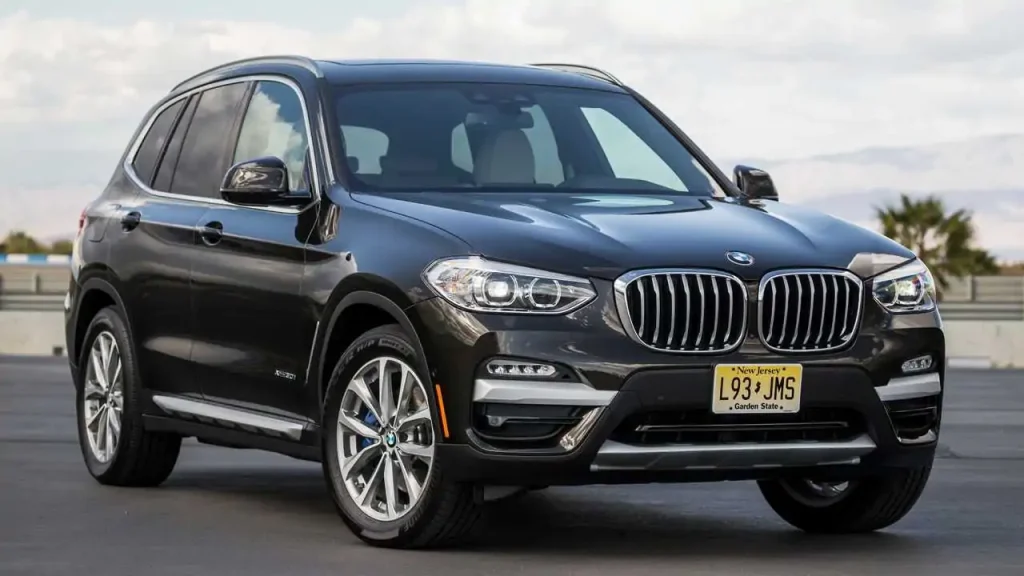
The BMW X3 occupied the middle of BMW’s SUV lineup and combined family-friendly practicality with the brand’s emphasis on driving dynamics. The 2018 X3 earned IIHS Top Safety Pick+ recognition when equipped with optional front crash prevention and specific headlights. Its strong crash-test performance was complemented by electronic systems designed to help prevent or mitigate collisions. The X3 continued to offer the responsive handling associated with BMW while providing the higher seating position and additional cargo space that had made luxury crossovers so popular.
Mercedes-Benz GLC
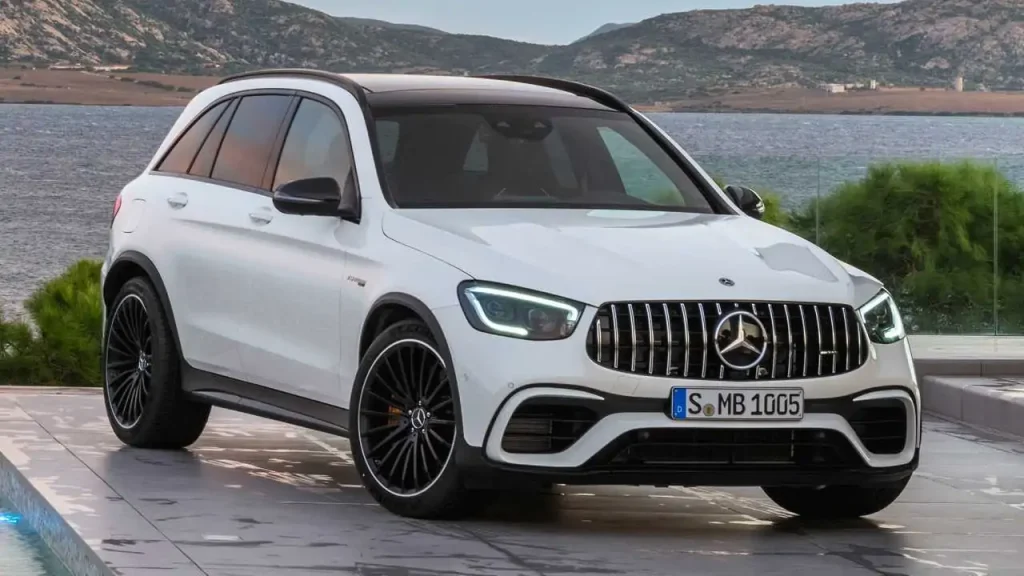
The Mercedes-Benz GLC was another strong performer in the midsize luxury-SUV class. The 2018 model earned an IIHS Top Safety Pick+ award when equipped with specific headlights. Its crashworthiness performance, combined with available collision-avoidance technology, made it one of the better-equipped premium crossovers of its era. The GLC also provided a quieter, more luxurious alternative to many mainstream SUVs without becoming excessively large or difficult to maneuver.
BMW X5
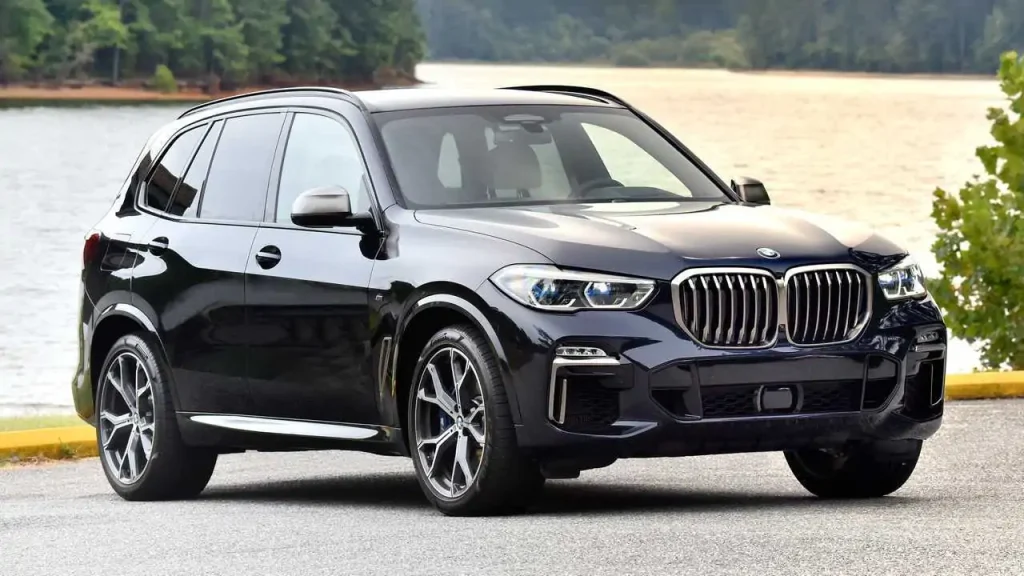
The BMW X5 brought the safety discussion into the larger luxury-SUV category. The 2019 model earned IIHS Top Safety Pick+ recognition with specific headlights, giving it strong credentials for both crash protection and nighttime visibility. Its larger body provided substantially more passenger and cargo room than the X2 or X3, while BMW’s available driver-assistance technology added another layer of accident prevention. The X5 therefore combined the practicality of a larger family SUV with the premium engineering and performance expected from BMW.
Acura RDX
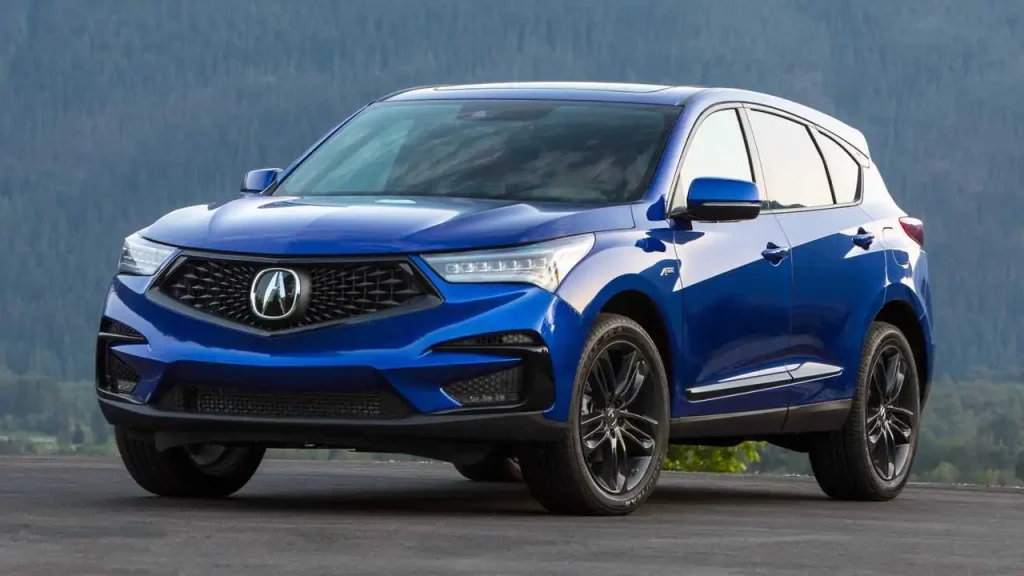
The Acura RDX provided a Japanese alternative to the predominantly European group. The 2018 RDX earned an IIHS Top Safety Pick designation when equipped with optional front crash prevention, while the redesigned 2019 model later earned Top Safety Pick+ status with specific headlights. The RDX combined a relatively spacious cabin with a comprehensive collection of available driver-assistance features, making it a practical choice for buyers who wanted luxury-SUV features without moving into the highest price brackets of the European market.
Final Thoughts
The safest luxury SUVs of 2018 proved that buyers did not have to choose between premium features and peace of mind. Whether it was Volvo’s safety-first engineering, Mercedes-Benz’s advanced driver assistance systems, BMW’s strong construction, or Tesla’s innovative electric platform, each of these SUVs brought something unique to the table.
From compact crossovers to large family haulers, the luxury SUV segment had never offered more choice — or more protection. For buyers searching for a premium vehicle that could protect passengers while delivering comfort and style, these nine SUVs represented some of the best options available in 2018.