
Automakers file trademarks for all kinds of names, but many of those filings never turn into production vehicles or major announcements.
Trademark filings often make headlines in the automotive world, but they don’t necessarily mean a new model, feature, or product is on the way. Automakers regularly register names they may never use, so it’s important to treat these announcements with a degree of caution. Understanding what a trademark actually protects can help put these stories into perspective.
A trademark gives a person or business legal protection for a name, phrase, symbol, or logo used to identify particular goods or services. That protection applies to specific categories rather than every possible use of a word. For example, Schick can market its Quattro razor blades while Audi uses Quattro as the name of its all-wheel-drive technology. Because the marks apply to different types of products, the two companies can use the same name without necessarily infringing on each other’s trademarks.
A trademark filing may hint at an automaker’s future plans, but it doesn’t guarantee that a new vehicle or product is actually on the way.
Trademark protection is handled separately by each country, although some regions, such as the European Union, operate under a shared system. Companies looking to market a product in multiple territories generally need to register their trademarks with the relevant offices in each jurisdiction.
A strong brand identity is essential in the automotive business, where every vehicle, technology, and product needs a name. That’s why automotive journalists regularly monitor databases such as the United States Patent and Trademark Office and the World Intellectual Property Organization for new trademark applications filed by automakers.
Trademark filings can offer an early glimpse of an automaker’s future plans. Ford, for instance, registered the Maverick name well before officially announcing its compact unibody pickup truck.
Automakers can renew trademarks for years simply to protect valuable names from being claimed by competitors.
Another important detail is that initial intent-to-use trademark applications come with a deadline. In the United States, applicants generally have six months after receiving a notice of allowance to begin using the name or logo commercially. If they’re not ready, they can request extensions, which allows automakers to keep unused trademarks active while they decide what to do with them. The United States Patent and Trademark Office permits up to five six-month extensions for an intent-to-use application.
However, trademark protection isn’t indefinite if a name goes unused. After a prolonged period without commercial use, a company may lose its rights and need to submit a new application. Chrysler’s former parent company, FCA, now part of Stellantis, provides a good example with the ‘Cuda name. The automaker has repeatedly sought to preserve the trademark, including filings in 2017 and again in 2020.
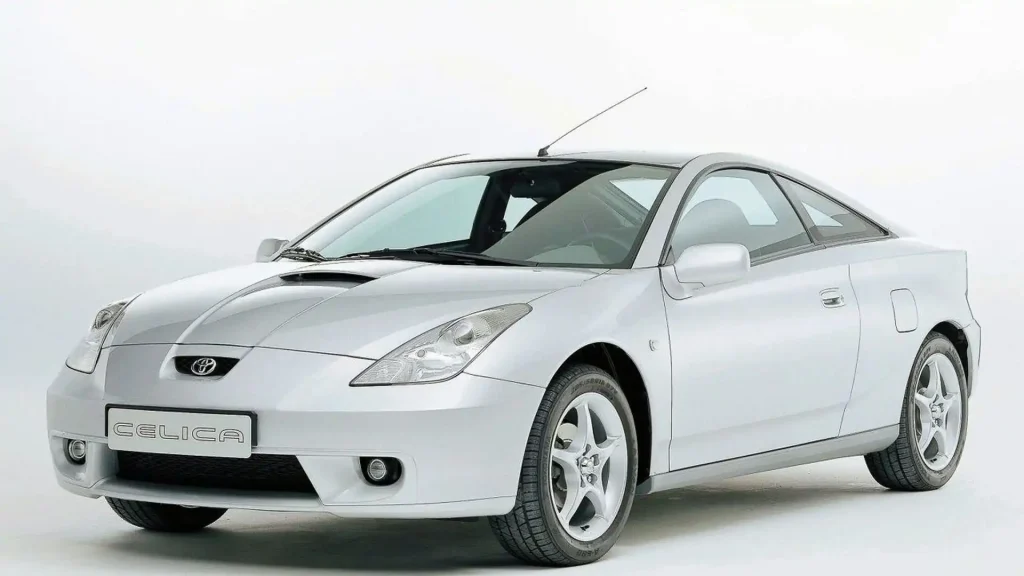
The Toyota Celica has faced a similar situation. After production ended, Toyota lost its trademark protection for the name in 2016 because the mark was no longer in use. The company waited until 2017 to apply for the name again. When that registration later expired, Toyota had already submitted another application to protect the Celica name once more.
When an automaker repeatedly renews or reapplies for a trademark over many years without using it, that can suggest the company simply wants to keep the name available rather than prepare a new vehicle for launch. A comeback is always possible, but repeated trademark filings alone aren’t enough to convince us that the ‘Cuda or Celica will return to showrooms anytime soon.