
The next big automotive innovation could be moving beyond metal and composites to lightweight, durable exterior fabrics.
Traditional automakers are facing a growing challenge. Startups such as Tesla, Rivian, and Lucid are moving with remarkable urgency, driven by the fact that their survival depends on establishing themselves in the electric-vehicle market. These EV-focused companies aren’t simply trying to compete with established automakers—they’re aiming to become the industry’s next leaders, potentially displacing GM, Ford, and Chrysler, now part of Stellantis.
That outcome becomes more plausible as EV adoption grows and legacy automakers struggle to match the pace of innovation coming from these newer companies. If the established players want to remain at the top of the sales charts, they’ll need to find ways to compete with the cutting-edge products being developed by their younger rivals.
I have an idea that could help. It might sound unconventional at first, but it’s bold enough to make a meaningful difference for whichever automaker is willing to try it first.
Fabric Exteriors Could Make EVs Lighter
Range is one of the biggest concerns surrounding electric vehicles. The easiest way to increase range is to install a larger battery, but that’s hardly an elegant solution. Bigger batteries cost more, add weight, and require more raw materials.
A better strategy is to make the vehicle itself more efficient.
EV efficiency can be improved in countless ways, from aerodynamics and motor design to regenerative braking, thermal management, tires, software, and weight reduction.
Weight is particularly interesting because it affects nearly every aspect of vehicle performance.
Consider a hypothetical EV built around a rigid passenger compartment and structural crash zones. Those components would remain responsible for occupant protection. But what if the hood, fenders, doors, and other nonstructural exterior panels didn’t need to be made from steel or aluminum?
Instead, imagine a lightweight framework covered by a tightly stretched, high-strength textile.
That could eliminate a significant amount of mass while maintaining the structural components that actually matter during a crash.
Learning From Aviation History
The concept isn’t as radical as it might sound. Aircraft designers once relied on fabric coverings for their planes, and the biplanes flown during World War I used lightweight fabric stretched over their frames. Despite their minimal power, these aircraft were strong and rigid enough to perform their jobs without carrying the weight of conventional metal bodies.
That doesn’t mean we’re suggesting cars made from balsa wood and cotton. The underlying principle, however, could translate surprisingly well to electric vehicles. Picture an EV with a sealed passenger compartment made from metal and glass, along with conventional metal crumple zones at the front and rear for crash protection. Outside of those structural areas, the hood, fenders, doors, and trunk could use a tightly stretched fabric skin supported by a lightweight frame. It raises an obvious question: Why carry the extra weight of large metal body panels when many of them contribute relatively little to the vehicle’s overall structure or crash protection?
A fabric exterior could potentially save hundreds of pounds while also cutting material and manufacturing costs. Specialized coated fabrics could be substantially cheaper than steel or aluminum and wouldn’t require energy-intensive processes such as panel stamping, extensive paint-shop work, or corrosion protection. Automakers could use those savings to make EVs more affordable, boost their margins, or potentially accomplish both.
Imagine the possibilities for owners, too. Tired of your car’s color? Swap out the fabric covering instead of paying for a new paint job. Need to clean it? In theory, you could toss it in the washing machine with your bedsheets and hang it up to dry. A fabric exterior could fundamentally change how we customize, purchase, repair, and maintain our vehicles.
Of course, making this idea practical would depend heavily on choosing the right material. I’m no fabric specialist, so I turned to someone with a reputation for understanding how cars are engineered: Sandy Munro of Munro & Associates, Inc.. Munro has become a YouTube sensation by taking vehicles apart down to their smallest components and examining how they’re built. His Tesla teardown videos have attracted millions of views, as has his one-on-one interview with Elon Musk. When I asked Munro what material might work for a fabric-covered car, his answer was simple: “Kevlar fabric.” That sounds a lot more promising than cotton, doesn’t it?
Bringing Innovation Back Into Focus
During a lengthy recent conversation, Munro and I realized we shared a similar vision for the future of automotive manufacturing. He believes “the next generation of vehicles is going to be woven,” with “knitting” eventually taking the place of traditional stamping processes on factory floors. It’s an exciting prospect, provided established automakers have the courage to embrace it.
Munro also pointed out how the structure of today’s major automakers can discourage engineers from pursuing bold new ideas. Many follow a career path that takes them from engineering into MBA programs and eventually management. As they climb the corporate ladder, financial targets and risk management can take priority over experimentation. Engineers who choose to remain in technical roles, meanwhile, may find themselves specializing in increasingly narrow areas, such as accelerator pedals or door handles, rather than getting the opportunity to shape the bigger picture.
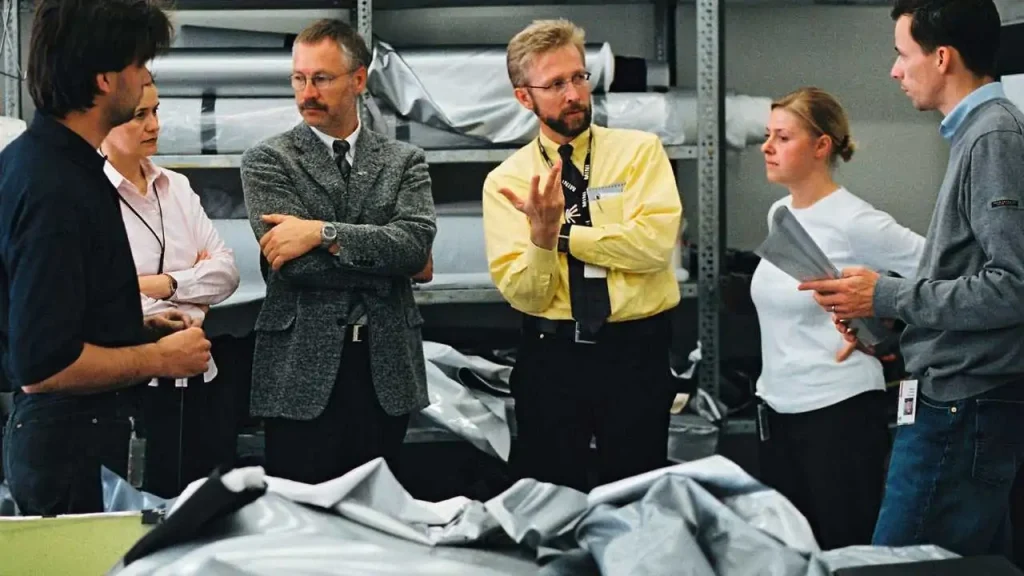
A significant amount of the engineering behind modern vehicles now comes from suppliers rather than the automakers themselves. Over the years, manufacturers have outsourced work that was once handled internally, and suppliers often have little incentive to pursue radical innovation. Their business model typically revolves around developing components that can be used across multiple automakers’ lineups with minimal customization. The less a supplier needs to change a product for each customer, the more efficiently it can manufacture it and protect its profit margins.
Keeping engineering in-house has been one of Tesla’s major competitive advantages, and I suspect it will prove equally important for EV startups that manage to survive the coming years. Consider Tesla’s Octovalve, its innovative mega castings, or the neural network that continuously improves its Autopilot driver-assistance system. Each demonstrates how developing technology internally can give an automaker greater control over its products and their evolution. Together, these innovations have helped Tesla maintain an edge over much larger competitors—at least so far.
What Might a Fabric-Covered Car Look Like?
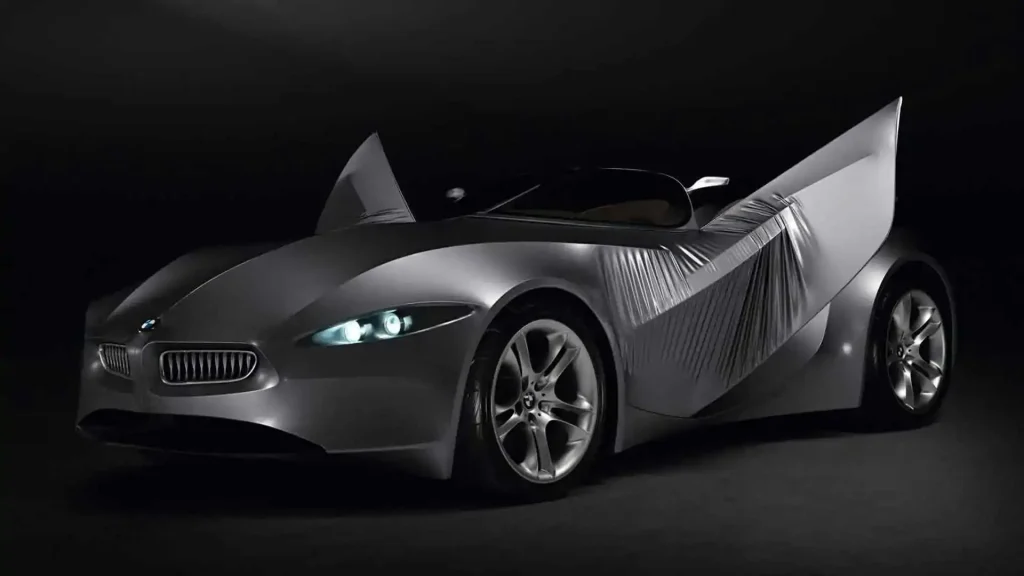
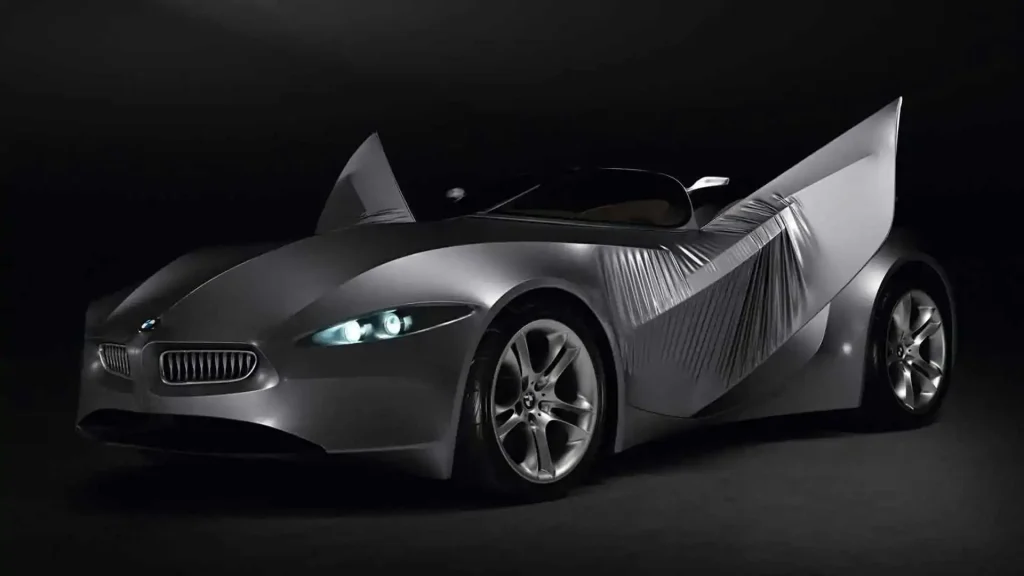
We don’t have to imagine fabric-bodied vehicles entirely from scratch. A handful of concepts have already explored the idea, with the BMW GINA concept standing out as the most compelling example in my view. Unveiled in 2008, the GINA is a striking two-seat convertible sports car developed during Chris Bangle’s tenure leading BMW’s design team. The ambitious project took seven years to bring to life.
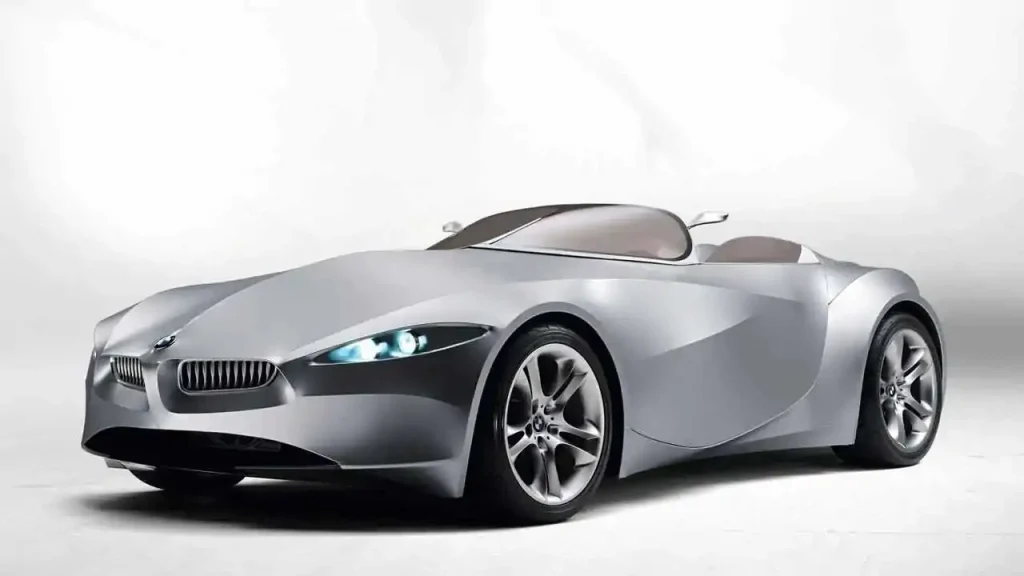
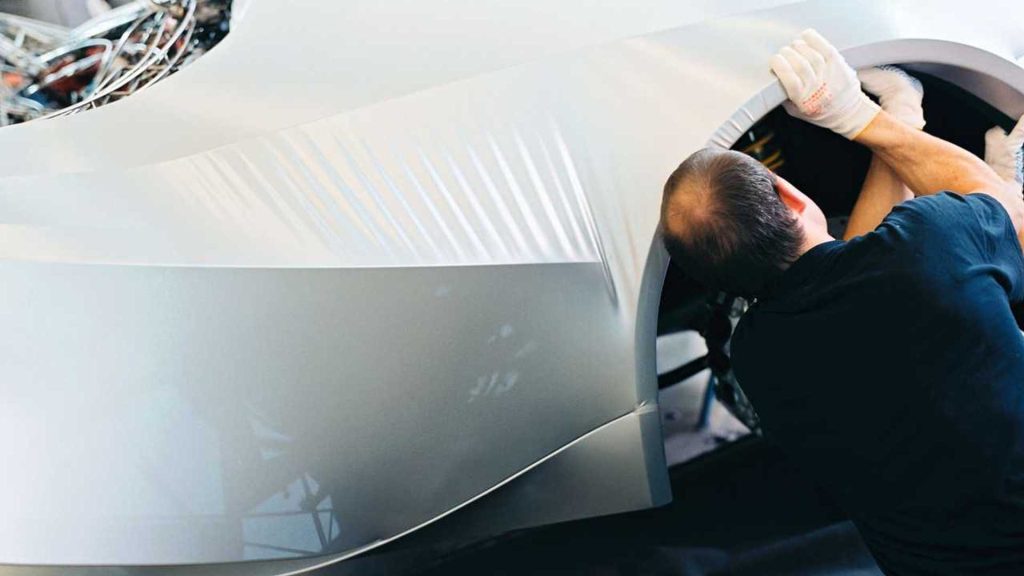
Bangle and his team did more than demonstrate that a fabric-covered car could look beautiful. They also revealed how the material could enable design features that would be difficult to achieve with conventional body panels. The GINA’s exterior is made up of just four fabric sections, with electric and hydraulic mechanisms beneath the surface that reshape the material on demand.
Take the headlights, for example. Rather than sitting behind fixed glass covers, they emerge when motors lift the fabric like opening eyelids. Accessing the front compartment is equally unconventional: instead of a traditional hinged hood, a central seam stretches apart to create an opening. At higher speeds, an integrated rear spoiler rises out of the body to improve stability. It’s a remarkably clever approach to automotive design, and the video below demonstrates it all with an appropriately uplifting soundtrack.
The BMW GINA packs in so many clever ideas that other automakers could borrow its design principles and potentially develop groundbreaking vehicles of their own. BMW also addressed one of the biggest challenges: finding a fabric durable enough for automotive use. The GINA’s outer skin uses polyurethane-coated Spandex, which BMW says can withstand both high and low temperatures without shrinking, swelling, or suffering damage from repeated movement. In other words, the company had already made meaningful progress on the materials science needed to make fabric bodywork viable.
The concept of fabric-bodied vehicles also has historical precedents. Examples include the Weymann, the Velorex, and several Austin models from the 1920s. Despite these early experiments, fabric bodywork never became mainstream. But its limited success in the past doesn’t mean the idea is outdated. With modern materials and new manufacturing techniques, fabric exteriors could find a second life as a lightweight, cost-effective alternative for today’s electric vehicles.
More Than Just Efficiency
I’ve spent much of this discussion highlighting the potential gains in efficiency and manufacturing innovation, but there’s another compelling reason to explore fabric-bodied vehicles: the opportunity to stand out. As the EV market grows and new competitors enter the scene, I’m struck by how conventional so many of their offerings look and feel.
The shift to electric power should be an opportunity to rethink the automobile from the ground up—not just how it’s propelled, but how it’s designed, built, and driven. Yet many of today’s EVs follow the same familiar formulas automakers have relied on for decades, with electric motors and batteries replacing combustion engines and fuel tanks. If electrification is truly going to transform the automotive industry, shouldn’t it inspire something more radical than simply putting a different powertrain inside a familiar package?
An electric vehicle with a fabric exterior could combine exceptional range, achieved through a comprehensive focus on efficiency, with a lower purchase price made possible by reduced material and manufacturing costs. Such a vehicle would stand apart from anything else on the market, attracting attention through its originality rather than relying on tens of millions of dollars in advertising to sell the idea. It could even become the long-awaited Tesla rival that so many automakers have promised but none has quite delivered.
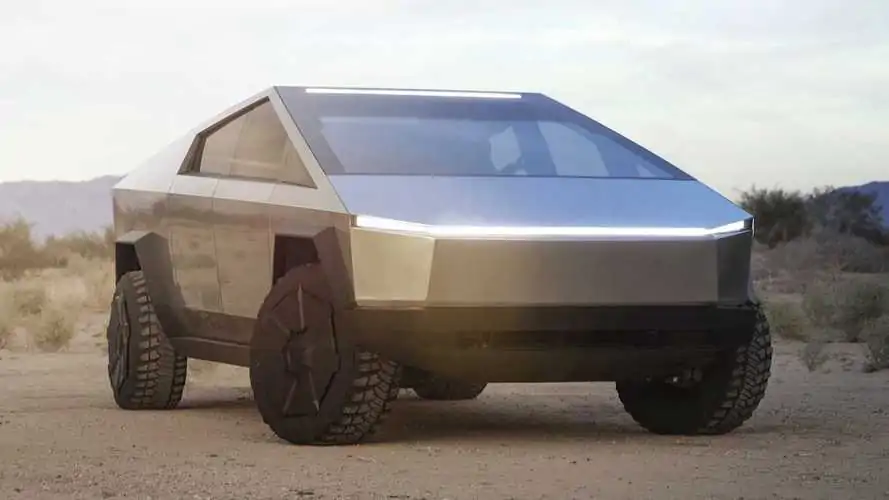
Of course, there’s always the possibility that Tesla could get there first. Imagine the Cybertruck abandoning its increasingly costly stainless-steel exoskeleton in favor of Kevlar fabric stretched over a supporting frame. It might sound far-fetched, but I can picture it—and it could be a fascinating new direction for the electric pickup.