It’s all about fueling excitement for the latest cars among people who never outgrow their fascination with them.
Sometimes, those of us who cover the auto industry lose sight of a simple fact: we’re not nearly as important as the people who actually buy the cars.
If no journalist wrote about, photographed, or filmed a first drive of the Chevrolet Corvette, it would almost certainly sell anyway. Great cars don’t need a hype machine to prove they’re great.
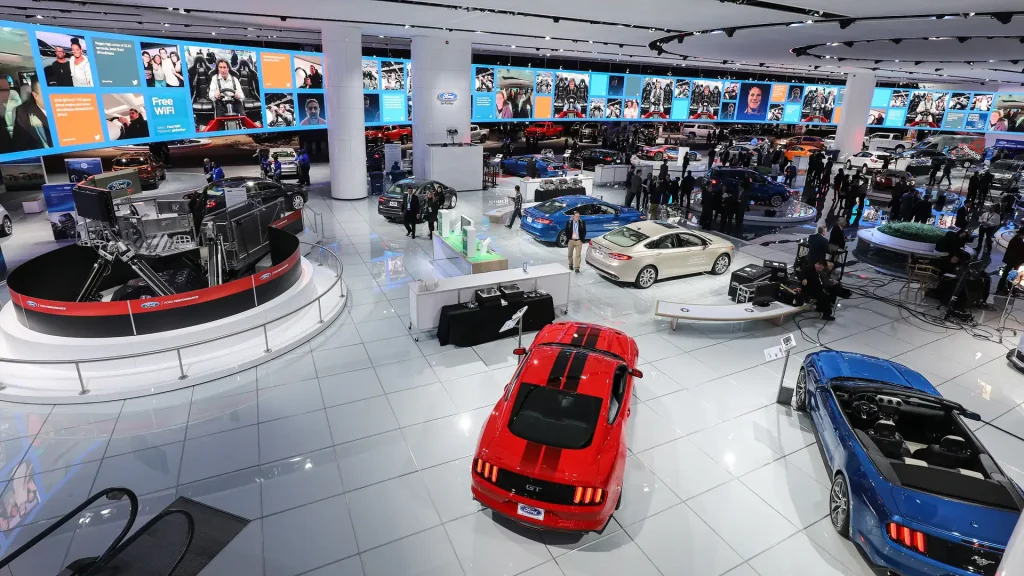
That’s why it was surprising to hear some members of the automotive press complain when Ford chose to unveil its refreshed Mustang during the public days of the North American International Auto Show in Detroit. Others have once again argued that the Detroit show should move to the spring or summer so journalists—and the rest of the world—can experience the city in warmer, more flattering weather. It’s hardly a new suggestion, but it often feels more self-serving than rooted in good public relations.
It raises a familiar question: Who are auto shows really for?
The answer is simple: they’re for you.
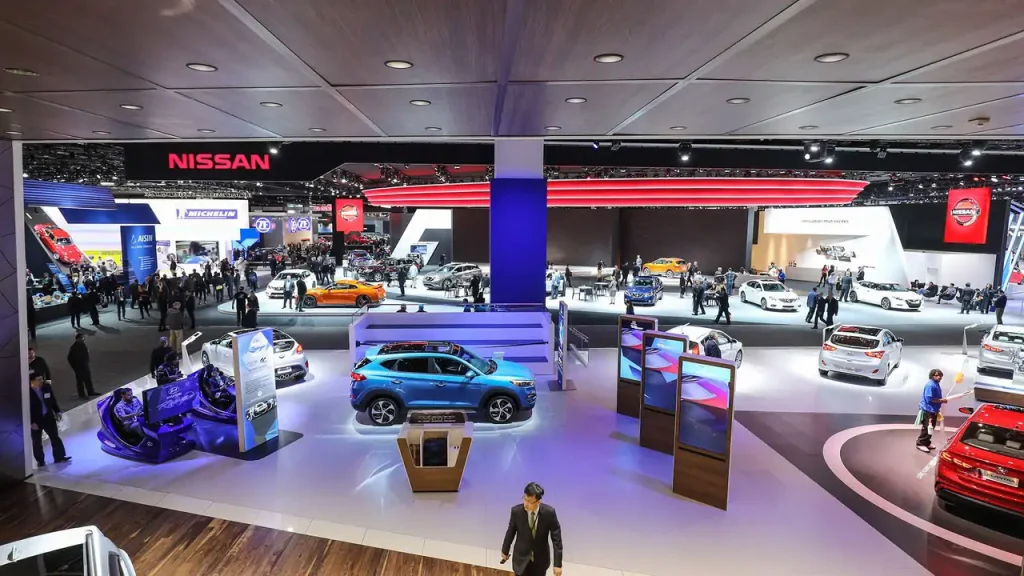
They’re called public days for a reason. The vehicles on display aren’t there solely for reporters or industry insiders. They’re there for everyone who loves cars, reads about them, photographs them, dreams about them, and gets excited by speed, racing, and automotive innovation. Those enthusiasts are the reason auto shows exist.
Automakers certainly make an effort to accommodate the media with preview events, presentations, and receptions, and many journalists are genuinely passionate car enthusiasts. But every so often, it’s easy for the press to lose perspective and start believing those VIP invitations, open bars, and trays of hors d’oeuvres are the main event.
They’re not.
The real stars of the show are the cars—and the people who come to see them.
The auto show is, always has been, and always will be about selling cars. Everything else—from the fanfare to the headlines—is simply window dressing.
No, those perks weren’t meant for us personally. They were meant for the journalists, television crews, websites, and publications that would cover the automaker and its products. Carmakers invite the media for one reason: to reach you. We’re simply the middlemen connecting manufacturers with potential buyers.
And there you are again—the real audience.
While automakers put on an impressive spectacle for a few days at the auto show, it’s local dealerships that carry the performance the rest of the year. Their mission is the same: get people excited enough to walk through the showroom doors.
That’s why Detroit’s January show and Chicago’s February event have always made sense. Winter is traditionally a slow season for car sales, and auto shows serve as a shot of adrenaline for the market. At its core, the auto show exists for one purpose: to sell cars. Everything else—the media buzz, celebrity appearances, flashy displays, and social media chatter—is simply part of the sales pitch.
Of course, the auto show model is evolving. Ford demonstrated that a major vehicle debut doesn’t have to happen during press days, and it wasn’t alone. Several automakers chose to unveil new models before the media preview even began. The economics are hard to ignore. A single press conference at a major international auto show can cost well over $1 million. Hosting an off-site reveal in a warehouse with a catered reception often delivers the same exposure at a fraction of the price.
The product cycle has changed, too. It isn’t unusual to find 2016, 2017, and 2018 model-year vehicles sitting on the same dealer lot. The days when every new model arrived neatly in the fall are long gone. Automakers stagger launches throughout the year, sometimes even skipping an entire model year. It’s entirely possible to buy a brand-new 2018 vehicle in January 2017. As the industry changes, auto shows are changing with it—but their purpose remains exactly the same: get people excited enough to buy a car.
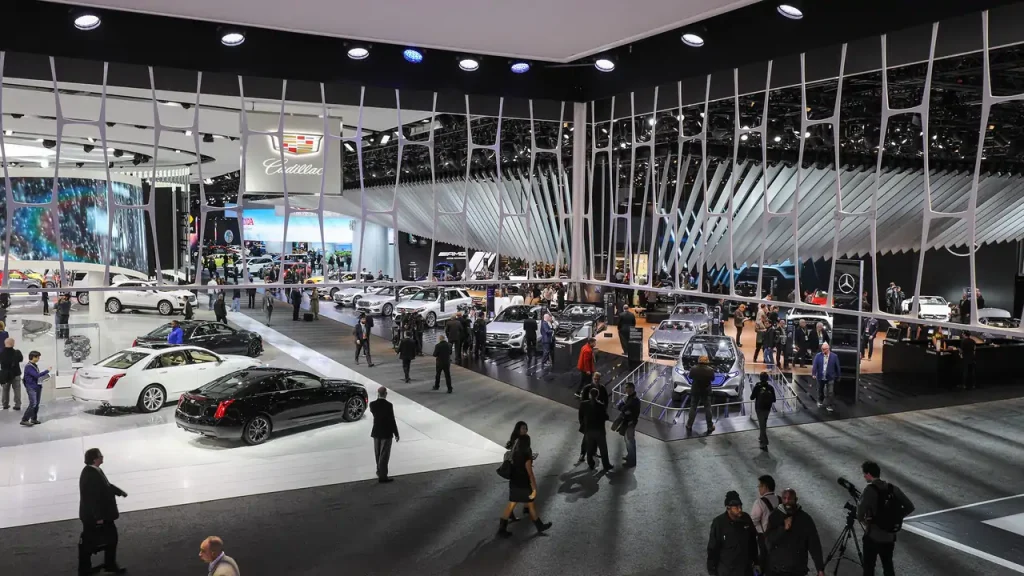
While automakers spend a few days dazzling crowds at the auto show, local dealers spend the rest of the year turning that excitement into sales. In the end, they’re all trying to reach the same person—you.
Media days may have become quieter, leading some to argue that auto shows have lost their spark, should move to the summer, or need to become even bigger spectacles. But spend a few hours at the public show, and you’ll quickly realize that’s far from the truth.
The public—especially Detroit’s public—still loves the auto show.
They bundle up in parkas, thermal layers, and winter boots, then stream through the doors of Cobo Hall with the same excitement they’ve had for generations. Fathers and sons, mothers and daughters, grandparents and grandchildren wander the aisles with wide eyes and open mouths, taking in the latest sports cars, trucks, and concepts. For many families, attending the Detroit Auto Show isn’t just an outing—it’s an annual tradition they’ve kept for decades.
I know because I used to take my late uncle every year.
As a member of the Automotive Press Association, I could bring a few family members to an early-morning breakfast in the media center before stepping onto the show floor 30 minutes before the doors opened to the public. By Sunday, after spending an entire week covering the show, I was usually exhausted and ready to move on.
My uncle changed that.
Watching him experience the show reminded me why it exists in the first place. Every new vehicle inspired genuine amazement. Every display was worth lingering over. He wasn’t thinking about embargoes, press conferences, or news cycles. He was simply enjoying cars.
His childlike enthusiasm and appreciation for getting a behind-the-scenes glimpse of the show washed away my cynicism and reminded me how easy it is to lose sight of what matters. The Detroit Auto Show was never about impressing journalists. It was about inspiring the people who still walk through its doors believing the automobile is something worth celebrating.
So no, the Detroit Auto Show doesn’t need to move to a warmer date. And yes, Ford can unveil a new Mustang whenever and however it chooses. We’ll be there to cover it, because that’s our job.
But auto shows—whether they’re international showcases or small hometown exhibitions—don’t exist for the media. They never have. Their purpose isn’t to impress journalists or provide executives with a stage. They’re there to connect people with cars, spark enthusiasm, and ultimately inspire the next purchase. Everything else is secondary.
Scott Burgess has covered the automotive industry for more than a decade, serving as auto critic for The Detroit News and later as Detroit editor for Motor Trend. Before turning his attention to cars and the people who build them, he spent years as a newspaper reporter covering everything from small-town politics to the wars in Afghanistan and Iraq.