
Also known as TMU or NAM, cars with uncertain mileage histories can sometimes be surprisingly good buys.
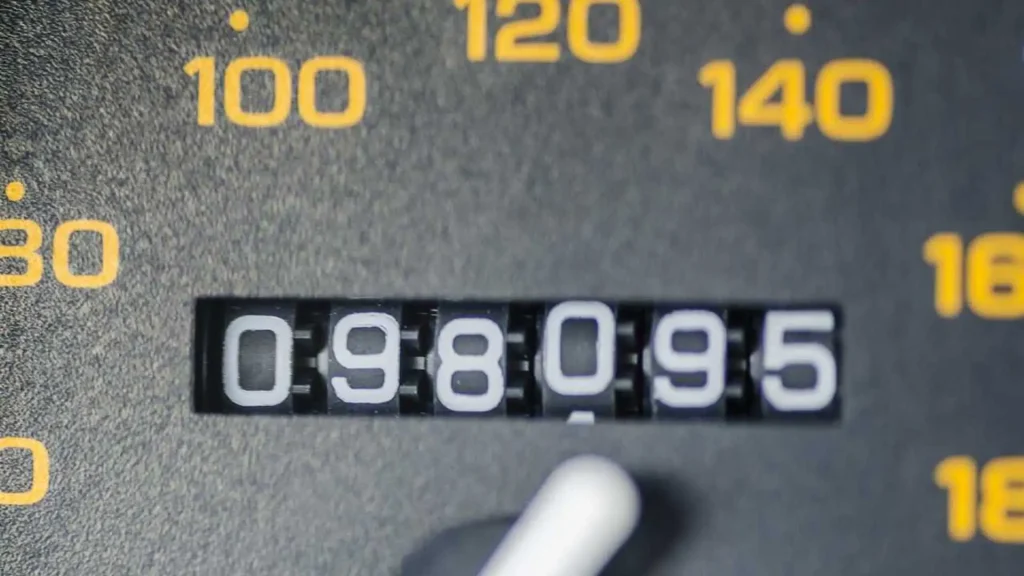
Buying a used car usually starts with one number: the odometer reading. Mileage helps determine a vehicle’s value, condition, maintenance schedule, and even how much buyers should be willing to pay. But what happens when that number can’t be trusted?
That’s where True Mileage Unknown (TMU) and Not Actual Mileage (NAM) vehicles come into the picture. These terms can sound like an automatic reason to walk away, but a questionable mileage history doesn’t necessarily mean the car is a bad purchase. In some cases, it can create an opportunity to buy an otherwise desirable vehicle for considerably less money.
The key is understanding exactly why the mileage is uncertain and knowing what you’re getting into before handing over your money.
What Does True Mileage Unknown or Not Actual Mileage Mean?
A vehicle branded True Mileage Unknown (TMU) or Not Actual Mileage (NAM) has an odometer reading that cannot be verified as an accurate reflection of the miles it has traveled. This designation can appear on a title for several reasons:
- The odometer was replaced: The original unit may have failed and been replaced with one displaying a different mileage, leaving the vehicle’s true distance traveled uncertain.
- The odometer has limited functionality: It may still be broken, or an older odometer may only display five digits and have rolled over. In some cases, vehicle records state that the mileage “exceeds mechanical limits.”
- The odometer was tampered with: Someone may have deliberately rolled back the odometer to make the vehicle appear less driven than it really is.
- A mileage error was recorded: An incorrect reading entered on a title during a sale or ownership transfer can result in a subsequent title being branded “True Mileage Unknown” or “Not Actual Mileage.”
Should You Buy a TMU or NAM Vehicle?
If you’re considering a vehicle with a TMU or NAM title, the seller’s background and the circumstances surrounding the mileage discrepancy deserve careful consideration.
- Consider the source: If you’re buying at an auction, a vehicle sold by a bank, government agency, or private non-dealer may be worth investigating, particularly if there’s no apparent incentive to misrepresent its mileage. That doesn’t guarantee an honest history, though. I’ve seen both large and small dealerships tamper with odometers, and buyers rarely benefit from that kind of deception.
- Look for opportunities with private sellers: Private owners can be a different story. Some discover that a TMU or NAM designation makes their vehicle difficult to trade in because dealerships offer very little for cars with uncertain mileage. As a result, private sellers may list these vehicles online at substantial discounts, potentially creating an opportunity for a well-informed buyer.
Before making an offer, review the vehicle’s history, look for maintenance records, and have a qualified mechanic inspect it. Remember that a low asking price doesn’t necessarily make a TMU or NAM vehicle a bargain. Without reliable mileage information, estimating wear, remaining service life, and resale value becomes much more difficult.
Where Can I Buy a TMU / NAM Vehicle?
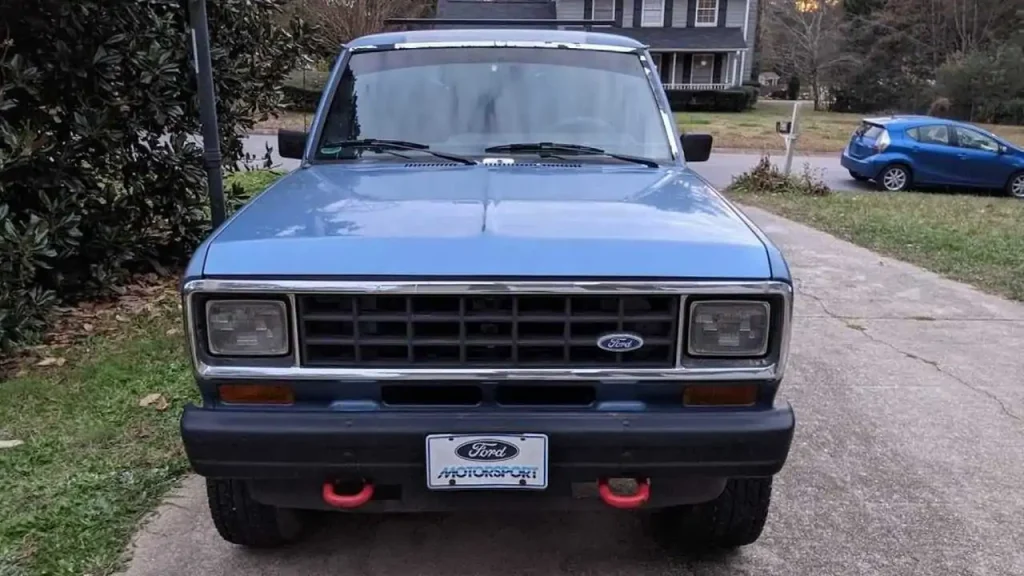
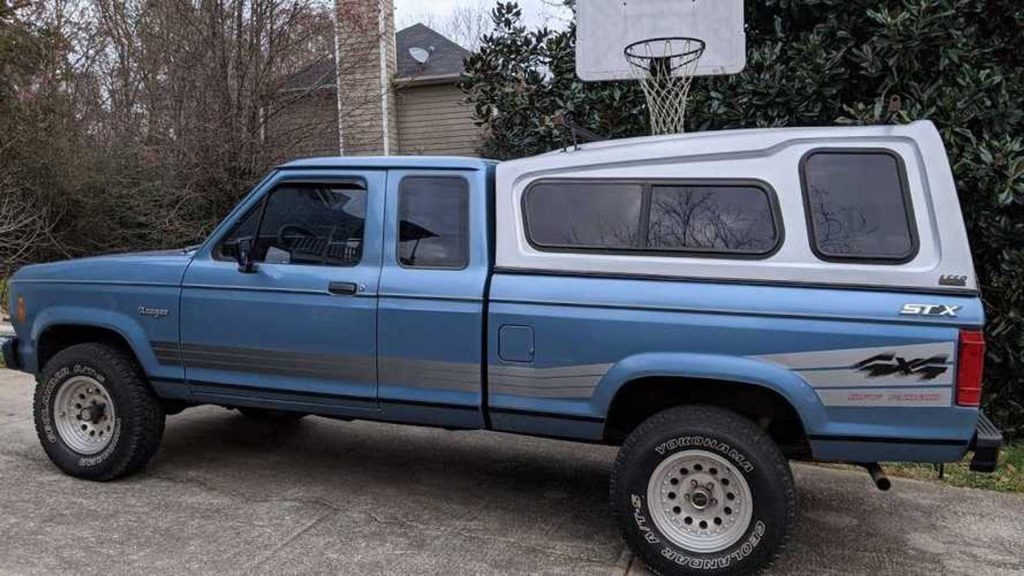
- Credit unions and banks sometimes sell vehicles with TMU or NAM designations. I once bought a classic Ford Ranger from a credit union that was advertised with 541,000 miles and a “True Miles Unknown” notice plastered across the windshield. After inspecting it, I discovered the truck had actually traveled just 54,100 miles.
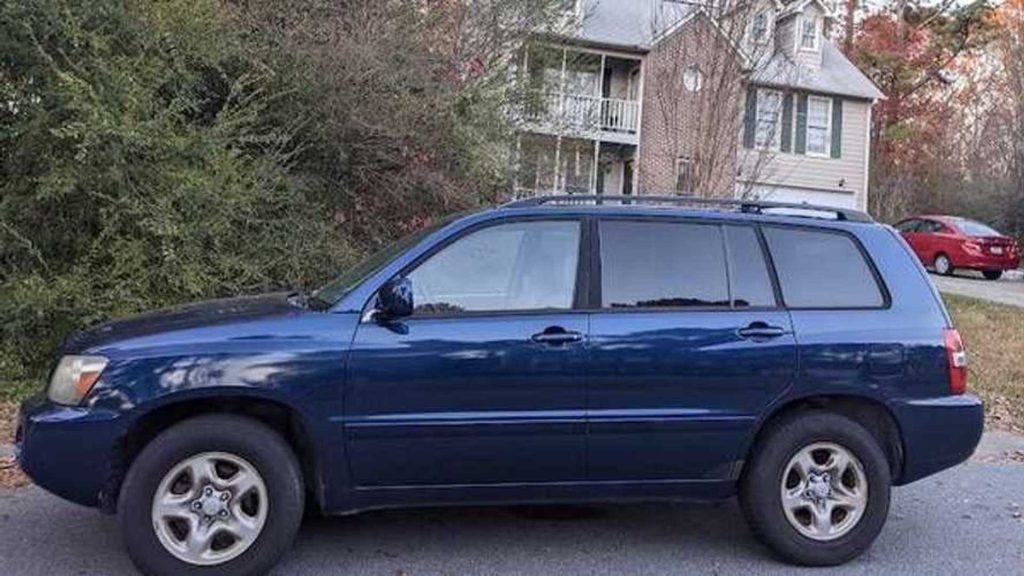
- Dealerships can also be a source of TMU / NAM vehicles. I found a well-maintained, one-owner Toyota Highlander at a local dealership with a problematic mileage history. The issue stemmed from a dealer checking the wrong box on the back of an out-of-state title.
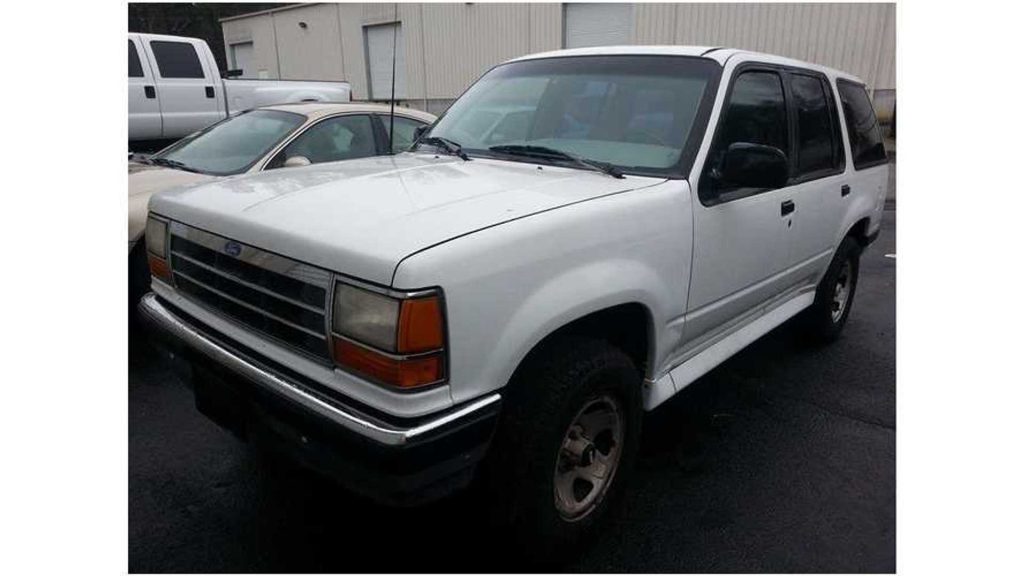
- Government auctions and auto finance companies are other places to look, along with local municipalities and similar organizations. I once bought a 1994 Ford Explorer from a municipality in metro Atlanta for just $100. It had no keys or title and carried a TMU designation. After resolving several of those issues, I sold it for $2,000.
What Should I Be Careful of When Buying a TMU / NAM Vehicle?
- Research the vehicle’s history before making an offer. Buying a TMU / NAM vehicle from a private seller can lead to a great deal, especially if the seller has been told the car is worth less because of its mileage status. Start by obtaining a Carfax report and checking whether you can estimate the likely mileage from the vehicle’s history. For example, if the owner typically drove around 15,000 miles per year before an odometer problem occurred, you may be able to estimate subsequent mileage based on the vehicle’s use during the following years. I’ve found some excellent deals this way, although the available records won’t always provide a reliable estimate.
- Get a professional pre-purchase inspection. As with any used vehicle, an inspection by a reputable mechanic can reveal mechanical problems, wear, or deferred maintenance that an uncertain odometer reading won’t tell you about.
- Understand the legal risks. Skipping your research or buying a vehicle that was misrepresented can lead to a frustrating legal dispute. The remedies available vary by state, and proving that a dealer deliberately misled you can be difficult. Some jurisdictions allow treble damages—potentially three times the proven damages—under certain circumstances, but eligibility depends on the applicable law and the facts of the case. Even winning a lawsuit doesn’t guarantee that collecting the money will be easy.
As a dealer, I’m comfortable buying vehicles branded True Miles Unknown or Not Actual Mileage because I can often piece together their history using a Carfax report and a thorough inspection. Before customers visit, I explain what I’ve found over the phone and email them a copy of the vehicle history report. That way, they understand the mileage situation and know what to expect before taking a test drive. Being transparent from the start makes a real difference when selling a vehicle with a TMU or NAM designation.
The less uncertainty surrounding a vehicle’s history, the better your chances of landing a great deal. Take the time to investigate its odometer records and have a qualified mechanic assess its overall condition with a trained eye.
That’s how you turn a questionable mileage reading into a confident purchase.