
Walk through any dealership or browse a list of new cars, and you’ll quickly notice that the automotive world speaks its own language. Nearly every manufacturer uses a collection of letters to identify its vehicles, and while some are instantly recognizable, others leave even longtime enthusiasts scratching their heads. From badges like GTI, TRD, AMG, and STI to drivetrain designations such as AWD and 4MATIC, these combinations of letters have become an essential part of modern automotive branding.
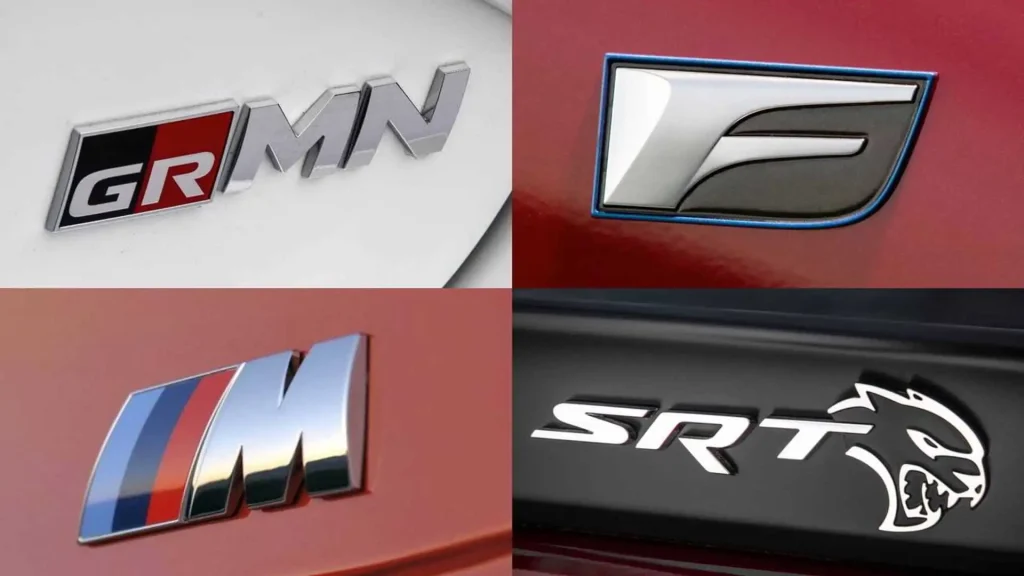
Automotive acronyms have been around for decades. Originally, many served a purely technical purpose, helping engineers and consumers distinguish between different engines, drivetrains, transmissions, or trim levels. Over time, however, these abbreviations evolved into powerful marketing tools. Today, a simple three-letter badge can represent a vehicle’s performance heritage, advanced technology, luxury status, or off-road capability—often carrying more recognition than the model name itself.
Many manufacturers have even embraced acronyms as complete vehicle names. Models like the Subaru BRZ, Mazda MX-5, Lincoln MKX, GMC H3, and BMW X5 rely heavily on letter-and-number combinations for their identity. Yet it’s often the badges that accompany those names that tell the real story. A Mustang GT differs significantly from an EcoBoost Mustang. A Golf GTI isn’t just another Golf, and a Civic Type R represents far more than a higher trim level. Those extra letters communicate a vehicle’s purpose before the engine is even started.
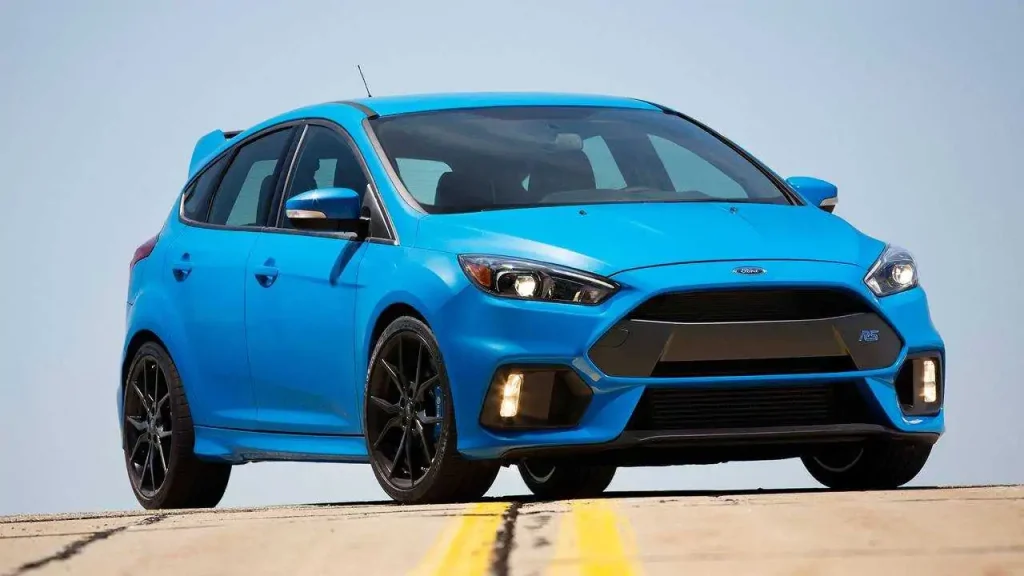
Performance badges are among the most recognizable examples. Acronyms such as GT, GTI, Type R, STI, M, AMG, RS, SVR, N, TRD, and GR have become synonymous with speed, sharper handling, and motorsport-inspired engineering. Although many originated in racing or homologation programs decades ago, they now represent some of the most desirable models in their respective lineups. In many cases, these names have become brands within brands, instantly recognizable to enthusiasts around the world.
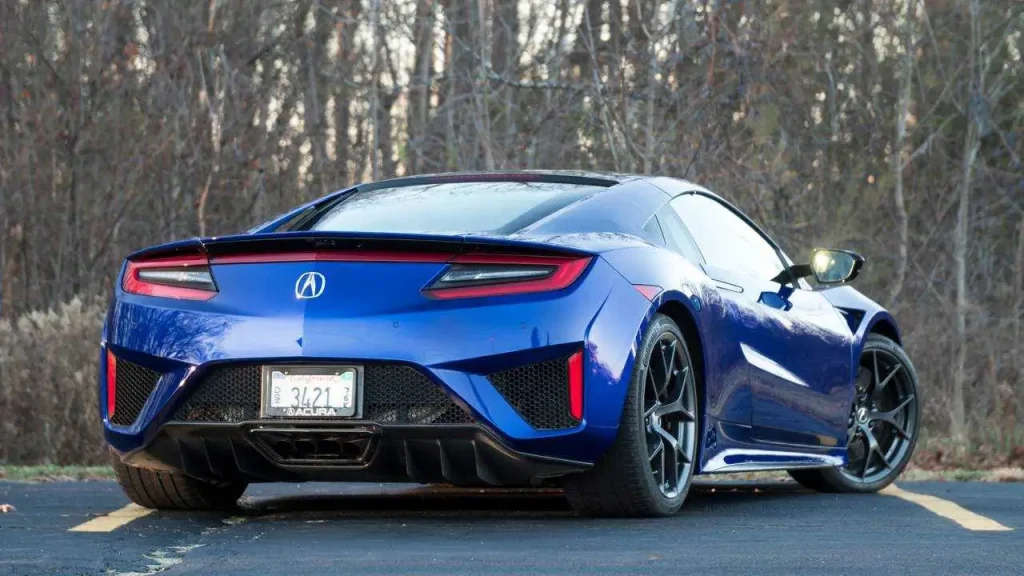
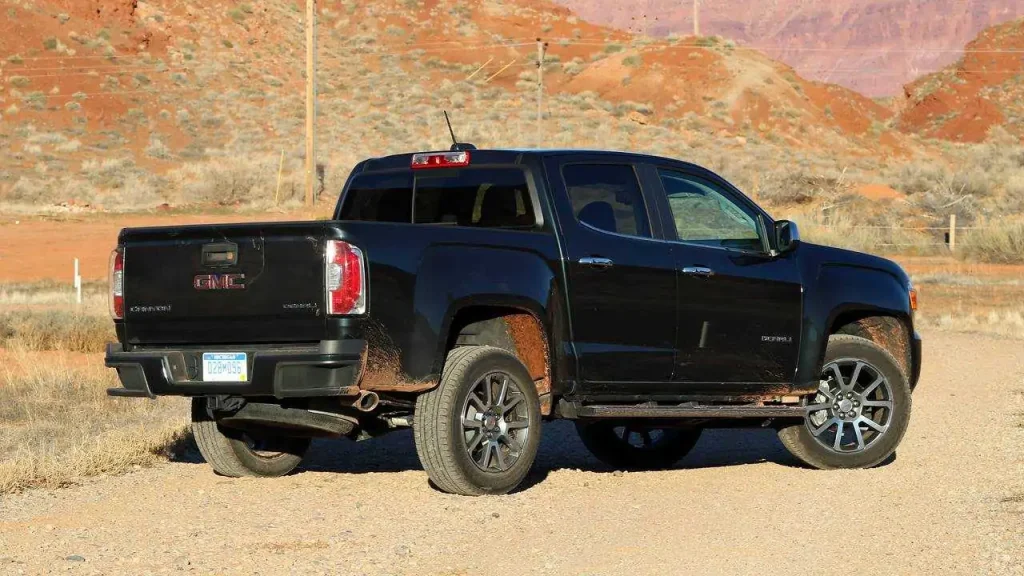
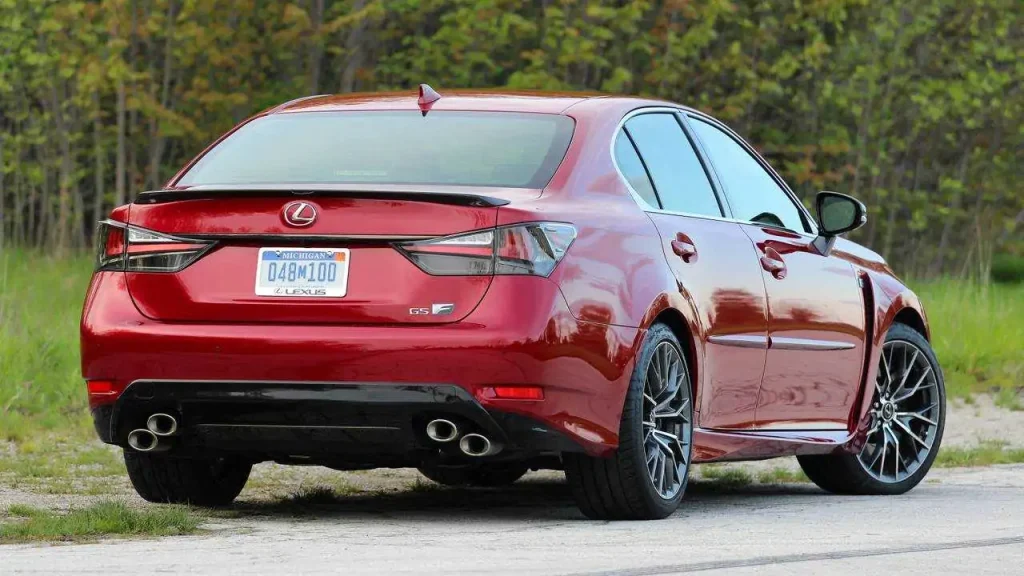
Not every acronym is about performance. Many indicate how power reaches the road. Designations like AWD, 4WD, FWD, RWD, xDrive, quattro, 4MATIC, SH-AWD, and 4Motion identify different drivetrain systems, each offering unique advantages in traction, stability, and off-road capability. Understanding these abbreviations can help buyers choose the right vehicle for their climate, driving habits, and lifestyle.
Engine technology has produced another generation of automotive shorthand. Automakers use letters such as TSI, TFSI, EcoBoost, VTEC, Skyactiv, TwinPower Turbo, BlueHDi, and EcoDiesel to describe the technologies that improve power, efficiency, emissions, or fuel economy. While these names often sound like marketing buzzwords, they usually represent genuine engineering developments that distinguish one engine family from another.
Luxury brands have developed their own vocabulary as well. Badges such as F Sport, S Line, M Sport, Platinum, Denali, Autobiography, and High Country identify premium trim levels equipped with upgraded interiors, advanced technology, distinctive styling, and additional comfort features. For many buyers, these letters signal exclusivity as much as performance.
Off-road enthusiasts encounter an entirely different set of acronyms. TRD Pro, ZR2, FX4, Rubicon, AT4, Raptor, Trailhawk, and Pro-4X all indicate vehicles engineered for more demanding terrain. While each manufacturer defines these packages differently, they typically include specialized suspensions, locking differentials, skid plates, all-terrain tires, and other hardware designed for rugged use.
Some automotive acronyms have become so well known that many people use them without knowing their original meaning. GT, for example, began as an abbreviation for Gran Turismo, referring to high-performance grand touring cars capable of covering long distances comfortably. SUV originally described Sport Utility Vehicle, while ABS, ECU, and CVT started as technical engineering terms before becoming everyday automotive language. In many cases, the acronym has become more recognizable than the phrase it once represented.
Interestingly, not every badge still reflects its literal definition. As technology has evolved and marketing priorities have changed, some automakers have retained familiar acronyms simply because customers associate them with a particular reputation. The letters may no longer describe the exact engineering beneath the hood, but they continue to represent decades of brand heritage and customer recognition.
Whether you’re shopping for a new vehicle, comparing performance models, or simply curious about the badges you see every day, understanding automotive acronyms provides valuable insight into what makes each car unique. Those two or three letters on a trunk lid, fender, or grille often reveal far more than a model name alone—they tell a story about a vehicle’s performance, technology, engineering, history, and intended purpose. In this guide, we’ll decode some of the most popular automotive acronyms from manufacturers around the world and explain what each one really means.