
From electric vehicles and next-generation mobility to the surprising arrival of ice cream.
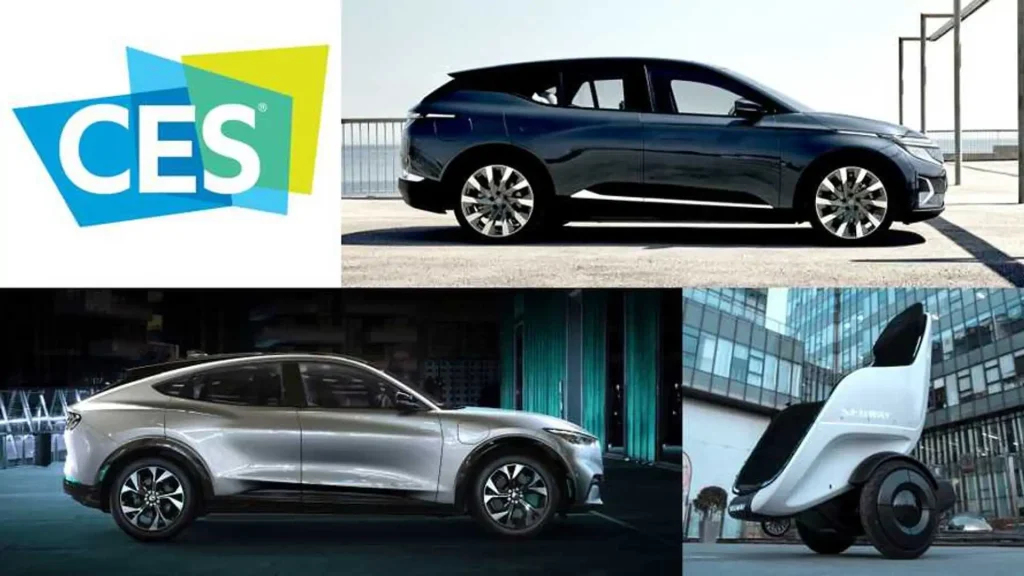
CES may not be a traditional auto show, but it has become an increasingly important stage for the automotive industry. With the North American International Auto Show shifting from January to June, CES has an even bigger opportunity to capture the attention of car enthusiasts and technology fans alike. When the doors open on Tuesday, the 2020 event is expected to feature a mix of new vehicle reveals, transportation technology, and electric vehicle debuts from automakers and startups including Nissan, Fisker, Byton, Ford, and several others. While CES can’t completely replace the spectacle of Detroit, it should help fill the gap with plenty of automotive technology and surprises. Here are some of the major debuts and developments we know about so far.
CES may not be a traditional auto show, but it has become an important part of the automotive calendar. With the North American International Auto Show moving from January to June, CES has an even bigger opportunity to grab the industry’s attention. The 2020 show brings together automakers, startups, and technology companies with a mix of electric vehicles, futuristic concepts, autonomous-driving technology, and some genuinely unusual ideas. Here are some of the automotive highlights expected in Las Vegas.
Table of Contents
BMW i3 Urban Suite
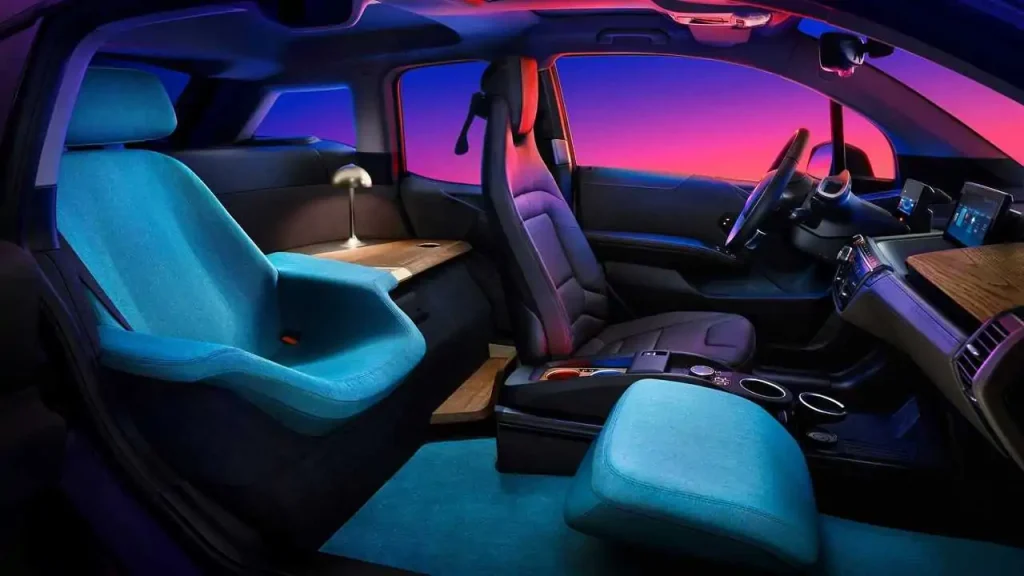
BMW gave its compact electric hatchback an entirely different purpose with the i3 Urban Suite. Rather than treating the i3 as a conventional city car, BMW reworked the cabin into a private lounge by removing the rear passenger seat and installing a large, comfortable chair, a compact desk, and a ceiling-mounted screen. The concept offers a glimpse of how autonomous driving could eventually change vehicle interiors, shifting the focus from traditional seating to spaces where passengers can work, relax, or watch entertainment while the car handles the driving.
Byton M-Byte
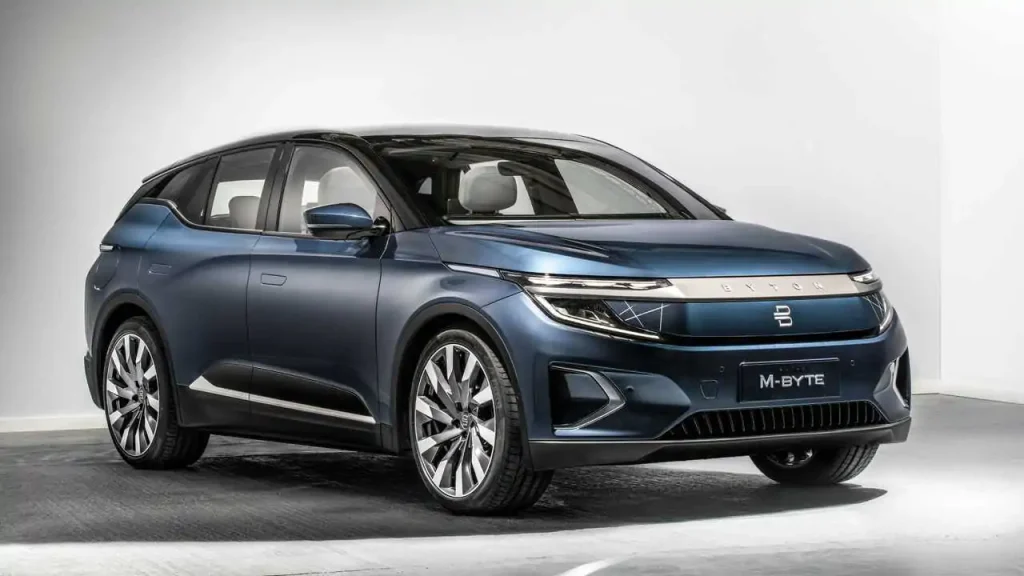
Byton’s M-Byte was another EV concept built around the passenger experience, with its massive 48-inch display serving as the centerpiece of the dashboard. Instead of simply adding a large touchscreen to a conventional interior, Byton designed the SUV as a connected digital environment, giving occupants access to entertainment, navigation, communication, and other online services while on the move.
Chrysler Airflow Vision
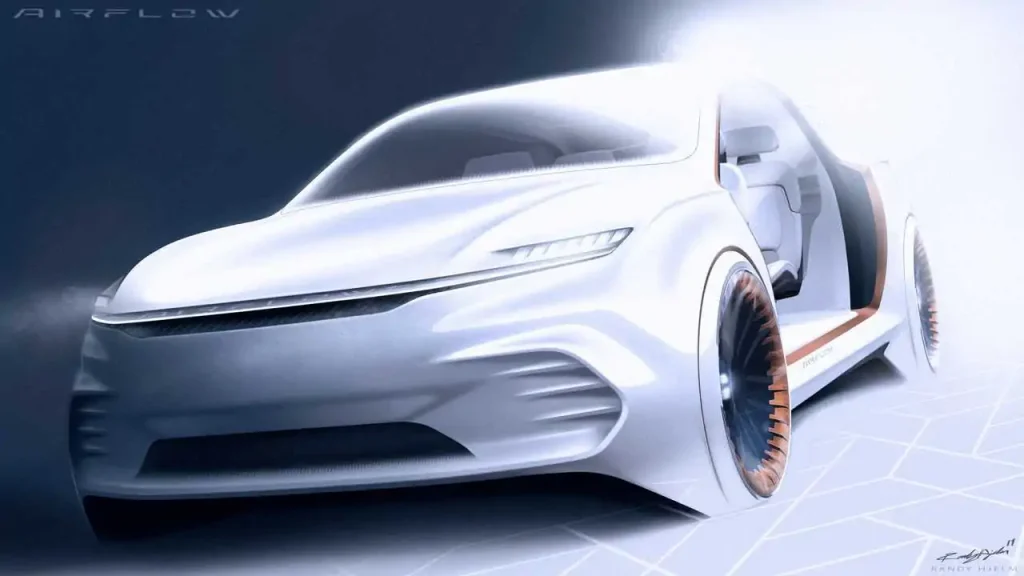
Chrysler looked toward the future with the Airflow Vision concept, a sleek crossover whose name pays tribute to the groundbreaking Airflow of the 1930s. The modern concept placed a heavy emphasis on the cabin, featuring multiple screens and a minimalist dashboard built around digital interaction. Beyond its exterior design, the Airflow Vision gave Chrysler a way to explore how technology could transform the passenger experience in future vehicles.
Fiat Centoventi
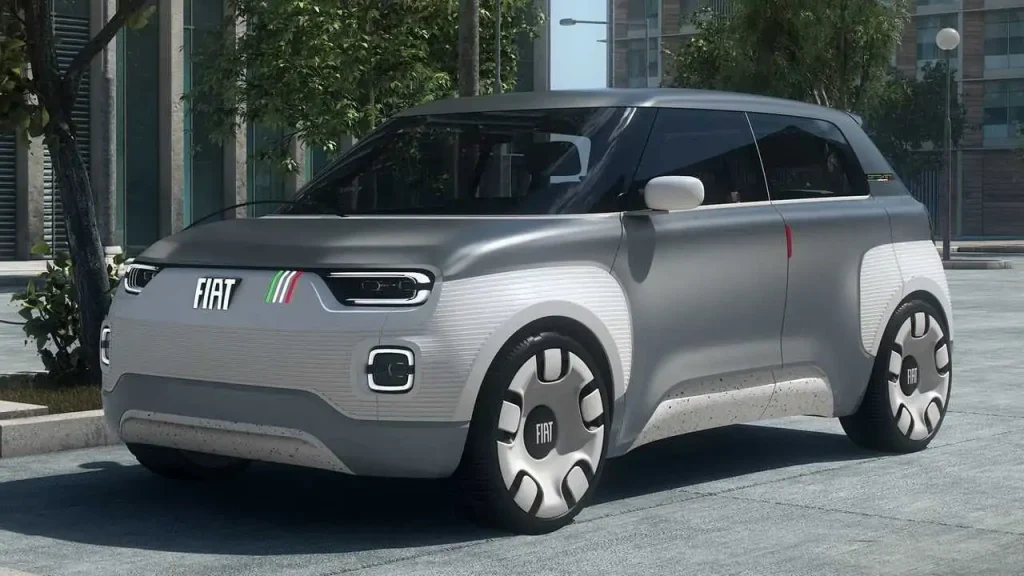
Fiat’s Centoventi concept approached the electric-car revolution from a different angle, focusing less on performance and luxury and more on personalization. The compact EV was designed around interchangeable exterior and interior components, allowing owners to customize the vehicle and change its appearance over time. The idea offered an intriguing look at how automakers could make electric vehicles more personal, affordable, and appealing to urban buyers.
Fisker Ocean
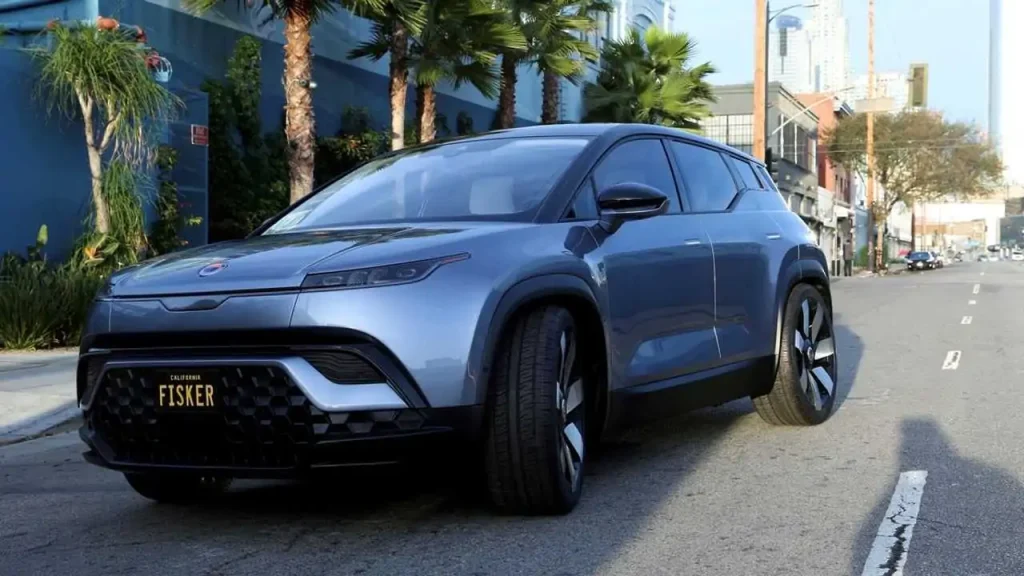
Fisker returned to the automotive spotlight with the Ocean, an electric SUV designed to combine long-range driving capability with sustainable materials. Higher-range versions were targeted to deliver around 300 miles of range, while the cabin emphasized recycled and vegan materials. The SUV also featured unusual touches such as California Mode, which opens multiple windows and sections of the roof to create a more open-air experience. Unlike a purely futuristic design study, the Ocean was intended for production, making its CES appearance particularly significant.
Ford Mustang Mach-E
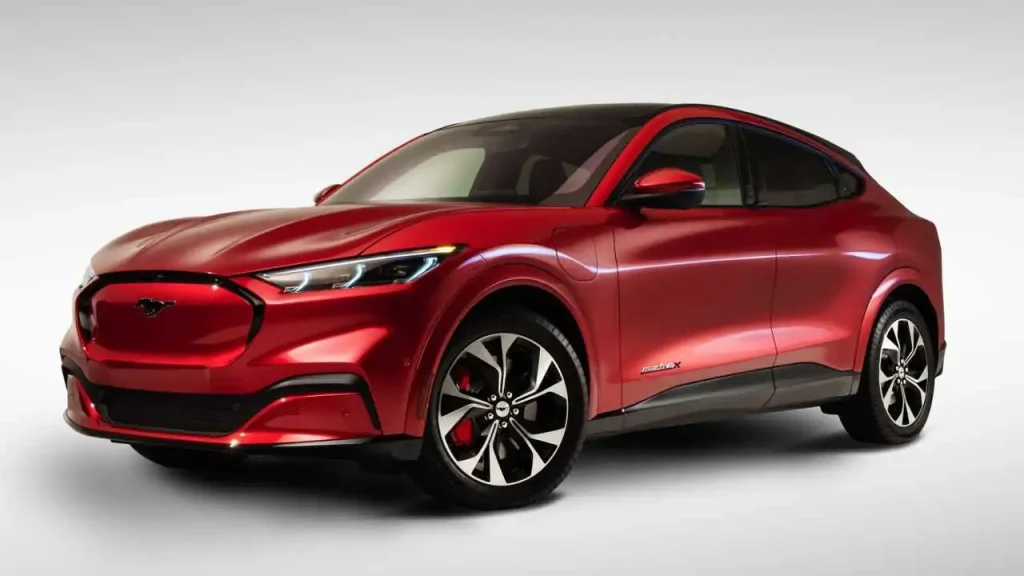
The Ford Mustang Mach-E was arguably one of the most significant production vehicles making its debut around CES 2020. It took the iconic Mustang name into new territory by applying it to an all-electric crossover, a decision that sparked plenty of discussion among enthusiasts. Beneath its Mustang-inspired design was an electric powertrain capable of strong acceleration and roughly 300 miles of range in certain configurations, while the vehicle itself marked Ford’s serious push into the rapidly expanding electric crossover market.
Honda-Augmented-Driving-Concept
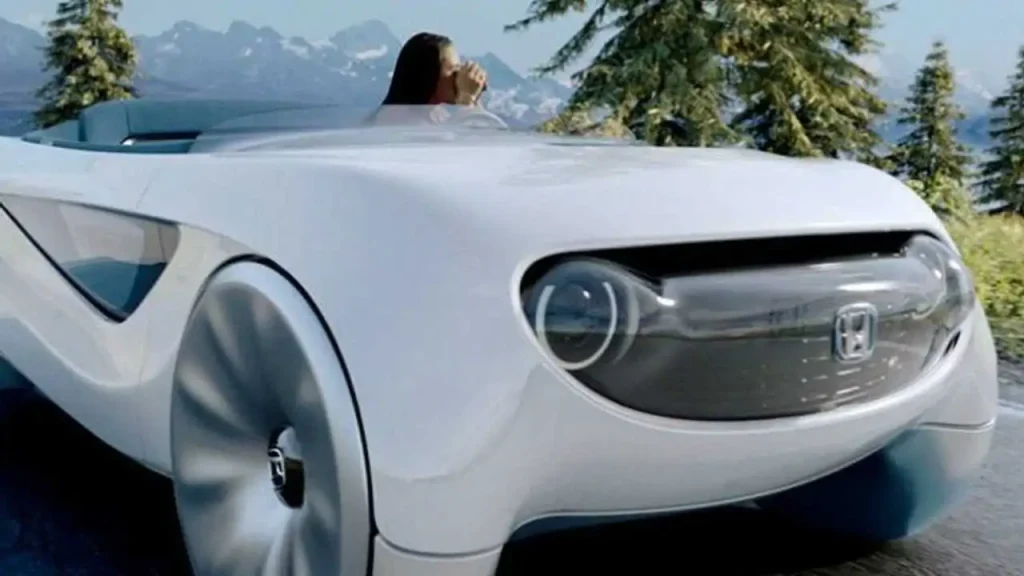
Honda used CES to look beyond conventional automobiles, showcasing technologies designed to make transportation smarter, safer, and more connected. Its focus included autonomous driving, robotics, artificial intelligence, and connected mobility, reflecting how the automotive industry is changing. Automakers are no longer competing exclusively through engines, transmissions, and chassis performance, as software, sensors, connectivity, and driver-assistance technology increasingly shape the vehicle experience.
Hyundai Hyundai-Personal-Air-Vehicle
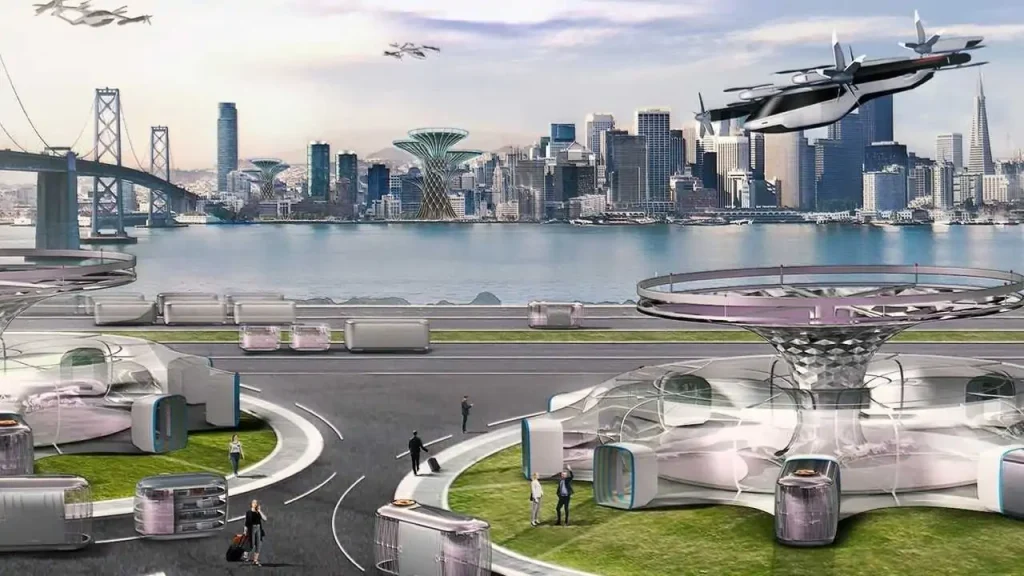
Hyundai pushed the definition of mobility even further with the S-A1, an electric vertical-takeoff-and-landing aircraft developed in partnership with Uber. Rather than carrying passengers through congested city streets, the concept is designed to move them above the traffic. The S-A1 formed part of Hyundai’s broader Urban Air Mobility strategy and demonstrated how automakers are exploring transportation solutions that extend well beyond traditional road vehicles.
Jeep

Jeep may be synonymous with rugged off-road vehicles, but the brand is also embracing the connected-car revolution. At CES, Jeep highlighted technologies intended to make its SUVs smarter and more connected, showing that even traditional 4×4 manufacturers are preparing for a future in which digital technology becomes a much larger part of how vehicles are driven, operated, and experienced.
Mercedes-Benz Vision AVTR
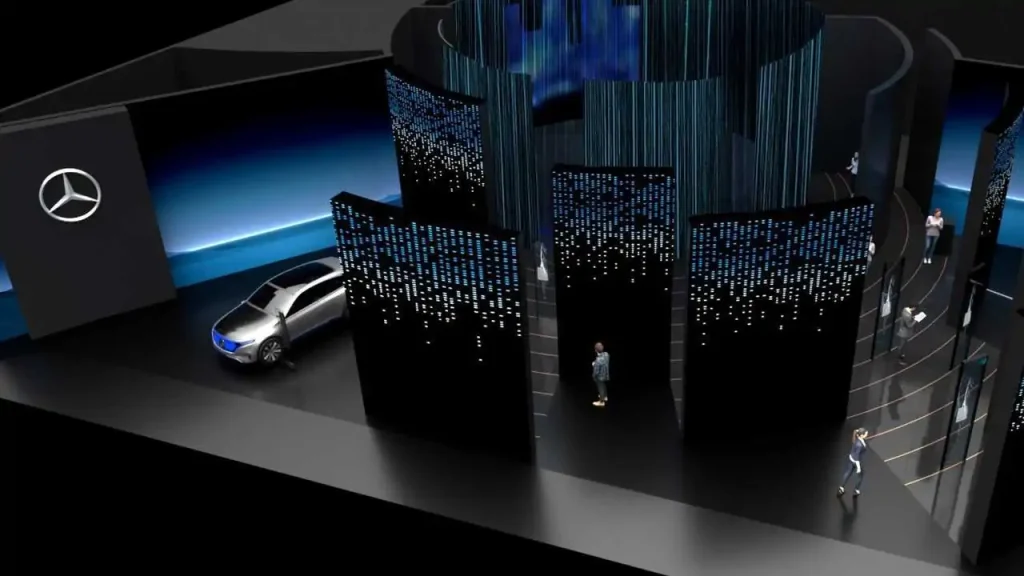
Mercedes-Benz brought one of the most futuristic concepts to CES with the Vision AVTR, a dramatic machine inspired by James Cameron’s Avatar. Its design looked more like something from a science-fiction movie than a conventional Mercedes, with individually movable exterior elements creating an almost organic appearance. Inside, the concept explored new forms of human-machine interaction, offering an extreme interpretation of how Mercedes envisions future mobility rather than a vehicle intended for near-term production.
Nissan Ariya
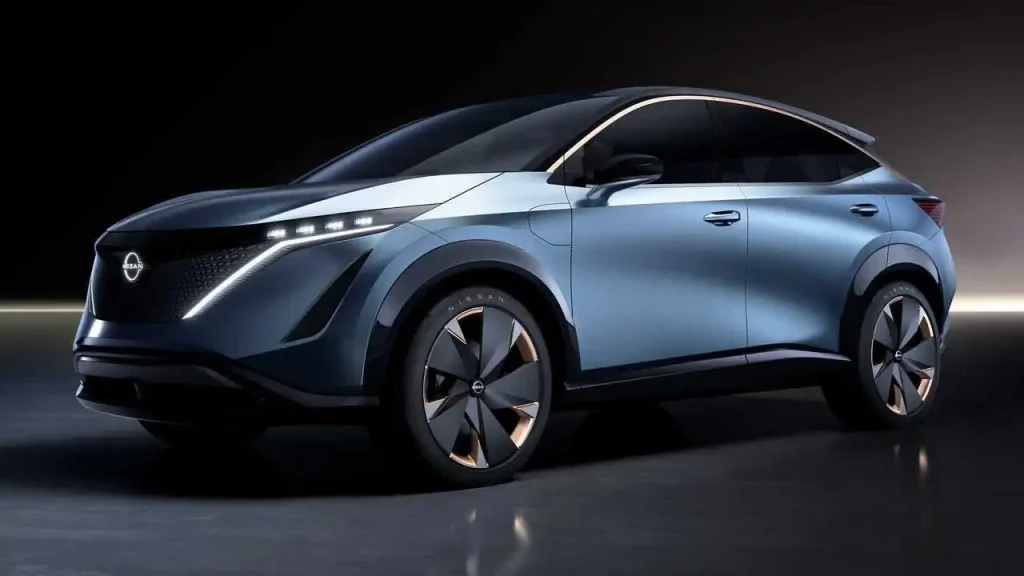
Nissan continued expanding its electric-vehicle strategy with the Ariya Concept, a sleek electric crossover that previewed the brand’s next stage of EV development. Its coupe-like profile, spacious interior, and advanced driver-assistance technology showed how Nissan planned to move beyond the Leaf and enter the increasingly competitive electric crossover segment. The Ariya also shared the stage with something considerably more unconventional from Nissan.
Nissan’s Electric Ice Cream Van
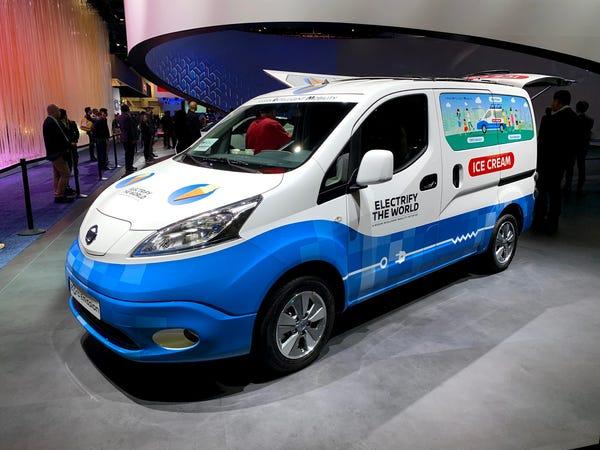
An electric ice cream van might seem like an unusual attraction at an automotive technology show, but Nissan used the concept to demonstrate how battery-powered commercial vehicles could serve real businesses. Based on the e-NV200 electric van, the project showed how an EV could be adapted for specialized uses while highlighting potential advantages such as reduced emissions and quieter operation in urban areas.
Rinspeed
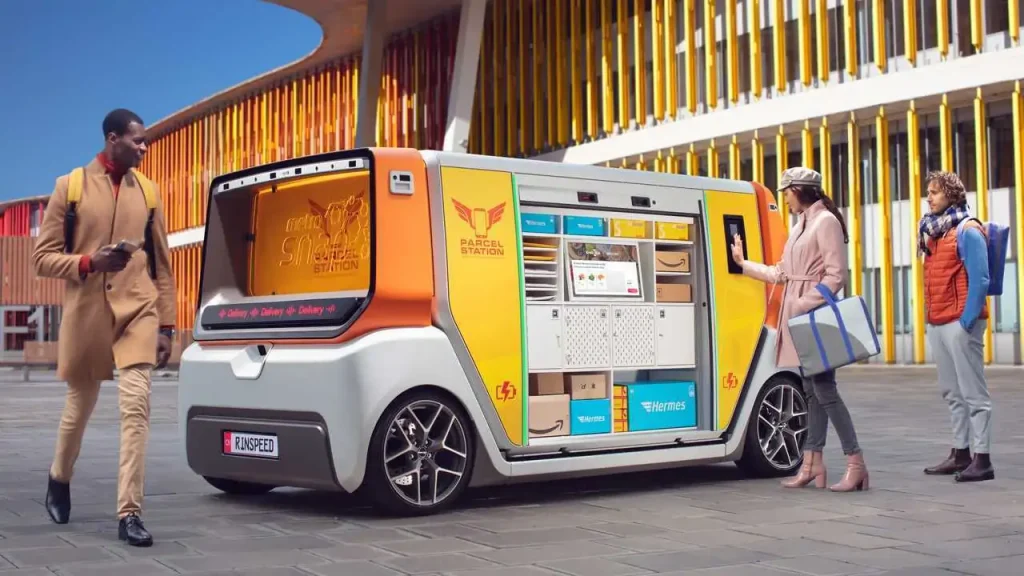
Swiss design and engineering company Rinspeed is a regular CES participant, and its concepts frequently challenge traditional ideas about what an automobile should be. Instead of focusing solely on horsepower and exterior styling, the company explores autonomous driving, adaptable interiors, connectivity, and alternative forms of mobility. That approach fits naturally with CES and its focus on imagining how vehicles could evolve when driving is no longer the primary function of the person inside.
Segway
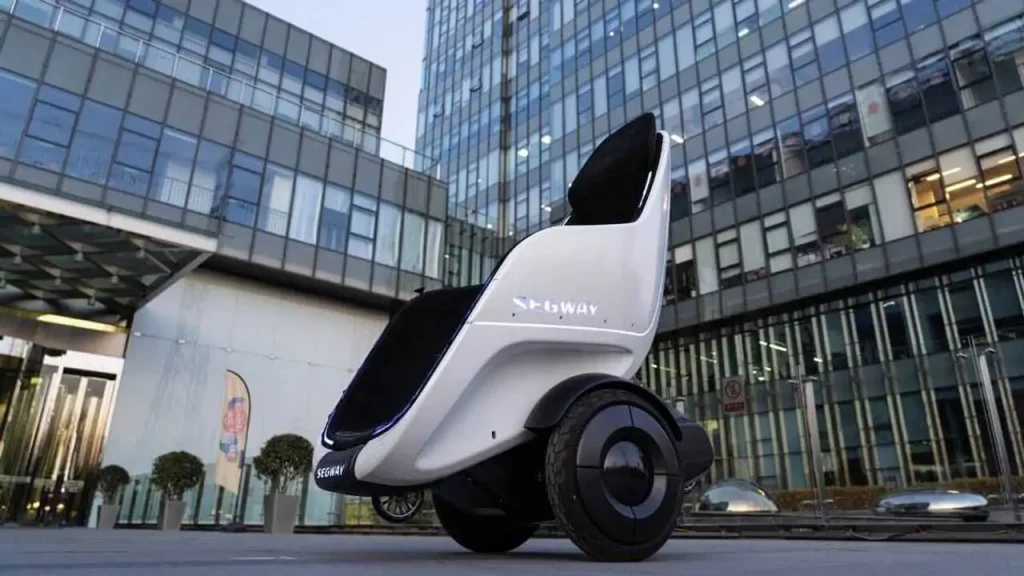
Segway has also expanded beyond its familiar personal transporter, using CES to showcase new approaches to compact electric mobility and short-distance transportation. These smaller vehicles aren’t necessarily intended to replace conventional cars, but they could become part of a broader transportation network in increasingly crowded cities. That’s also why CES has become increasingly relevant to the automotive world: the future of mobility could involve considerably more than traditional four-wheeled vehicles.