
Modern driver-assistance systems rely on windshield-mounted cameras that may need recalibration after the glass is replaced.
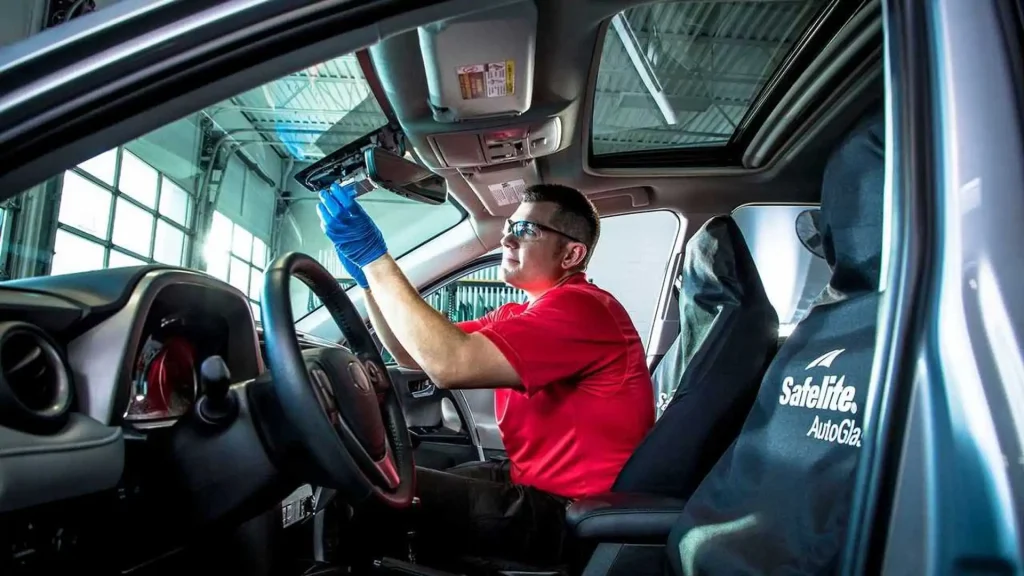
If your car warns you when you’re approaching another vehicle too quickly or drifting out of your lane, it likely uses cameras and sensors to monitor the road. In many vehicles, the forward-facing camera sits near the rearview mirror, where it gathers information for a range of driver-assistance features. Although these systems are designed to help prevent collisions and reduce injuries, they can complicate windshield repairs and replacements. To understand how windshield damage affects this technology, we spoke with the specialists at Safelite AutoGlass®.
Safelite reported that close to 80 percent of new 2021 model-year vehicles were fitted with some form of forward-facing camera, with the technology expected to become even more widespread as automatic emergency braking (AEB) moves toward being standard on nearly all new passenger vehicles for 2022. These cameras help power several driver-assistance features, including forward-collision alerts, pedestrian detection with automatic braking, lane-departure warnings, lane-keeping assistance, and adaptive cruise control.
Safelite says it recalibrates more forward-facing cameras than any other auto glass provider.
A small windshield chip or crack may seem like a cosmetic issue, but it can have implications for the technology that helps keep a vehicle safe. If the damage sits in the camera’s field of view, it may obstruct the camera’s ability to detect vehicles, lane markings, and other road users. As a result, some driver-assistance features could become less reliable or stop working altogether.
Replacing the windshield also requires attention to the camera system. In vehicles equipped with this technology, the camera must undergo recalibration after new glass is installed. Safelite warns that skipping this step could prevent safety features from operating as intended or cause them to deliver incorrect alerts and information, potentially increasing the risk of a collision.
The appropriate camera recalibration method depends on the vehicle and its camera system. Static recalibration takes place in a controlled workshop environment, using specialized equipment to align and test the camera. Dynamic recalibration, by contrast, involves driving the vehicle on the road so the system can be checked under real-world conditions. Some manufacturers, including Subaru, require both procedures. Safelite says it can handle windshield replacement and the necessary camera recalibration during a single appointment for nearly any vehicle.
Windshield damage shouldn’t be ignored, as leaving it untreated can increase safety risks and potentially turn a straightforward repair into a more expensive job. Costs vary depending on your vehicle and the service provider, so it’s worth finding a company that works with your insurer to help reduce out-of-pocket expenses for windshield repairs or replacements. You can request a free estimate through Safelite’s website. The company also says it performs more forward-facing camera recalibrations than any other auto glass provider, with service available nationwide.