
Jake and Seyth go head-to-head in a battle of affordable station wagons. Jake makes the case for the iconic, boxy Volvo 240, while Seyth argues that a newer Audi is the smarter buy. Which one would you drive home for $10,000?
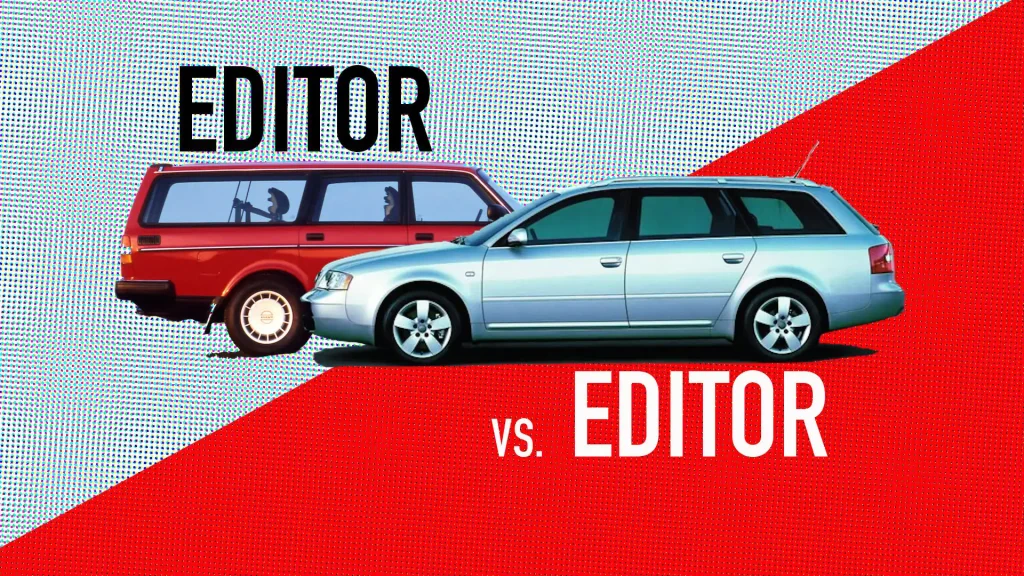
Motor1 editors love a good debate—and just about everything is fair game. We’re putting that competitive spirit to work in our Editor vs. Editor series. The formula is simple: choose a vehicle category, set a budget, and let each editor make the case for the best pick within those limits.
This time, our editors go head-to-head with their favorite contenders, explaining why their choice deserves the crown. The final verdict, however, belongs to you. Read their arguments, cast your vote in the comments, and tell us which editor came out on top—and why.
The Challenge
- Category: Station Wagon
- Maximum Budget: $10,000
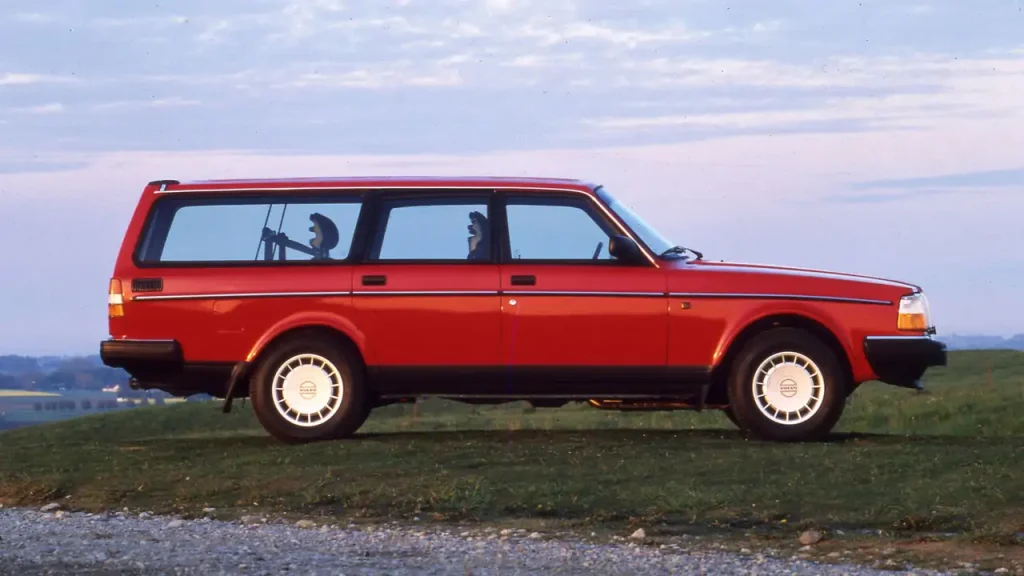
- Seyth’s Pick: 1993 Volvo 240
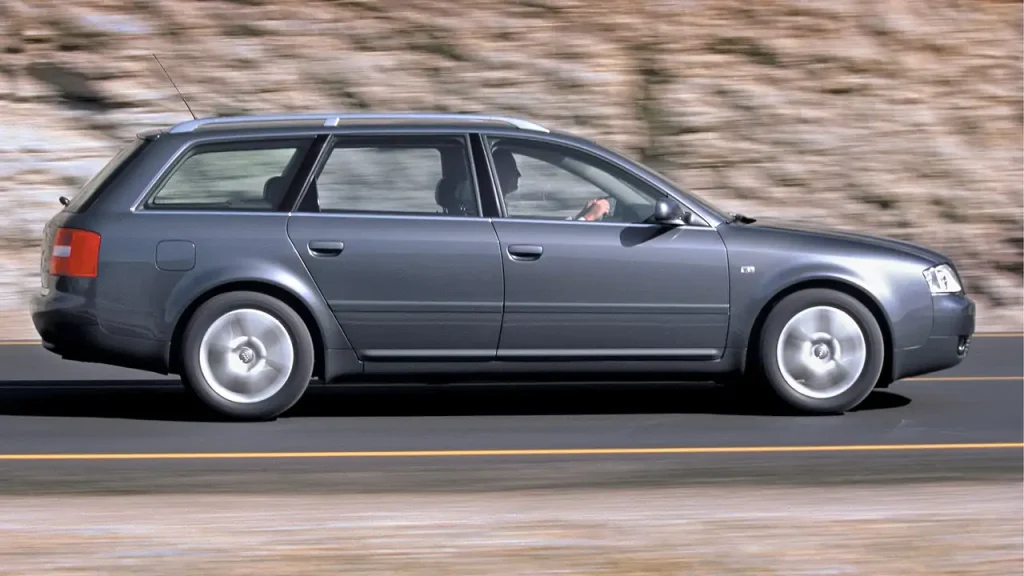
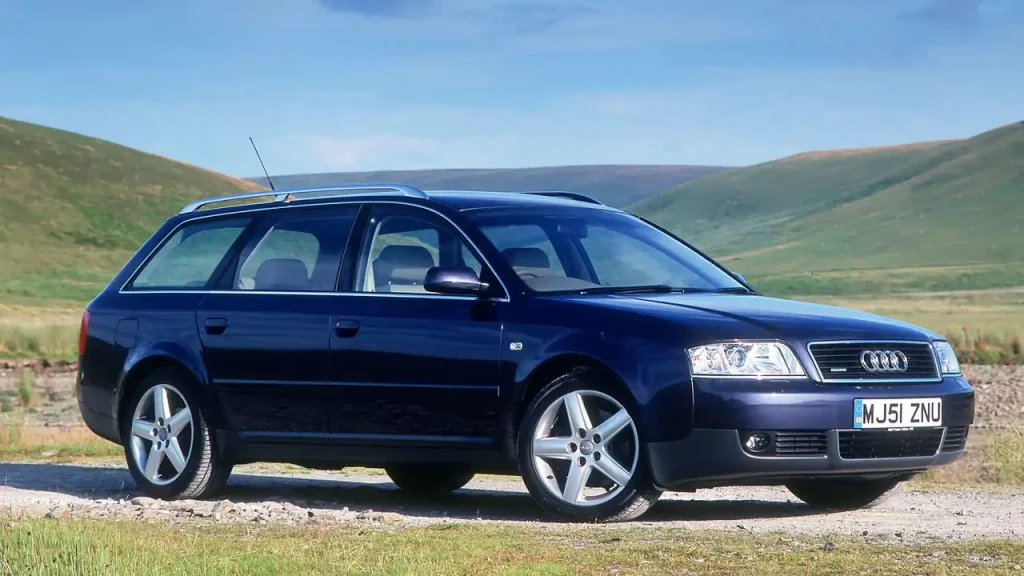
- Jake’s Pick: 2002 Audi A6 Avant
Two editors. One budget. Two very different philosophies on the perfect used wagon.
Seyth Miersma makes a compelling case for the final-generation Volvo 240 Wagon, calling it the obvious choice in this matchup. To him, the 240 isn’t just another family hauler—it’s the definitive station wagon. Volvo’s signature boxy styling and clean, straight lines made it instantly recognizable during its production years, and even today the 240 remains a familiar sight on roads around the world.
What makes the 240 even more appealing is how its design has matured over time. Once admired primarily for its practicality, its blunt front end and upright profile are now widely—and deservedly—regarded as milestones of industrial design. Its timeless appearance has earned a new generation of enthusiasts who appreciate function-driven styling over fleeting trends.
Add to that the Volvo 240’s legendary reputation for durability and dependable operation, and it’s easy to understand why the model continues to command respect. With a budget of $10,000, buyers can still find exceptionally well-maintained examples that offer reliable transportation today while standing a strong chance of appreciating in value in the years ahead.
Jake Holmes sees the Volvo 240 as a classic—but one whose glory days are firmly in the past. For him, the 2002 Audi A6 Avant is the clear winner, offering a far more modern blend of style, comfort, and performance while still fitting comfortably within the $10,000 budget.
The A6 Avant represents one of Audi’s finest design eras, inside and out. Its clean, understated exterior has aged gracefully, while the cabin showcases the German brand’s trademark precision and restraint. Without oversized touchscreens or digital instrument clusters, the interior feels refreshingly simple, emphasizing thoughtful ergonomics, high-quality materials, and timeless craftsmanship over flashy technology.
Under the hood sits Audi’s smooth and dependable 3.0-liter V6, producing 220 horsepower—more than enough to make the wagon both refined and enjoyable to drive. Completing the package are the distinctive five-spoke alloy wheels, rich wood trim, and the unmistakable red LCD displays that perfectly capture the character of early-2000s German luxury. For Jake, the Audi A6 Avant strikes the ideal balance between everyday practicality, understated elegance, and driving enjoyment, making it the standout choice in this budget wagon showdown.
Seyth Miersma: I’ll admit, the Audi has a certain early-2000s German swagger. The clean lines, understated cabin, and wood trim all look great—at least until the repair bills start arriving. That generation of Volkswagen Group vehicles isn’t exactly remembered for its bulletproof engineering, so choosing one is a gamble I’d rather leave to Mr. Holmes. If Motor1 readers have any experience with these cars, I suspect many will agree: it looks like a wonderful idea right up until you own one.
The Volvo 240 takes a completely different approach. It doesn’t rely on flashy styling, luxury features, or impressive acceleration to win people over. In fact, I’ll be the first to admit its 2.3-liter four-cylinder is hardly a powerhouse. With just 114 horsepower from the factory, it’s not going to outrun much of anything, and that’s perfectly fine.
Because the 240 was never built to be fast—it was built to last. Volvo engineered this wagon with longevity and dependability as priorities, and the results speak for themselves. These cars have become legendary for piling on hundreds of thousands of miles with little more than routine maintenance. Stories of 240s crossing the half-million-mile mark—or even reaching a million miles—aren’t urban legends; they’re part of what cemented the model’s reputation.
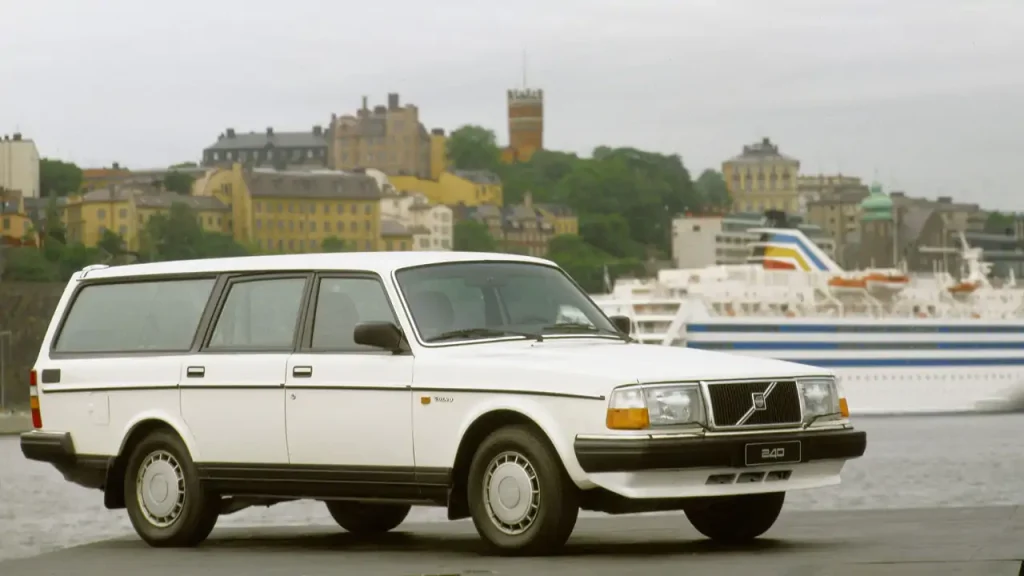
That’s why the Volvo gets my vote. I’d rather own a wagon that asks for little, starts every morning without complaint, and keeps faithfully doing its job decade after decade than one that’s quicker but far more demanding to keep on the road. Treat a 240 well, and it’ll return the favor for years to come. Long after the last Dot-Com-era Audi A6 Avant has become a rare sight at a Cars and Coffee meet—or a permanent resident of the local scrapyard—the old Volvo will probably still be hauling groceries, road-tripping across the country, and reminding everyone why it earned its reputation as one of the toughest station wagons ever built.
Jake Holmes: I’ll happily concede a few points, Seyth. The Volvo 240 is about as simple and honest as cars get. Most repairs can be tackled with basic hand tools, replacement parts are widely available, and its reputation for durability is legendary. There’s also no denying that Audi’s early-2000s engineering wasn’t exactly the industry’s benchmark for long-term reliability. If we’re judging these wagons solely on which one is likely to rack up the most miles with the fewest headaches, the Volvo wins that contest.
But that’s not the contest I’m trying to win.
I’m looking for the wagon I’d actually want to drive every day, and in that respect, the Audi A6 Avant is in a completely different league. It offers a smooth, 220-horsepower 3.0-liter V6, confidence-inspiring quattro all-wheel drive, a far quieter cabin, more comfortable seats, and the kind of solid, refined driving experience that made Audi one of the world’s premier luxury brands. Whether you’re commuting through traffic or spending hours on the interstate, the A6 simply feels more substantial, more capable, and more rewarding.
The interior is another deciding factor. Even after all these years, Audi’s early-2000s cabin design remains a standout. The clean dashboard, crisp red instrument lighting, tasteful wood trim, and intuitive controls create an atmosphere that’s elegant without being overstyled. It proves that luxury doesn’t have to rely on oversized touchscreens or flashy digital displays to feel special.
And while I respect the Volvo’s unmistakable boxy profile, the Audi has aged with far more grace. Its understated styling still looks contemporary enough to blend into modern traffic, while the Avant body combines practicality with genuine curb appeal. It’s a wagon you can admire every time you walk away from it.
Yes, the Volvo may ask less of its owner over the years, but every drive involves compromise. I’d gladly accept a little more maintenance in exchange for a wagon that’s faster, quieter, safer, more comfortable, and significantly more enjoyable to spend time in. Reliability is important—but so is loving the car you’re driving. For me, the Audi A6 Avant delivers that balance better than the Volvo ever could.
Seyth Miersma: I’ll happily concede that the Audi is newer, faster, and more refined. If your priority is outright performance or modern luxury, Jake has a solid case. But this debate isn’t about which wagon is newer—it’s about which one is the better wagon.
On that front, the Volvo 240 stands alone. It’s honest, practical, endlessly durable, and designed with utility above all else. Then there’s the feature that instantly settles the argument for me: rear-facing jump seats. No touchscreen, leather package, or wood trim can compete with the joy of turning every family road trip into an event. Kids loved them, parents loved them, and they’re one of the greatest wagon features ever conceived.
That’s why the 240 remains the benchmark. It isn’t trying to be a luxury car that happens to have extra cargo space—it’s a true station wagon in every sense of the word. Case closed.
In the end, my choice offers something the Audi simply can’t: timeless styling, legendary reliability, and the potential to appreciate in value. A clean, 103,000-mile Volvo 240 Wagon recently sold for $9,000 on Bring a Trailer—a price that would have seemed impossible just a few years ago. I’d rather own the classic that’s becoming more desirable than the luxury wagon that’s becoming more expensive to maintain. Remind me again, Jake—what’s the going rate for a valve job on that 3.0-liter V6?
Jake Holmes: I’ll happily admit the Volvo 240 is a legend. There’s a reason Volvo sold nearly 2.8 million of them and why clean examples command surprising money today—they’re durable, dependable, and built to last.
But I don’t buy cars simply because they’ll survive the next ice age.
I buy cars because I enjoy driving them. And that’s where the Audi A6 Avant wins. It offers more power, more comfort, more refinement, and enough style to make every trip feel special. The Volvo is a fantastic tool; the Audi is a car I actually look forward to driving.
If society collapses tomorrow, I’ll borrow Seyth’s Volvo. Until then, I’ll be enjoying heated leather seats, quattro all-wheel drive, and a silky-smooth V6.