
Here are all the models that have earned the coveted European award.
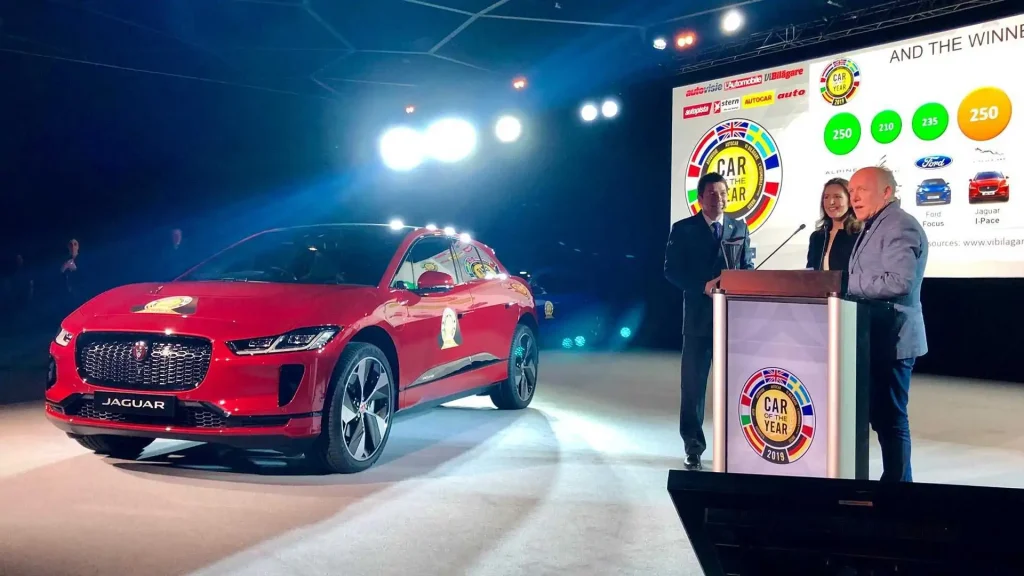
Since its inception in 1964, the prestigious European Car of the Year award has recognized the vehicles that have had the greatest impact on the automotive industry. What began with a panel of just 26 automotive journalists from nine European countries has grown into one of the world’s most respected automotive honors, now judged by 60 experts representing 23 countries.
Each year, the jury evaluates newly launched vehicles based on innovation, engineering excellence, safety, design, efficiency, performance, practicality, value for money, and environmental impact. Winning the title is considered a major achievement, often cementing a model’s place in automotive history.
Over the decades, the award has celebrated a remarkable variety of vehicles, from revolutionary family sedans and compact hatchbacks to luxury flagships, high-tech SUVs, hybrids, and fully electric cars. Some winners transformed their segments and became global bestsellers, while others introduced groundbreaking technologies that influenced generations of automobiles.
One memorable winner came in 2018, when the Volvo XC40 claimed the title as the first SUV from the Swedish brand to earn the honor. Its victory reflected the growing popularity of premium compact crossovers and highlighted the industry’s shift toward SUVs and electrified mobility.
Looking back at every winner offers a fascinating timeline of automotive evolution. From the innovative Rover 2000, the first recipient in 1964, to today’s cutting-edge electric vehicles, the European Car of the Year award chronicles more than 60 years of engineering progress, changing consumer preferences, and technological breakthroughs.
Table of Contents
1964 – Rover 2000
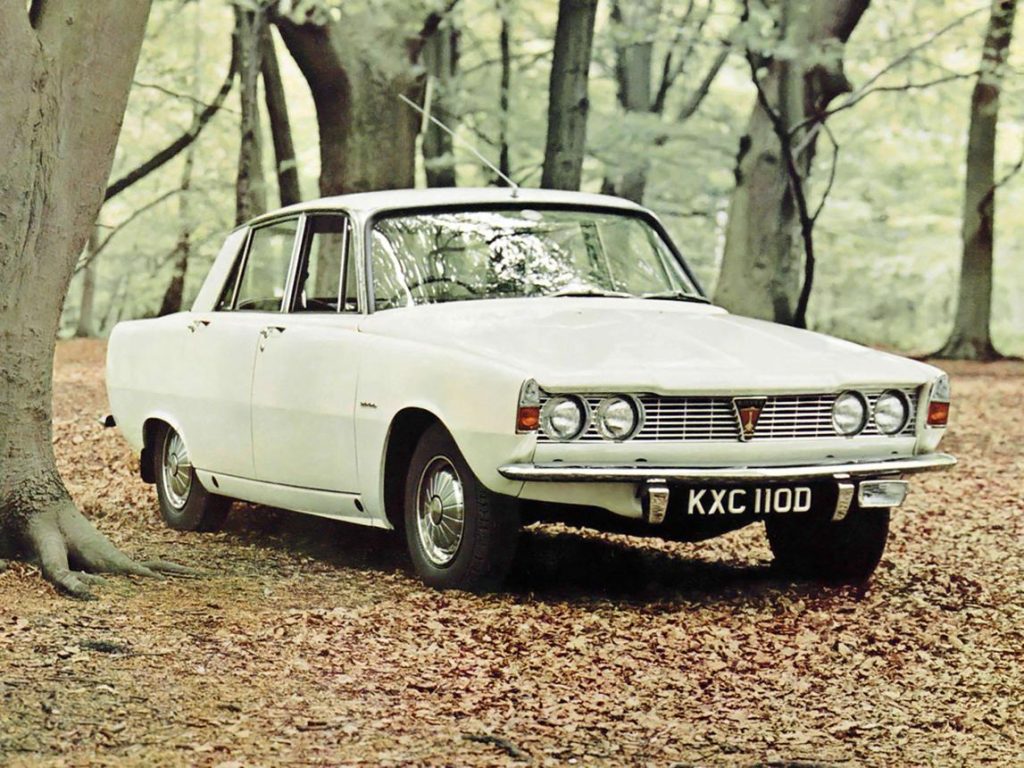
The very first European Car of the Year award went to the Rover 2000. Introduced as a sophisticated mid-size sedan, the P6 combined independent suspension, rear-wheel drive, a refined interior, and modern styling. Its 2.0-liter four-cylinder engine was not especially powerful, but the car’s ride, handling, engineering, and overall quality made it an impressive debut winner.
1965 – Austin 1800
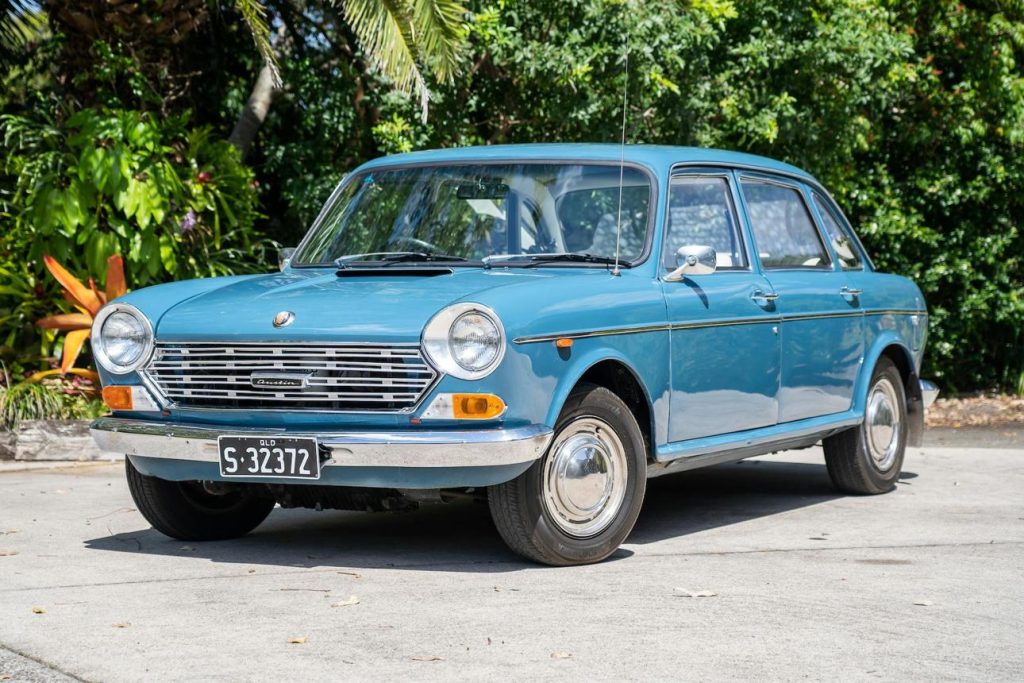
The Austin 1800 brought front-wheel drive, a spacious cabin, and innovative suspension technology to the family-car market. Its distinctive packaging allowed it to offer considerably more interior room than its exterior dimensions suggested, making practicality a major part of its appeal.
1966 – Renault 16
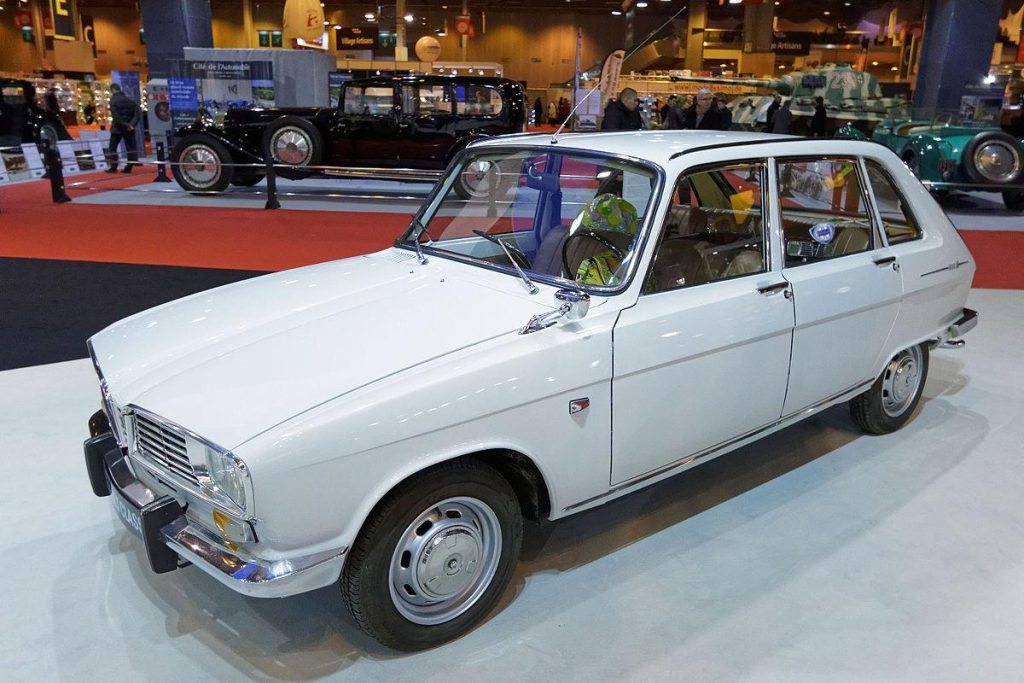
Renault’s innovative 16 helped establish the modern European hatchback formula. It combined a versatile rear hatch with a roomy interior and front-wheel drive, offering family practicality without the dimensions of a large sedan. Its flexible cabin made it one of the most influential winners of the early years.
1967 – Fiat 124
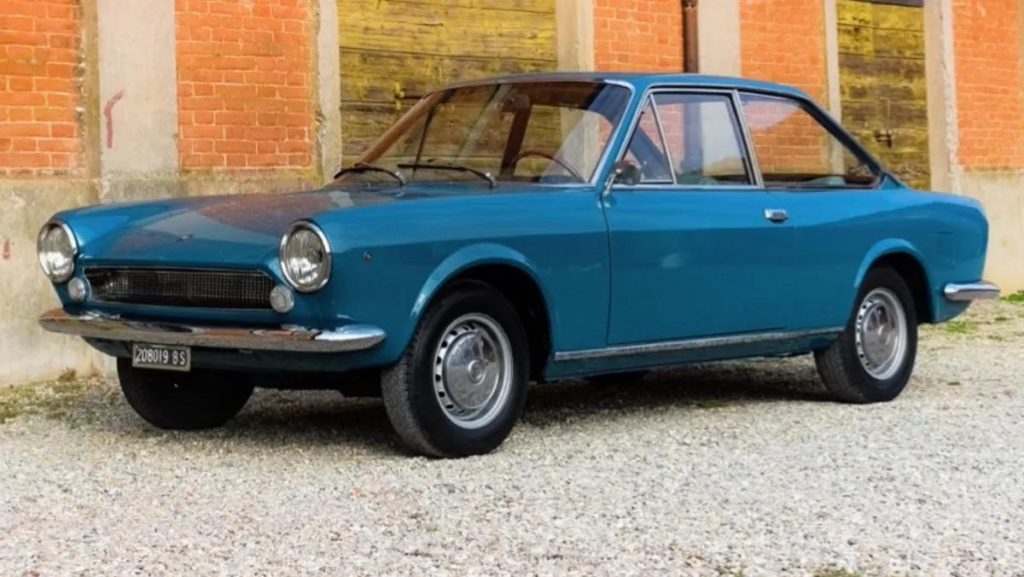
The Fiat 124 was a conventional-looking family sedan, but its combination of affordability, simplicity, space, and sound engineering made it an important European model. Its design also went on to have a remarkably long life through licensed production in other markets.
1968 – NSU Ro 80
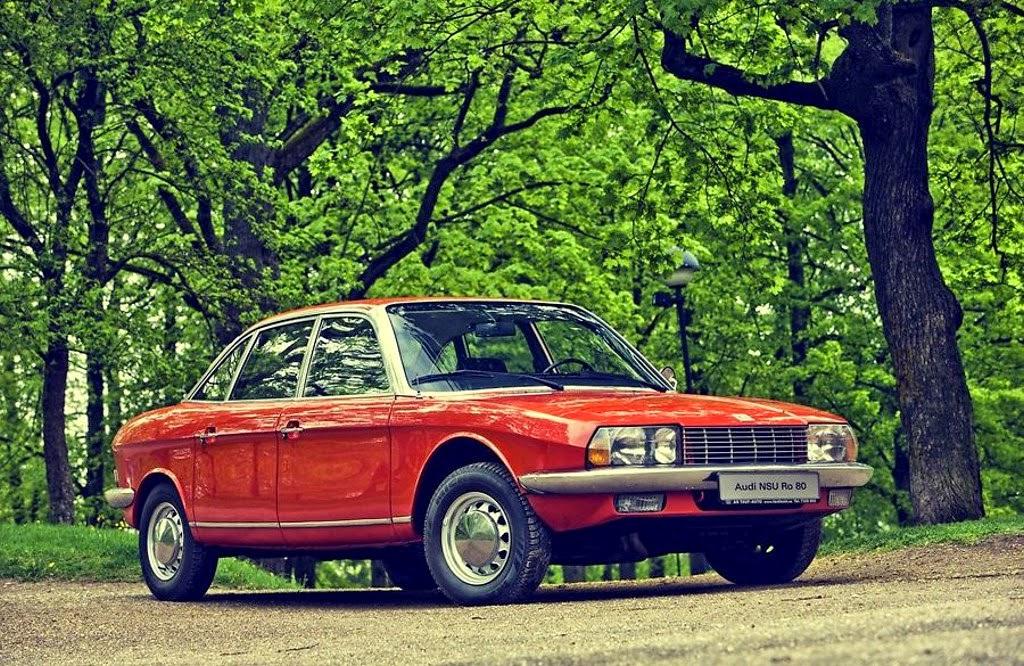
The NSU Ro 80 was one of the most technically ambitious cars ever to win the award. Its aerodynamic body, front-wheel drive, four-wheel independent suspension, and twin-rotor Wankel engine made it radically different from most family cars of the period. It remains one of the most memorable Car of the Year winners.
1969 – Peugeot 504
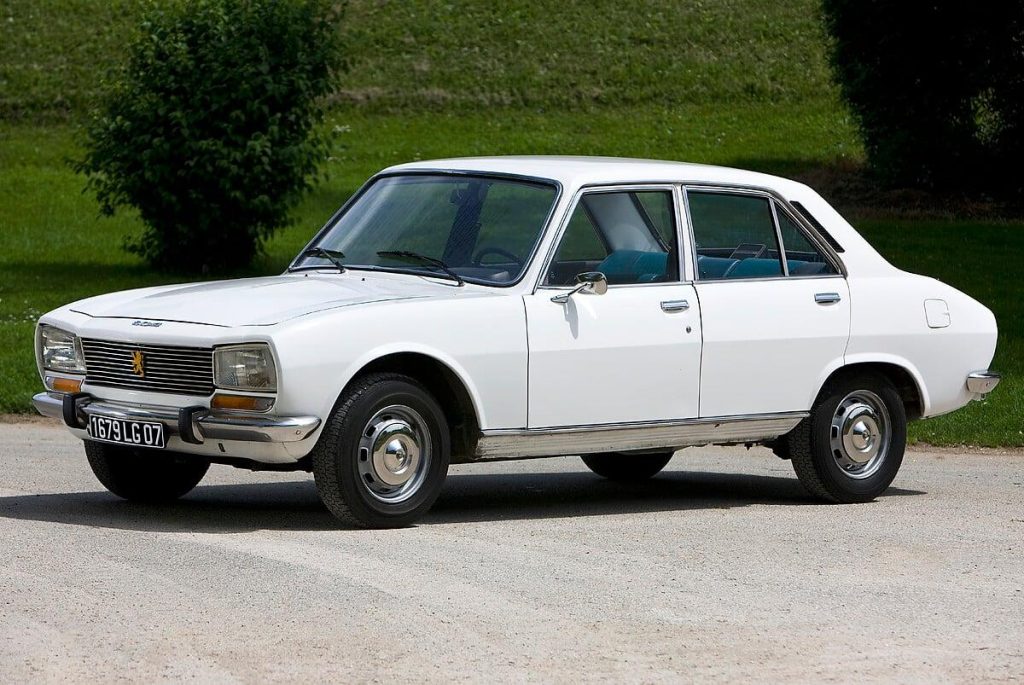
The Peugeot 504 earned its title with a combination of comfort, durability, and excellent road manners. Its rugged construction also helped it develop a reputation for surviving demanding conditions, particularly in markets outside Europe.
1970 – Fiat 128
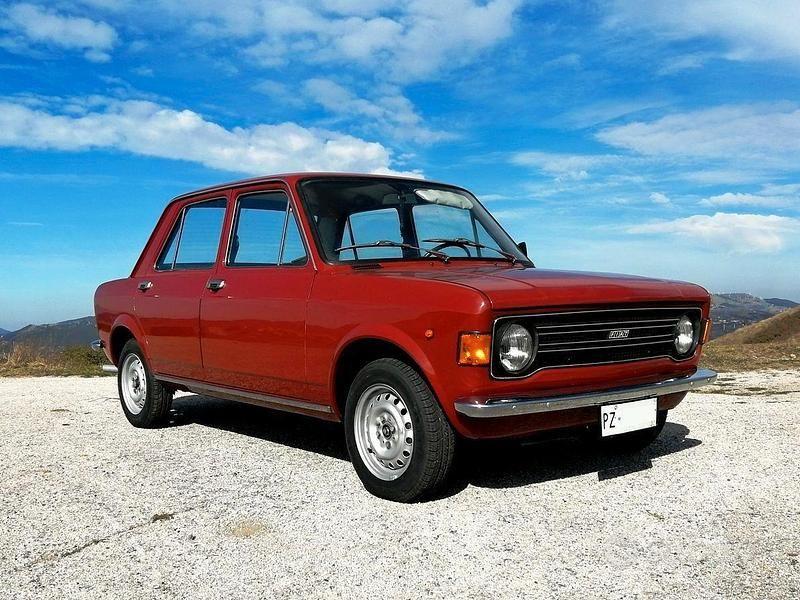
The Fiat 128 helped popularize a compact front-wheel-drive layout that would become a defining architecture for future generations of small cars. Its transverse engine and efficient packaging gave passengers plenty of usable space without requiring a large body.
1971 – Citroën GS
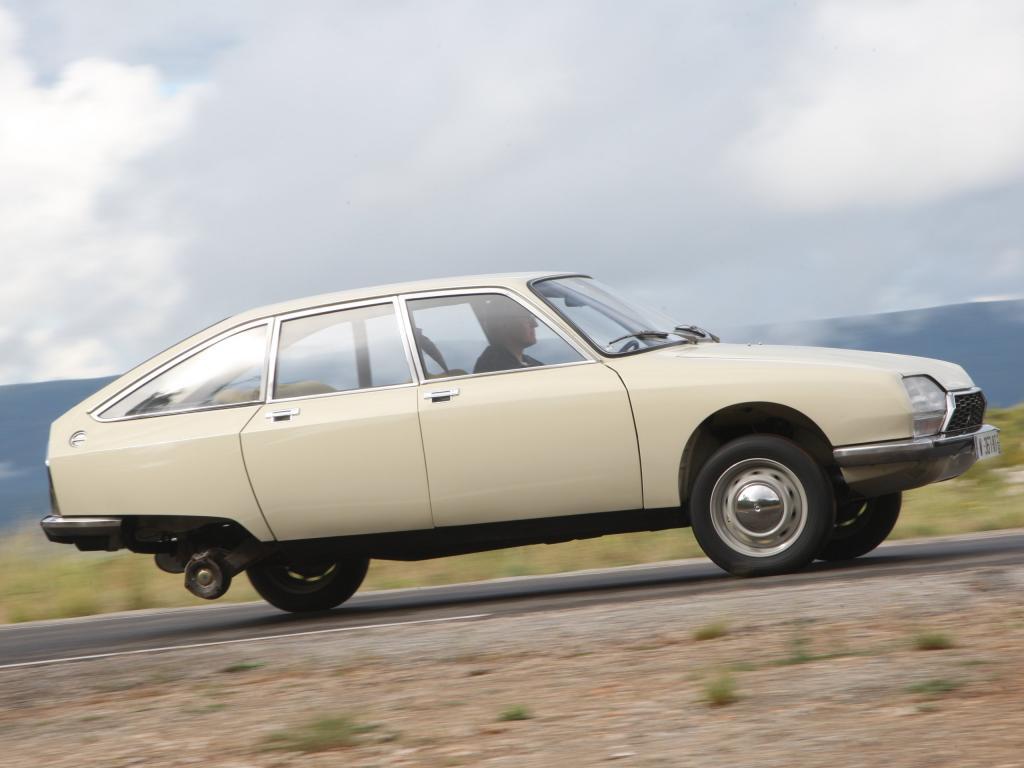
Citroën’s GS brought advanced engineering to the affordable family-car segment. Its aerodynamic body, comfortable ride, and horizontally opposed four-cylinder engine made it distinctive in a crowded market.
1972 – Fiat 127
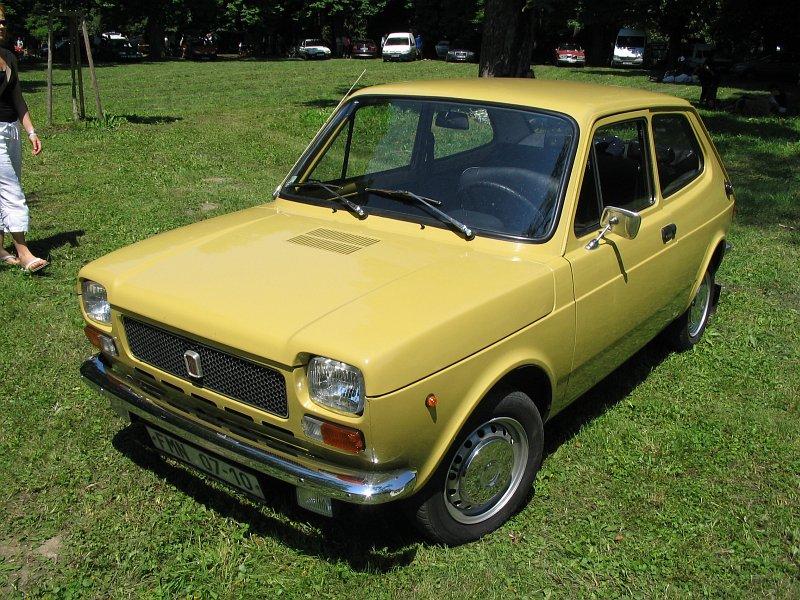
The Fiat 127 demonstrated how much practicality could be packed into a small car. Its front-wheel-drive layout, compact dimensions, and efficient use of interior space helped establish the formula that would dominate European superminis for decades.
1973 – Audi 80
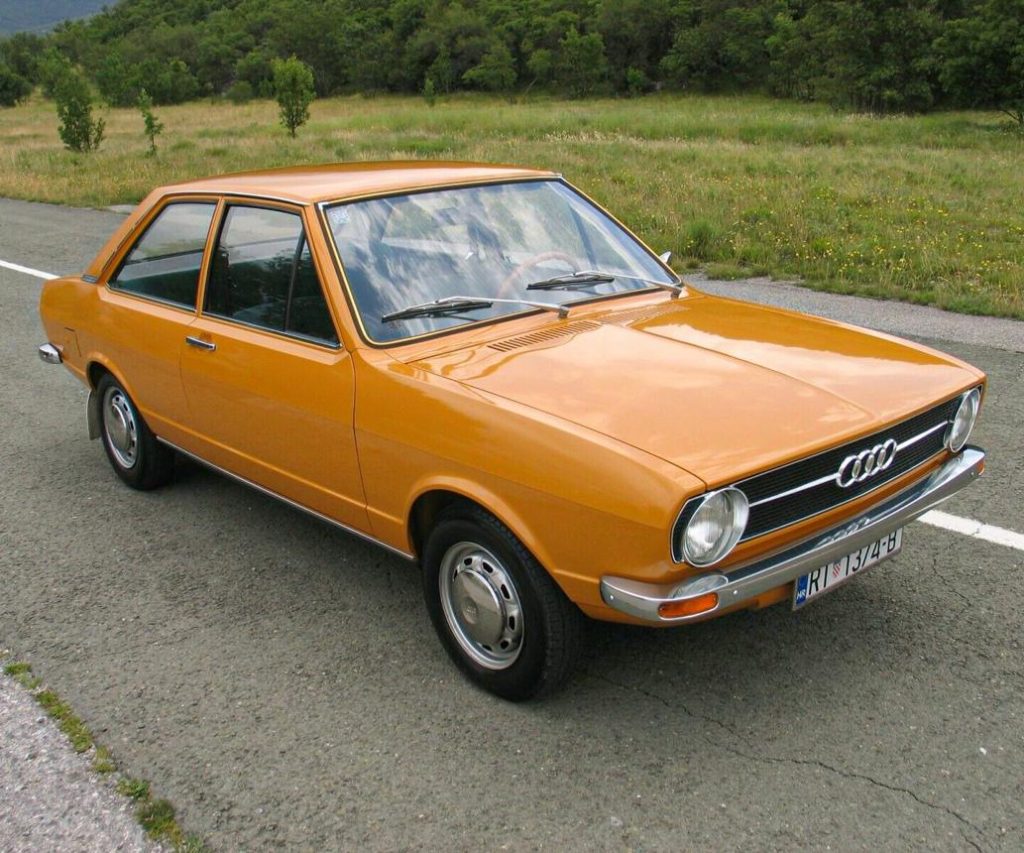
The Audi 80 was praised for its clean design, efficient engineering, and balanced driving characteristics. It helped establish Audi as a serious force in the European mainstream market and became the foundation for an important family of future models.
1974 – Mercedes-Benz 450 SE
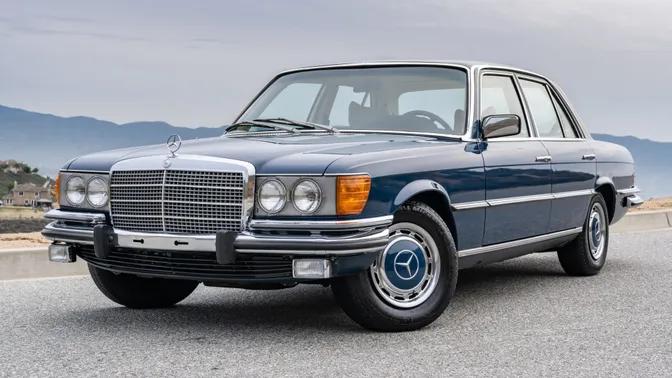
The Mercedes-Benz 450 SE brought luxury-car refinement and engineering sophistication to the award. Part of the W116 S-Class family, it emphasized comfort, safety, build quality, and long-distance capability.
1975 – Citroën CX
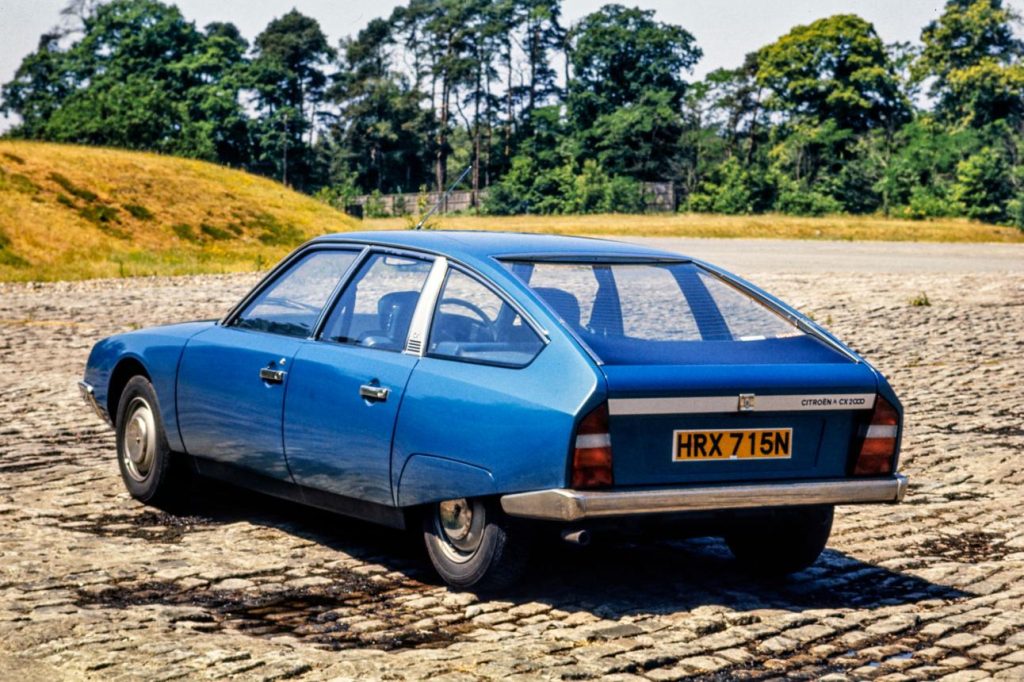
The Citroën CX was another technically ambitious winner from the French manufacturer. Its streamlined shape, hydropneumatic suspension, and distinctive interior made it one of the most recognizable large cars of its generation.
1976 – Simca 1307/1308
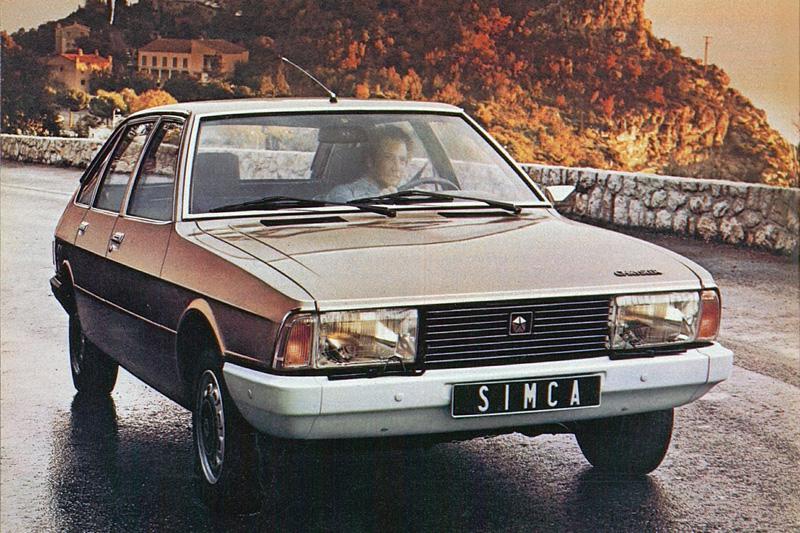
The Simca 1307/1308 combined the practicality of a hatchback with the comfort of a larger family car. Its roomy interior and versatile rear hatch helped demonstrate why hatchbacks were becoming increasingly important in Europe.
1977 – Rover 3500
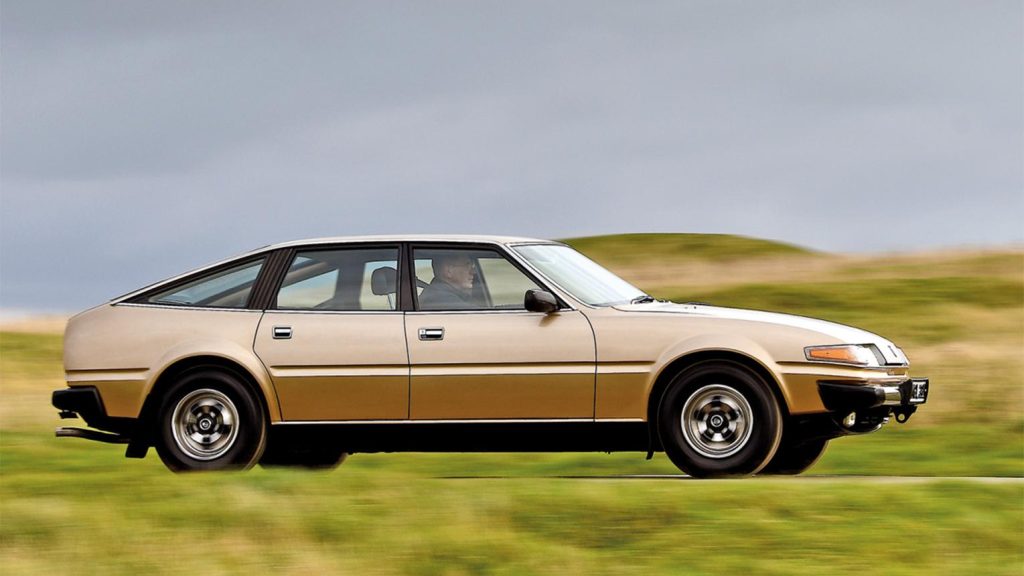
The Rover 3500, also known as the SD1, combined executive-car comfort with a powerful V8 engine and a more sporting character. Its sleek fastback design was a major departure from traditional three-box luxury sedans.
1978 – Porsche 928
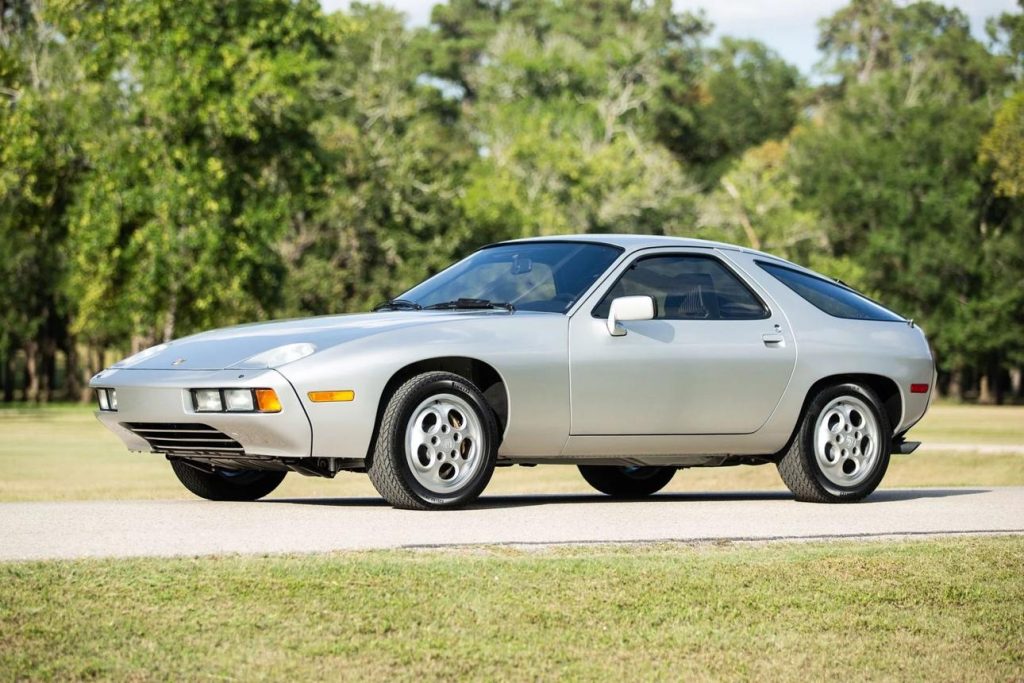
The Porsche 928 was an unusual Car of the Year winner because it was a high-performance grand tourer rather than a conventional family vehicle. Its front-mounted V8, rear-wheel drive, transaxle layout, and futuristic styling made it a technical and design statement.
1979 – Simca-Chrysler Horizon
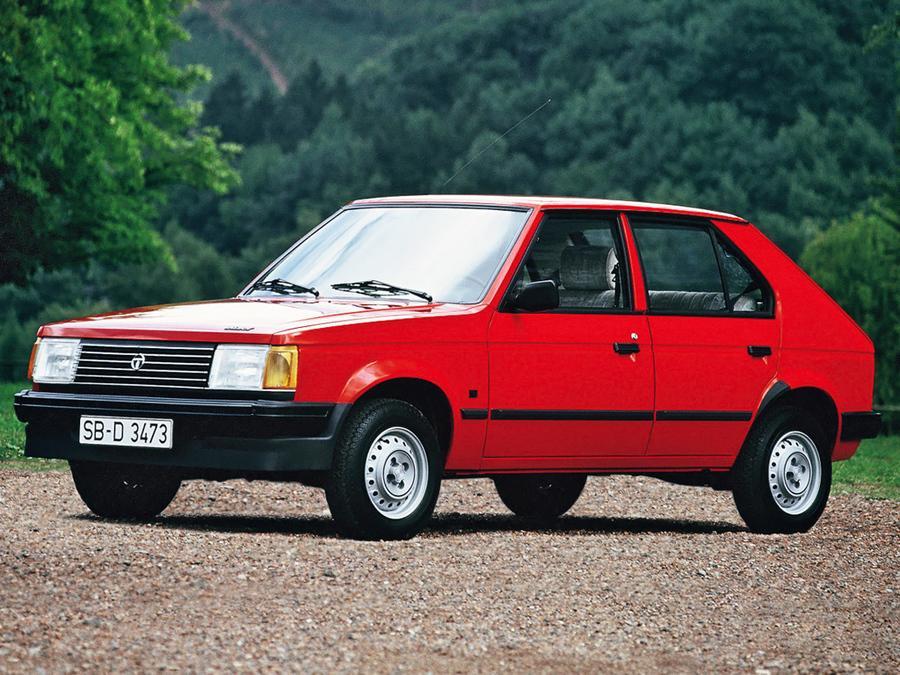
The Horizon was designed as a practical compact family car with an emphasis on comfort and everyday usability. It represented the growing importance of front-wheel-drive hatchbacks in Europe’s mainstream market.
1980 – Lancia Delta
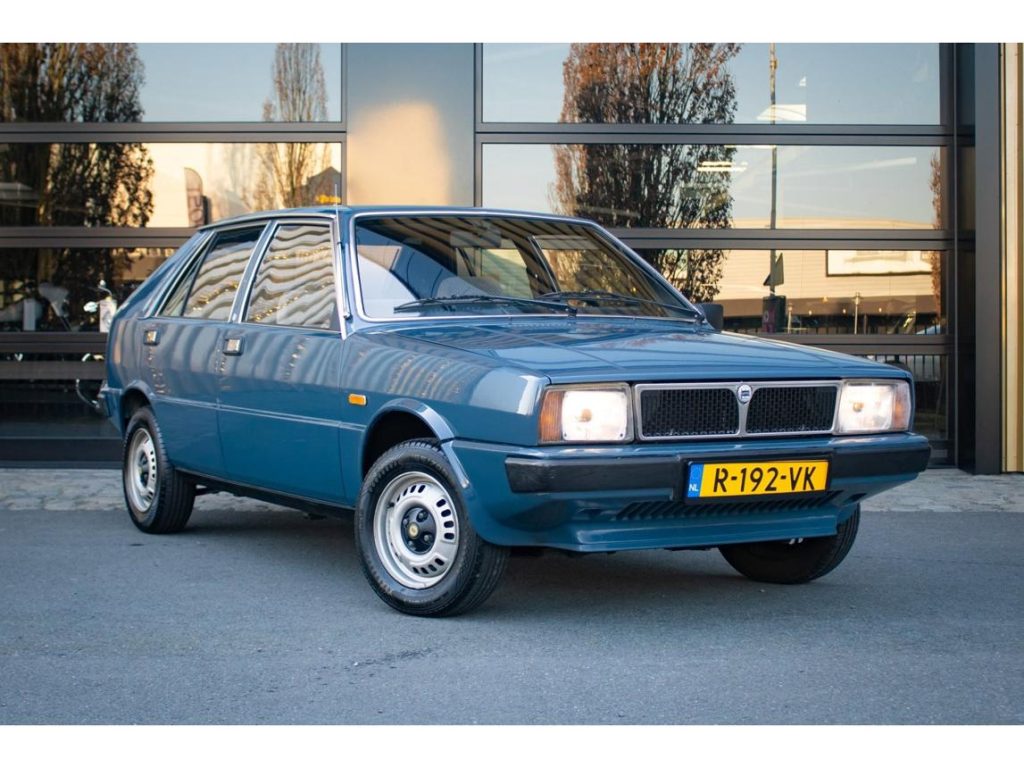
The Lancia Delta was a stylish compact hatchback that would eventually become legendary through its rally career. Even before the high-performance Integrale versions arrived, the original Delta stood out for its sharp styling, practicality, and engineering.
1981 – Ford Escort
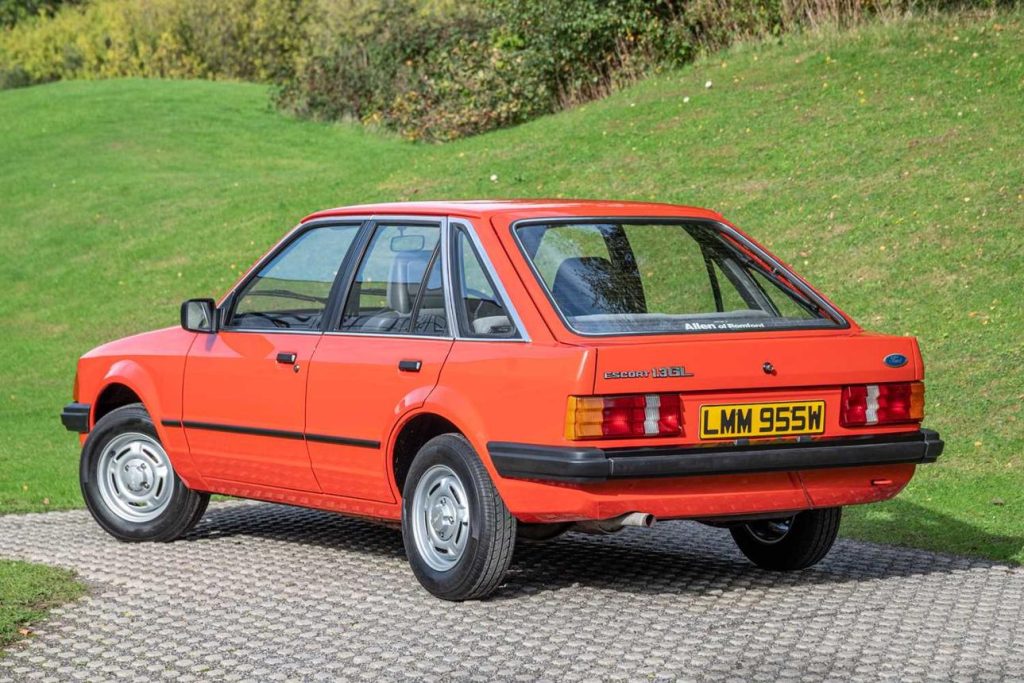
The third-generation Ford Escort brought front-wheel drive and a modern hatchback configuration to one of Europe’s best-known nameplates. It demonstrated how quickly the small-car market was moving toward more efficient layouts.
1982 – Renault 9
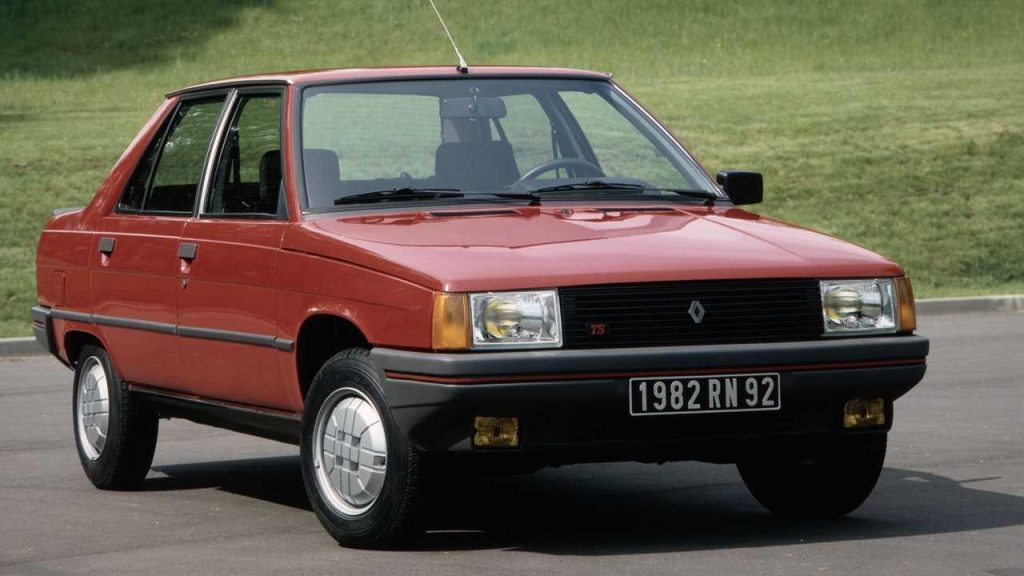
The Renault 9 was a compact sedan that focused on efficiency, practicality, and affordability. Its success reflected the continued importance of small family cars in European markets.
1983 – Audi 100
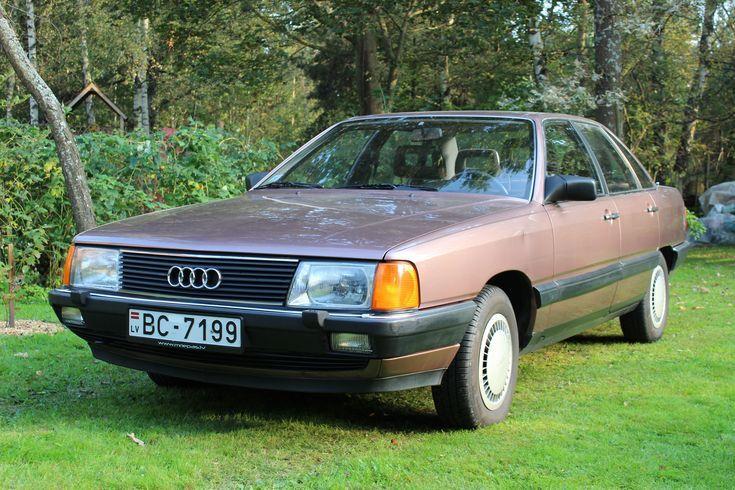
Audi’s 100 stood out for its aerodynamic design and efficient packaging. Its low-drag body helped reduce fuel consumption while giving the large sedan a distinctive appearance, making it an important example of how aerodynamics was becoming increasingly important to automakers.
1984 – Fiat Uno
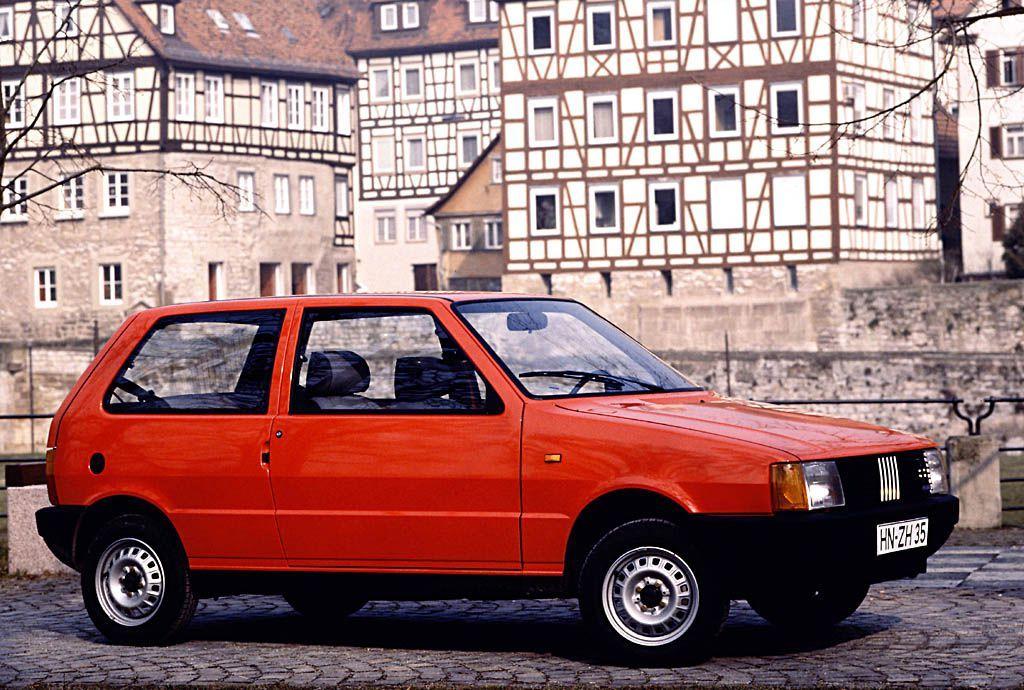
The Fiat Uno became one of Europe’s most successful small cars. Its upright shape created impressive interior space for its footprint, while its simple, practical design made it well suited to urban driving and family use.
1985 – Opel Kadett
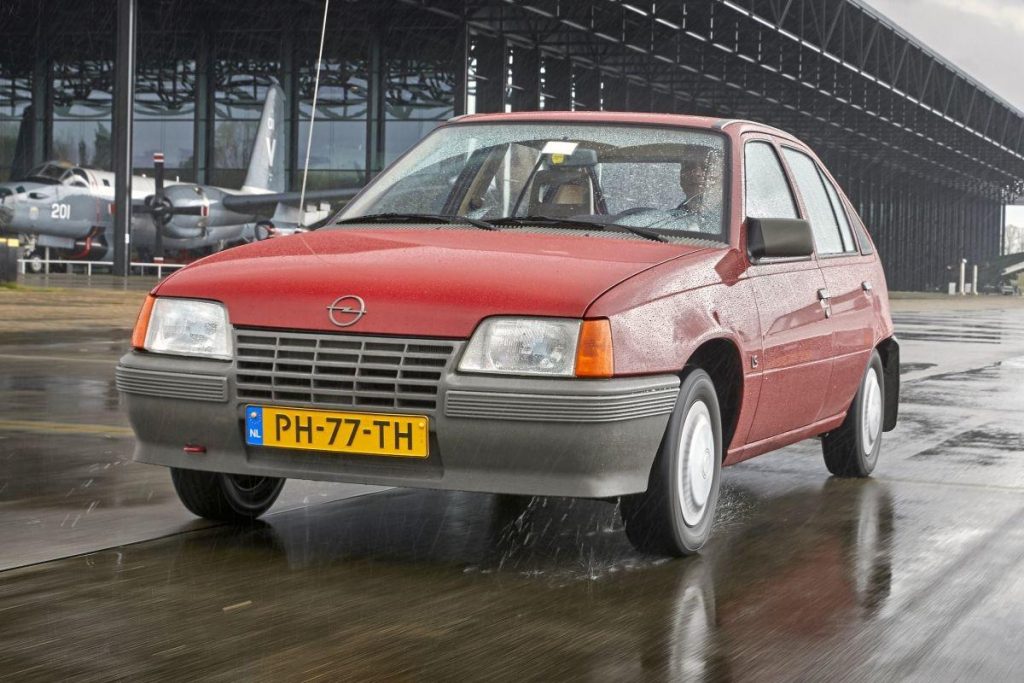
The Opel Kadett was another important compact hatchback of the 1980s. It combined straightforward engineering, practical dimensions, and a broad range of body styles, helping make the Kadett a major player in the European market.
1986 – Ford Scorpio
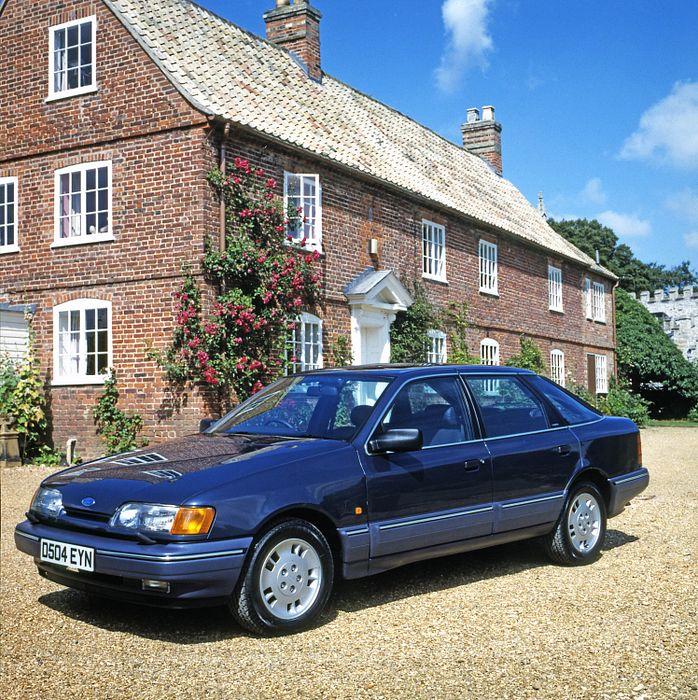
The Ford Scorpio brought executive-car space and technology to a relatively accessible price point. Its aerodynamic styling was particularly distinctive for the period, while its rear-wheel-drive chassis gave it a more traditional large-car character.
1987 – Opel Omega
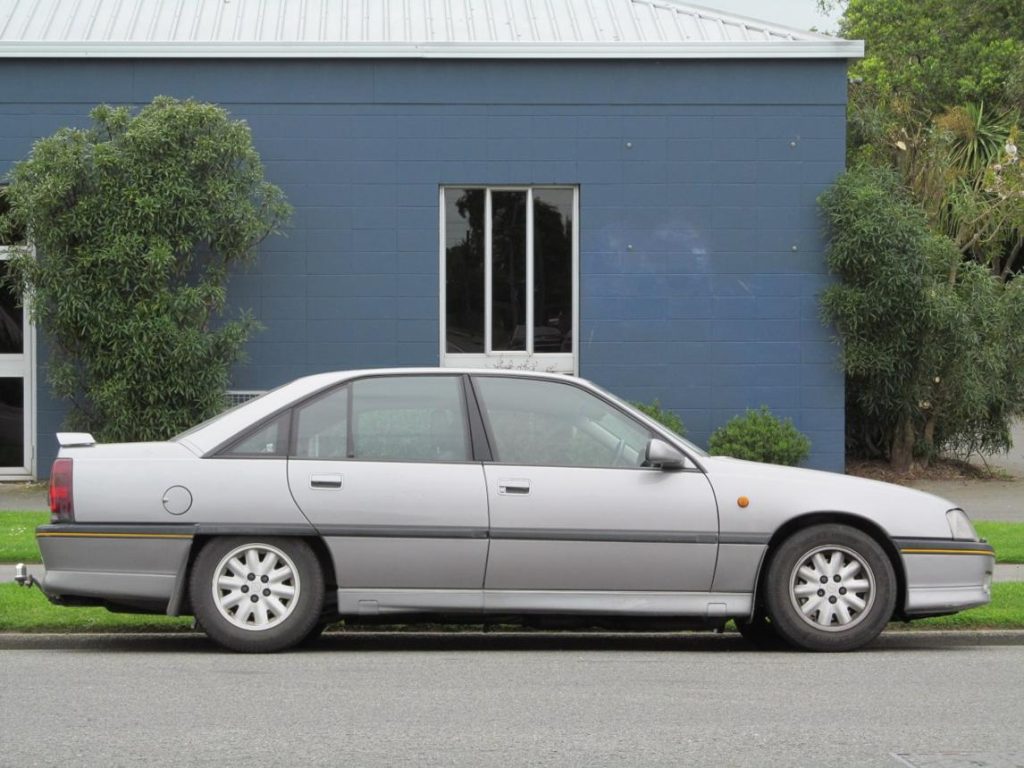
The Opel Omega succeeded with a combination of comfort, spaciousness, efficient aerodynamics, and rear-wheel drive. It became one of the brand’s key executive models and was sold under the Vauxhall Carlton name in the United Kingdom.
1988 – Peugeot 405
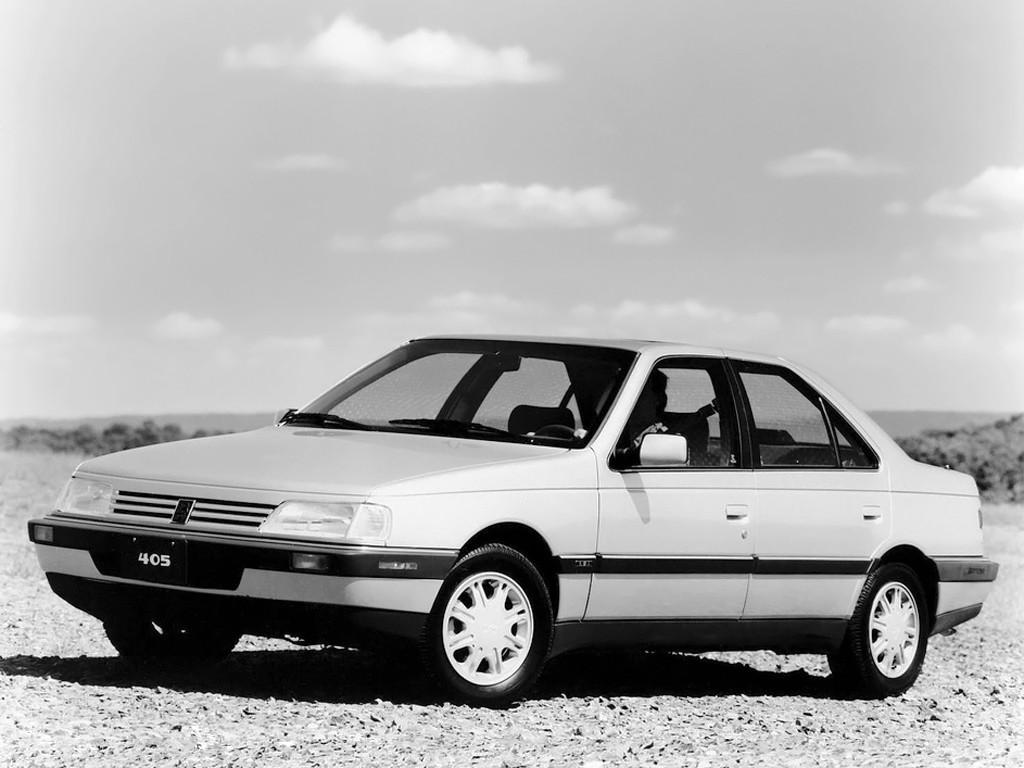
The Peugeot 405 was praised for its elegant styling, comfortable ride, and capable handling. It became one of Peugeot’s most successful global models and eventually gained a performance reputation through versions such as the Mi16 and T16.
1989 – Fiat Tipo
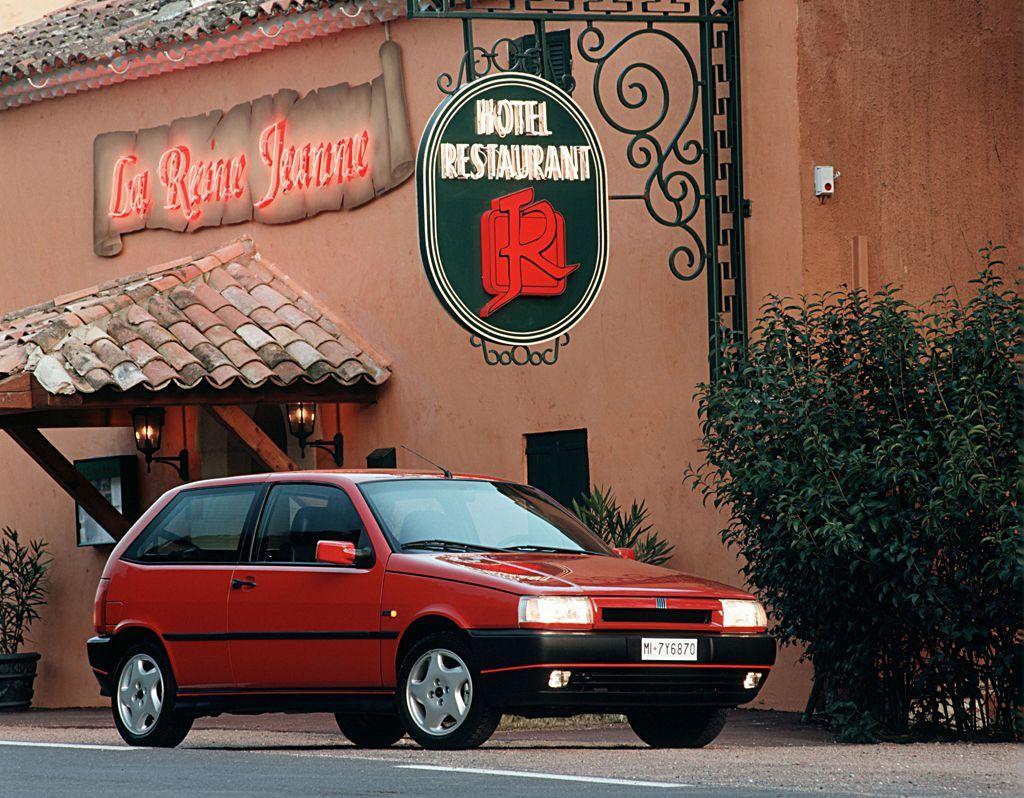
The Fiat Tipo emphasized space efficiency and practical hatchback design. Its boxy shape maximized passenger and cargo room while its modern construction helped it compete strongly in the compact segment.
1990 – Citroën XM
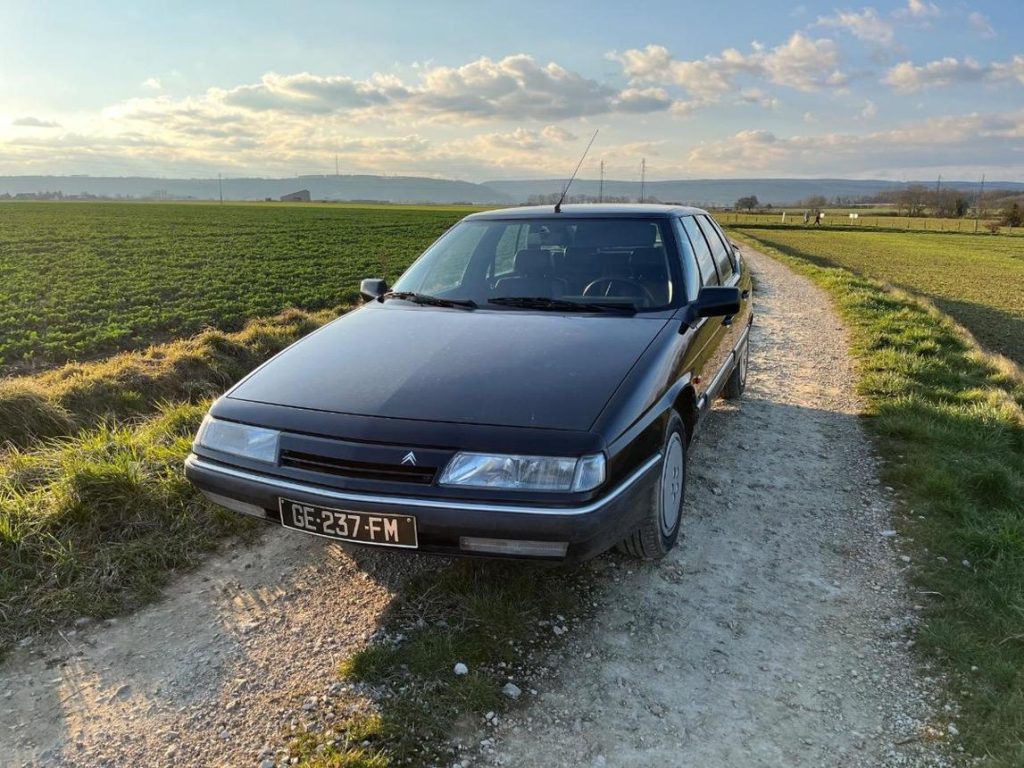
The Citroën XM brought French innovation to the executive-car class. Its aerodynamic styling and sophisticated suspension continued Citroën’s tradition of building large cars with unusual engineering solutions.
1991 – Renault Clio
The original Renault Clio replaced the aging Renault 5 and quickly established itself as one of Europe’s most important small cars. Its compact dimensions, practical cabin, and polished driving experience made it a natural fit for the growing supermini market.
1992 – Volkswagen Golf
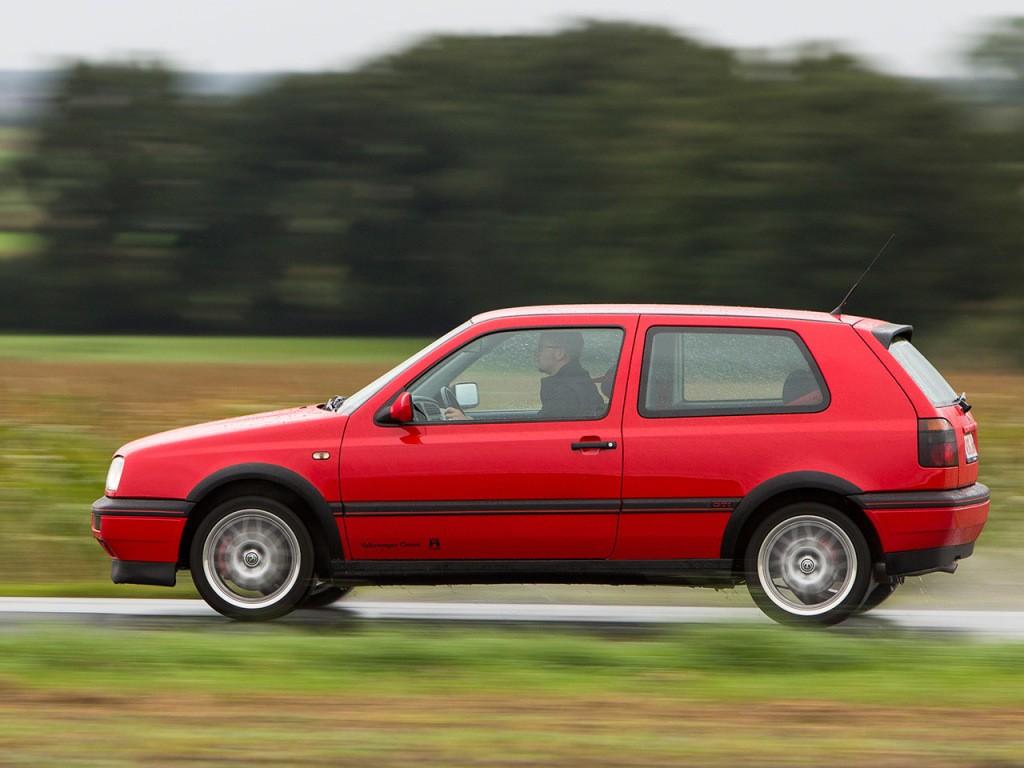
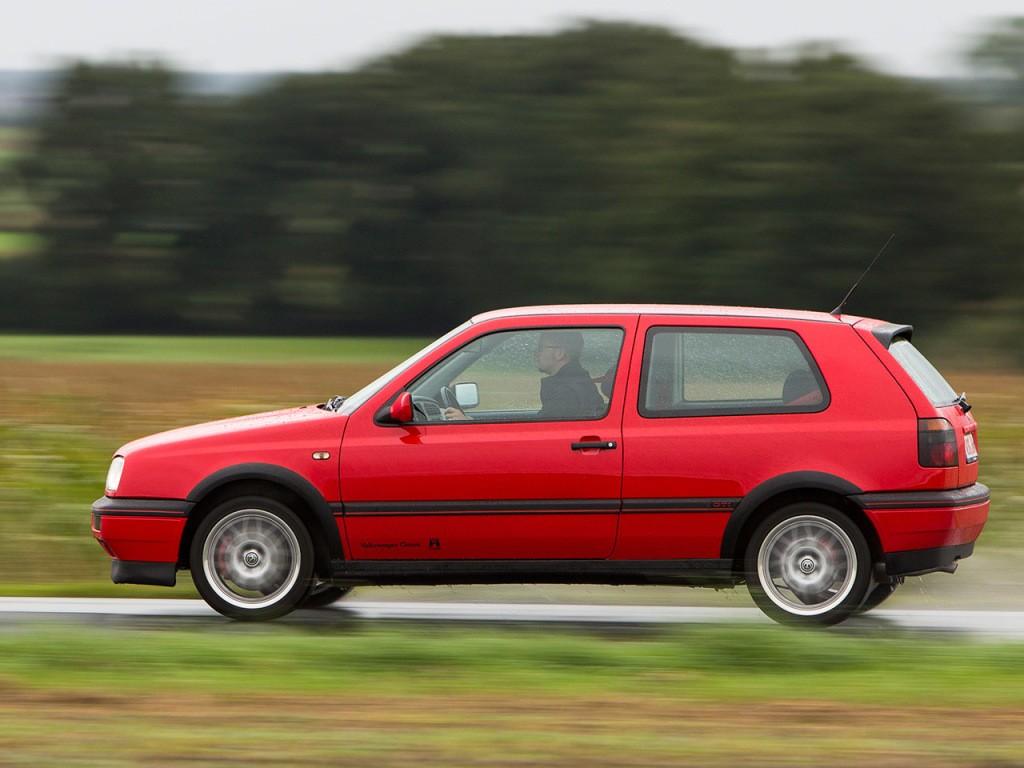
The third-generation Volkswagen Golf continued the nameplate’s success while adding greater refinement, safety, and practicality. The Golf had already established itself as a benchmark in the compact class, and the third generation reinforced that reputation.
1993 – Nissan Micra
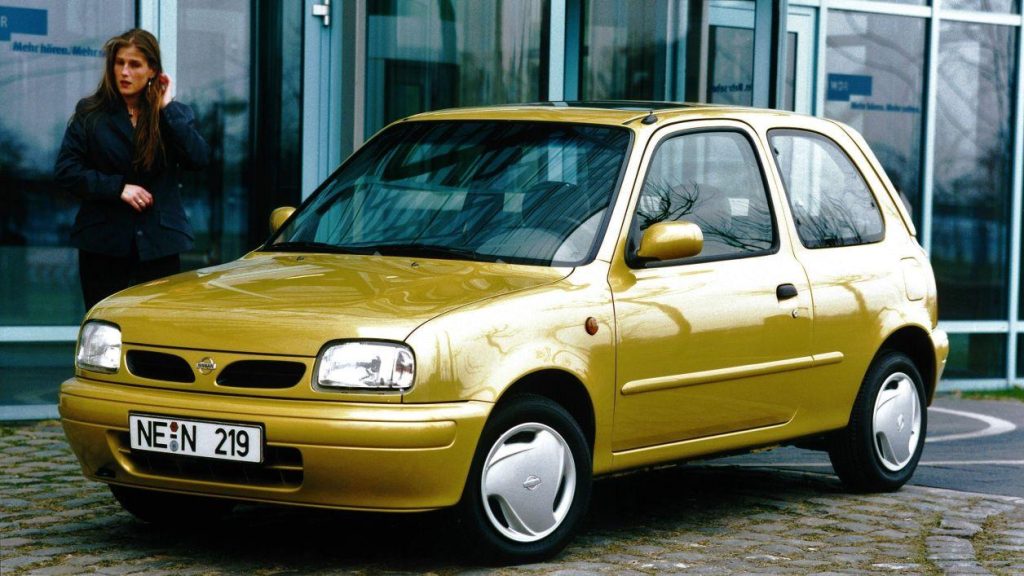
The Nissan Micra became the first Japanese car to win the award. Its small footprint, clever packaging, reliability, and easy-to-drive nature made it especially well suited to increasingly crowded European cities.
1994 – Ford Mondeo
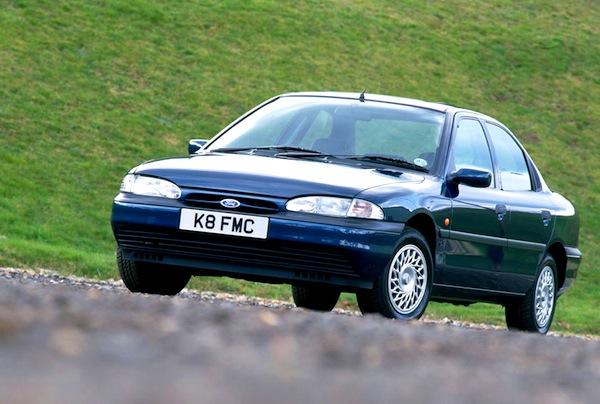
The Ford Mondeo replaced the Sierra and represented a major step forward for Ford’s European family-car strategy. Its front-wheel-drive platform, improved handling, spacious cabin, and broad engine range made it a strong all-rounder.
1995 – Fiat Punto
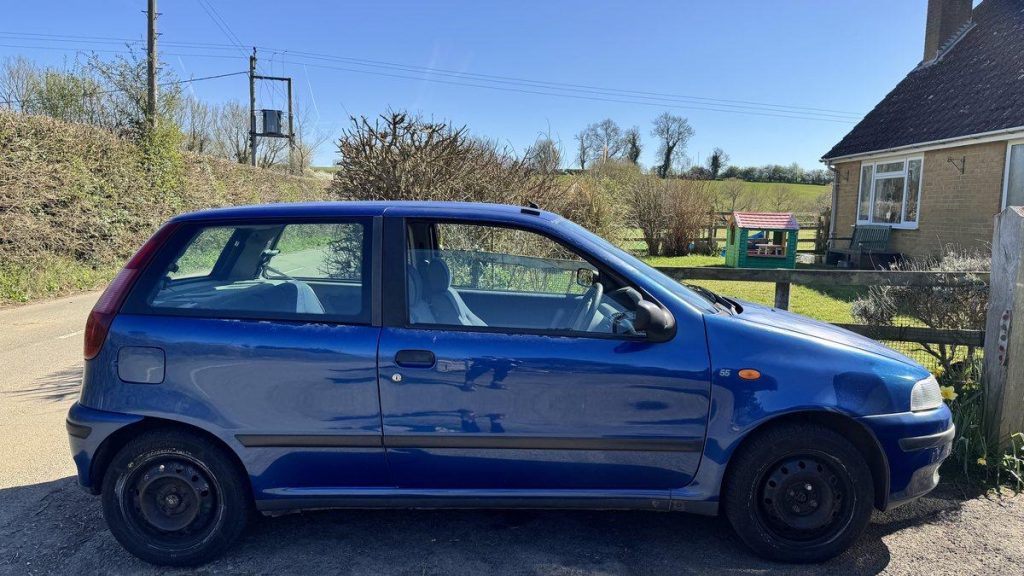
The Fiat Punto brought Italian styling and strong packaging to the supermini class. It offered a spacious cabin for its size and became a major European seller.
1996 – Fiat Bravo/Brava
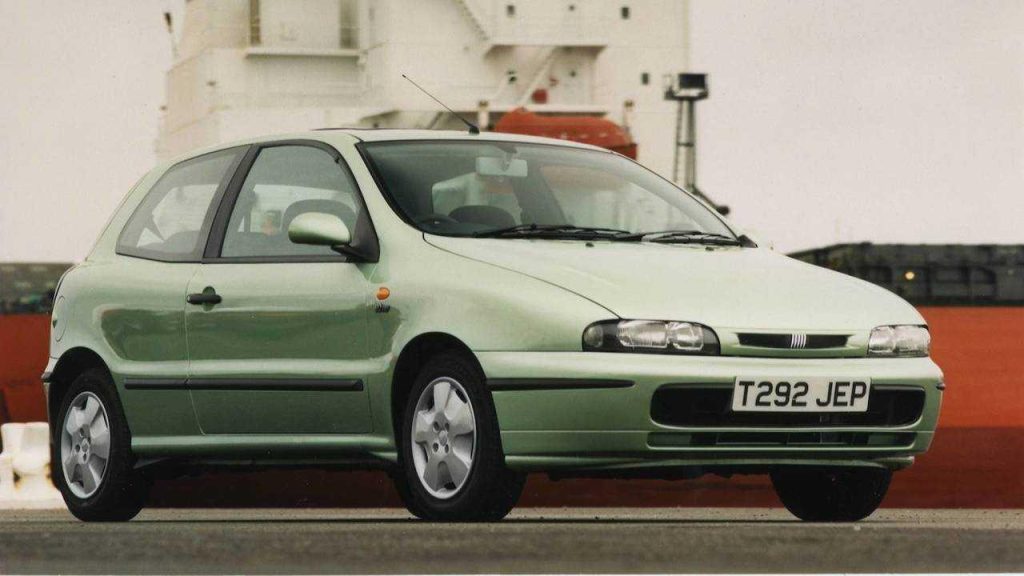
Fiat’s Bravo and Brava offered two distinct takes on the compact hatchback formula. The three-door Bravo was the sportier-looking model, while the five-door Brava emphasized practicality. Together, they gave Fiat a strong competitor in one of Europe’s most important segments.
1997 – Renault Mégane Scénic
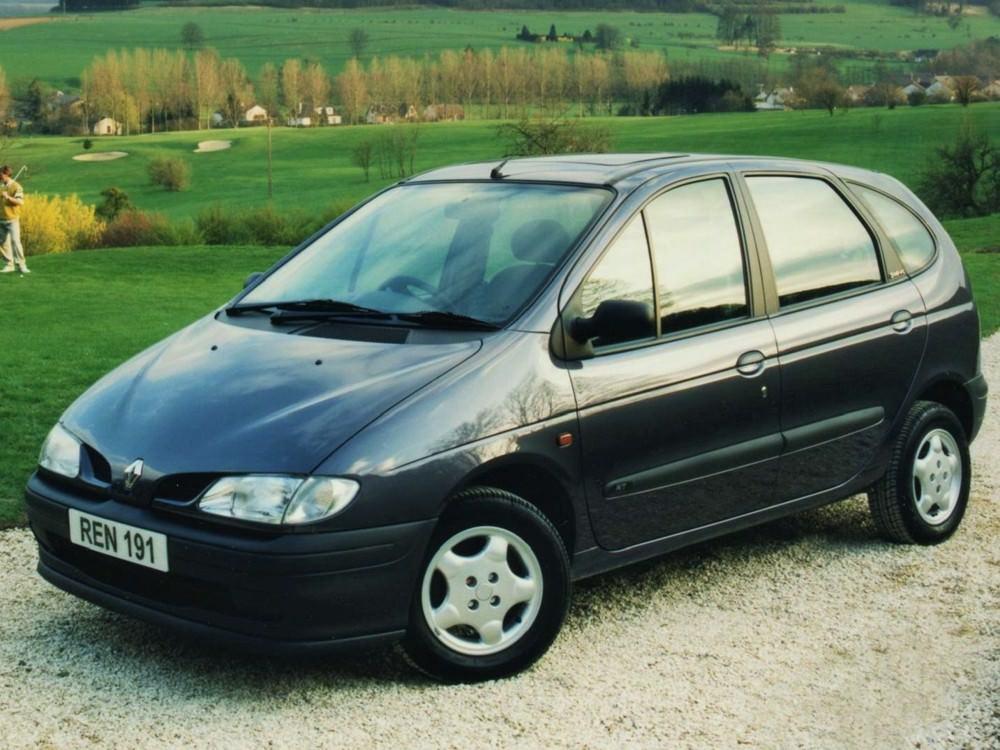
The Renault Mégane Scénic was a particularly significant winner because it helped establish the compact MPV as a mainstream European vehicle. Its tall body, flexible seating, and family-focused interior demonstrated that practicality could be delivered without moving to a full-size van.
1998 – Alfa Romeo 156
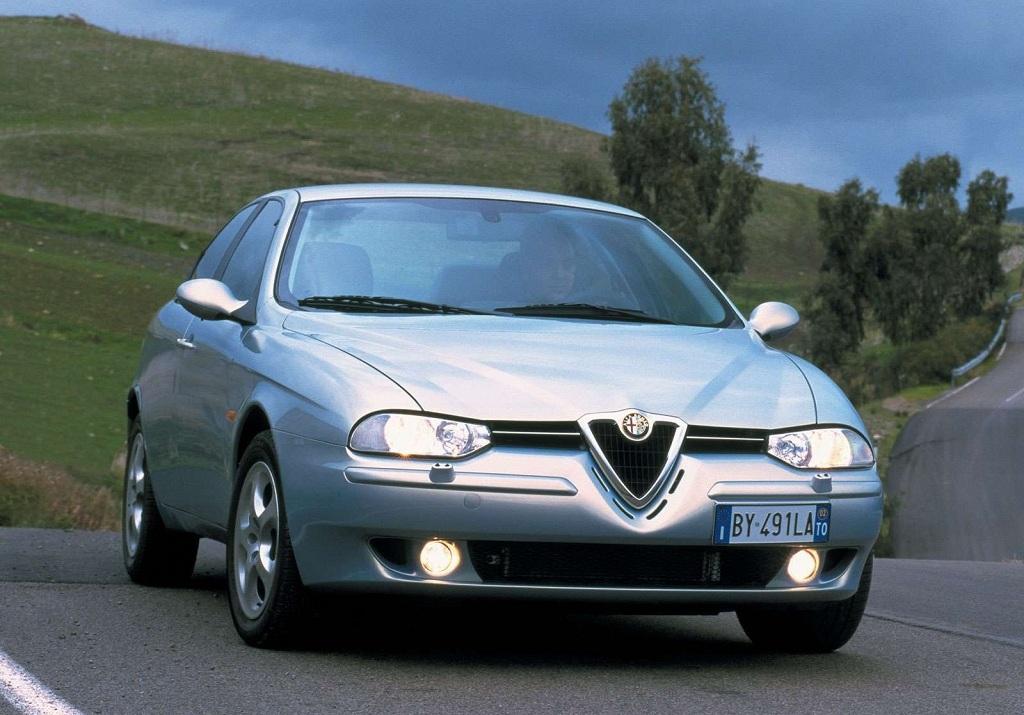
The Alfa Romeo 156 brought style and driving appeal to the compact executive segment. Its sharp exterior design and engaging chassis helped give Alfa Romeo a distinctive alternative to German rivals.
1999 – Ford Focus
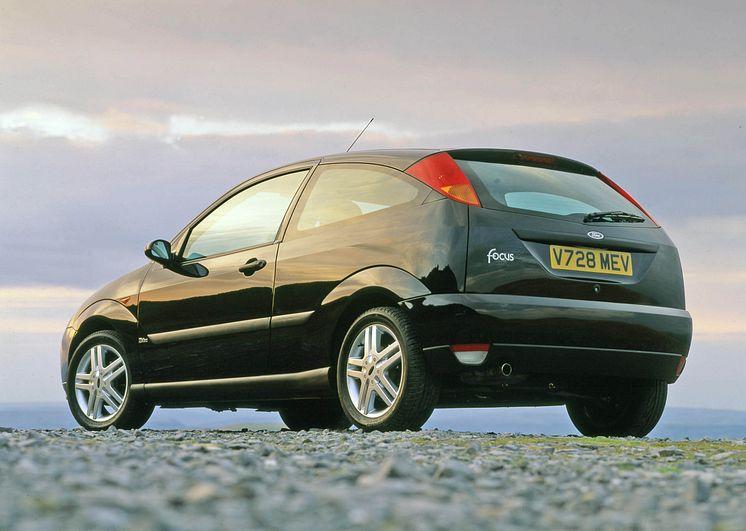
The Ford Focus replaced the Escort and immediately became known for its advanced suspension and entertaining handling. Its New Edge styling was also a dramatic departure from Ford’s previous family-car designs.
2000 – Toyota Yaris
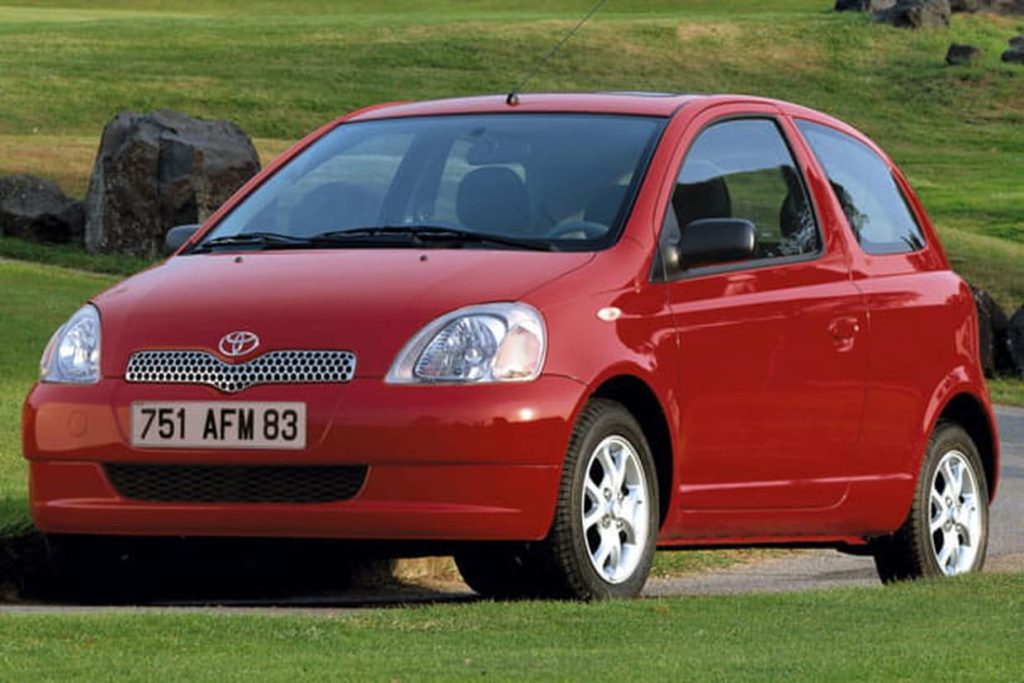
The Toyota Yaris combined compact exterior dimensions with an unusually spacious interior. Its efficient engines, clever packaging, and reputation for reliability helped make it one of Europe’s most successful small cars.
2001 – Alfa Romeo 147
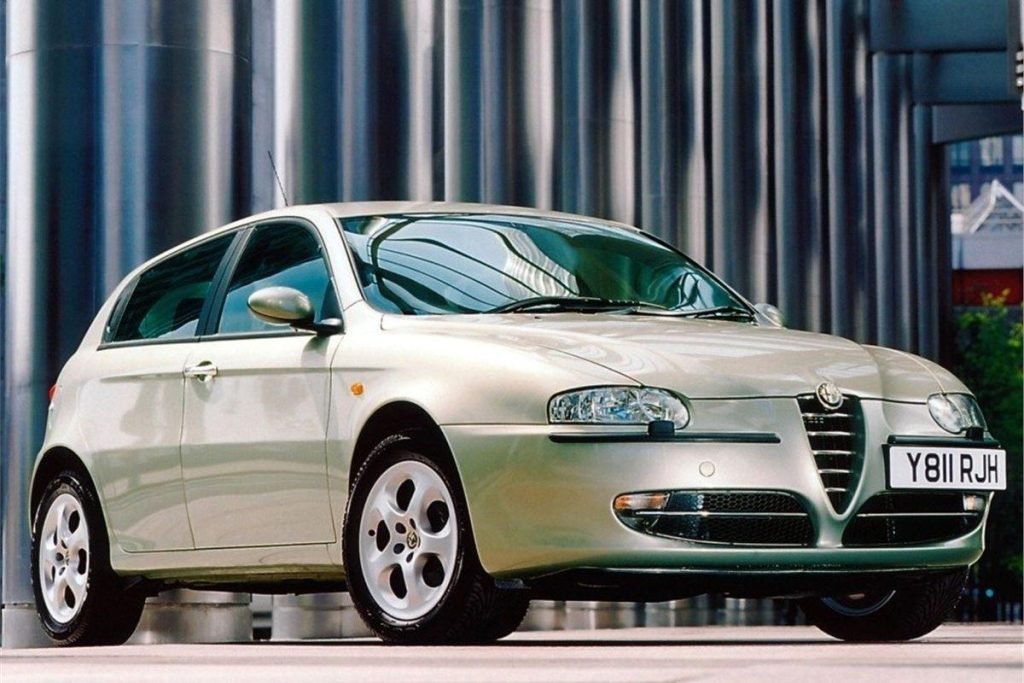
The Alfa Romeo 147 brought Italian design and sporty driving characteristics to the compact hatchback class. Its distinctive grille and interior design helped separate it from more conservative rivals.
2002 – Peugeot 307
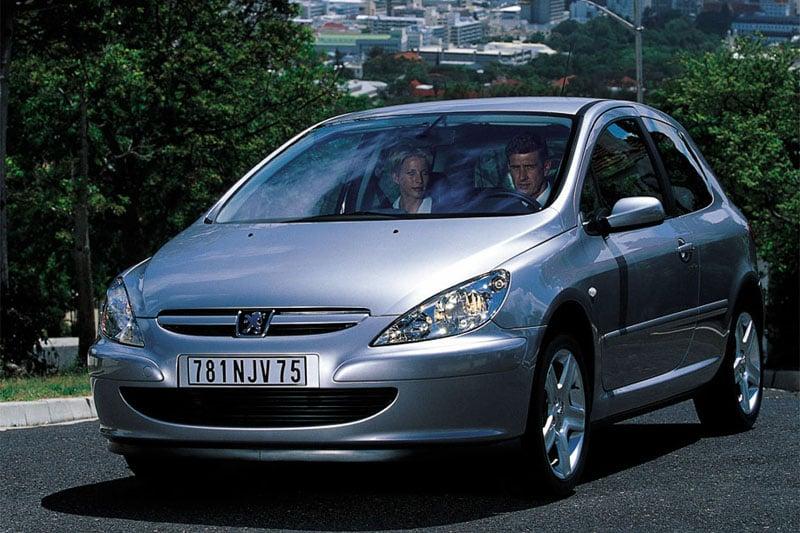
The Peugeot 307 focused heavily on practicality and interior space. Its tall body and large cabin gave it a more versatile character than many conventional compact hatchbacks.
2003 – Renault Mégane
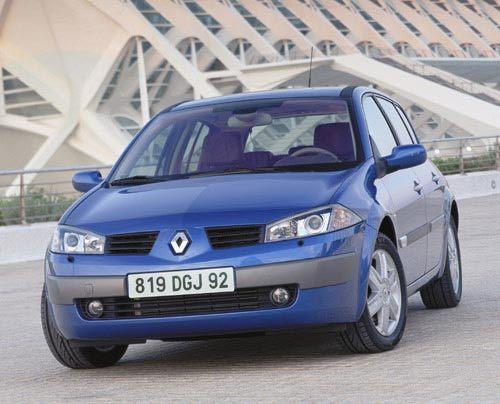
The second-generation Renault Mégane was notable for its radical styling, particularly the unusual rear-end design. Beneath the distinctive body was a practical and comfortable family car with a strong focus on safety.
2004 – Fiat Panda
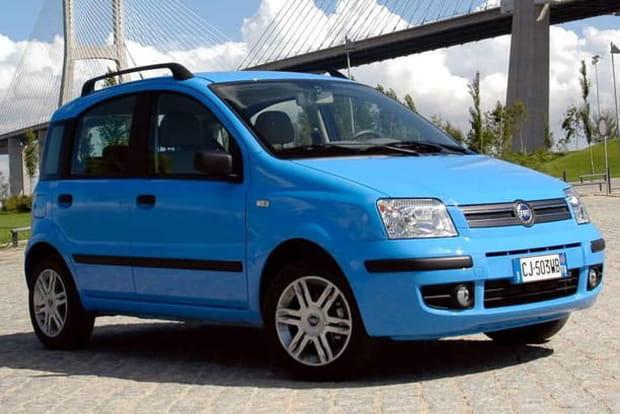
The second-generation Fiat Panda demonstrated how simplicity could be a strength. Its compact dimensions, upright body, practical interior, and affordable character made it extremely well suited to European city life.
2005 – Toyota Prius
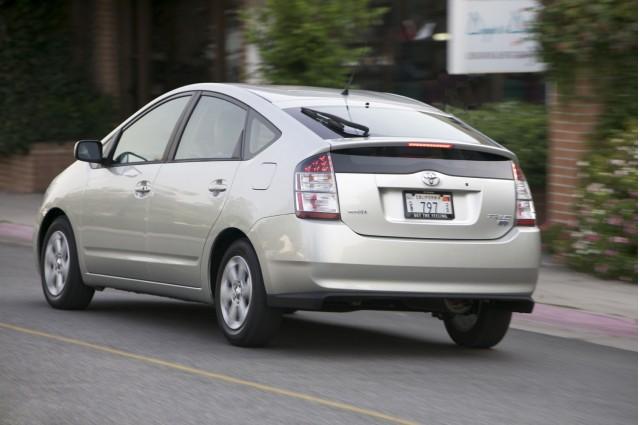
The Toyota Prius represented a major shift in automotive priorities. Its hybrid powertrain combined a gasoline engine with electric assistance to deliver significantly improved efficiency, making it an important milestone in the move toward electrification.
2006 – Renault Clio
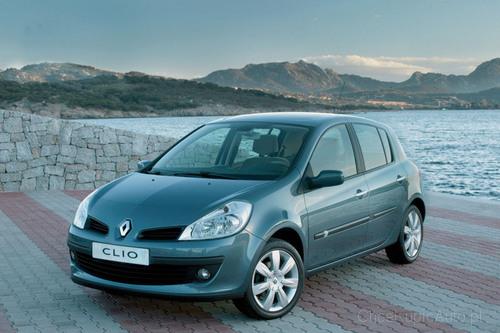
Renault won again with the third-generation Clio. The new model grew substantially compared with its predecessor and placed greater emphasis on refinement, safety, and interior quality while retaining the practicality expected from a European supermini.
2007 – Ford S-Max
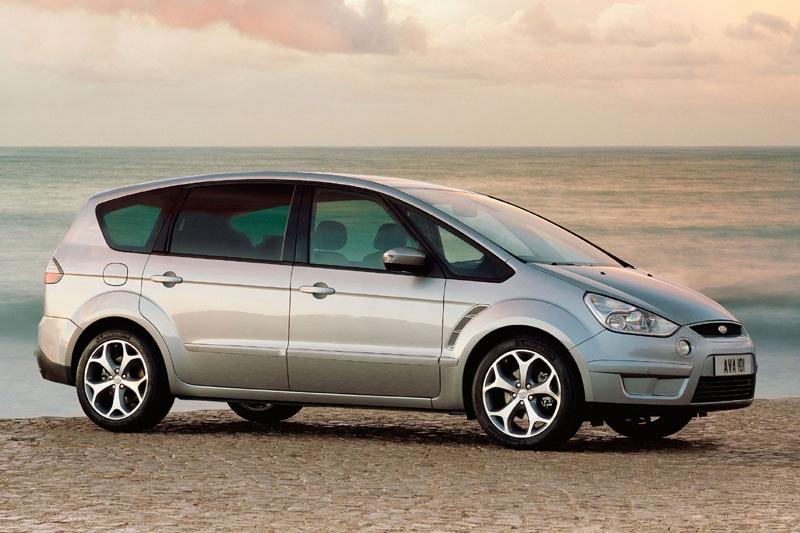
The Ford S-Max showed that a people carrier did not have to sacrifice driving enjoyment. Its sleek body, flexible seven-seat interior, and surprisingly composed handling gave it a distinctive position between a conventional MPV and a large family car.
2008 – Fiat 500
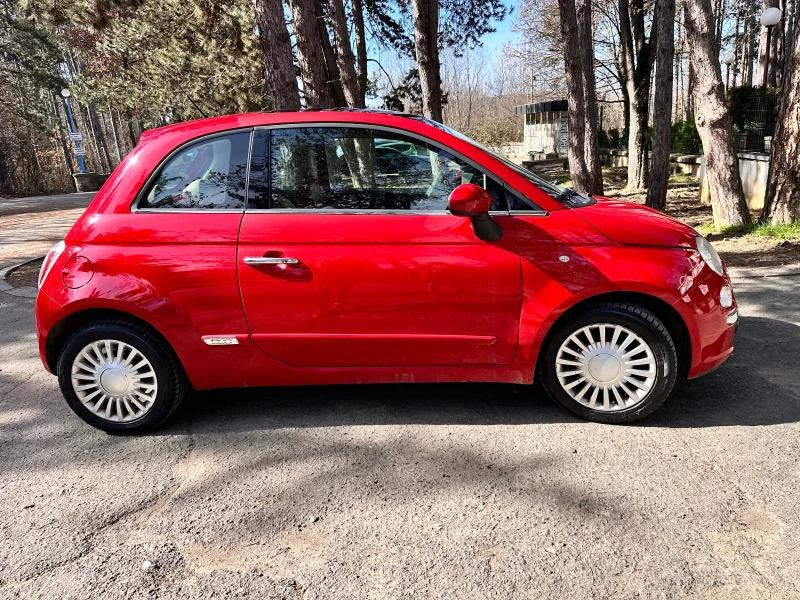
The modern Fiat 500 successfully revived one of Italy’s most recognizable automotive names. Its retro-inspired styling was combined with modern technology and compact dimensions, turning it into one of Europe’s most recognizable city cars.
2009 – Opel Insignia
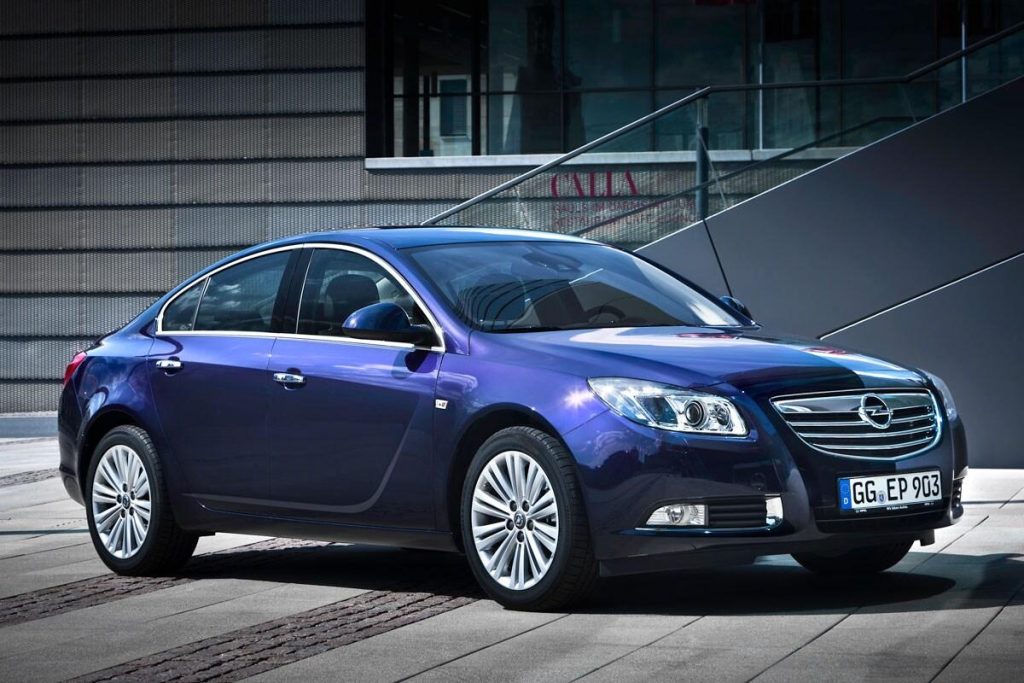
The Opel Insignia replaced the Vectra with a more stylish and sophisticated approach to the family sedan. Its sleek design, spacious interior, and wide range of engines helped reposition Opel in the midsize segment.
2010 – Volkswagen Polo
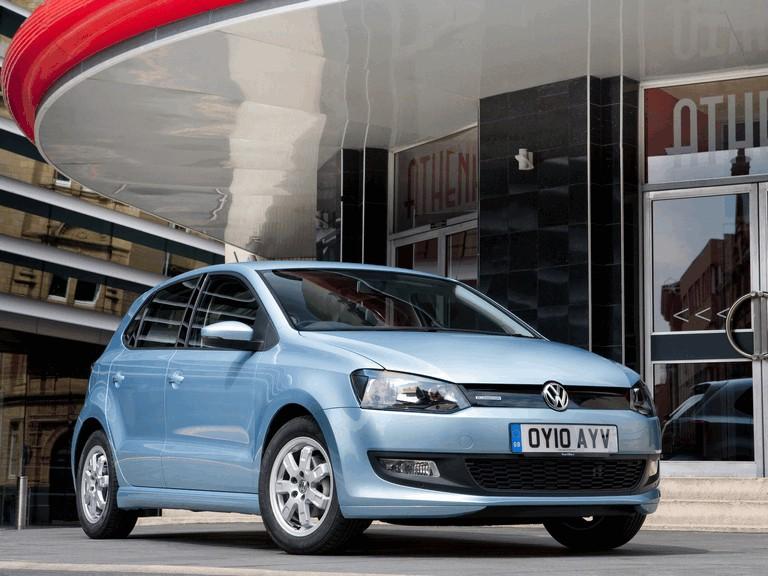
The fifth-generation Volkswagen Polo brought greater refinement and quality to the supermini class. It offered a mature driving experience and a broad range of efficient engines while maintaining the compact dimensions expected of a Polo.
2011 – Nissan Leaf
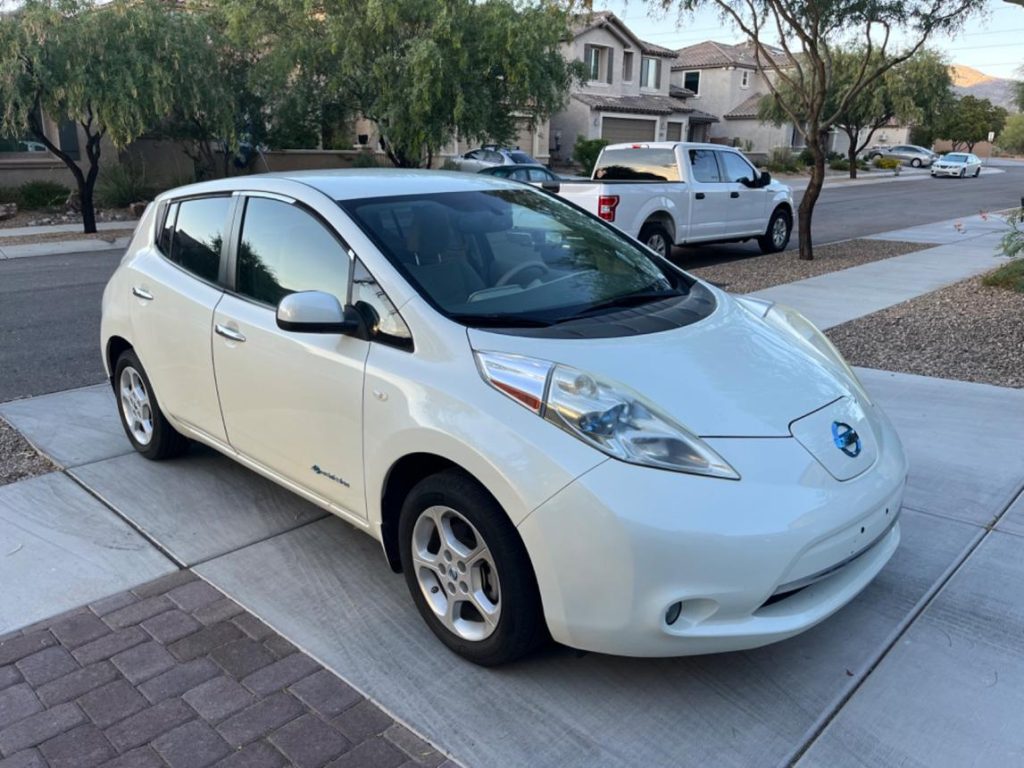
The Nissan Leaf became the first fully electric vehicle to win European Car of the Year. Its victory marked a major turning point for the award and the European market, demonstrating that a battery-electric family car could compete directly with conventional gasoline and diesel models.
2012 – Chevrolet Volt / Opel Ampera
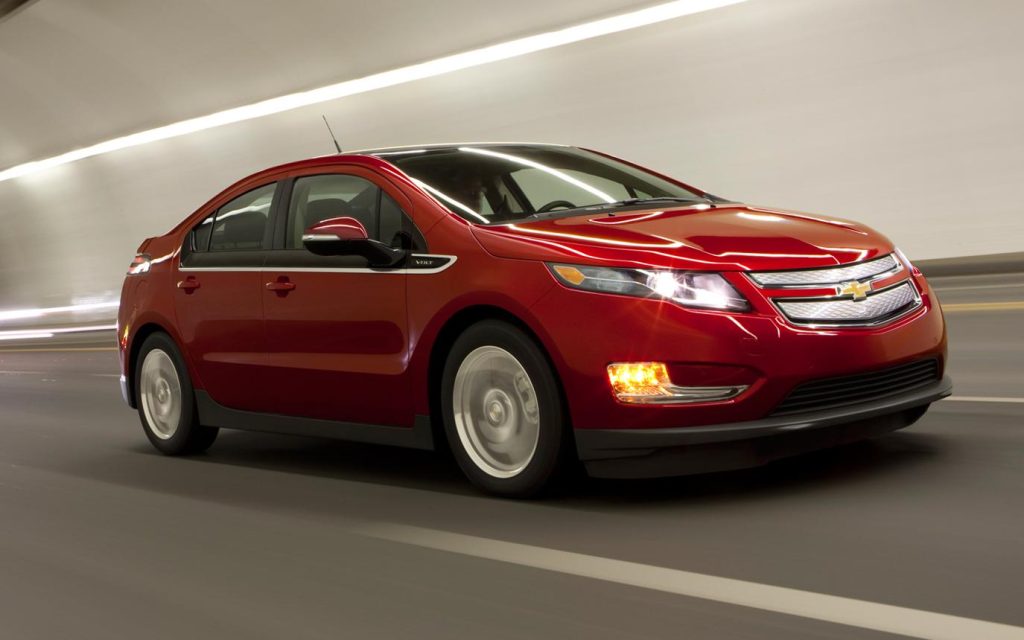
The Chevrolet Volt and its European-market counterpart, the Opel Ampera, took a different approach to electrification. Their extended-range electric powertrain allowed the cars to drive on electric power while using a gasoline engine as part of the system when additional range was required.
2013 – Volkswagen Golf
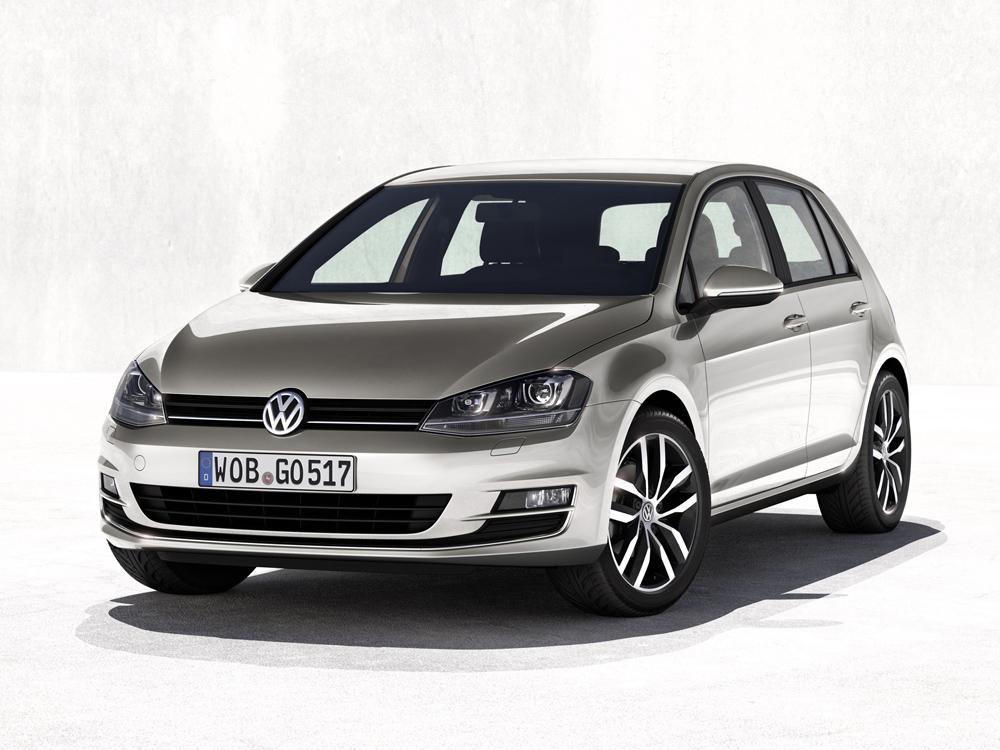
The seventh-generation Volkswagen Golf returned the nameplate to the top of the award. Its combination of refinement, technology, efficiency, safety, and practicality reinforced the Golf’s position as one of Europe’s defining compact cars.
2014 – Peugeot 308
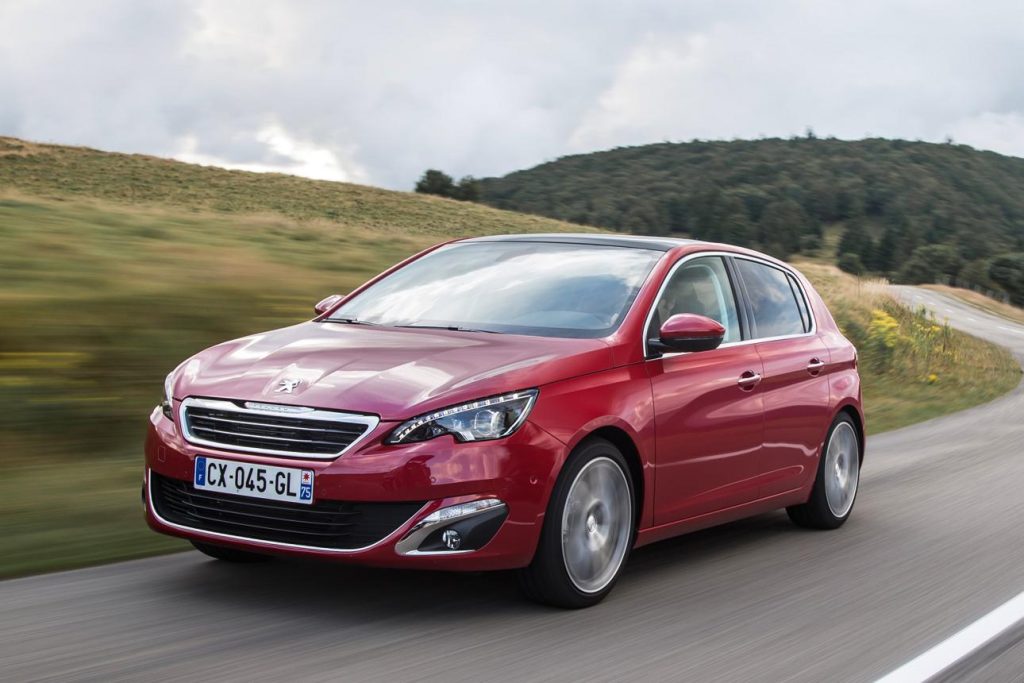
The Peugeot 308 adopted a cleaner design and a more modern interior than its predecessor. Its efficient engines, comfortable ride, and improved cabin quality helped it stand out in a highly competitive compact segment.
2015 – Volkswagen Passat
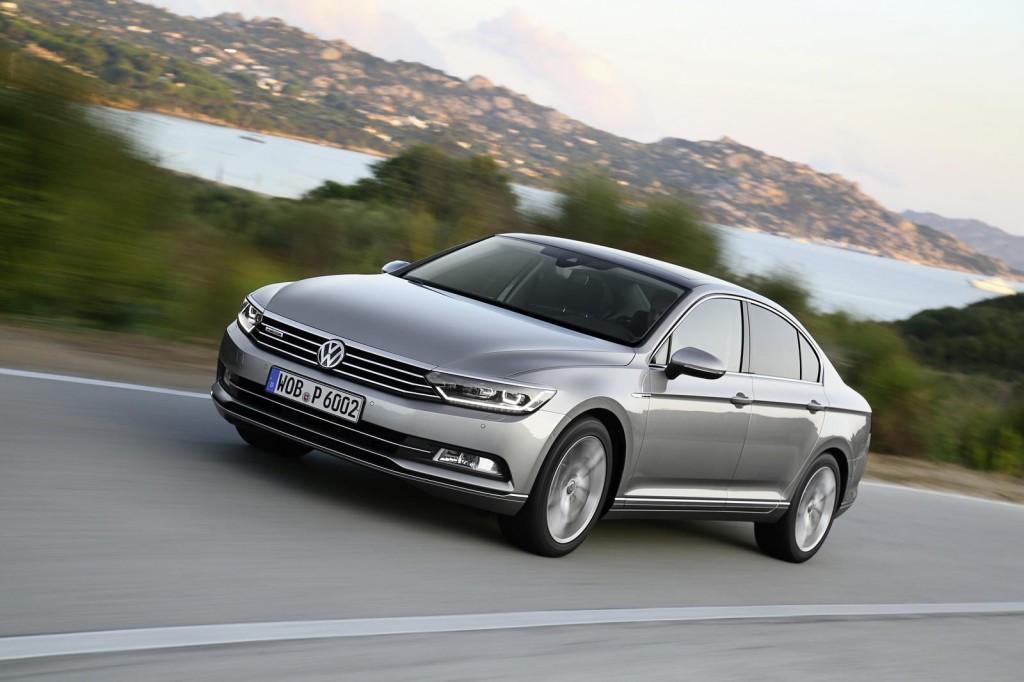
The eighth-generation Volkswagen Passat focused on efficiency, technology, interior quality, and long-distance comfort. It remained a traditional family and executive-oriented car at a time when the European market was beginning to shift increasingly toward SUVs.
2016 – Opel Astra
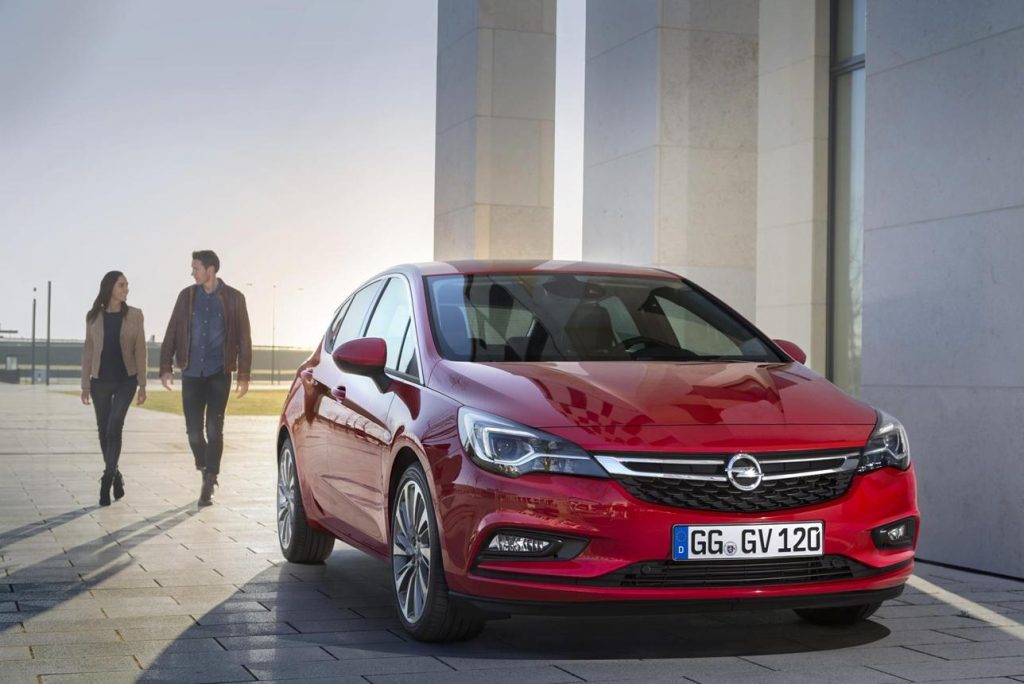
The Opel Astra continued the brand’s long-running compact-car tradition with a lighter platform, improved efficiency, and a strong emphasis on technology and safety. It remained a practical alternative to the segment’s established leaders.
2017 – Peugeot 3008
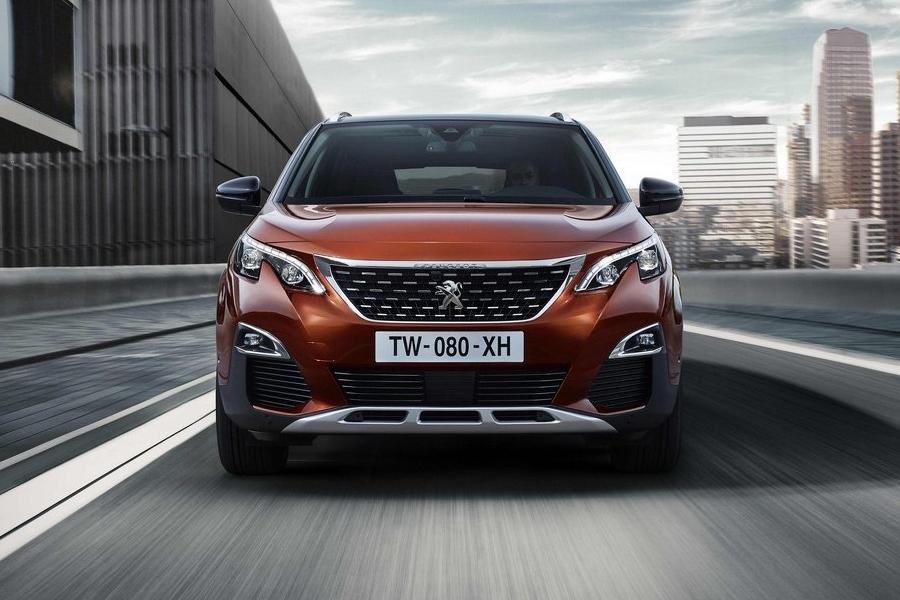
The Peugeot 3008 marked an important shift toward SUVs and crossovers. Its distinctive exterior, sophisticated interior, high seating position, and modern infotainment helped demonstrate why European buyers were increasingly moving away from traditional hatchbacks.
2018 – Volvo XC40
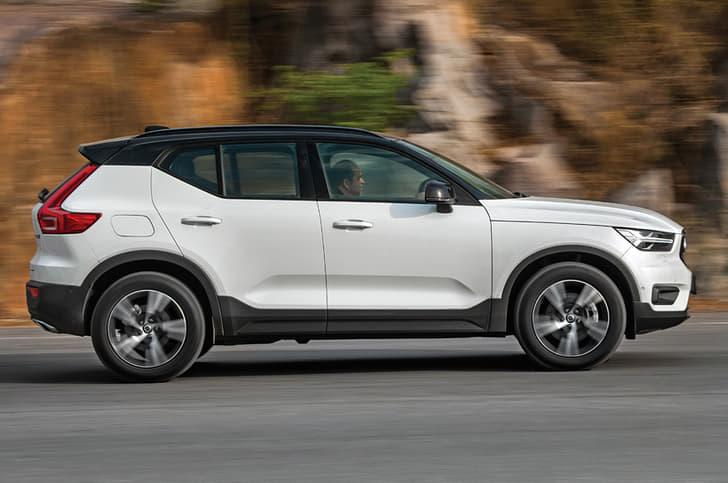
The Volvo XC40 became the first SUV to win the European Car of the Year award. It combined Volvo’s minimalist Scandinavian design with a compact footprint, premium interior, practical packaging, and a strong emphasis on safety.
2019 – Jaguar I-Pace
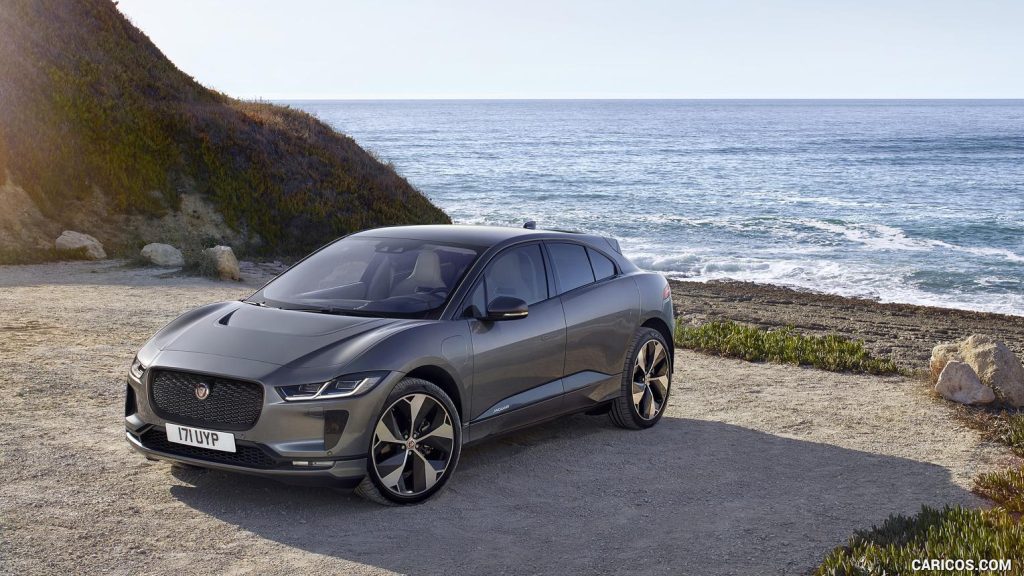
The Jaguar I-Pace continued the award’s move toward electrification. As a battery-electric performance SUV, it combined a long-range electric powertrain with strong acceleration, distinctive styling, and Jaguar’s traditional emphasis on driving dynamics. The I-Pace became the first electric SUV to take the title.
2020 – Peugeot 208
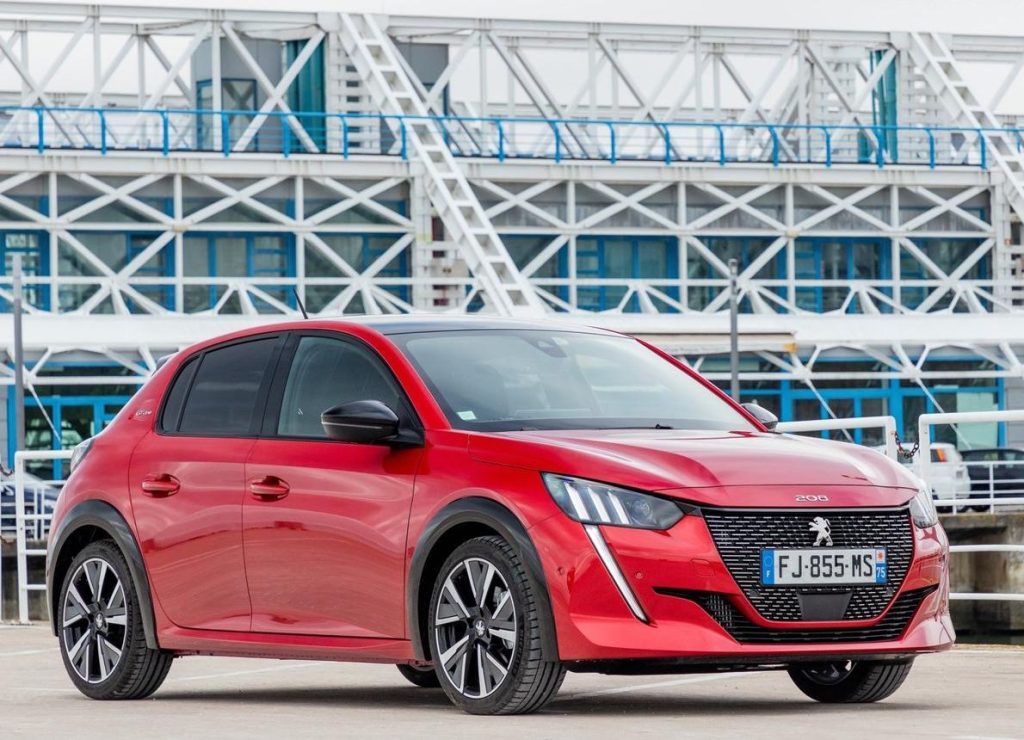
The Peugeot 208 demonstrated how electrification could be integrated into an established supermini platform. Alongside gasoline versions, the model was offered as the electric e-208, giving buyers a choice of powertrains in the same stylish compact package.
The European Car of the Year award has evolved alongside the automobile itself. Early winners focused on innovation in packaging, comfort, and engineering, while recent winners highlight electrification, sustainability, and digital technology.
From the Rover 2000 in 1964 to today’s electric vehicles, the list represents more than just award winners—it is a timeline of how European cars have adapted to changing consumer needs and a changing world.