
From sharper handling in tight spaces to greater stability at speed, these vehicles use rear-wheel steering to improve performance and maneuverability.
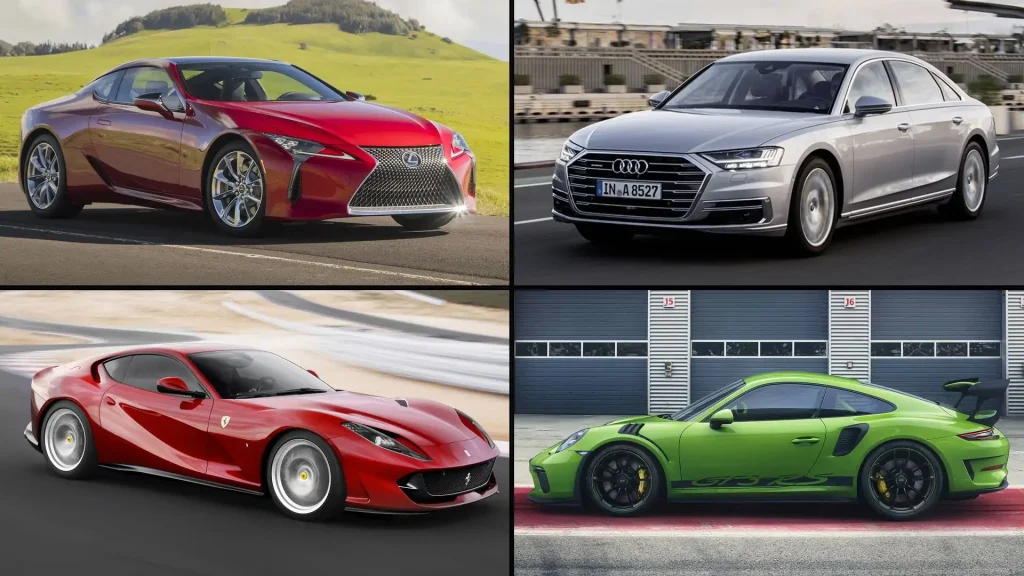
For most of automotive history, steering has been a simple equation: the driver turns the front wheels, and the rear wheels simply follow. But as vehicles have become heavier, faster, and more technologically advanced, engineers have searched for ways to make cars feel smaller in tight spaces while remaining more stable at high speeds.
One of the most effective solutions is four-wheel steering, also known as rear-wheel steering or all-wheel steering. Instead of relying only on the front tires to change direction, these systems allow the rear wheels to turn slightly as well. At low speeds, the rear wheels typically steer opposite the fronts, reducing the turning radius and making parking or navigating narrow streets easier. At higher speeds, they usually turn in the same direction as the front wheels, improving cornering stability and responsiveness.
Once reserved for exotic concepts and a handful of luxury vehicles, four-wheel steering has become increasingly common. Today, it can be found on everything from performance cars to luxury sedans and electric vehicles.Here are the cars currently available with this advanced steering technology.
Table of Contents
2019 Acura TLX
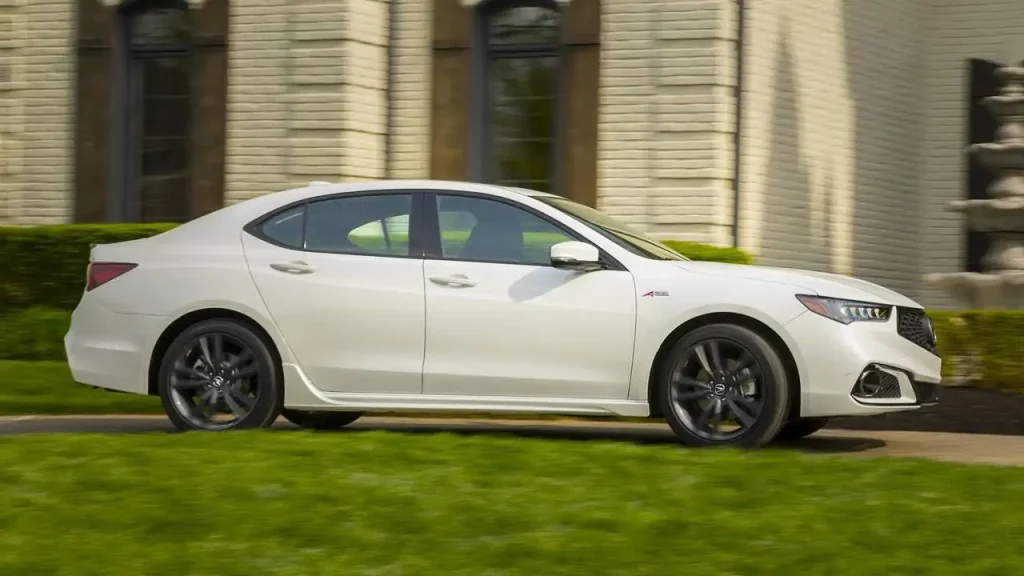
The 2019 Acura TLX uses Precision All-Wheel Steer technology to adjust the rear wheels and improve handling. At lower speeds, the system can make the sedan easier to maneuver, while at higher speeds it contributes to improved stability and cornering response. The technology gives the TLX greater agility without requiring a shorter wheelbase, making it more responsive both around town and on winding roads.
2018 Acura RLX
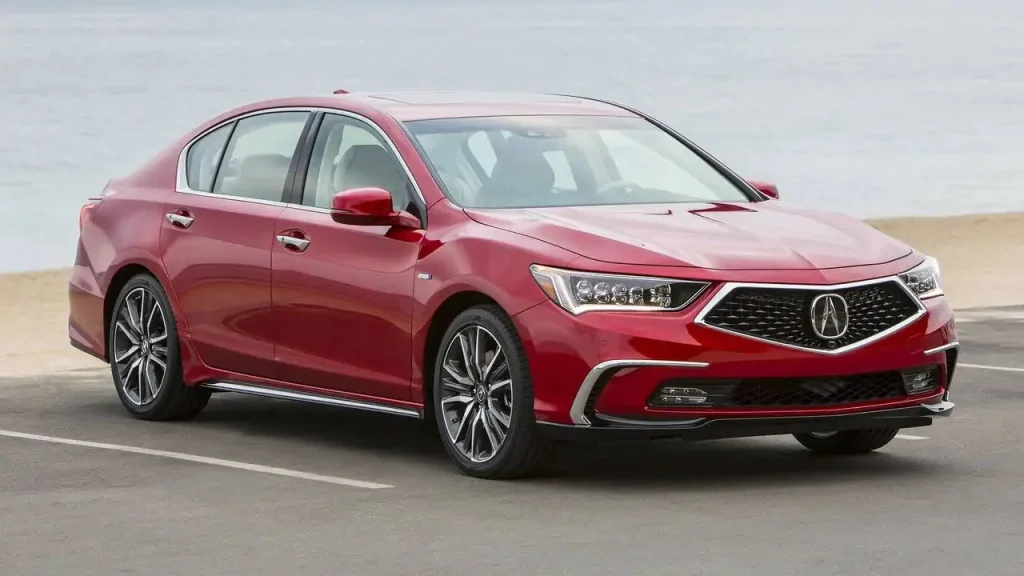
The 2018 Acura RLX takes Acura’s rear-steering technology to a larger luxury sedan. Its Precision All-Wheel Steer system independently adjusts the rear wheels to improve cornering, stability, and overall response. The system helps make the RLX feel more agile than its substantial dimensions suggest, particularly when changing direction or negotiating tighter corners.
2019 Audi A6
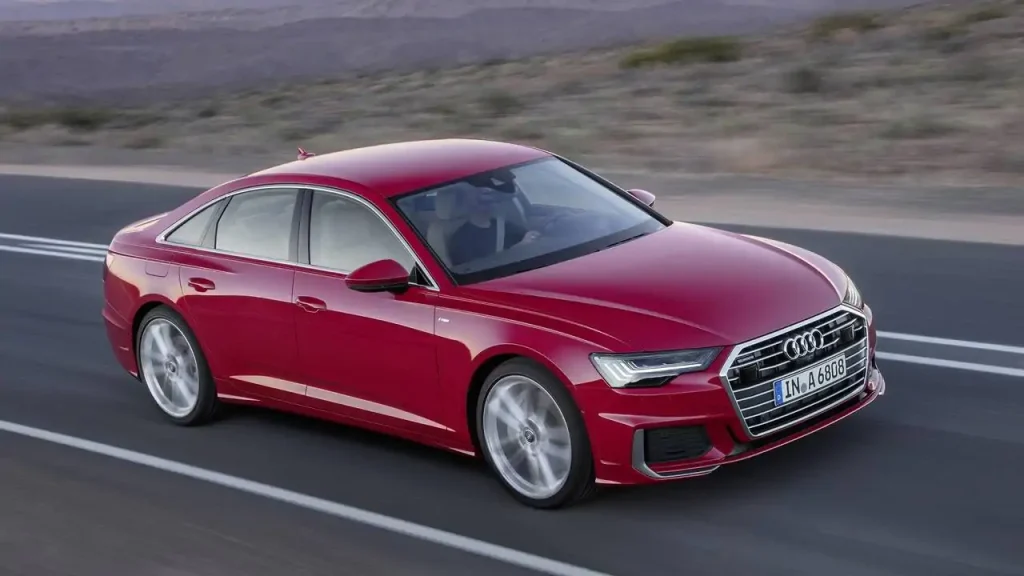
The 2019 Audi A6 can be equipped with dynamic all-wheel steering, allowing the rear wheels to contribute to the car’s handling. At lower speeds, the system reduces the turning circle to make the sedan easier to maneuver, while at higher speeds it helps improve stability and response. It’s particularly useful on a luxury sedan that needs to combine comfortable everyday driving with confident handling.
2019 Audi A7
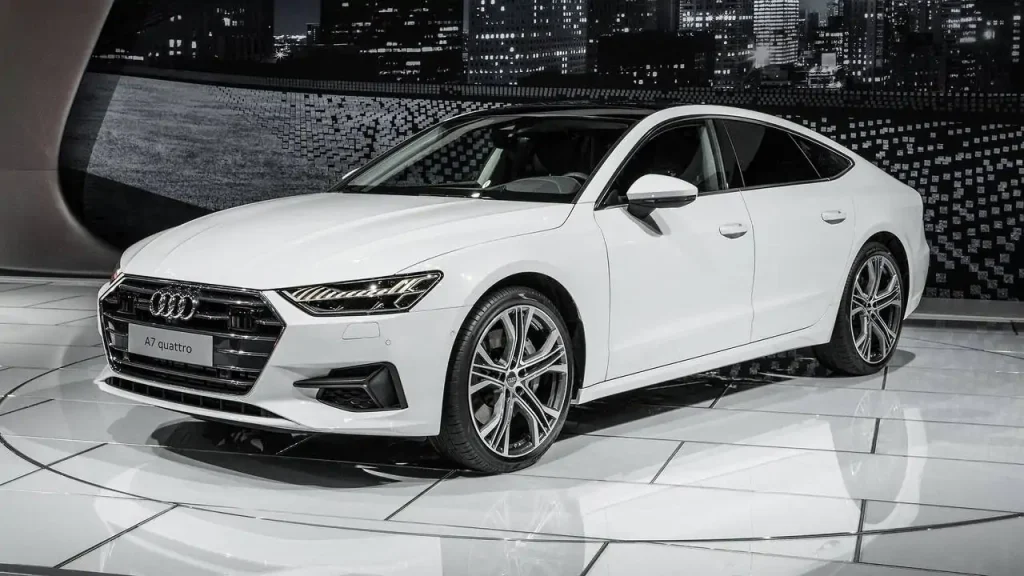
The 2019 Audi A7 uses rear-wheel steering to make its large Sportback body more maneuverable and responsive. At low speeds, the rear wheels turn opposite the fronts to reduce the turning circle, while at higher speeds they can turn with the front wheels to improve stability. The result is a luxury hatchback that feels more compact and agile than its dimensions would suggest.
2019 Audi A8
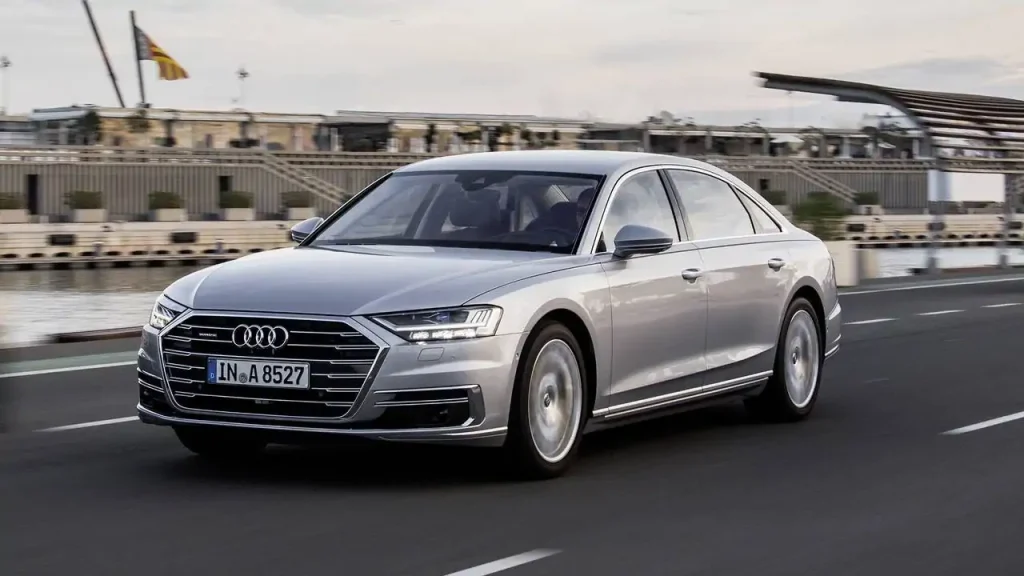
The flagship 2019 Audi A8 uses all-wheel steering to help manage its substantial size. The rear wheels can turn opposite the fronts at low speeds, making the sedan easier to maneuver in parking lots and tight streets, before turning in the same direction at higher speeds to improve stability. It gives the A8 a useful combination of limousine-like comfort and surprisingly responsive handling.
2017 Audi Q7
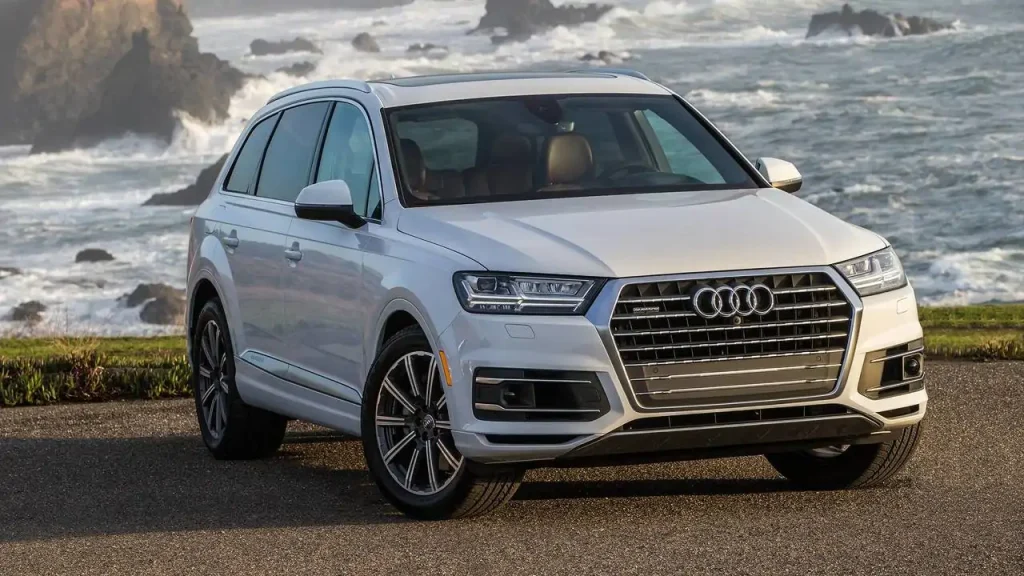
The 2017 Audi Q7 demonstrates that four-wheel steering isn’t limited to sedans and sports cars. Its all-wheel steering system helps reduce the turning circle at low speeds while contributing to greater stability and responsiveness at higher speeds. On a large luxury SUV, the technology makes tight maneuvering easier and helps the Q7 feel more agile than its size suggests.
2018 BMW 5 Series
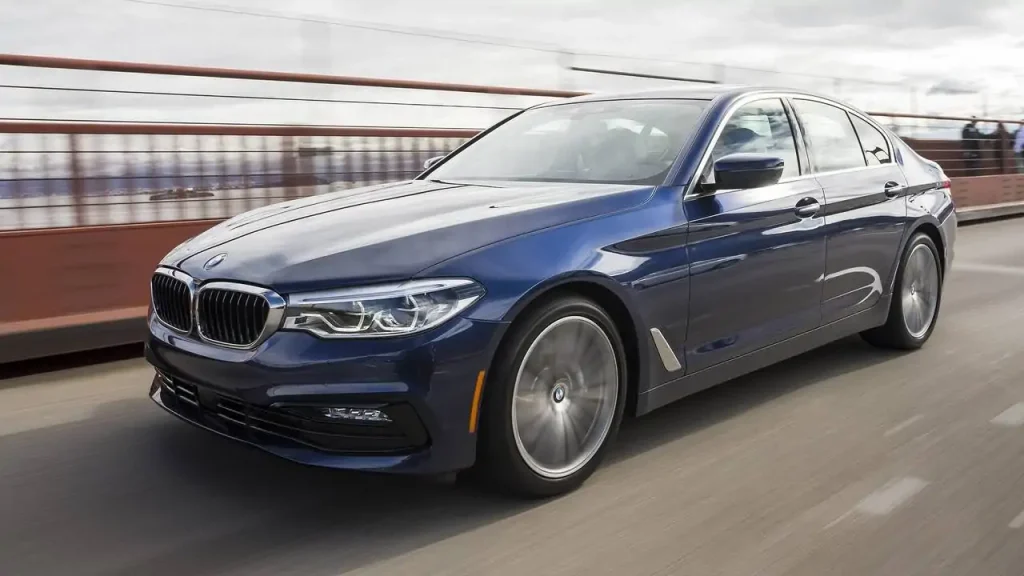
The 2018 BMW 5 Series could be equipped with Integral Active Steering, which adds rear-wheel steering to the sedan’s chassis. At lower speeds, the rear wheels turn against the fronts to improve maneuverability, while at higher speeds they can turn in the same direction to increase stability. The system complements the 5 Series’ emphasis on responsive handling without compromising its everyday usability.
BMW 7 Series
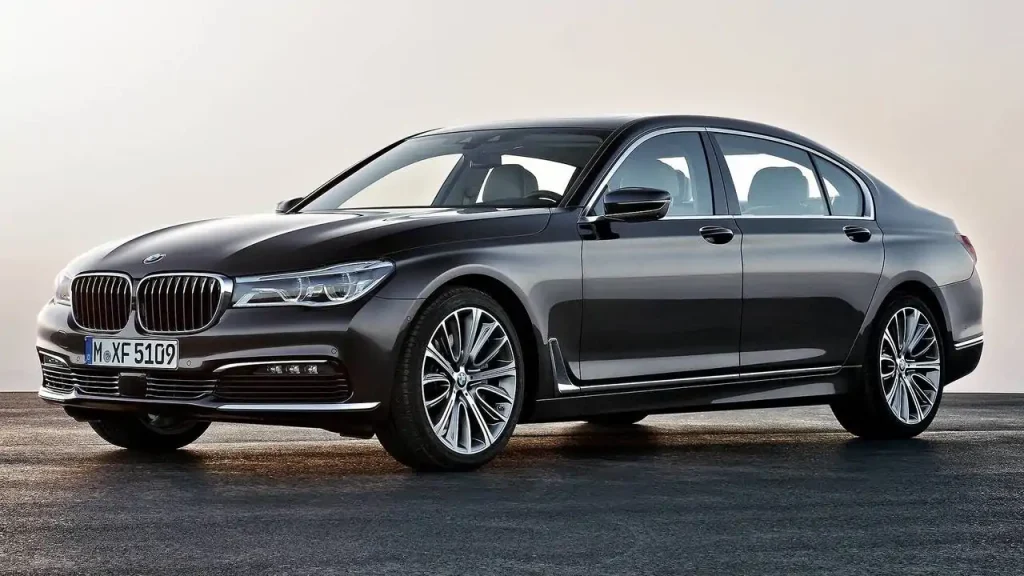
The BMW 7 Series uses Integral Active Steering to make its large luxury-sedan dimensions easier to manage. The rear wheels help reduce the turning circle at low speeds and contribute to greater directional stability as speed increases. For a flagship sedan with a long wheelbase, the system helps make parking and tight urban driving less cumbersome while adding confidence on faster roads.
2018 Cadillac CT6
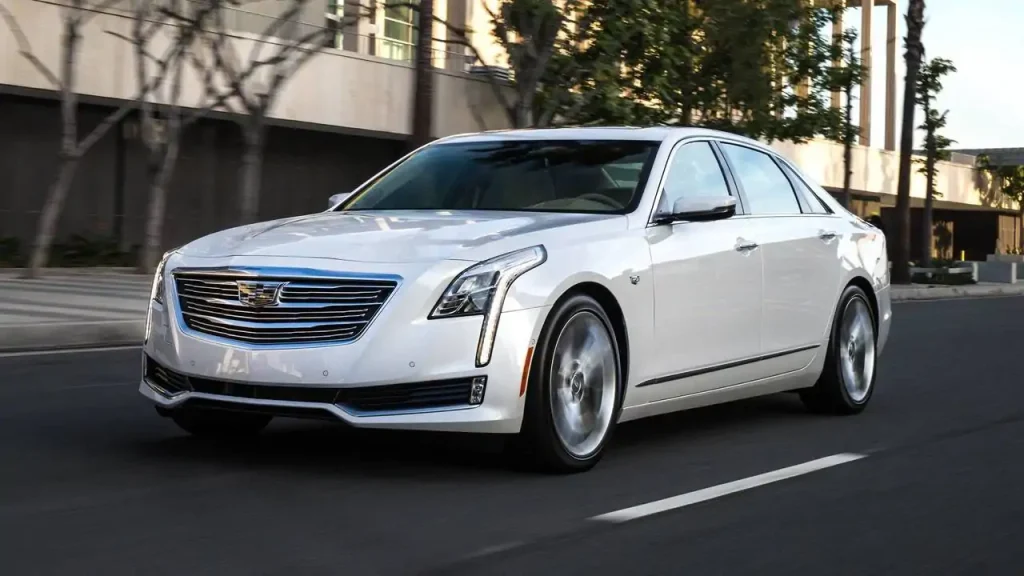
The 2018 Cadillac CT6 uses Active Rear Steering to improve maneuverability and handling. At lower speeds, the rear wheels help reduce the turning circle, while at higher speeds they contribute to quicker responses and improved stability. The technology allows the full-size luxury sedan to retain its spacious proportions while delivering handling characteristics closer to those of a smaller car.
Ferrari 812 Superfast
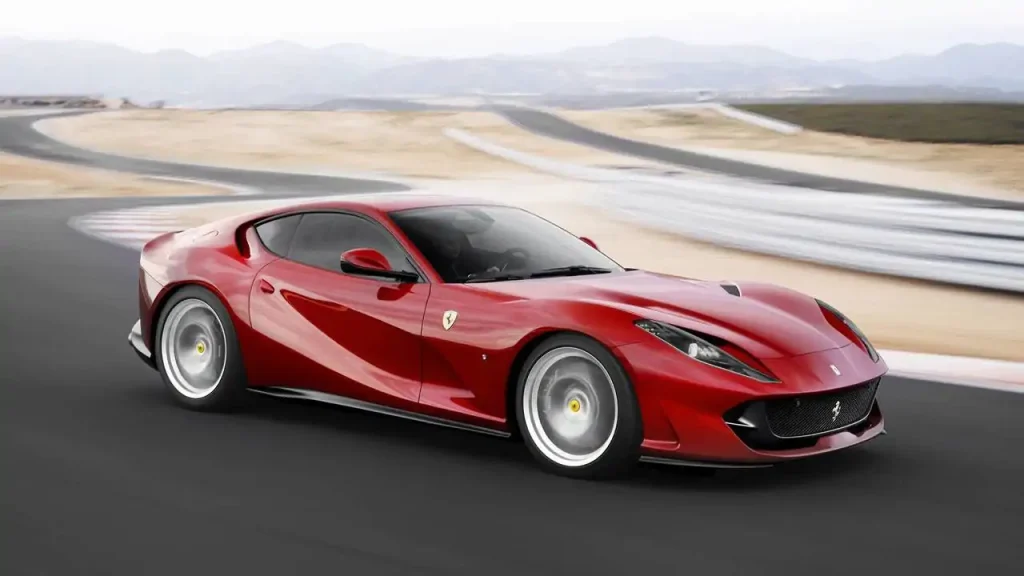
The Ferrari 812 Superfast uses Ferrari’s Virtual Short Wheelbase 2.0 system, which incorporates rear-wheel steering to improve the car’s agility. The technology helps the front and rear axles work together, making the powerful V12 grand tourer more responsive to steering inputs. Despite its long hood and substantial dimensions, the 812 Superfast can change direction with the precision expected of a Ferrari.
Ferrari GTC4Lusso
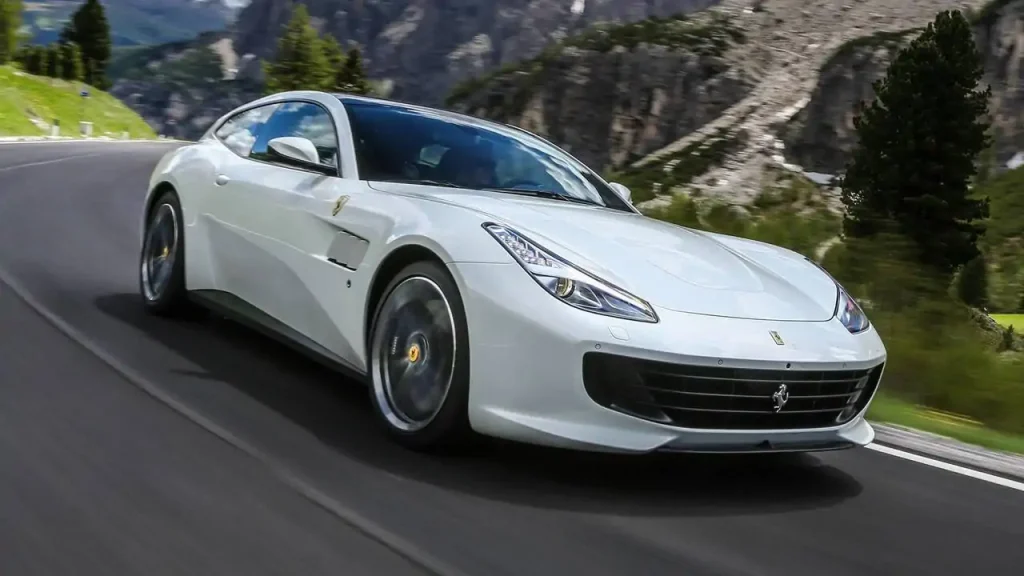
The Ferrari GTC4Lusso combines a front-mounted V12, sophisticated all-wheel-drive technology, and rear-wheel steering to give the large grand tourer impressive agility. The rear wheels help the car respond more quickly through corners while contributing to stability at higher speeds. The technology is particularly appropriate for a Ferrari designed to accommodate passengers and luggage while retaining sports-car performance.
Lamborghini Aventador S

The Lamborghini Aventador S introduced rear-wheel steering to the brand’s dramatic V12 flagship. At lower speeds, the rear wheels turn opposite the fronts to improve agility, while at higher speeds they turn in the same direction to increase stability. The system helps make the wide and powerful Aventador S more responsive without sacrificing the car’s distinctive proportions or high-speed character.
Lamborghini Urus
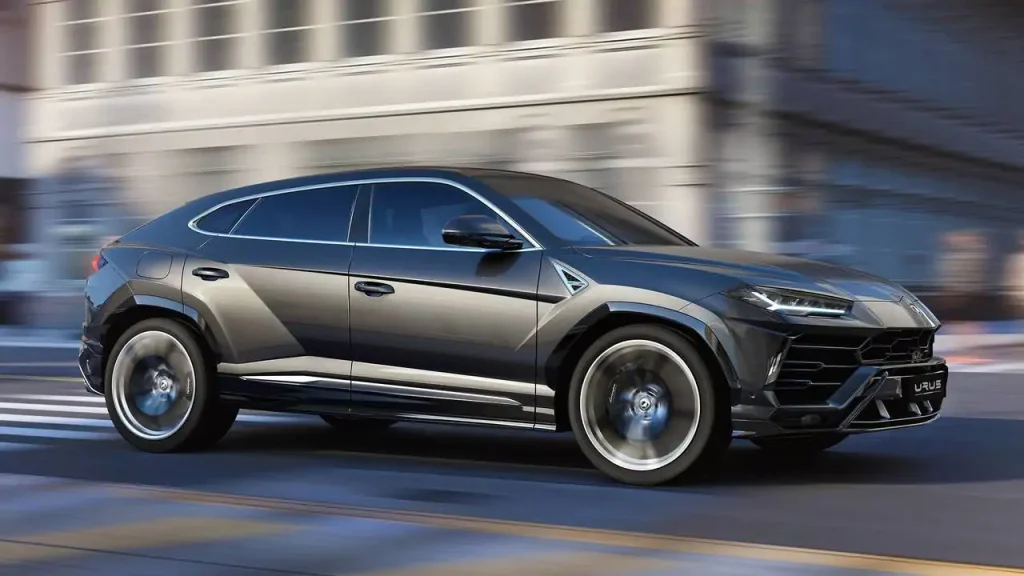
The Lamborghini Urus shows how useful four-wheel steering can be on a high-performance SUV. Its rear-steering system helps reduce the turning circle at lower speeds and improves responsiveness when the SUV is driven aggressively. Considering the Urus combines substantial dimensions with supercar-level performance, rear-wheel steering helps make it more maneuverable and composed than its size would otherwise suggest.
2018 Lexus GS 350
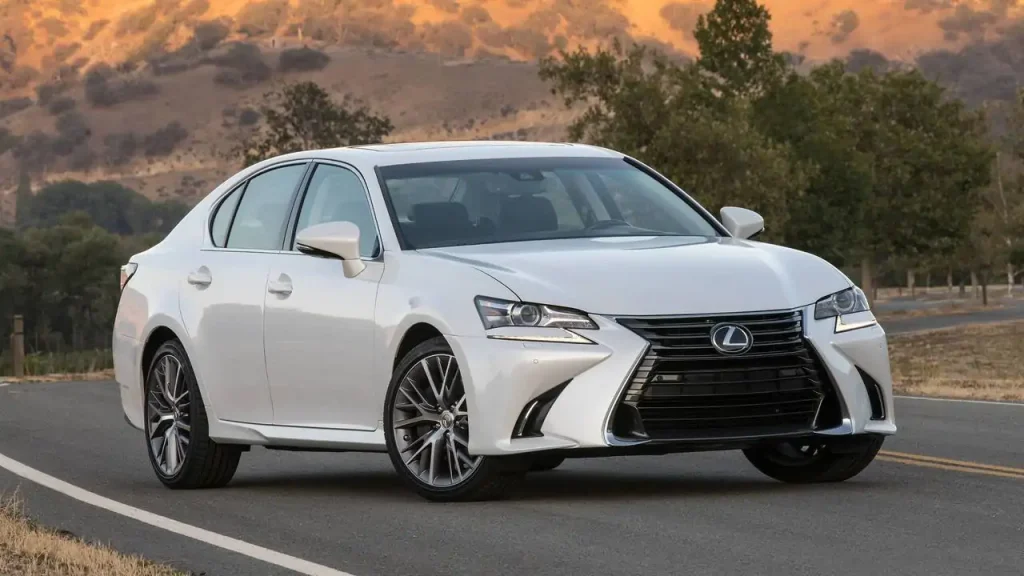
The 2018 Lexus GS 350 could be equipped with Dynamic Rear Steering as part of its performance-oriented chassis technology. The system adjusts the rear wheels according to speed and steering input, helping the sedan maneuver more easily at lower speeds while improving cornering stability at higher speeds. It gives the GS 350 additional agility without compromising its luxury-sedan character.
2018 Lexus LC 500
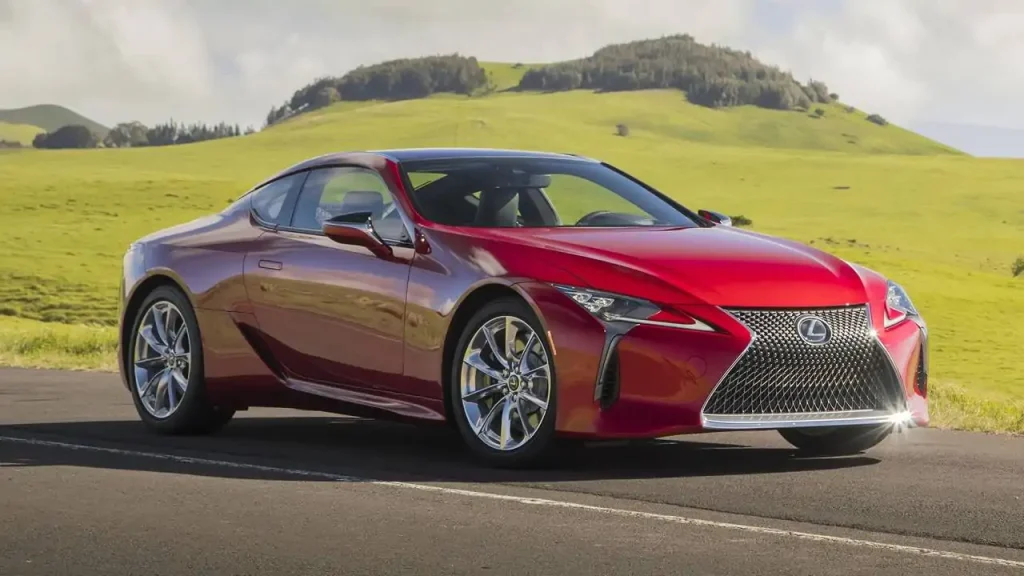
The 2018 Lexus LC 500 uses sophisticated chassis technology to complement its naturally aspirated V8 and grand-touring mission. Rear-wheel steering helps the wide coupe respond more quickly to steering inputs and improves its behavior through corners. The system is particularly useful on a car that needs to balance long-distance comfort with the sharper responses expected from a high-performance luxury coupe.
2018 Lexus LS 500 F Sport
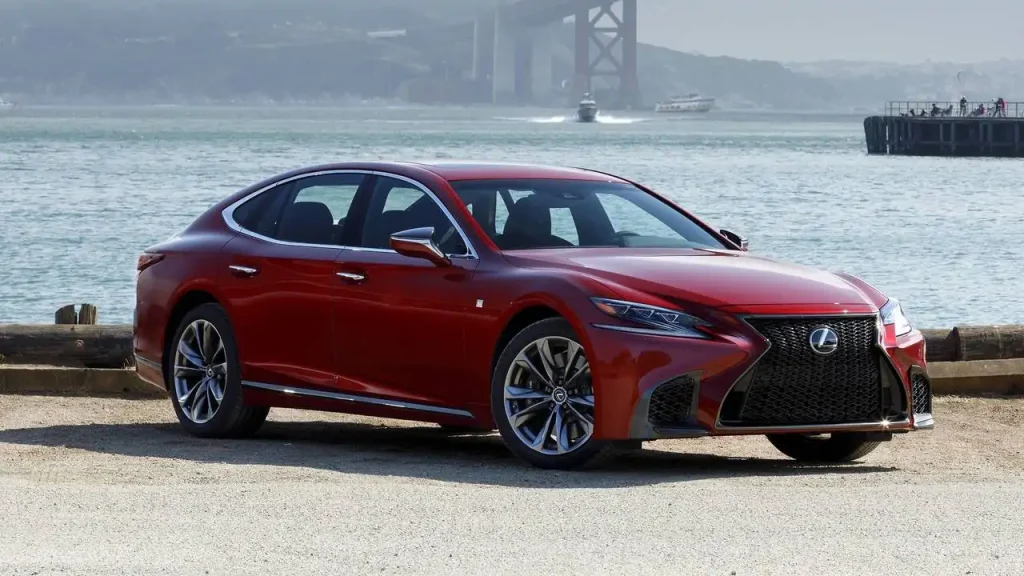
The 2018 Lexus LS 500 F Sport combines full-size luxury-sedan dimensions with a sportier chassis setup, including rear-wheel steering. The system helps the large sedan maneuver more easily at low speeds while improving responsiveness during faster cornering. It allows the LS to maintain its spacious, comfortable character while giving the driver a more engaging experience behind the wheel.
2017 Lexus RC 350 F Sport
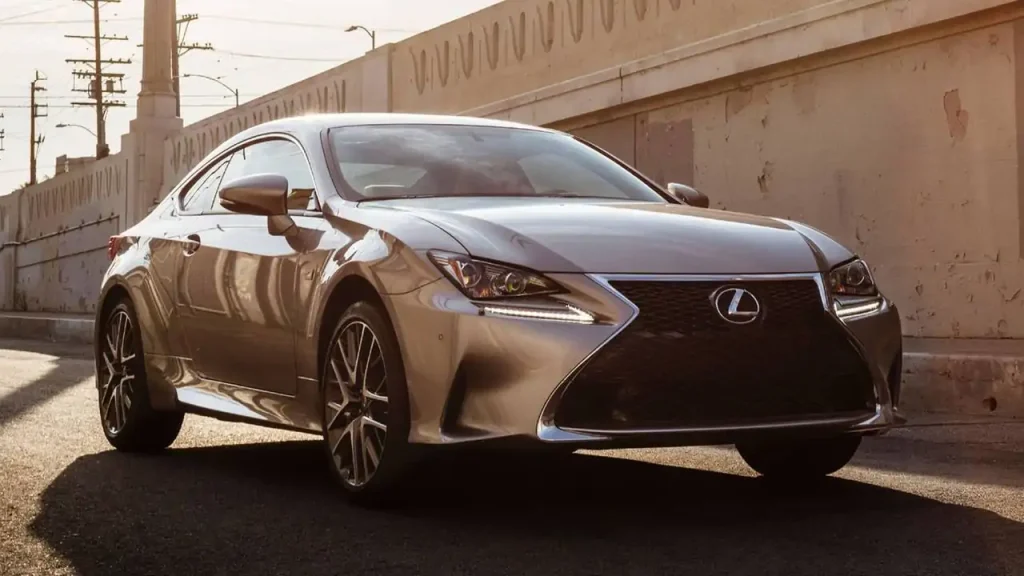
The 2017 Lexus RC 350 F Sport could be equipped with Dynamic Rear Steering to enhance its handling. The system adjusts the rear wheels to complement steering inputs, helping the coupe respond more quickly through corners while maintaining stability. It adds another layer of chassis control to the RC 350 F Sport’s performance-oriented setup.
2018 Mercedes-AMG GT C Coupe

The 2018 Mercedes-AMG GT C Coupe uses AMG’s rear-axle steering system to improve both agility and high-speed stability. At low speeds, the rear wheels turn opposite the fronts, effectively shortening the car’s wheelbase and making it more responsive. At higher speeds, they turn in the same direction as the front wheels, helping the powerful coupe remain stable and composed through fast corners.
2019 Porsche 911 GT3 RS Weissach
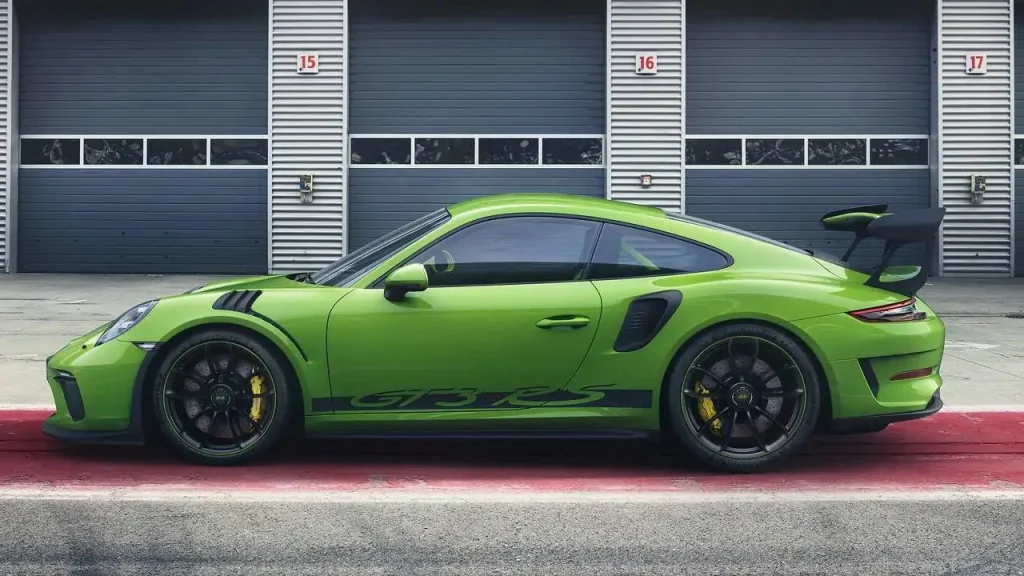
The 2019 Porsche 911 GT3 RS with the Weissach package uses rear-axle steering as part of its track-focused chassis. The rear wheels help the car rotate through corners at lower speeds and improve stability at higher speeds, allowing the 911 GT3 RS to respond quickly without becoming unsettled. It’s a key part of the sophisticated chassis technology that makes the GT3 RS so effective on a circuit.
2019 Porsche Cayenne S
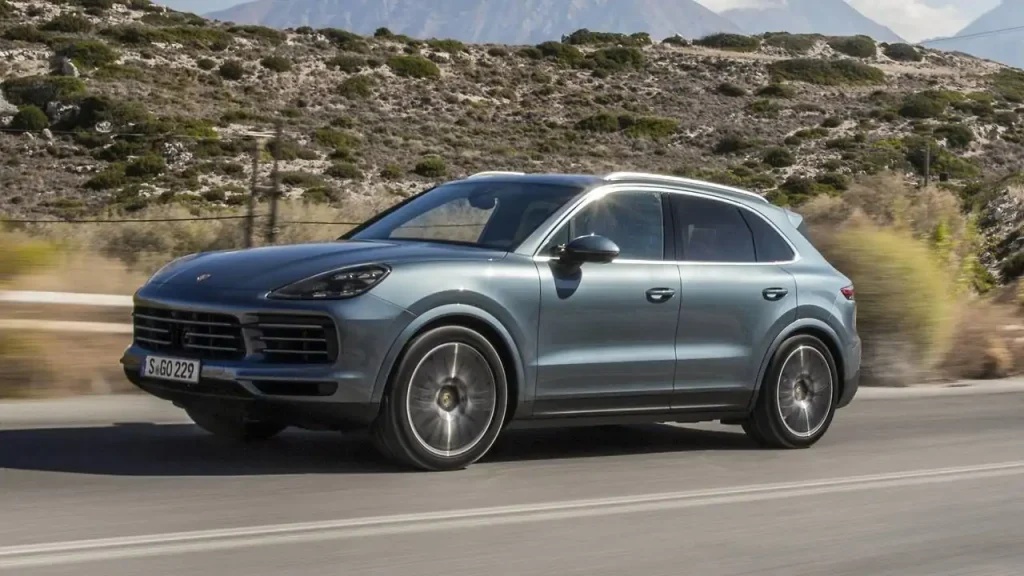
The 2019 Porsche Cayenne S demonstrates how four-wheel steering can transform the handling of a large SUV. Rear-axle steering helps reduce the turning circle at low speeds while making the Cayenne more agile during faster cornering. The technology helps compensate for the SUV’s substantial dimensions and gives it a more responsive character than its size might suggest.
Porsche Panamera 4S
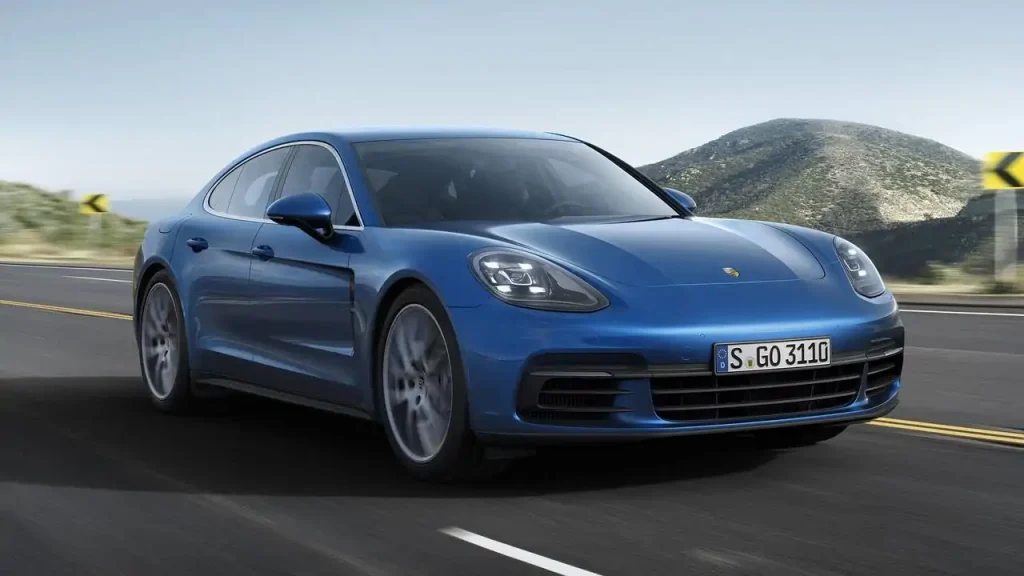
The Porsche Panamera 4S uses rear-axle steering to give its large four-door body greater agility. At low speeds, the rear wheels turn opposite the fronts to make the car easier to maneuver, while at higher speeds they turn with the fronts to improve stability. The result is a large performance sedan that can combine passenger space and long-distance comfort with the sharper handling expected from a Porsche.
Four-wheel steering has evolved from an unusual engineering experiment into a useful chassis technology found across luxury cars, sports cars, and SUVs. Whether the goal is to make a large sedan easier to park, give a sports car sharper turn-in, or make a high-performance SUV feel smaller and more agile, steering the rear wheels gives engineers another way to fine-tune a vehicle’s behavior. These 21 vehicles show just how many different ways automakers can use the technology.