
After six generations and nearly three decades, the Ford Explorer remains one of America’s most recognizable SUVs.
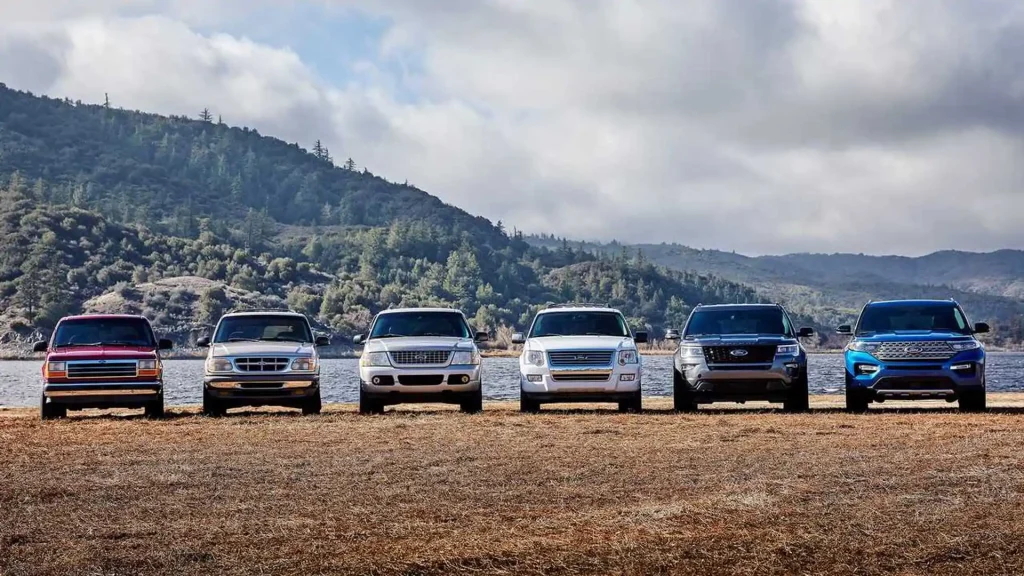
The Ford Explorer has earned its place as one of the most influential SUVs in automotive history. When it arrived for the 1991 model year, it helped redefine what American families expected from a sport utility vehicle, blending the ruggedness of a truck with the comfort and practicality of a family hauler. More than three decades and six generations later, the Explorer remains one of Ford’s most recognizable and successful nameplates.
The Explorer has undergone some major transformations along the way. It began as a traditional body-on-frame SUV with available four-wheel drive, generous cargo room, and family-friendly seating. As the market evolved, so did the Explorer, eventually transitioning to a unibody platform and gaining turbocharged engines, hybrid technology, sophisticated driver-assistance systems, and performance-oriented variants such as the Explorer ST.
The sixth-generation Explorer arrived for the 2020 model year, bringing another major change with its rear-wheel-drive-based architecture and a stronger emphasis on performance, technology, and refinement. But before looking at the latest version, it’s worth tracing the five generations that paved the way for it.
Table of Contents
First Generation: 1991–1994
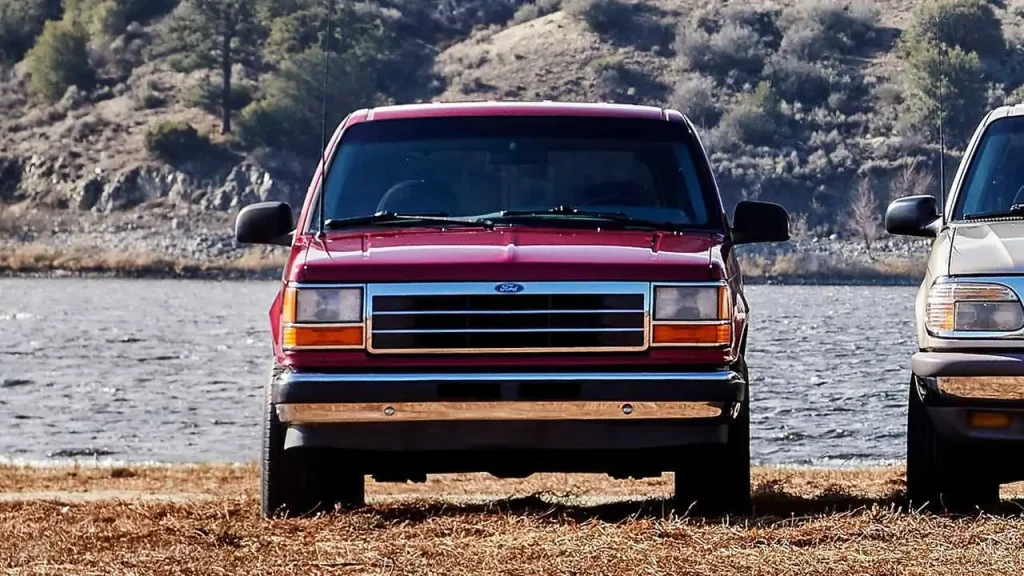
The Explorer debuted in 1991 as a replacement for the Bronco II, offering two- and four-door body styles, body-on-frame construction, rear- or four-wheel drive, and a 4.0-liter V6. The family-friendly four-door model and popular Eddie Bauer trim helped establish the Explorer during the 1990s SUV boom.
Second Generation: 1995–2001
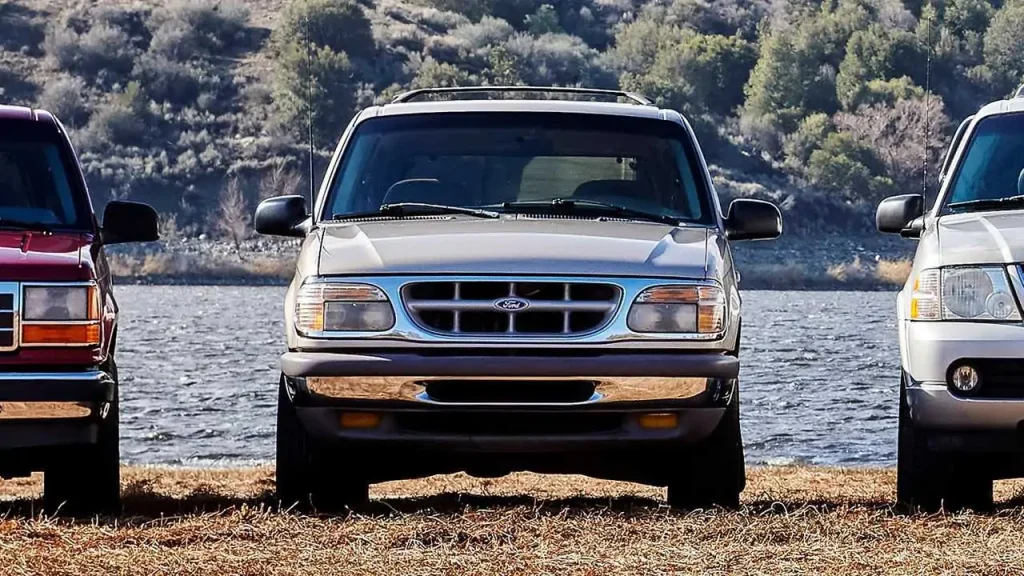
The 1995 redesign brought smoother styling, more space, and improved refinement while retaining the truck-based platform. A 5.0-liter V8 joined the 4.0-liter V6, boosting performance and towing capability. This generation became a best-selling family SUV but was also at the center of the Firestone tire controversy.
Third Generation: 2002–2005
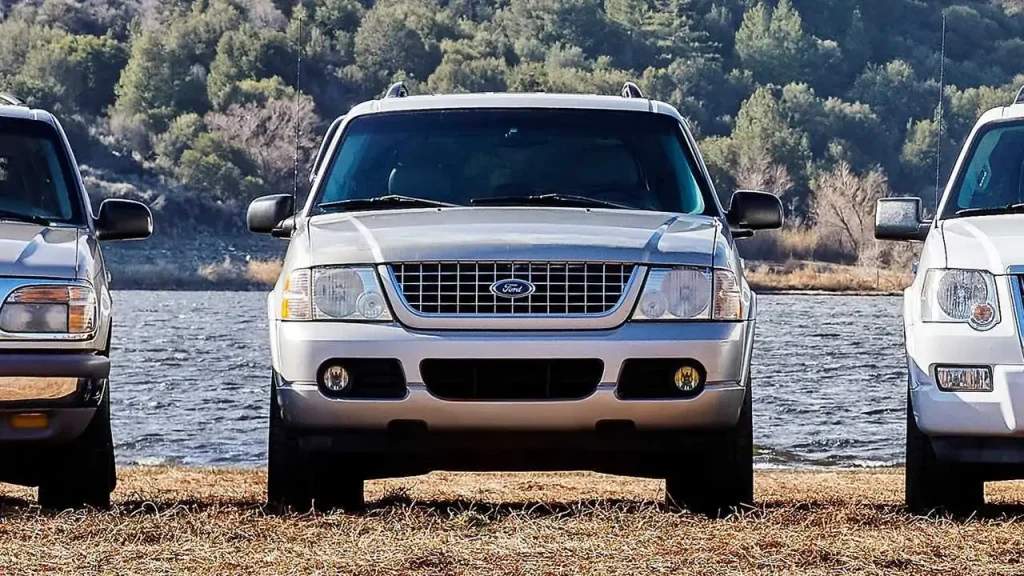
The third-generation Explorer gained independent rear suspension, improving ride and handling, while a 4.6-liter V8 joined the 4.0-liter V6. Three-row seating and increased towing capability made it more versatile, helping transform the Explorer into a refined family hauler.
Fourth Generation: 2006–2010
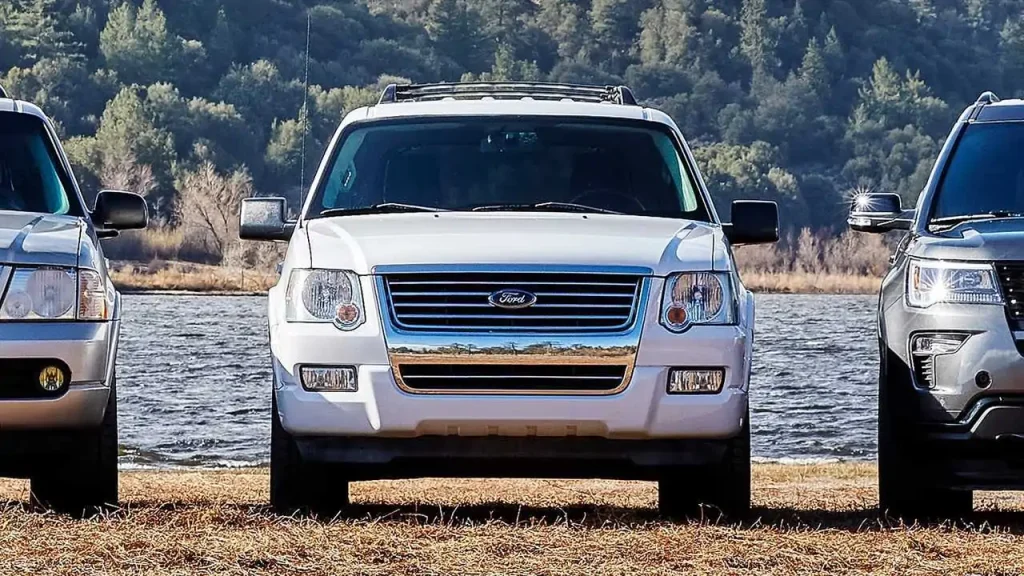
Ford updated the Explorer for 2006 with tougher styling, a revised interior, and continued V6 and V8 power. Three-row seating and available four-wheel drive maintained its traditional SUV appeal as crossover competition grew. The Explorer Sport Trac also offered a pickup-bed alternative.
Fifth Generation: 2011–2019
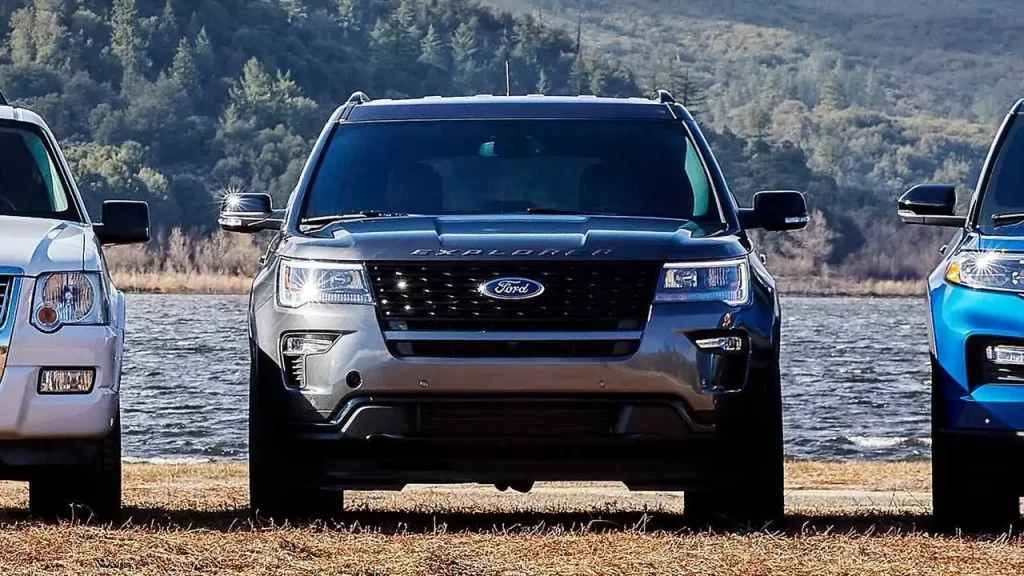
The 2011 Explorer marked a major shift to unibody construction, turning the model into a more crossover-like SUV. It offered improved efficiency, greater refinement, EcoBoost power, more technology, and upscale trims such as Sport and Platinum.
Sixth Generation: 2020–Present
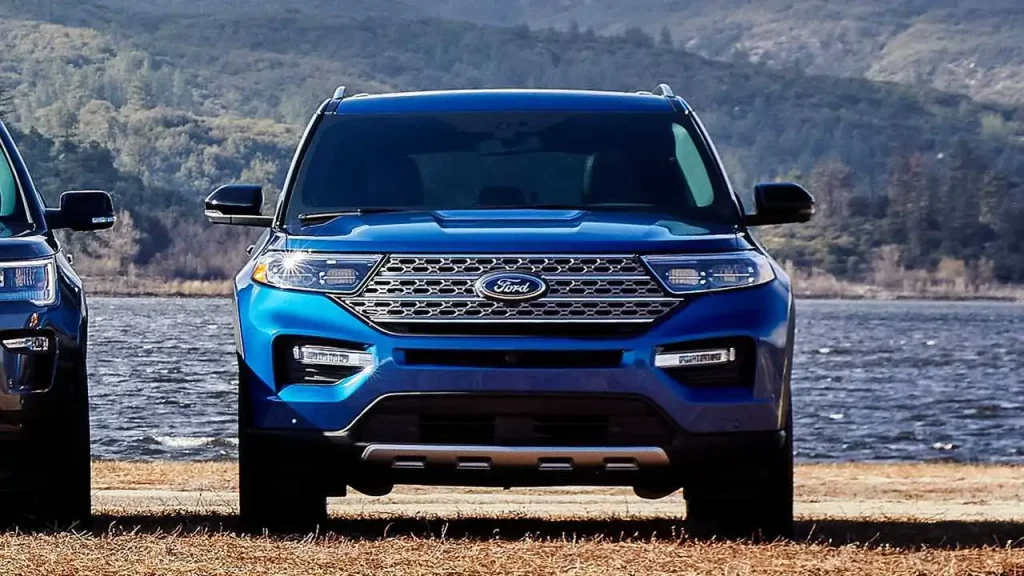
The sixth-generation Explorer returned to a rear-wheel-drive-based platform, emphasizing performance, towing, and handling. Engine choices included turbocharged four-cylinder and V6 options, along with a hybrid, while the Explorer ST added serious performance. A major 2025 refresh brought revised styling, a redesigned interior, and updated technology.