
From Alfa Romeo to Ram, FCA’s five-year plan included 26 new and redesigned vehicles spanning sports cars, SUVs, trucks, and electrified models. Here’s every upcoming model expected to arrive by 2022.
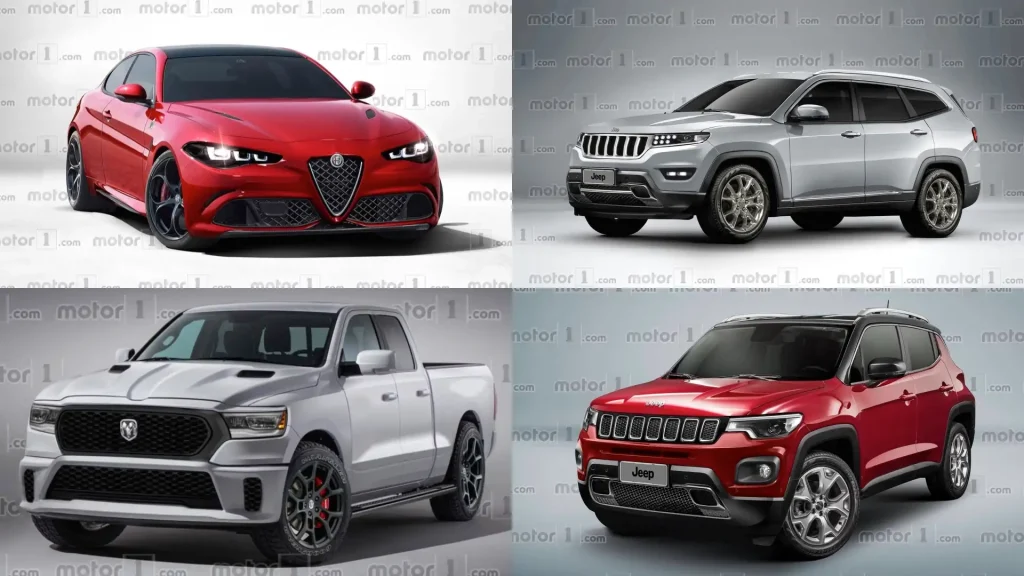
Earlier today in Balocco, Italy, Fiat Chrysler Automobiles (FCA) unveiled its ambitious five-year product strategy, outlining the company’s plans for its global vehicle lineup through 2022. Although speculation surrounding a possible Chrysler brand exit remained unresolved, FCA still revealed a significant number of upcoming products that will reshape its portfolio in the years ahead.
The automaker’s major brands — Alfa Romeo, Fiat, Jeep, Maserati, and Ram — are all set to receive a wave of new models, refreshed vehicles, and expanded offerings. According to FCA’s presentation, the company plans to introduce 26 new and updated vehicles across its lineup, covering everything from high-performance coupes and luxury SUVs to crossover models, electric vehicles, and even a Hellcat-powered pickup truck.Here’s a look at every new FCA vehicle planned for release between now and 2022.
Table of Contents
Alfa Romeo: A Performance Brand on the Rise
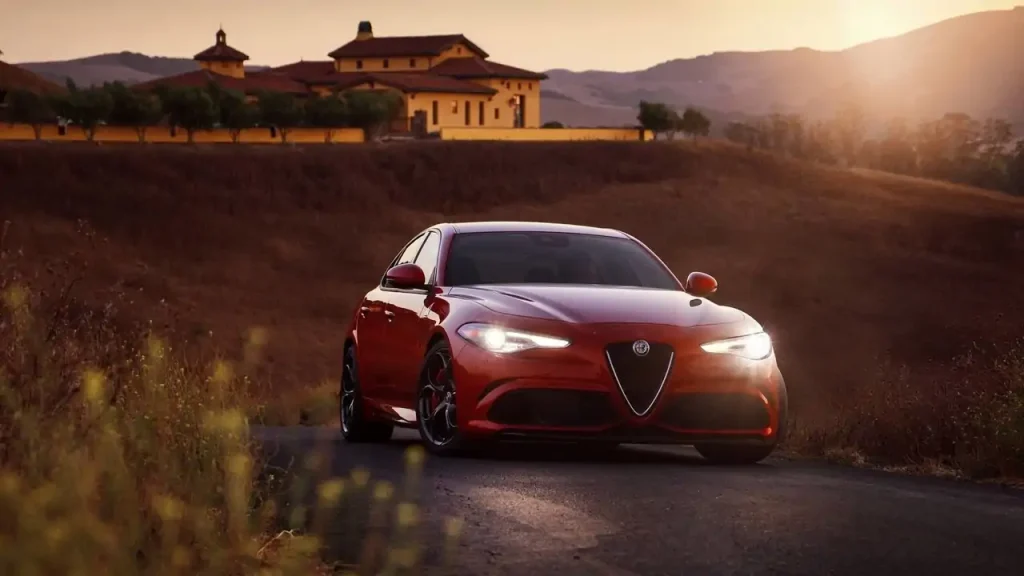
After years of limited global presence, Alfa Romeo returned to the spotlight with the Giulia sedan and Stelvio SUV. FCA planned to continue rebuilding the Italian brand with a mix of performance models, SUVs, and luxury vehicles designed to challenge Germany’s premium automakers.
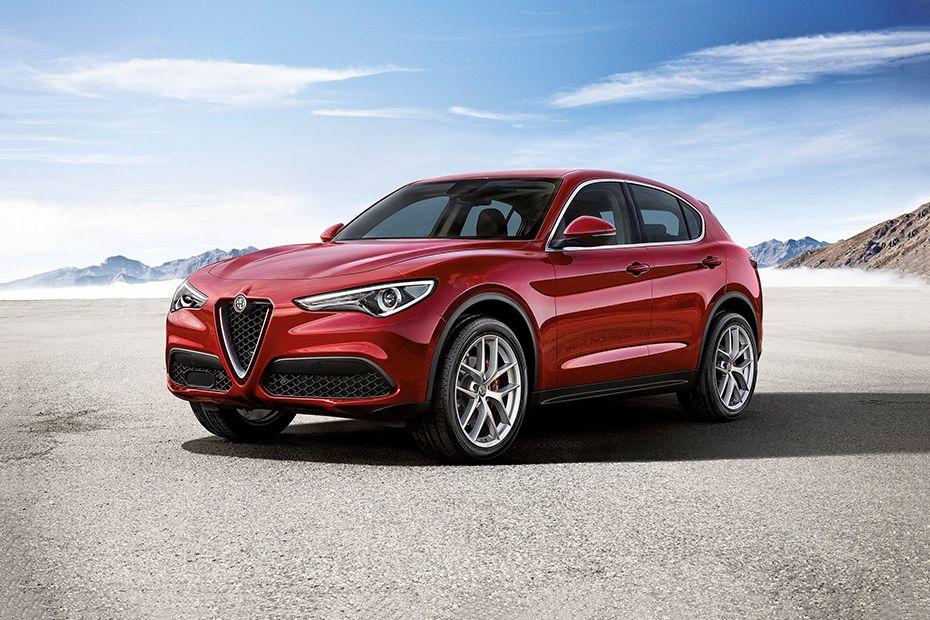
Alfa Romeo Stelvio
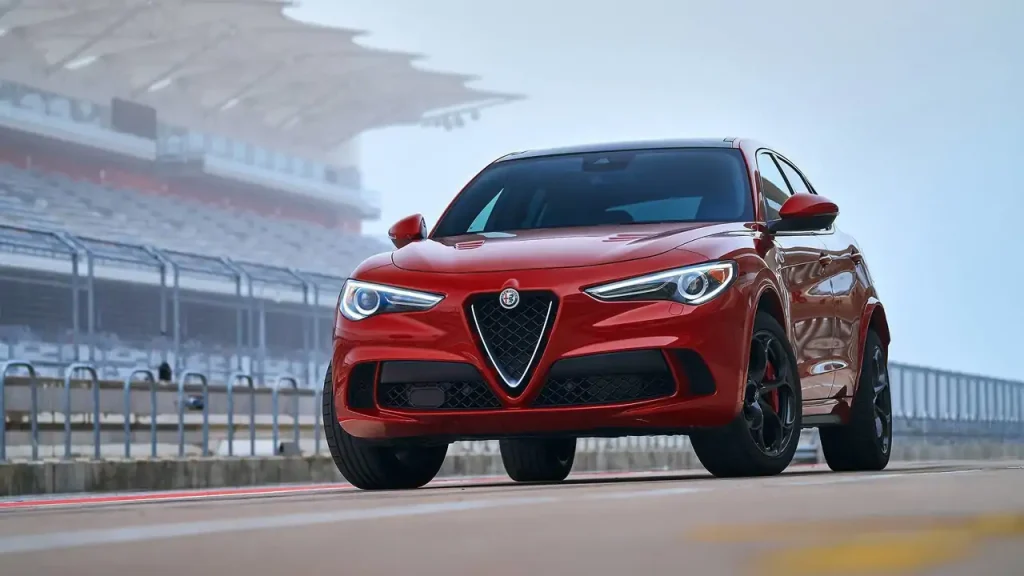
The Alfa Romeo Stelvio became one of the most important vehicles in the brand’s modern revival. As Alfa Romeo’s first-ever SUV, the Stelvio allowed the company to compete in the booming luxury crossover segment against models like the BMW X3, Porsche Macan, Mercedes-Benz GLC, and Jaguar F-Pace.
Alfa Romeo GTV
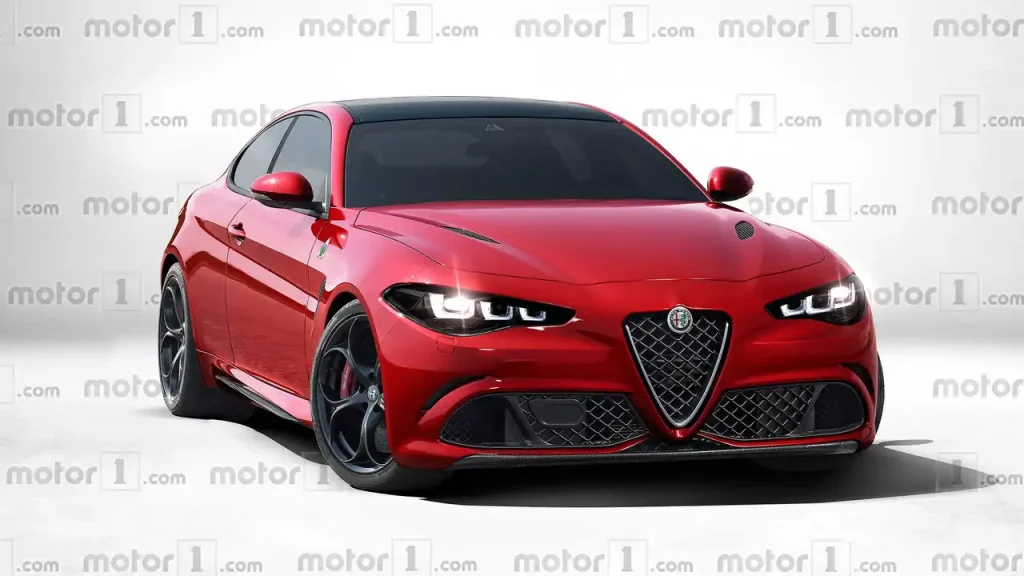
One of the most exciting planned additions was the return of the legendary Alfa Romeo GTV nameplate. The new coupe was expected to be based on the Giulia platform and positioned as a high-performance grand touring model.
FCA suggested the GTV could feature hybrid technology and produce more than 600 horsepower, combining electric assistance with Alfa Romeo’s performance-focused engineering. The model would serve as a modern interpretation of Alfa’s classic sports coupes.
Alfa Romeo 8C
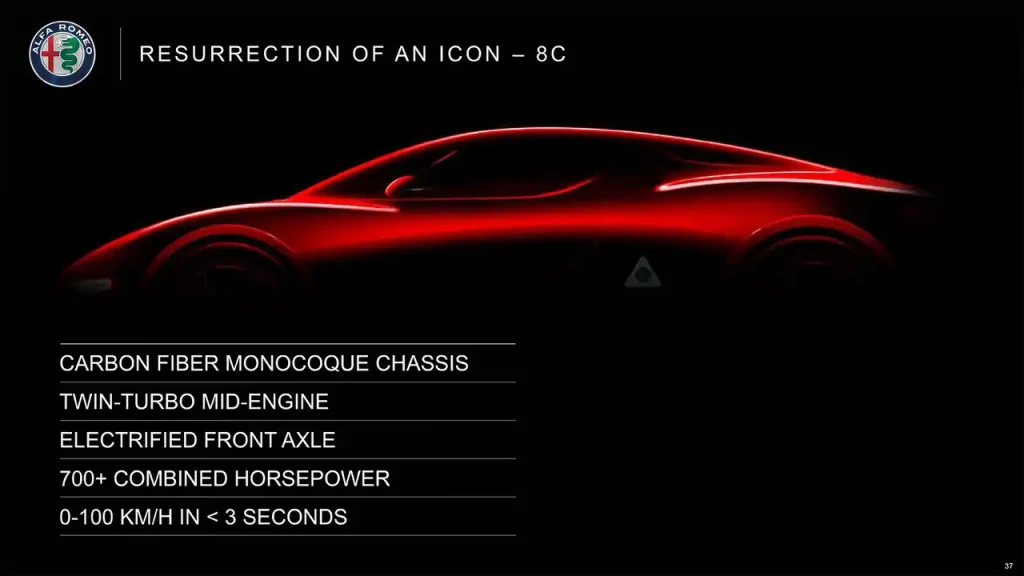
The iconic Alfa Romeo 8C was also planned for a comeback as a limited-production supercar.
Unlike the previous V8-powered 8C Competizione, the new model was expected to feature a carbon-fiber structure and a hybrid powertrain capable of producing more than 700 horsepower.
The 8C was intended to sit at the top of Alfa Romeo’s lineup, competing with exotic machines from Ferrari, McLaren, and Lamborghini.
Alfa Romeo Giulietta Replacement
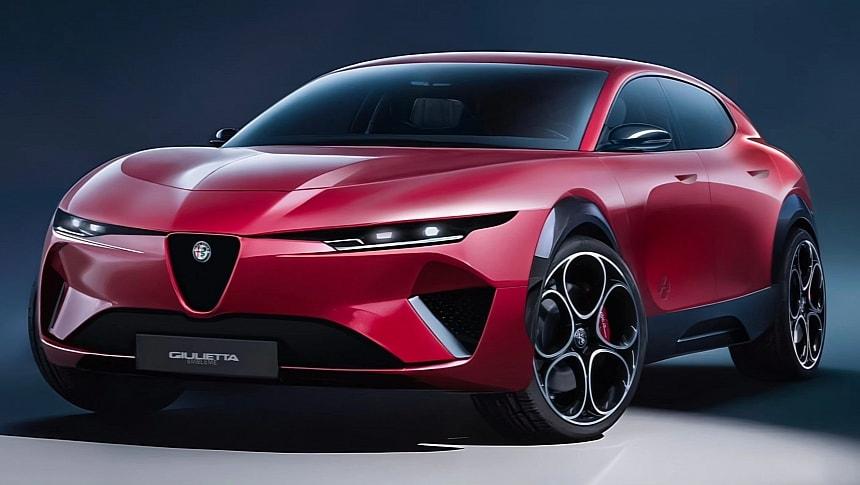
The compact Giulietta hatchback was expected to receive a successor as Alfa Romeo looked to strengthen its position in Europe’s premium compact segment.
The replacement model was planned to offer updated styling, improved technology, and greater efficiency while sharing components with FCA’s newer platforms.
Alfa Romeo Large SUV
To further expand its SUV lineup, Alfa Romeo planned a larger three-row SUV positioned above the Stelvio.
The model would target vehicles such as the BMW X5, Mercedes-Benz GLE, Porsche Cayenne, and Range Rover Sport, giving Alfa Romeo a stronger presence in the profitable luxury SUV market.
Jeep: Expanding the SUV Empire
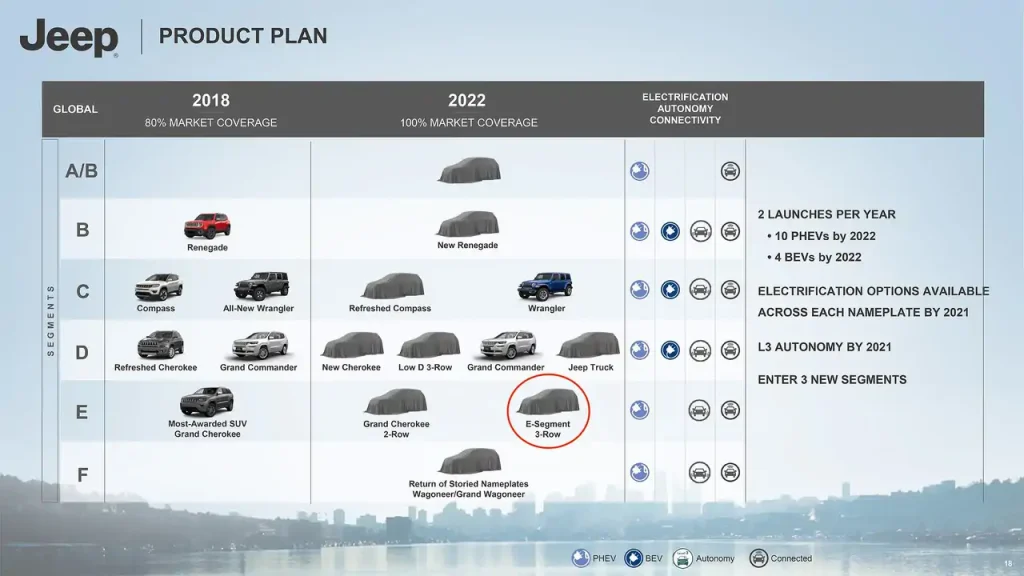
Jeep remained FCA’s most valuable global brand, and the company planned a major expansion of its SUV lineup. The strategy included new models, redesigned vehicles, and additional technology.
Jeep Wrangler Pickup Truck (Gladiator)
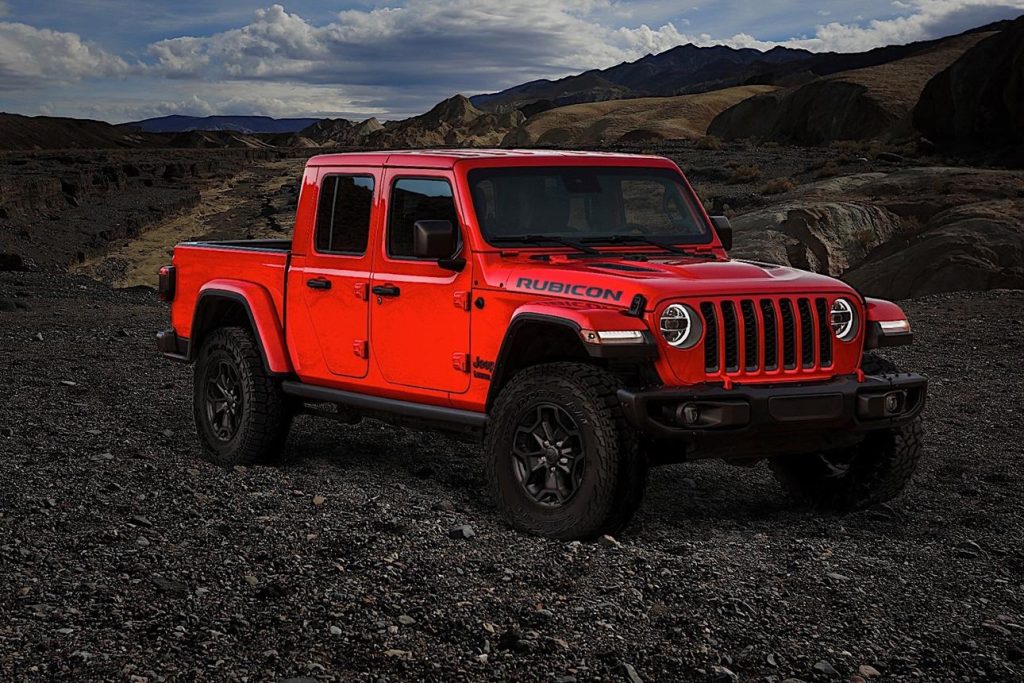
One of the most anticipated FCA products was the return of a Jeep pickup truck.
Based on the Wrangler platform, the new pickup would combine Jeep’s legendary off-road ability with the practicality of a truck bed. Later introduced as the Jeep Gladiator, it became Jeep’s first pickup since the Comanche ended production in the early 1990s.
The Gladiator was designed to compete against midsize pickups like the Toyota Tacoma, Ford Ranger, and Chevrolet Colorado.
Jeep Grand Wagoneer
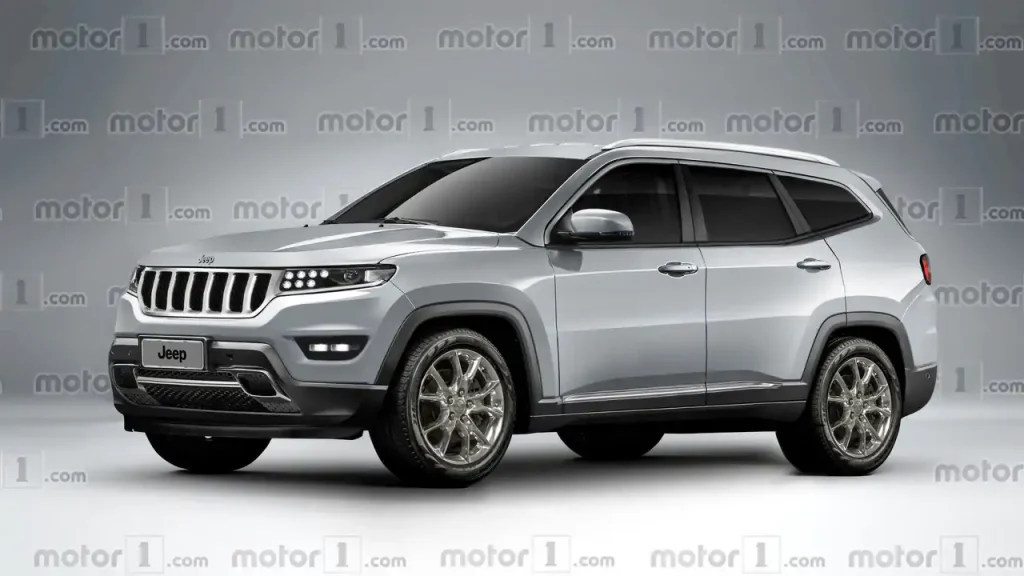
The legendary Grand Wagoneer name was set to return as Jeep’s flagship luxury SUV.
Positioned above the Grand Cherokee, the Grand Wagoneer was planned to compete with premium full-size SUVs such as the Range Rover, Cadillac Escalade, Lincoln Navigator, and Mercedes-Benz GLS.
The model was expected to combine premium materials, advanced technology, three-row seating, and powerful engines.
Jeep Wagoneer
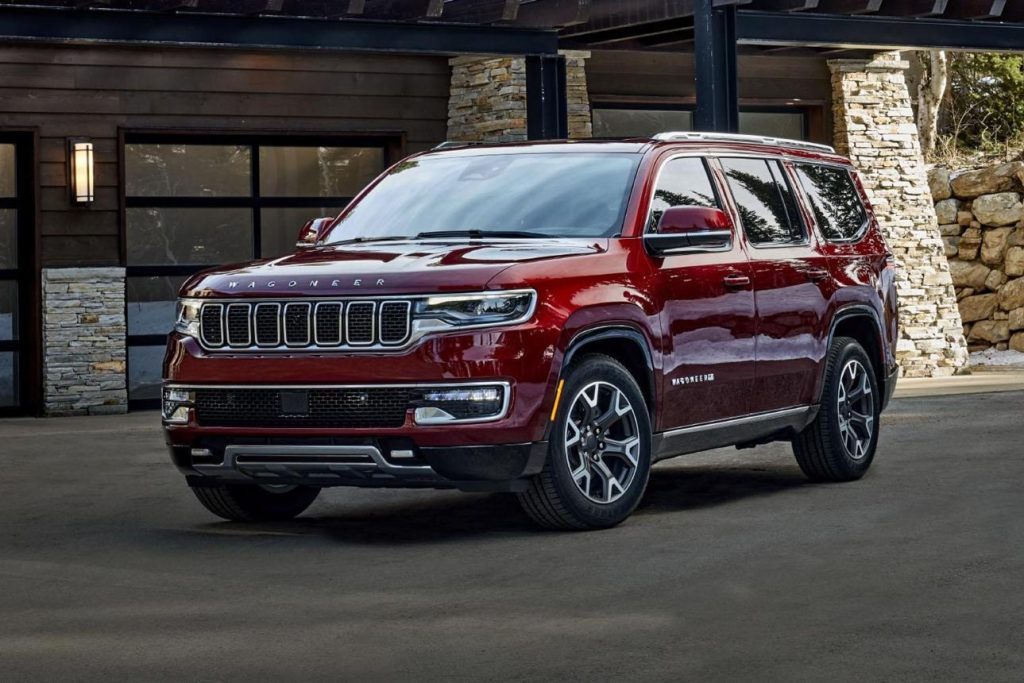
Alongside the Grand Wagoneer, Jeep planned a standard Wagoneer model aimed at buyers seeking a premium but slightly more affordable full-size SUV.
The revival of the Wagoneer name was part of Jeep’s strategy to expand beyond traditional off-road vehicles and compete in the luxury market.
Jeep Grand Cherokee Redesign
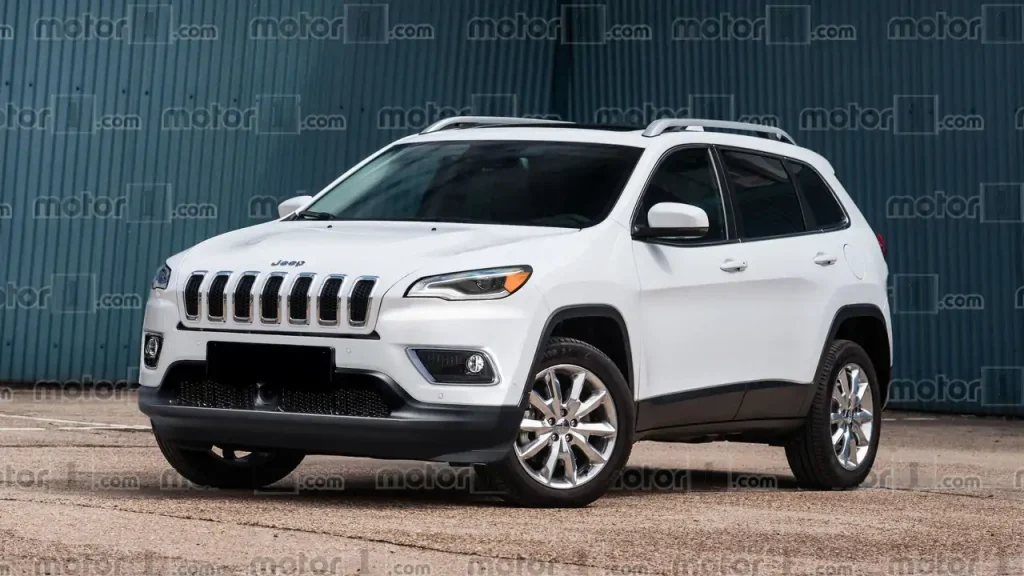
The Grand Cherokee was scheduled for a major redesign with improved architecture, updated styling, advanced safety technology, and new powertrain options.
As one of Jeep’s best-known models, the next-generation Grand Cherokee was critical to the brand’s continued success.
Jeep Compass Redesign
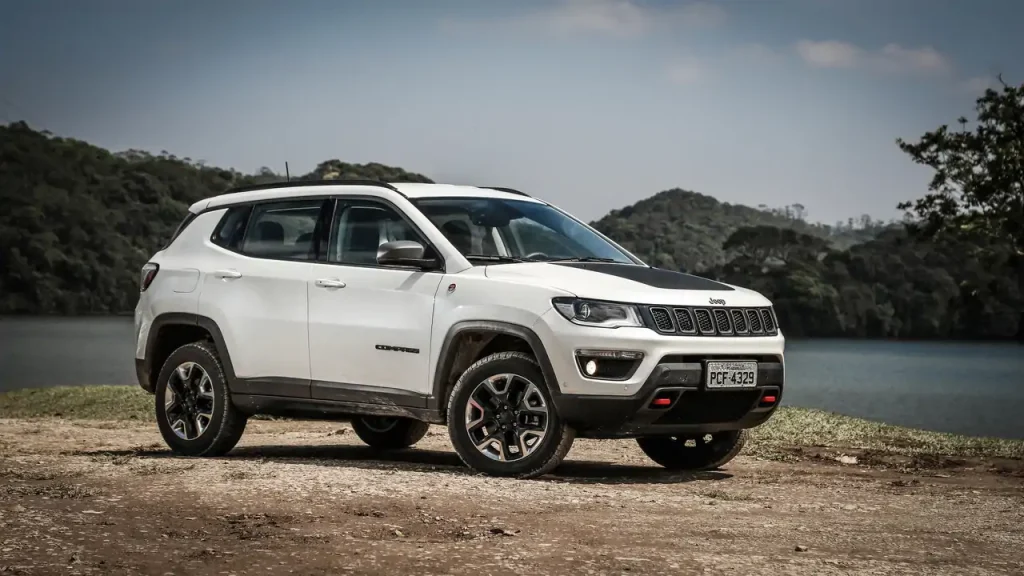
The compact Compass was expected to receive a major update with improved interior quality, more technology, and increased efficiency.
Jeep Renegade Update
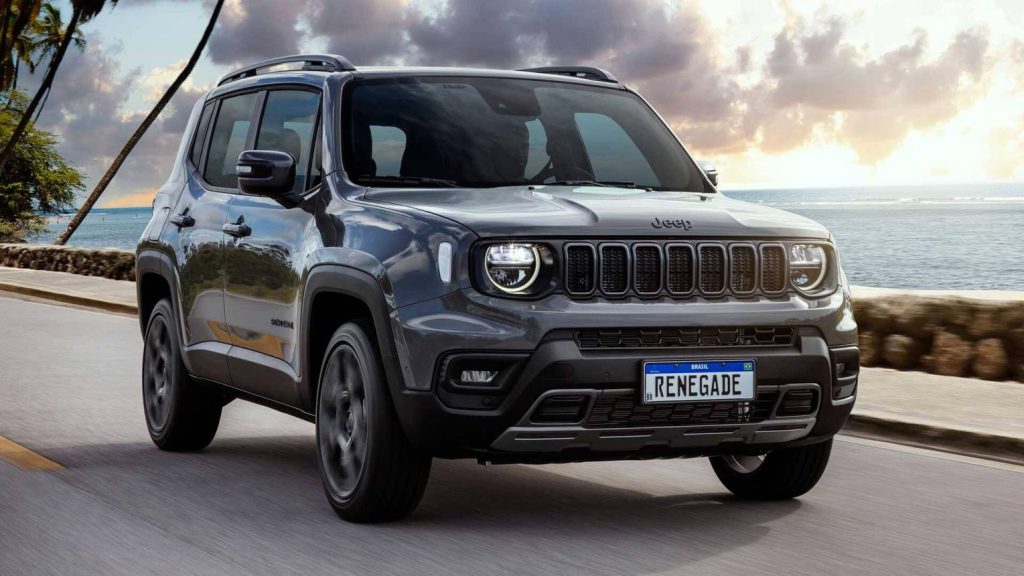
The Renegade would receive updates to remain competitive in the growing subcompact SUV segment.
Jeep Cherokee Update
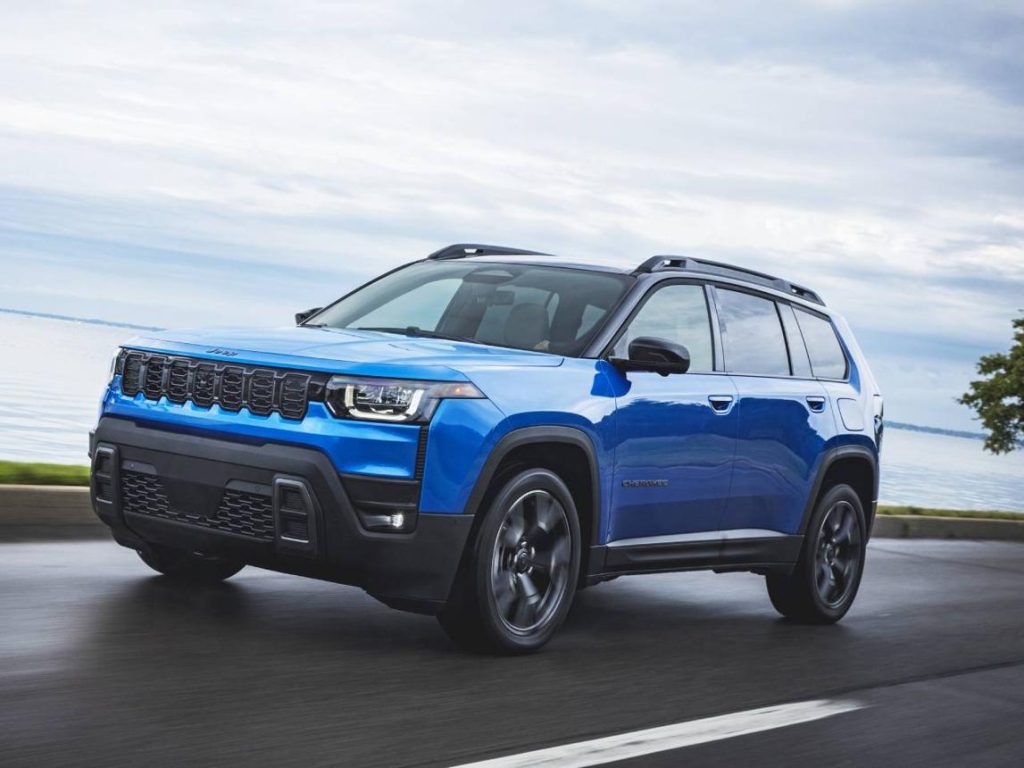
The Cherokee was also planned for improvements, including revised styling and updated technology.
Maserati: Luxury Performance Expansion
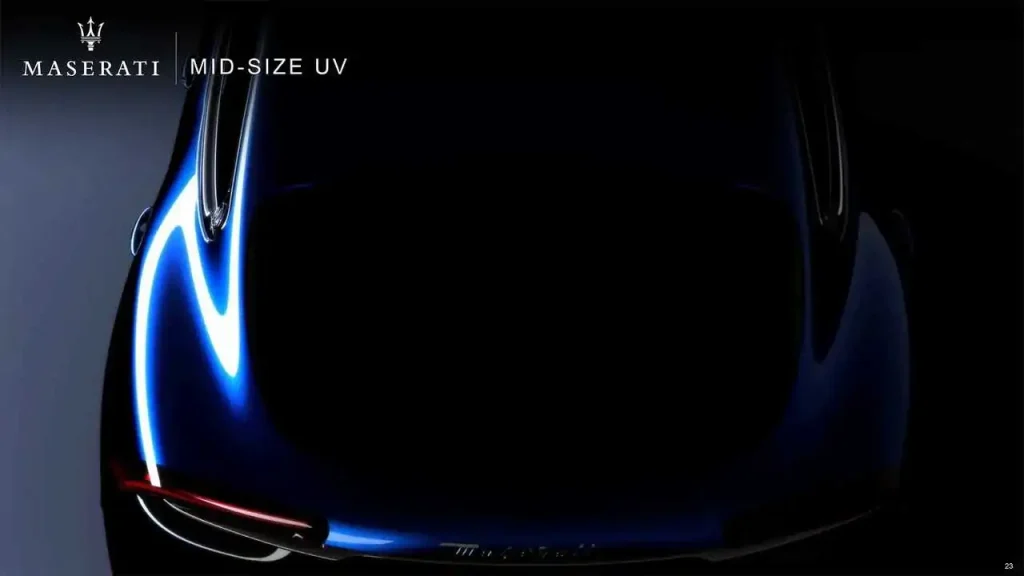
Maserati’s future plans focused on growing beyond traditional sports cars and sedans while introducing electrified performance technology.
Maserati Alfieri
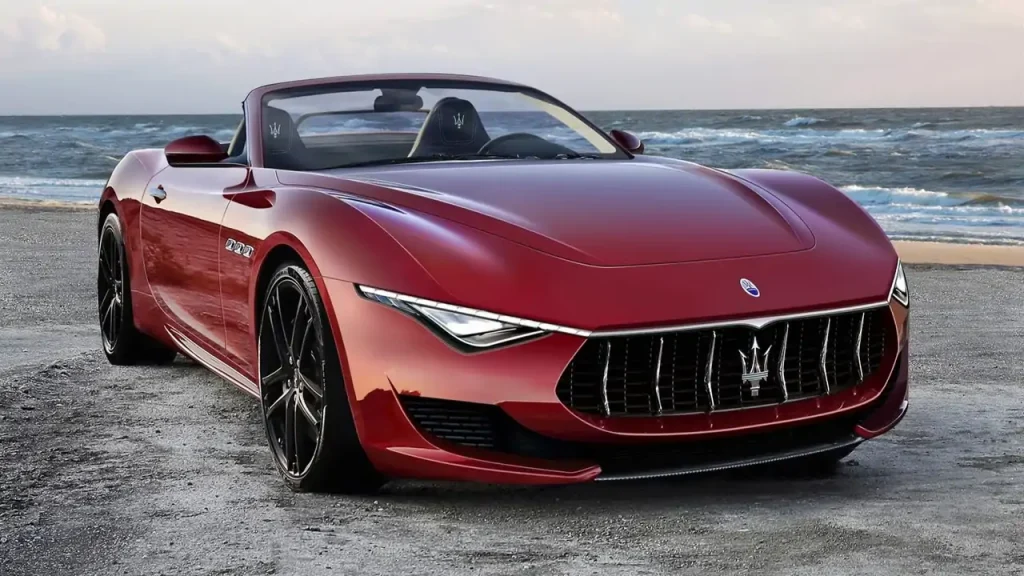
The Maserati Alfieri was planned as a lightweight sports car replacing the GranTurismo and GranCabrio.
Named after Maserati founder Alfieri Maserati, the model was expected to offer advanced technology and electrified performance options.
Maserati GranTurismo Replacement
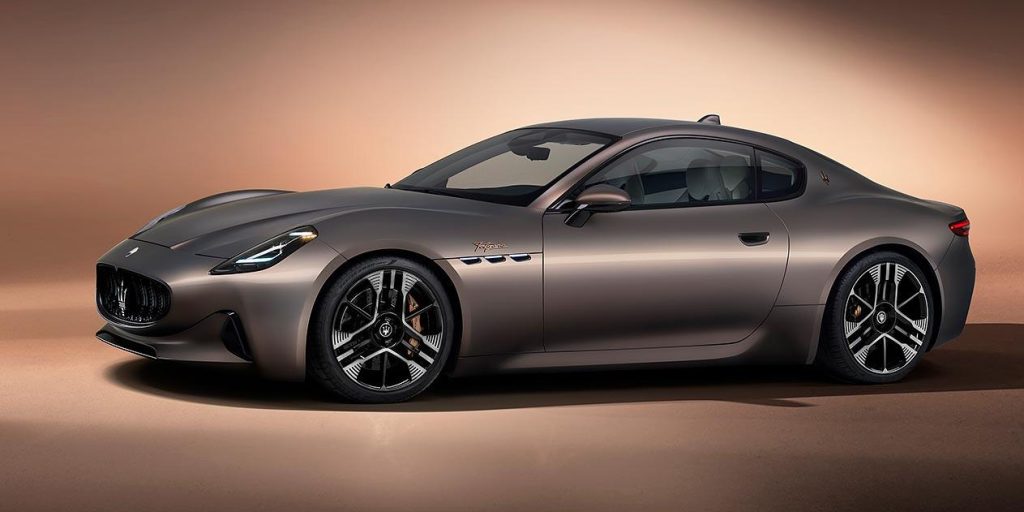
A new-generation GranTurismo was planned with improved performance, luxury, and modern technology.
Maserati Levante Updates
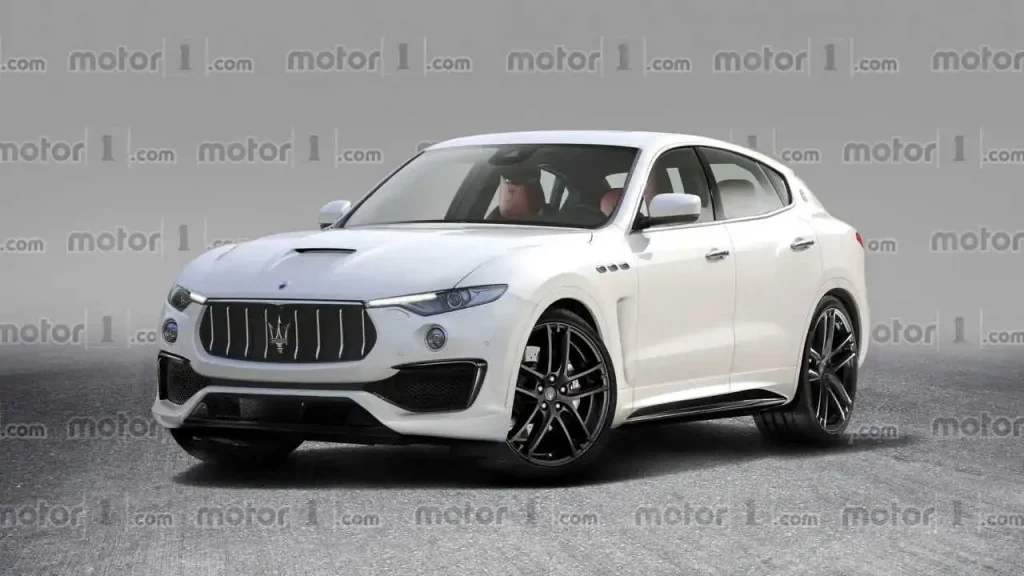
The Levante SUV would receive updates as Maserati continued competing in the premium SUV market.
Maserati Quattroporte Redesign
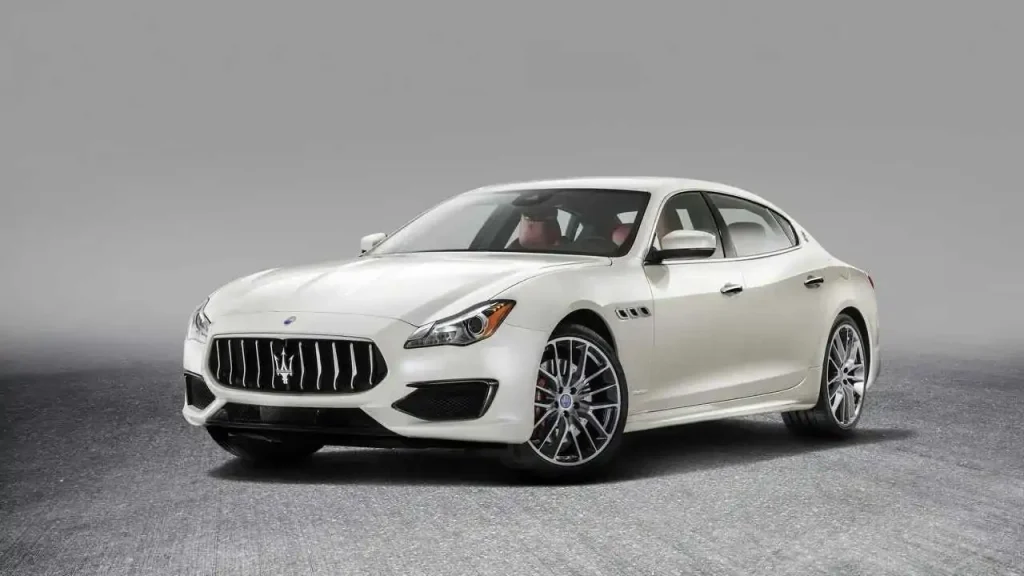
Maserati’s flagship sedan was scheduled for a redesign with improved luxury, efficiency, and performance.
Maserati Ghibli Updates
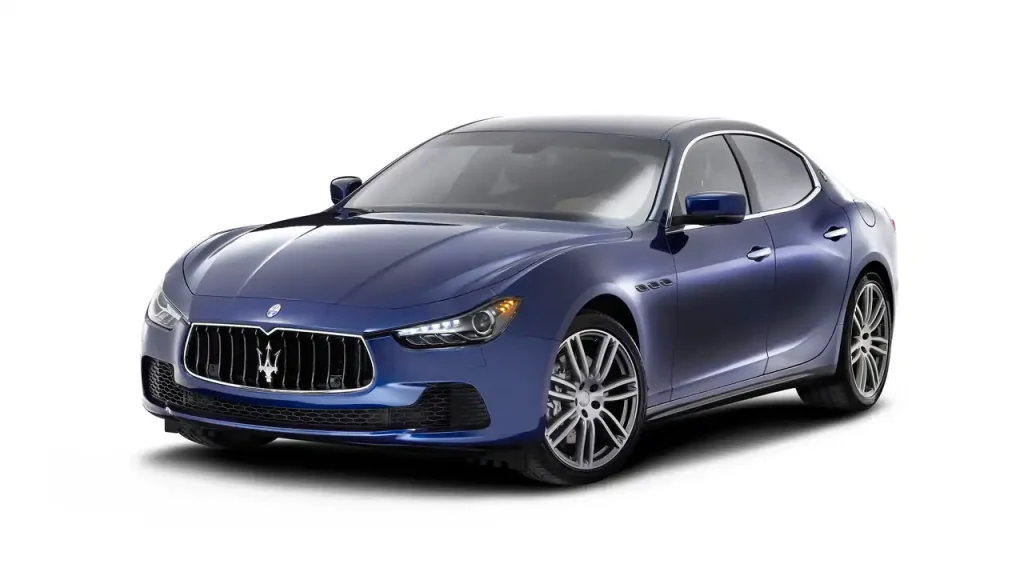
The smaller Ghibli sedan was expected to receive upgrades to keep it competitive against the BMW 5 Series and Mercedes-Benz E-Class.
Ram: Building a Stronger Truck Lineup
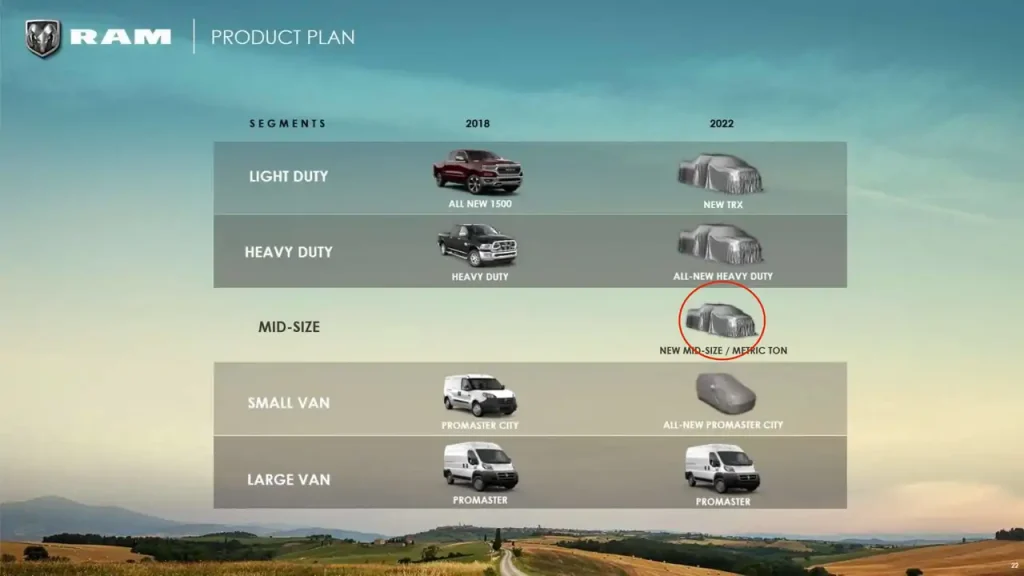
Ram had become one of FCA’s strongest-performing divisions, and the company planned several major updates to expand its truck portfolio.
Ram 1500 Redesign
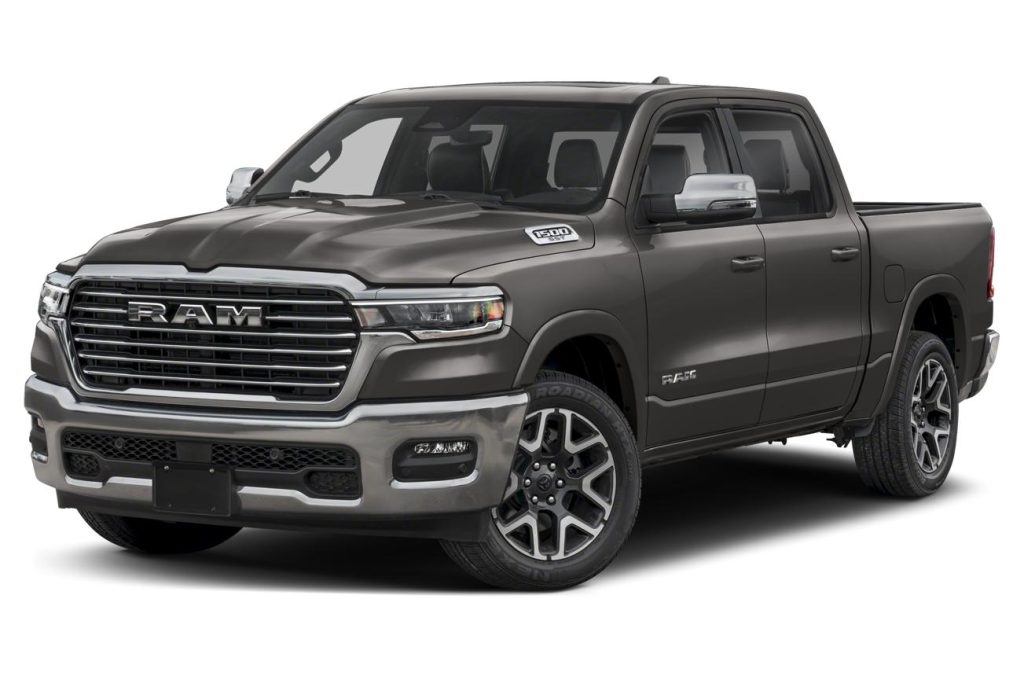
The redesigned Ram 1500 introduced a new platform, improved technology, premium interior materials, and better efficiency.
It also introduced FCA’s eTorque mild-hybrid system, improving fuel economy and drivability.
Ram Heavy Duty Redesign
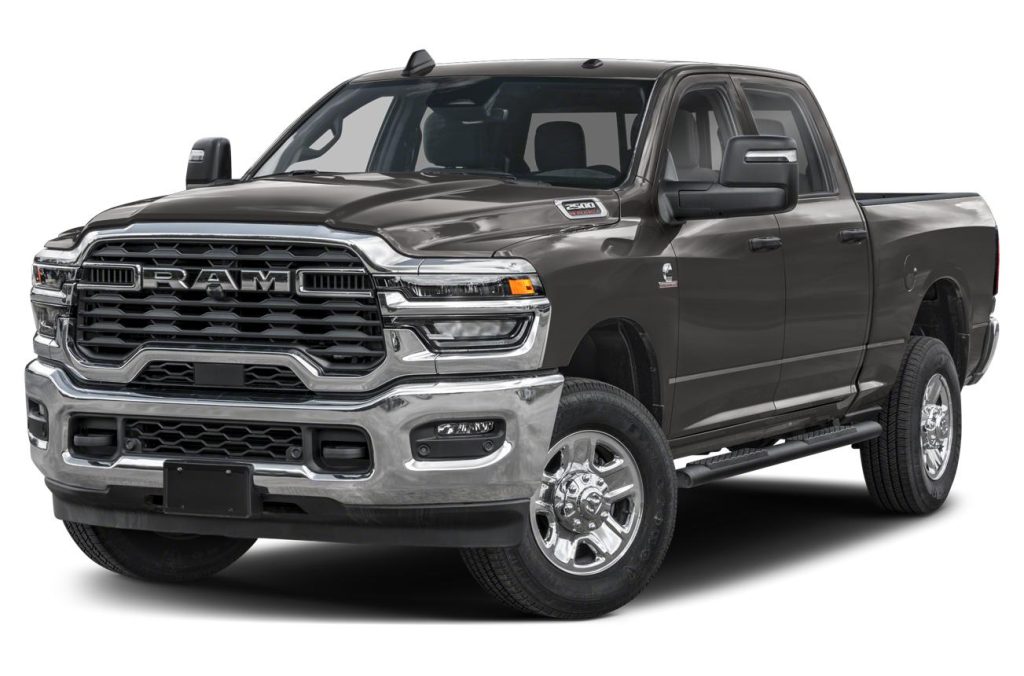
The Ram 2500 and 3500 Heavy Duty trucks were planned for updates with increased capability, improved technology, and stronger competition against Ford and Chevrolet.
Ram Rebel TRX
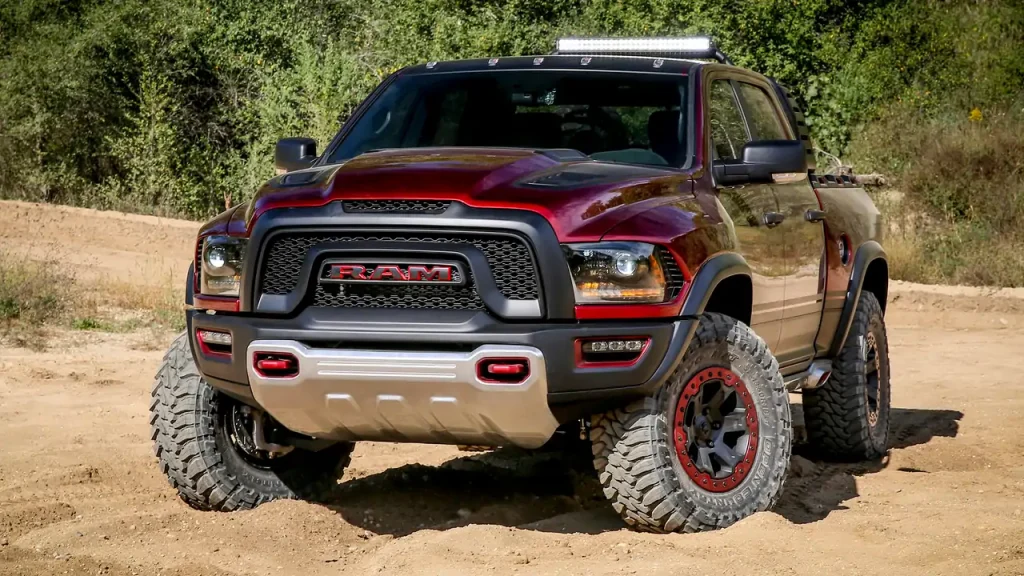
One of FCA’s most exciting performance projects was the Ram Rebel TRX.
The high-performance off-road pickup was expected to use the same 6.2-liter supercharged Hellcat V8 found in Dodge’s muscle cars, producing more than 700 horsepower.
Designed to challenge the Ford F-150 Raptor, the Rebel TRX promised extreme off-road performance with sports-car levels of power.
Fiat: Updates for Global Markets
Fiat’s future plans focused primarily on international markets with refreshed versions of its popular small vehicles.
Fiat 500 Redesign
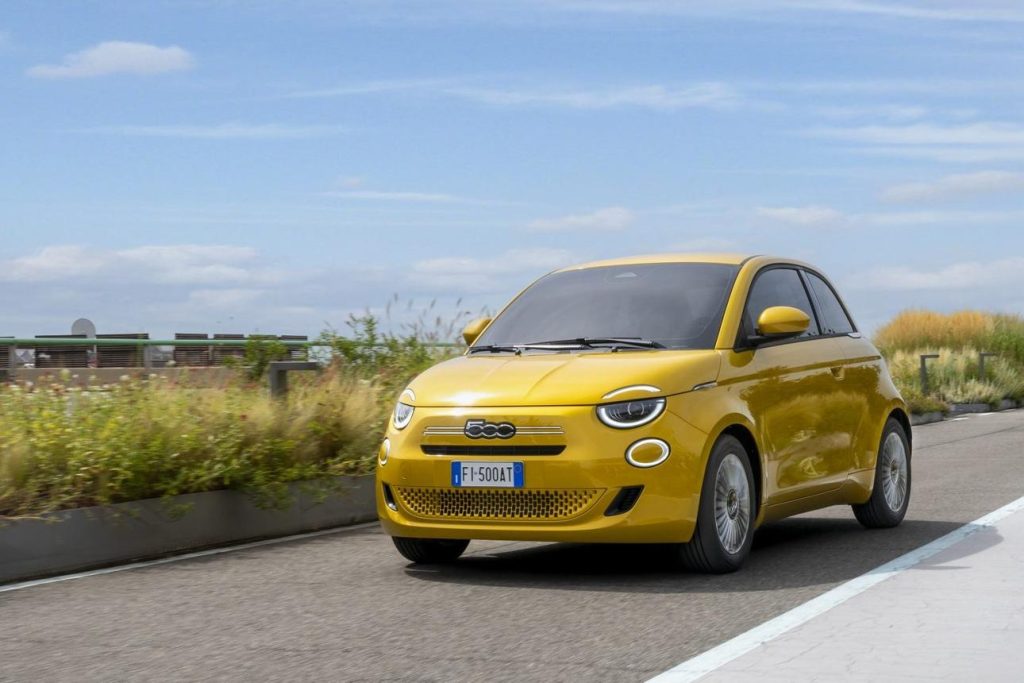
The iconic Fiat 500 was planned for a new generation, including electrification options to meet stricter emissions standards.
Fiat Panda Update
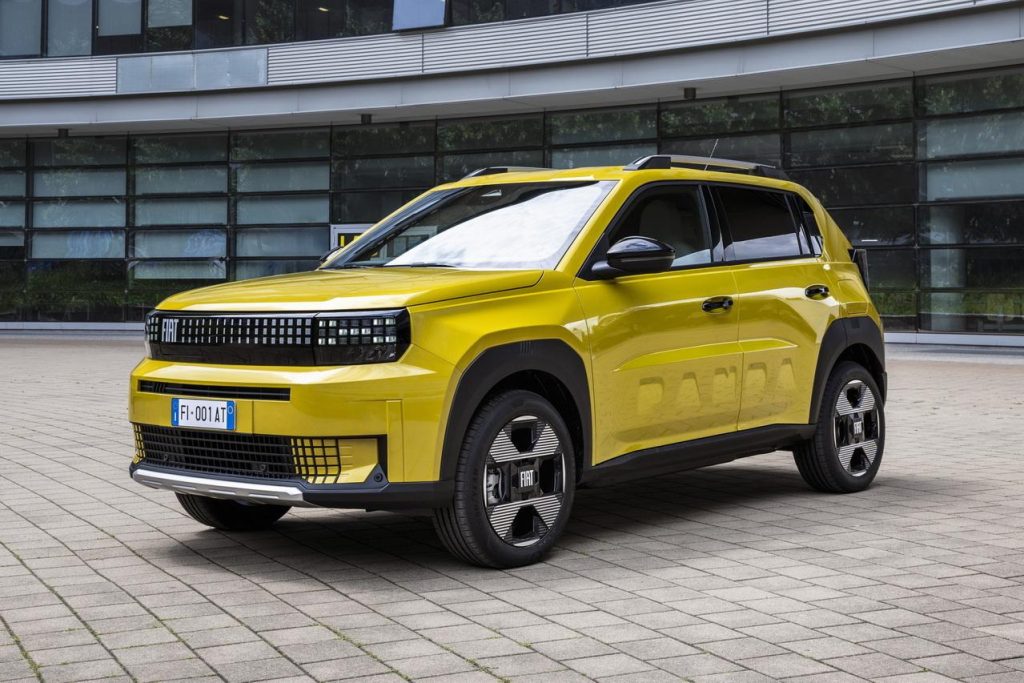
The practical Panda city car would receive updates to maintain its popularity in European markets.
Fiat Tipo Update
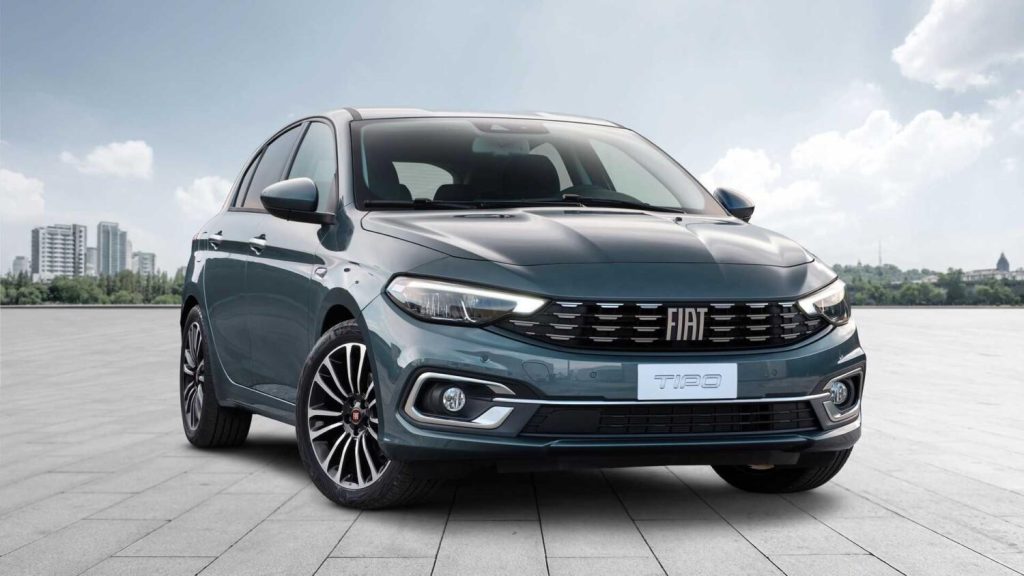
The Tipo compact model was expected to receive improvements in design, technology, and efficiency.
Chrysler’s Uncertain Future
While FCA announced major investments for Alfa Romeo, Jeep, Maserati, Ram, and Fiat, Chrysler’s future remained uncertain.
The brand continued with vehicles such as the Pacifica minivan, but FCA’s product strategy suggested the company was placing greater emphasis on its growing global brands.