
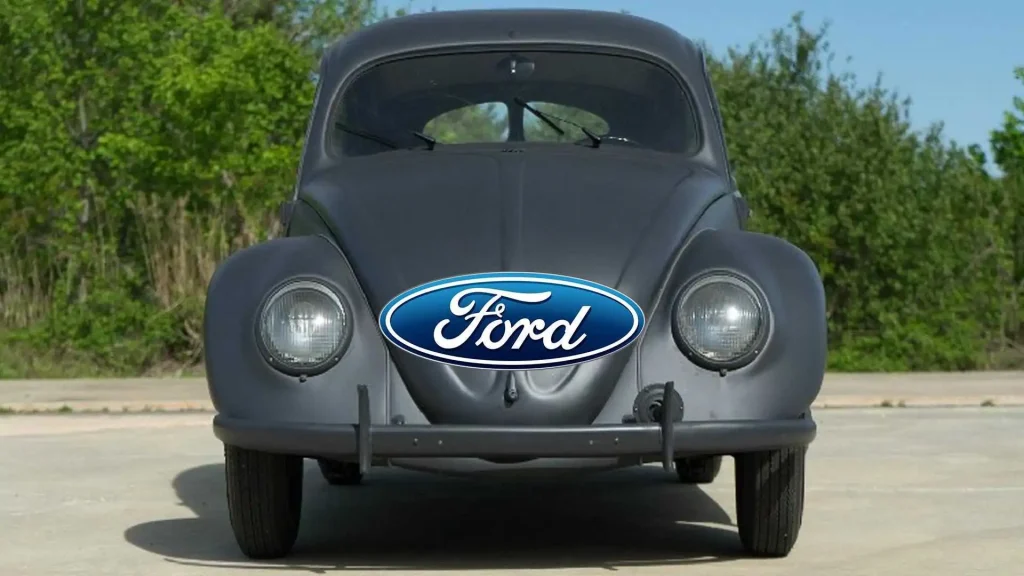
Rumors that Ford and Volkswagen could deepen their commercial-vehicle partnership once raised an intriguing possibility: what if the two automakers eventually became one? Such a deal would have created an automotive giant, but the idea has an interesting historical precedent. Back in 1948, Henry Ford II was given the opportunity to take control of Volkswagen and its Wolfsburg factory at no cost. He ultimately walked away.
Before that remarkable meeting, it’s worth looking at how Volkswagen ended up in British hands. The company developed the car that became the Beetle during Germany’s industrialization in the 1930s. Under the Nazi regime, it was known as the KdF-Wagen, short for Kraft durch Freude, or “Strength Through Joy.” Only 210 were reportedly completed before the Wolfsburg factory was finished, with those early cars going primarily to Nazi offices and officials.
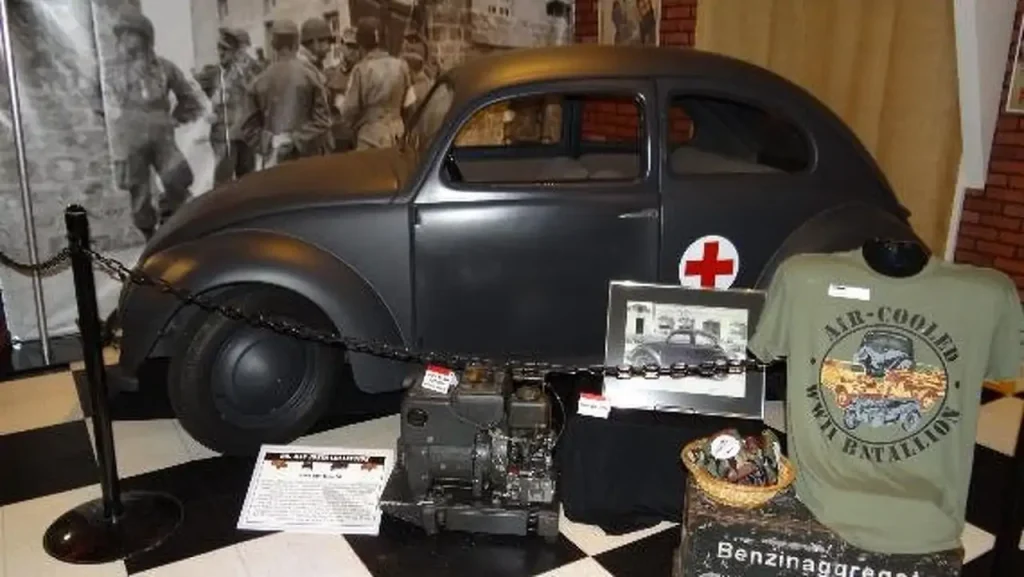
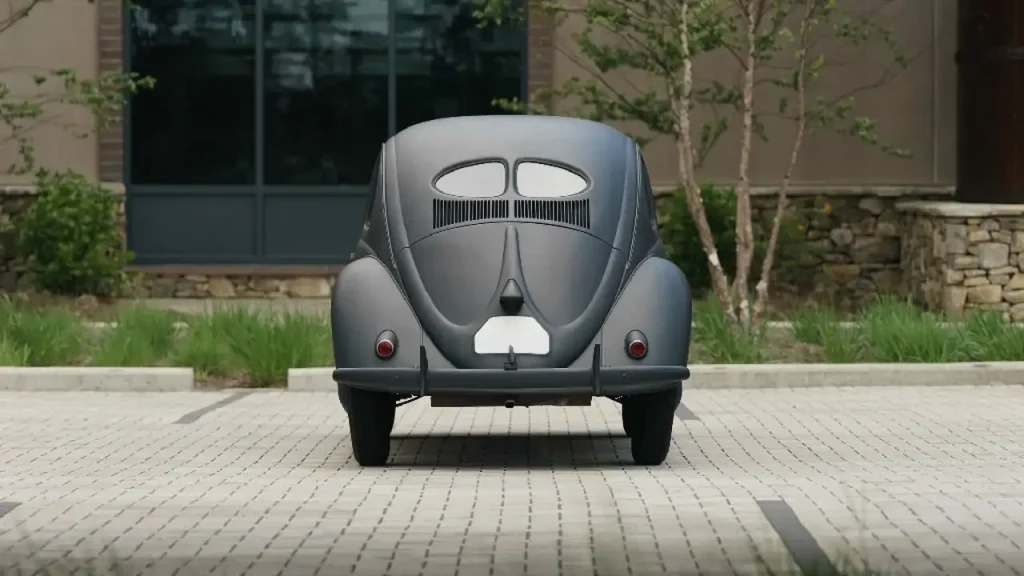
After World War II, Germany was divided among the Allied powers, and the British occupied the region surrounding Wolfsburg. Rather than leaving the damaged factory idle, British authorities restarted production as part of the effort to revive the local economy. The plant built 1,785 Beetles in 1945 alone.
The British, however, had little interest in running a car company themselves and began searching for someone willing to take over Volkswagen. In 1947, they approached Sir William Rootes and his brother Reginald, whose Rootes Group controlled brands including Hillman, Humber, and Sunbeam. They declined the offer.
Then came Henry Ford II. In March 1948, British officials invited the young Ford executive to a meeting in Cologne, Germany, where they offered to hand Volkswagen and the Wolfsburg operation to Ford without charge. According to Walter Henry Nelson’s Small Wonder, Ford board chairman Ernest Breech ultimately dismissed the opportunity, reportedly telling Ford II that what they had been offered “wasn’t worth a damn.”
There were practical concerns as well. Wolfsburg was located close to the Soviet occupation zone, which would eventually become the border with East Germany. According to Andrea Hiott’s Thinking Small, some Ford executives were reportedly uncomfortable with the idea of operating a factory in such a politically unstable location.
With Ford and other potential buyers turning down the opportunity, the British eventually stepped away. Heinz Nordhoff, who had taken over management of the Wolfsburg plant in January 1948, was left to determine Volkswagen’s future. Under his leadership, the company and its Beetle went on to achieve extraordinary global success.
More than seven decades later, the Ford-Volkswagen relationship offers a fascinating reminder of how differently automotive history might have unfolded. Had Ford accepted that offer in 1948, the global car industry could look very different today.