
Once those hidden headlights rise, the nostalgia—and the fun—never stops.
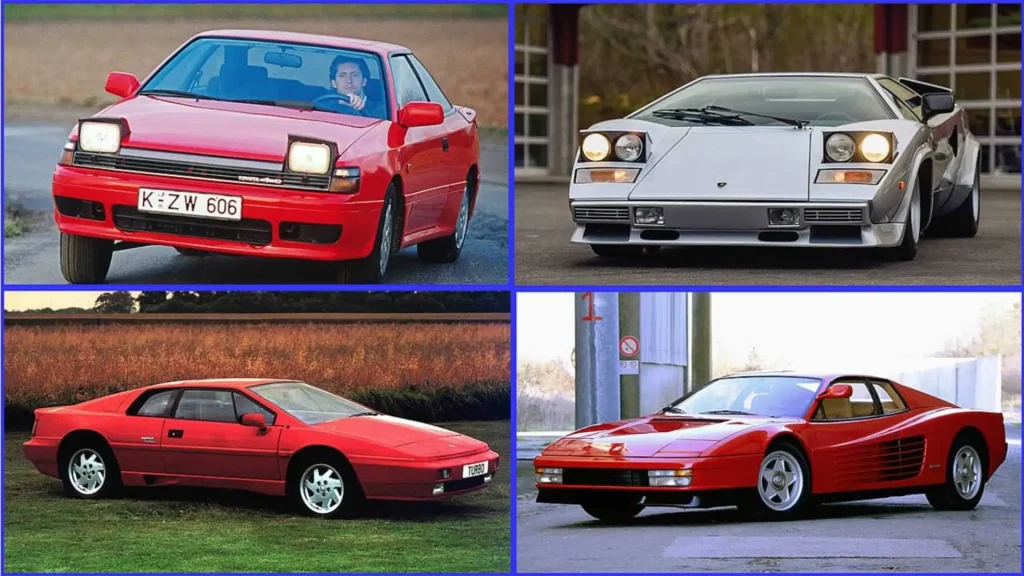
Pop-up headlights were one of the defining styling trends of the 1980s and 1990s, giving everything from affordable sports cars to exotic supercars a futuristic and aerodynamic appearance. By hiding the lamps beneath the bodywork, designers were able to create smoother front ends with lower noses and cleaner lines that made cars look faster even when standing still.
Unfortunately, the era of retractable headlights has come to an end. Modern pedestrian safety regulations, especially in markets like Europe, have made traditional pop-up lamps difficult to use because the raised mechanisms could increase the risk of injury during a collision. At the same time, stricter efficiency standards have pushed manufacturers toward designs that prioritize maximum aerodynamic performance, and exposed headlights can negatively affect airflow when deployed.
But rather than focus on why they disappeared, it is worth celebrating what made them special. Pop-up headlights brought personality, excitement, and a sense of occasion that few modern design features can replicate.
Before LED lighting signatures and advanced adaptive headlamp systems became common, automakers used a much simpler idea: hide the headlights when they weren’t needed and reveal them when the driver wanted to make a statement.
The result was a generation of cars with two distinct personalities. With the lights tucked away, they looked sleek, low, and mysterious. Then, with the push of a button, the headlights emerged from the hood, transforming the vehicle’s entire expression.
From legendary Italian exotics to beloved Japanese sports cars and stylish everyday coupes, pop-up headlights became a symbol of creativity and automotive character. Although they have disappeared from new car showrooms, these hidden lamps remain one of the most memorable design features in automotive history.
Here are 11 cars that showcased pop-up headlights at their absolute best.
Table of Contents
Alfa Romeo Montreal
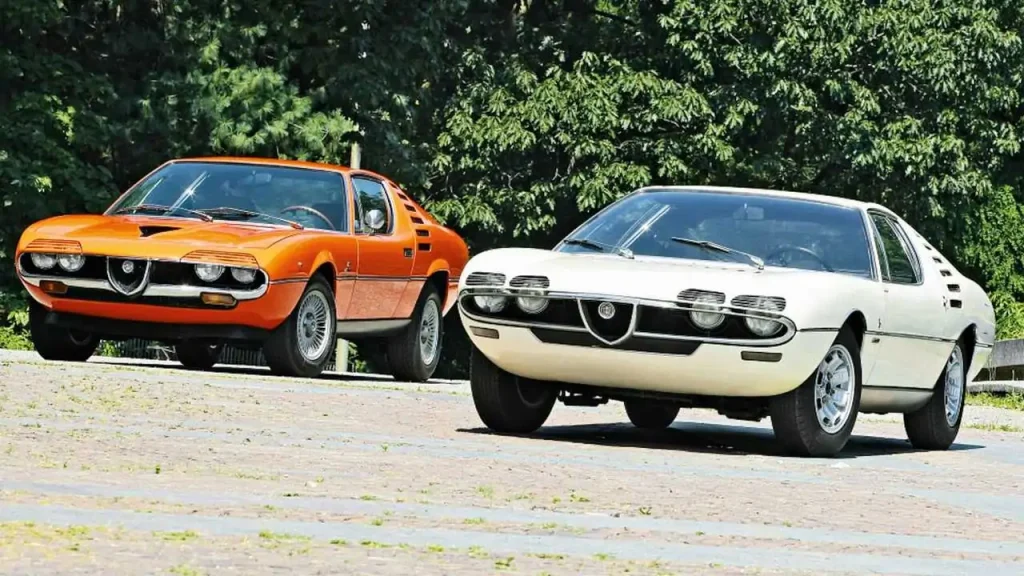
The Alfa Romeo Montreal was unlike anything else on the road when it arrived in the early 1970s. Originally created as a concept car for the 1967 Expo in Montreal, it eventually became a production sports coupe with exotic styling and a Ferrari-inspired V8 engine.
Its headlight design was especially unique. Instead of completely disappearing into the bodywork, the Montreal used partially covered headlights hidden behind slatted panels. The result was a dramatic front end that gave the car a mysterious, almost futuristic appearance.
BMW M1
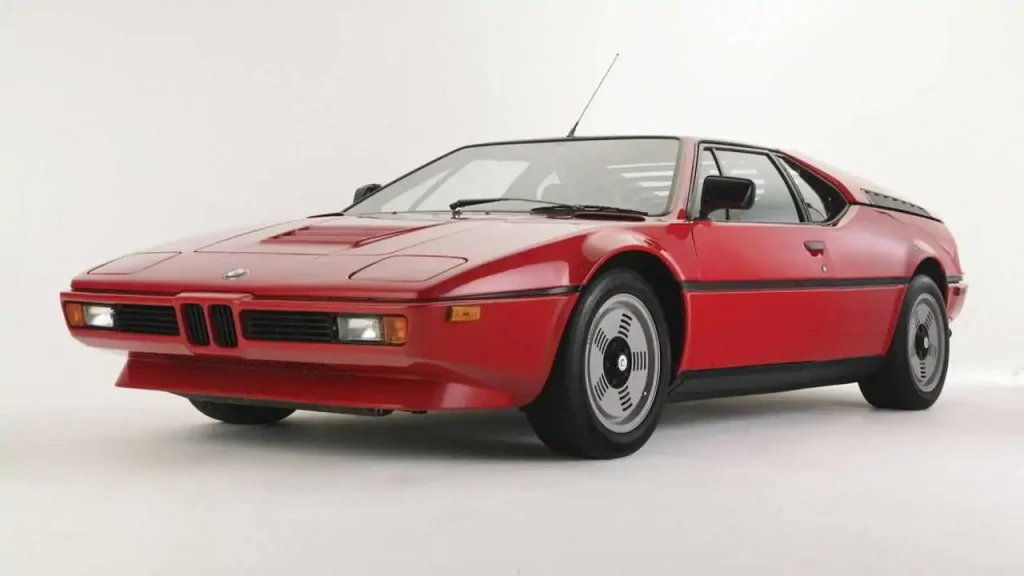
The BMW M1 remains one of the rarest and most celebrated BMWs ever built. Designed as a mid-engine supercar and created for motorsport competition, the M1 combined Italian-inspired styling with German engineering.
Its low nose and hidden headlights perfectly suited its wedge-shaped design. Unlike some other supercars of the era, the M1’s pop-up lamps looked clean and purposeful, helping create one of the most recognizable silhouettes in BMW history.
Ferrari Testarossa
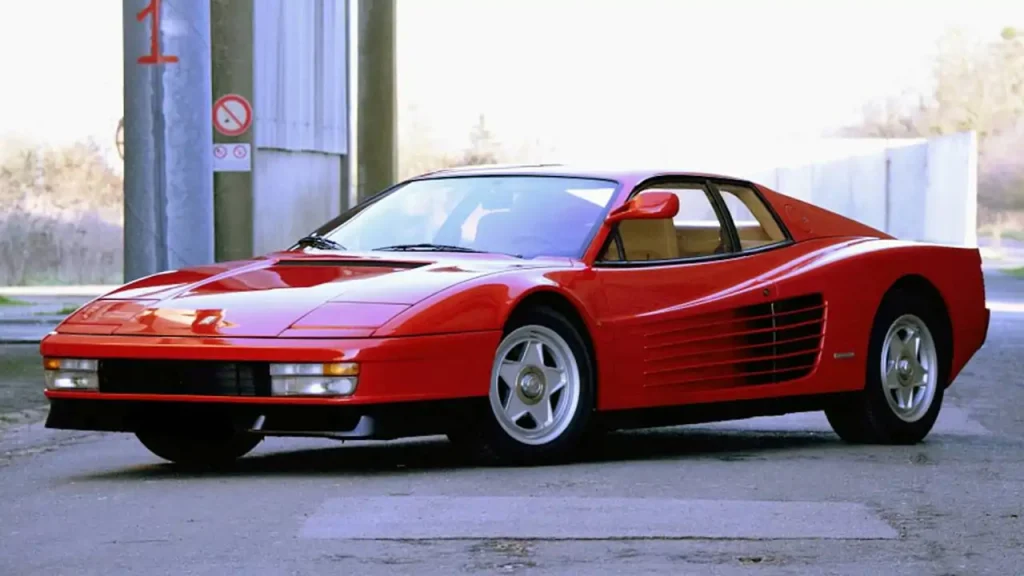
Few cars represent 1980s excess like the Ferrari Testarossa. Famous for its wide rear bodywork, side strakes, and flat-12 engine, the Testarossa also featured the era’s signature hidden headlights.
With the lights lowered, the nose appeared smooth and elegant. Once raised, the Ferrari gained an even more dramatic presence. It was a perfect match for a car built around style, performance, and theater.
Ford Probe
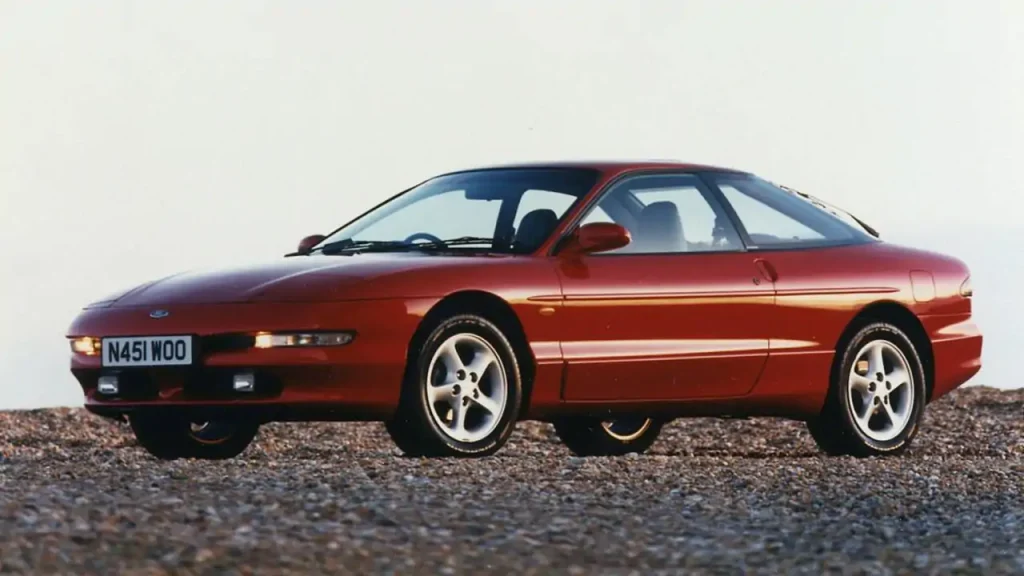
The Ford Probe brought futuristic styling to the mainstream market. Originally developed with Mazda, the first-generation Probe arrived in the late 1980s with a sleek aerodynamic body and retractable headlights.
At the time, its smooth shape looked like something from the future. The hidden lamps helped create a low, sporty appearance and gave everyday drivers access to the same design language found on exotic sports cars.
Lamborghini Countach
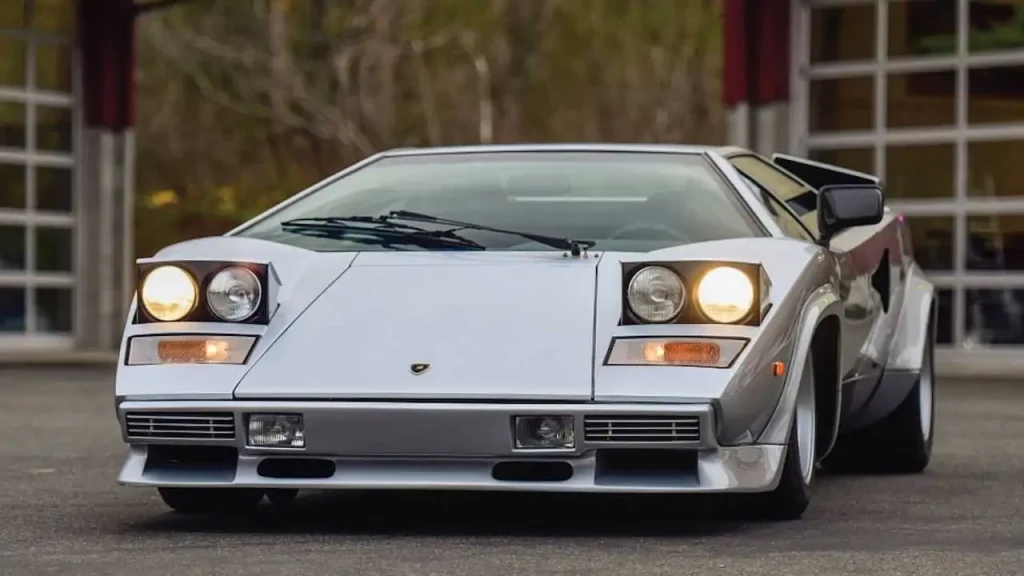
The Lamborghini Countach may be the ultimate pop-up headlight icon. Its sharp wedge shape, aggressive angles, and dramatic proportions made it a poster car for generations of enthusiasts.
The raised headlights only added to the Countach’s outrageous personality. When they appeared from the bodywork, the car looked even more like a machine from another planet.
Lotus Esprit
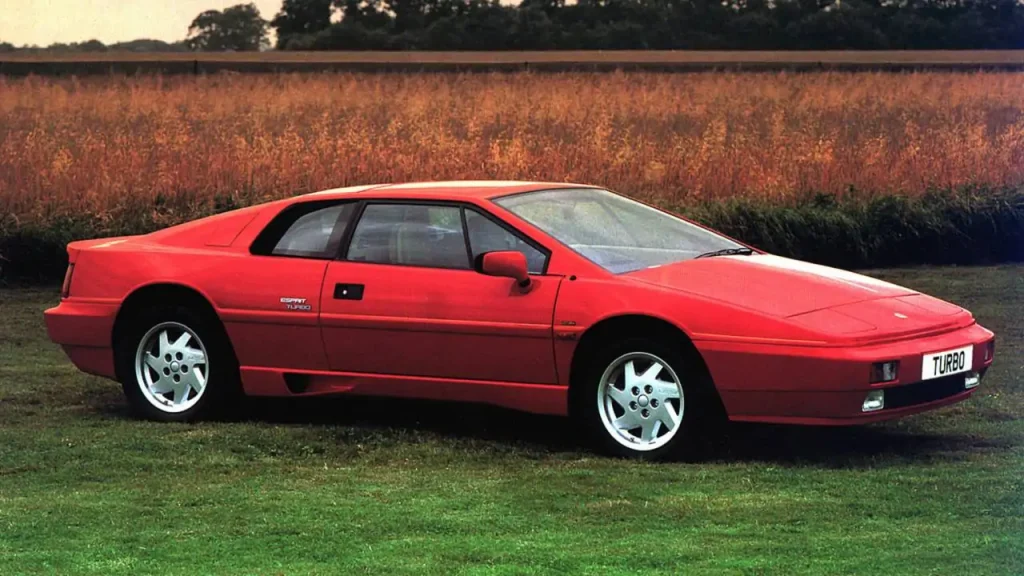
Designed by Giorgetto Giugiaro, the Lotus Esprit looked like a concept car that escaped onto public roads. Its sharp wedge profile and low stance were perfectly complemented by retractable headlights.
The Esprit became famous through its appearances in popular culture, but its design remains impressive decades later. The pop-up lamps helped maintain its clean, futuristic shape.
Mazda MX-5 Miata NA
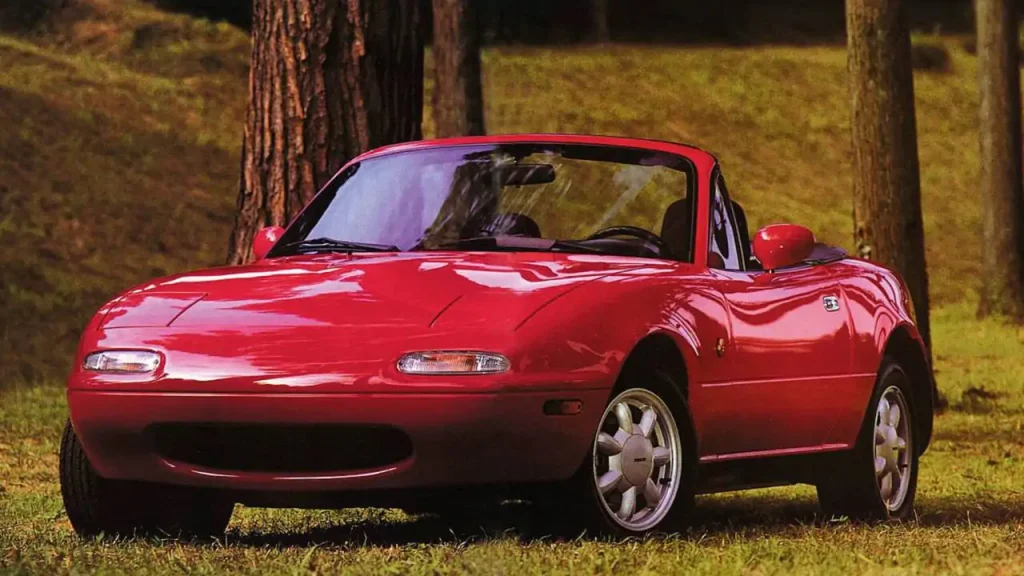
The first-generation Mazda MX-5 Miata proved that pop-up headlights were not only for expensive supercars. Introduced in 1989, the Miata combined lightweight construction, rear-wheel drive, and simple driving enjoyment.
Its cheerful raised headlights became one of its most recognizable features. The NA Miata’s friendly face helped make it one of the most beloved sports cars ever produced.
Porsche 944
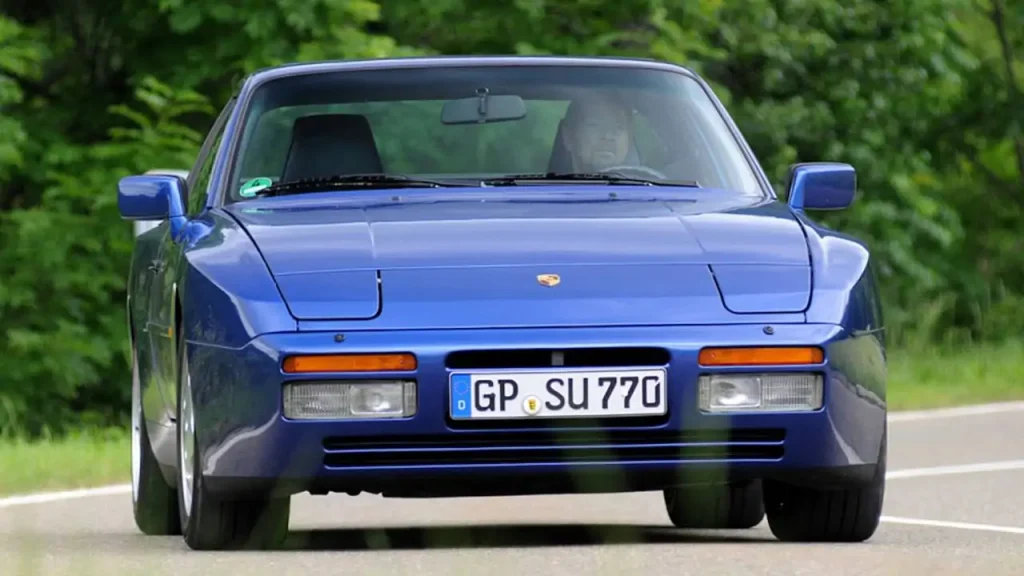
The Porsche 944 blended sports car performance with everyday practicality. Built throughout the 1980s and early 1990s, it featured balanced handling, a front-engine layout, and distinctive retractable headlights.
The raised lamps gave the 944 a unique expression while maintaining Porsche’s clean design philosophy. It remains one of the most accessible classic Porsches today.
Toyota Celica Fourth Generation
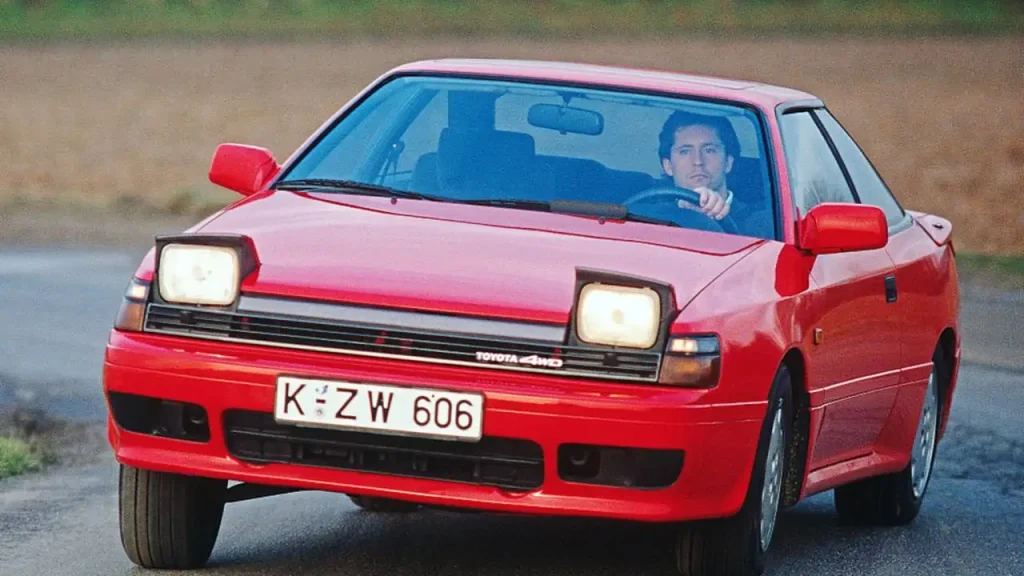
The fourth-generation Toyota Celica introduced sharper styling and a more aggressive appearance. Its retractable headlights helped create a sleek front end that reflected the futuristic design trends of the 1980s.
The Celica proved that pop-up headlights could work on practical, affordable performance cars just as well as they worked on supercars.
Volvo 480
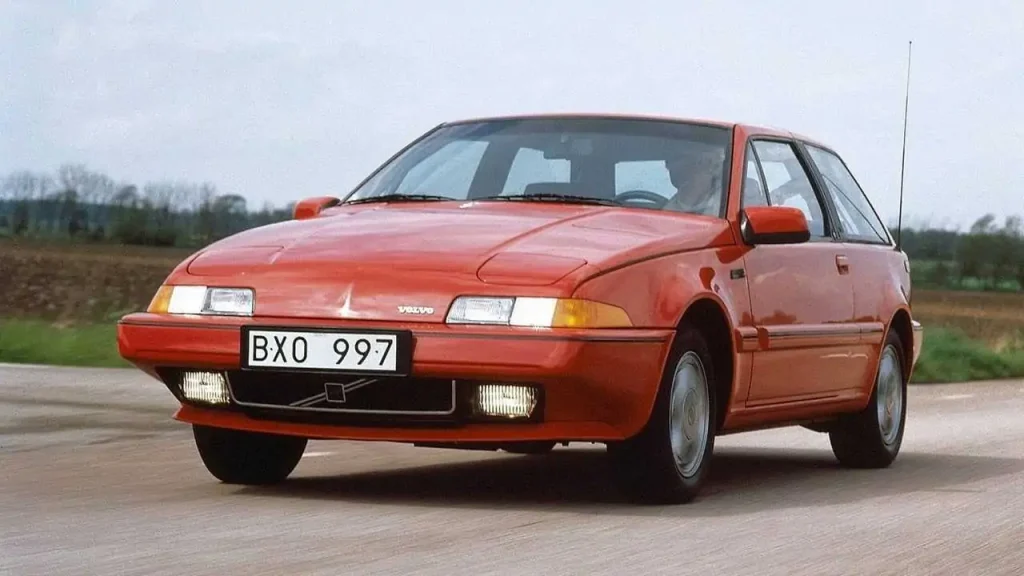
The Volvo 480 was one of the most unusual cars ever produced by the Swedish automaker. Unlike Volvo’s traditional boxy models, the 480 featured a sporty hatchback design and front-wheel-drive layout.
Its pop-up headlights gave the car a distinctive personality and helped separate it from anything else in Volvo’s lineup. It remains a cult favorite among enthusiasts.
Toyota Supra A70
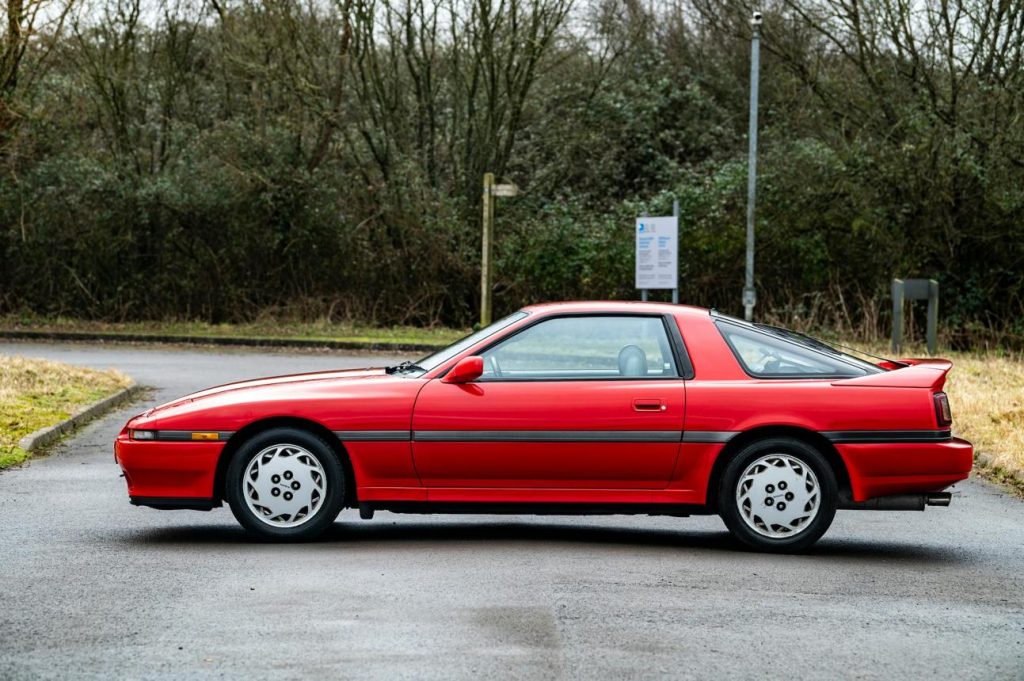
The third-generation Toyota Supra was one of Japan’s most stylish performance cars of the 1980s. Its long hood, wide stance, and retractable headlights created an unmistakable look.
The A70 Supra’s hidden lamps matched its futuristic design and helped establish the model’s reputation before later generations became performance legends.
Pop-up headlights were never just about lighting the road. They added personality, emotion, and a sense of occasion every time they appeared. A modern car can have brighter and smarter headlights, but few can match the excitement of watching a pair of hidden lamps rise from the hood.