
The price depends on several factors, but it may be more affordable than you think.
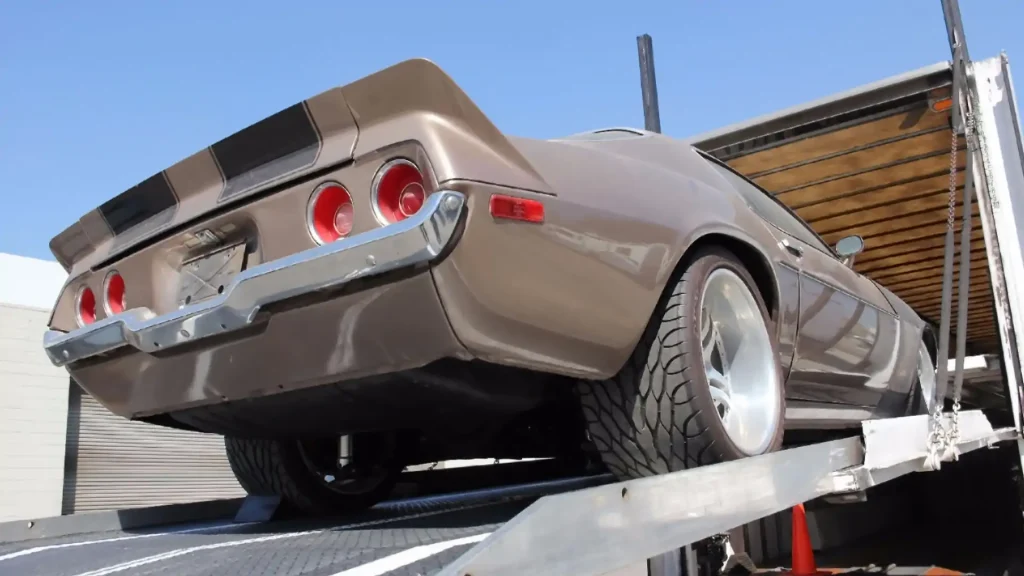
Our recent feature on NASCAR Monster Energy Cup driver Denny Hamlin and his custom FedEx race hauler got us thinking about the often-overlooked world of vehicle transportation. While you can’t simply walk into a local FedEx office and arrange to have your car picked up, Hamlin’s specially designed “FedEx Race Box” is a unique setup built specifically for his racing operation. Fans can even track the hauler’s journey by entering 2017DH112017 into the tracking field on FedEx’s website.
For everyone else, shipping a vehicle is far more accessible than it may seem. There are several transportation options available for moving a car from one location to another, whether you’re relocating, buying a vehicle from out of state, or sending a collector car across the country.
Costs can vary widely depending on factors like distance, vehicle size, transport type, and timing. A typical car shipment can range from roughly $300 to $2,000, making the process more affordable than many people expect. That’s still a pretty broad range, so let’s break down what influences the final price and what you can expect when shipping a car.
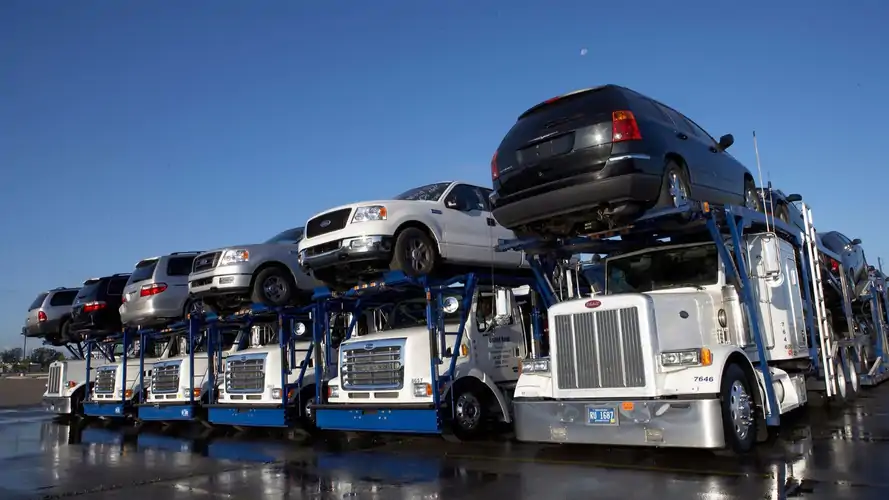
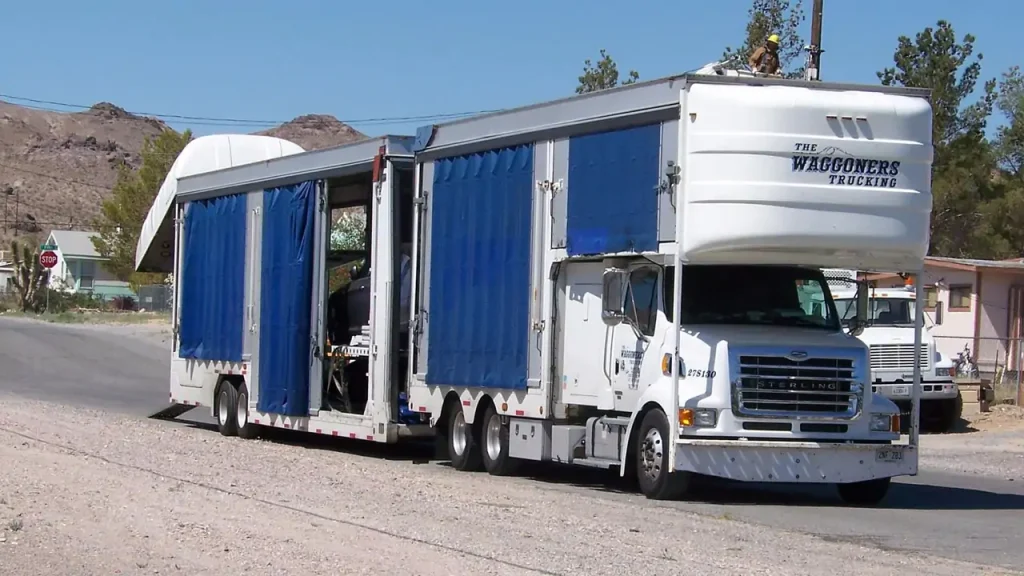
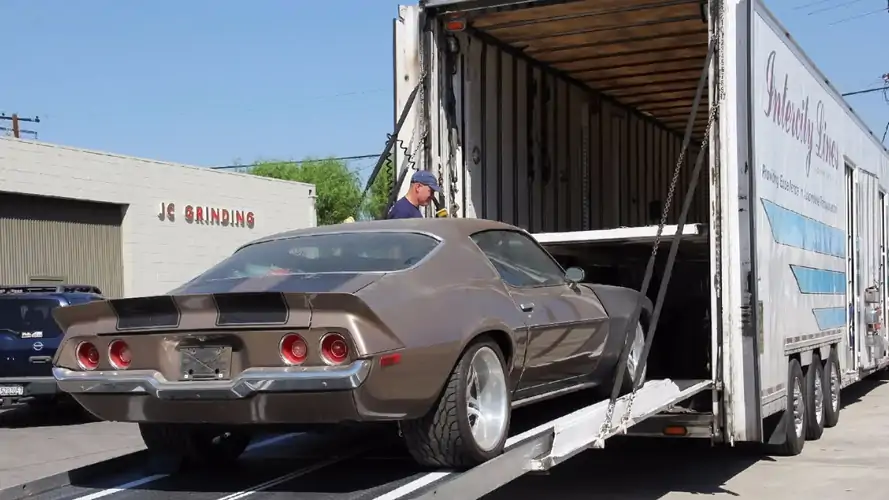
The first thing to consider is what type of transport makes the most sense for your vehicle and budget. If you picked up a rough Nissan 240SX project car for a few hundred dollars, paying extra for premium enclosed shipping probably wouldn’t be a smart investment. However, if you found a rare classic like a vintage Chevrolet Camaro at a bargain price, spending more for maximum protection could be well worth it.
Car shipping companies offer different levels of service depending on the vehicle and your priorities. Some companies, such as Intercity Lines, specialize exclusively in enclosed transport, while others, including Reliable Carriers, provide both open and enclosed trailer options. Choosing the right method ultimately comes down to how valuable the vehicle is, how much protection it needs, and how much you’re willing to spend.
Every auto transport company uses its own pricing system, but some carriers make it easier to get an estimate upfront. Direct Express Auto Transport, for example, provides instant, no-obligation quotes for both open and enclosed shipping. Its calculator takes several important details into account, including whether the vehicle is running or not, since inoperable cars often require additional equipment and handling. Customers can also choose expedited service if they need a faster pickup window.
To get a better idea of typical costs, we used the company’s quote tool to generate several examples. While prices will vary depending on the carrier, route, season, and vehicle, these estimates provide a useful starting point.
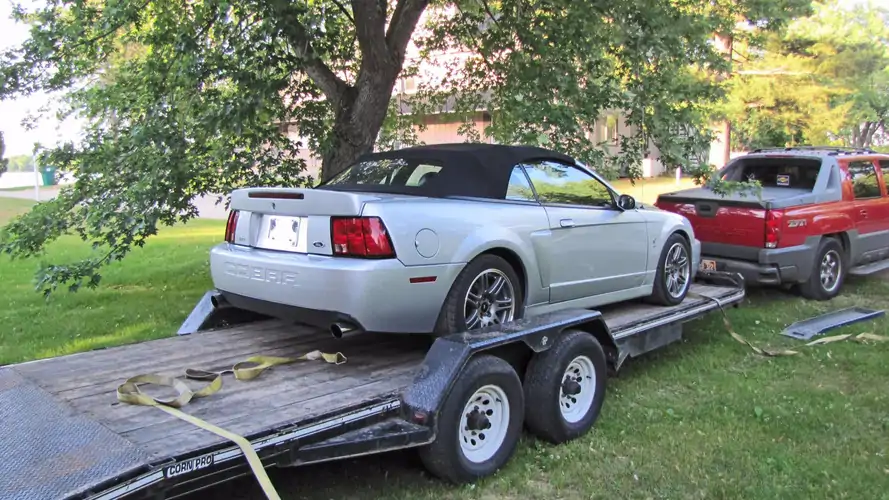
Shipping a 2003 Ford Mustang convertible across the country on an open trailer comes in at about $1,095. That represents the standard rate, with pickup generally scheduled within one to seven days after booking. Choosing expedited service adds roughly $150, reducing the pickup window to around one to two days. Upgrading to enclosed transport costs approximately $600 more, meaning a rushed, cross-country shipment of a typical vehicle in a covered trailer could approach $1,840.
The vehicle itself also has a major impact on the final price. Replacing the Mustang with something more valuable, such as a 2003 Ferrari 575M, increases the cost by roughly $100 due to factors like value, handling requirements, and insurance considerations. Size matters as well. A larger vehicle, such as a 2003 Ford F-250 Super Cab with a long bed, would cost significantly more, with standard open transport across the country estimated at around $1,470.
Distance is another major factor. Shorter trips can dramatically reduce the cost compared with a coast-to-coast shipment. Cutting a cross-country route roughly in half can save about $350, while an 800-mile trip may reduce the price by approximately $450. Using the Mustang example, that means a halfway journey across the country could cost around $720 on an open trailer, while a shorter 800-mile shipment could be closer to $620.
These figures are only estimates based on Direct Express Auto Transport’s pricing system and include taxes and insurance. Actual quotes from different carriers can vary, but they provide a realistic idea of what you might expect to pay.
No matter which company you choose, always confirm that the carrier has proper insurance coverage. It’s also smart to thoroughly document the vehicle before loading. Take detailed photos of the exterior, interior, wheels, and any existing damage before the car leaves. If you’re buying a vehicle remotely, ask the seller to do the same. A few minutes of documentation can save a lot of trouble if damage claims arise after delivery.
For shorter trips, a smaller transport company may provide the right balance of affordability and personalized service. Many independent carriers, along with some larger shipping companies, use platforms like uShip, which allows customers to compare quotes from multiple vehicle transporters. A quick search can reveal competitive prices, such as a 2004 Mercedes-Benz E-Class being transported from Pennsylvania to Kentucky for around $375.
Beyond online marketplaces, local resources can also be valuable. Car clubs, dealerships, enthusiast forums, and automotive groups on social media often have recommendations for trusted transporters with experience handling specific types of vehicles.
The internet has completely transformed the car-buying experience. Finding a rare classic, a project car, or a great deal from across the country is easier than ever thanks to platforms like online auctions and automotive marketplaces. The challenge used to be getting the vehicle home — but today, there are countless shipping options available to make that process simple and convenient.
Conclusion
Shipping a car may seem complicated at first, but understanding your options can make the process much easier. Whether you choose an affordable open carrier, a premium enclosed transporter, or a local shipping company, the right choice depends on your budget, vehicle, and how much protection you need.
With careful research, proper insurance, and good communication with the carrier, buying a vehicle from hundreds or even thousands of miles away no longer has to be a stressful experience. In today’s connected automotive world, the perfect car doesn’t have to be nearby — you just need a reliable way to bring it home.